Thanksgiving in the 1970s was about more than turkey, mashed potatoes, and pumpkin pie. For many American families, it was an all-day affair that started with the Macy’s Thanksgiving Day Parade playing on the television and ended with everyone sprawled across the living room, too full to move. In between, there were relatives arriving with homemade dishes, kids running around the house, and someone inevitably asking when dinner would be ready.
Of course, not every family celebrated Thanksgiving the same way. But certain details of the decade are hard to forget, from colorful Jell-O molds and canned cranberry sauce to formal dinner tables and football games that seemed to last all afternoon. And while plenty of these traditions are still around today, there’s something especially nostalgic about remembering them in their 1970s glory.
Whether you spent the holiday at Grandma’s house or hosted a crowd of relatives in your own living room, chances are a few of these memories will sound familiar. Here are 12 things Boomers might remember about celebrating Thanksgiving in the 1970s.
Waking Up to the Macy’s Thanksgiving Day Parade
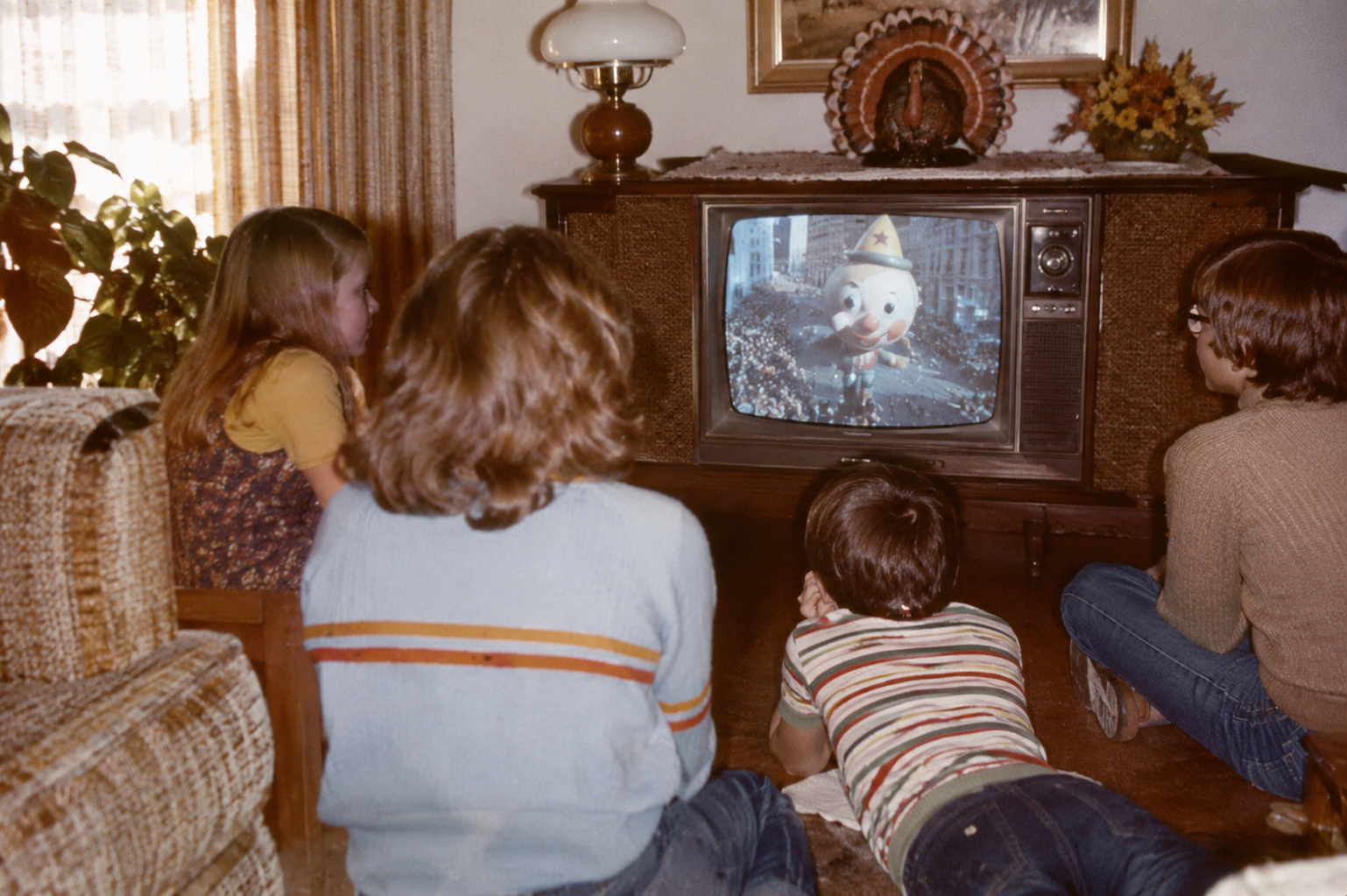
For many families, Thanksgiving morning didn’t officially begin until the Macy’s Thanksgiving Day Parade appeared on the television. Kids gathered around to watch giant character balloons floating through Manhattan, marching bands performing, and elaborate floats making their way down the streets. Meanwhile, parents and grandparents were already busy preparing dinner in the kitchen. The parade was one of those rare television events that brought everyone together, even if most people were only half-watching while doing something else. In 1976, the parade celebrated its 50th anniversary, making that year’s festivities especially memorable.
Seeing a Jell-O Mold on the Thanksgiving Table
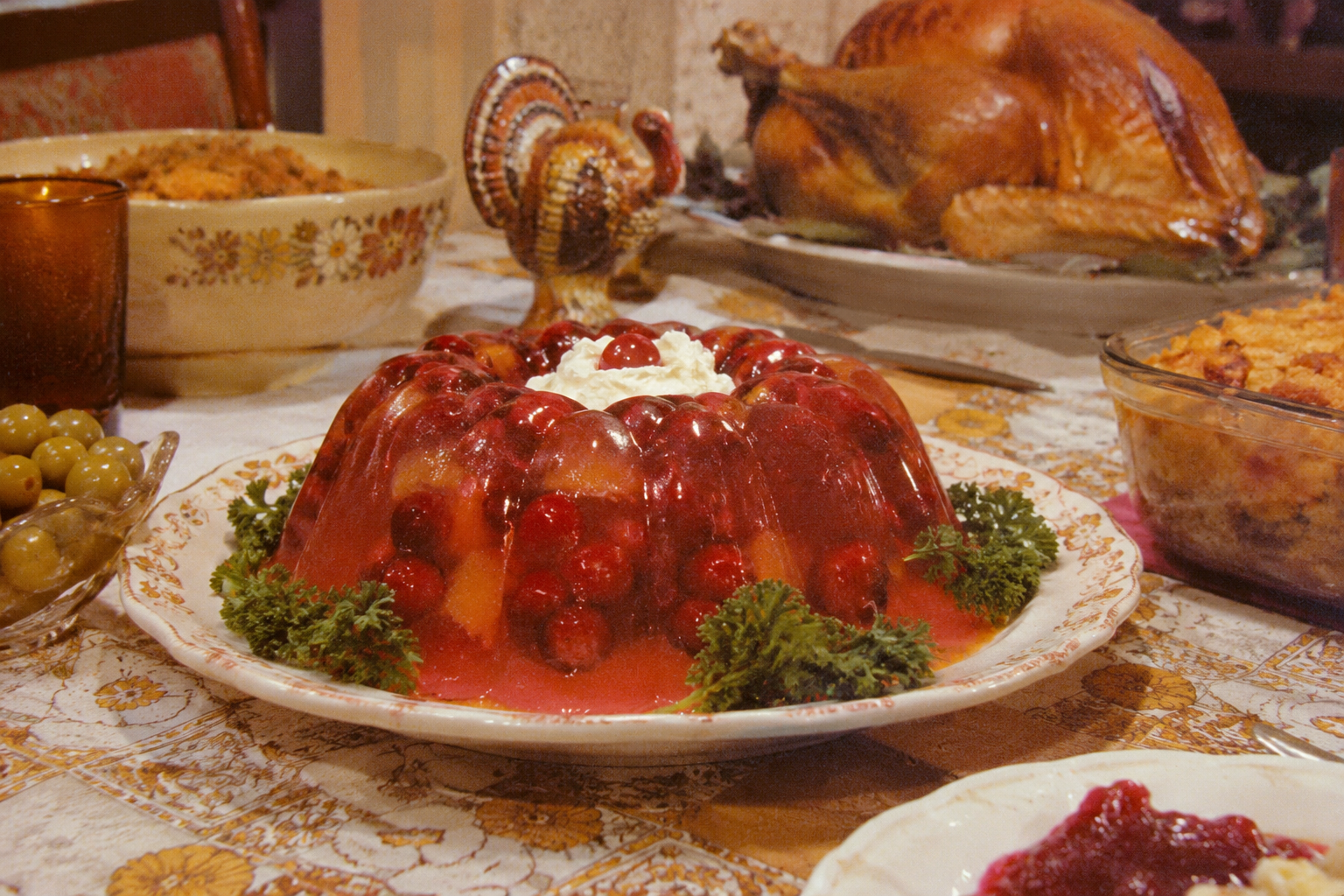
Nothing says 1970s holiday entertaining quite like a colorful gelatin mold sitting proudly among the turkey and mashed potatoes. Depending on the family recipe, these creations might contain cranberries, pineapple, chopped nuts, marshmallows, shredded carrots, or even vegetables suspended in brightly colored gelatin. Some were sweet enough to qualify as dessert, but that didn’t stop families from serving them alongside the main course. And while younger generations might find the combination of fruit, vegetables, and Jell-O a little questionable, these elaborate dishes were once considered an impressive addition to a holiday spread.
Watching Mom or Grandma Cook All Morning
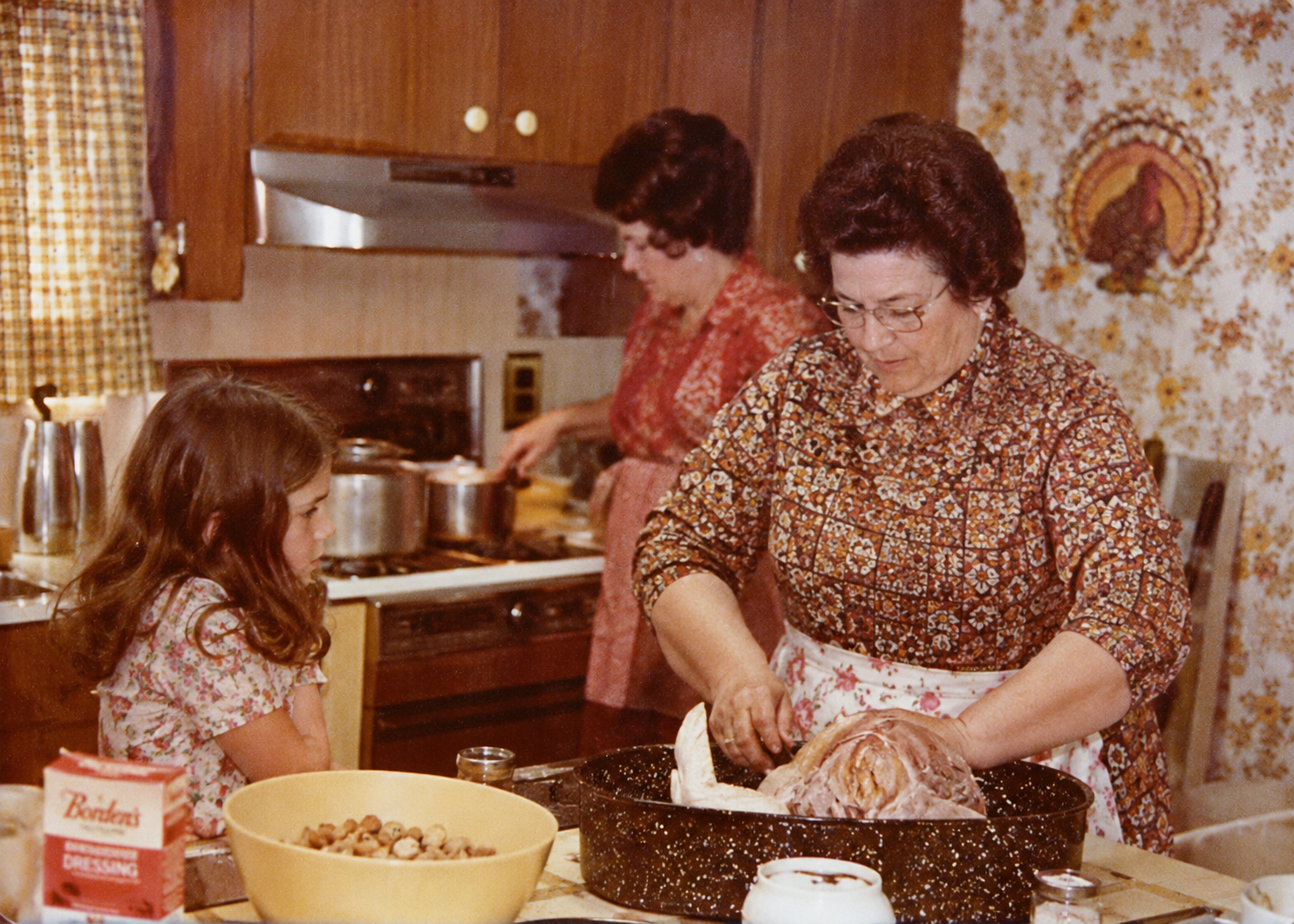
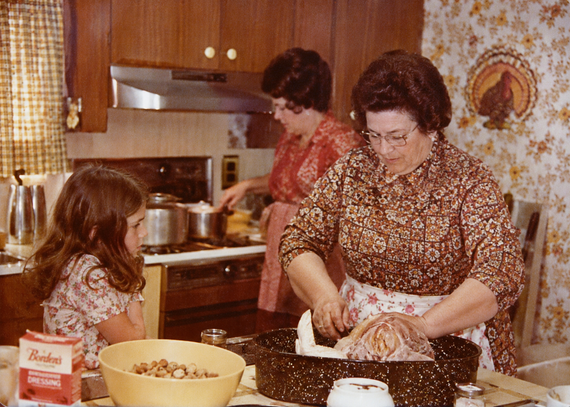
Long before anyone could pull up a Thanksgiving recipe on their phone, holiday cooking often meant digging out a collection of handwritten recipe cards and spending most of the morning in the kitchen. In many households, mothers and grandmothers handled the bulk of the preparation, peeling mountains of potatoes, mixing stuffing, basting the turkey, and trying to fit several casseroles into one oven. The kitchen could become a crowded, chaotic place, especially when relatives arrived with dishes that needed reheating. And somehow, despite all the last-minute scrambling, everything usually made it to the table.
Eating Thanksgiving Dinner at the Kids’ Table
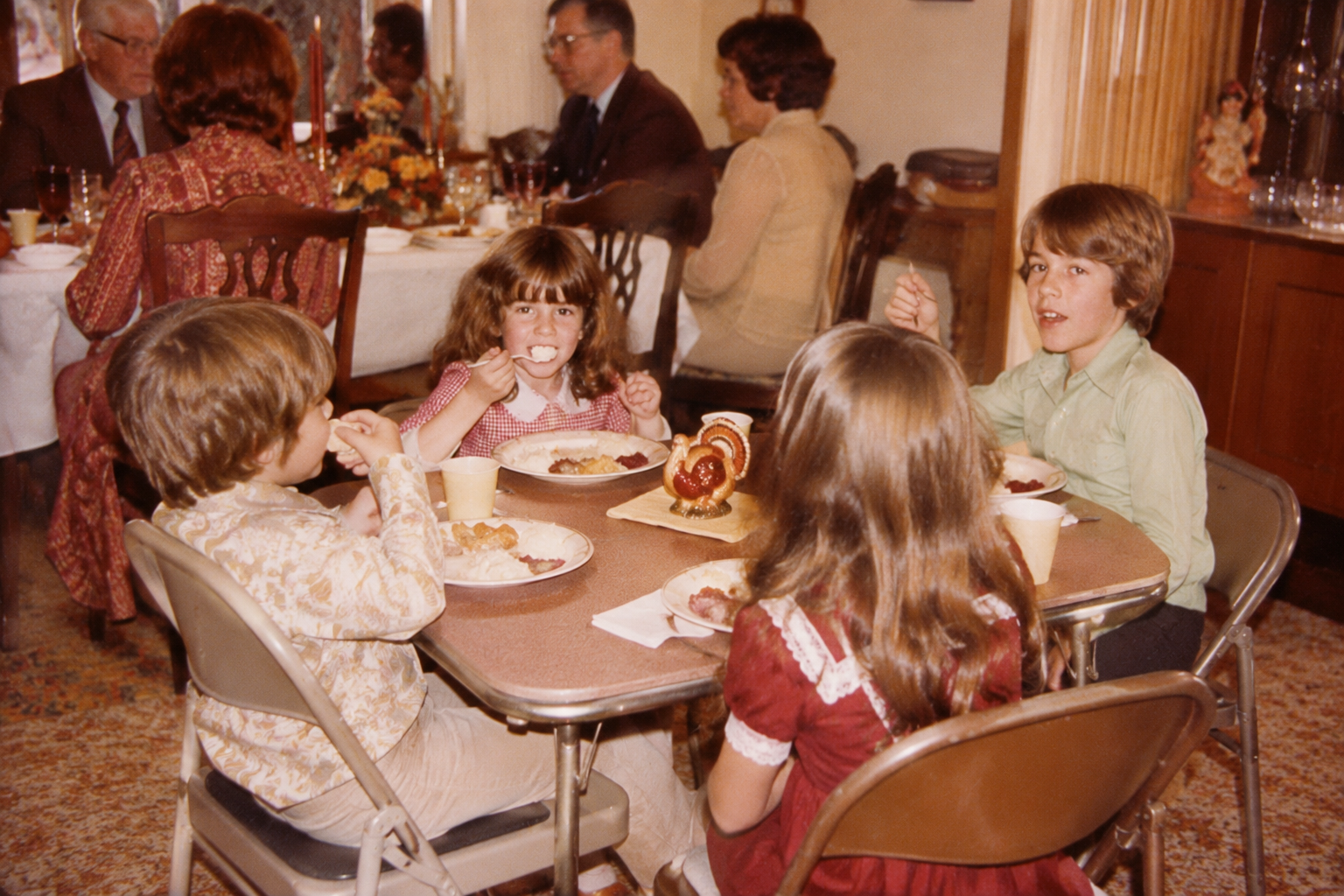
If you were a kid celebrating Thanksgiving in the 1970s, there’s a good chance you weren’t sitting at the main dining table. Instead, you and your cousins might have been assigned to a folding card table in the kitchen, den, or corner of the dining room. The setup usually came with mismatched chairs, less impressive place settings, and considerably fewer expectations about proper table manners. Of course, there were advantages to being away from the adults, especially when conversations turned boring. But getting promoted to the grown-ups’ table was still a milestone worth celebrating, even if it meant having to behave yourself.
Watching the Cowboys or Lions While Dinner Cooked
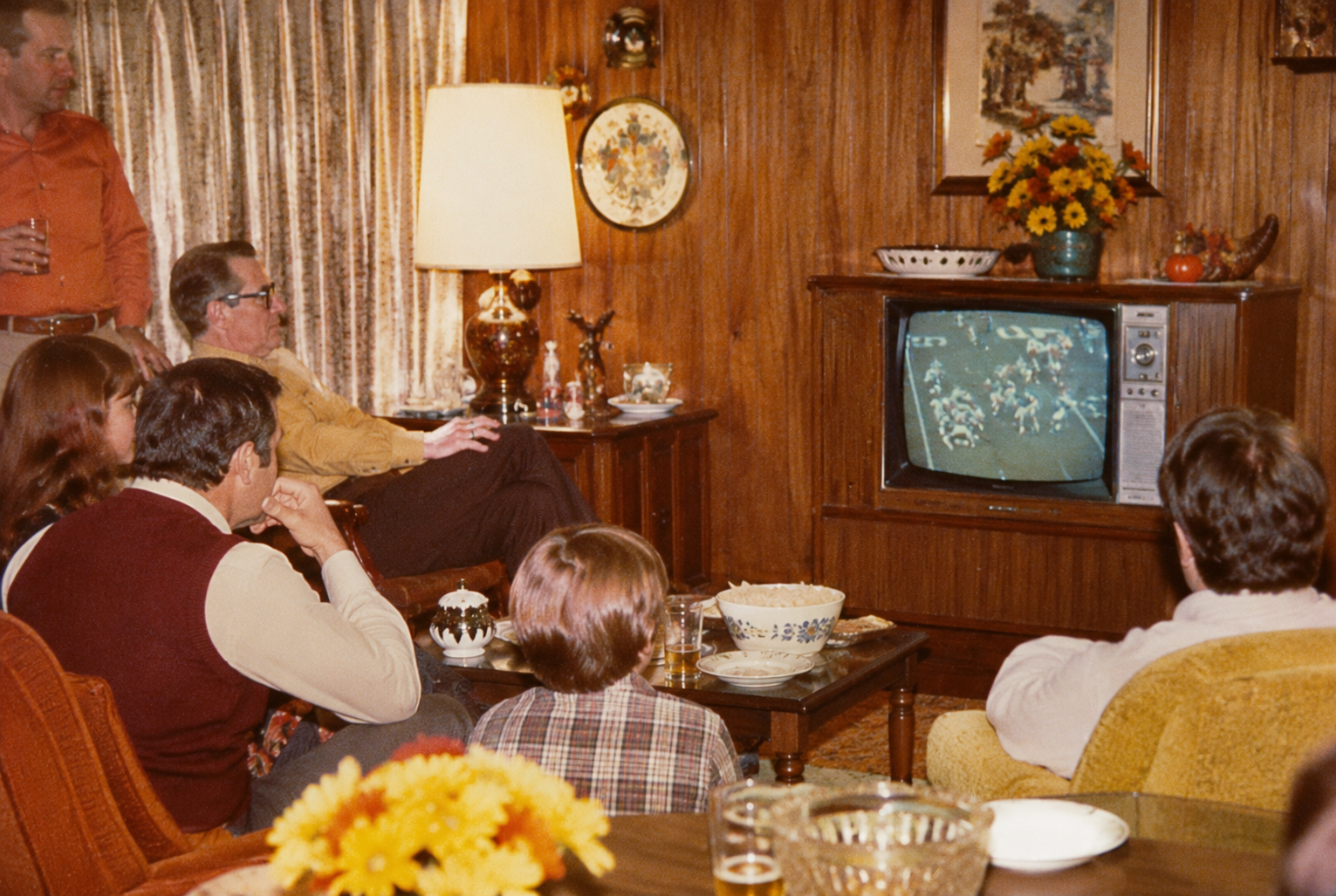
Thanksgiving and football were already practically inseparable by the 1970s. Whether your family rooted for the Dallas Cowboys, the Detroit Lions, or whoever happened to be playing, there was a good chance the television stayed tuned to an NFL game for much of the afternoon. Relatives gathered around the set, argued over questionable calls, and occasionally shouted loud enough for everyone in the kitchen to hear. In some households, the game even determined when Thanksgiving dinner would be served. And if you weren’t particularly interested in football, you probably had to find something else to do until the adults surrendered the television.
Trending on Cheapism


Seeing the Canned Cranberry Sauce Keep Its Shape
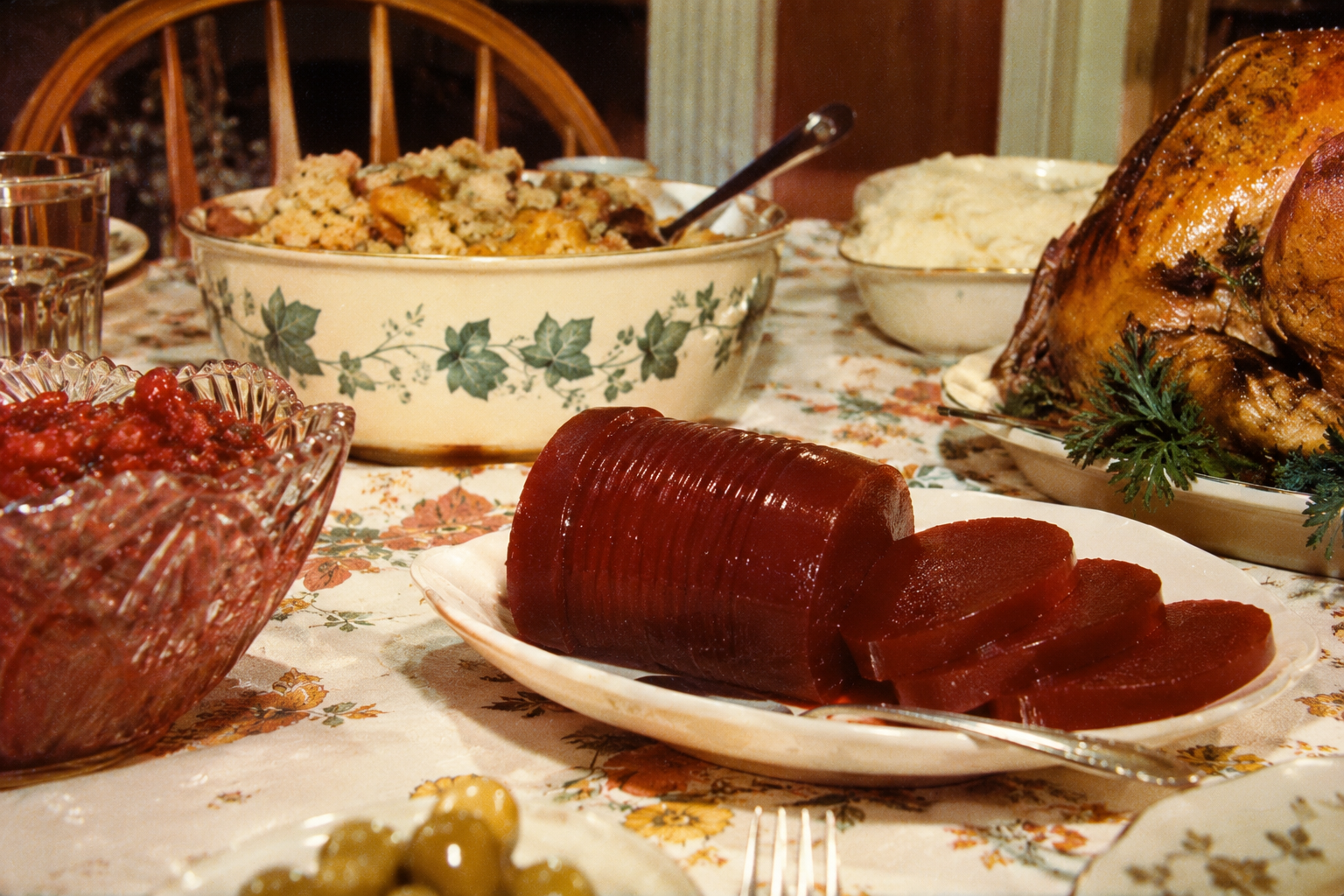
Few Thanksgiving foods were as instantly recognizable as the perfectly cylindrical cranberry sauce that slid out of a can. With its distinctive ridges still intact, the bright red gelatinous creation often landed on a serving plate before being sliced into neat rounds. Some families insisted on homemade cranberry relish, while others wouldn’t dream of serving Thanksgiving dinner without the canned version. And although its appearance inspired plenty of jokes, there was something oddly satisfying about seeing that familiar red cylinder return to the table every November. For some people, it just wouldn’t have been Thanksgiving without it.
Dressing Up for Thanksgiving Dinner at Grandma’s House
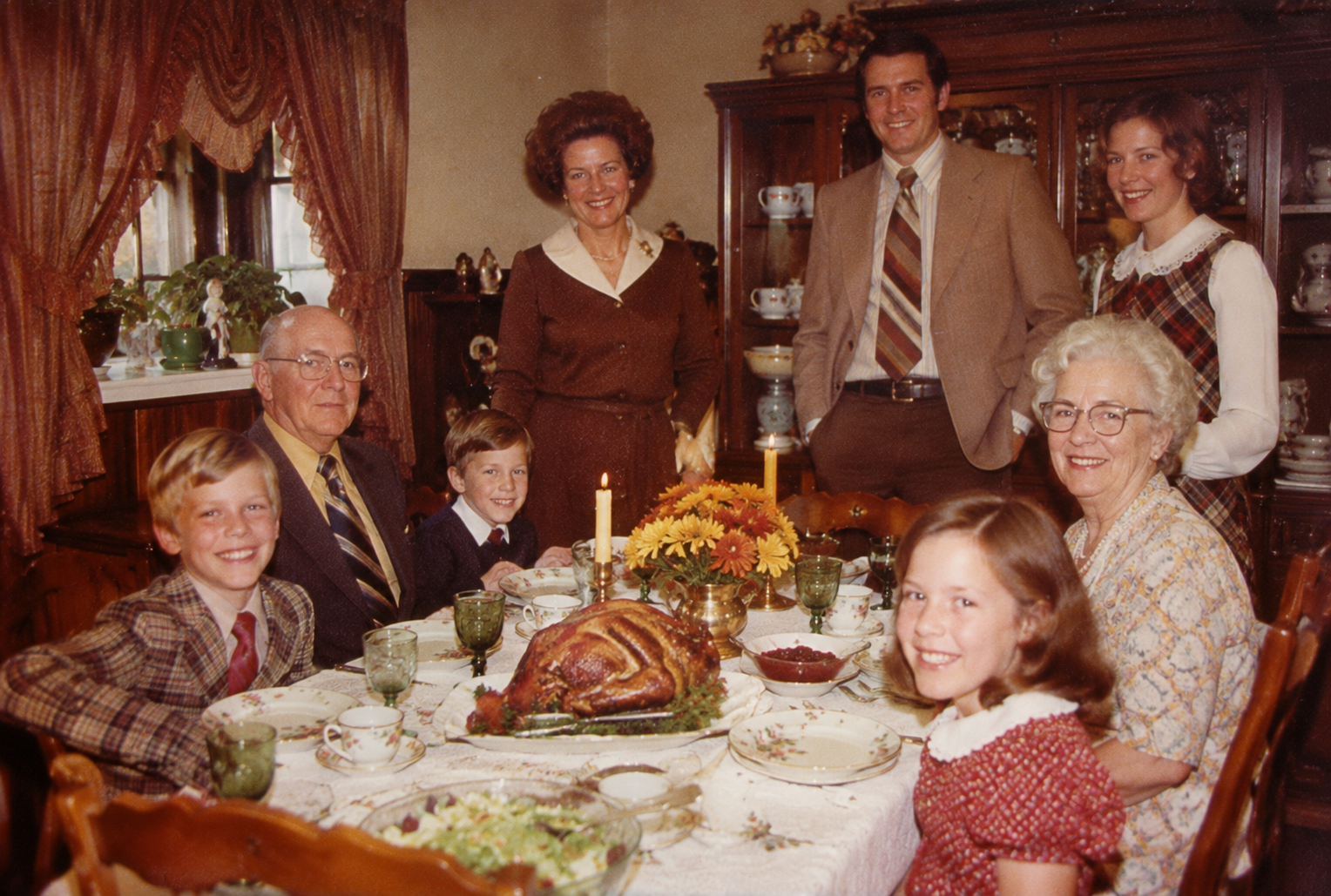
Today, plenty of families celebrate Thanksgiving in jeans, sweaters, or whatever happens to be comfortable enough for a second helping of stuffing. But in some 1970s households, the holiday called for something a little more formal. Kids might have been expected to wear pressed pants, dresses, or uncomfortable shoes before heading to Grandma’s house. Meanwhile, the dining room was transformed with the good tablecloth, special dishes, and serving platters that rarely made an appearance during ordinary meals. Of course, all that formality didn’t necessarily last once everyone started eating, especially when the youngest family members got restless.
Eating Green Bean Casserole With Crispy Onions
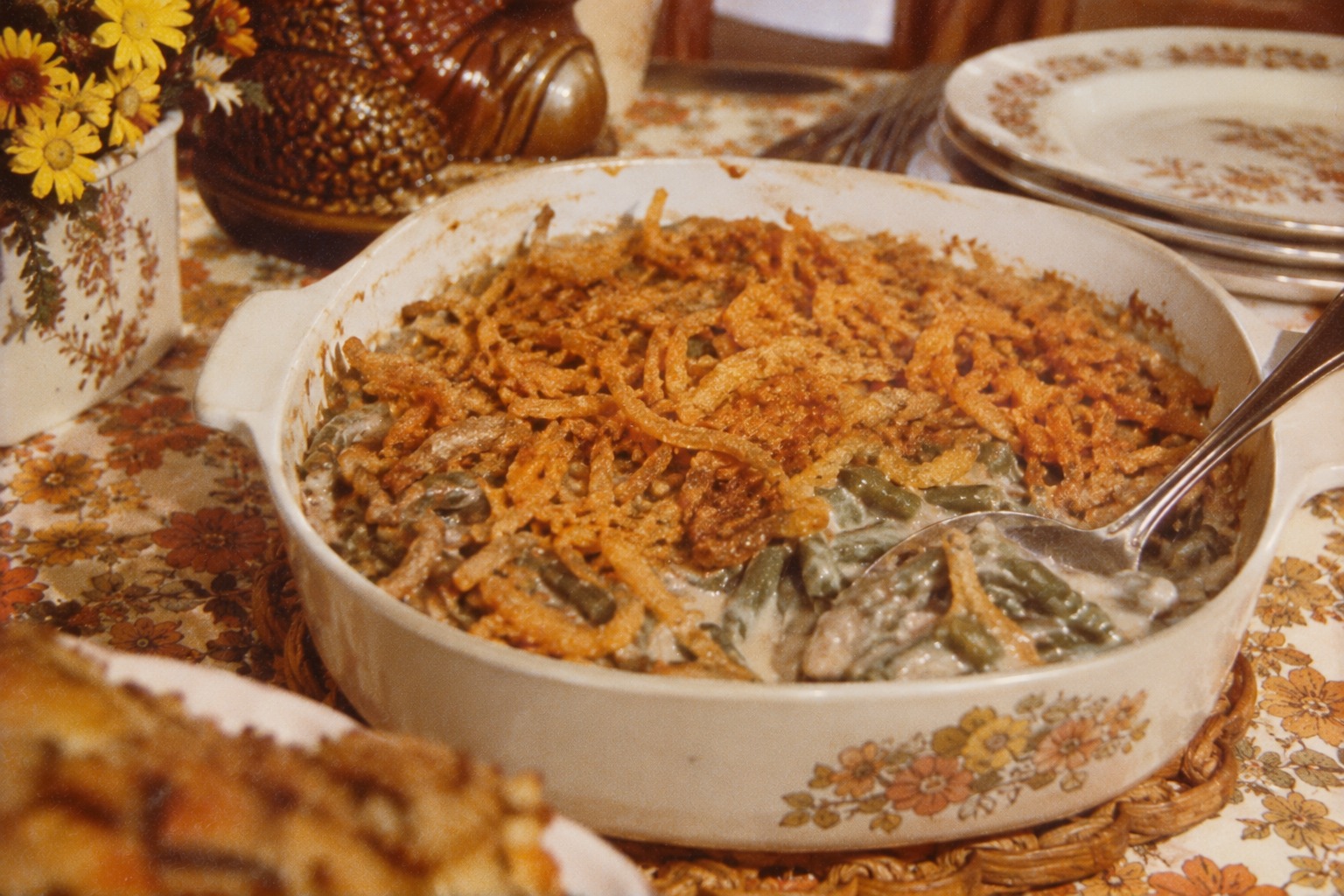
There was a good chance that somewhere between the mashed potatoes and sweet potatoes sat a bubbling dish of green bean casserole. Made with green beans, condensed cream of mushroom soup, and a generous topping of crispy fried onions, the casserole was a convenient way to feed a crowd without spending hours preparing another side dish. Campbell’s originally developed the famous recipe in 1955, but it remained a familiar presence at Thanksgiving gatherings throughout the 1970s. And while not everyone loved the creamy combination, those crunchy onions on top were often the best part.
Sign up for our newsletter
Waiting for A Charlie Brown Thanksgiving to Come On
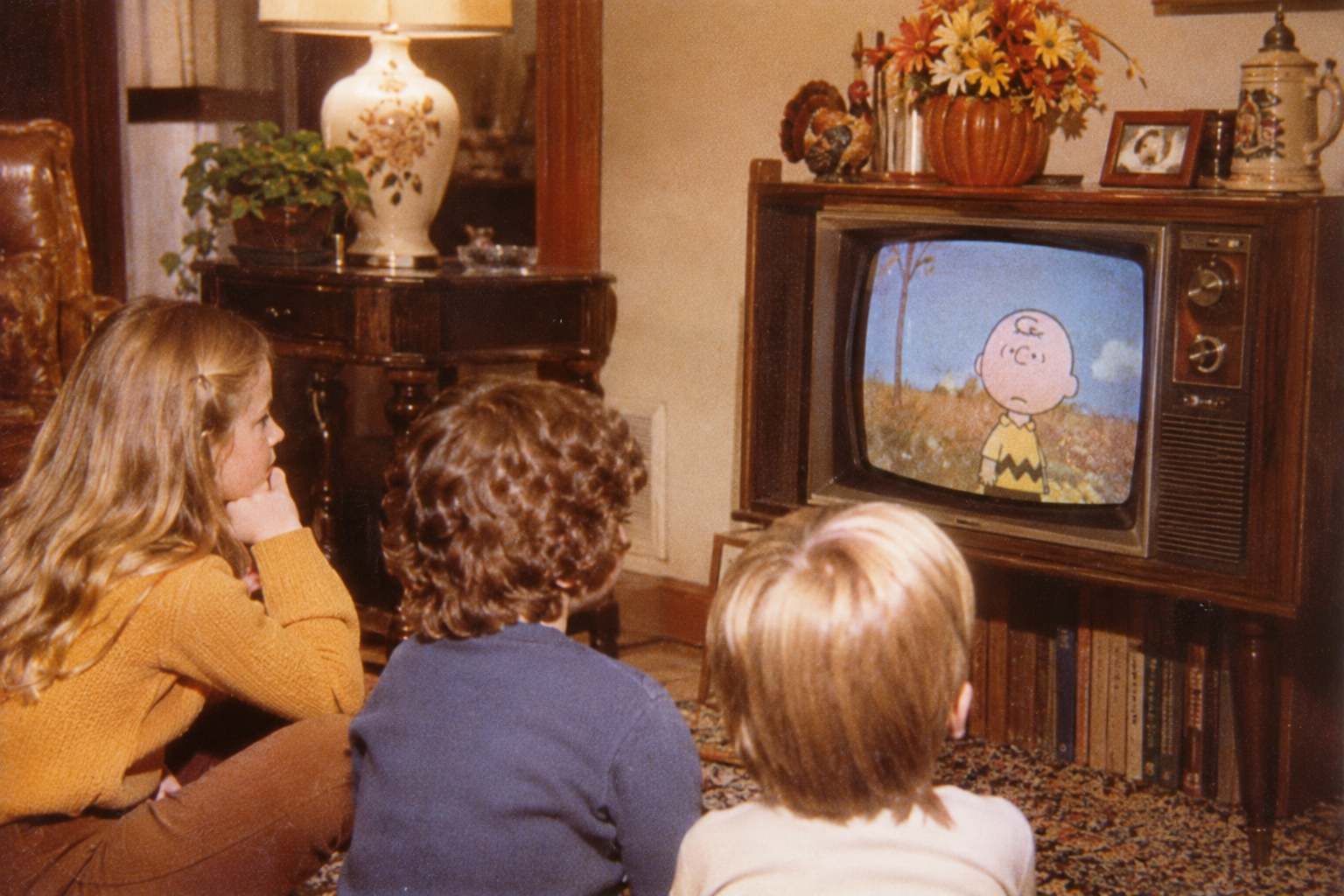
Thanksgiving television wasn’t all parades and football. Beginning in 1973, families could also look forward to A Charlie Brown Thanksgiving, the animated special featuring the Peanuts gang’s rather unconventional holiday meal. Instead of turkey and stuffing, Charlie Brown and his friends served toast, popcorn, pretzel sticks, and jelly beans, much to Peppermint Patty’s disappointment. For younger Boomers and families with children, watching the special became another holiday tradition. And because there were no streaming services or on-demand viewing options, missing the broadcast meant waiting for another opportunity to see it.
Playing Backyard Football Before the Big Meal
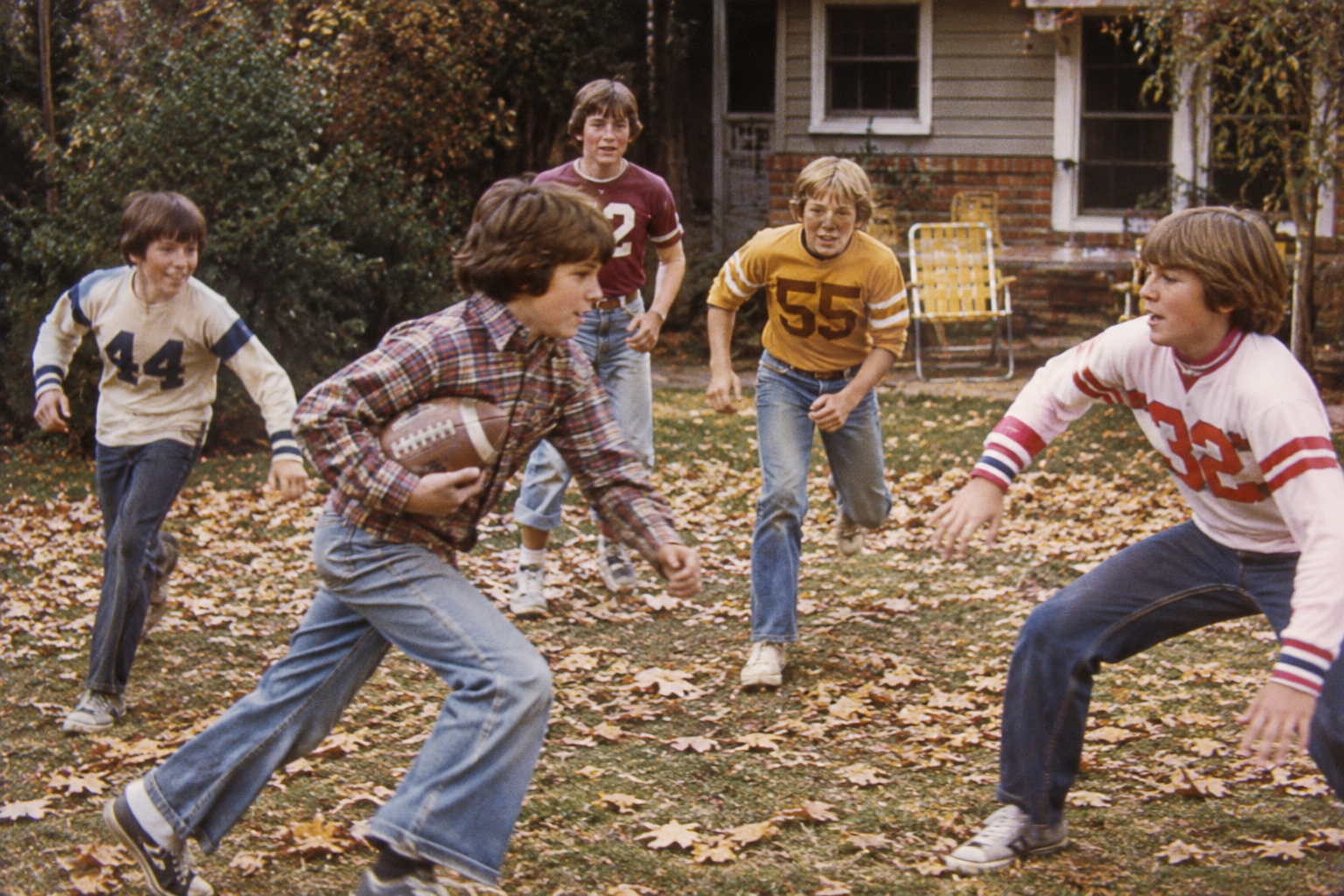
While the adults watched professional football on television, kids and cousins sometimes organized their own games in the backyard. All it took was a football, a patch of grass, and enough relatives willing to participate. The rules were usually flexible, the teams weren’t always fair, and somebody inevitably complained about a questionable touchdown. Depending on the weather, players might have ended up covered in mud or grass stains just before dinner. And nothing brought a backyard football game to an end faster than someone opening the back door and announcing that it was time to wash up and come inside.
Watching Someone Carve the Turkey at the Table
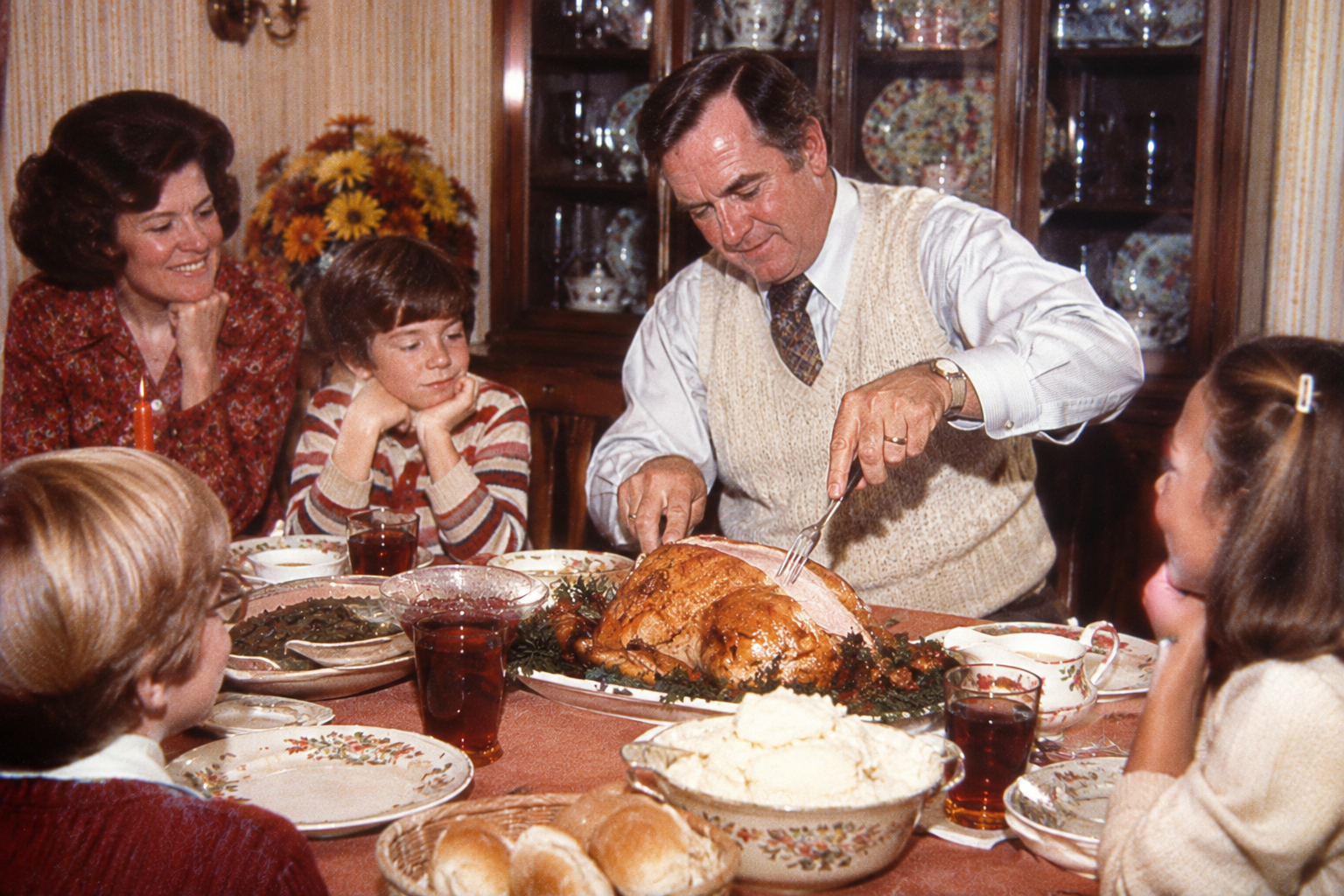
Before everyone started piling food onto their plates, there was often one important Thanksgiving ritual left to complete: carving the turkey. In some households, a parent or grandparent proudly carried the golden-brown bird to the dining table, where it was placed on a large platter and carefully sliced with a carving knife and fork. Family members waited for their preferred pieces, whether that meant white meat, dark meat, or a coveted drumstick. And once the meal was over, the wishbone might be set aside to dry so two lucky kids could eventually compete to see whose wish would come true.
Eating Turkey Sandwiches for Days Afterward
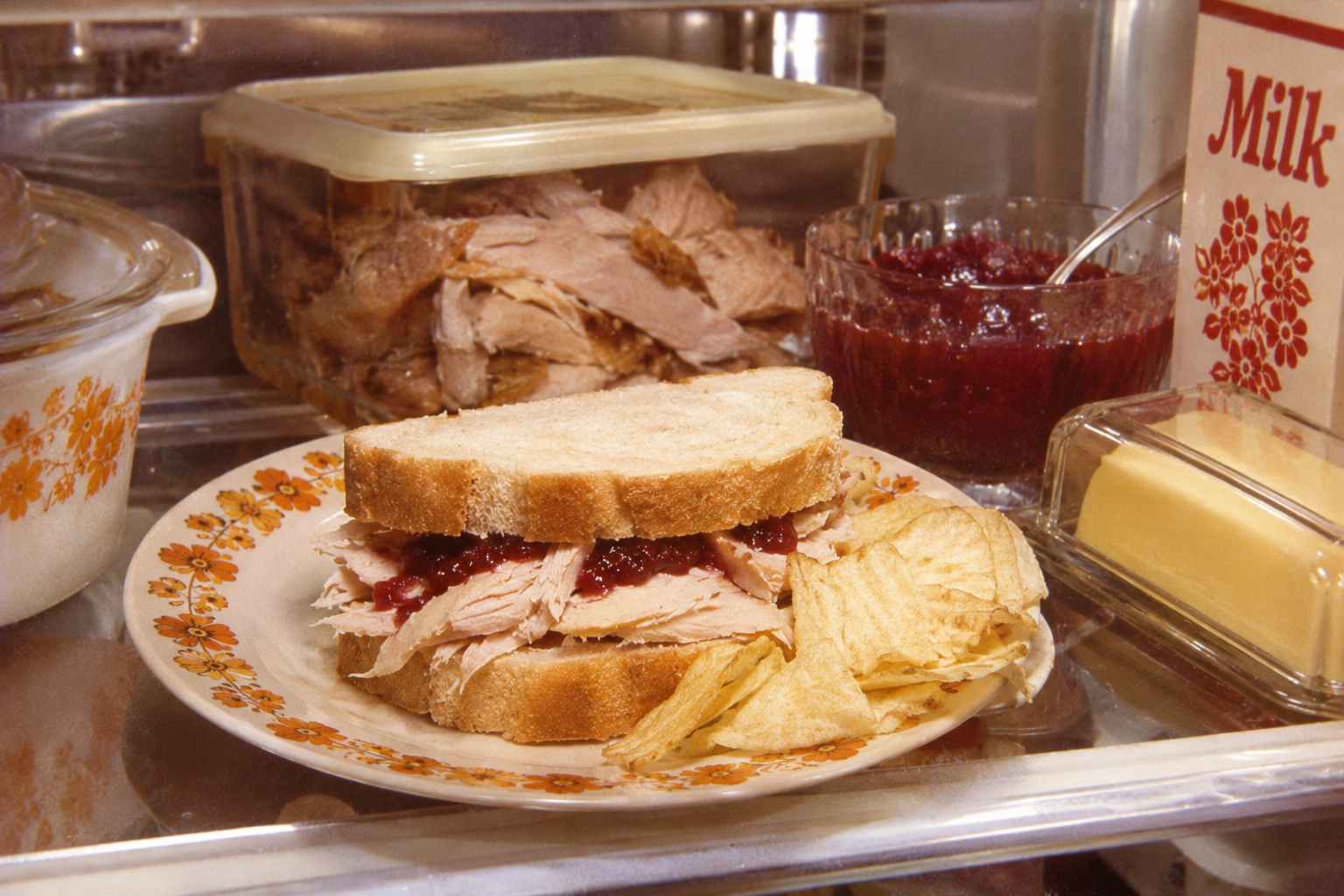
Thanksgiving dinner might have been the main event, but the leftovers were practically a holiday tradition of their own. For days afterward, families found ways to use up the enormous turkey taking over the refrigerator. Cold turkey sandwiches on soft white bread were especially popular, sometimes piled high with mayonnaise, stuffing, cranberry sauce, or whatever else was left from Thursday’s feast. Other households turned leftover meat into soup, casseroles, or another round of turkey dinners. By the time the weekend was over, some family members were probably ready to eat anything that didn’t involve turkey. Still, there’s something undeniably nostalgic about a leftover Thanksgiving sandwich.
When Thanksgiving Was About the Little Things
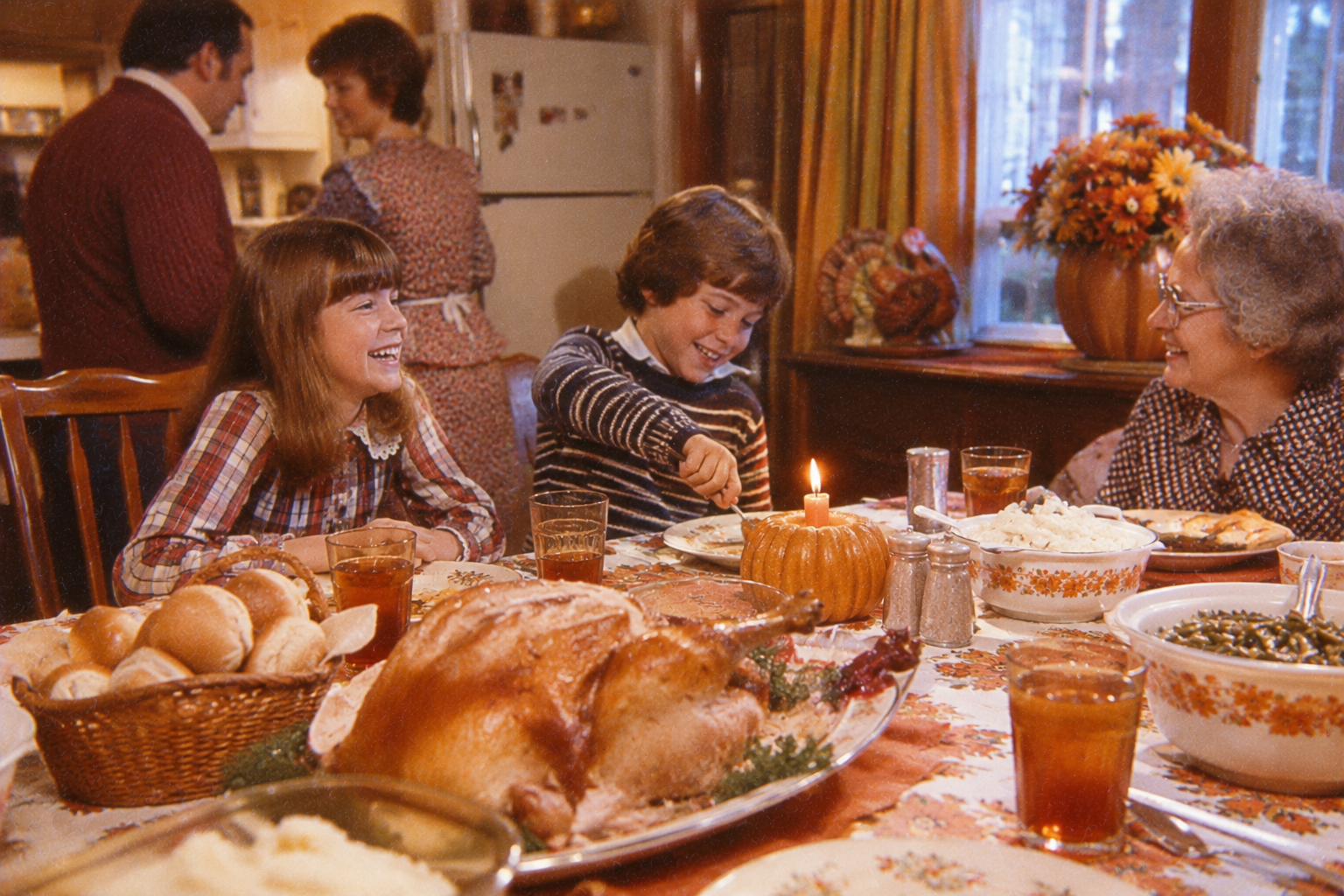
Looking back, Thanksgiving in the 1970s wasn’t necessarily memorable because of elaborate decorations or perfectly prepared meals. It was the little things that made the holiday special: the sound of football coming from the living room, the smell of turkey roasting in the oven, the excitement of seeing cousins you hadn’t visited in months, and the familiar dishes that appeared on the table year after year.
And while holiday traditions have changed over the decades, many of those memories remain surprisingly familiar. After all, whether it’s 1976 or 2026, Thanksgiving is still about gathering around the table, sharing a meal, and occasionally arguing over who gets the last piece of pie.