The holidays are supposed to be a time for family, celebration, and keeping beloved traditions alive. But for many retirees, the things that once made Christmas special can also become surprisingly expensive. Between buying presents for grandchildren, hosting elaborate family dinners, decorating the house, and traveling across the country to visit loved ones, it’s easy for holiday spending to get out of hand.
And while some of these traditions may have been perfectly affordable during your working years, retirement can change the equation. Living on Social Security, pension payments, or retirement savings often means being more mindful of recurring expenses, especially when the family keeps growing. What started as a simple Christmas dinner for six might now involve feeding 20 people, and those holiday gifts for the grandkids can add up quickly when there are several more names on your shopping list.
Of course, nobody wants to give up the traditions that make the holidays meaningful. Fortunately, you don’t have to. Sometimes a few small adjustments can make a big difference without sacrificing the celebrations you love. From extravagant Christmas dinners to expensive family outings, here are 12 expensive holiday traditions in retirement that might be worth reconsidering.
Buying Christmas Presents for Every Grandchild

There’s something wonderful about watching your grandchildren open their Christmas presents, especially when you’ve spent weeks picking out something you know they’ll love. But as families grow, buying individual gifts for every grandchild can become a surprisingly expensive tradition. And while younger children might be thrilled with a relatively inexpensive toy, teenagers often have considerably pricier wish lists filled with electronics, gaming accessories, and designer clothing.
The problem is that a gift-giving tradition established during your peak earning years might not be as sustainable once you’re retired. If you have six grandchildren and spend $100 on each, that’s already $600 before you’ve purchased anything for your spouse, children, or other relatives. Instead of feeling obligated to spend the same amount every year, consider setting a fixed budget per grandchild or organizing a special shared experience. The Consumer Financial Protection Bureau recommends planning holiday gift spending ahead of time to avoid financial strain.
Hosting the Entire Family for Christmas Dinner

For many families, Christmas wouldn’t feel quite the same without gathering around Grandma and Grandpa’s dining room table. But preparing an elaborate holiday meal for the entire family can cost considerably more than it did when the tradition first began. Between the main course, side dishes, appetizers, desserts, drinks, and extra household supplies, hosting a large gathering can quickly become a major expense.
According to AARP’s 2026 holiday research, 34% of adults 50 and older typically host family or friends at home during the holidays. And while hosting can be a wonderful way to bring everyone together, retirees who have traditionally covered the entire cost may find themselves spending more than they’re comfortable with. There’s nothing wrong with asking adult children to contribute a dish, bring beverages, or help pay for groceries. You could also rotate hosting responsibilities or turn Christmas dinner into a potluck. After all, the important part is spending time together, not having one person foot the entire bill.
Traveling Across the Country to Visit Family

When your children and grandchildren live hundreds or even thousands of miles away, traveling for the holidays can feel less like a vacation and more like an annual obligation. Unfortunately, flying around Thanksgiving or Christmas often means dealing with expensive airfare, crowded airports, and additional costs for hotels, rental cars, checked luggage, and transportation.
And those expenses can be substantial. According to an October 2026 AARP survey, 43% of older adults planning holiday travel expected to spend at least $2,000, while 52% identified cost as their biggest travel concern. For retirees living on a fixed income, that’s a significant amount to spend on a single family visit. If your schedule is flexible, consider traveling a few days before or after the busiest holiday dates, when fares may be lower. Another option is alternating which family members travel each year or arranging a gathering somewhere more affordable for everyone.
Sending Christmas Cards to Everyone on the List
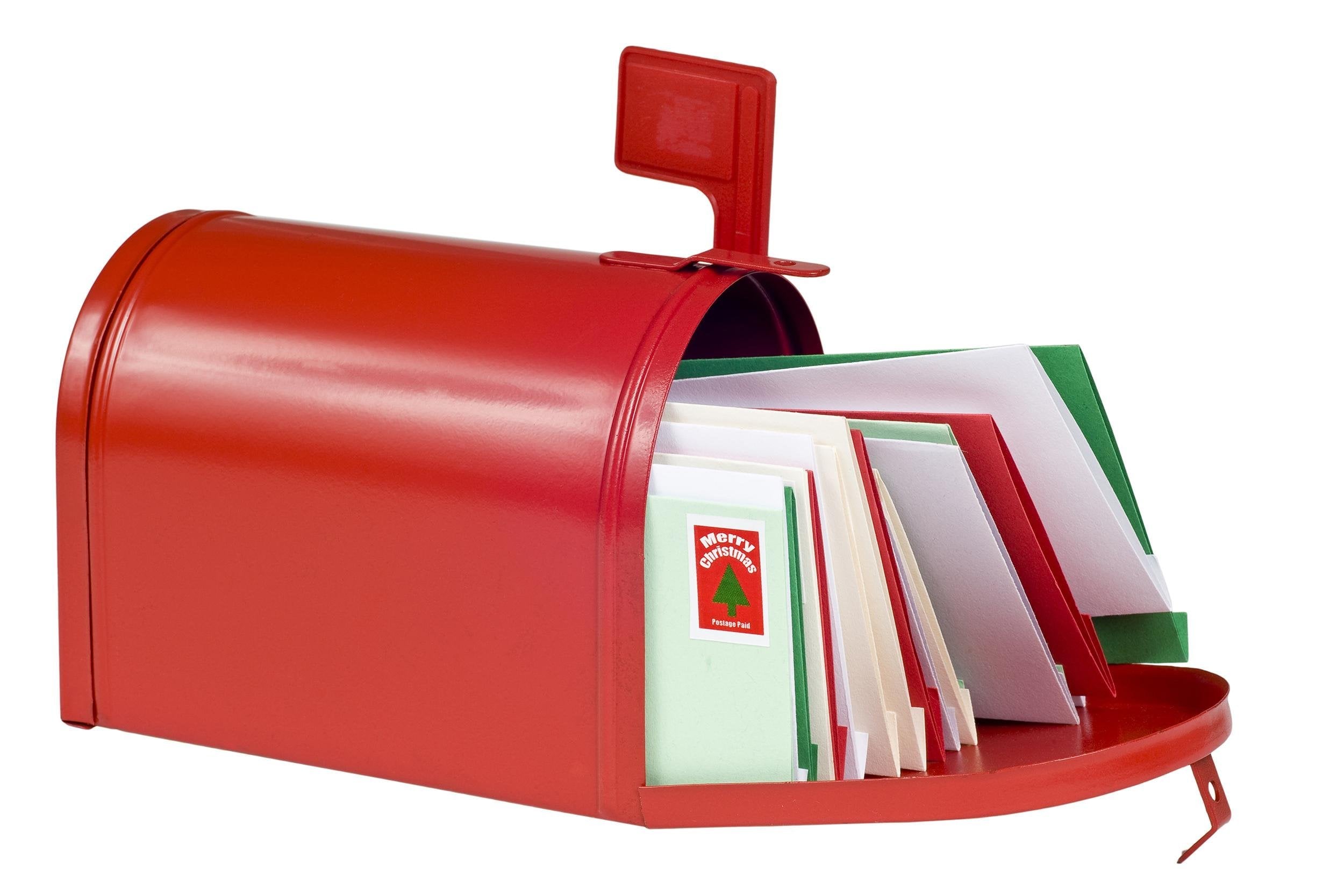
Sending Christmas cards is one of those charming traditions that can make the holidays feel especially personal. For retirees who have spent decades exchanging greetings with old friends, former coworkers, distant relatives, and neighbors, the annual card list can become quite extensive. Unfortunately, printing dozens of cards and paying for postage isn’t nearly as inexpensive as it once was.
Personalized photo cards can be particularly costly, especially when you factor in envelopes, printing, and mailing expenses. And if you’re sending cards to 50 or 100 households, even small increases in postage can make a noticeable difference. You don’t necessarily have to abandon the tradition, though. Consider sending physical cards to the people who appreciate them most and using phone calls, emails, or digital greetings for everyone else. You can also check current USPS postage rates before mailing heavier cards or oversized envelopes, which may cost more than a standard letter.
Giving Adult Children Large Cash Gifts Every December

Many parents enjoy giving their adult children a little extra financial help during the holidays, whether that means contributing toward a family vacation, helping with household expenses, or simply slipping a generous check into a Christmas card. And when you’ve spent years being the person everyone turns to for support, it can be difficult to change that tradition.
But retirement is a different financial stage, and money given away today might be needed for future medical expenses, housing costs, or unexpected emergencies. Even if you have substantial savings, it’s worth considering whether large annual gifts are sustainable over the long term. Before deciding how much to give, review your essential expenses, emergency savings, and retirement income. And remember that just because a financial gift falls within tax rules doesn’t necessarily mean it’s affordable for your household. Your adult children may appreciate the gesture, but protecting your own financial security should come first.
Trending on Cheapism


Keeping an Elaborate Outdoor Christmas Light Display
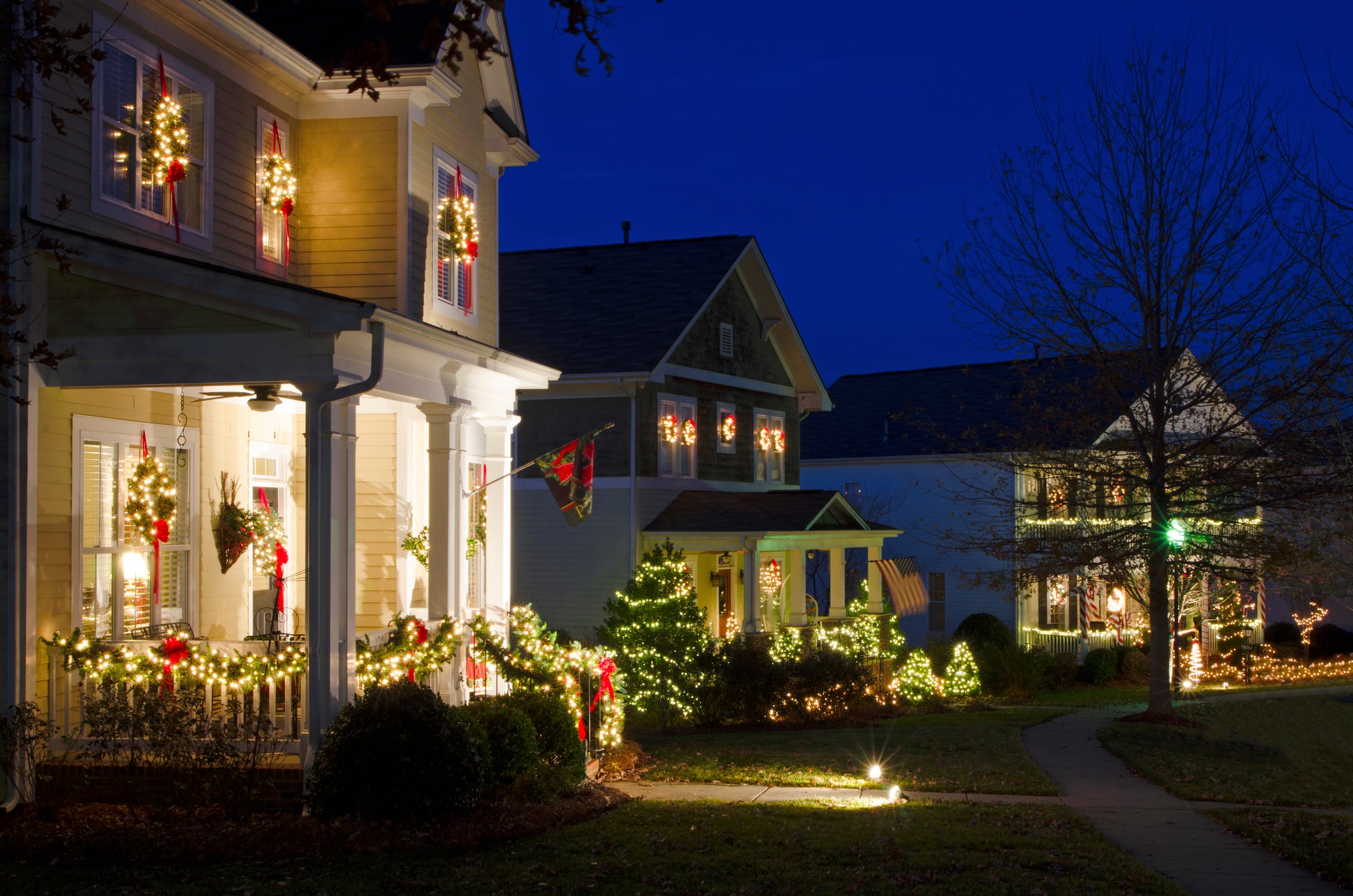
There’s nothing quite like driving through a neighborhood filled with glowing Christmas lights, illuminated reindeer, and beautifully decorated houses. And if you’ve spent decades putting together an elaborate outdoor display, scaling back might feel like giving up one of your favorite holiday traditions. Unfortunately, those decorations can become increasingly expensive to maintain.
Beyond the cost of purchasing new lights and replacing broken decorations, there’s the electricity required to keep everything glowing throughout December. And as climbing ladders or decorating tall trees becomes less practical, hiring someone to install and remove the display can add another expense. A smaller arrangement of energy-efficient LED lights can still look festive without requiring nearly as much effort or electricity. According to the U.S. Department of Energy, LED lighting uses significantly less energy than traditional incandescent lighting. Adding a timer can also help prevent your decorations from staying on all night.
Taking the Whole Family Out for a Holiday Restaurant Dinner

Treating the family to a special restaurant dinner can be a wonderful holiday tradition, particularly when nobody wants to spend hours cooking and cleaning. But if you’re still insisting on picking up the entire check, that annual outing might be costing considerably more than it did a decade or two ago.
Think about how much your family may have grown over the years. What started as dinner for four could now involve adult children, their spouses, and several grandchildren. Once you add appetizers, drinks, desserts, taxes, and gratuities, even a relatively casual restaurant meal can turn into a substantial expense. Instead of automatically paying for everyone, consider choosing a less expensive brunch, organizing a casual lunch, or suggesting that each adult household cover its own meal. You can still enjoy the experience of gathering around a table without feeling responsible for every item on the bill.
Buying New Holiday Decorations Every Year

Holiday decorations have a way of accumulating over the decades. There are the ornaments your children made in elementary school, the Christmas village you’ve been collecting since the 1980s, and the boxes of garlands, wreaths, and lights tucked away in the garage. Yet somehow, every November brings another tempting collection of decorations in stores.
The problem is that constantly updating your holiday decor can become an expensive habit, particularly when retailers introduce new colors, themes, and seasonal trends every year. If you’ve already accumulated decades’ worth of decorations, consider rotating what you own instead of purchasing new items. You might be surprised how different your home can look simply by rearranging familiar pieces or bringing out decorations you haven’t used in years. And if something genuinely needs replacing, shopping secondhand or taking advantage of after-Christmas clearance sales can help you spend less.
Sign up for our newsletter
Baking Dozens of Cookies for Everyone

For some families, Christmas simply wouldn’t be Christmas without Grandma’s homemade cookies. Maybe you’ve spent decades preparing tins of sugar cookies, gingerbread, shortbread, and chocolate treats for neighbors, friends, relatives, and everyone at church. But while homemade gifts can be thoughtful and economical, baking on a large scale isn’t necessarily inexpensive.
Butter, chocolate, nuts, specialty ingredients, sprinkles, and decorative packaging can add up quickly, especially when you’re preparing several different recipes. And that’s before considering the time and energy required to spend multiple days baking. Instead of making a dozen varieties, consider choosing two or three family favorites and preparing smaller batches. You could also organize a cookie exchange, where everyone contributes one recipe and goes home with an assortment. That way, you can keep the tradition alive without being responsible for every single cookie.
Paying for Expensive Holiday Outings With Grandchildren

Taking your grandchildren to see a holiday show, ride a Christmas train, or visit a spectacular light festival can create wonderful memories. But these experiences can also become surprisingly expensive, particularly when you’re paying admission for several children and accompanying adults.
A holiday attraction that charges $40 per person might not sound unreasonable until you’re buying tickets for six or eight family members. Add parking, snacks, souvenirs, and transportation, and a single afternoon can quickly turn into a major expense. According to AARP’s 2026 holiday research, 35% of older holiday travelers value creating memories across generations, which helps explain why these experiences can feel so important. But memorable doesn’t necessarily mean expensive. Consider choosing one special paid outing each season and filling the rest of your calendar with free activities, like baking cookies together, watching classic Christmas movies, or driving around to admire neighborhood lights.
Replacing the Family Christmas Tree Every Year

For many families, picking out a fresh Christmas tree is one of the most beloved traditions of the season. There’s the excitement of finding the perfect tree, bringing it home, and decorating it with ornaments collected over the years. But purchasing a large fresh tree every December can become a substantial recurring expense, especially when you factor in transportation, stands, disposal, and any new decorations.
And if your children have moved out, you might not need the enormous tree you once bought for a bustling household. A smaller fresh tree can still make your home feel festive while costing less and requiring less effort to decorate. Alternatively, a reusable artificial tree might make financial sense over several seasons, provided you have room to store it and plan to use it for years. Some retirees even enjoy decorating a favorite houseplant or tabletop tree instead. The important part is keeping the tradition meaningful, not necessarily maintaining the same oversized tree you’ve purchased for decades.
Maintaining Every Holiday Tradition for the Entire Extended Family

Perhaps the most expensive holiday tradition of all isn’t any single purchase. It’s the expectation that one person or couple will continue organizing and paying for practically everything. Maybe you’re the one who hosts Christmas dinner, buys the gifts, fills the stockings, decorates the house, prepares the cookies, and plans the family outings. Over time, those responsibilities can become so established that nobody even thinks to question them.
But retirement can be a good opportunity to reconsider how those traditions are shared. As families grow and financial circumstances change, continuing to shoulder every expense can put unnecessary pressure on your savings. And while AARP’s holiday research shows that maintaining family traditions remains important to many older adults, preserving those memories doesn’t mean doing everything yourself. Consider choosing the two or three traditions that matter most to you and asking other family members to take responsibility for the rest. Adult children can host a meal, grandchildren can help decorate, and relatives can contribute toward shared activities. You might even discover that everyone enjoys the holidays more when the responsibilities are spread around.
Keeping Holiday Traditions Without Overspending

Retirement doesn’t mean you have to give up the Christmas dinners, family gatherings, and little holiday rituals you’ve enjoyed for decades. But it does mean that some traditions may deserve a second look, especially if they’ve become more expensive as your family has grown or your income has changed.
The good news is that many of the most meaningful holiday memories have very little to do with how much money you spend. A smaller Christmas dinner can be just as special as an elaborate feast, homemade cookies can mean more than expensive gifts, and grandchildren are often perfectly happy spending an afternoon decorating the tree or watching movies together. By focusing on the traditions that truly matter and sharing the financial responsibilities with family, you can enjoy the holidays without putting unnecessary strain on your retirement savings.