There was a time when smartphone navigation did not exist, and GPS devices were not yet commonplace, so Baby Boomers had to improvise whenever they set off on a road trip. Families relied on atlases, road signs, and other such aids to reach their destinations. Drawing on information from the Digital Public Library of America, AAA, and other sources, we’ll reveal the road trip traditions that Baby Boomers followed before GPS became widely available!
Keeping a Giant Road Atlas Within Reach
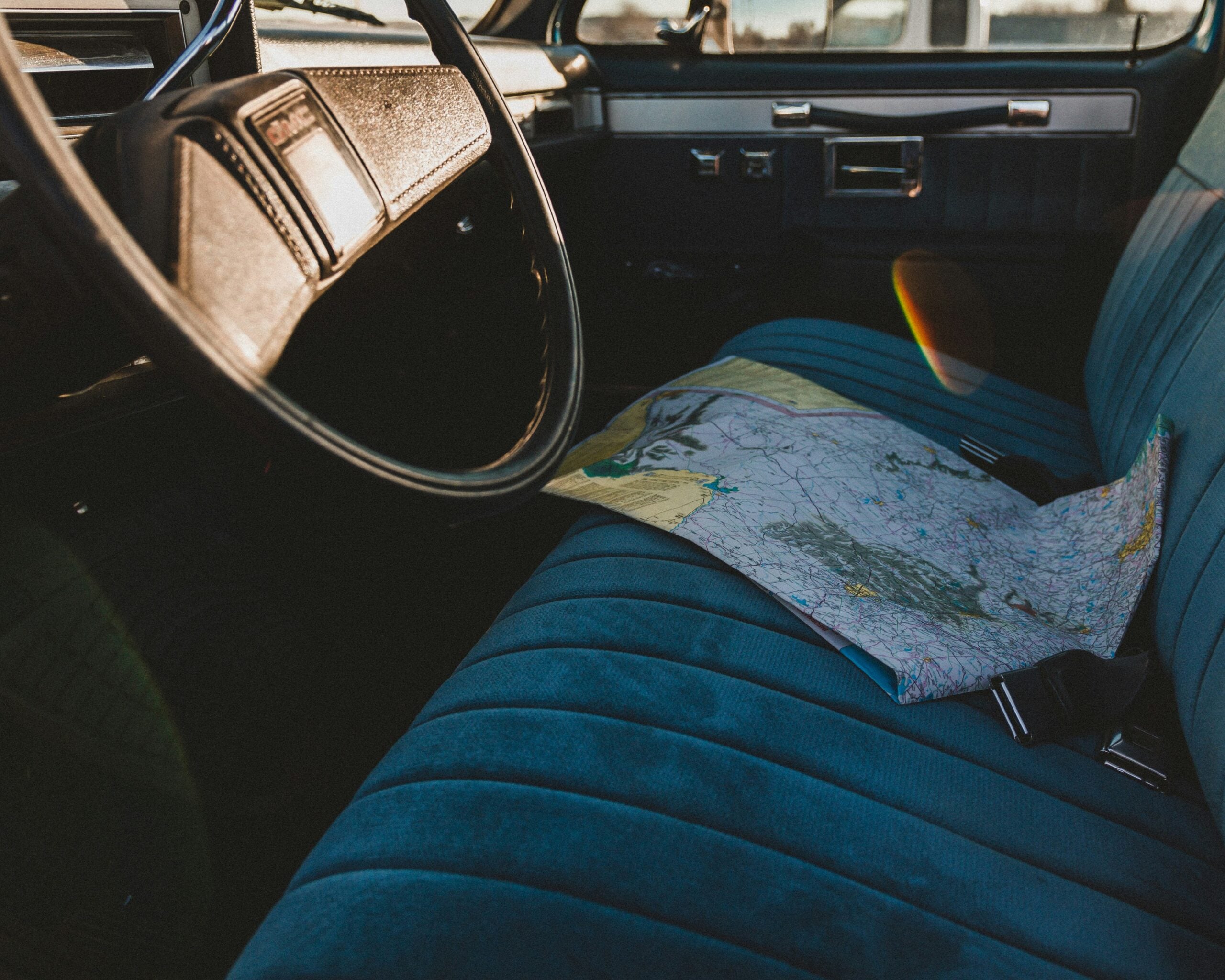
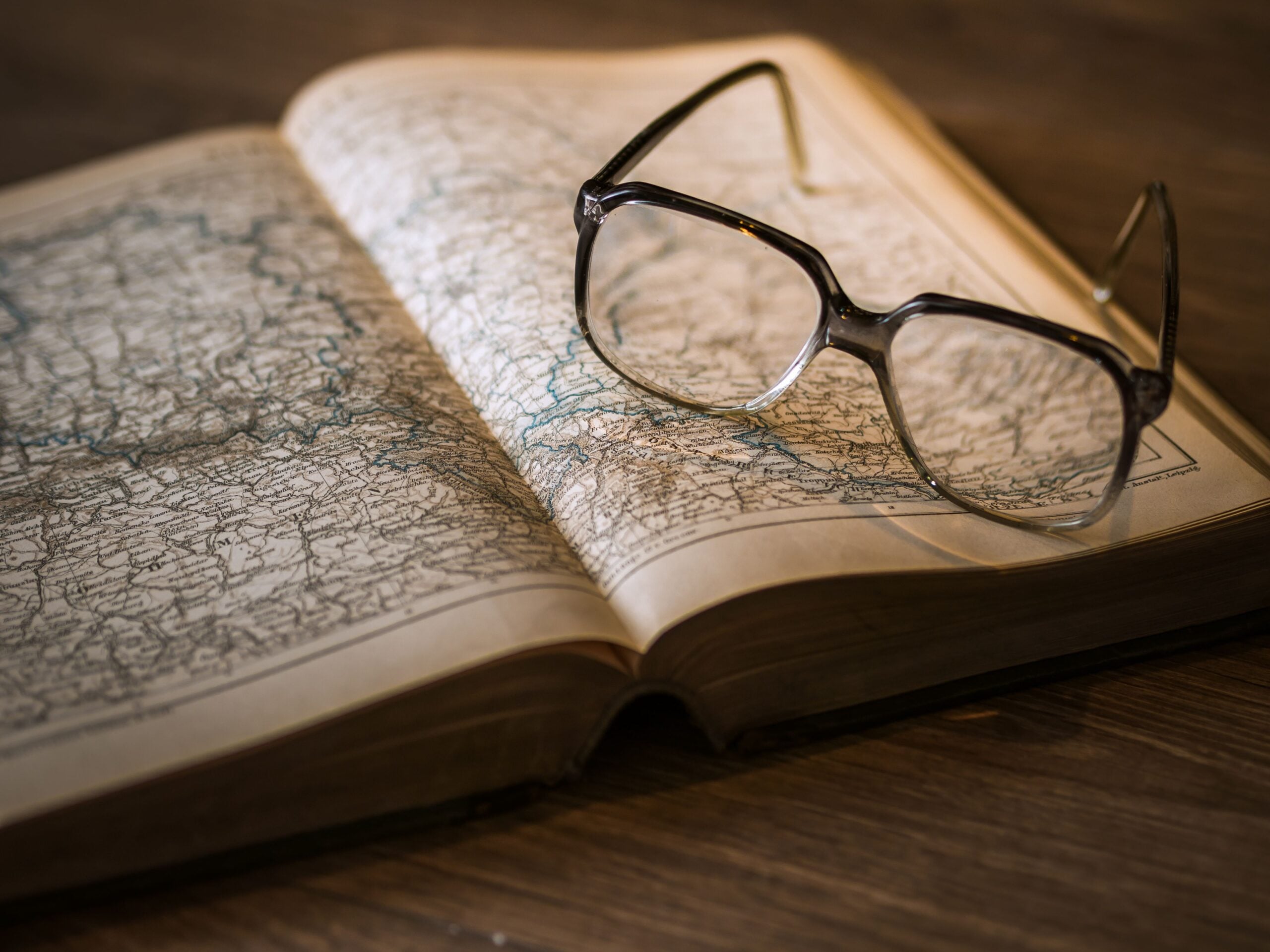
Baby Boomers will remember one of the road trip traditions that involved a large Rand McNally road atlas that was always kept in the glove compartment, under the seat, or beside the passenger seat. It was an indispensable tool for reaching one’s destination. Drivers had to know which highway numbers to take, which routes passed through towns, and how the various state maps connected. These atlases were often marked up with a pen, and you had to make sure you were on the right page before taking an exit so you wouldn’t make a wrong turn.
Visiting AAA Before a Big Trip
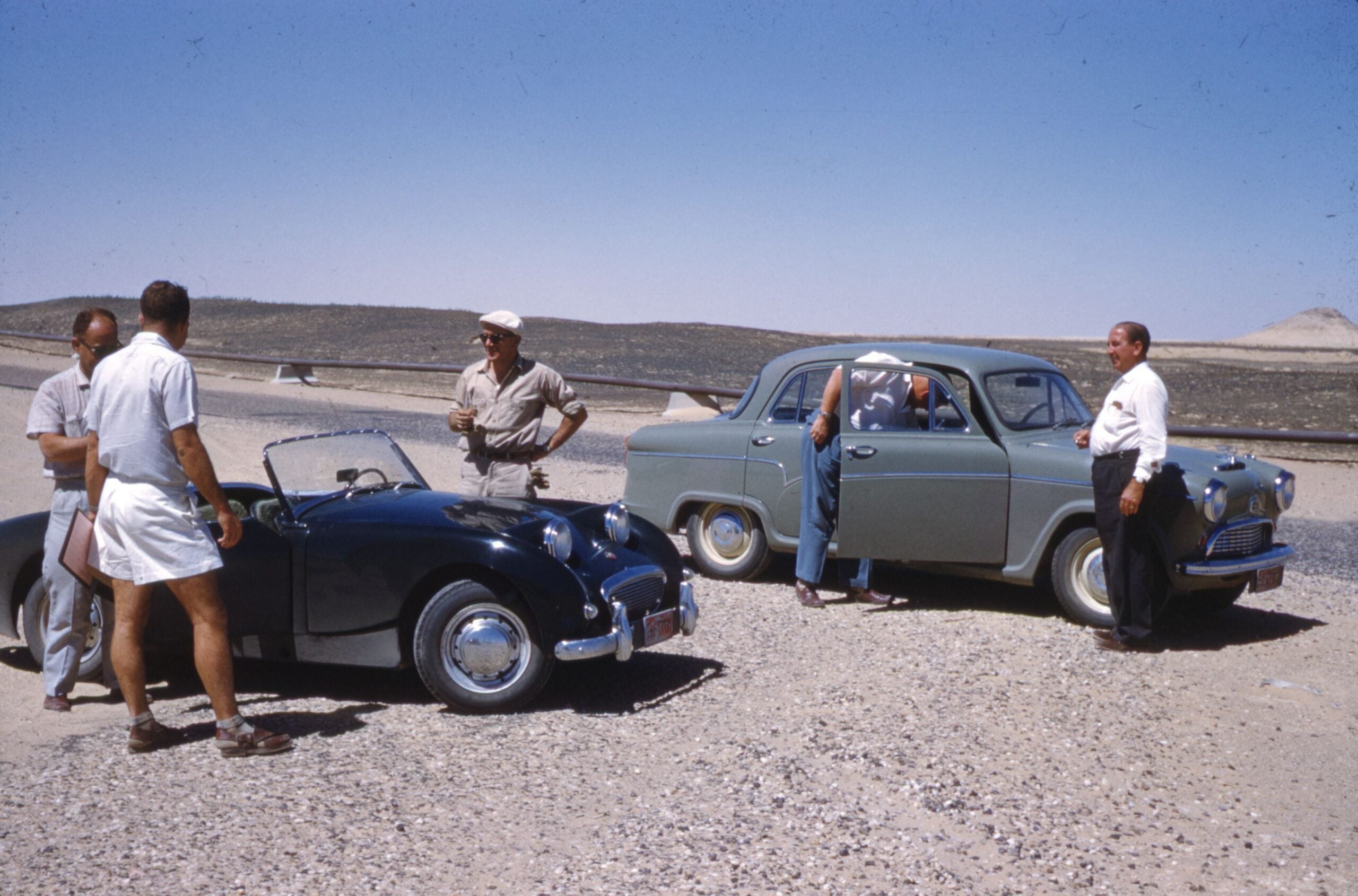
In the past, before embarking on a major road trip, families would often stop by an AAA office to request maps and travel advice. A travel adviser performed a role similar to the one smartphones serve today, guiding you on which route to take, telling you where to turn, and letting you know which towns you would pass through. This was one of the road trip traditions that helped families plan their journeys.
Writing Every Important Highway Exit on a Piece of Paper
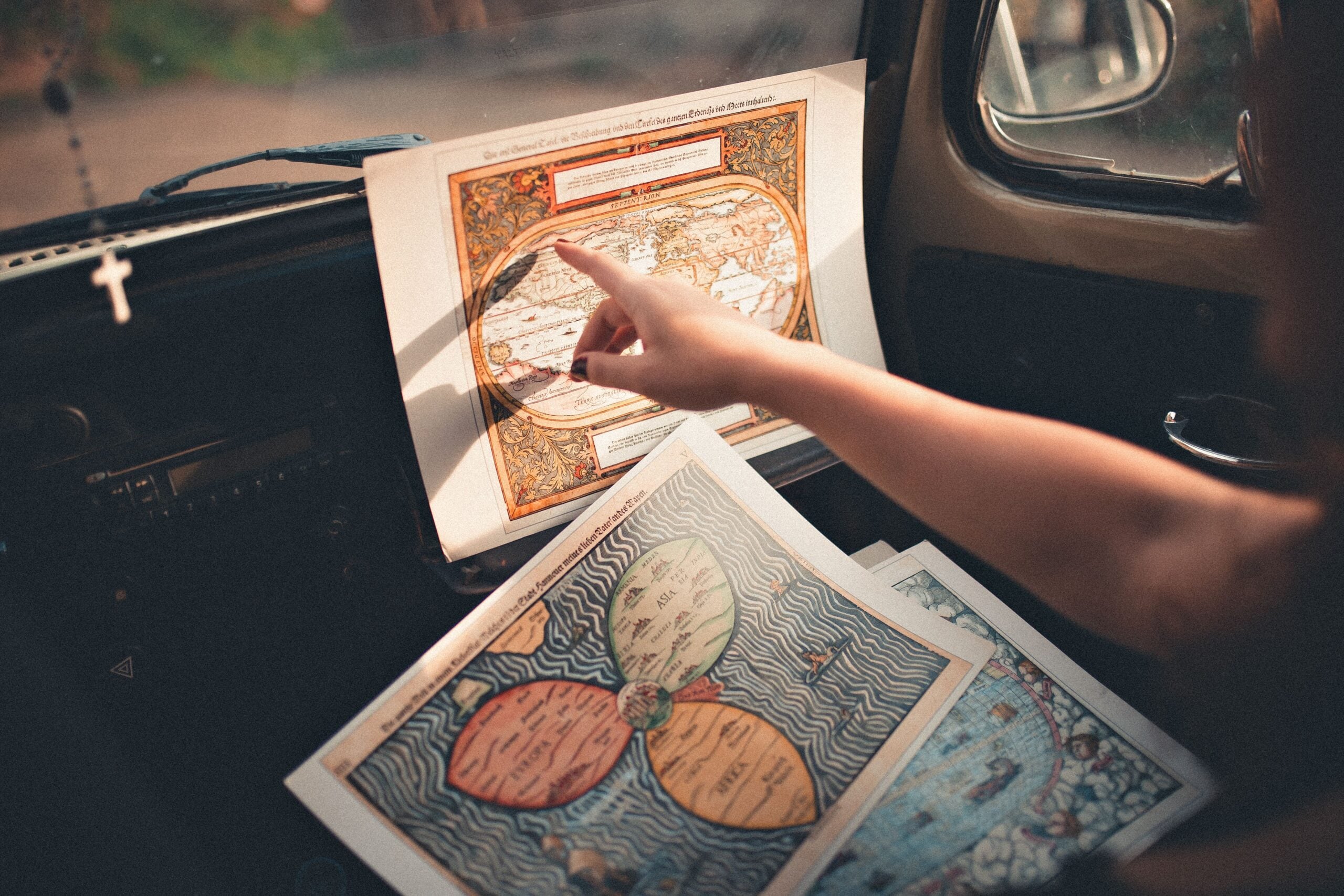
Before heading out on a road trip, the family member in charge would typically write down the interstate highway numbers, the exits and major turns on a piece of paper while looking at the map. It was important to stick to that planned route, because missing an exit could mean having to consult the map all over again to get back on track. These road trip traditions made written directions an essential part of traveling.
Stopping at Gas Stations to Ask for Directions
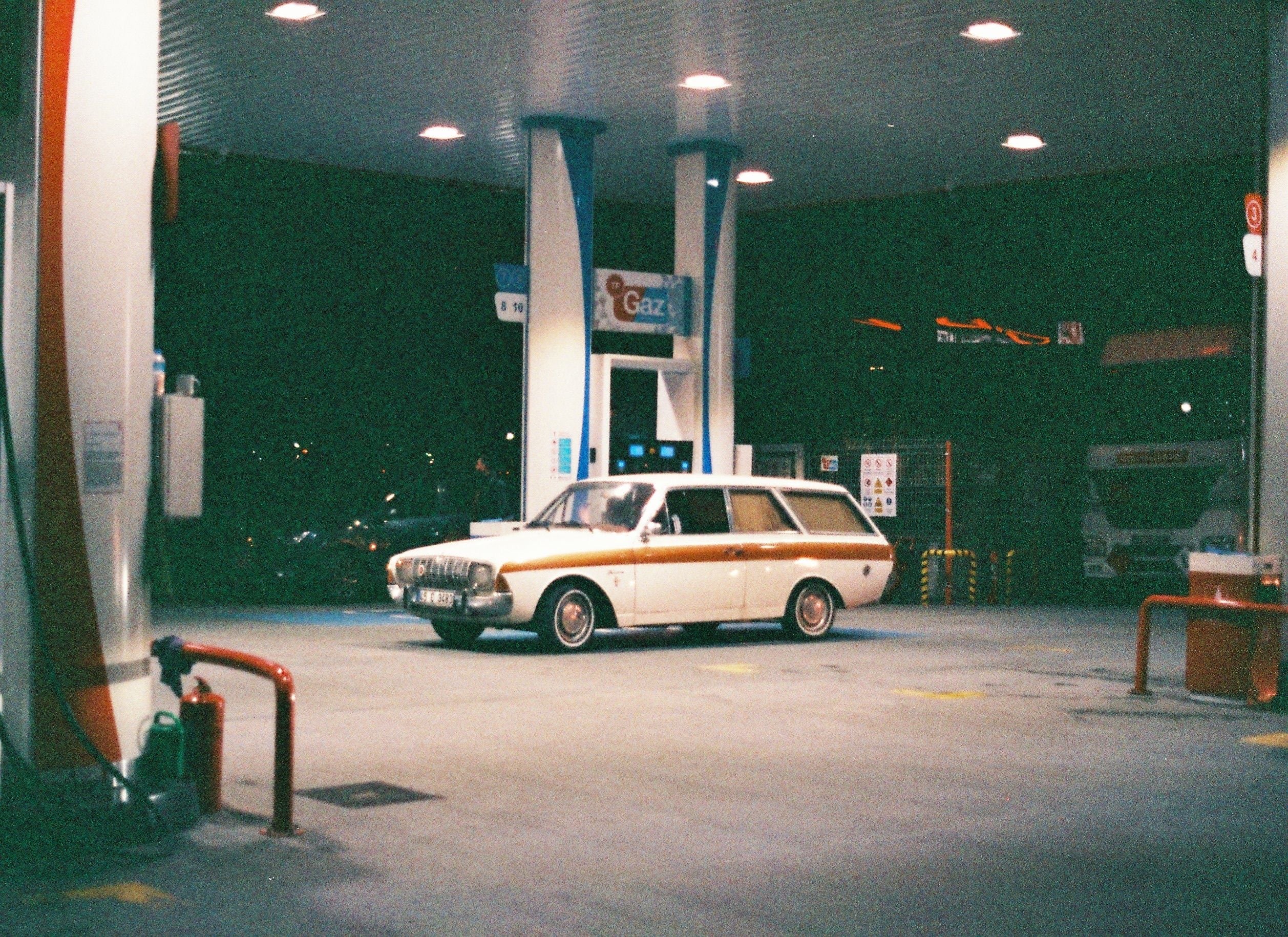
In addition to having to re-examine the map if you made a wrong turn during your trip, another option was to pull into a gas station and ask the staff how to reach the next town or how to get back onto your intended route. The explanation might involve several turns, a stoplight, and a landmark that might no longer exist. You had to rely on people and their local knowledge, because a navigation system wasn’t an option. This was one of the road trip traditions that made local recommendations so valuable.
Looking for a Motel’s Vacancy Sign
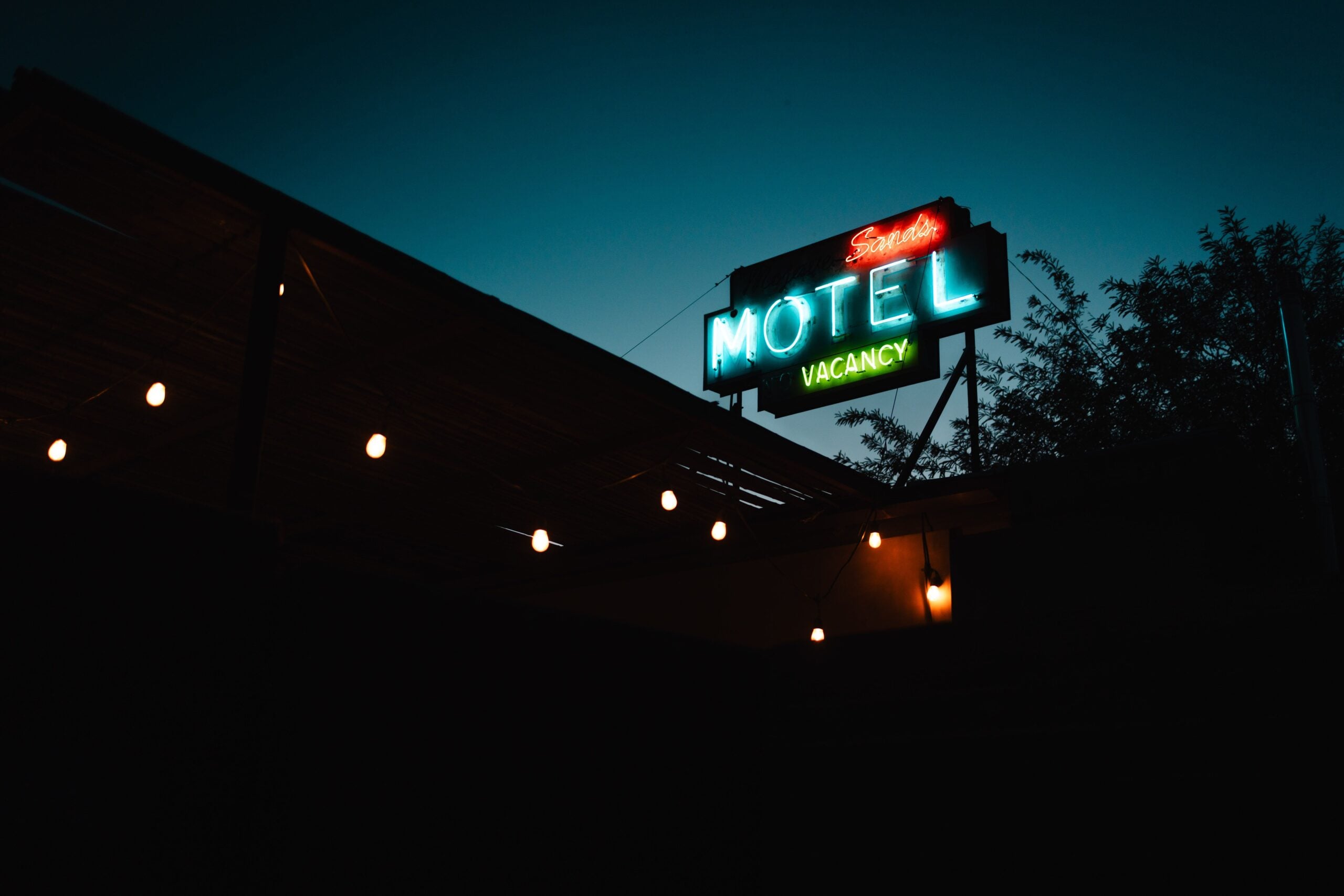
When traveling, families would find a place to spend the night by looking for the illuminated vacancy signs at motels. Since cellphones couldn’t display nearby accommodations, along with their prices and images of what they looked like, travelers had to make their decisions in real time, based on what they encountered along the way, according to the Smithsonian. These road trip traditions meant finding a place to sleep was often an adventure in itself.
Trending on Cheapism


Studying Billboards for the Next Restaurant or Attraction
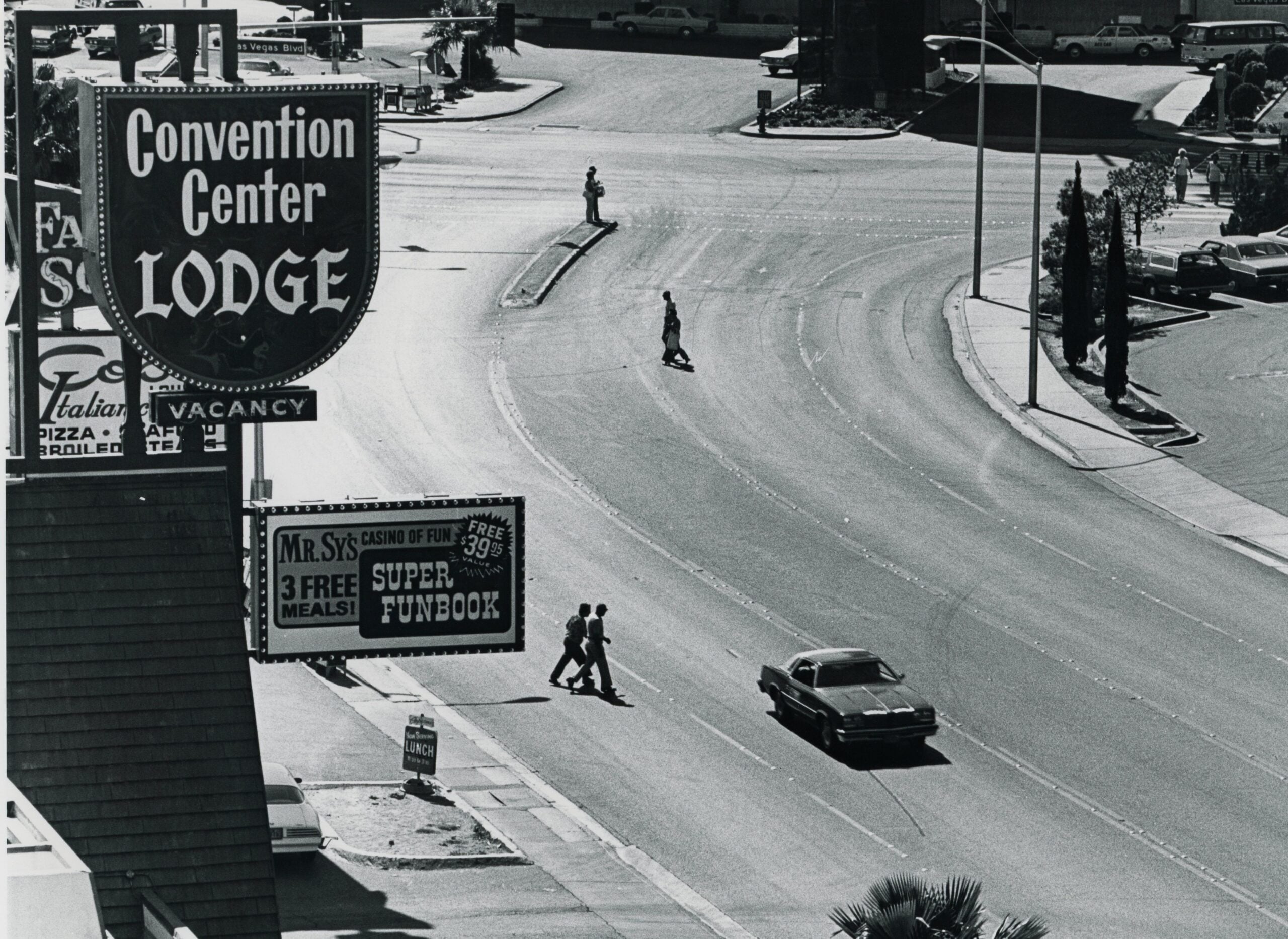
One way to find out what attractions or restaurants lay ahead in the next town or along the road was to pay attention to the billboards that appeared along the route. Baby Boomers remember seeing billboards for souvenir shops, amusement parks, and unique restaurants while driving. Those billboards served as an early way to discover restaurants and attractions alongside the route. Nowadays, people use restaurant review apps, which provide the opinions and photos people use to decide where to eat.
Packing a Cooler Full of Sandwiches and Drinks
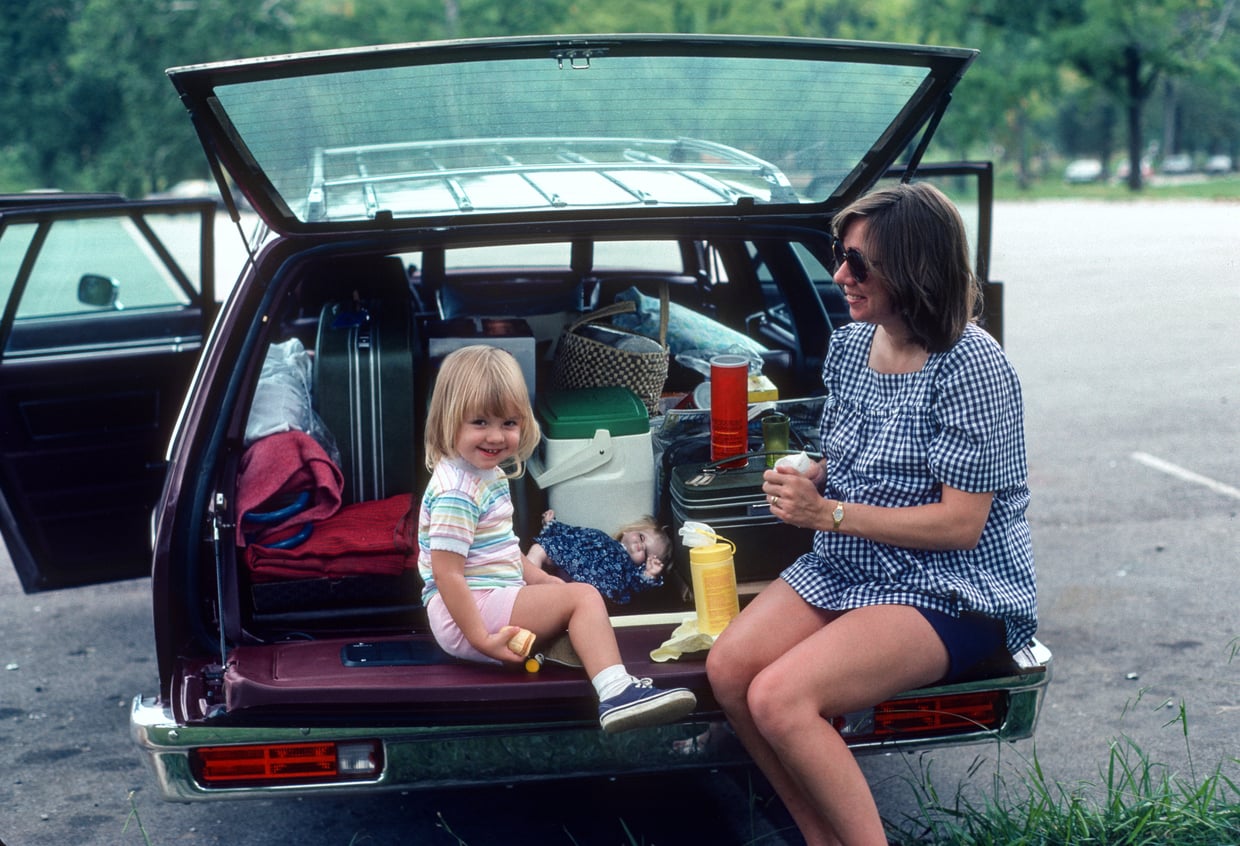
During a trip, travelers might get hungry, so it wasn’t unusual for families to pack a cooler full of sandwiches and drinks. That way, they didn’t have to stop at restaurants and pay for a full meal service. It also gave families the chance to have a picnic wherever they liked along the way, or at rest areas. Sandwiches wrapped in wax paper were a popular lunch option on these trips, making packed meals one of the most recognizable road trip traditions.
Letting the Passenger Become the Official Navigator
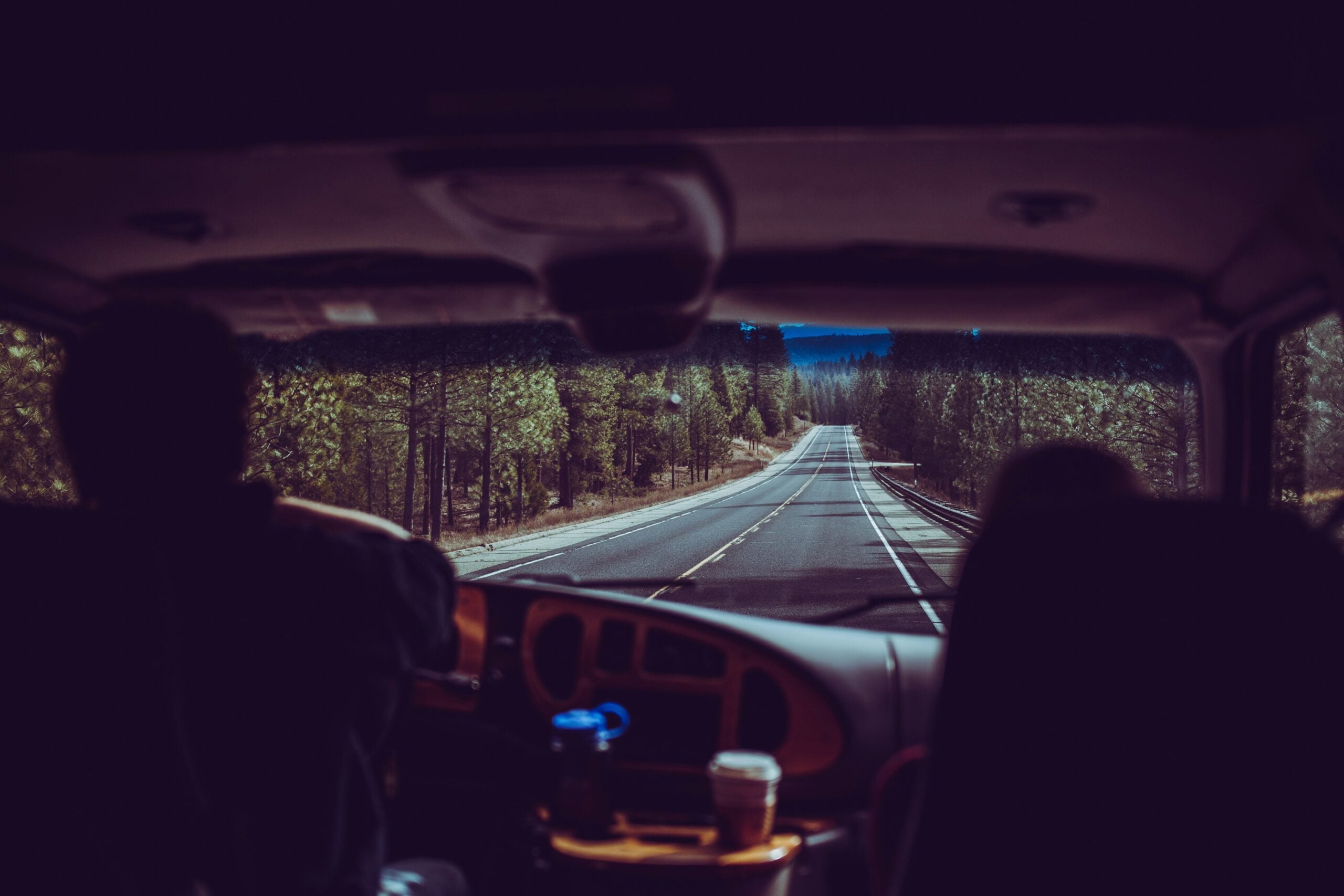
The person in the front passenger seat was responsible for keeping the map unfolded, tracing upcoming towns, and trying to interpret road signs before the driver missed an exit. Staying on the agreed-upon route throughout the journey was a shared responsibility, one that could lead to arguments and discussion in which neither person was truly certain about which way to go. These road trip traditions made the passenger an unofficial navigator.
Sign up for our newsletter
Using the Same Roadside Guidebook for Years
Once families had been on several road trips, they would often have notes on motels, campground guides, attractions brochures, and other resources, notes that could then be used for future journeys. Travelers relied on this printed information and their own personal records, though such details might well be outdated by the time they needed them again. A favorite restaurant might have closed, or a motel might have changed ownership, leading to shifts in how it operated. Keeping these records was one of the road trip traditions that helped families prepared for future adventures.
Calling Ahead Form a Pay Phone
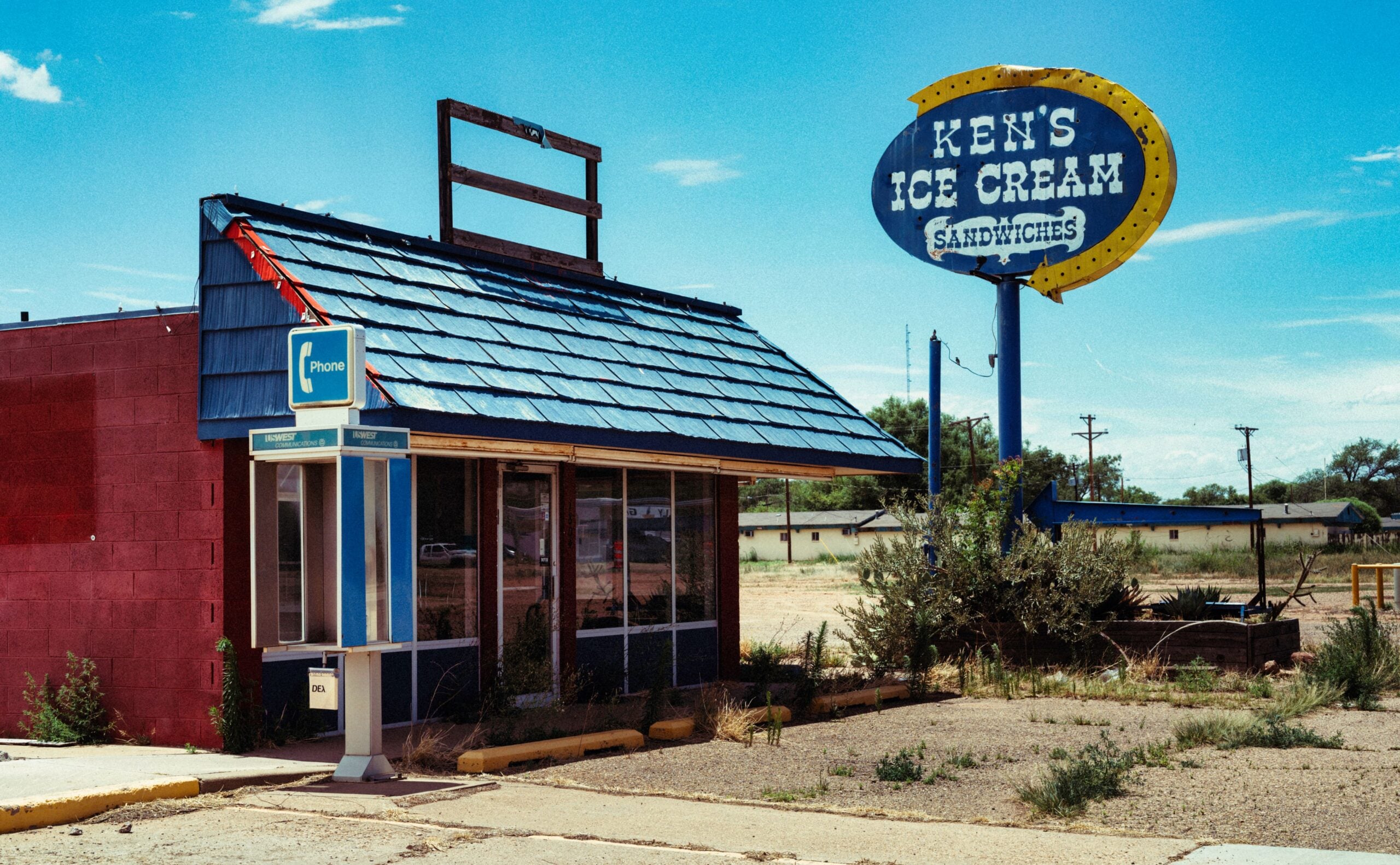
One common way travelers communicate with people at their destination was by stopping at roadside pay phones. These were used to let someone know they were running late, ask for directions to lodging, or confirm arrangements at their destination. It was essential for travelers to have coins on hand and to memorize important phone numbers so they could make these calls while on the road. These road trip traditions made pay phones an important part of staying connected.
Checking the Gas Gauge Before Crossing an Empty Stretch
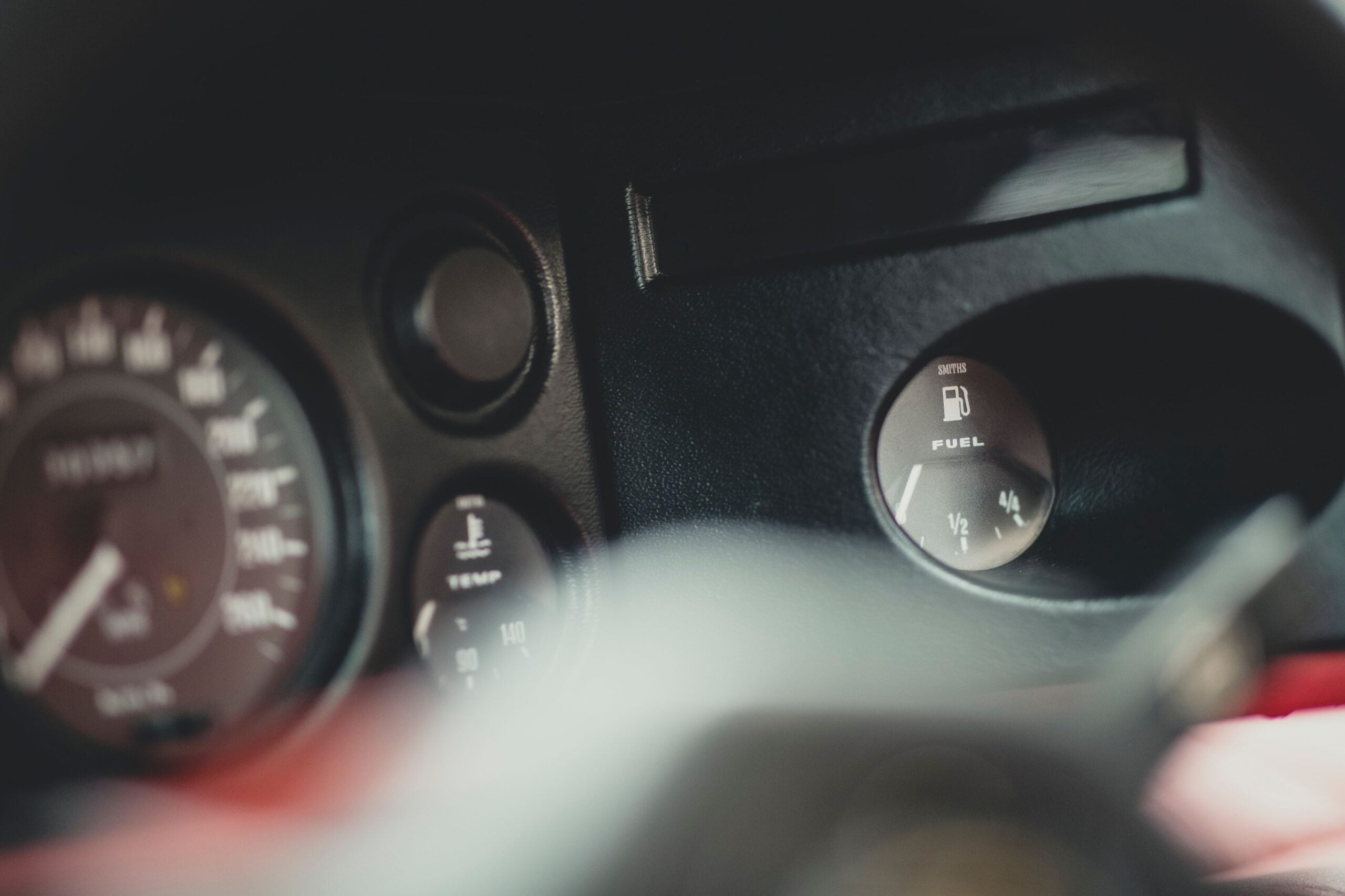
What the Baby Boomer generation remembers is that, during road trips, drivers had to pay close attention to the fuel gauge before entering remote areas where service stations might be few and far between. You couldn’t rely on an app to show you the distance to a nearby gas station, or how many miles you could travel with the fuel remaining in your car. Monitoring fuel levels was among the most important road trip traditions when traveling through unfamiliar areas.
Accepting That Getting Lost Was Part of the Adventure
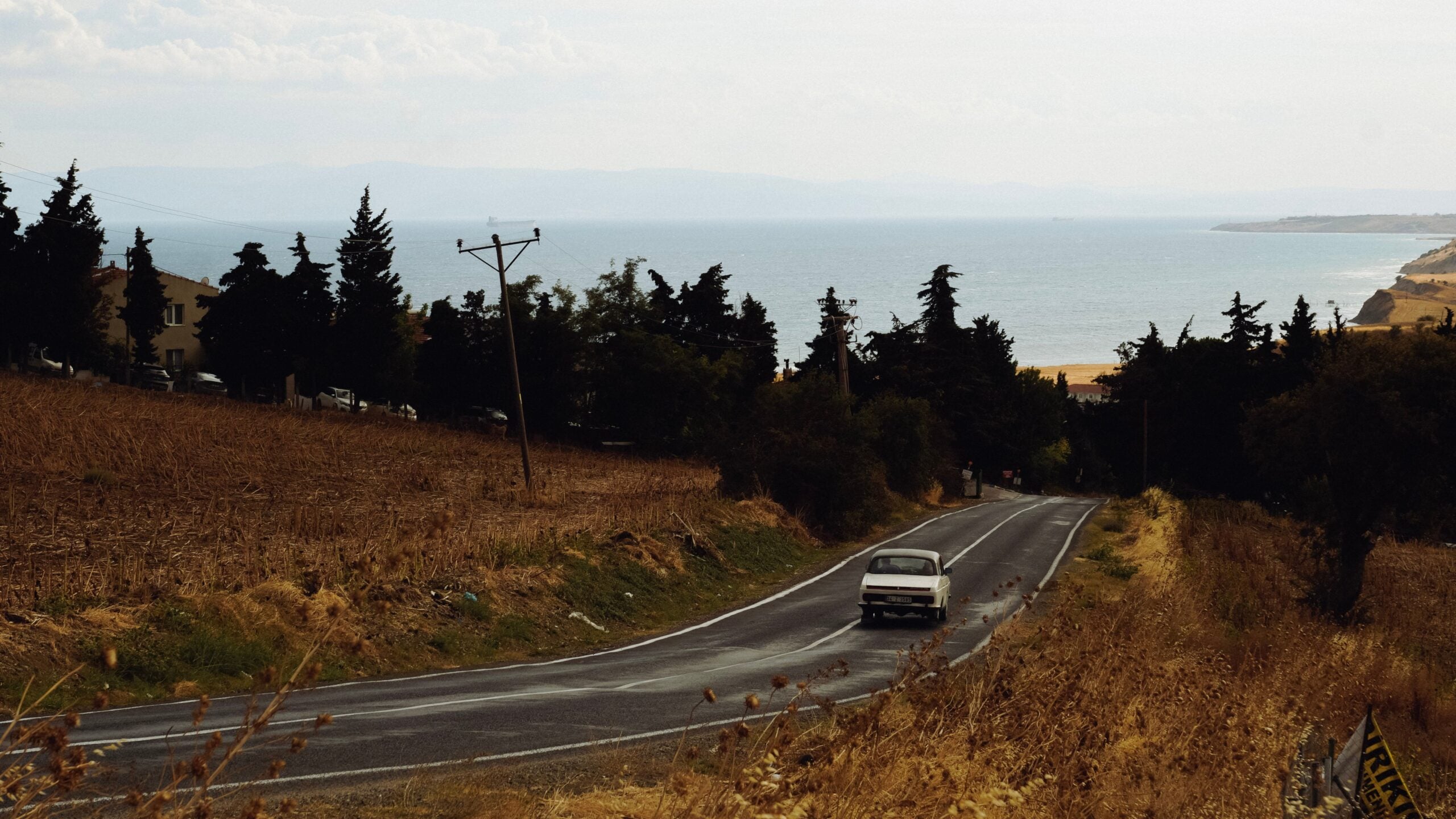
Since the journey relied on the attentiveness of one or more people, it could happen that you missed an exit, stumbled upon an unexpected small town, and suddenly found yourself lost. Getting back on track was complicated, as you first had to figure out where you were and at what point along the route you had veered off. A wrong turn could turn a family trip into an argument that would be remembered for years to come. These road trip traditions sometimes created unexpected adventures and memorable family stories.
Conclusion
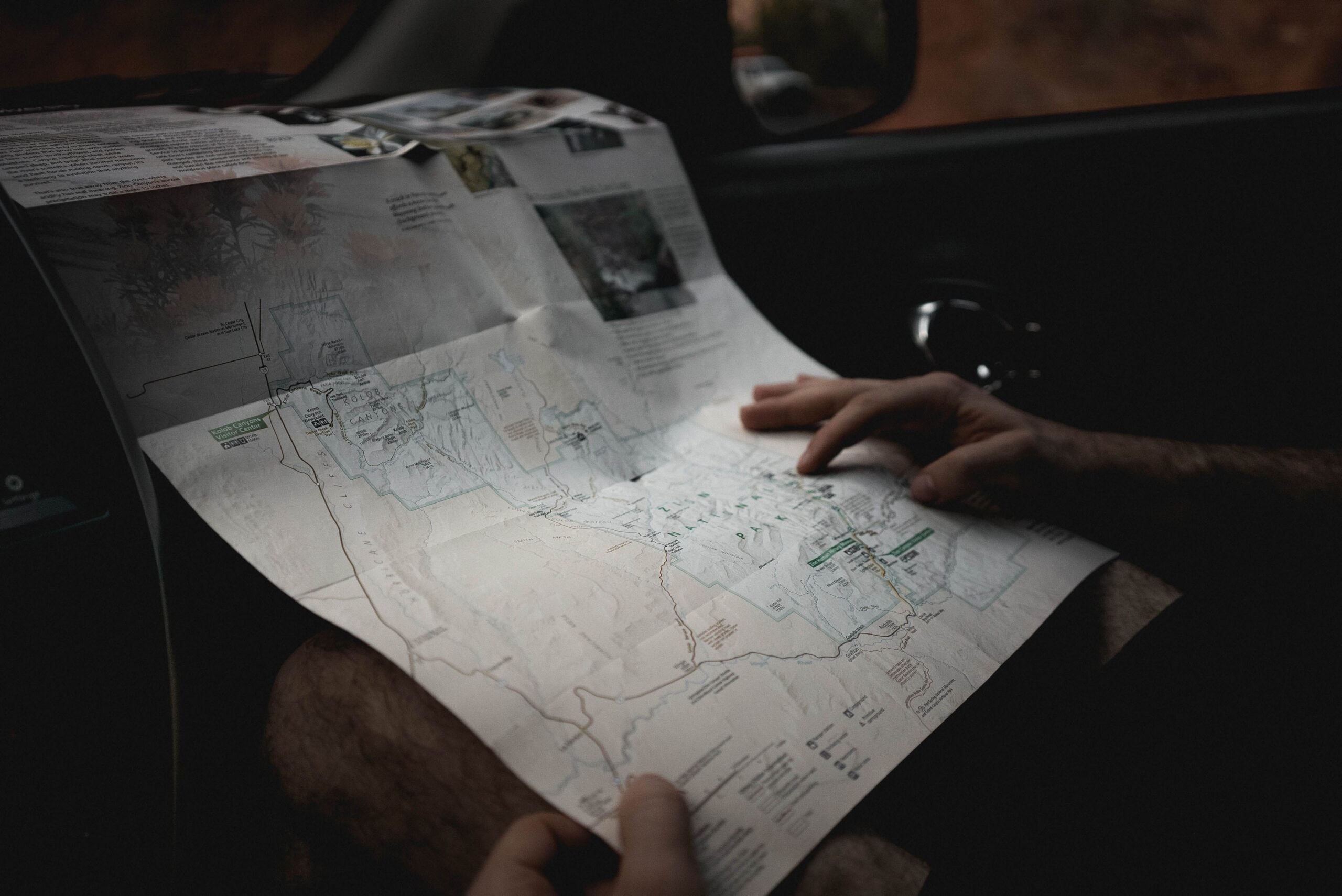
One of the biggest differences between road trips then and now is how much planning was required before GPS became widely available. Going on a road trip required a great deal of planning, close attention to road signs, and frequent decision-making. Furthermore, there were certain road trip traditions associated with such trips, like packing food, checking fuel levels, and carrying written directions on a piece of paper. That experience was adventurous, frustrating, and unforgettable, precisely because the journey itself was less predictable.