Growing up in the 1970s meant you didn’t need much to have a good time with your friends. There were no smartphones to scroll through, no group chats to coordinate plans, and certainly no streaming services offering thousands of movies at the touch of a button. Instead, an afternoon with friends might involve listening to records, playing board games, building a fort out of couch cushions, or wandering into the kitchen to see what snacks were available.
And the best part? Nobody really needed a plan. One minute, everyone was gathered around the television watching cartoons, and the next, someone had suggested a game of kickball in the backyard. Parents occasionally had to intervene when things got too loud, arguments broke out over whose turn it was, or the living room started looking like a disaster zone. But those ordinary afternoons often turned into the memories that stuck around for decades.
From raiding the refrigerator to begging for just 10 more minutes outside, here are 12 nostalgic memories of friends coming over in the 1970s.
Everyone Immediately Asked What There Was to Eat
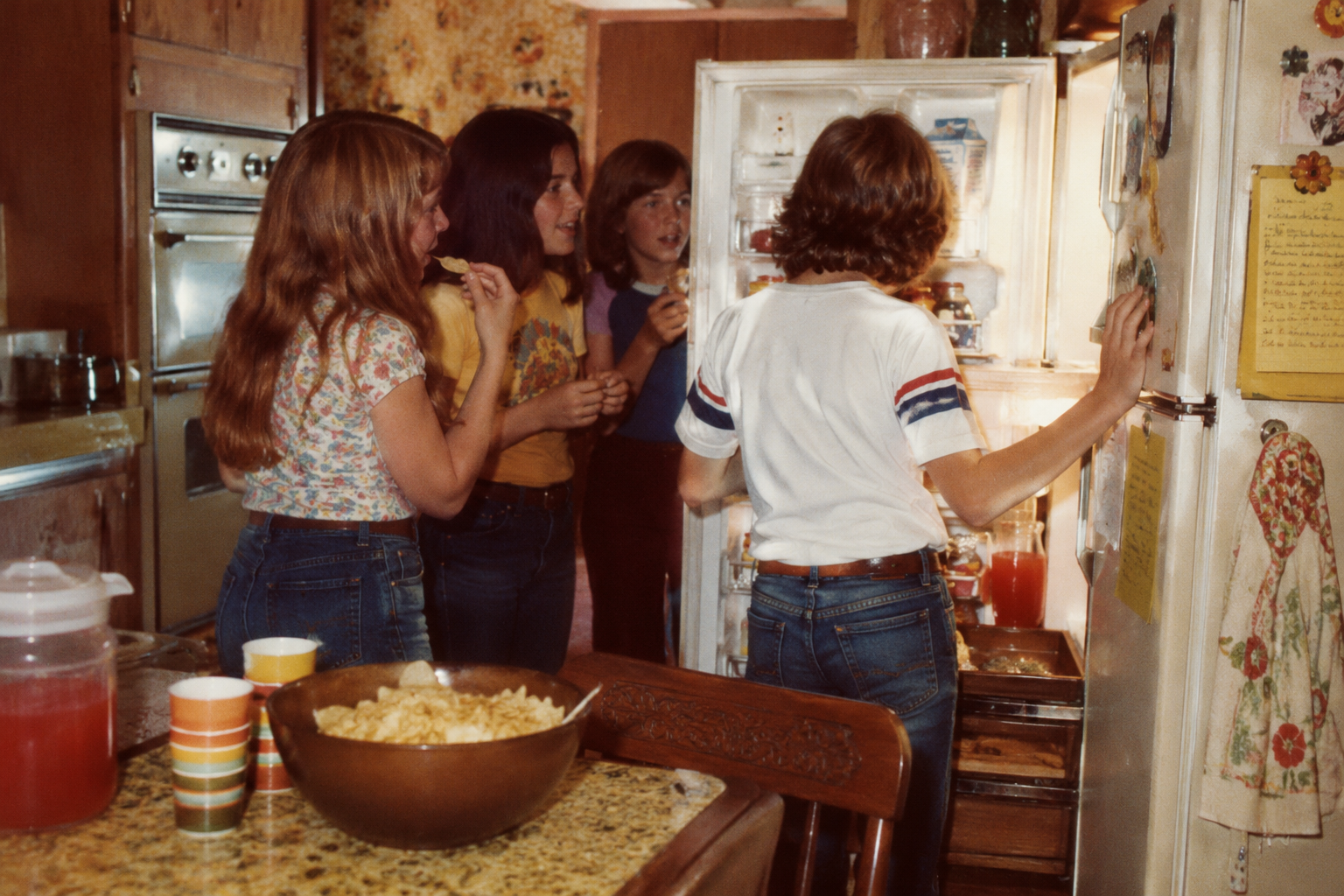
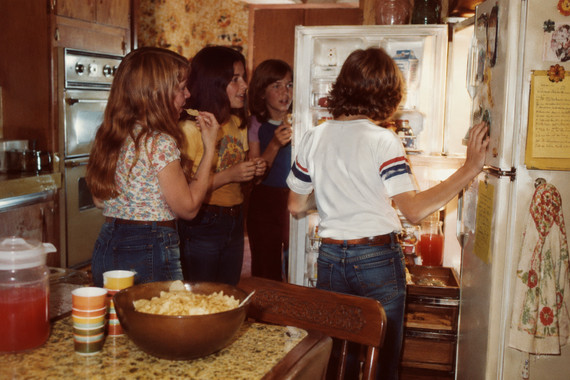
It didn’t matter whether your friends had arrived five minutes ago or had just finished lunch at their own houses. Sooner or later, someone was going to wander into the kitchen and ask, “Got anything to eat?” The refrigerator and pantry were usually the first stops, with kids hoping to find cookies, potato chips, leftover cake, or maybe a pitcher of Kool-Aid waiting in the fridge. And if there wasn’t anything particularly exciting, a handful of crackers or a bowl of popcorn would have to do.
Of course, every household had its own rules. Some parents didn’t mind neighborhood kids helping themselves, while others expected everyone to ask permission before opening so much as a cupboard. There was also something strangely exciting about eating at someone else’s house. Even an ordinary peanut butter sandwich somehow tasted better when it came from your best friend’s kitchen.
One Person Controlled the Record Player
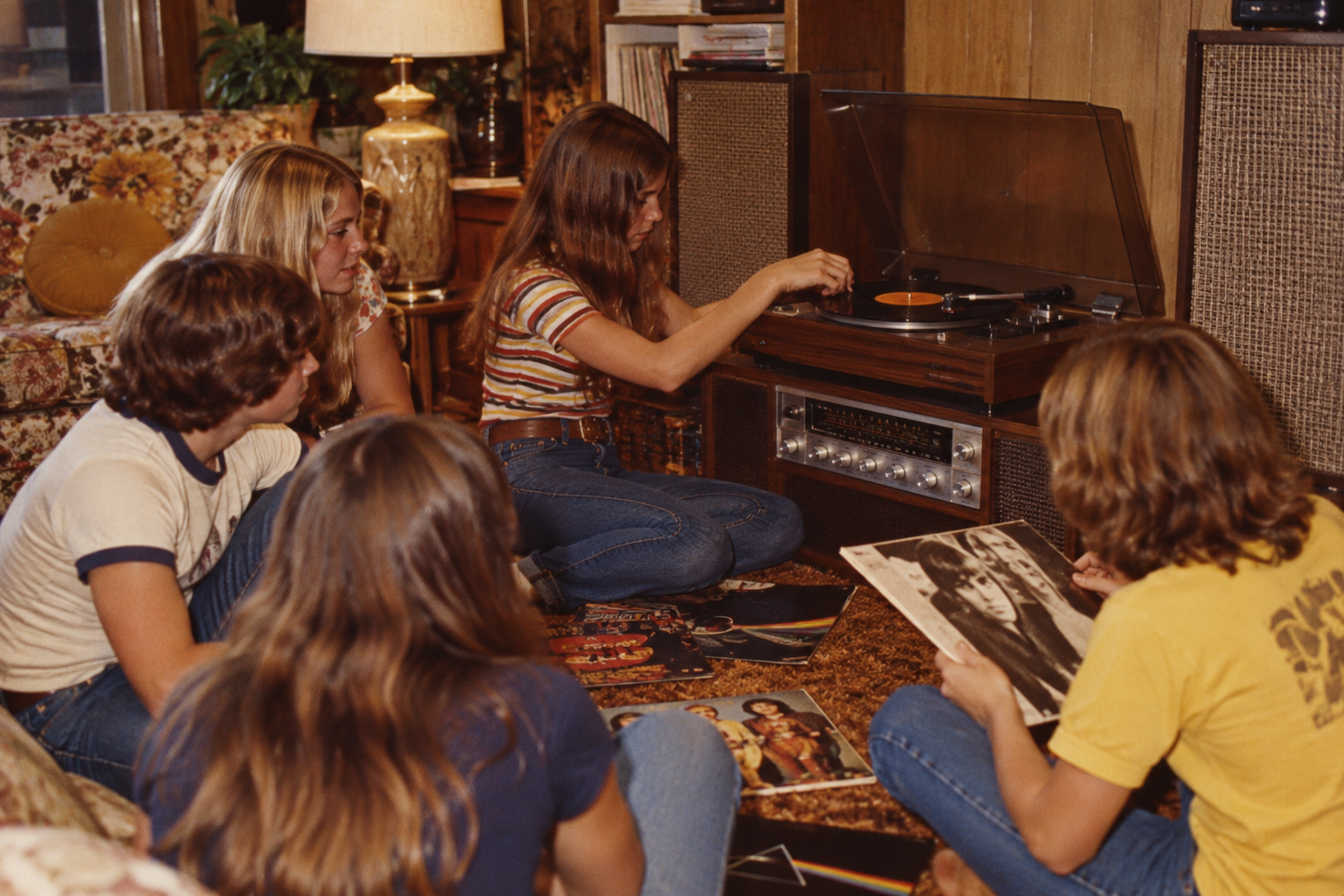
Before everyone had their own personalized playlists, listening to music with friends meant gathering around a record player and agreeing on what to hear. Someone would pull out a favorite 45 or LP, carefully place it on the turntable, and lower the needle while everyone else waited for the music to start. Depending on the year and the household, that might mean listening to the Jackson 5, Elton John, Fleetwood Mac, or whatever album an older sibling had recently brought home.
Naturally, the person who owned the records usually had the final say. Friends might argue over which song to play next, beg to hear the same favorite again, or attempt to convince everyone that their musical taste was superior. And there was always a warning about handling the records properly. Fingerprints, scratches, and careless needle drops were serious offenses when someone’s prized album was on the line.
Board Games Turned Into Fierce Competitions
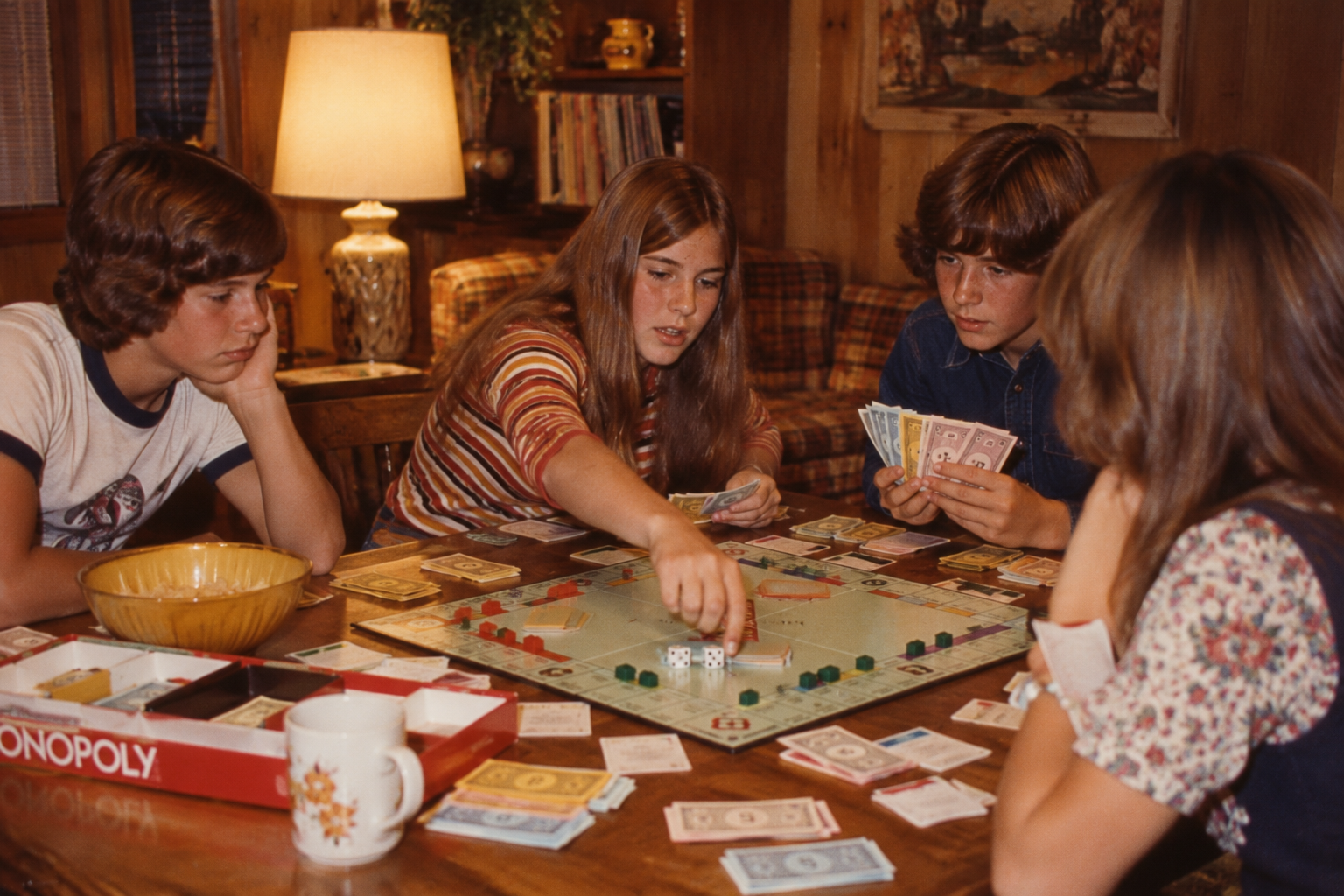
What started as a friendly game of Monopoly, Sorry!, Clue, or Battleship could quickly become the most intense competition of the afternoon. Someone always insisted on reading the instructions, another player claimed their family followed different rules, and at least one person accused somebody else of cheating. Monopoly was particularly dangerous territory, especially when one friend started buying up properties and refused to make a reasonable trade.
The games themselves weren’t always in perfect condition, either. Missing dice, bent cards, and Monopoly boxes filled with a suspiciously incomplete collection of money were familiar discoveries. Sometimes kids had to improvise replacement pieces before they could even begin. And when the game finally ended, there was a good chance the losing player would demand a rematch.
Everyone Took Turns Playing With the Best Toy
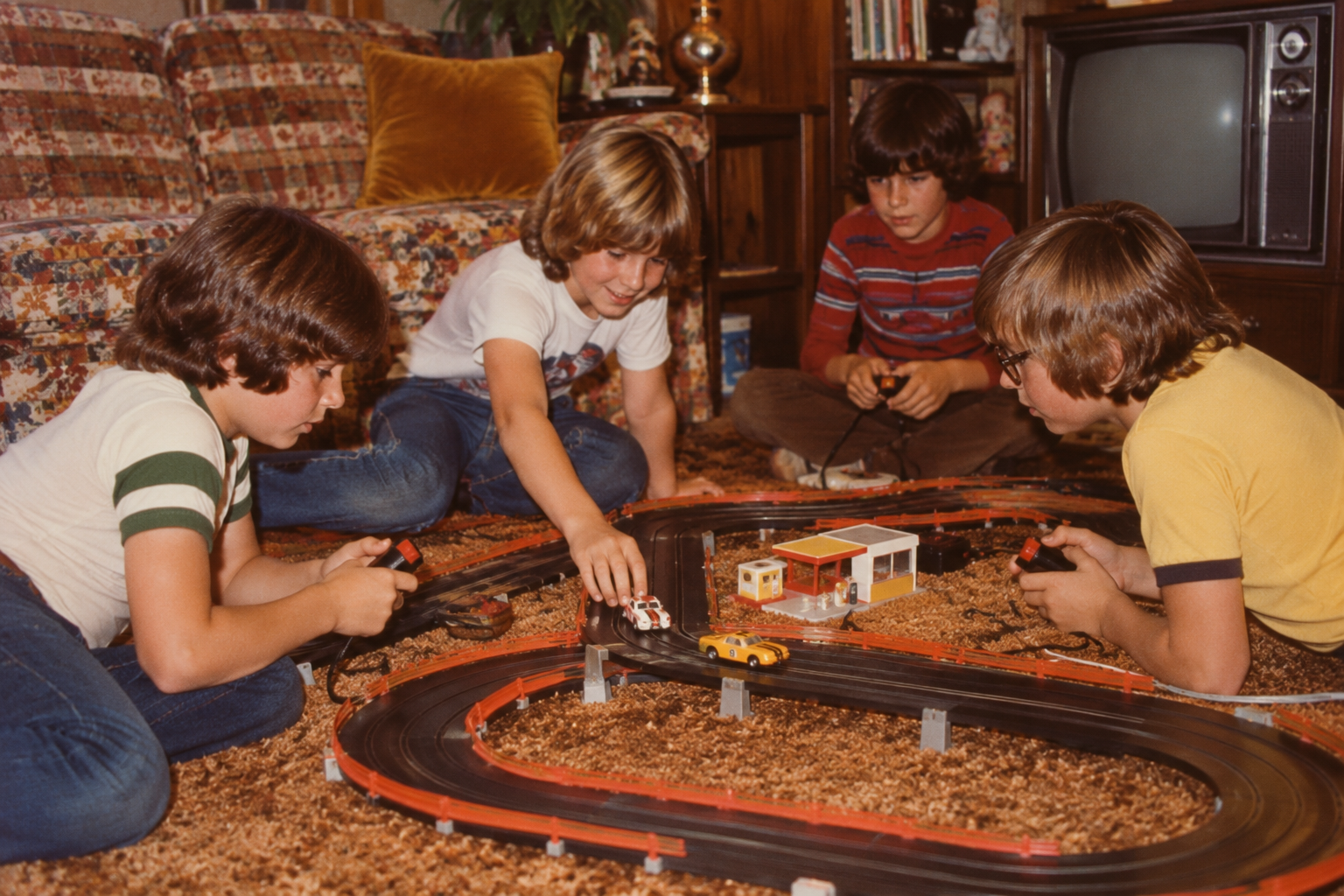
Every neighborhood seemed to have at least one kid whose house was especially exciting because of the toys inside. Maybe they had an elaborate Hot Wheels track, an electric slot-car racing set, a collection of G.I. Joe action figures, or a particularly impressive dollhouse. Whatever it was, visiting that friend’s house meant getting to play with something you didn’t have at home.
Of course, sharing wasn’t always easy. The kid who owned the toy might insist on going first, while everyone else waited impatiently for a turn. And as the decade progressed, some lucky households had something even more exciting: a home video game system. The Magnavox Odyssey arrived in 1972, introducing an early form of television gaming to American living rooms. Most kids still relied on traditional toys, but for those who encountered one of these early consoles, it must have felt like a glimpse into the future.
Someone’s Mom Told Everyone to Go Play Outside
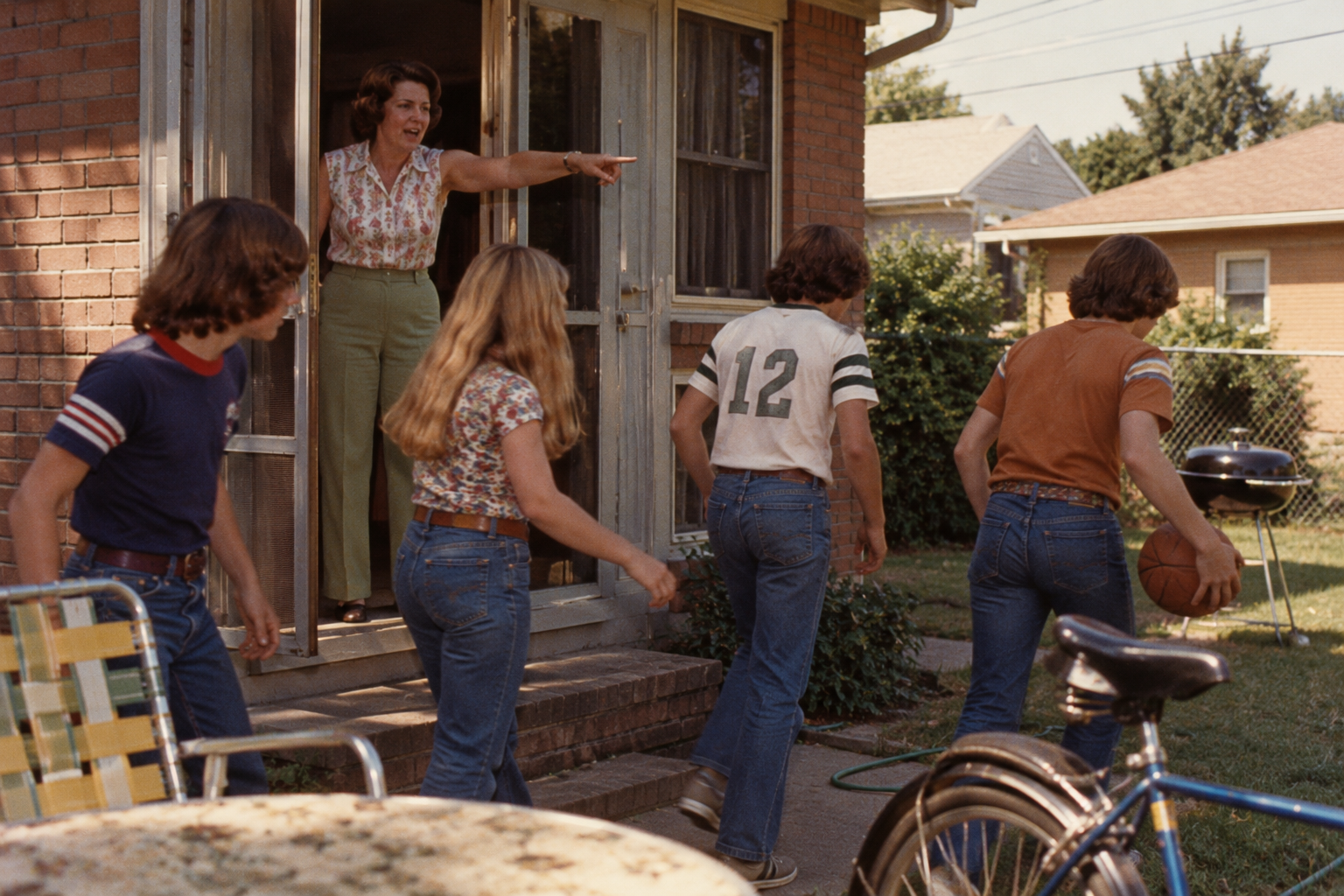
There was only so much noise a parent could tolerate before the inevitable announcement: “Why don’t you kids go outside and play?” Maybe someone had been running through the hallway, the board game had turned into an argument, or the living room had simply become too chaotic. Whatever the reason, the adults had decided that everyone needed some fresh air.
And once you were outside, you were often expected to stay there for a while. Kids might head to the backyard, ride bicycles around the block, or see whether anyone else in the neighborhood wanted to join them. Depending on where they lived, some children had considerably more freedom to roam than others. But one thing was familiar in plenty of households: Parents weren’t particularly interested in having the back door opened every five minutes because someone wanted another snack or a glass of water.
Trending on Cheapism


A Backyard Game Started Without Anyone Explaining the Rules
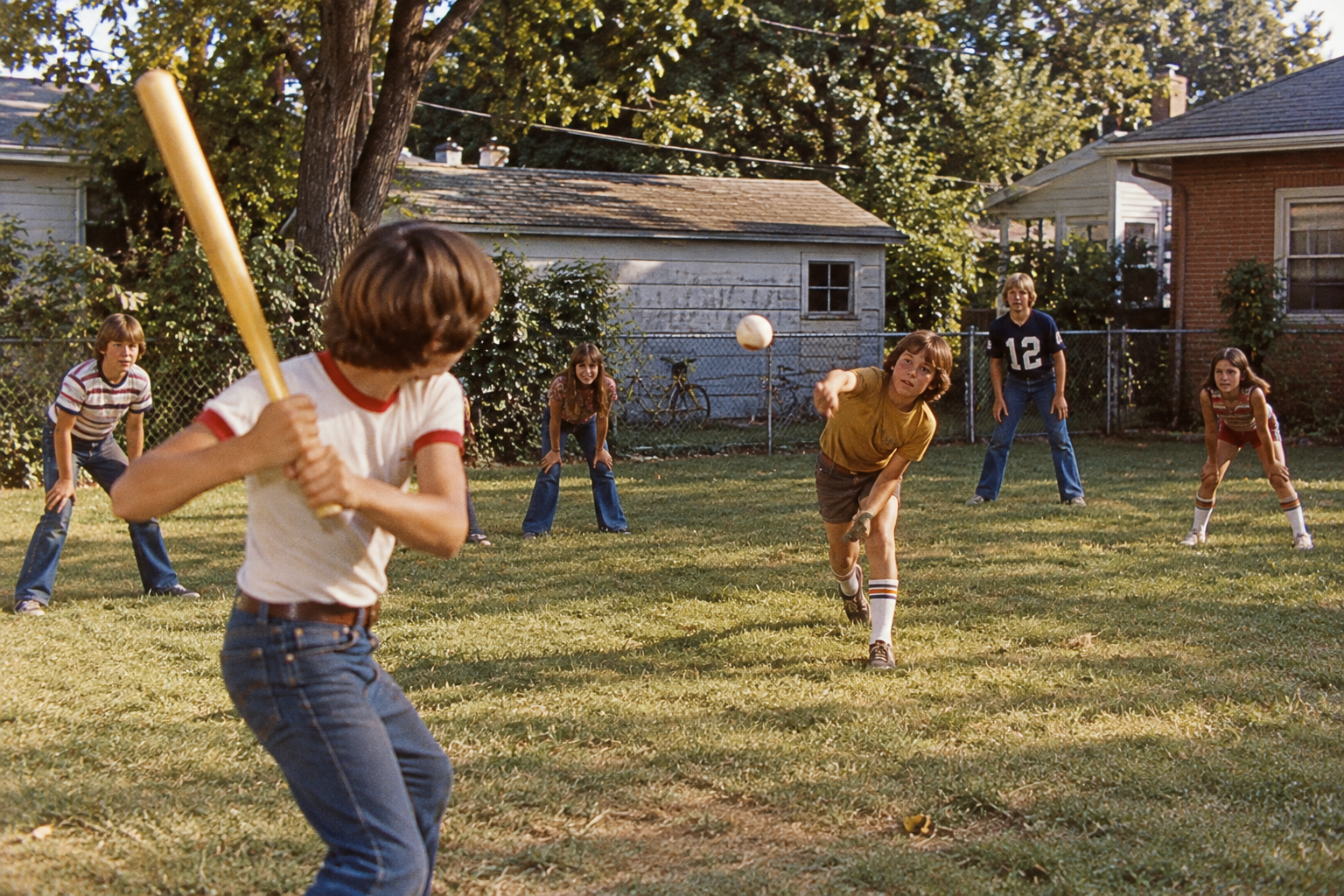
All it took was a few kids gathering in the same place for a game to begin. Someone would suggest tag, hide-and-seek, kickball, or an improvised version of baseball, and suddenly the backyard or driveway became the neighborhood’s unofficial playing field. There didn’t need to be proper equipment, marked boundaries, or even enough players for two complete teams. Everyone just made do with whatever was available.
A tree might become first base, a parked car could mark the edge of the playing area, and the porch steps were sometimes declared a safe zone. Naturally, the rules were constantly changing. Someone would argue that they hadn’t actually been tagged, another kid would insist the ball had landed out of bounds, and eventually everyone would agree to keep playing rather than waste the afternoon arguing. Half the fun was making things up as you went along.
Friends Built Forts Out of Furniture and Blankets
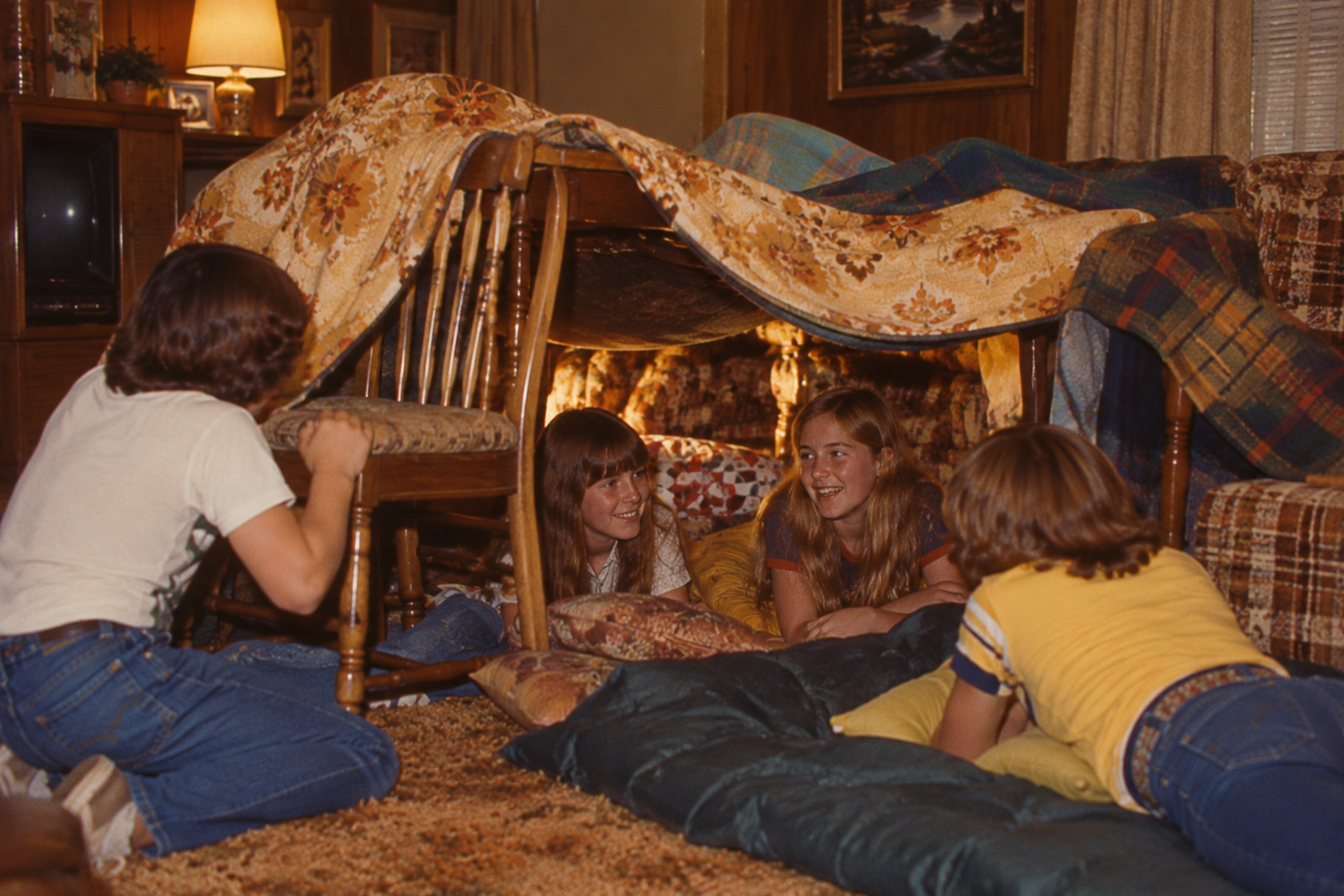
Few things could transform an ordinary living room quite like a group of kids determined to build the perfect fort. Couch cushions became walls, dining chairs supported the roof, and bedsheets or blankets were draped across whatever furniture happened to be nearby. Within minutes, the room could resemble a construction site, with pillows scattered across the floor and every available blanket pulled out of the closet.
The actual building process was often more entertaining than sitting inside the finished fort. Friends argued about where the entrance should go, whether the roof needed more support, and who got to claim the best spot. Sometimes the structure collapsed before anyone could enjoy it. And just when everyone had finally created the perfect hideout, a parent would announce that the furniture needed to be put back before dinner. Taking everything apart was never nearly as much fun as building it.
Everyone Watched Whatever Was on the Family Television
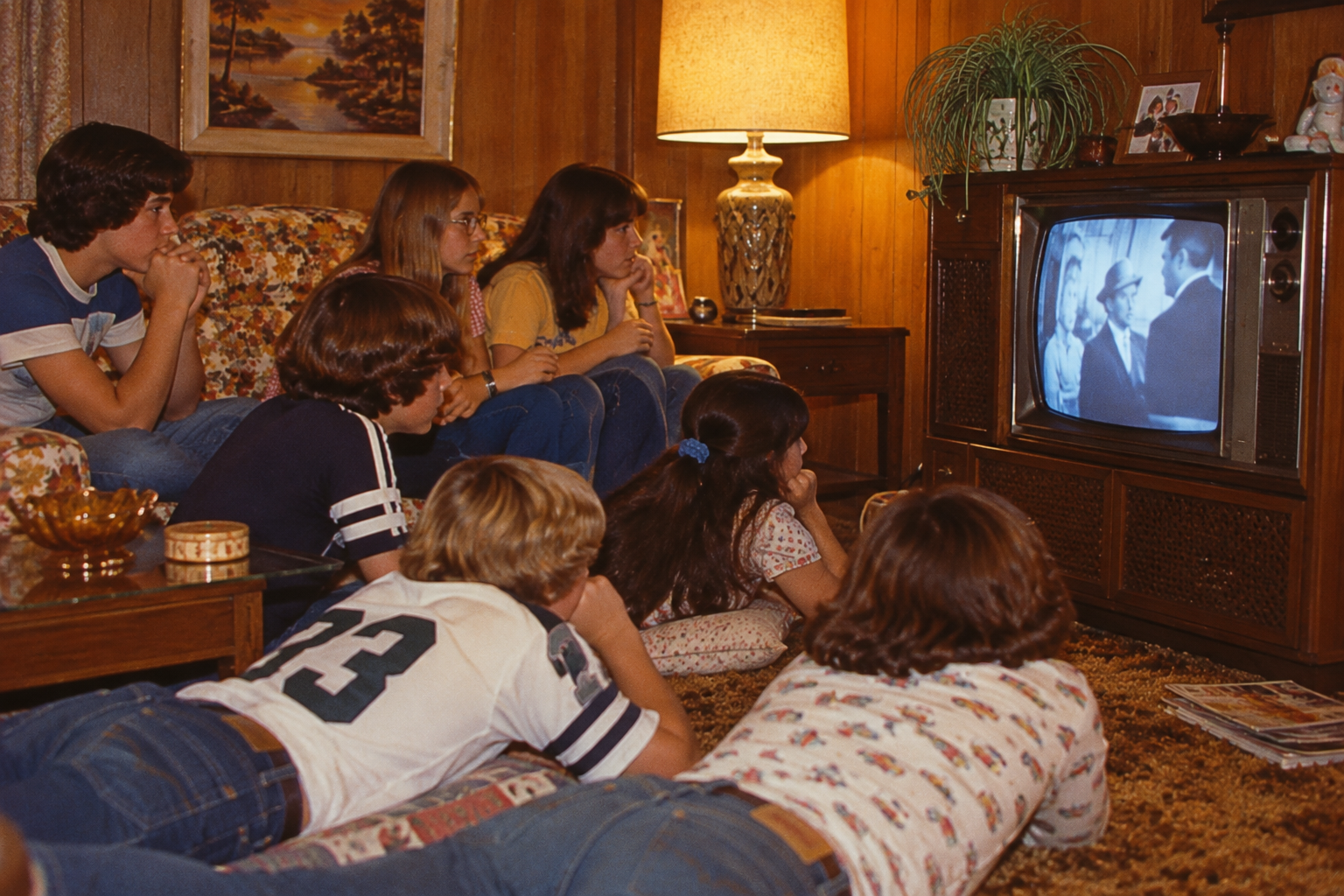
When friends wanted to watch television in the 1970s, they didn’t spend half an hour scrolling through streaming menus. They turned on the family TV and watched whatever happened to be broadcasting. Depending on the day and time, that might mean cartoons, reruns of The Brady Bunch, Gilligan’s Island, or an afternoon game show. Saturday mornings were especially exciting, with animated favorites like Scooby-Doo and Super Friends giving kids a reason to gather around the screen.
Of course, television viewing came with a few inconveniences that modern kids might find hard to imagine. Many households still had sets with manual channel dials, which meant someone had to get up and physically change the station. The child sitting closest to the television often ended up with that responsibility. And if there was nothing good on? You couldn’t simply search for another episode. You either settled for what was available or found something else to do.
Sign up for our newsletter
Someone Brought Over a New Comic Book or Magazine
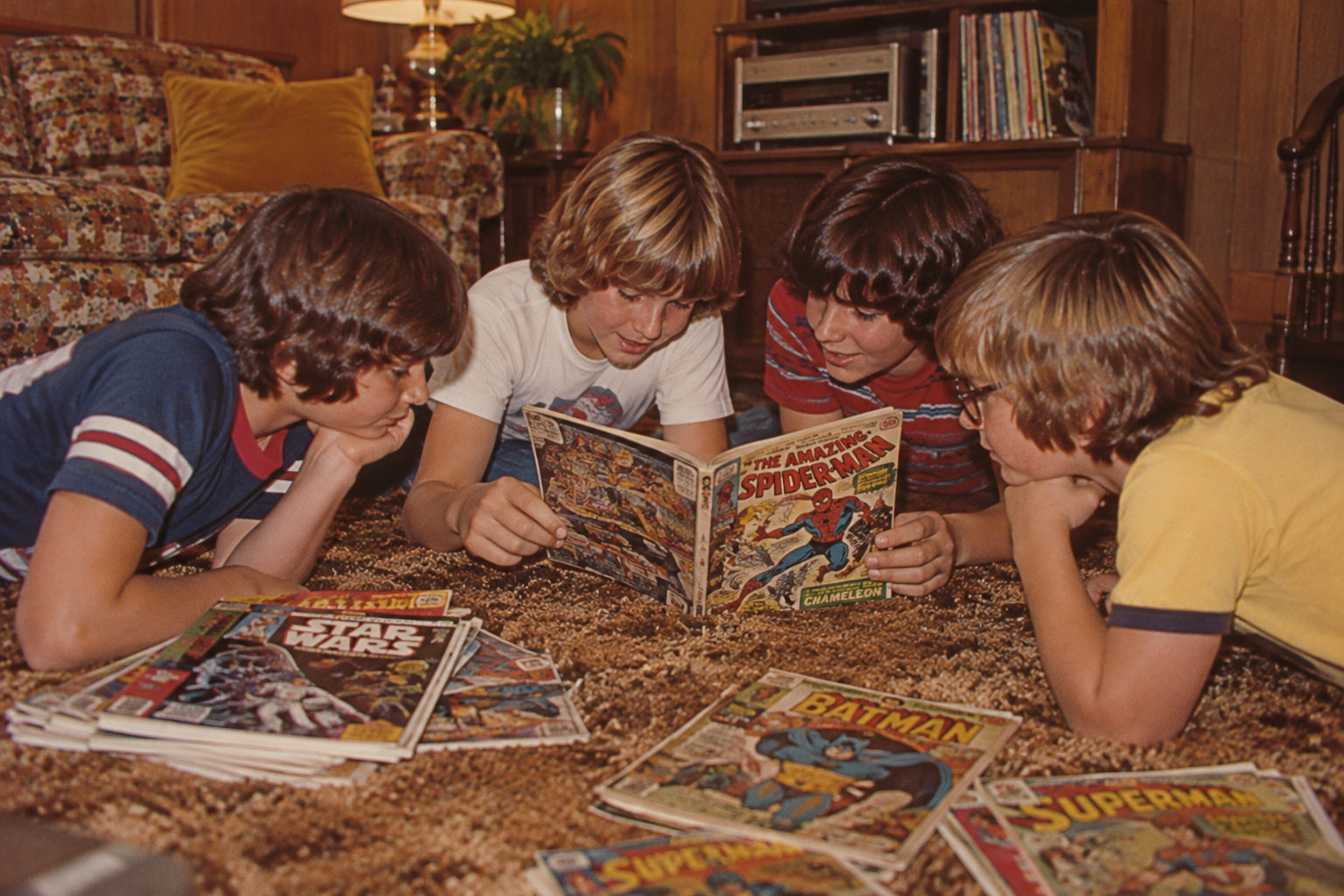
A friend showing up with a new comic book, magazine, or stack of baseball cards could instantly become the center of attention. Kids gathered around to look through the pages, compare collections, or negotiate trades. Comic books featuring Spider-Man, Superman, and other familiar superheroes were popular choices, while older kids might bring over the latest issue of a music or teen magazine.
There was something exciting about getting to see something new without having to spend your own allowance. Friends passed comics around, pointed out their favorite illustrations, and sometimes borrowed an issue to finish reading later. Of course, lending things out came with risks. A comic that returned with bent corners, torn pages, or a mysterious stain could cause a surprisingly serious disagreement. And when it came to trading baseball cards, everyone wanted to make sure they were getting a fair deal.
The Kitchen Table Became a Craft or Model-Building Station
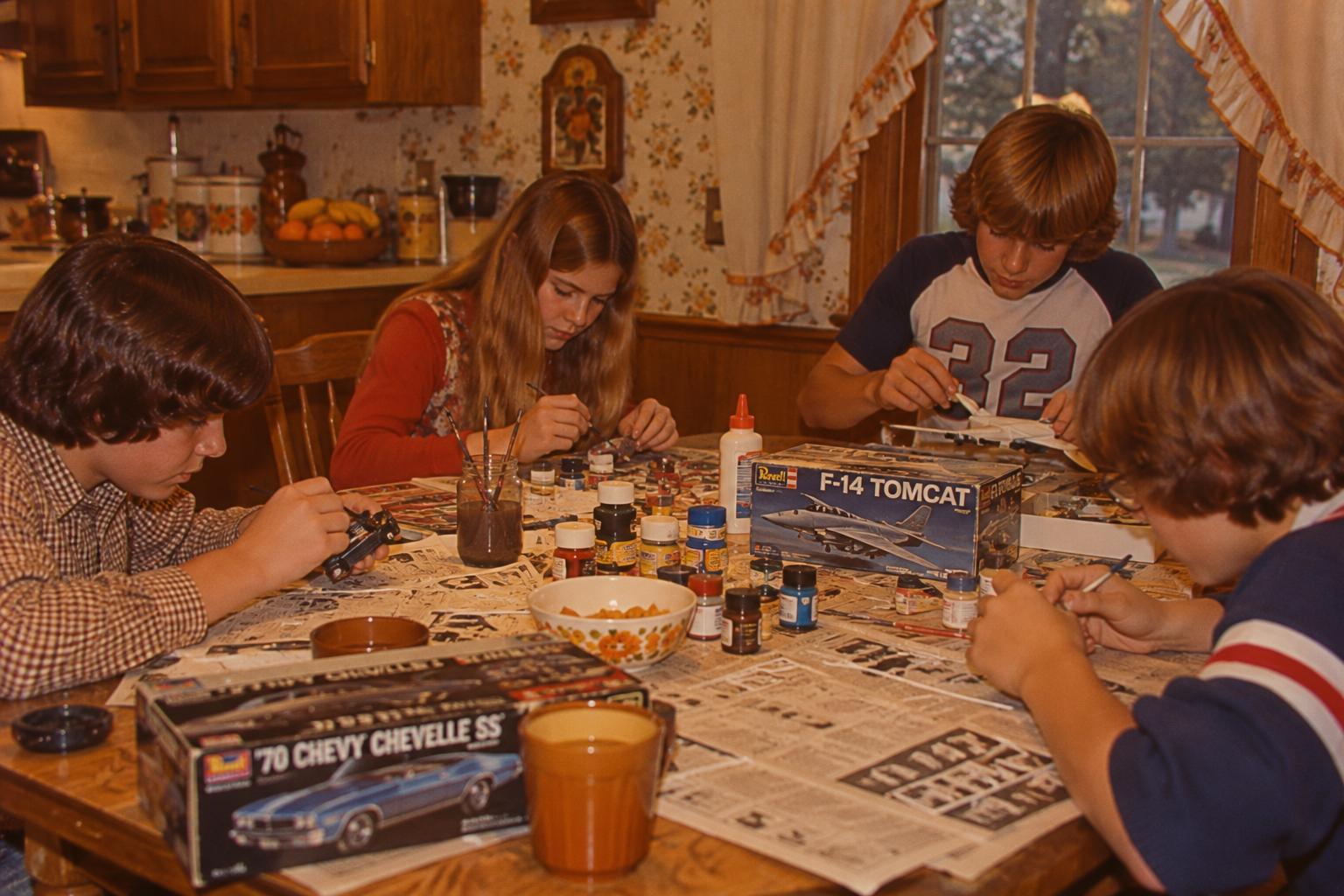
Not every afternoon with friends involved running around the neighborhood. Sometimes everyone settled around the kitchen table with a project that required a little more patience. Plastic model airplanes and cars were popular with some kids, while others preferred drawing, painting, making paper decorations, or creating elaborate crafts out of whatever supplies they could find around the house.
Naturally, these activities could get messy. Newspapers were spread across the table to protect it from glue and paint, small plastic pieces disappeared onto the floor, and someone inevitably used more adhesive than necessary. Building a model could become a team effort, although there was always the risk that an enthusiastic friend would accidentally attach something backward. And when the projects were finished, everyone wanted to show off their work, even if the results didn’t look quite like the pictures on the boxes.
Someone’s Parents Offered to Let a Friend Stay for Dinner
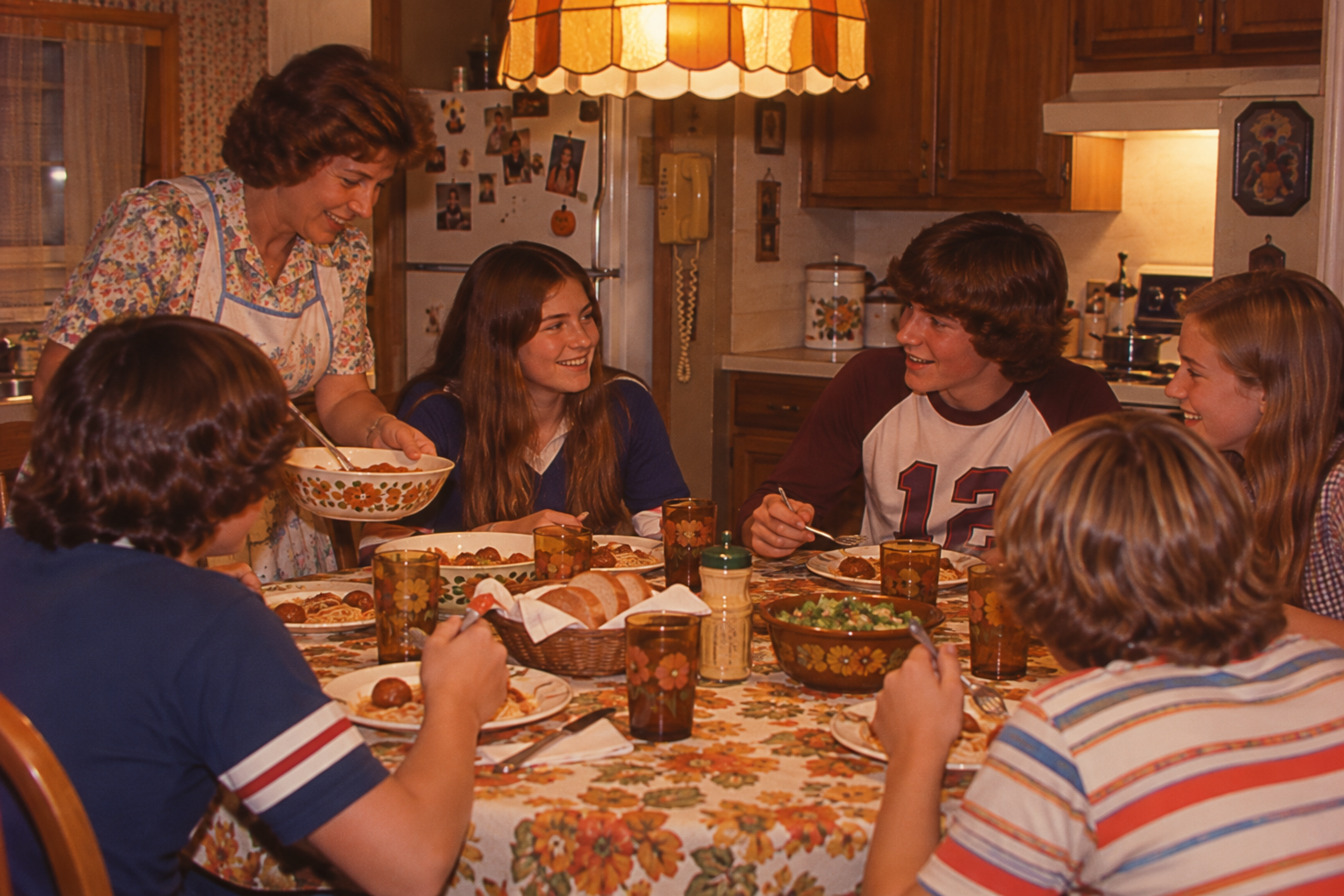
There was something especially exciting about hearing your friend’s mom or dad ask, “Would you like to stay for dinner?” What had started as an ordinary afternoon suddenly had the potential to stretch into the evening. Better yet, you might get to eat something different from whatever your own family was having that night. Spaghetti, homemade hamburgers, pizza, or even an ordinary casserole could seem like a special occasion when you were eating at someone else’s house.
But first, there was the important matter of getting permission. Before cellphones, that usually meant using the family’s landline to call home. Kids who knew their home phone numbers by heart had a distinct advantage, while others might need help reaching their parents. And once permission was granted, there was another challenge: remembering your manners at someone else’s dinner table. Every family had slightly different rules, and discovering them was part of the experience.
Nobody Wanted to Go Home When the Streetlights Came On
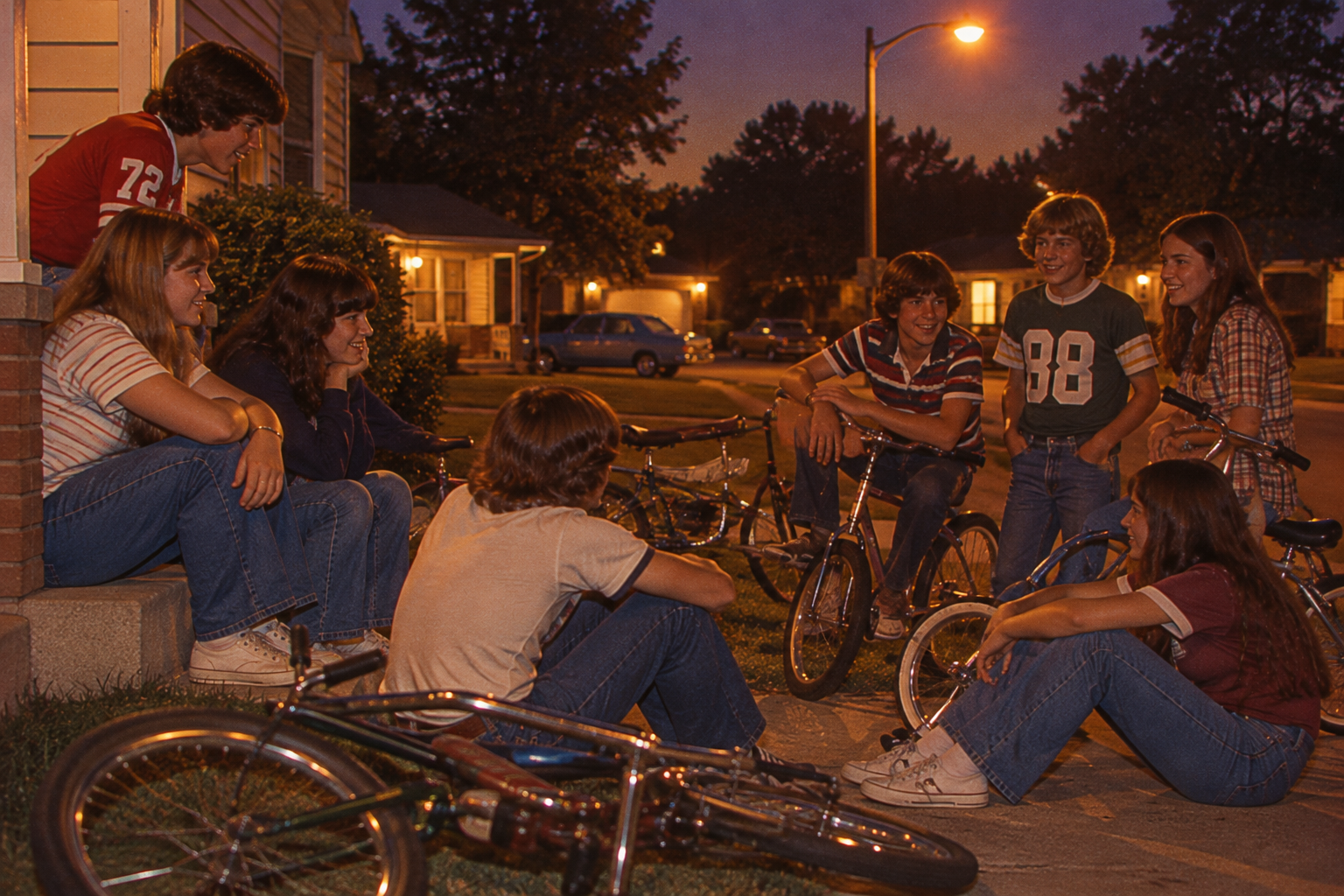
No matter how much fun everyone had during the afternoon, eventually it was time to go home. In some neighborhoods, the streetlights coming on served as the unofficial signal that outdoor play was over. Elsewhere, parents called from the porch, expected children home at a specific time, or sent an older sibling to track everyone down. Whatever the arrangement, the announcement was rarely greeted with enthusiasm.
There was always one more game to finish, one more story to tell, or one more argument about who had actually won. Kids begged for another 10 minutes, promised they’d head home right after the next round, and occasionally stretched out their goodbyes as long as possible. And before everyone finally separated, plans were already being made for the following afternoon. After all, there was a good chance they’d be doing the whole thing again tomorrow.
When Having Friends Over Was an Adventure in Itself
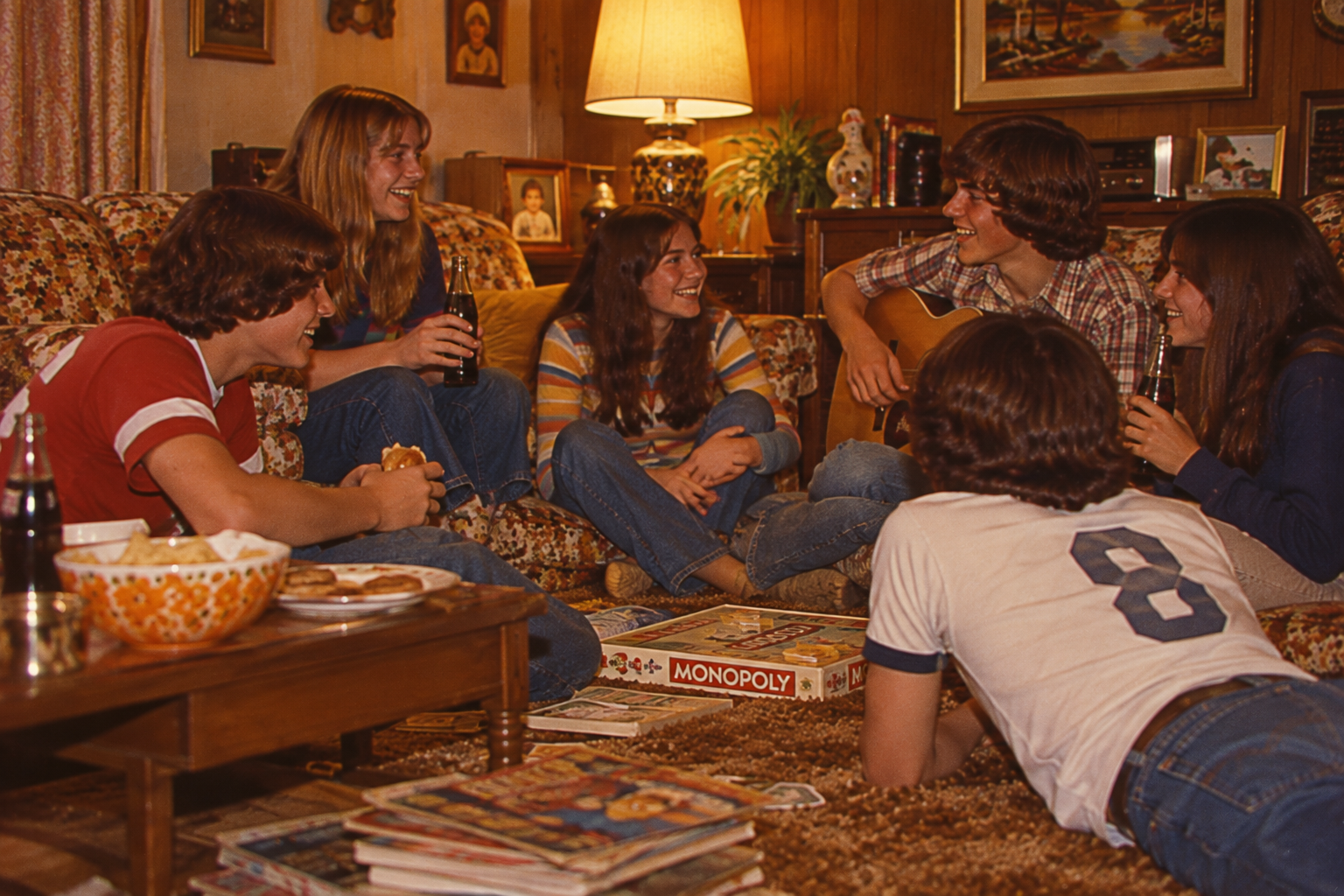
Looking back, what made having friends over in the 1970s so memorable wasn’t necessarily the toys, games, or snacks. It was the freedom to spend an entire afternoon together without much of a plan. A few records, a board game with missing pieces, or an ordinary backyard could provide hours of entertainment, especially when everyone was willing to use a little imagination.
Of course, childhood wasn’t the same for every family or neighborhood, and plenty of those activities are still enjoyed today. But for people who grew up in the ’70s, there’s something particularly nostalgic about remembering afternoons when the biggest decisions were whose house to visit, what game to play next, and whether you could convince your parents to let you stay just a little longer.