Baby Boomers grew up in an era when people didn’t pay for streaming services, many everyday activities were free, and subscription-based entertainment wasn’t the norm, meaning they could enjoy plenty of free activities without spending much money. Drawing on information from AARP and The Strong National Museum of Play, we reveal some of the activities that Boomers enjoyed, all of which cost nothing!
Riding Bikes Around the Neighborhood for Hours
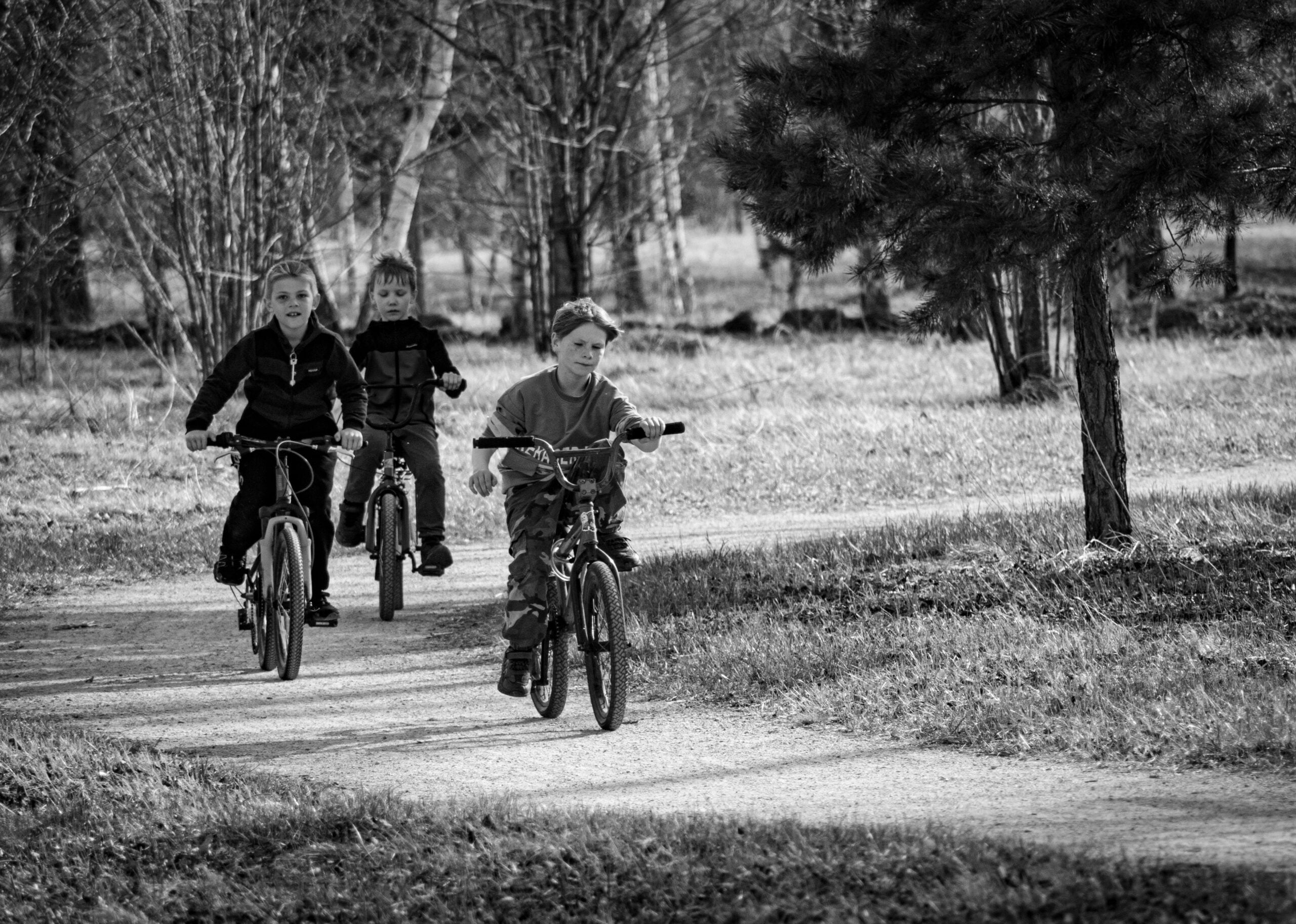
Boomers used to meet up with friends on the street, hop on their bicycles, and spend the entire afternoon exploring the areas near their homes and visiting friends’ houses. These free activities didn’t require any extra expense. Once a family purchased a bicycle for a child, there were no additional fees for riding around the neighborhood, and it could keep a young person entertained for an entire afternoon.
Spending Entire Afternoons at the Public Library

During the Baby Boomer era, young people viewed libraries as hubs for various activities, places where they could pick up an entertaining book to take home. These free activities allowed Baby Boomers to enjoy books without paying for them; they simply had to return them after a few days, all while enjoying learning more about their personal interests. Modern libraries continue to offer free resources, such as movies, classes, games, and tools, according to AARP.
Playing Pickup Baseball in an Empty Lot
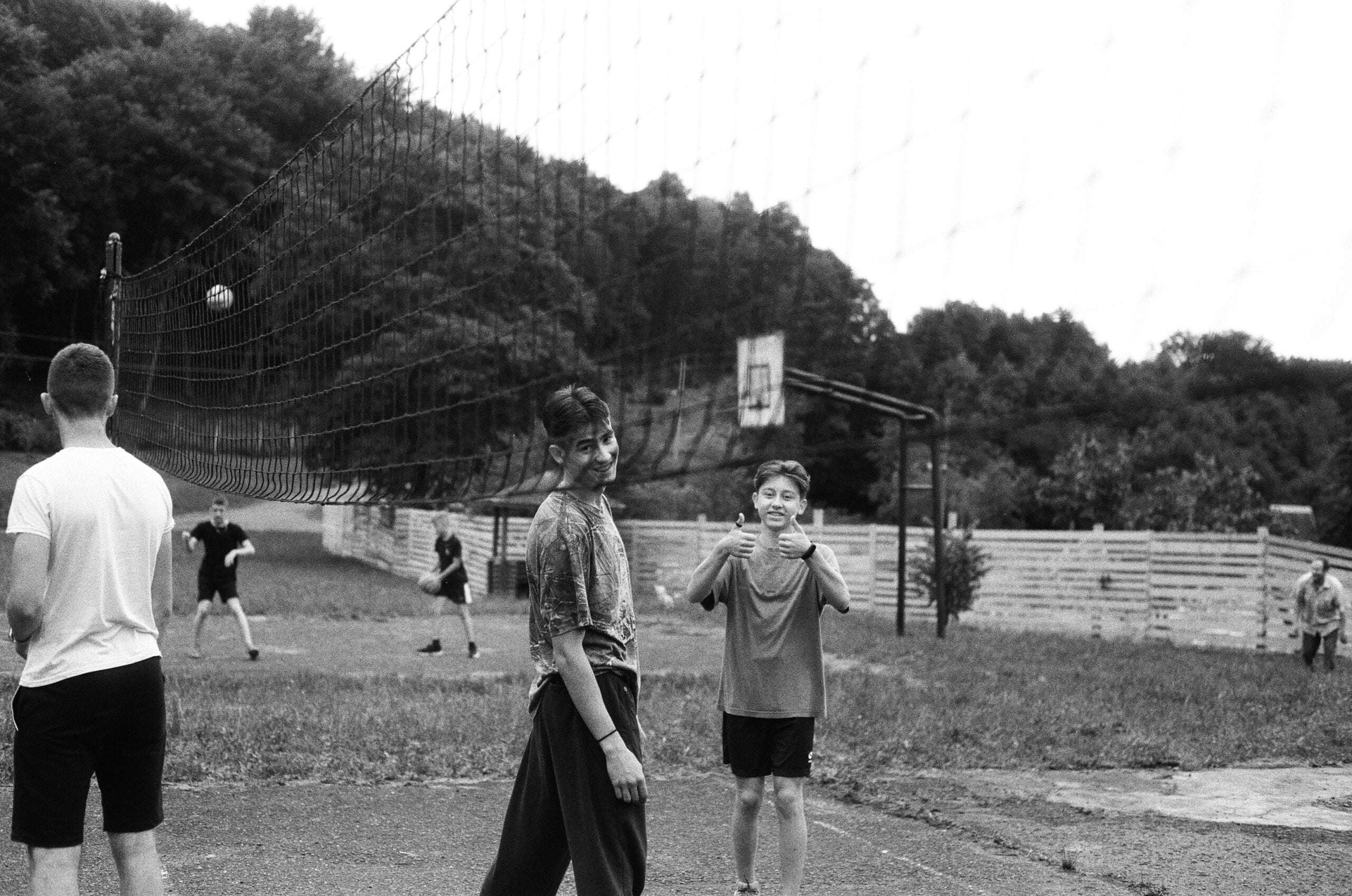
Another way Boomers enjoyed free activities when they were young was by gathering with neighborhood friends in a vacant lot to play pickup baseball, using objects found on the street as bases, according to The Strong’s National Toy Hall of Fame. They didn’t need registrations, uniforms, or scheduled practices, all of which would have entailed an expense.
Sitting on the Front Porch Talking With Friends
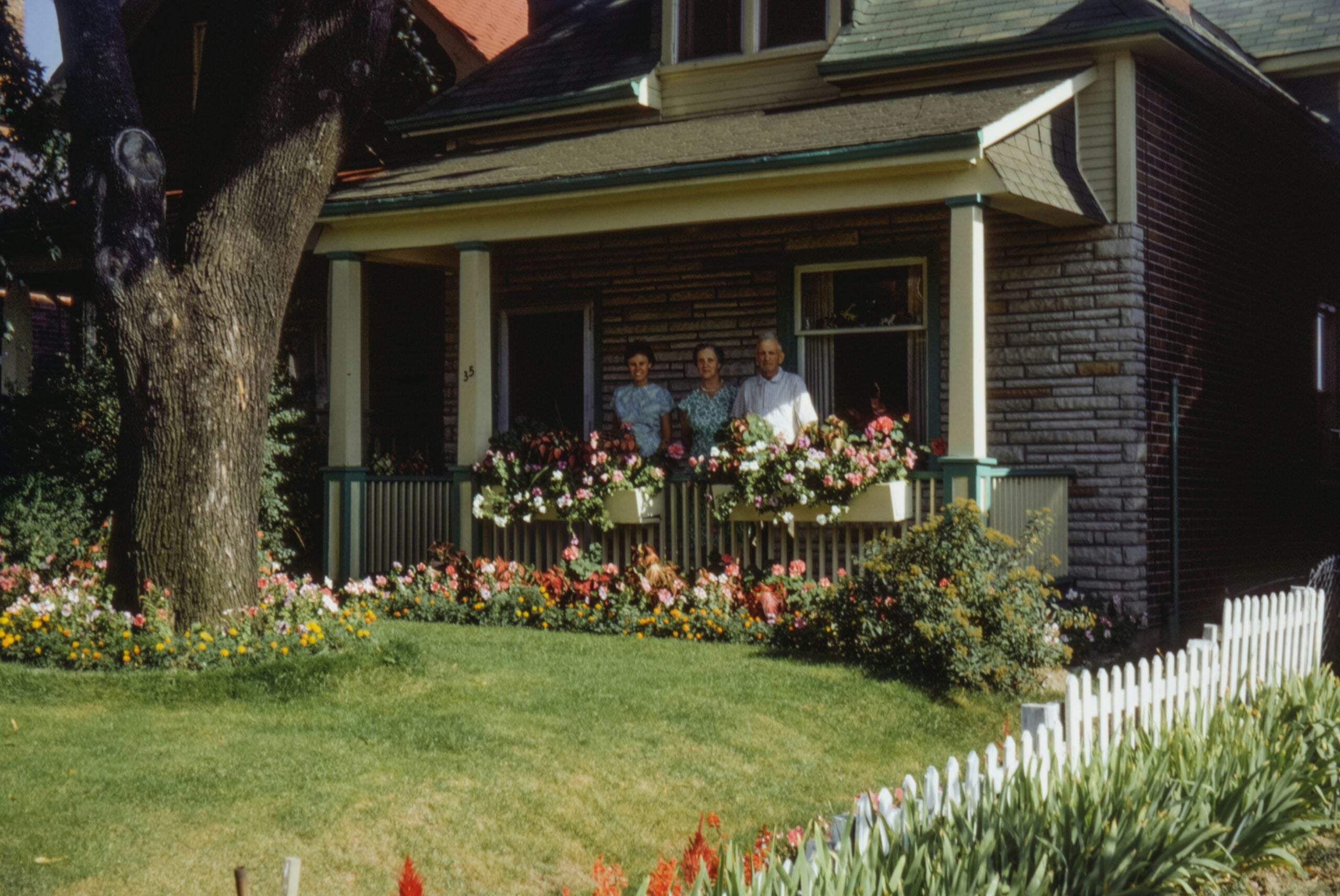
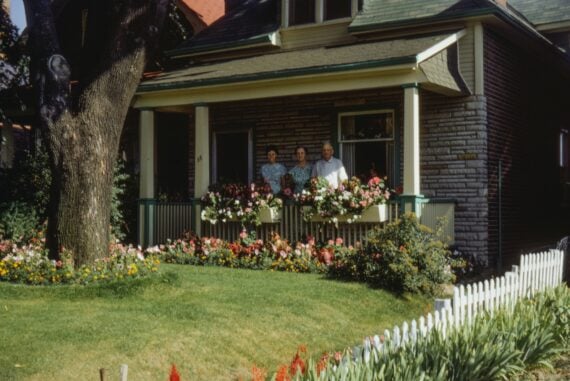
Boomers enjoyed spending hours talking with their friends on the front porch of their homes. Whether sitting in chairs or on the front steps, they would talk about schools, sports, or whatever was happening in the neighborhood, according to AARP. These free activities were a way to strengthen their relationships without spending a dime. It was the opposite of meeting up at a restaurant today because it was a low-cost alternative.
Exploring the Woods and Building Secret Hideouts
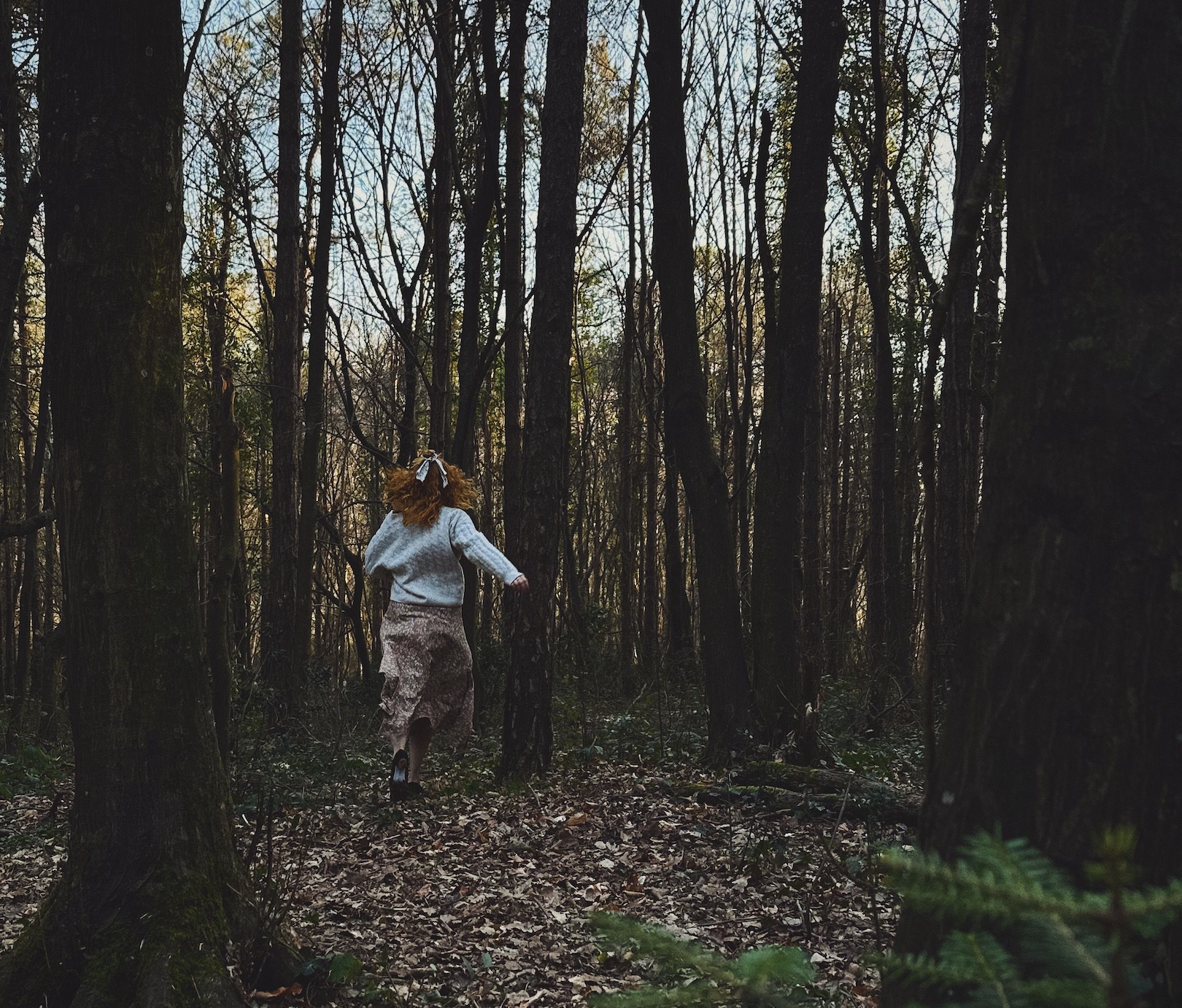
Since Baby Boomers spent many hours exploring their neighborhood, whether by bicycle or on foot, they would often head into the woods to collect sticks, build forts, or invent imaginary adventures with friends. These free activities allowed them to use their imagination, while nature provided the materials and an environment they felt drawn to. They didn’t have to pay an entrance fee to spend time in the woods.
Trending on Cheapism

Listening to the Radio and Discovering New Music
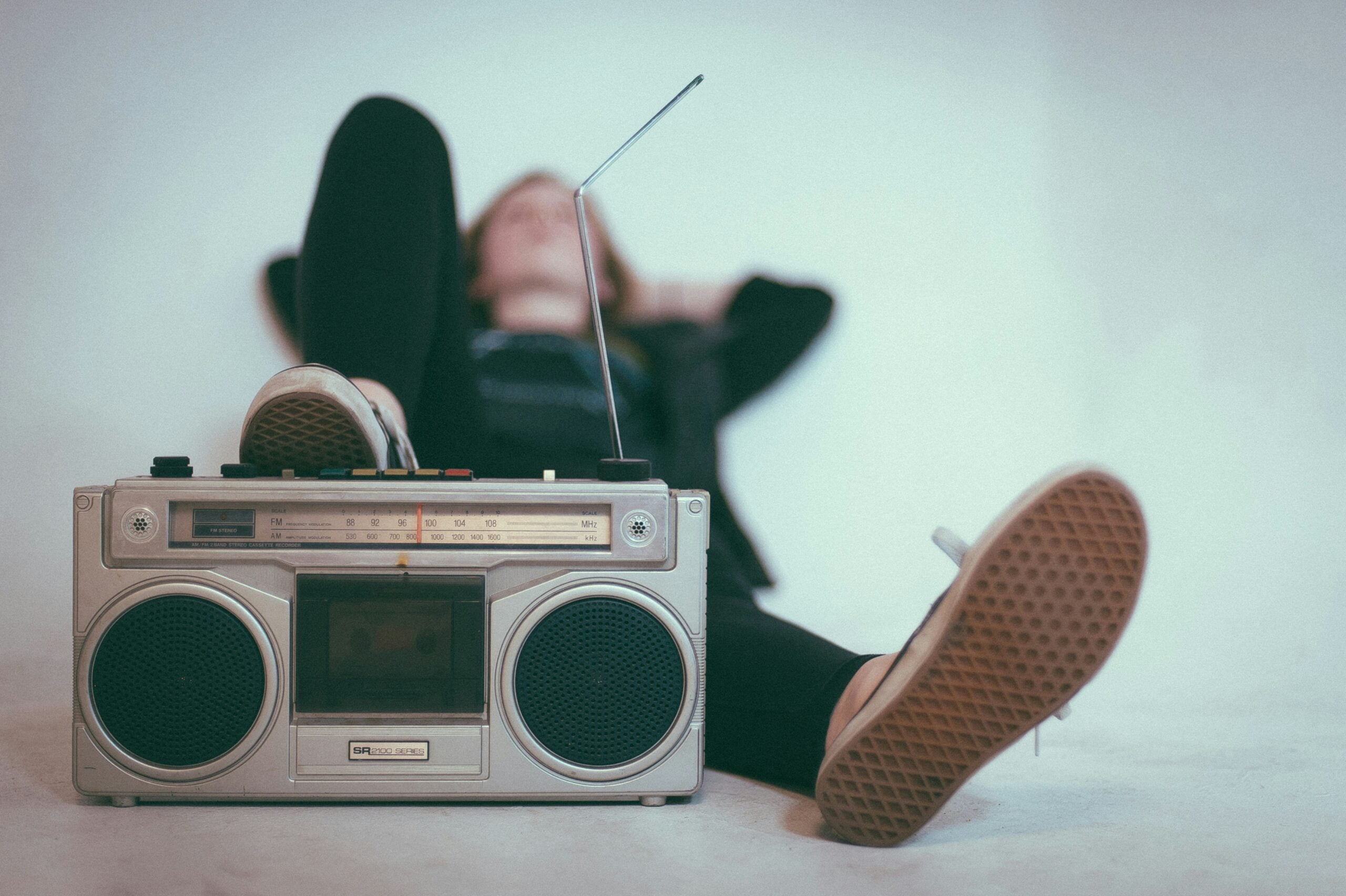
Spending hours listening to AM and FM radio stations, waiting for a favorite song to come on or for the countdown show featuring the week’s most popular music, was a popular pastime for the Baby Boomer generation. These free activities allowed them to spend hours at home enjoying music without having to purchase an album or use a mobile app to access it.
Fishing at a Nearby Pond or Creek
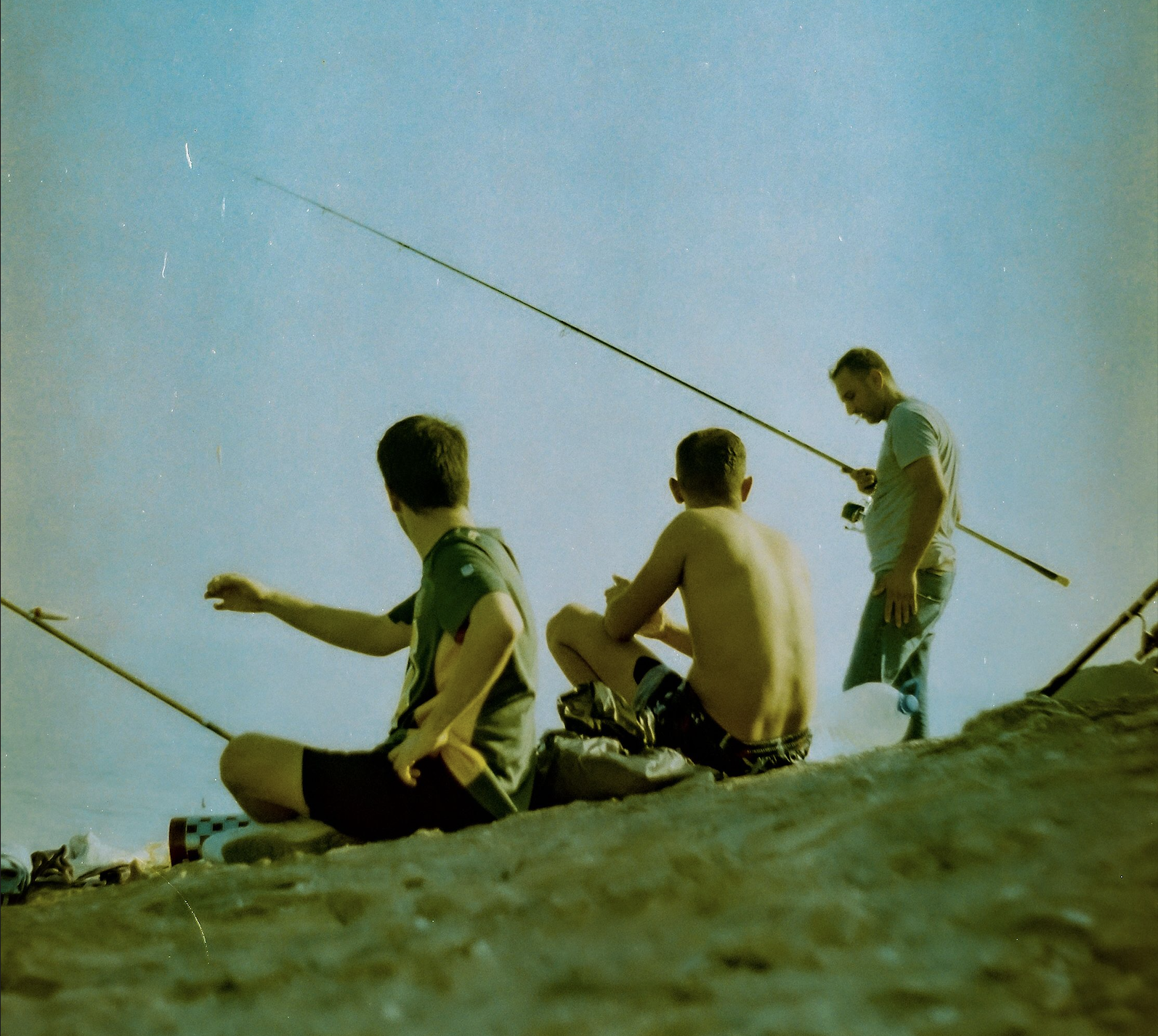
Another way Boomers enjoyed free activities, without spending a fortune, was by going fishing at a pond or creek near where they lived. All they needed was a basic fishing rod and some inexpensive bait, along with a spot featuring a dock or a bridge that extended over the water. The equipment they used was simple, yet it provided hours of entertainment. Some Boomers even recall digging for worms in their own backyards, which only added to the overall experience.
Organizing Backyard Cookouts and Potluck Gatherings
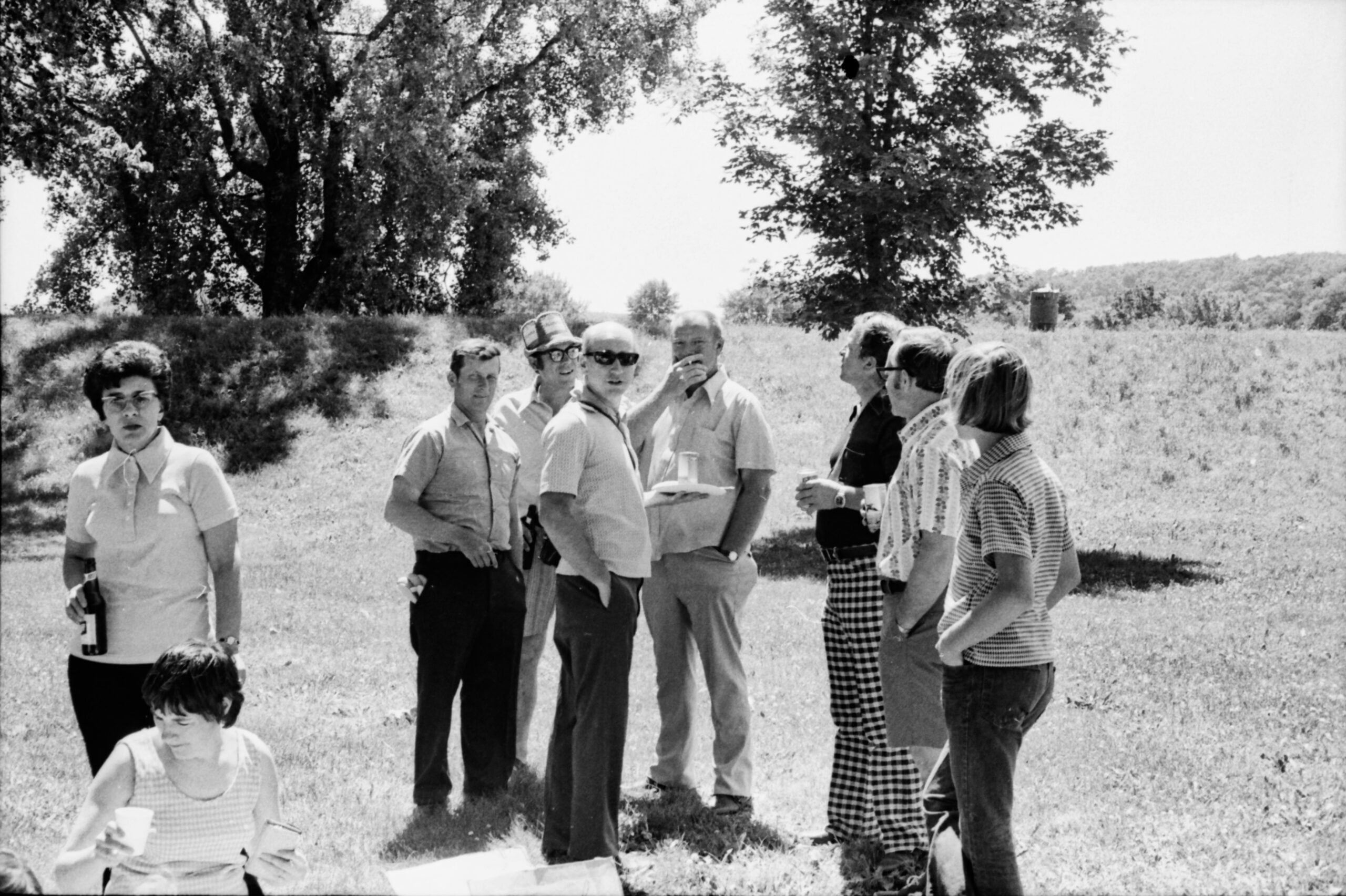
Family gatherings, often in the form of informal cookouts with acquaintances and neighbors, offered a way to socialize without the need to book a table at a restaurant, purchase tickets, or make elaborate entertaining arrangements. These free activities brought people together as families set out lawn chairs in the yards, used paper plates, prepared food on charcoal grills, and enjoyed the afternoon with each other, according to AARP.
Sign up for our newsletter
Playing Cards Around the Kitchen Table
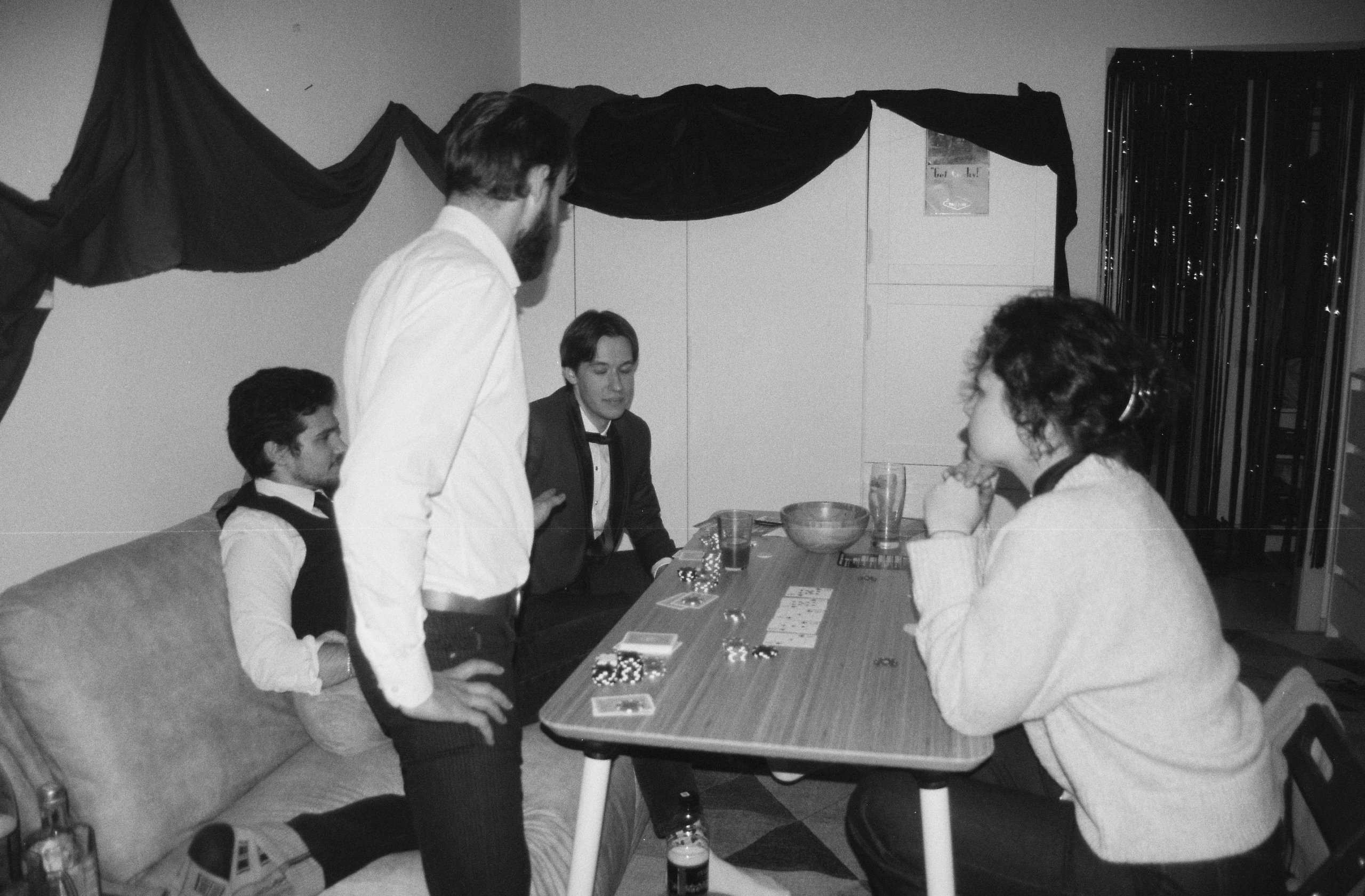
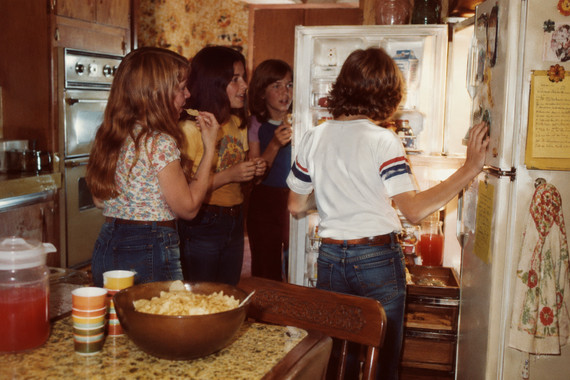
The Strong National Museum of Play has evidence that Baby Boomers used to get together with friends to play card games, such as Spades, Rummy, Hearts, and others, for hours on end. These free activities required little more than a single deck of cards to keep several people entertained around a kitchen table while they debate the rules and deciding which game to play.
Window-Shopping Along Main Street
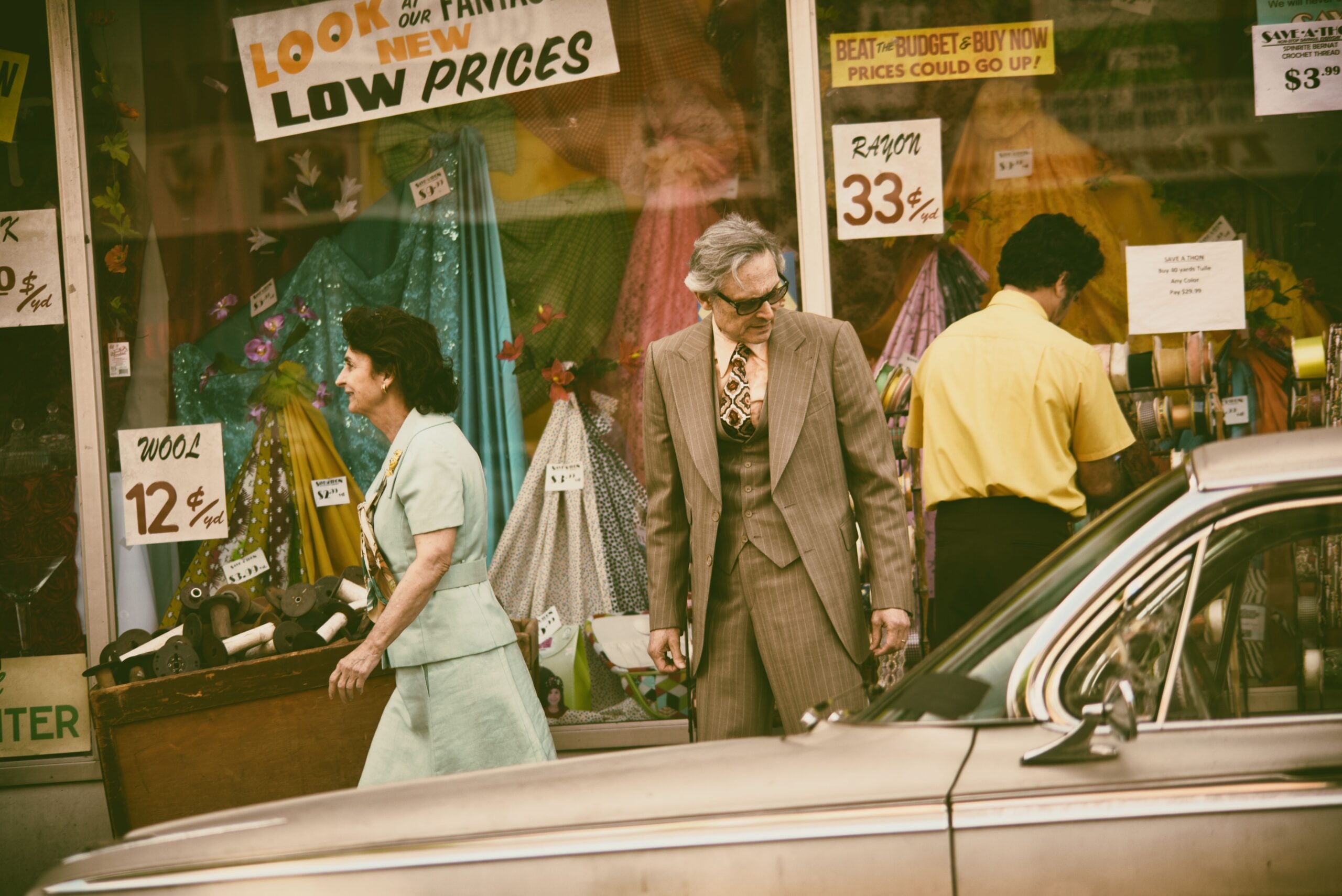
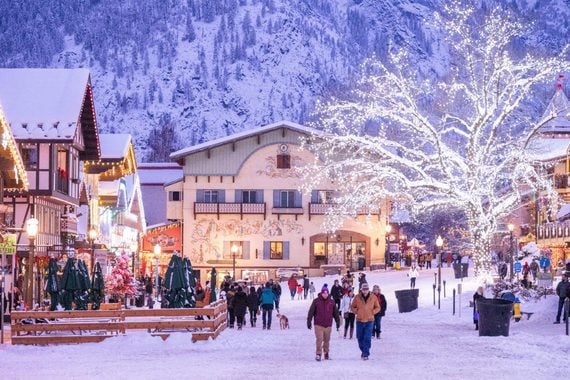
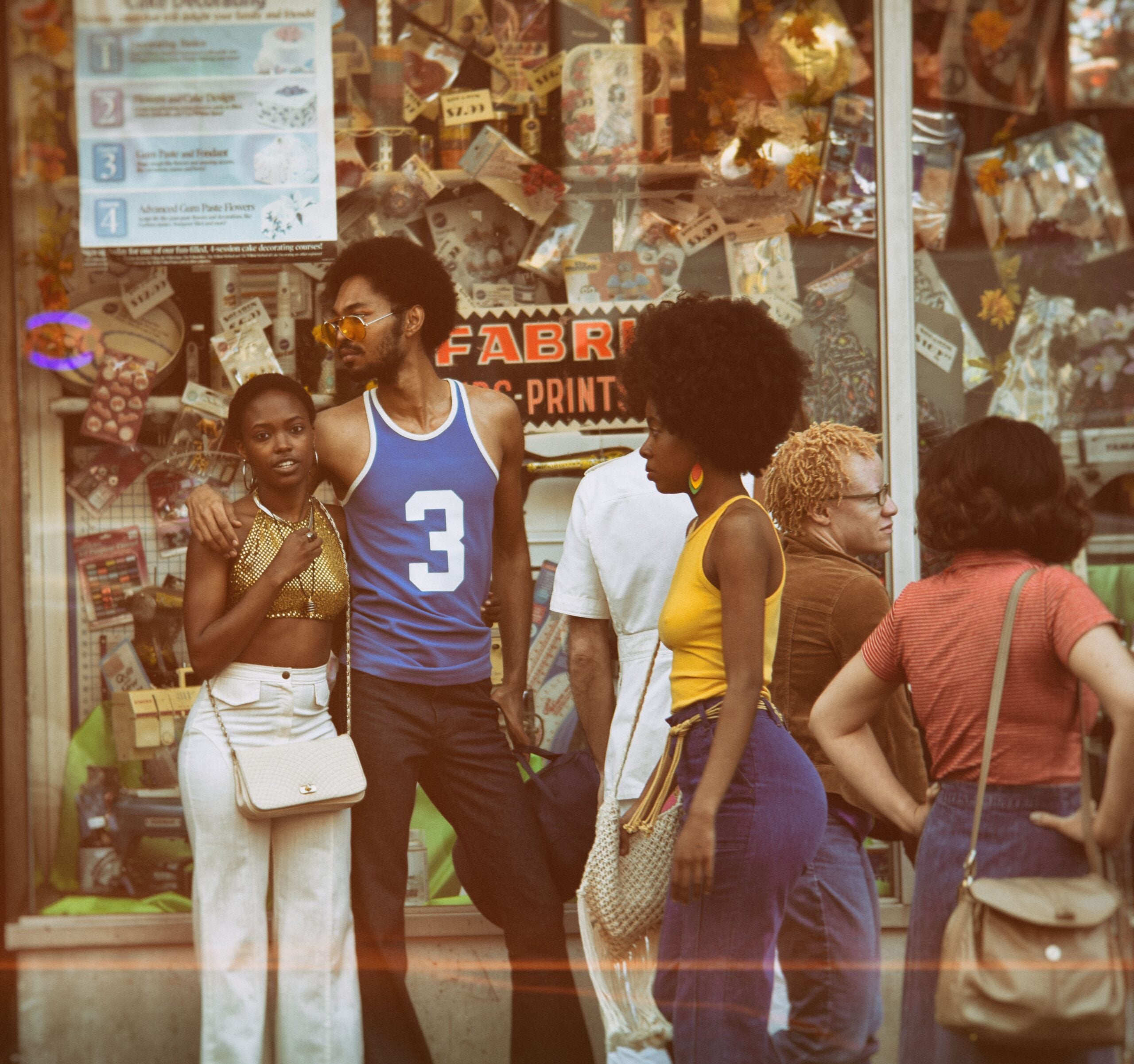
Boomers were also accustomed to strolling with their families along the main street of their town where they lived. Window-shopping and looking at store displays, and chatting with friends were free activities in themselves, with no pressure to actually buy anything, as is often the case today. The experience was centered on noticing new elements, decorations, or shops, rather than on making purchases.
Watching the Stars From the Backyard
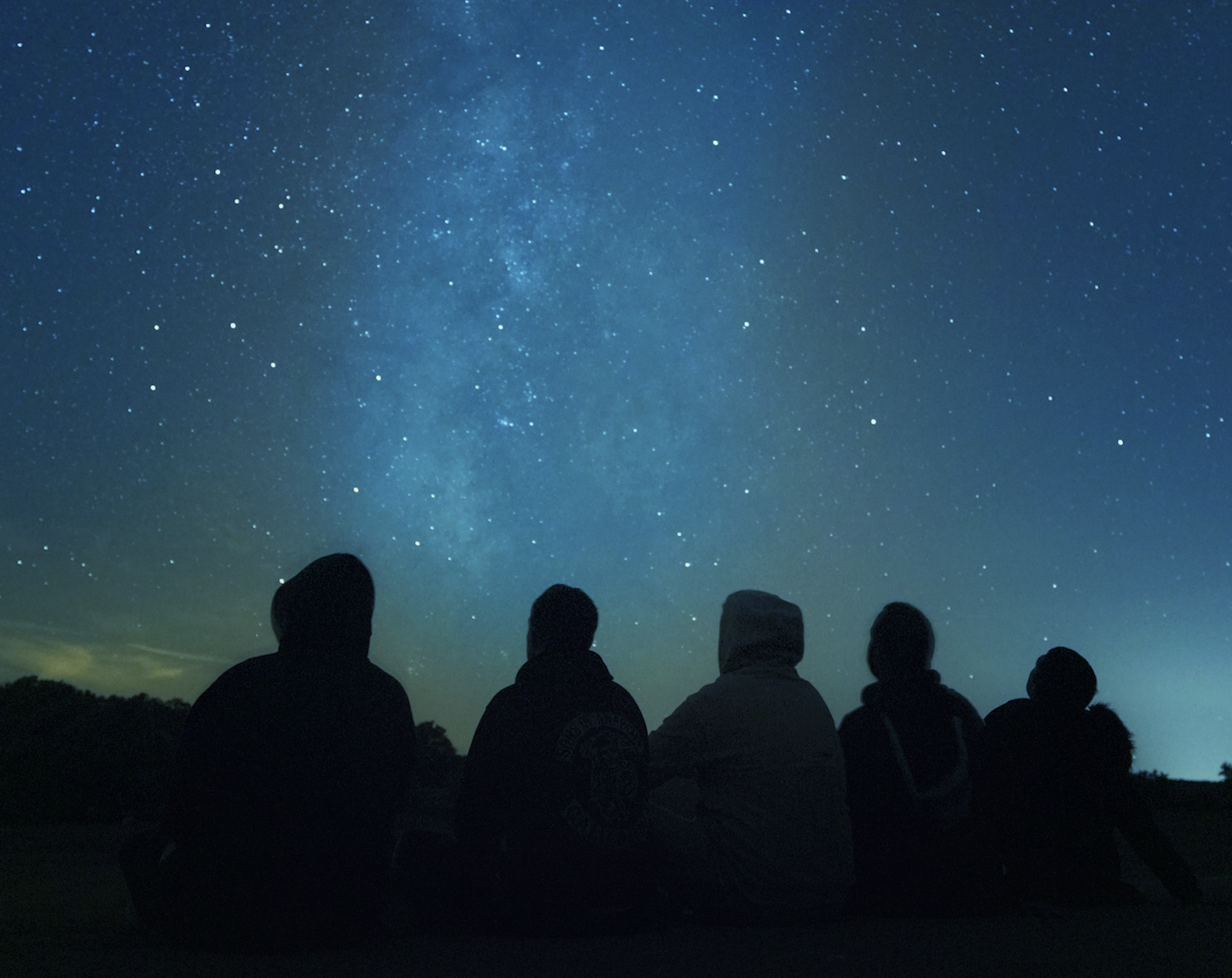
Much like the cookouts held in a home’s backyard, the Baby Boomer generation would also head outside at night to observe the stars. On clear evenings, families would often spread blankets out on the lawn and gaze up at the stars, identifying the various constellations. This activity required being in a dark area, free from light pollution.
Taking Sunday Drives to Nowhere in Particular
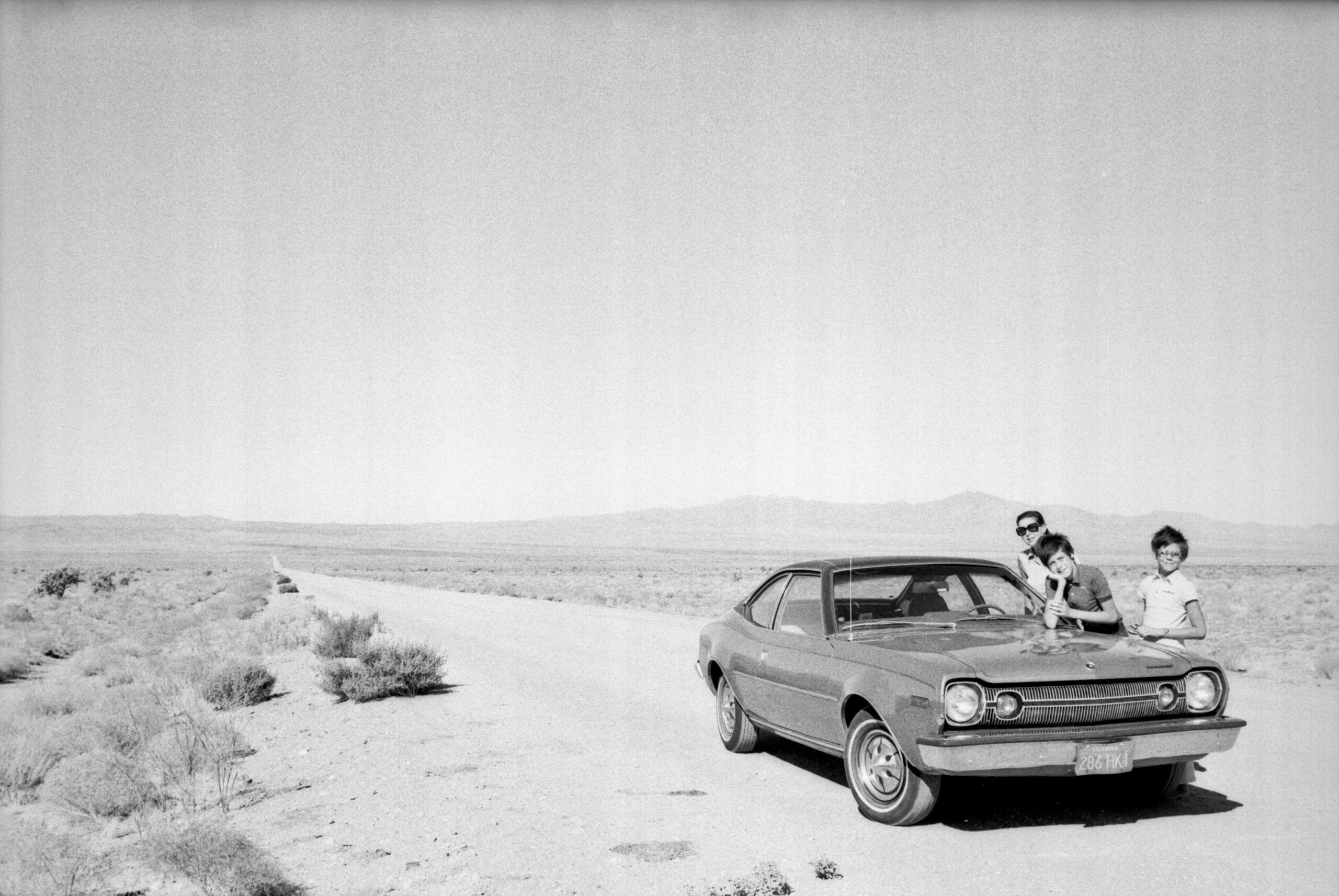
Boomers would also go out with their families for drives, without necessarily heading to any specific destination. They might head into the countryside, look at interesting houses, explore new roads, or simply drive until they spotted a scenic overlook where they could stop for a while and enjoy the scenery. Back then, you didn’t have to pay for such an attraction. You could simply enjoy some family time and a beautiful natural landscape.
Conclusion
The activities that Baby Boomers engaged in when they were young centered more on sharing moments with others, using their imagination and having access to nature. Bicycles gave them a degree of independence that many children today may experience differently, due to various potential dangers. Furthermore, there was no prevailing notion that having fun required spending money. Instead, people found enjoyment in simple activities.