
Boomers came of age in a very different financial world. Credit cards weren’t nearly as ubiquitous, online shopping didn’t exist, and keeping track of a household budget might have involved a check register, envelopes, and a stack of receipts rather than an app.
But plenty of the money advice handed down by parents and grandparents has aged surprisingly well. The useful lessons aren’t necessarily about recreating a 1960s household budget or stuffing cash under the mattress. They’re about habits that still make financial sense: saving before spending, avoiding expensive debt, taking care of what you own, and preparing for expenses you know are coming.
The tools have changed dramatically, but the basic math behind many of these ideas hasn’t. Here are 12 old-school money rules boomers grew up hearing that can still be surprisingly useful today.
Pay Yourself First

Long before automatic transfers and banking apps, “pay yourself first” was a simple way of saying that savings should come out of your paycheck before you decide how much you have available to spend. That’s still solid advice. The Consumer Financial Protection Bureau recommends automating savings, whether through recurring bank transfers or by splitting direct deposits between checking and savings. Today, the old rule is arguably easier to follow: Set the transfer for payday and you don’t have to rely on having money left over at the end of the month.
Don’t Buy What You Can’t Afford

This old-fashioned rule needs a little updating for the credit-card era, but the basic warning remains valuable. Credit cards can offer convenience, fraud protection, and rewards, but carrying a balance can make purchases considerably more expensive. Federal Reserve data shows just how costly revolving debt can be: Credit-card accounts that were assessed interest had an average rate of 22.30% in 2025. The modern version of grandma’s advice might be: Don’t let a purchase keep costing you long after you’ve brought it home.
Save for a Rainy Day

“Save for a rainy day” may sound like something you’d see embroidered on a throw pillow, but emergency savings haven’t gone out of style. The CFPB recommends having money available for unexpected costs such as car repairs, home repairs, medical bills, or a loss of income. You may not be able to prevent the furnace from breaking or your car from needing a repair, but having cash available can keep an unpleasant surprise from becoming high-interest debt.
Know Where Your Money Goes

Before budgeting apps categorized every transaction automatically, plenty of households kept tabs on their money with check registers, notebooks, envelopes, and receipts. The method may look quaint now, but the principle isn’t. Small subscriptions, delivery fees, convenience purchases, and other recurring charges can be surprisingly easy to overlook. Instead of guessing what a typical month costs, reviewing several months of bank and credit-card statements can give you a much clearer picture of where your money is actually going.
Save for Big Purchases Before You Need Them
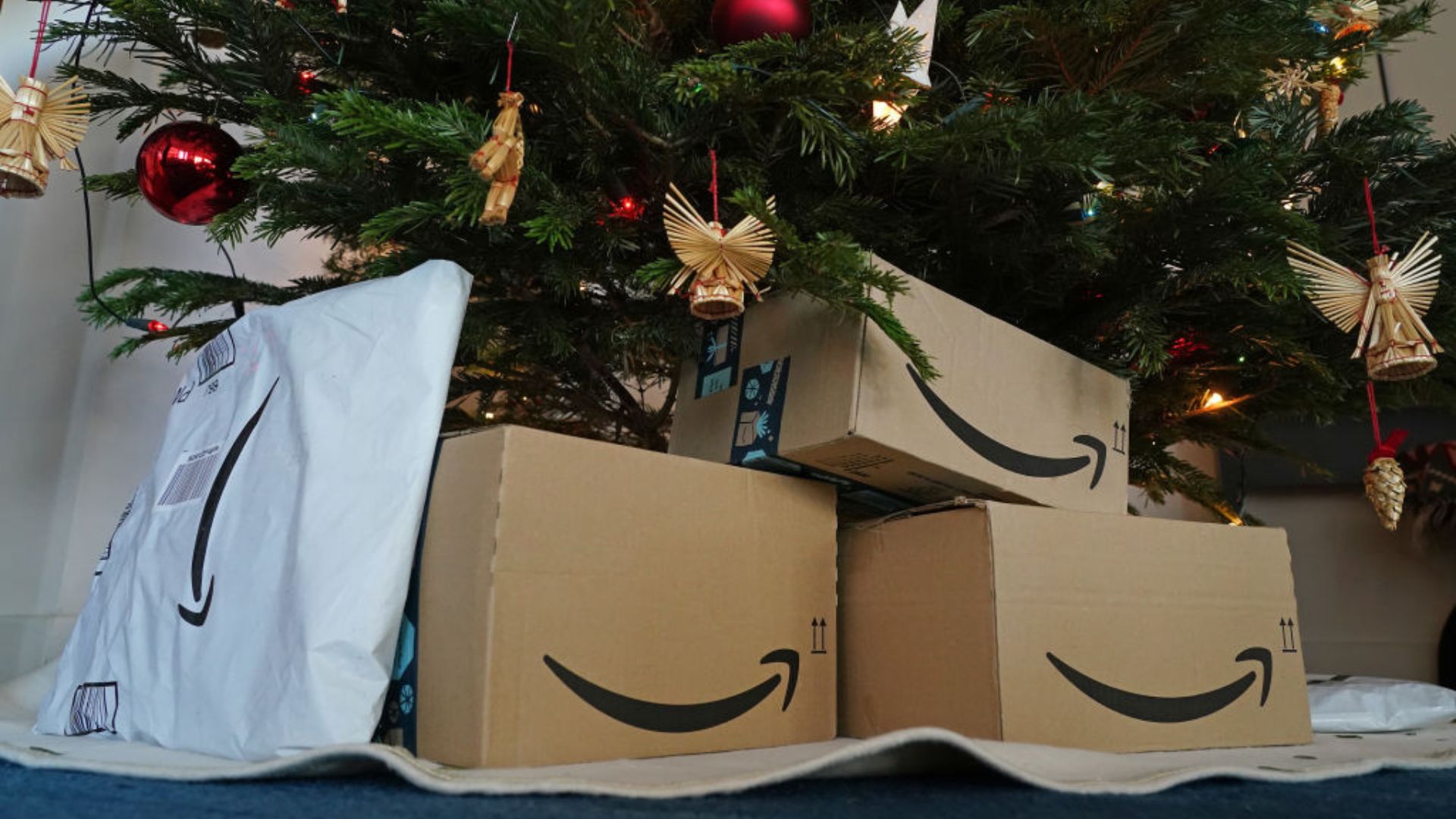
Families have long set aside a little money at a time for Christmas gifts, vacations, appliances, and other expenses they knew would eventually arrive. Today, these savings are often called sinking funds. The strategy helps separate a genuine emergency from an expensive but predictable event. A $1,200 annual expense can be intimidating when it arrives all at once; saving $100 a month for it is considerably easier to build into a budget.
Trending on Cheapism


Take Care of What You Own

Older generations weren’t necessarily fixing and maintaining things because they enjoyed spending Saturday afternoon tinkering with the lawn mower. Keeping possessions in working order could postpone the much bigger expense of replacing them. That logic still applies to cars, appliances, homes, clothing, and plenty of other purchases. Following maintenance schedules and handling basic upkeep can sometimes squeeze another year or two out of something you already own — which may save more than finding a bargain on a replacement.
Shop Around Before Making a Big Purchase

Comparison shopping used to require considerably more effort. You might have checked newspaper ads, called several stores, or driven from dealership to dealership. The internet has made the process easier, but that doesn’t mean shoppers should skip it. For major purchases, the advertised price may tell only part of the story. Financing terms, fees, warranties, and add-ons can all change what something ultimately costs. When borrowing money, comparing the total cost rather than simply looking for the lowest monthly payment can help reveal the better deal.
Don’t Put All Your Eggs in One Basket

Some old money sayings have survived almost unchanged, and this is one of them. Diversification remains a fundamental investing principle. The Securities and Exchange Commission explains that spreading money among different investments can reduce the risk of being overly exposed when one investment performs badly. Modern diversified funds make doing that far easier than it once was. You don’t have to know which company will be tomorrow’s big winner if your money isn’t riding on a single bet.
Sign up for our newsletter
Start Saving for Retirement While You’re Young

It’s advice plenty of 20-somethings would rather postpone, but starting early gives money something that’s impossible to buy later: time. Compound growth means returns can eventually generate returns of their own, allowing even relatively modest contributions to build over long periods. The modern version of this old rule is to start contributing to a 401(k), IRA, or another retirement account as early as practical — especially when an employer offers a matching contribution. Waiting for the “perfect” time can mean giving up years of potential growth.
Know the Difference Between Wants and Needs

This rule can sound painfully restrictive if it’s interpreted as “never spend money on anything fun.” It doesn’t have to mean that. The useful part is recognizing which expenses are flexible when money gets tight. Subscriptions, upgrades, delivery services, and convenience purchases can gradually feel like necessities simply because they’ve become routine. Periodically asking whether you’re still getting enough value from them can make it easier to cut spending without eliminating the things you genuinely enjoy.
If It Sounds Too Good to Be True, It Probably Is

The technology behind scams has changed considerably since boomers were young, but the psychology hasn’t. The Federal Trade Commission continues to warn consumers about scams involving investments, prizes, impersonation, online shopping, and other schemes that often depend on urgency or unusually attractive promises. Guaranteed returns, unexpected prizes, and demands to send money immediately should still trigger the same skepticism they did decades ago. New technology hasn’t made the old “too good to be true” test obsolete.
Live Below Your Means When You Can

“Never buy anything you can’t pay cash for” doesn’t fit every modern financial situation, but living below your means is a much more flexible version of the same idea. Leaving some room between income and ongoing expenses gives you options. That extra money can go toward savings, retirement, paying down debt, or absorbing an unexpected bill. It also means resisting the temptation to upgrade every part of your lifestyle whenever your income rises. A raise can improve your finances considerably more when at least some of it stays unspent.
The Advice Got Old, but the Math Didn’t

The strongest old-fashioned money rules survived because they were never really about passbooks, cash envelopes, or clipping coupons. They were about creating a little distance between what comes in and what goes out.
Spend deliberately, save consistently, avoid unnecessarily expensive debt, protect what you already own, and give investments time to grow. The financial products surrounding those principles have changed enormously since boomers first heard the advice. The underlying math hasn’t.