There was a time when running ordinary errands could mean coming home with more than you actually paid for. Gas stations handed out road maps, banks gave customers calendars and household goods, and restaurants kept bread baskets and matchbooks within easy reach.
Of course, businesses weren’t giving this stuff away purely out of generosity. Many freebies were marketing tools, while others were rewards tied to a purchase or folded into the cost of doing business. But to the customer, they often felt free — and plenty became such routine parts of everyday life that nobody thought twice about them.
Before loyalty apps, digital coupons, and rewards points took over, companies had much more tangible ways of keeping customers coming back. Here are 12 things boomers got for free that once felt like a normal part of everyday life.
Road Maps at Gas Stations
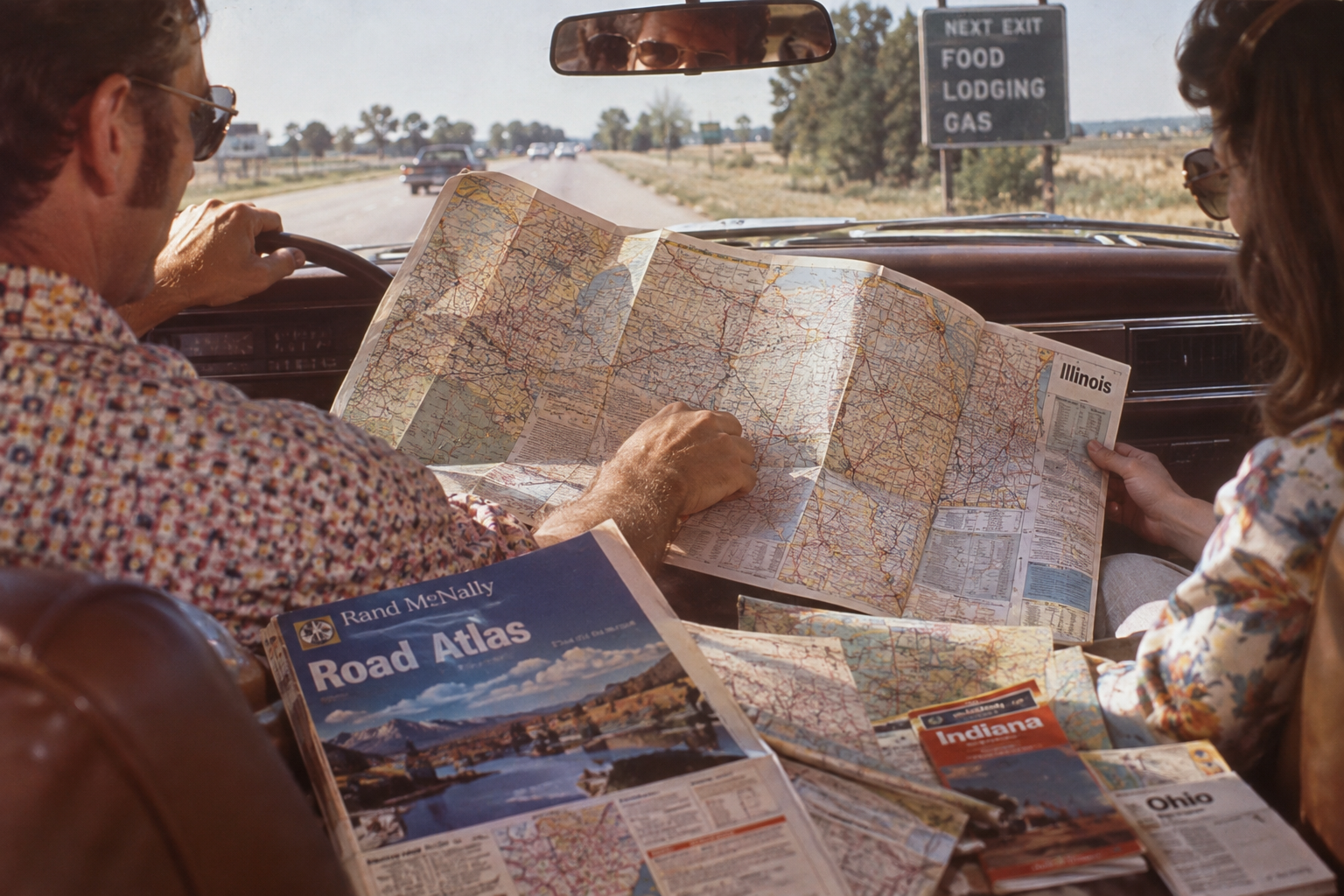
Long before a phone could reroute you around traffic, drivers depended on paper maps — and gas stations were happy to provide them. Oil companies distributed millions of branded road maps as advertising, often at no charge, with names like Gulf, Shell, and Esso prominently displayed on the cover. Gulf was producing road maps as early as 1914, and by the mid-century road trip era, asking an attendant for a map could be an ordinary part of filling up. Plenty of glove compartments ended up stuffed with them, ready for the next family vacation.
Toasters for Opening a Bank Account
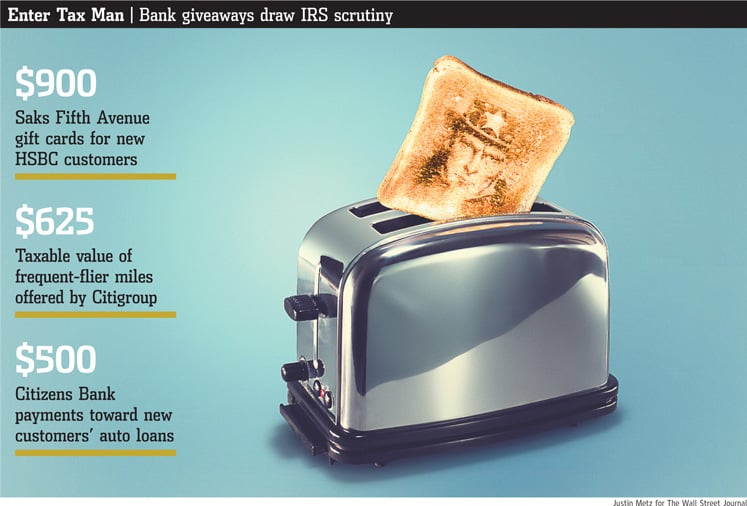
The phrase “open an account, get a toaster” became shorthand for an entire era of banking promotions. Financial institutions competed for deposits by offering customers household goods, including clocks, coffeemakers, dinnerware, cameras, and, yes, toasters. The practice was especially memorable during the 1960s, when opening a savings account could come with something useful for the kitchen. The toaster’s reputation may be slightly exaggerated, though: Wells Fargo’s historical archive notes that smaller giveaways such as calendars and coin banks were actually more common.
S&H Green Stamps With Grocery Purchases
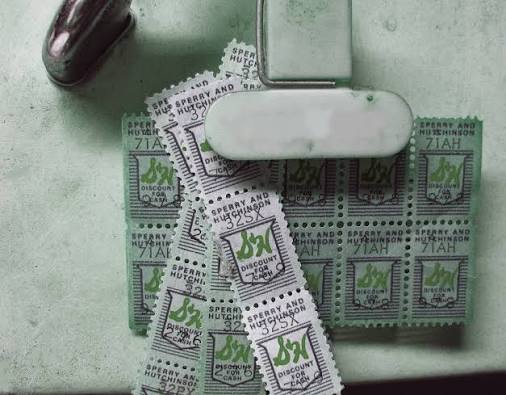
For generations of shoppers, paying for groceries was only the beginning. Participating stores handed out S&H Green Stamps based on how much customers spent, which families carefully licked, pasted into booklets, and saved until they had enough to redeem for merchandise. Completed books could eventually become everything from kitchenware to appliances and radios. Trading stamps reached enormous popularity during the 1960s, turning the weekly grocery run into a surprisingly effective way to work toward something the household wanted.
Drinking Glasses With a Fill-Up
Gas stations didn’t just compete over prices. They also tried to lure motorists with promotional glassware, mugs, dishes, and other collectibles. Buy enough gas or meet the promotion’s requirements and another piece could come home with you, allowing families to gradually assemble matching sets through purchases they were already making. It was an early version of a loyalty program, except instead of watching points accumulate inside an app, you ended up with something you could actually put in the kitchen cabinet.
Full-Service Gas Station Extras
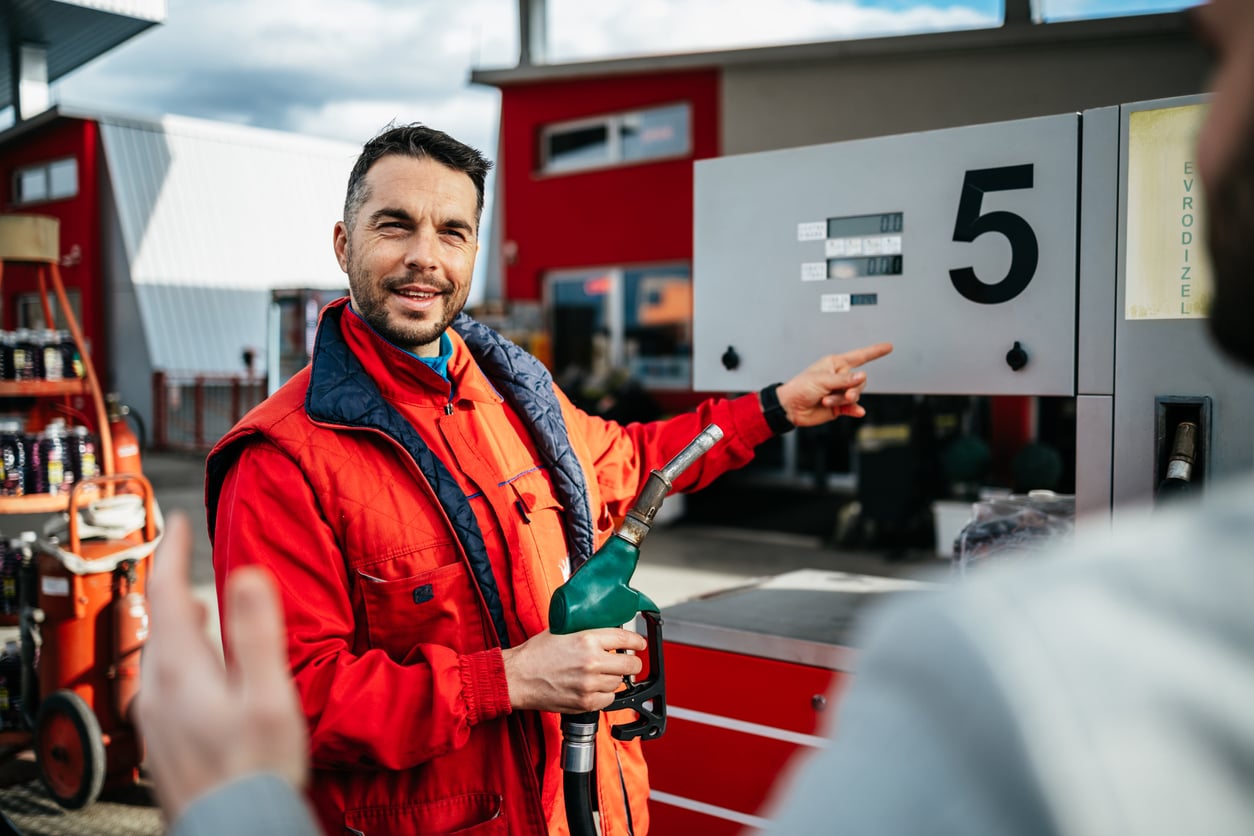
“Full service” once meant exactly that. An attendant could pump the gas while also cleaning the windshield, checking the oil, and taking a look at the tires, all without presenting the driver with a separate bill for each little task. Those extras were part of the experience of buying gasoline, and motorists didn’t necessarily consider them special treatment. As self-service stations became dominant, however, the idea of someone doing all of that during a routine fill-up started to seem increasingly luxurious.
Trending on Cheapism

Bank Calendars and Coin Banks
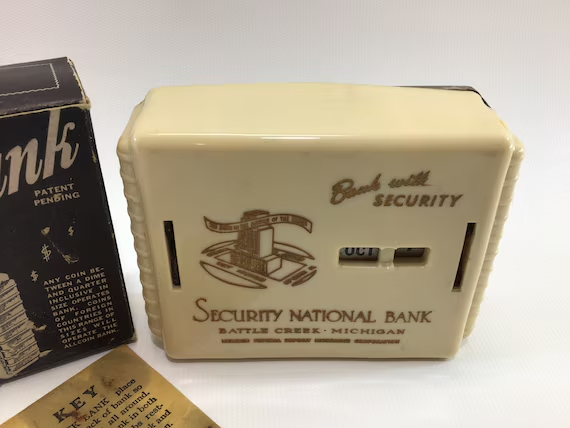
Toasters may have won the nostalgia contest, but plenty of bank customers were more likely to leave a branch with a calendar or little coin bank. Financial institutions used inexpensive branded giveaways to keep their names in customers’ homes and encourage saving, particularly among children. A calendar could advertise the bank from the kitchen wall for an entire year, while a coin bank might introduce a kid to the idea of saving pennies and nickels. It wasn’t flashy, but it was remarkably effective advertising.
Matchbooks at Restaurants, Hotels, and Bars
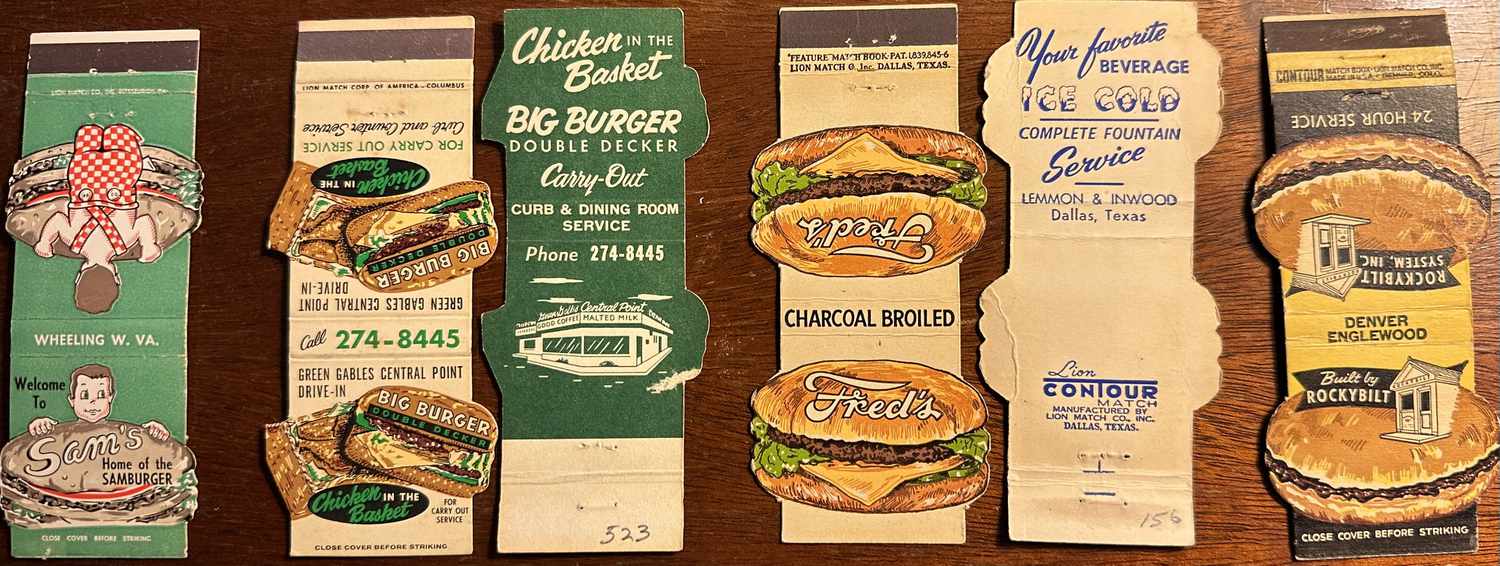
Restaurant souvenirs didn’t necessarily require a trip to the gift shop. Branded matchbooks were once ubiquitous at hotels, bars, restaurants, casinos, nightclubs, and countless other businesses. In an era when smoking was far more common, matches were genuinely useful, but they were also tiny advertisements that customers could slip into a pocket and carry home. Some people accumulated them from vacations and memorable dinners until a junk drawer effectively became a scrapbook of places they’d been.
Paper Phone Books Delivered to Your Door
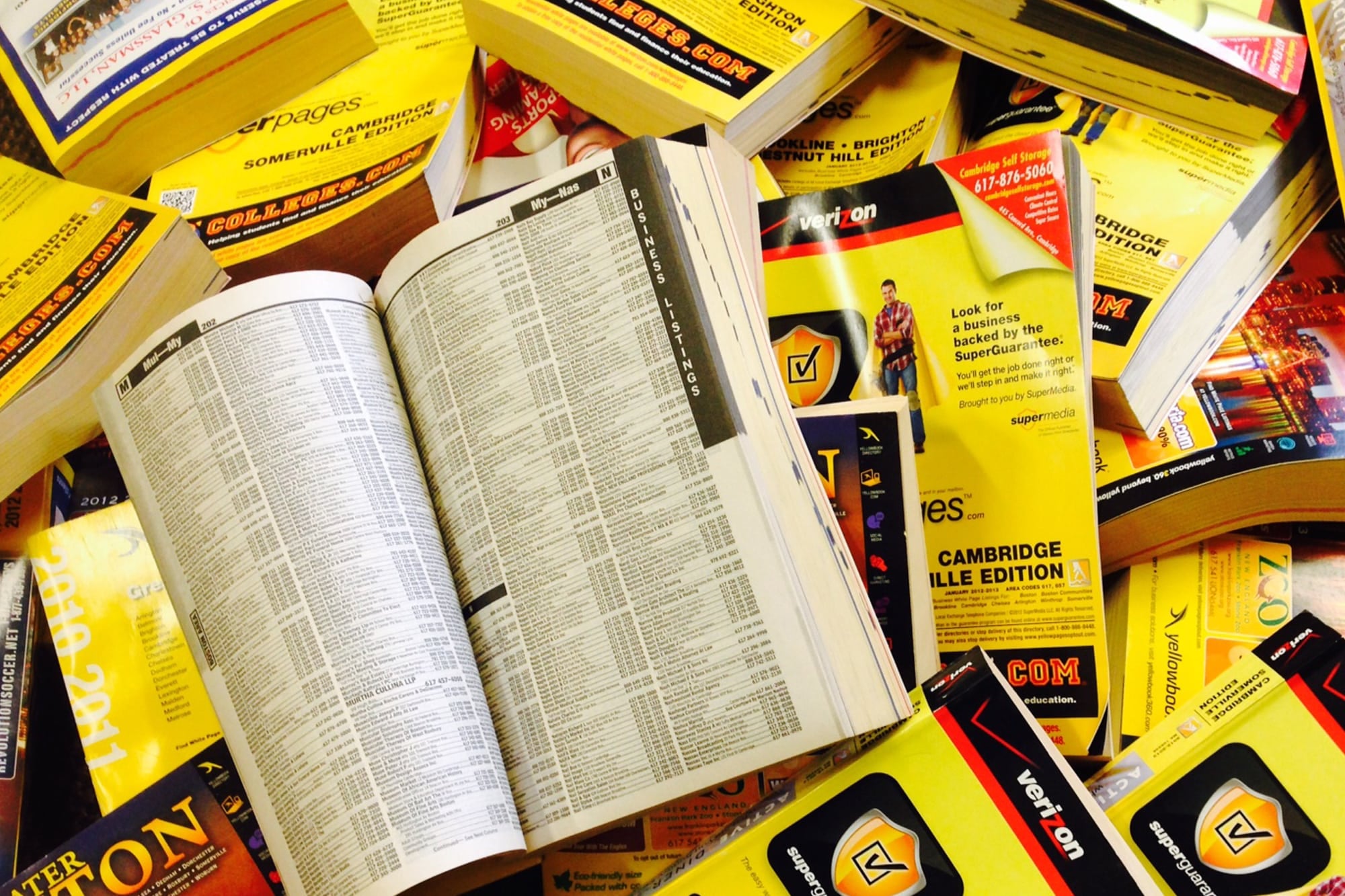
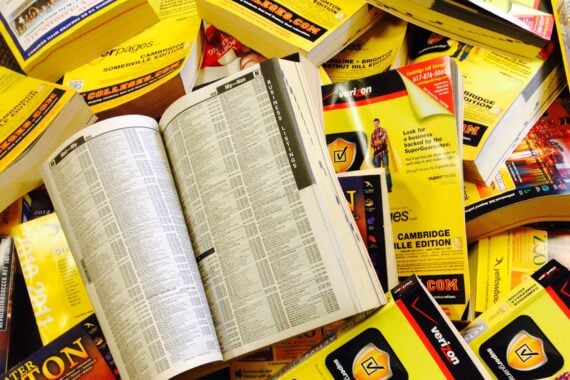
Every year, an enormous block of paper could simply appear at the house. Residential telephone directories and the Yellow Pages were routinely delivered to households without a separate charge, giving families hundreds of pages of phone numbers and local business listings. Need a plumber, pizza place, dentist, or the number for someone across town? You reached for the book sitting beside the telephone. Search engines eventually made those annual deliveries unnecessary, but for decades, the phone book was basically the household internet.
Sign up for our newsletter
Grocery and Food Samples

Free samples weren’t invented by warehouse clubs. Grocery stores, supermarkets, and department-store food counters have long used small tastes to persuade shoppers to try unfamiliar products. The strategy became particularly useful as packaged and convenience foods multiplied after World War II. A shopping trip might include a bite of cheese, sausage, baked goods, or some new product a company hoped would end up in your cart. Free samples certainly haven’t disappeared, but outside stores famous for them, stumbling across one can feel more like a pleasant surprise than an expected part of grocery shopping.
Trading Stamps From Gas Stations and Drugstores
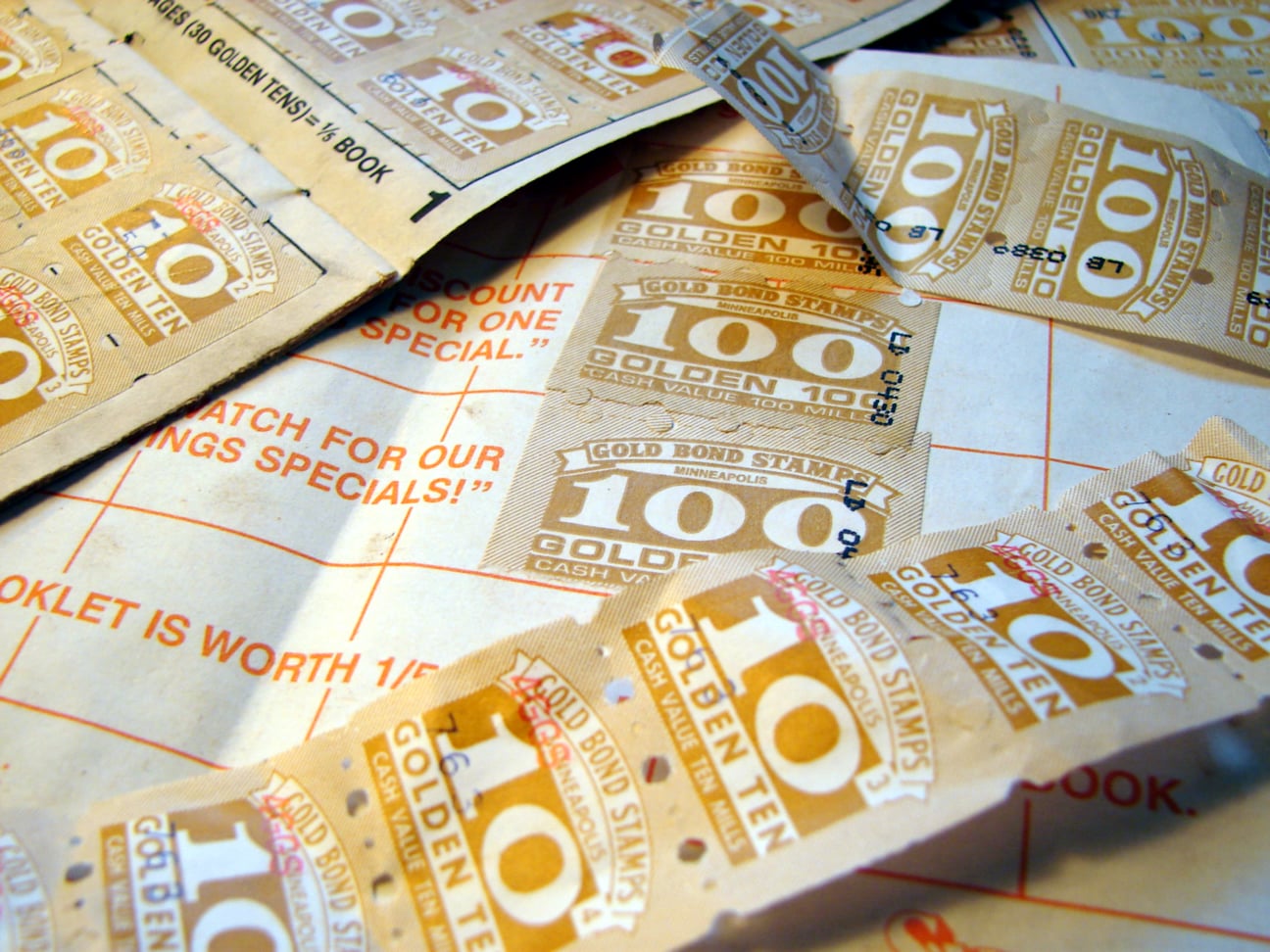
S&H Green Stamps weren’t limited to the supermarket checkout. Gas stations, drugstores, dry cleaners, and other businesses participated in trading-stamp programs, meaning ordinary errands could all contribute toward the same reward. At the industry’s peak, collecting stamps became a household ritual for millions of Americans. Families could fill the car, pick up a prescription, and inch a little closer to whatever appliance or household item they had picked out of the redemption catalog. The craze faded during the 1970s as retailers shifted toward lower prices and other forms of loyalty marketing.
Promotional Records and Toys
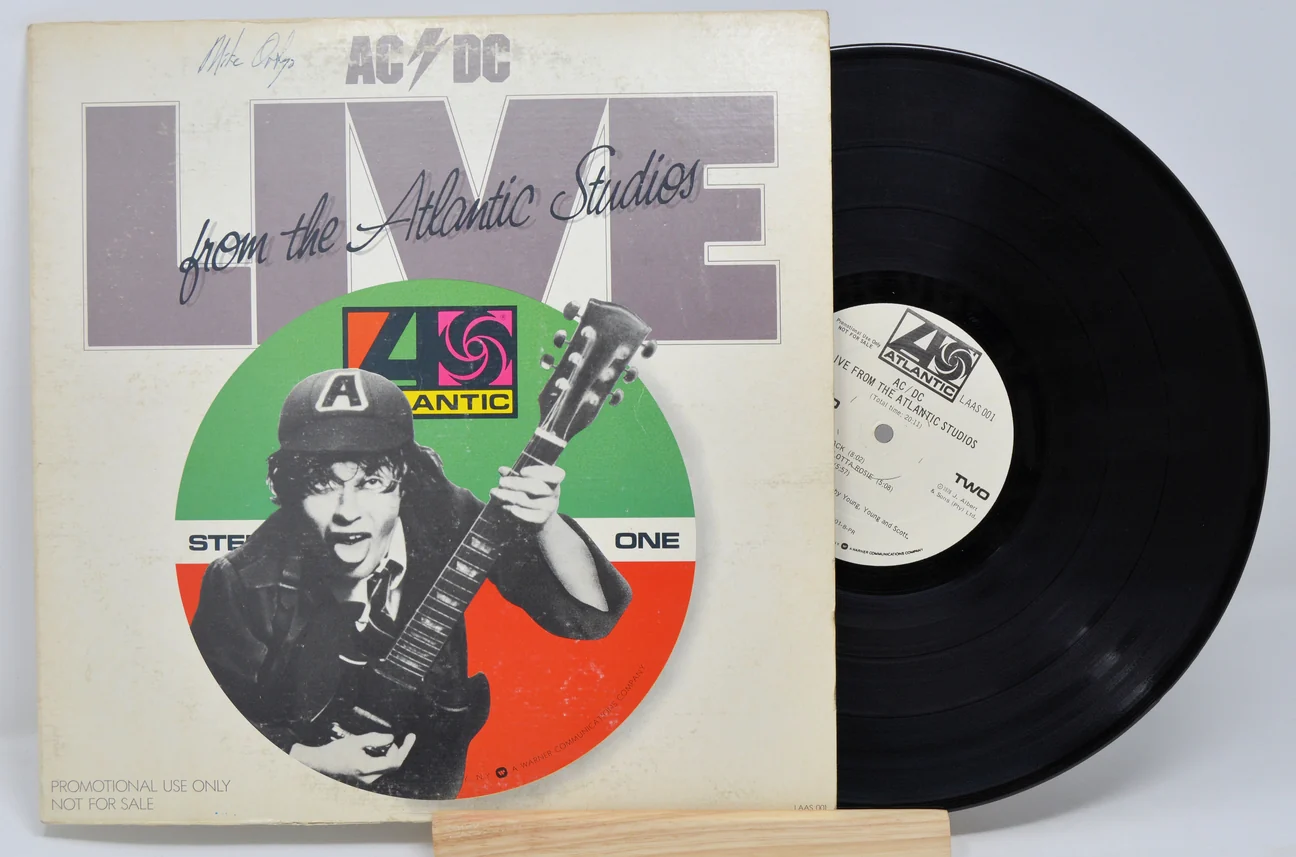
Businesses occasionally aimed their giveaways at the youngest person in the family. Historical collections document banks handing out promotional records, stuffed animals, coin banks, and other merchandise as a way to build relationships with customers and their children. That could make an otherwise boring trip to a bank branch considerably more interesting if there was a toy or record waiting at the end. Companies still hand out branded merchandise today, of course, but the humble pen or tote bag doesn’t quite have the same appeal to a kid.
Restaurant Bread Baskets and Crackers
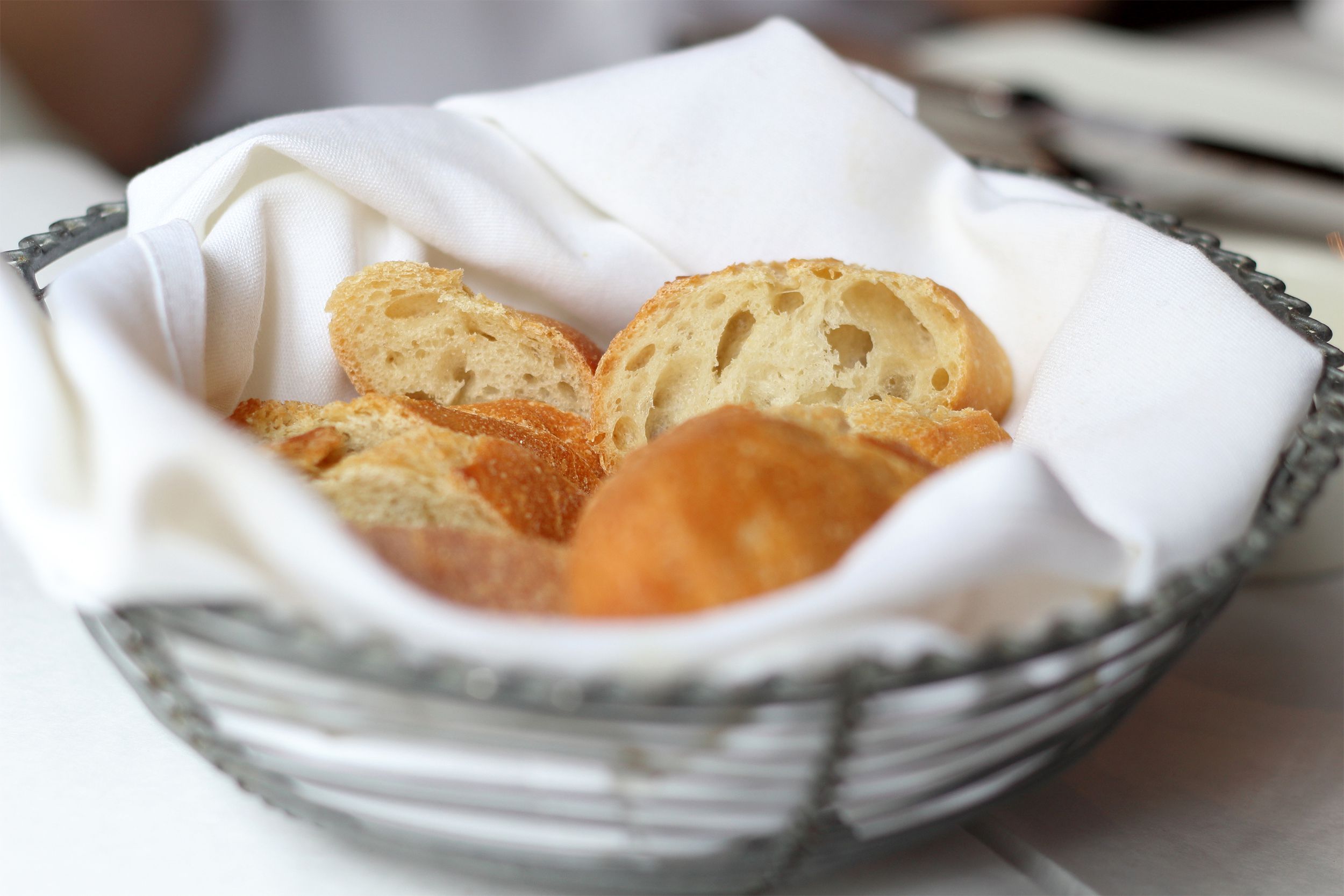
Sitting down at a restaurant once frequently meant food arrived before you’d even figured out what you wanted to order. Bread baskets, rolls, crackers, and breadsticks were standard complimentary starters at many sit-down restaurants, and diners generally treated them as part of the meal rather than a special perk. Plenty of restaurants still keep the tradition alive, but others have eliminated complimentary bread or started charging for bread service as food and labor costs have risen. Something that barely registered as a freebie can suddenly feel much more generous when it appears without an extra charge.
Freebies Were Really About Loyalty
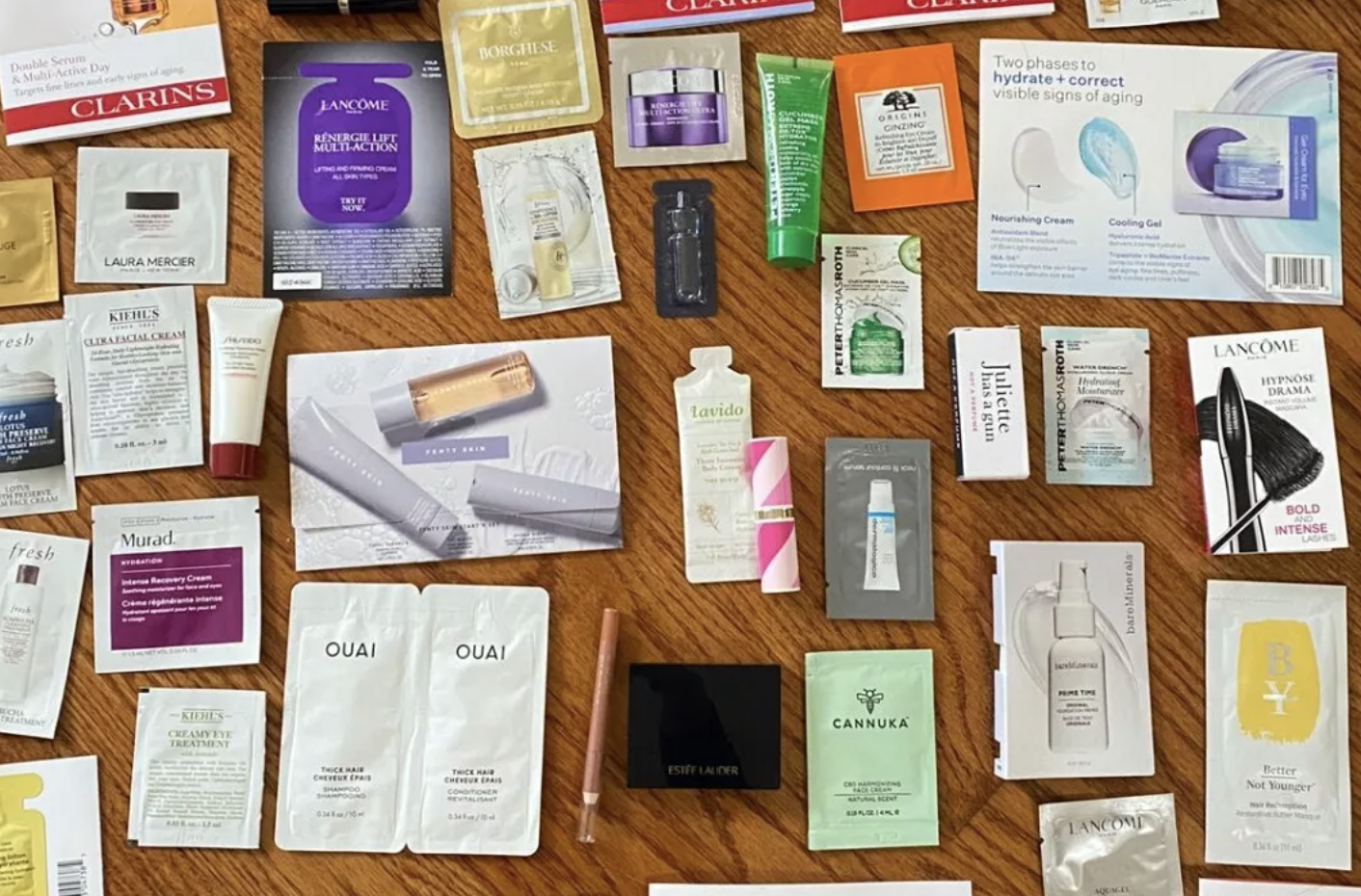
Businesses of the 1950s, ’60s, and ’70s weren’t necessarily more generous than businesses today. A road map, drinking glass, or book of trading stamps was usually designed to accomplish exactly what rewards programs do now: persuade customers to come back.
What changed was what customers took home. Instead of digital points, promo codes, and another app notification, people accumulated matchbooks, calendars, glassware, road maps, and stamp books. Some of those freebies stuck around long enough to become accidental keepsakes — which may be why boomers can still remember them decades later.