Garages often become spaces for storing items that don’t fit elsewhere in the home, from leftover paint to holiday decorations. Drawing on information from the U.S. Fire Administration, the Library of Congress, and other sources, we’ll reveal the items you should never store in your garage, even though many people use their garages for this type of garage storage!
Propane Tanks for Your Backyard Grill
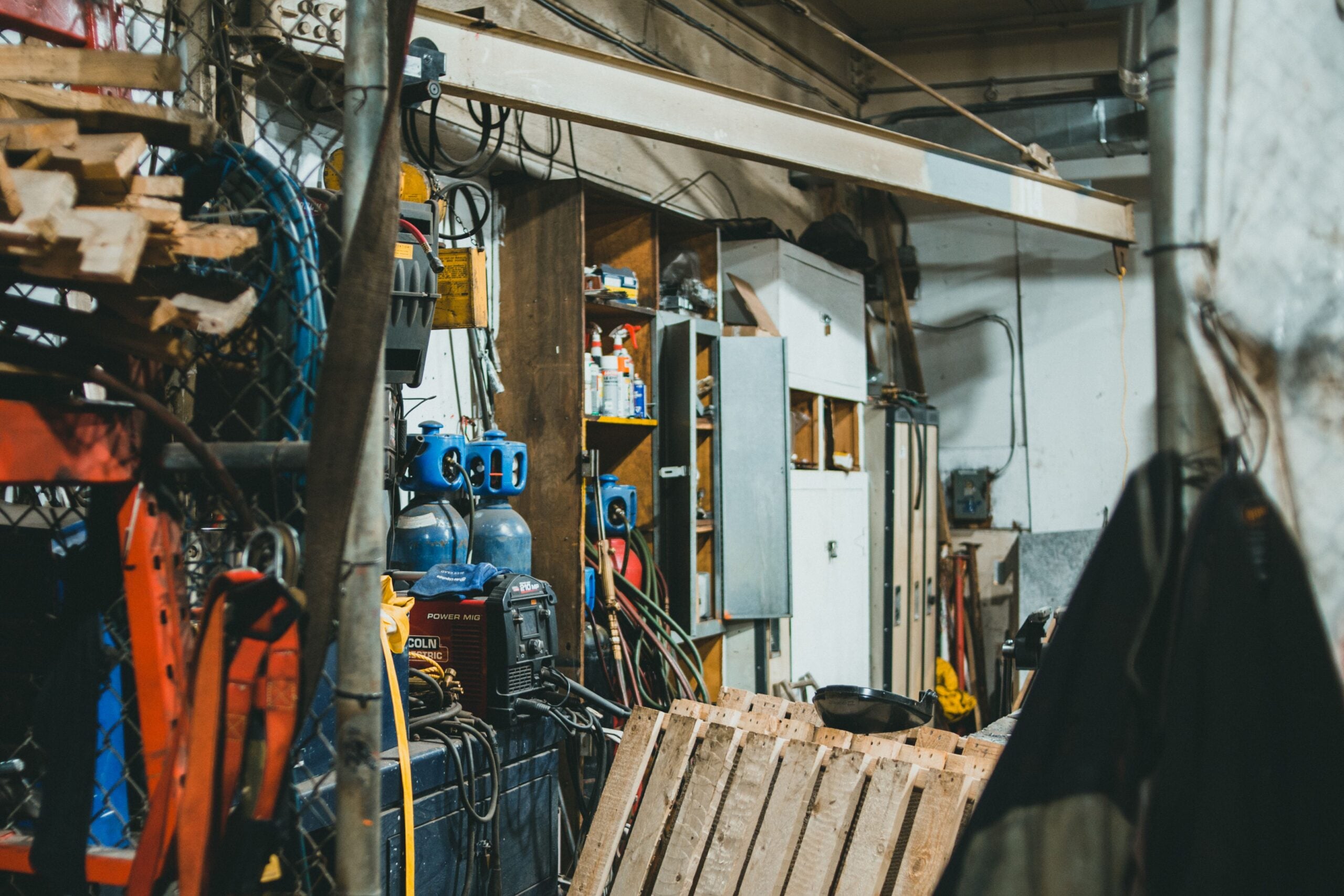
Propane cylinders can create dangerous situations if gas escapes from the container and encounters an ignition source. The U.S. Fire Administration recommends storing propane in a shed away from the home, rather than inside a garage. Ideally, it should be kept outdoors. This is an important consideration when planning safe garage storage.
Gasoline Cans New to the Water Heater

Gasoline vapors can ignite when exposed to open flames, pilot lights, and other sources of ignition. For this reason, storing gasoline near a furnace or water heater increases the likelihood of creating a dangerous situation. Ideally, gasoline should be kept in an approved fuel container and stored, in accordance with local fire code requirements, in a structure that is not attached to the house. This makes gasoline particularly unsuitable for ordinary garage storage.
Leftover Latex Paint

The components of latex paint can separate, and its consistency may even change. For this reason, leftover latex paint could freeze in the winter or deteriorate in the summer. Storing it in a garage might eventually render it useless, making it a poor choice for long-term garage storage. The best approach is to keep it sealed in paint containers and store it in a dry, temperature-controlled area.
Old Family Photographs and Photo Albums
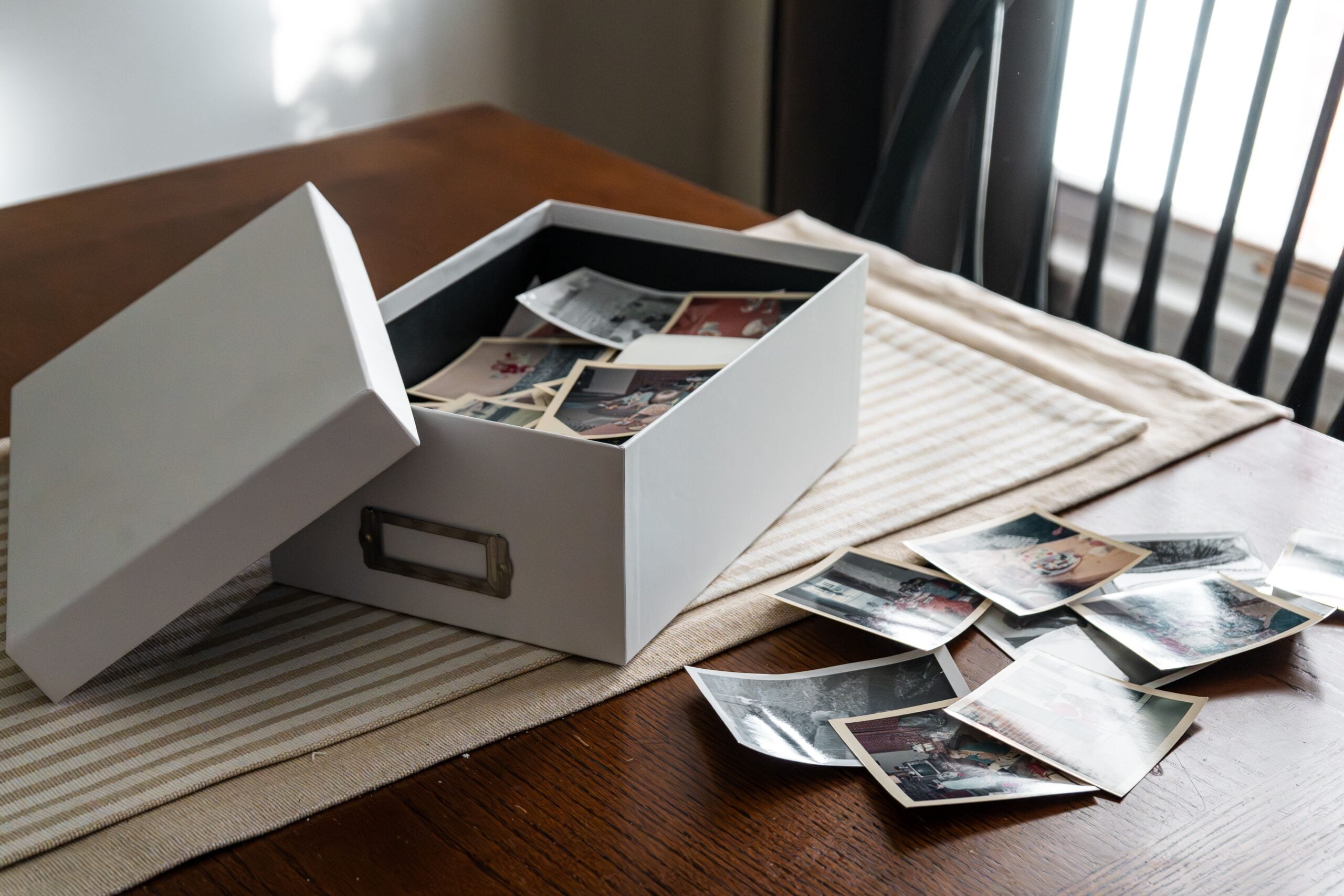
Since heat and humidity can cause photographs to fade, curl, stick together, or even develop mold, storing them in a garage would not be a wise decision. Even when placed in plastic storage bins, such containers cannot protect these valuable prints from environmental conditions. The Library of Congress advises storing important photo collections in archival-quality containers inside a cool, dry interior closet.
Important Paper Documents
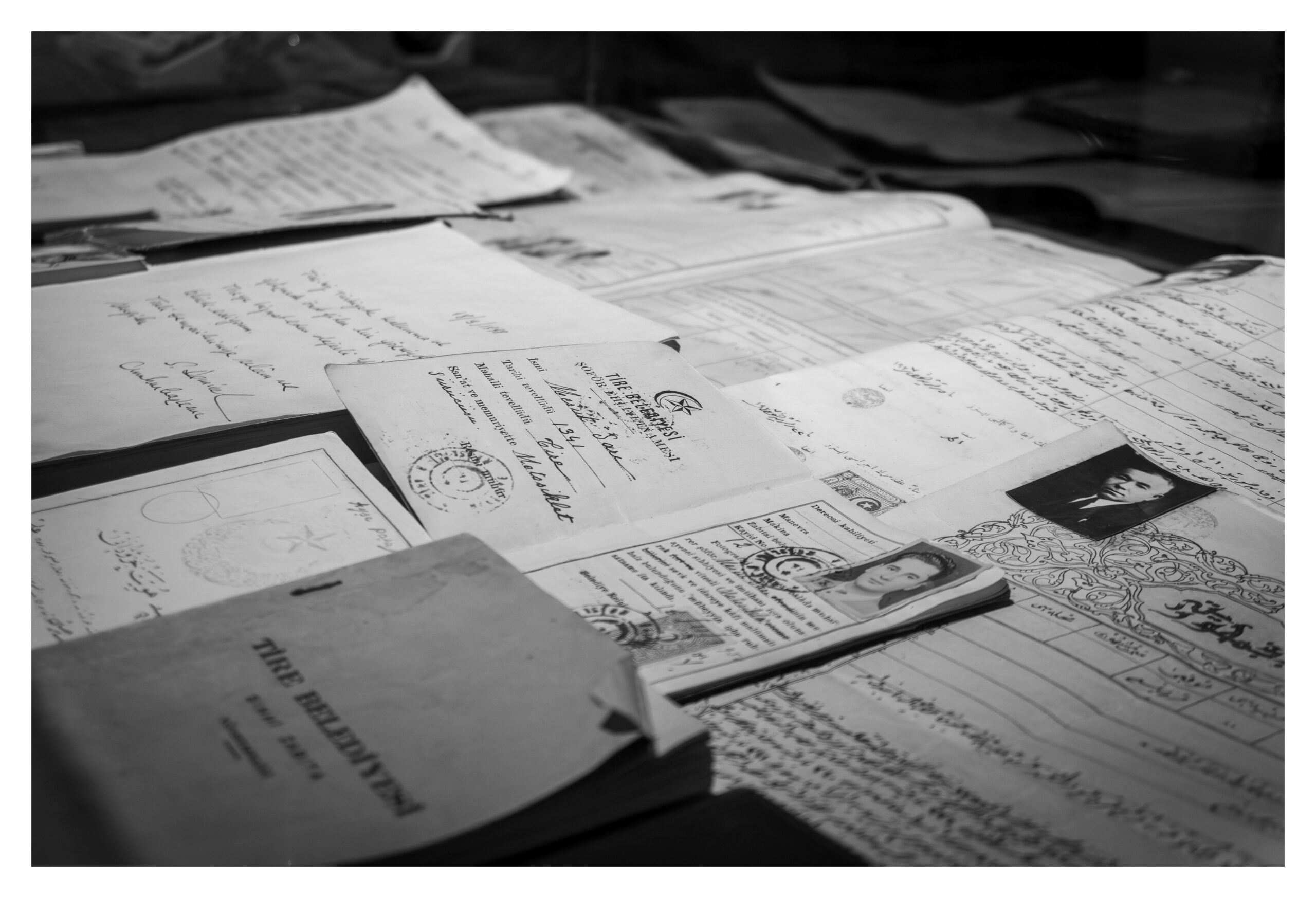
Important documents, such as birth certificates, old letters, and tax records, are vulnerable to moisture, insects, and mold if stored in poorly controlled spaces, like a garage. In such places, they are not protected against leaks, flooding, or prolonged humidity. A better approach would be to store these essential documents in suitable protective containers inside the house rather than using garage storage for important paperwork.
Trending on Cheapism


Extra Canned Food and Pantry Groceries

Many people often store extra canned goods and pantry staples in the garage when they no longer fit in their kitchen. However, this is a space that can reach temperatures that shorten the shelf life of such food. The recommended temperature for shelf-stable foods is between approximately 40°F and 70°F, ideally in a pantry or another consistenly cool storage area, although storage recommendations vary by food type.
Power Tool Batteries and Spare Lithium-Ion Batteries

Since lithium-ion batteries can be damaged when exposed to excessive heat, freezing conditions, or improper charging, it is not a good idea to store them in a garage. When damaged, these batteries can pose a fire hazard. For this reason, the U.S. Fire Administration recommends storing lithium-ion batteries at room temperature and avoid charging them when the temperature is below 32°F or above 105°F. These precautions make ordinary garage storage unsuitable for many lithium-ion batteries.
Medications and First-Aid Supplies

Medications require controlled storage conditions. They should not be exposed to excessive heat, humidity, or freezing temperatures, as this can affect their stability well before their expiration date. The FDA advises following the instructions on the medication label, keeping the products in a secure, cool, and dry indoor area, unless the label specifies that refrigeration is required. This is another reason to avoid garage storage for prescription and over-the-counter medications.
Sign up for our newsletter
Family Heirlooms and Antique Furniture

Items such as wooden furniture, framed artwork, and books can be affected by temperature changes, which may alter their condition, causing them to shrink, swell, or warp. The Library of Congress notes that valuable heirlooms should be stored in a climate-controlled area of the home and kept under appropriate protective coverings. Therefore, garage storage is not ideal for preserving valuable furniture, artwork, and books.
Pesticides That Aren’t Rated for Temperature Extremes
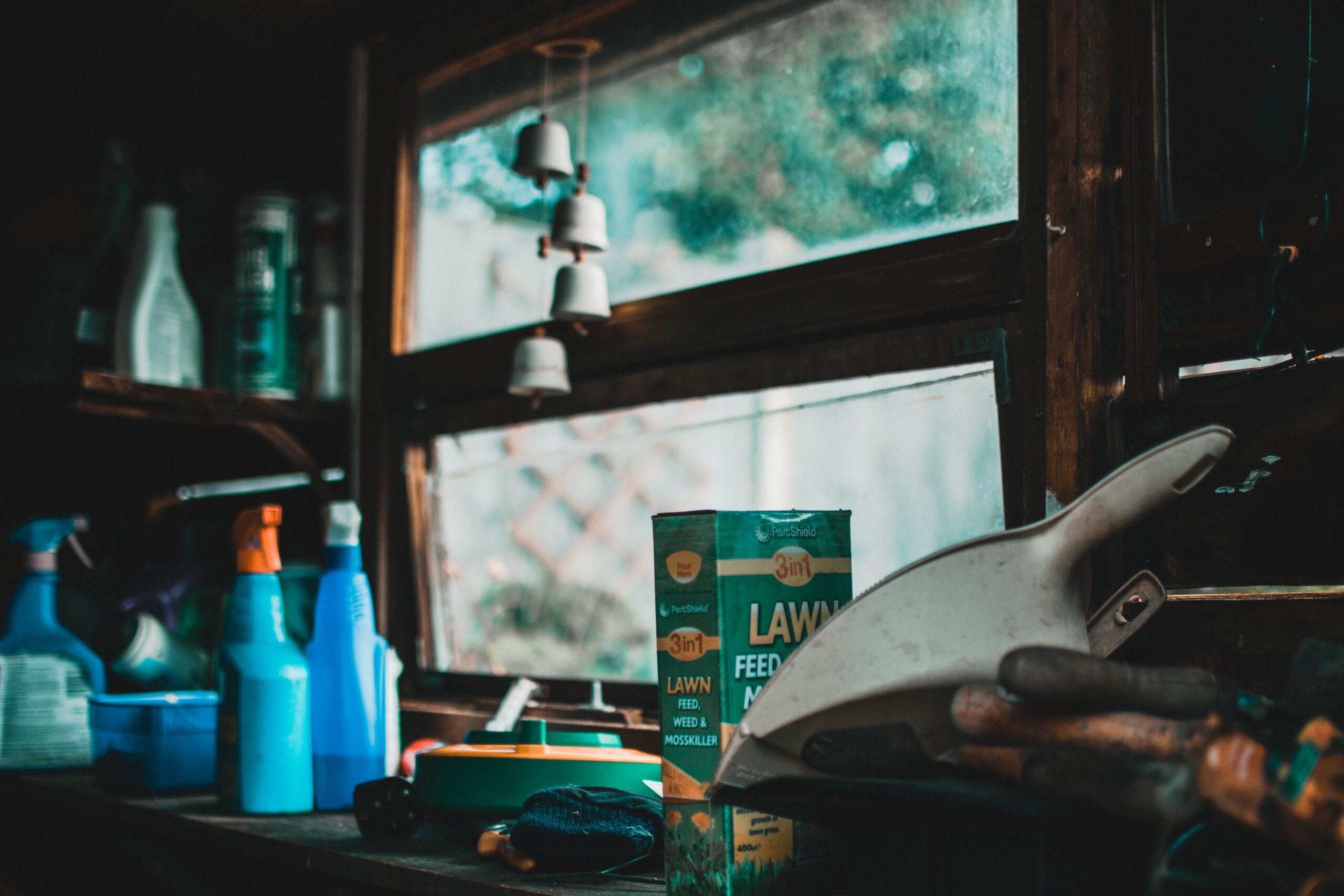
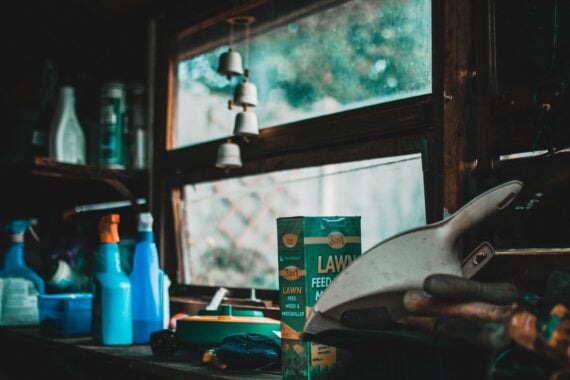
Many people store pesticides and lawn chemicals in the garage, which is a bad idea because they could lose their effectiveness when exposed to extreme temperatures. The EPA advises that pesticides should always be kept in their original, labeled containers and stored away from children, pets, food, and sources of ignition. An area that is well ventilated and not subject to temperature fluctuations would be better.
An Ordinary Refrigerator or Freezer Not Designed for Garages
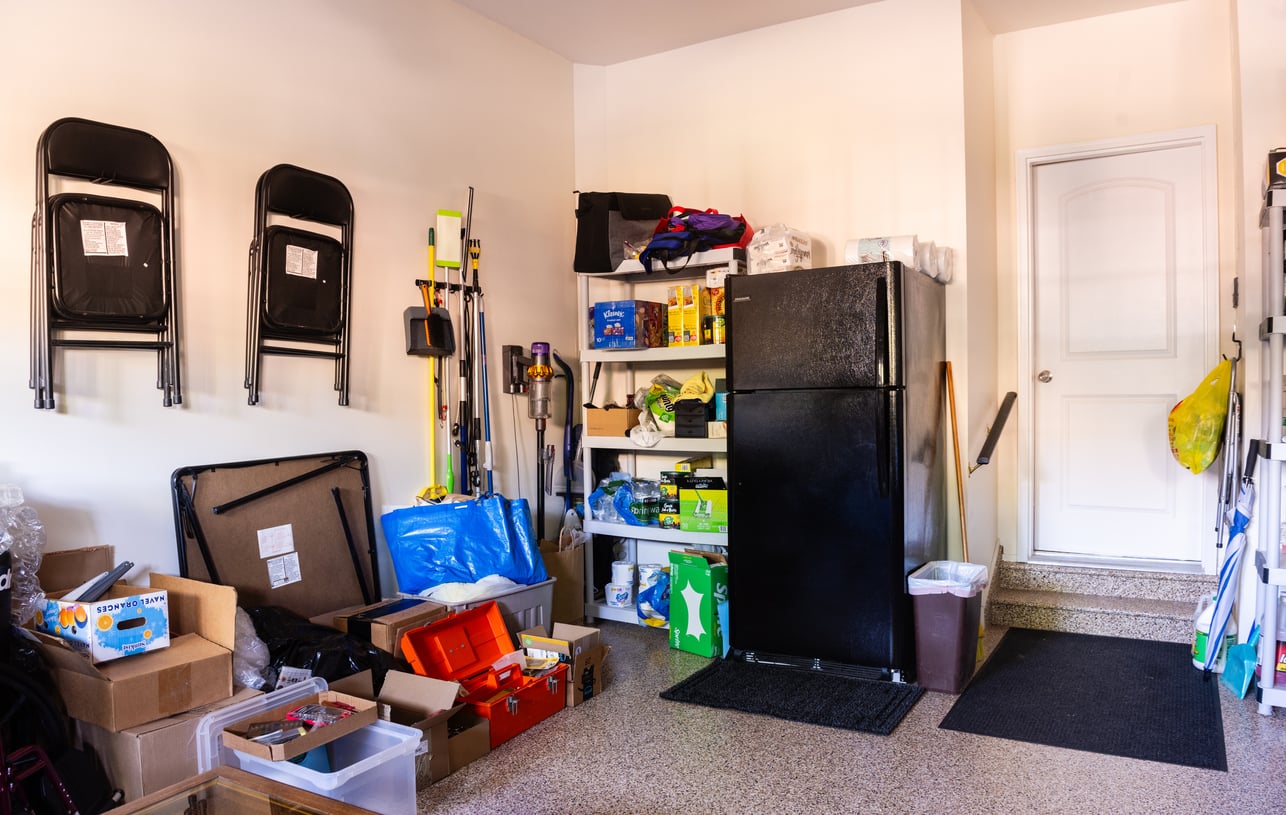
A refrigerator or freezer must maintain a cold internal temperature, which contrasts with the external temperature. For this reason, if it is kept in a garage where the temperatures become extremely hot or cold, the appliance has to work much harder to compensate. Consumer Reports notes that the more frequently the refrigerator has to run, the more energy it consumes, which means you will end up spending more money on utility bills. These conditions can make garage storage less practical for refrigerators and freezers.
Oily Rags Left in a Pile
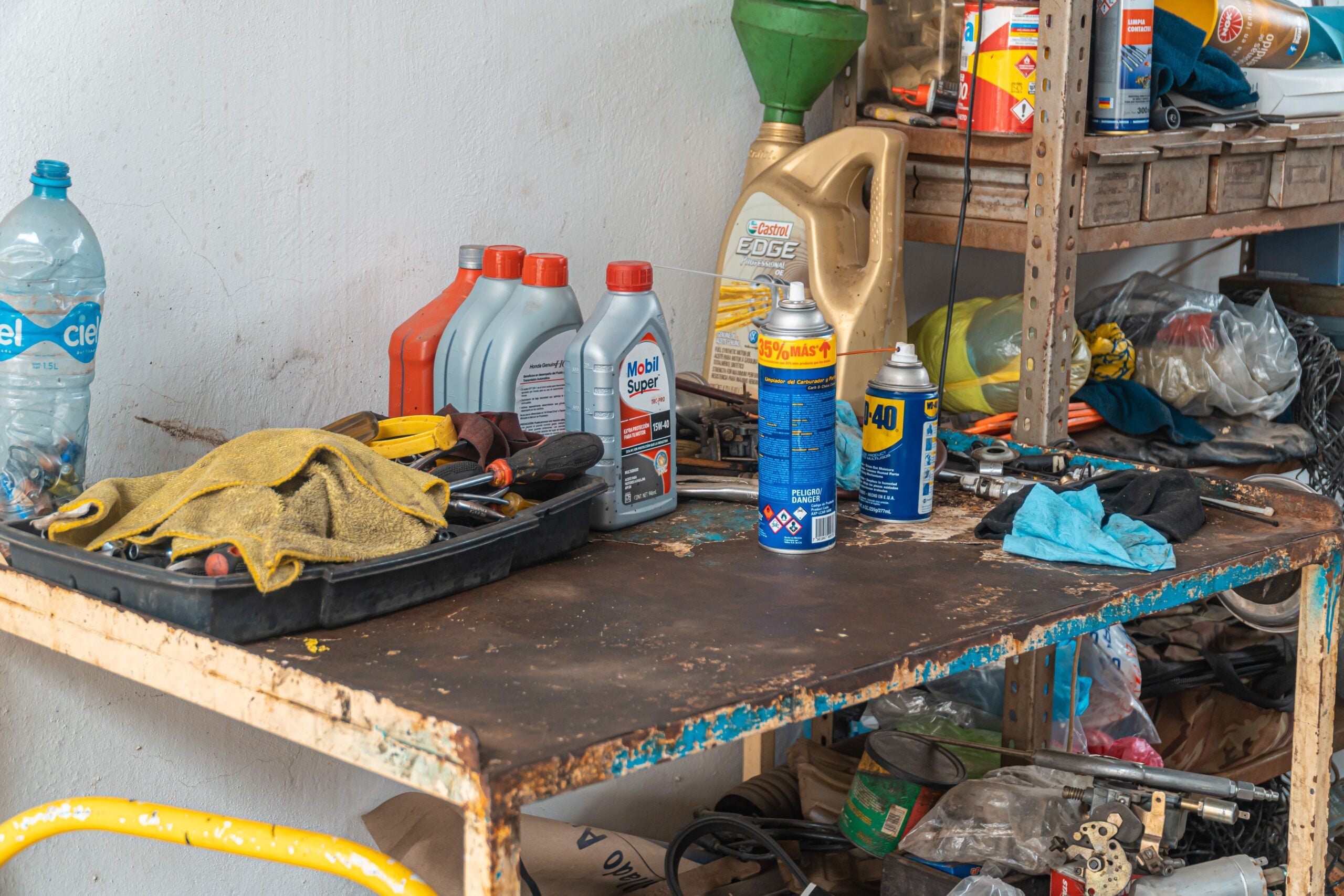
Rags soaked in finishing oils, wood stains, and other products can cause spontaneous combustion, making it dangerous to store them in a garage. Heat can build up as these oils cure, and the presence of nearby fabric increases the risk. Products labels include disposal instructions, which explain how to get rid of them properly and in compliance with regulations. For this reason, oily rags should never be treated as ordinary items for garage storage.
Conclusion
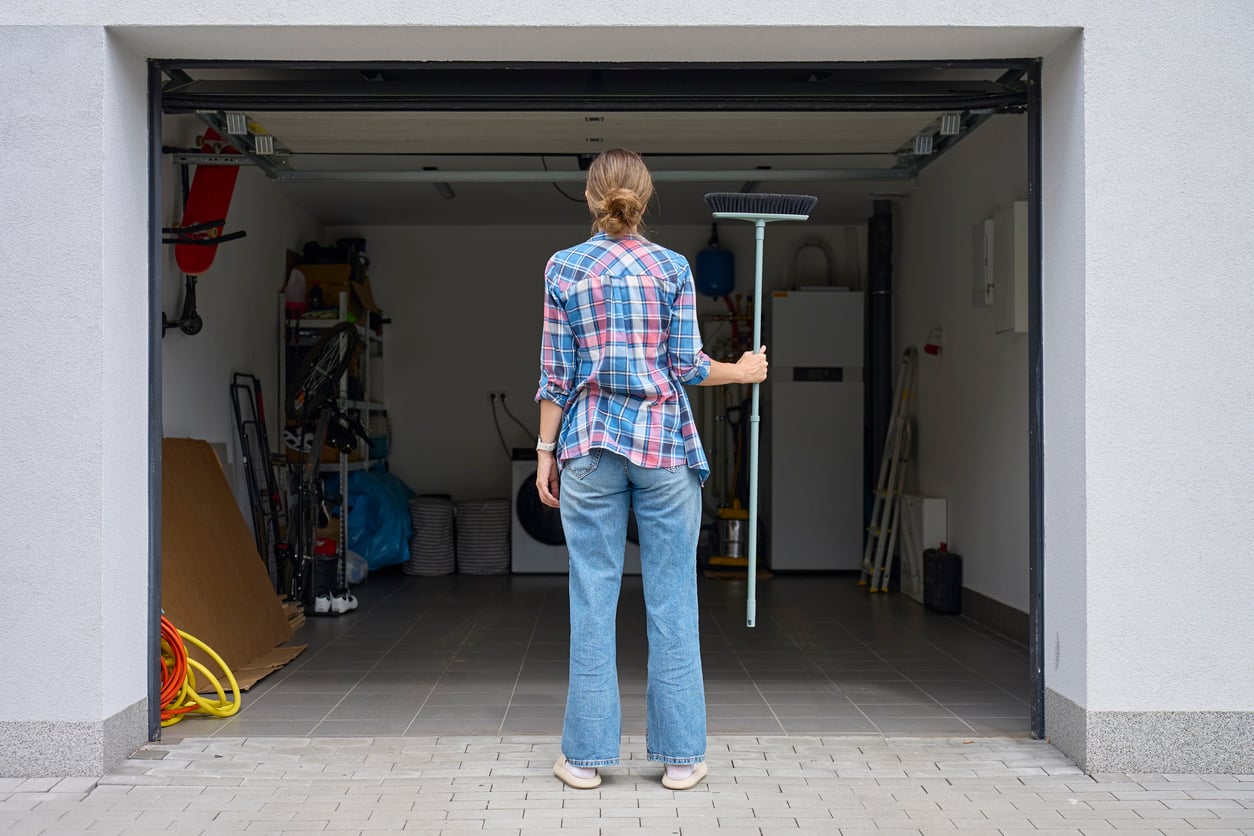
Garages offer space for storage, but conditions such as heat, humidity, flammable materials, and extreme temperatures can pose a risk to both the items stored there and the people living in the home. The best approach is to relocate sensitive or irreplaceable possessions to another area of the house that meets safety requirements. Carful garage storage practices can help prevent damage and reduce household safety risks.