Some types of damage or imperfections in a home may seem minor, even easy to ignore, especially when they don’t negatively affect your day-to-day life. However, issues like water leaks, failing seals, and other maintenance oversights can escalate into major problems. Drawing on information from the EPA and ENERGY STAR, we’ll highlight home repairs that become significantly more expensive the longer you wait to address them!
A Small Roof Leak That Leaves a Ceiling Stain
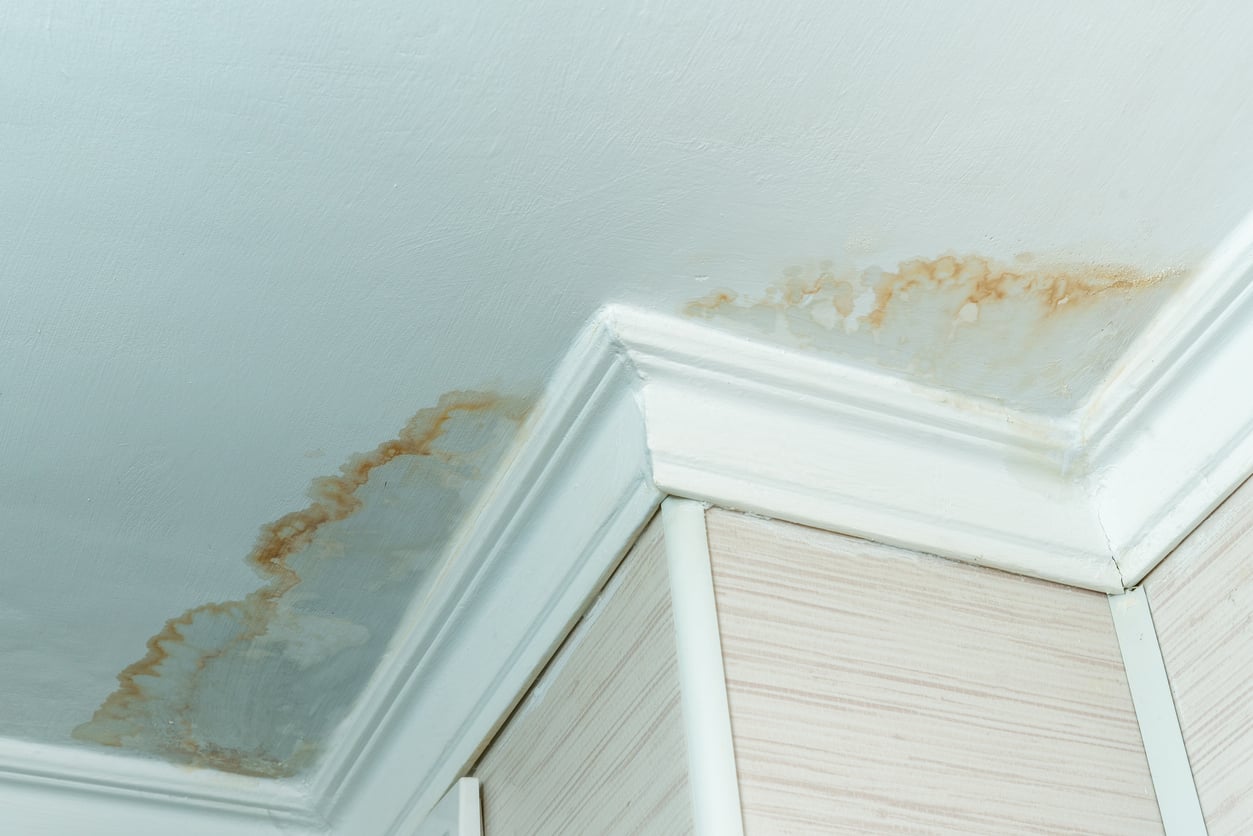
You might notice a minor roof leak when a faint discoloration appears on the ceiling, but the water can spread into the insulation, roof decking, and other concealed materials. This can lead to the growth of mold and the deterioration of the affected area. What begins as a small leak can escalate from a simple roof repair to the need for replacing insulation, drywall, and other water-damaged materials.
A Dripping Pipe Under the Kitchen Sink
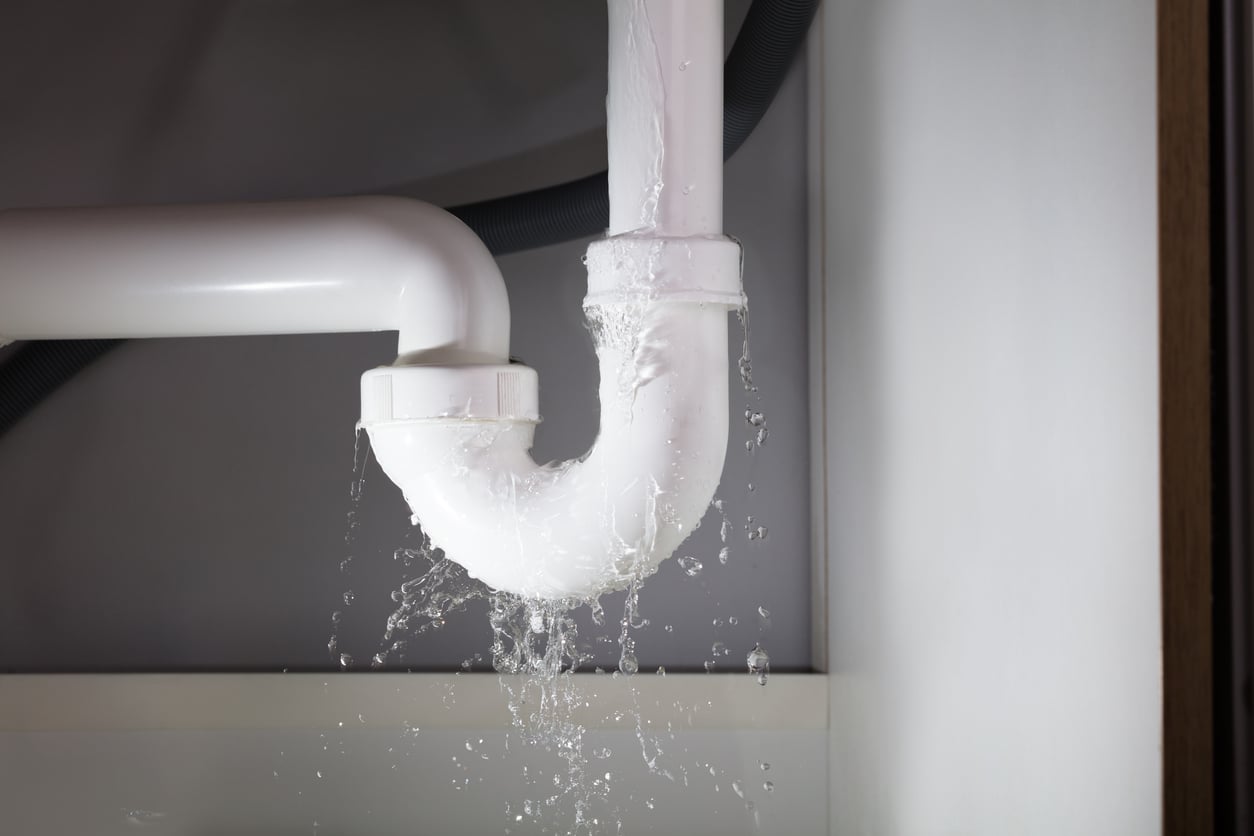
A dripping pipe can saturate cabinet bottoms, flooring, and adjacent walls before the homeowner realizes they are dealing with a serious problem. The EPA recommends drying out damp building materials within 24 to 48 hours to prevent mold. These home repairs should not be postponed, as an entire area could sustain damage from prolonged moisture exposure.
Gutters That Overflow Every Time It Rains
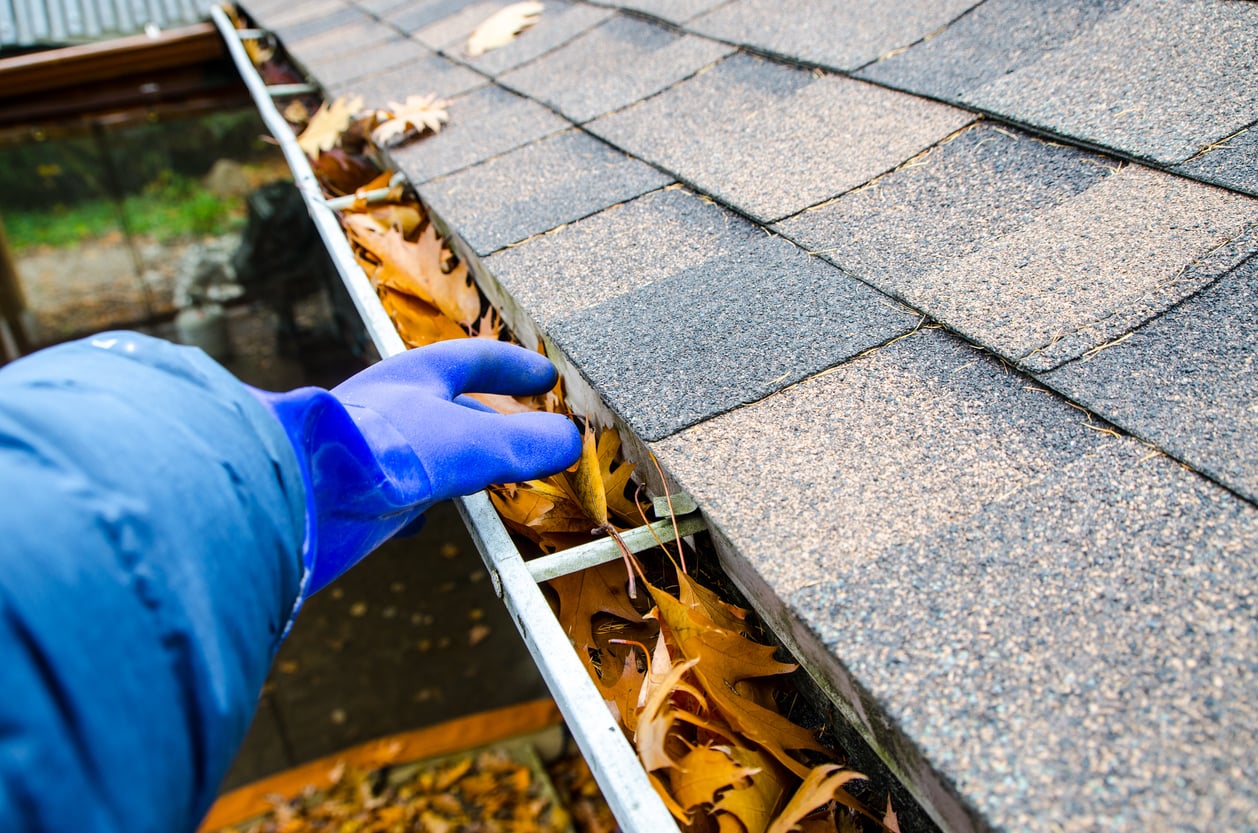
When gutters become clogged with leaves or debris, the problem is not just that rainwater fails to follow its intended drainage path. It may also seep into the house. Excess water on exterior walls or near areas where water pools can lead to moisture-related issues and necessitate costly foundation repairs. These home repairs can often be avoided through regular gutter maintenance and proper drainage, according to EPA recommendations.
Cracked Caulking Around a Shower or Bathtub
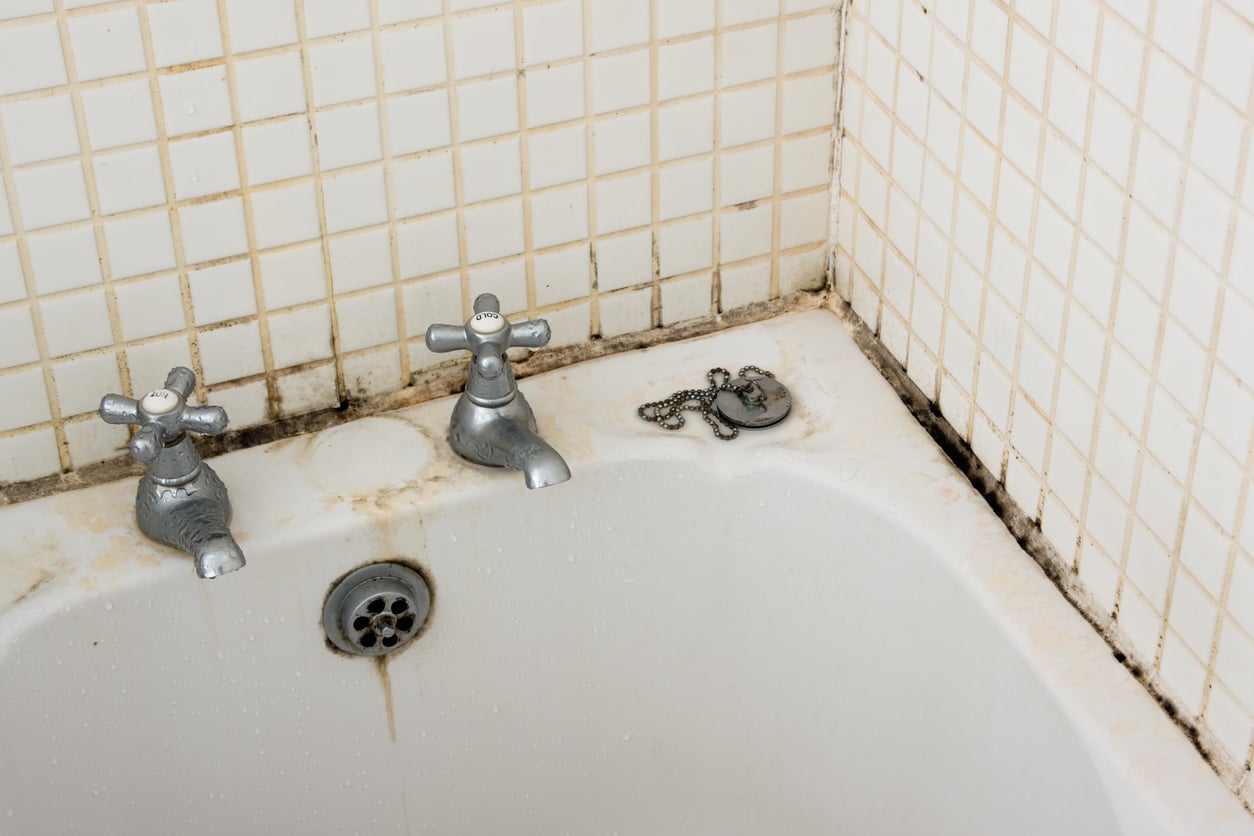
When you notice deteriorated caulk around your shower or bathtub, you may be leaving a gap that allows water to reach areas behind or beneath bathroom fixtures, potentially compromising the space. A small opening might seem like a minor, superficial issue, but wear can wreak havoc behind drywall, flooring, and other surfaces. Tiny home repairs can prevent hidden water damage from spreading throughout the bathroom.
An Air Conditioner with a Clogged Condensate Drain
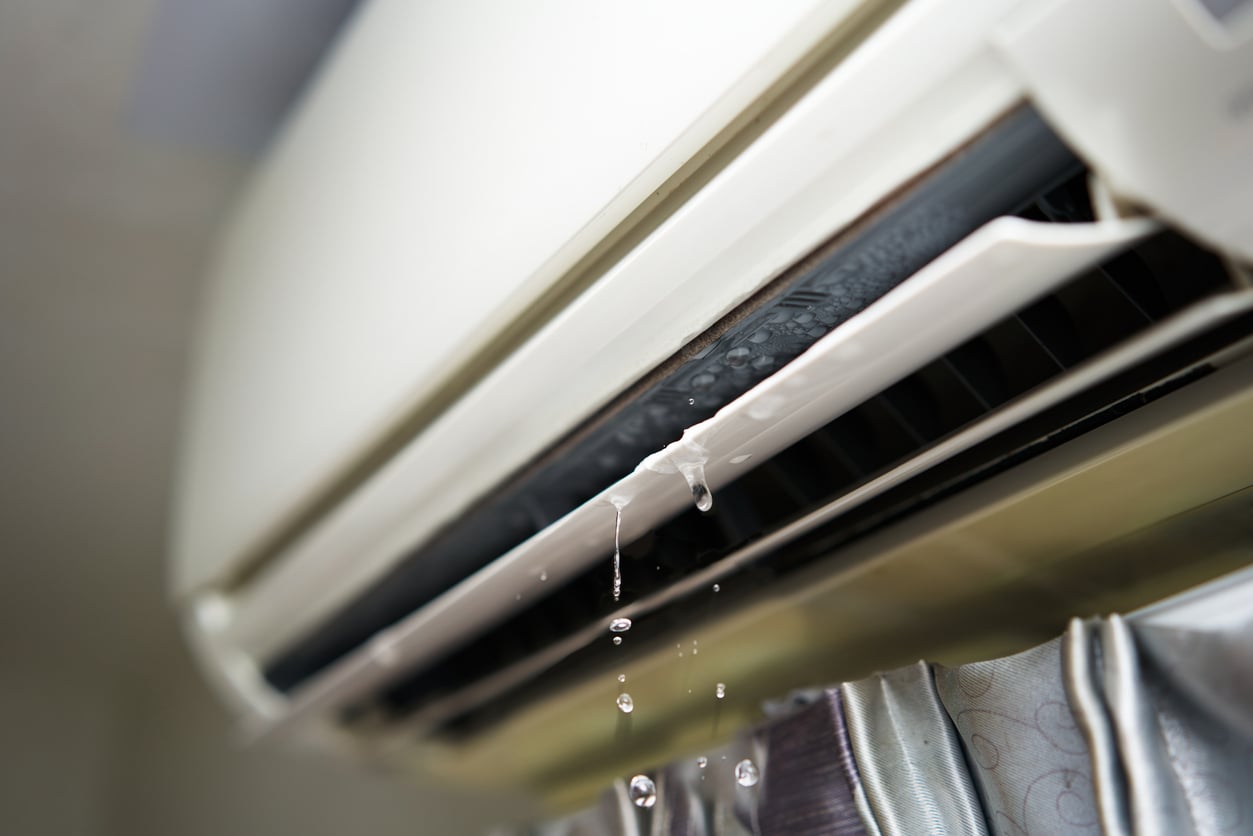
Air conditioners and heat pumps work by removing moisture from the air, which turns into water that is then expelled through a drain line. If the condensate drain becomes blocked, it can lead to an overflow, water damage, and potentially the growth of mold near the unit. What could have been resolved through routine maintenance may end up resulting in costly home repairs to drywall, ceilings, and flooring.
Trending on Cheapism


A Furnace That Hasn’t Been Serviced in Years
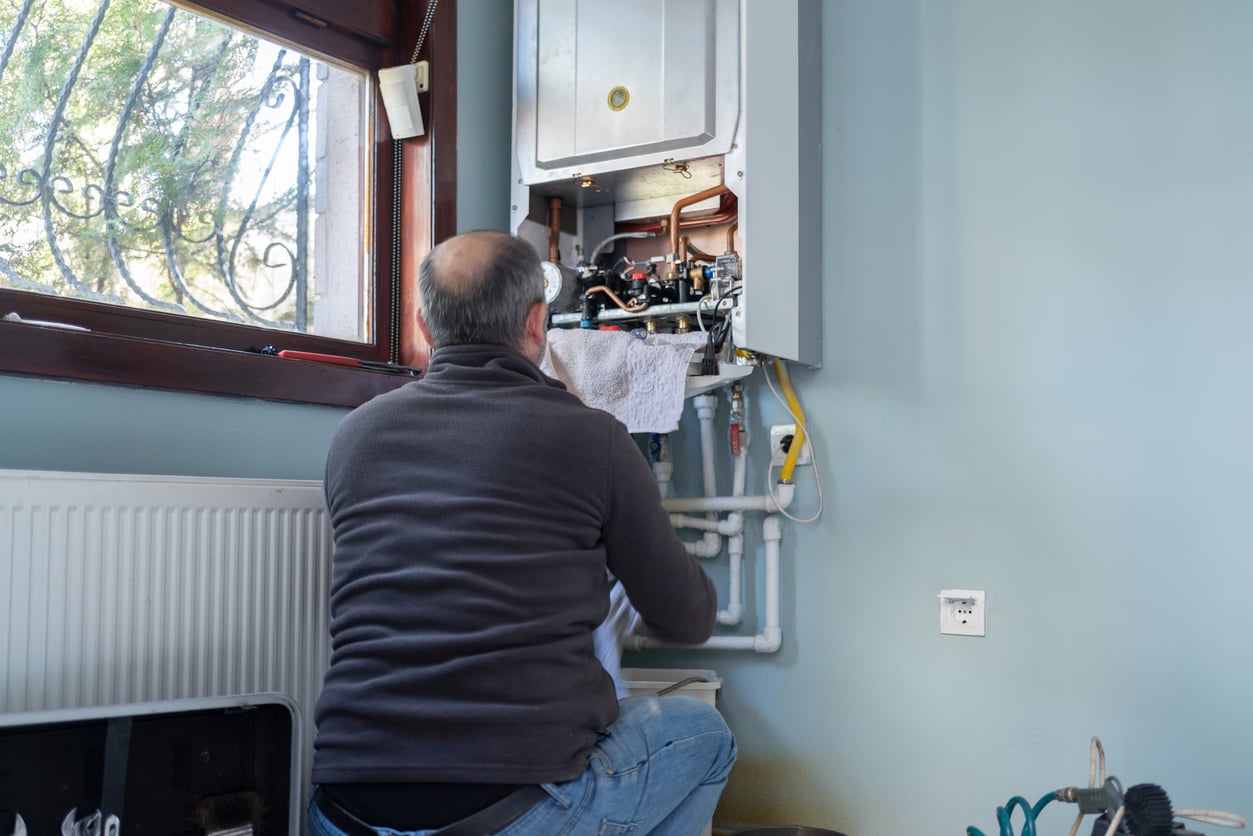
A furnace requires maintenance, as these heating systems can develop issues related to airflow, electrical connections, and combustion venting. The CDC recommends annual professional servicing of fuel-burning heating equipment to address minor problems that could otherwise lead to breakdowns, inefficient operation, or the premature need for component replacement. Keeping up with these home repairs can also help maintain a safer and more efficient heating system.
Small Gaps Around Windows and Exterior Doors
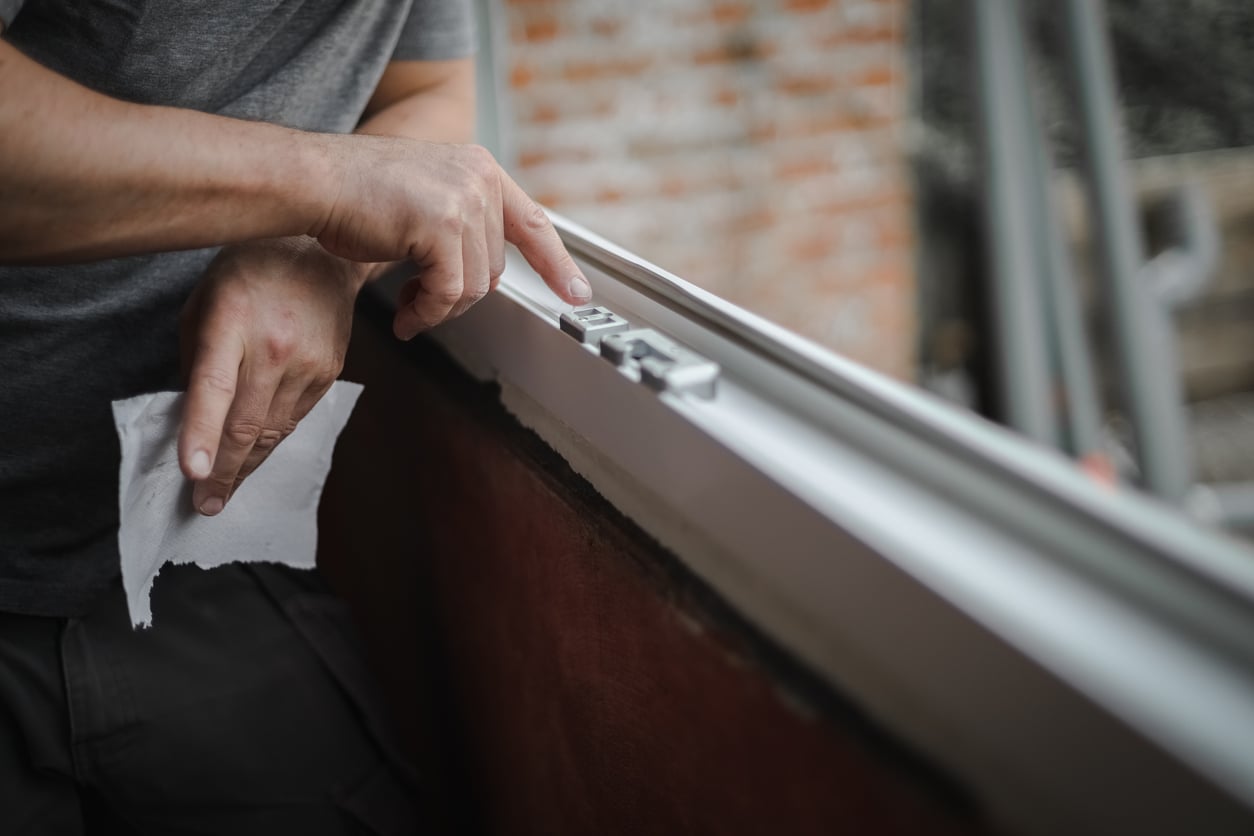
When worn weatherstripping and failed exterior seals appear in your home, they allow air to enter or escape from spaces allowing conditioned air to escape and outside air to enter. These gaps increase cooling costs by forcing the air conditioner to work harder, while preventing it from maintaining the desired temperature. You should inspect and seal these damaged components as part of routine home repairs to improve energy efficiency.
A Bathroom Exhaust Fan That No Longer Works
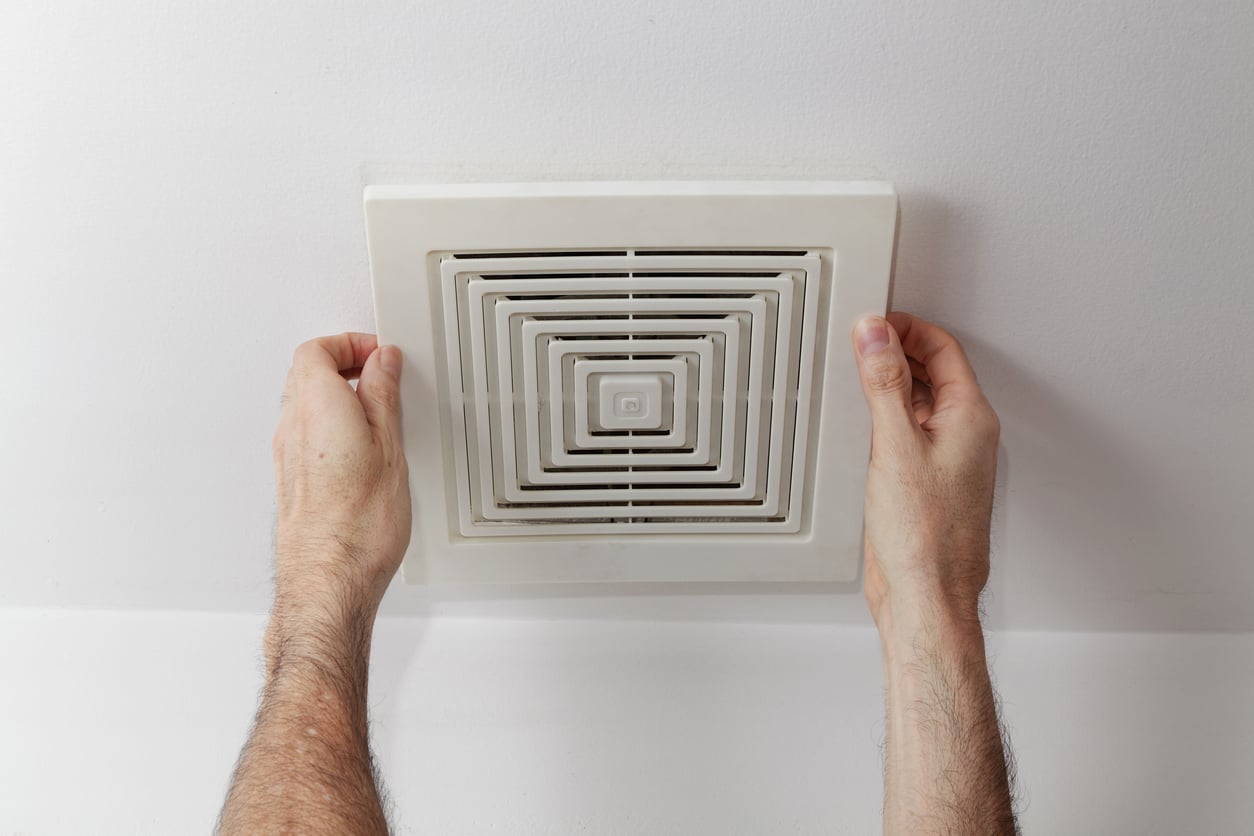
Bathrooms are places where moisture accumulates, which is why they are equipped with ventilation. Otherwise, condensation could build up on the ceiling and walls. Replacing a damaged exhaust fan is far less expensive than dealing with more extensive repairs caused by widespread moisture. These home repairs can help protect bathroom surfaces and prevent long-term damage.
Sign up for our newsletter
A Dryer Vent That Has Become Clogged with Lint
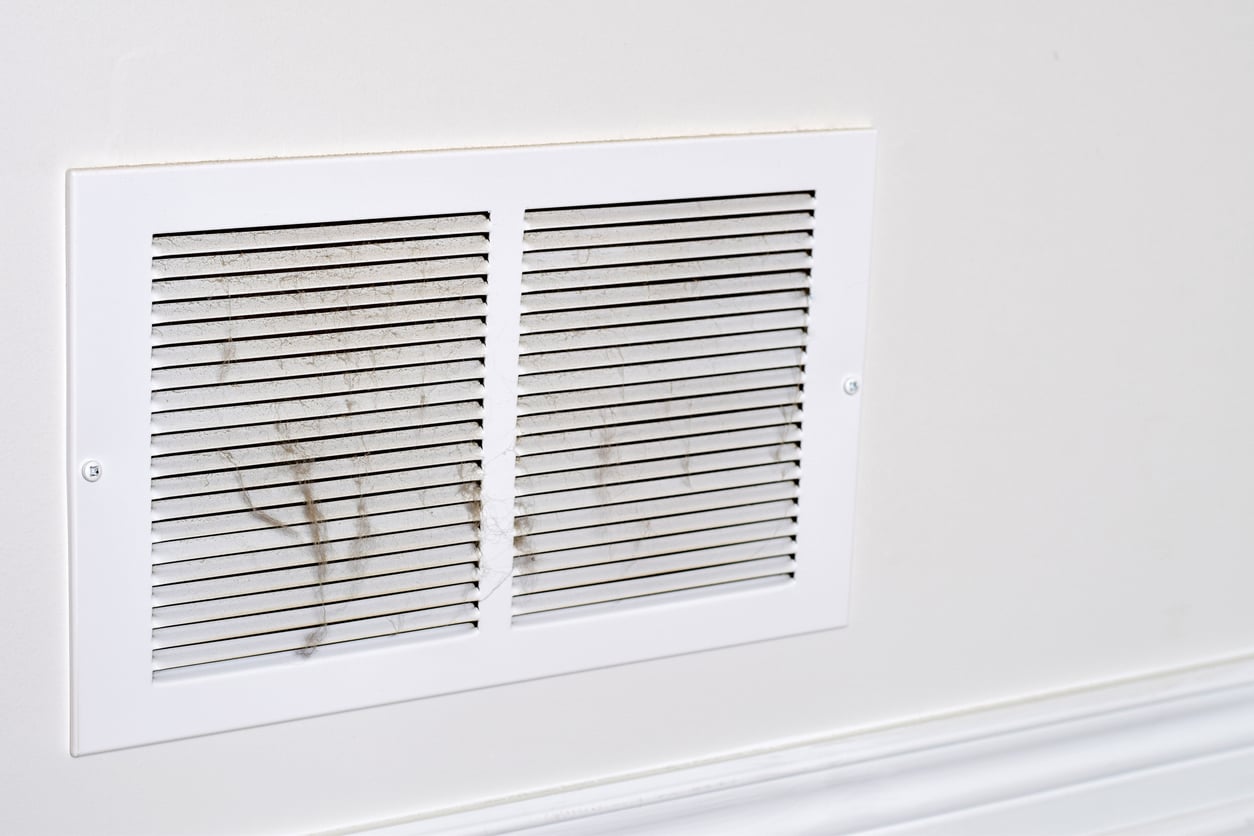
Lint can accumulate in ventilation ducts, which restricts airflow and increases the risk of overheating and fire. The U.S. Fire Administration recommends cleaning these vents, as failing to do so can be a contributing factor in residential clothes dryer fires. It is also recommended to clean the lint before and after each cycle, and dryer vent ductwork should be cleaned periodically. This simple home repairs and maintenance tasks can help reduce fire risks.
A Foundation Drainage Problem That Starts with Standing Water
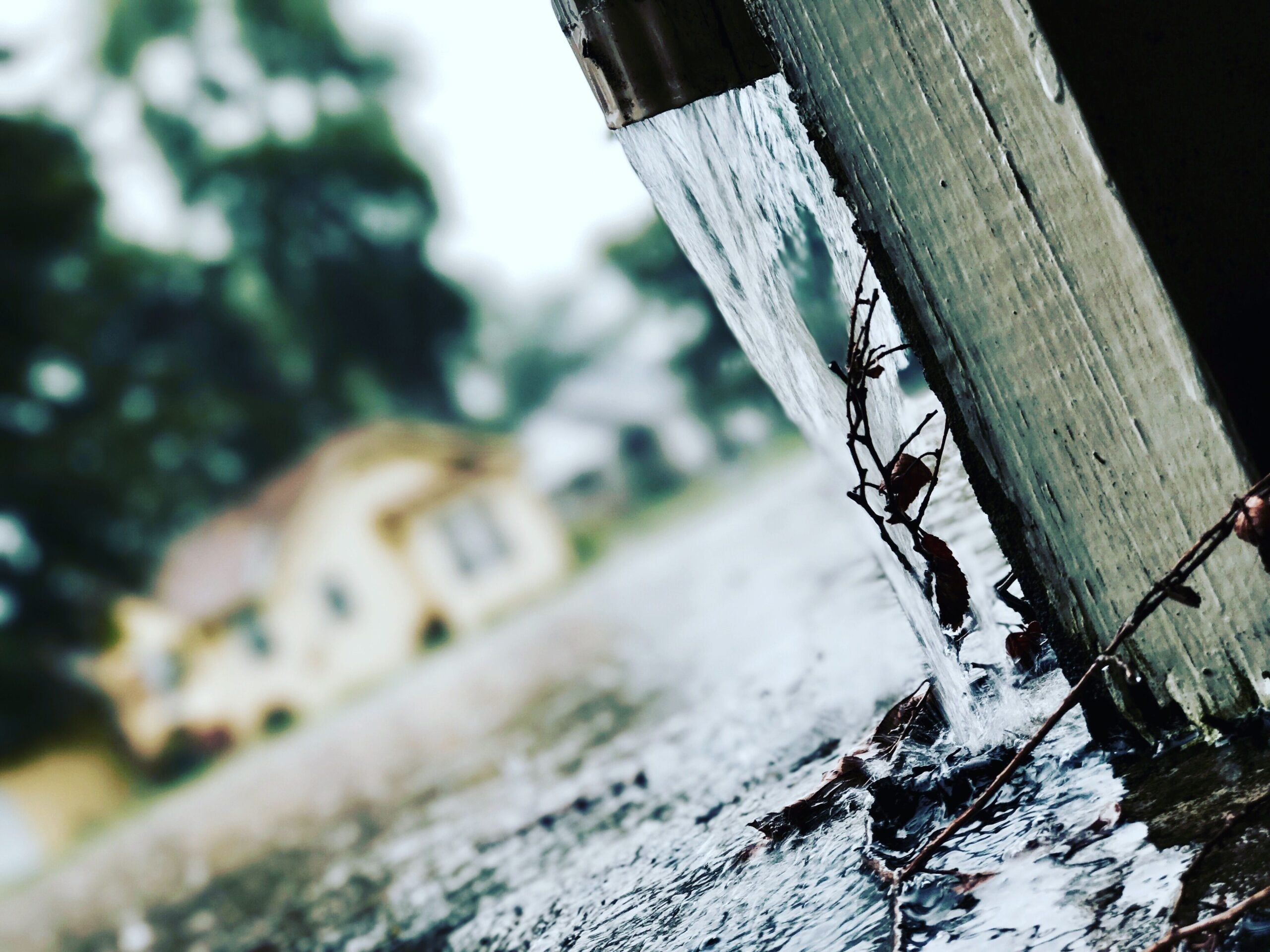
Water may collect near your home, and you might not pay much attention to it because it is outside. However, this water can seep into basements or crawl spaces, allowing moisture to penetrate your home. The EPA recommends ensuring that the ground surrounding your home remains dry and the roof drainage systems direct water away from the house.
Leaky HVAC Ducts That Waste Conditioned Air
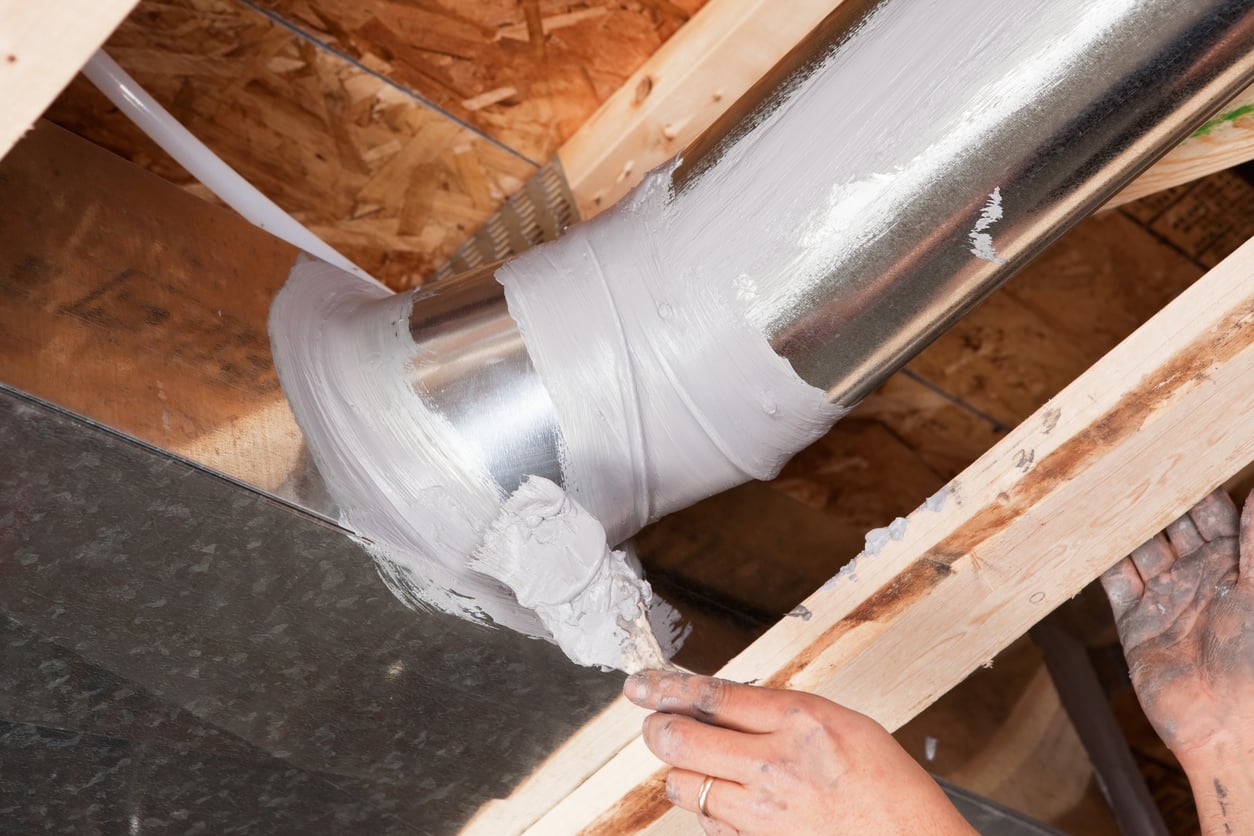
Leaky HVAC ducts are essentially a waste of your money. Your air conditioner is designed to keep your home at a comfortable temperature, but if the HVAC system has leaks, it is estimated that 20% to 30% of the circulating air is lost, according to ENERGY STAR. Keep HVAC ducts accessible for regular inspections and repairs. These home repairs can improve energy efficiency.
An Electrical Outlet That Feels Warm or Sparks
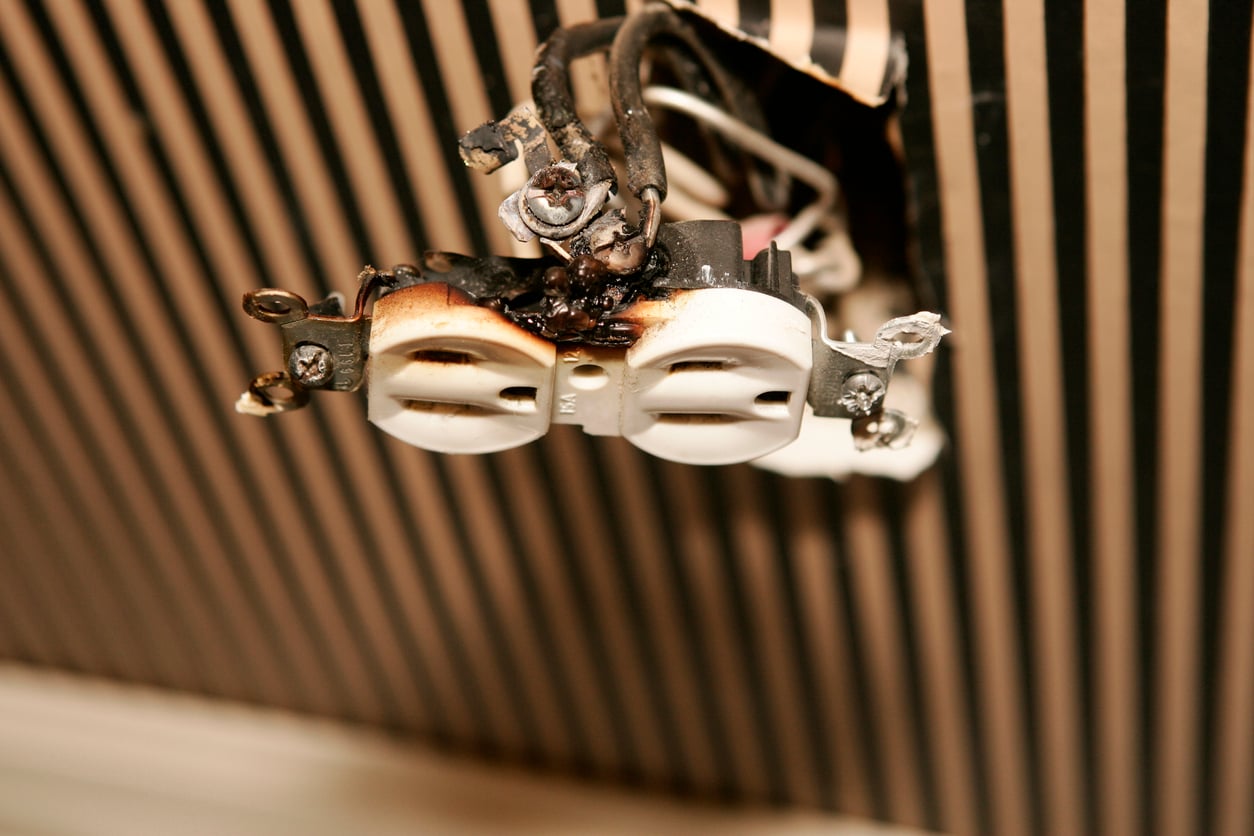
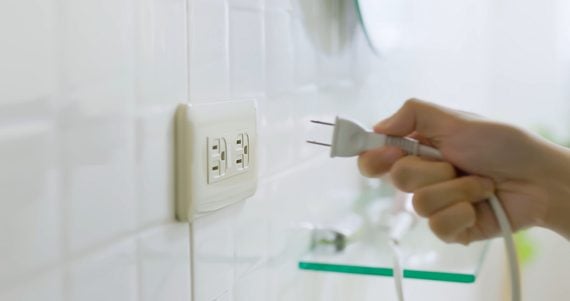
When an electrical outlet feels warm, appears discolored, feels loose, or even produces sparks, it is a sign of electrical issues that need to be addressed. Ignoring an electrical fault can lead to more serious problems, such as damage to the wiring, failure of connected appliances, or even a fire. Therefore, the issue should be resolved by a professional. These home repairs should never be postponed: stop using the outlet and have an electrician investigate the situation.
Conclusion
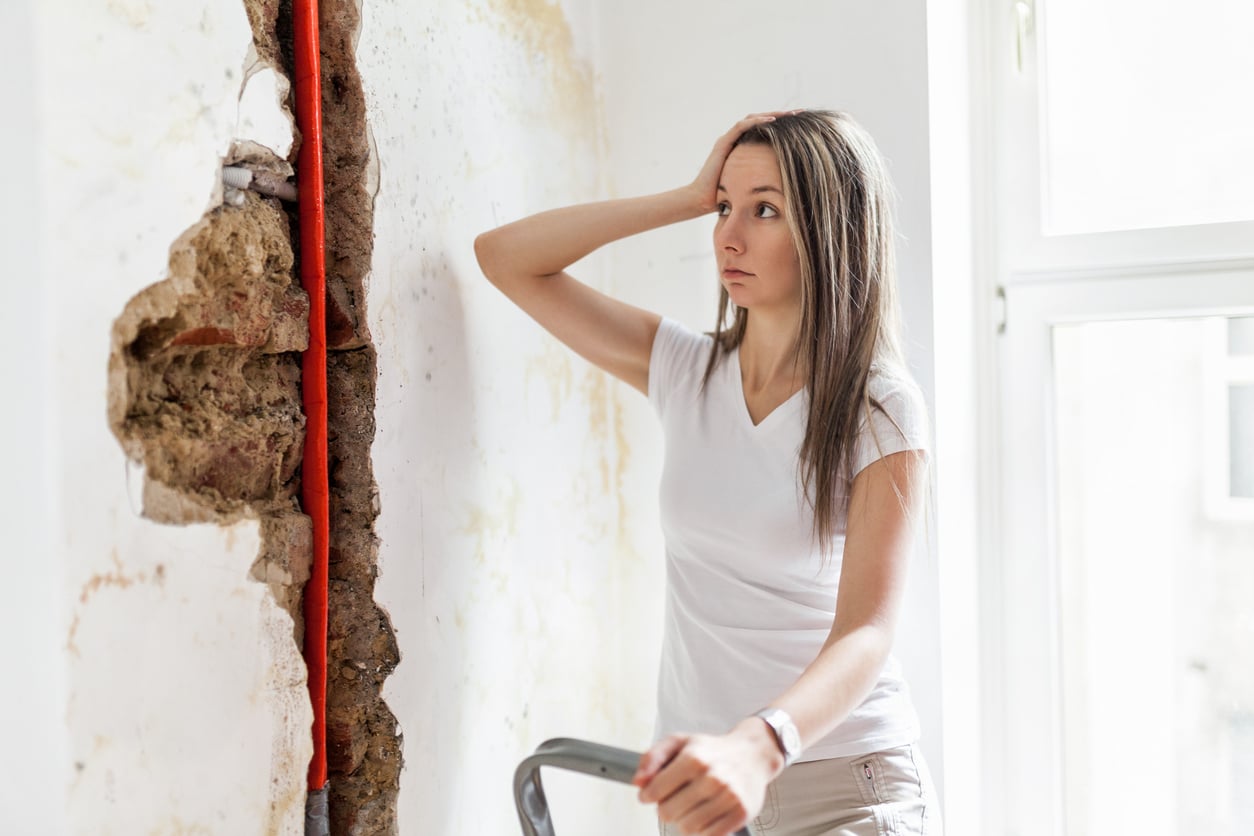
Minor home repairs can turn into very costly expenses when the original defect leads to water damage, energy waste, or the discoloration of building components. Moisture and electrical issues require special attention due to the potential consequences they can cause. A sound approach is to conduct regular inspections with qualified professionals who are knowledgeable about the subject.