A great hiking trip does not have to come with luxury-lodge prices, expensive guided tours, or a long list of paid attractions. Many of the country’s most rewarding hiking destinations are on public lands where admission is free or relatively inexpensive, making it easier to spend more of the budget on lodging, gas, and meals. The National Park Service manages thousands of miles of trails across the country, but some of the best-value trips are found in national forests, recreation areas, wildlife refuges, and lesser-known parks where the landscape itself provides most of the entertainment.
Great Smoky Mountains National Park, Tennessee and North Carolina
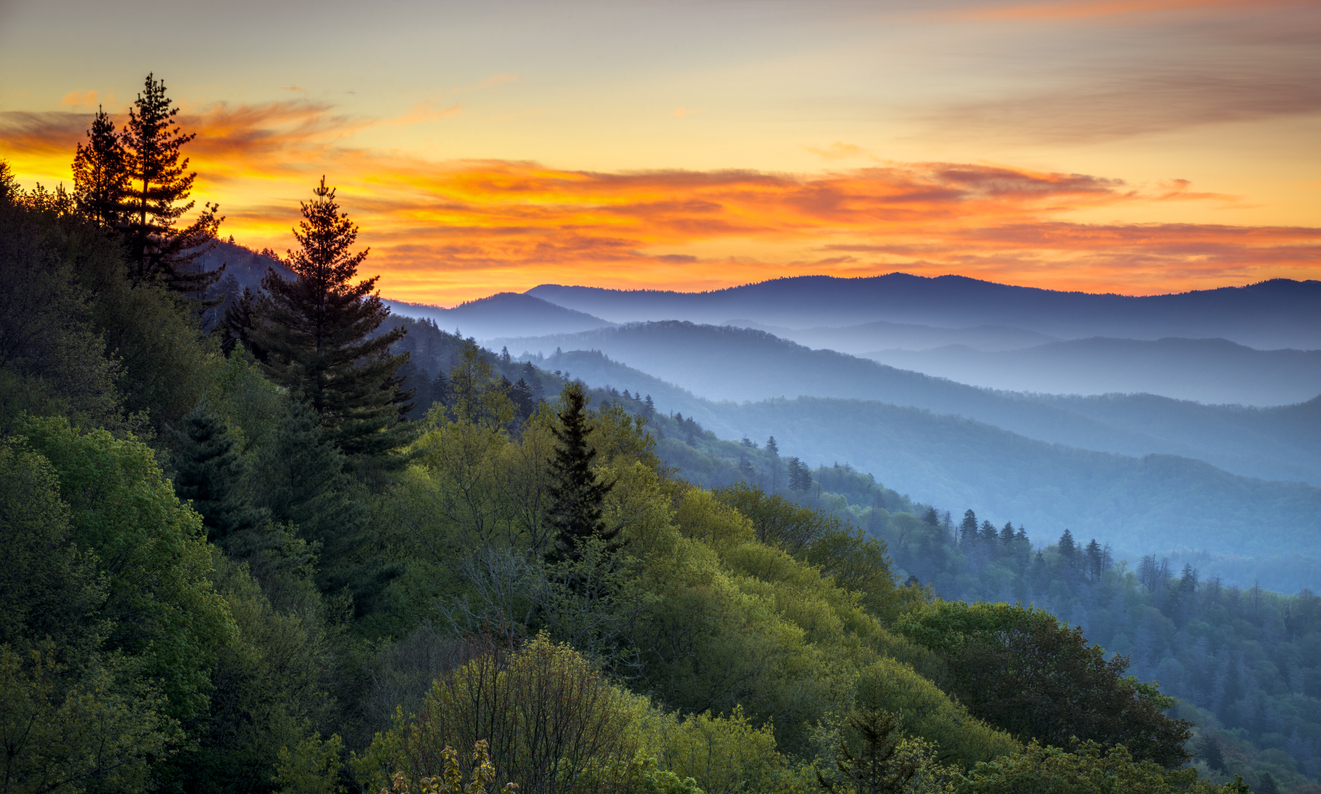
America’s most visited national park remains a surprisingly good deal for hikers because it charges no entrance fee. Vehicles parked for more than 15 minutes need a tag, but it costs just $5 per day or $15 for a week. Trails range from waterfall walks around Deep Creek to the popular Alum Cave route and longer Appalachian Trail adventures. The obvious downside is crowds: buying a parking tag does not guarantee a space, so popular trailheads are much easier to tackle early in the day.
North Cascades National Park, Washington
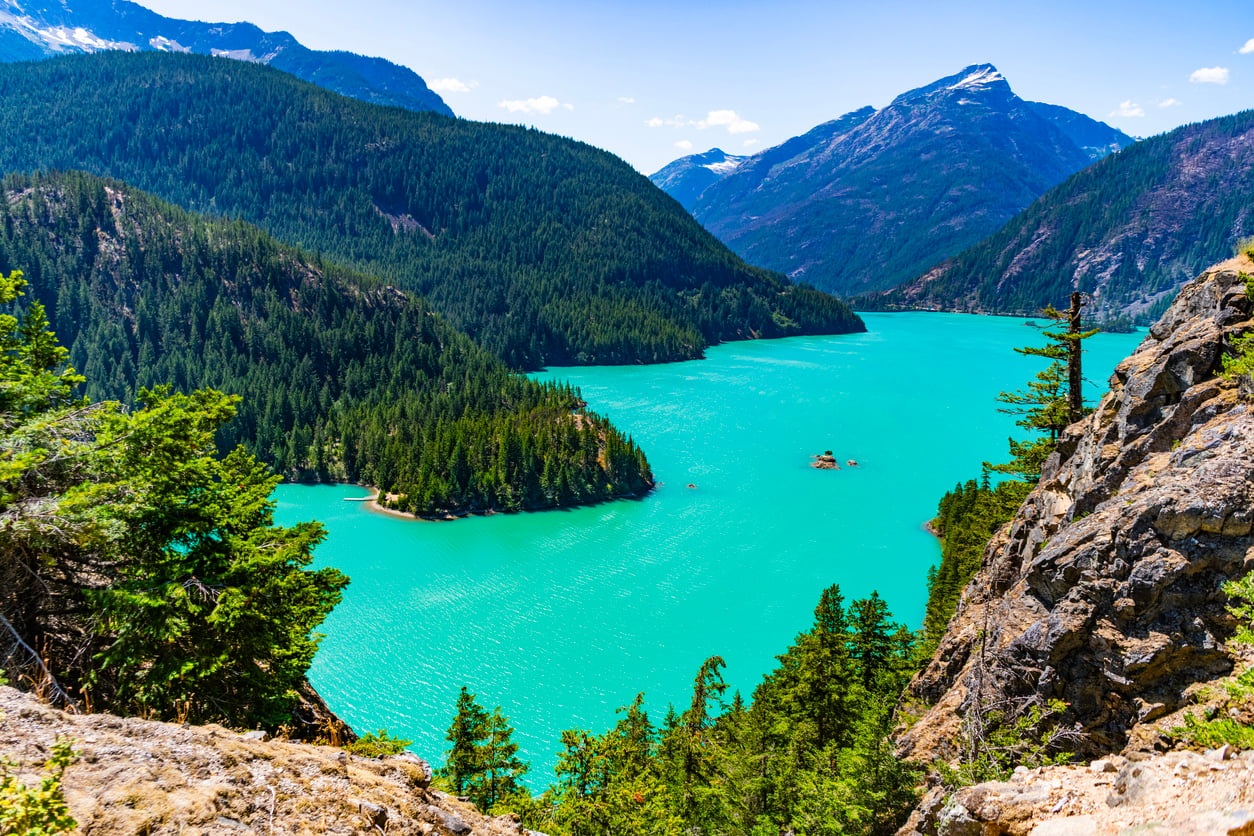
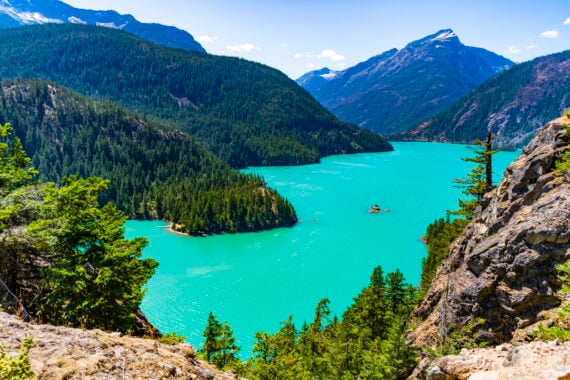
Glaciers, jagged peaks and turquoise lakes usually sound like expensive resort-country scenery, but North Cascades charges no entrance fee. NPS trailheads also have no parking charge, while some neighboring Forest Service trailheads require a $5 Northwest Forest Pass. Thunder Knob provides a more manageable outing overlooking Diablo Lake, while Cascade Pass is a bigger mountain day. Camping runs about $20 to $24 nightly. One catch is access: mountain roads can be rough or seasonal, and Cascade River Road is not recommended for low-clearance cars.
New River Gorge National Park and Preserve, West Virginia
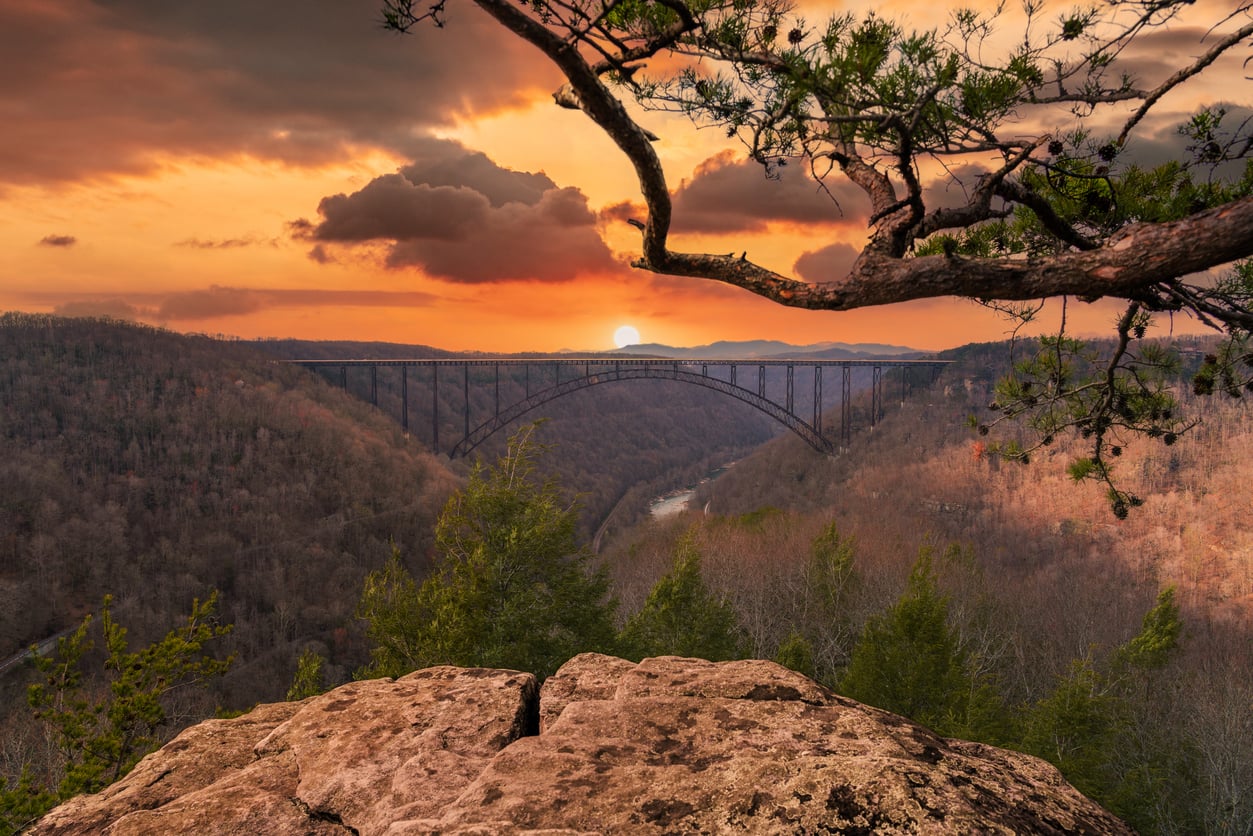
New River Gorge is one of the easier national parks to turn into a genuinely low-cost vacation. There is no entrance fee, and several primitive NPS camping areas remain free, though facilities are basic and sites are generally first come, first served. Hiking options include Long Point for the classic bridge view, Endless Wall for dramatic cliff scenery, and the Grandview area for shorter overlook-focused outings. Fayetteville and surrounding communities also provide more conventional lodging and dining choices than many isolated western parks.
Big South Fork National River and Recreation Area, Tennessee and Kentucky
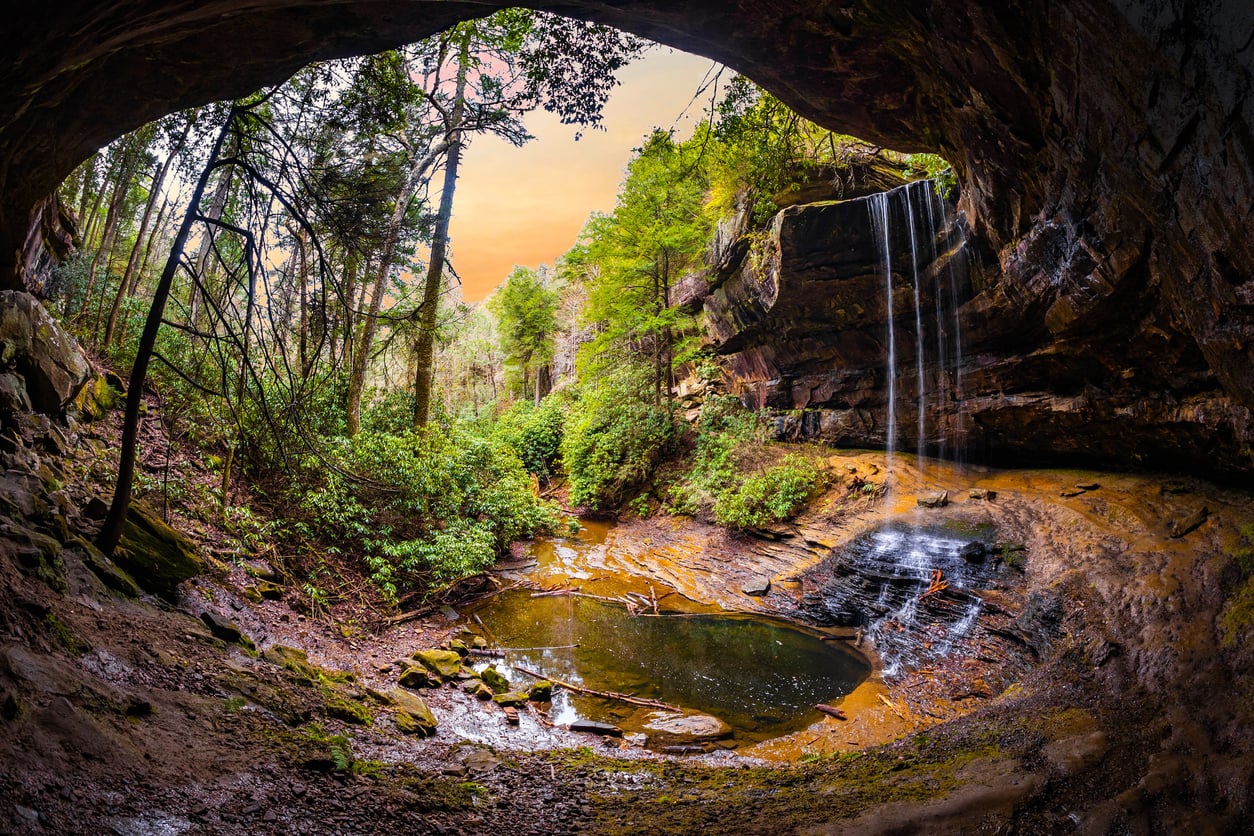
Big South Fork offers sandstone arches, river gorges, waterfalls and forest without charging visitors simply to enter. Twin Arches is the standout natural feature, while Angel Falls Overlook and Yahoo Falls add options for hikers who would rather build several different day trips than tackle one huge route. Overnight camping and certain facilities cost extra, but day hikers can spend remarkably little once they arrive. It is especially appealing to travelers who enjoy Appalachian scenery but want another option beyond the much busier Smokies.
Red River Gorge, Kentucky
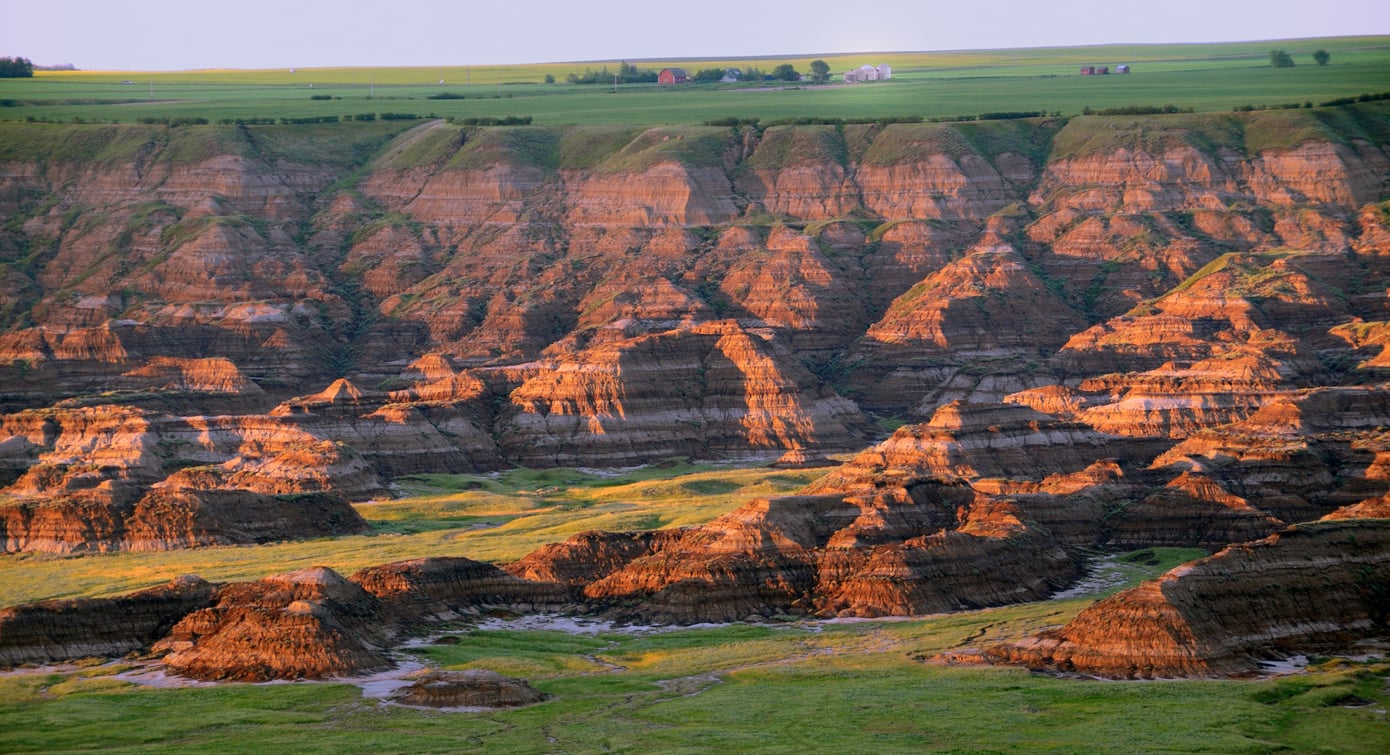
Red River Gorge packs sandstone arches, narrow ridges and deeply forested valleys into Daniel Boone National Forest, and many ordinary day hikes can be done without an admission charge. Grays Arch is an approachable introduction, while Auxier Ridge provides big views and Rough Trail delivers a tougher workout. Overnight camping requires a recreation permit, so sticking to day hikes keeps costs down. Popularity is the trade-off: recent hikers continue to describe Auxier Ridge as busy, and weekend parking can be frustrating. Weekdays and shoulder seasons are smarter bets.
Trending on Cheapism

Wichita Mountains Wildlife Refuge, Oklahoma
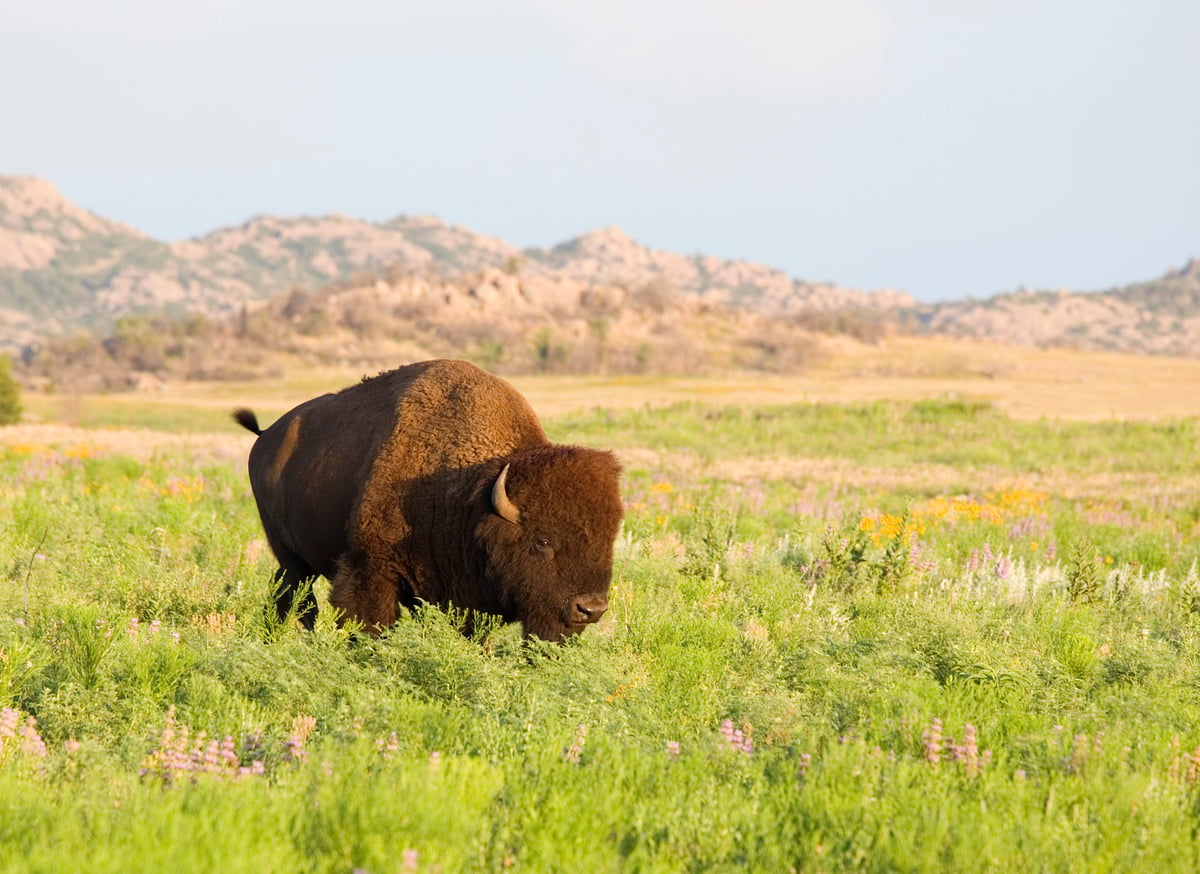
The Wichita Mountains bring an unexpectedly rugged mix of granite peaks, prairie, lakes, bison and longhorn country to southwest Oklahoma, and there is no admission charge. The refuge maintains about 15 miles of designated trails, ranging from short walks to rockier outings such as Elk Mountain and Charon’s Garden. Camping is inexpensive, with walk-in tent sites around $12 and standard non-electric sites around $14. There is one major 2026 limitation: because of extreme heat, hiking is currently allowed only from sunrise until 10 a.m.
Black Hills National Forest, South Dakota
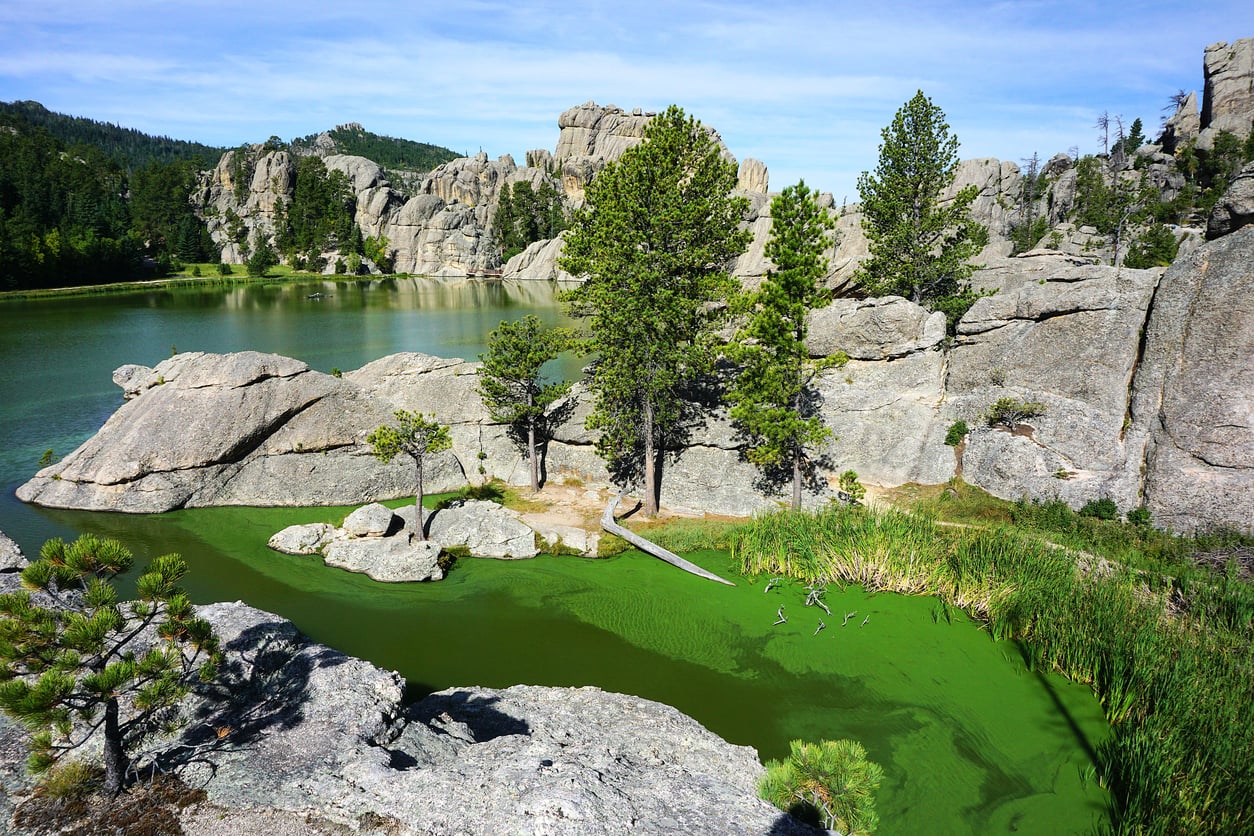
The Black Hills can be inexpensive if travelers distinguish the free national forest from the area’s paid attractions. The forest itself has no general entrance fee and contains hundreds of miles of hiking trails, lakes, granite formations and overlooks. Black Elk Peak is the marquee summit, but here is the catch: the popular Sylvan Lake approach begins inside Custer State Park, where a seven-day vehicle license costs $25. Budget-minded hikers can instead explore free national forest trail systems and selectively pay for the attractions that matter most.
Guadalupe Mountains National Park, Texas
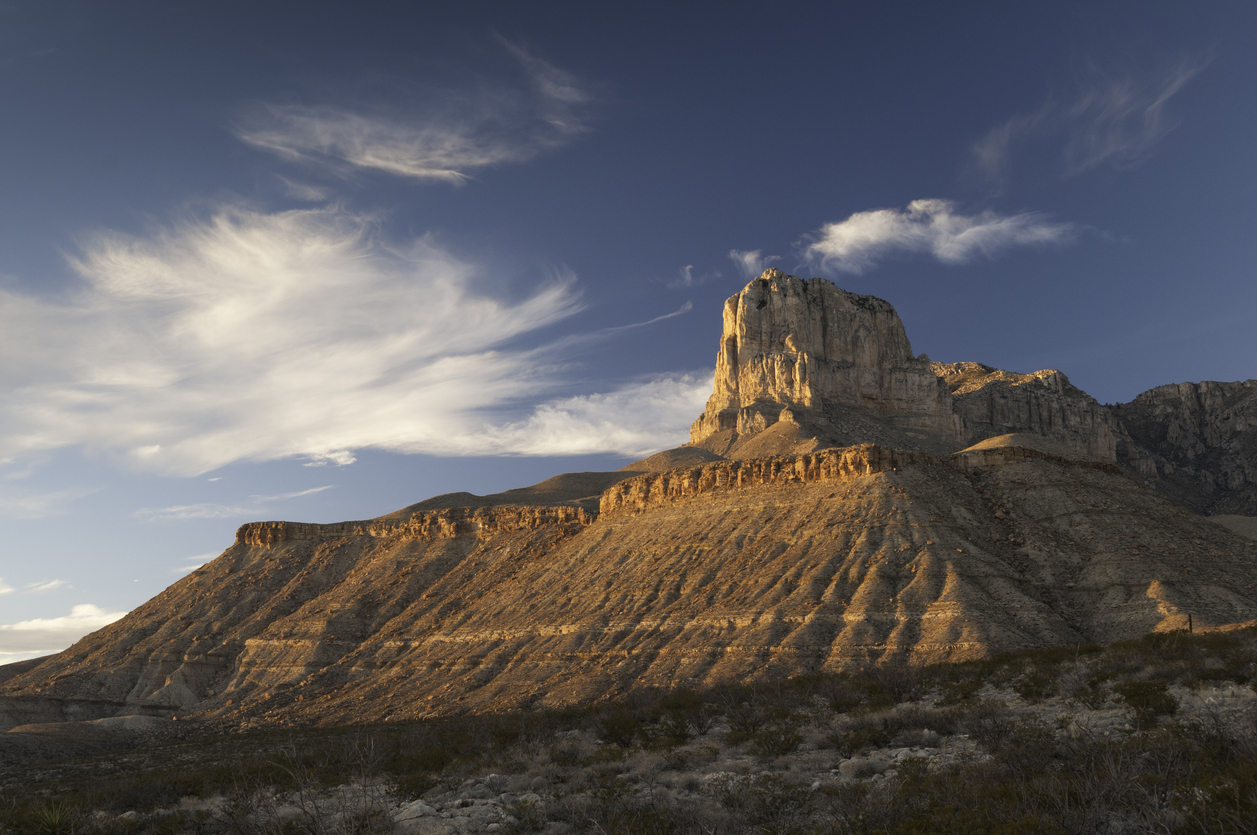
At Guadalupe Mountains, hiking really is the attraction. Admission costs $10 per visitor age 16 or older and covers seven consecutive days, making several days on the trails comparatively inexpensive. Guadalupe Peak provides the big challenge, McKittrick Canyon is known for its fall color, and shorter outings such as Smith Spring work better for travelers who do not want a summit climb. There are almost no commercial distractions inside the park, but that also means bringing food, water and fuel is essential. Camping costs extra.
Sign up for our newsletter
Pictured Rocks National Lakeshore, Michigan
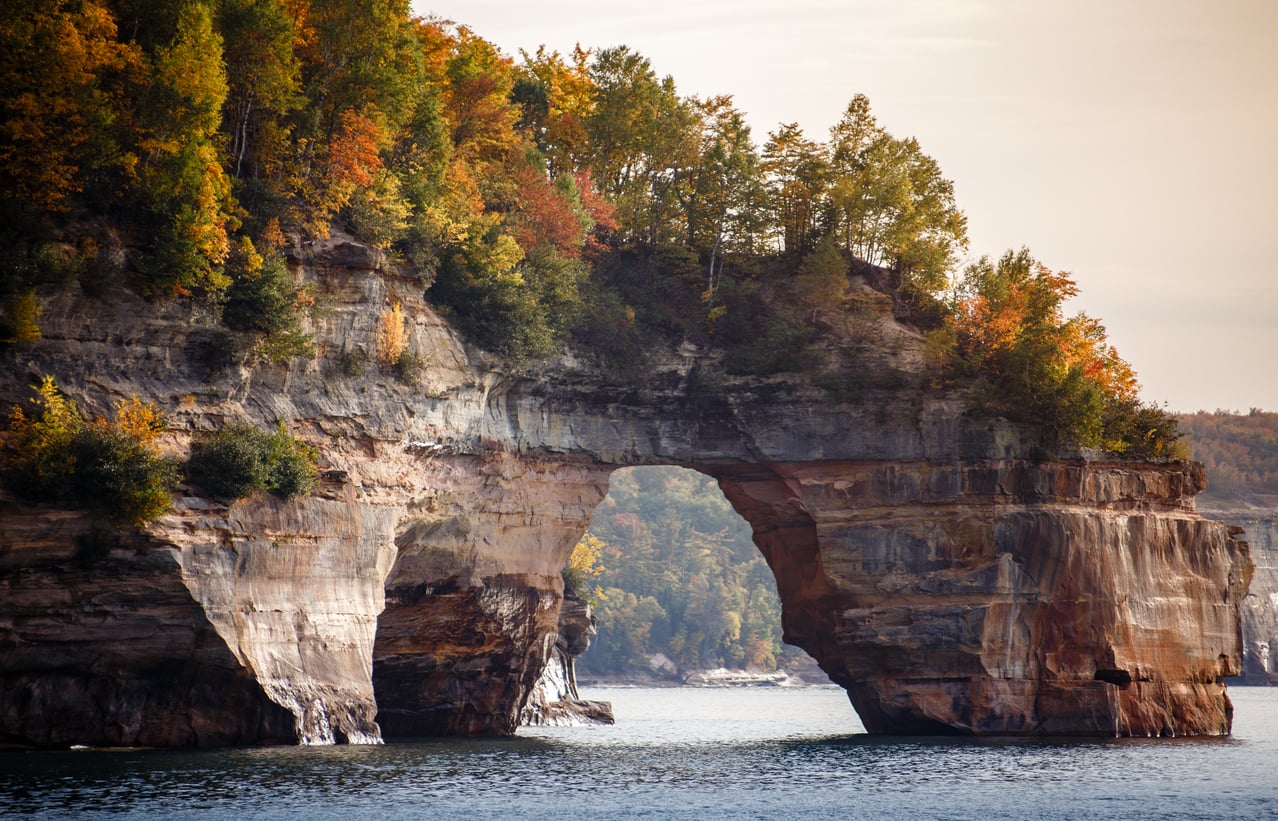
Pictured Rocks combines Lake Superior beaches, waterfalls, forest and colorful cliffs for $25 per private vehicle, with the pass covering everyone inside for seven days. That makes it particularly attractive for couples and families. The roughly 10- to 11-mile Chapel Loop delivers the biggest hiking day, while shorter waterfall walks make the destination workable for mixed abilities. Drive-in campsites cost $25 nightly, and Senior or Access Pass holders receive a 50% camping discount. Arrive early for Chapel Loop, whose parking lot can fill during busy periods.
Ouachita National Forest, Arkansas and Oklahoma
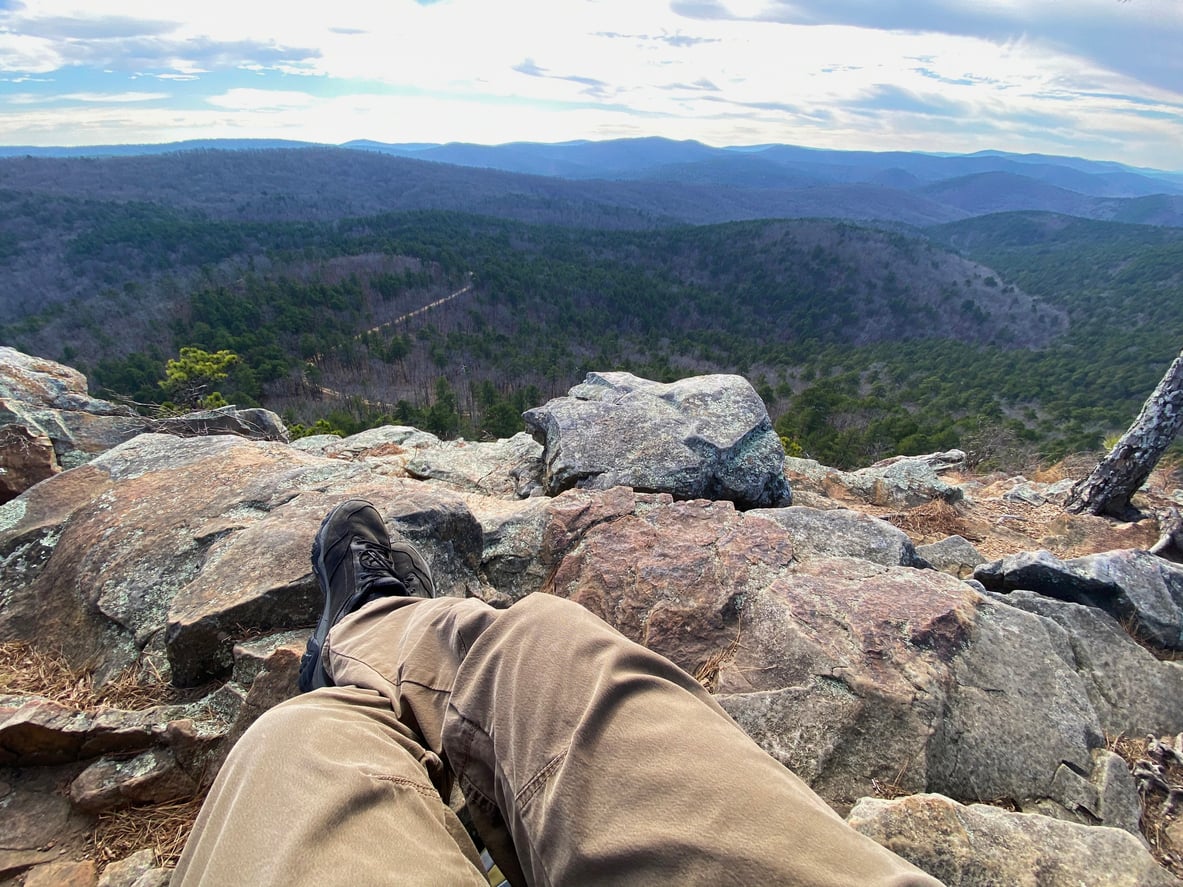
The Ouachitas are easy to overlook beside America’s more famous western ranges, which is part of their budget appeal. The 223-mile Ouachita National Recreation Trail stretches from Oklahoma to central Arkansas, with 196 miles crossing national forest land, giving hikers everything from short sections to serious backpacking trips. Flatside Pinnacle and Winding Stairs offer shorter alternatives. Individual developed recreation areas and campgrounds can charge fees, but travelers can structure much of a trip around hiking, scenic drives and public-land recreation rather than expensive attractions.
Allegheny National Forest, Pennsylvania
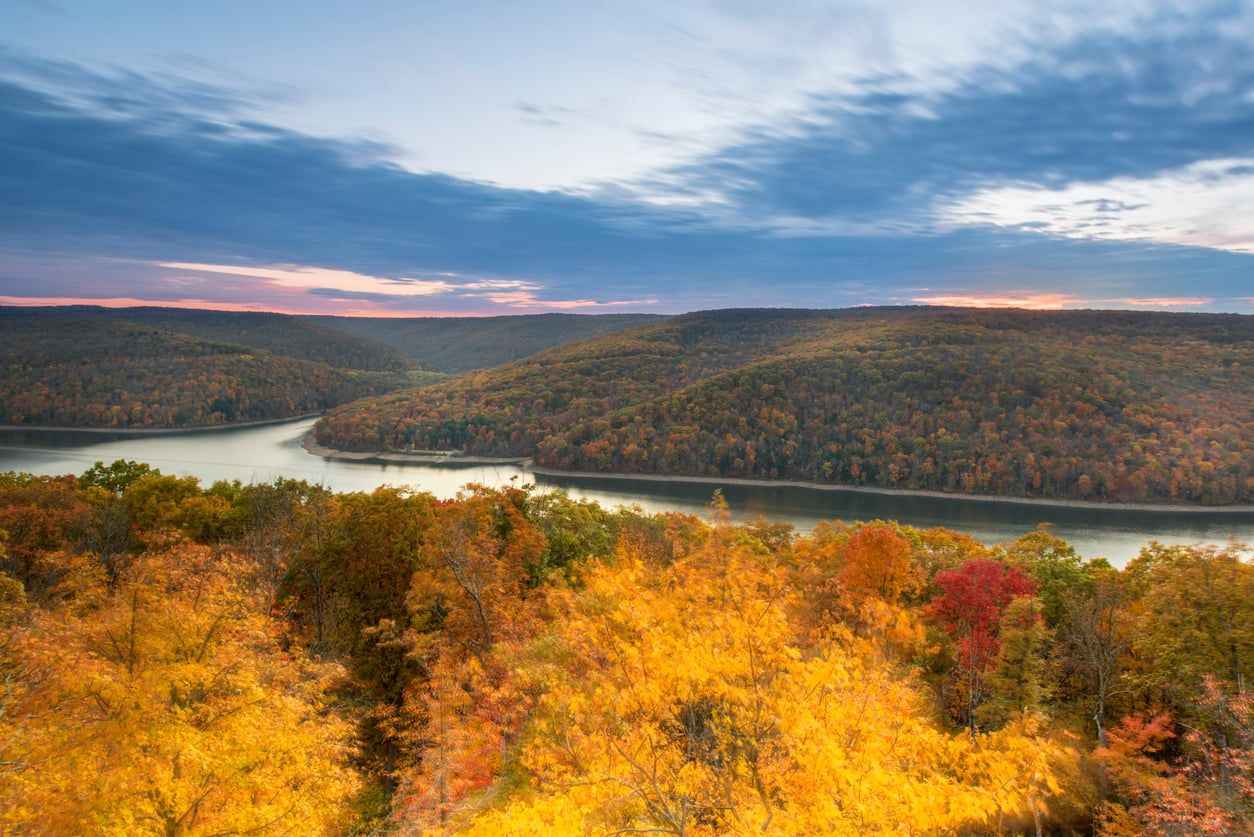
Allegheny National Forest makes a practical northeastern hiking getaway without requiring a stay in a high-priced New England resort town. Trails pass hardwood forest, streams, giant rocks and overlooks around the Allegheny Reservoir. Minister Creek is a particularly good hiking base, while Jakes Rocks provides free access to an extensive trail network and reservoir views. Some developed recreation areas do charge day-use or camping fees, so check the specific site before arriving. For an inexpensive fall trip, Warren, Kane and Bradford provide several possible bases.
Pisgah National Forest, North Carolina
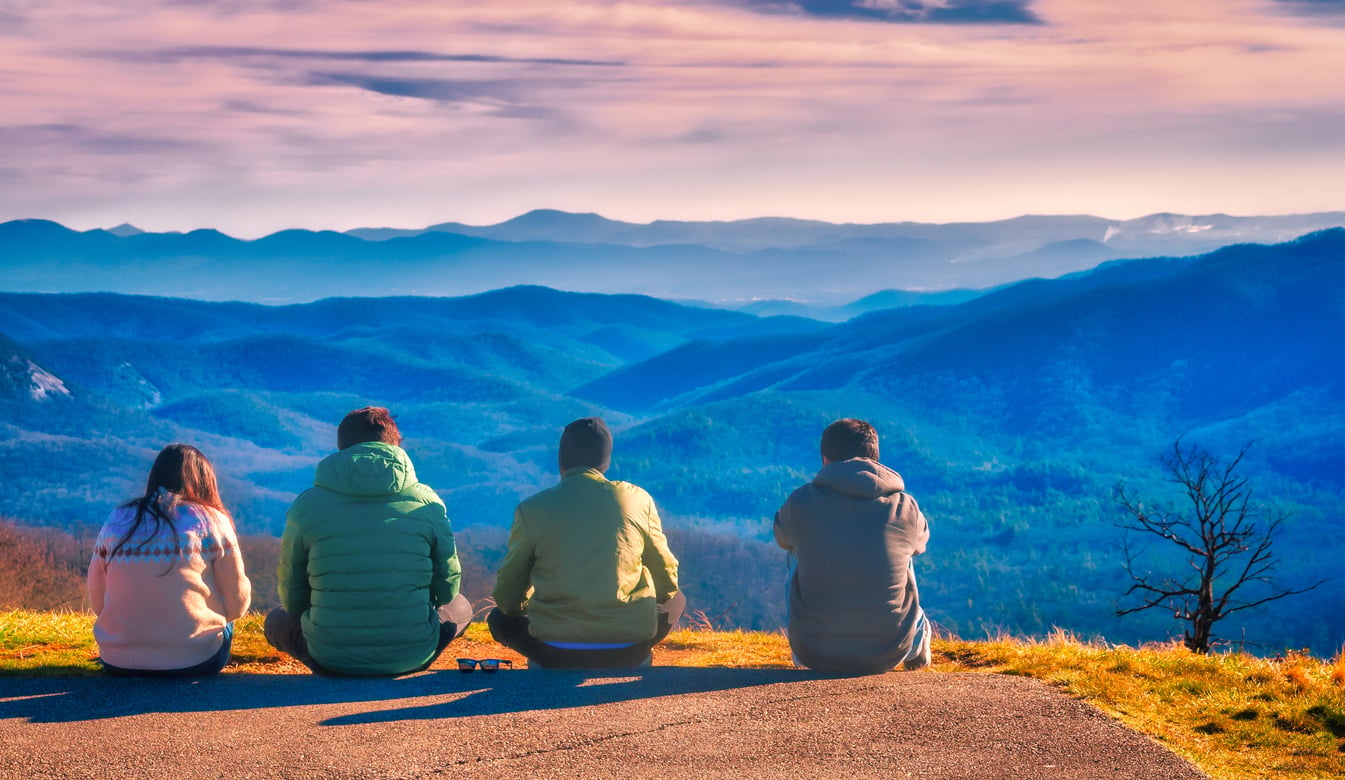
Pisgah offers waterfalls, high-elevation balds, forests and mountain trails close enough to towns such as Brevard that visitors do not have to choose between complete isolation and an expensive Asheville vacation. Looking Glass Rock provides a substantial climb, Black Balsam offers big mountain views with less mileage, and Pink Beds is gentler. Many trails and natural attractions can be enjoyed without an admission ticket, although individual developed recreation sites may charge. Camping can also help control costs, but fees and seasonal restrictions vary considerably from one campground to another.