Some vacations are expensive partly because the biggest costs hit before you have much time to enjoy the destination. Airfare, park admission, rental cars, and transportation passes can feel especially steep on a three-night getaway, while a longer stay spreads those expenses across more vacation days. For example, the National Park Service’s Yellowstone fee guide shows that standard park entrance passes are valid for seven days. These trips that get much cheaper on a per-day basis reward travelers who slow down, stay a little longer, and make better use of costs they’ve already paid.
Oahu, Hawaii
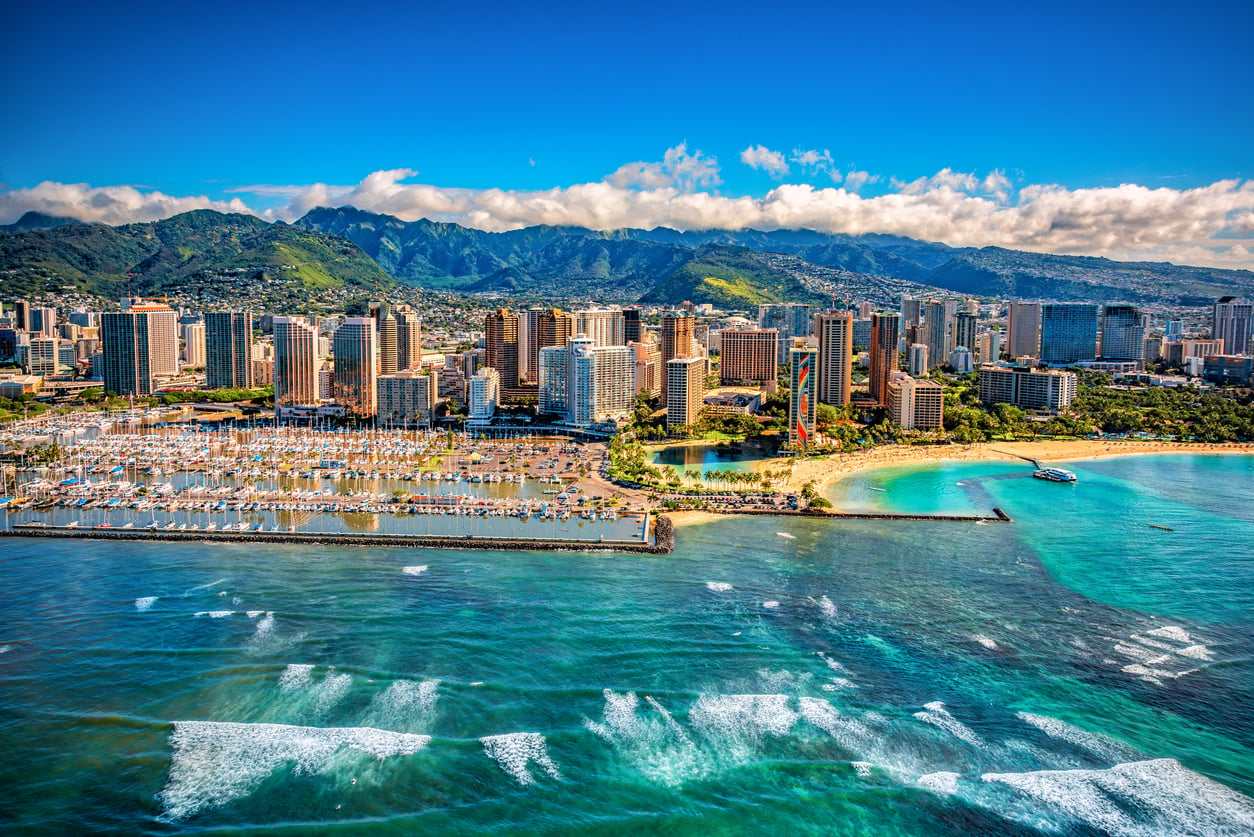
Flying all the way to Honolulu for three nights means squeezing one of the trip’s biggest fixed costs – airfare – into very few vacation days. Stay a week and there is more room for inexpensive beach days, hikes, neighborhood meals, and time on the North Shore instead of booking an excursion every morning. A longer stay also makes buying groceries and choosing lodging with a kitchenette more worthwhile. Hawaii is certainly not cheap, but slowing down can help keep every day from carrying resort-level food and entertainment costs.
New York City, New York
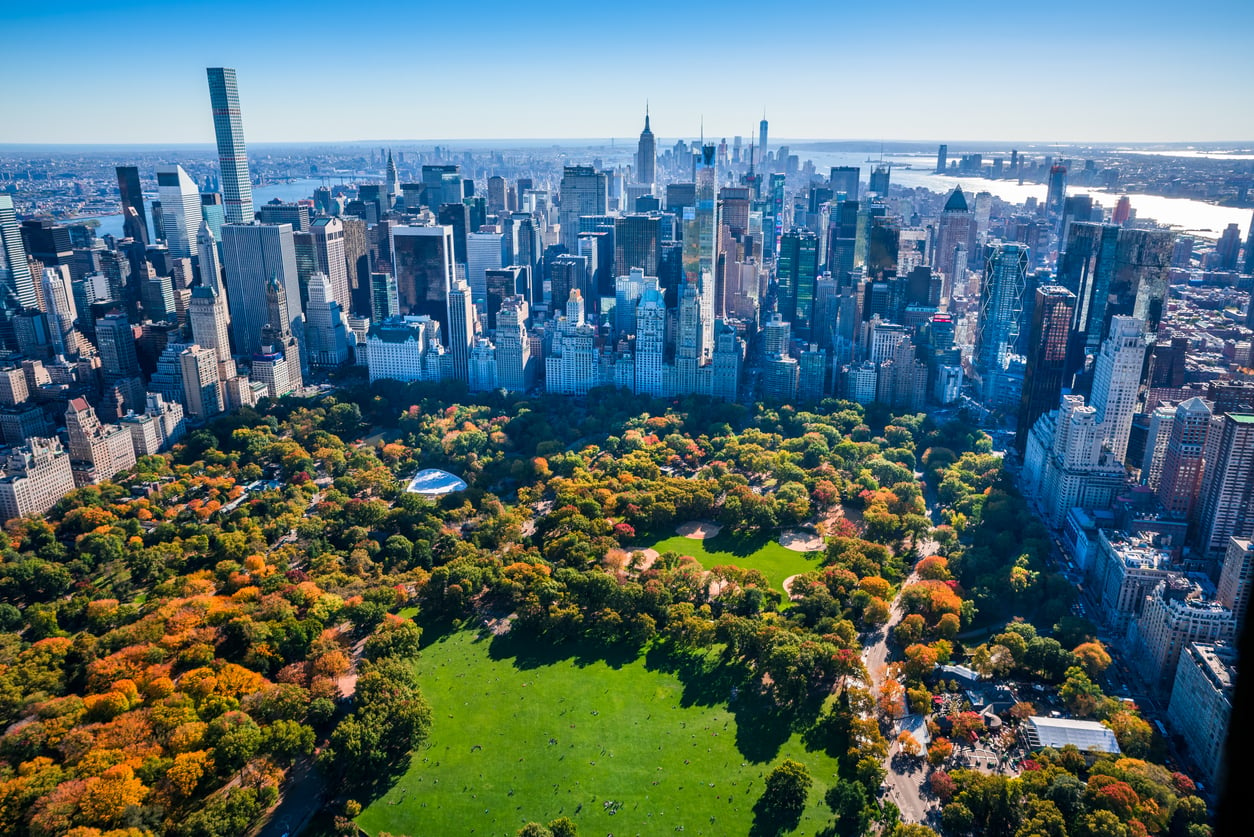
New York can drain a weekend budget quickly when visitors race among ticketed attractions, restaurants, and rideshares. A longer trip gives you time for Central Park, neighborhood walks, the Staten Island Ferry, and other inexpensive sightseeing. Transit gets particularly interesting: OMNY’s current fare cap means eligible subway and local-bus rides stop adding to the bill once you reach the seven-day cap. The trick is to stop treating Midtown as the entire city. Once transportation is covered, exploring Queens, Brooklyn, Upper Manhattan, and farther-flung neighborhoods becomes much easier.
Washington, D.C.
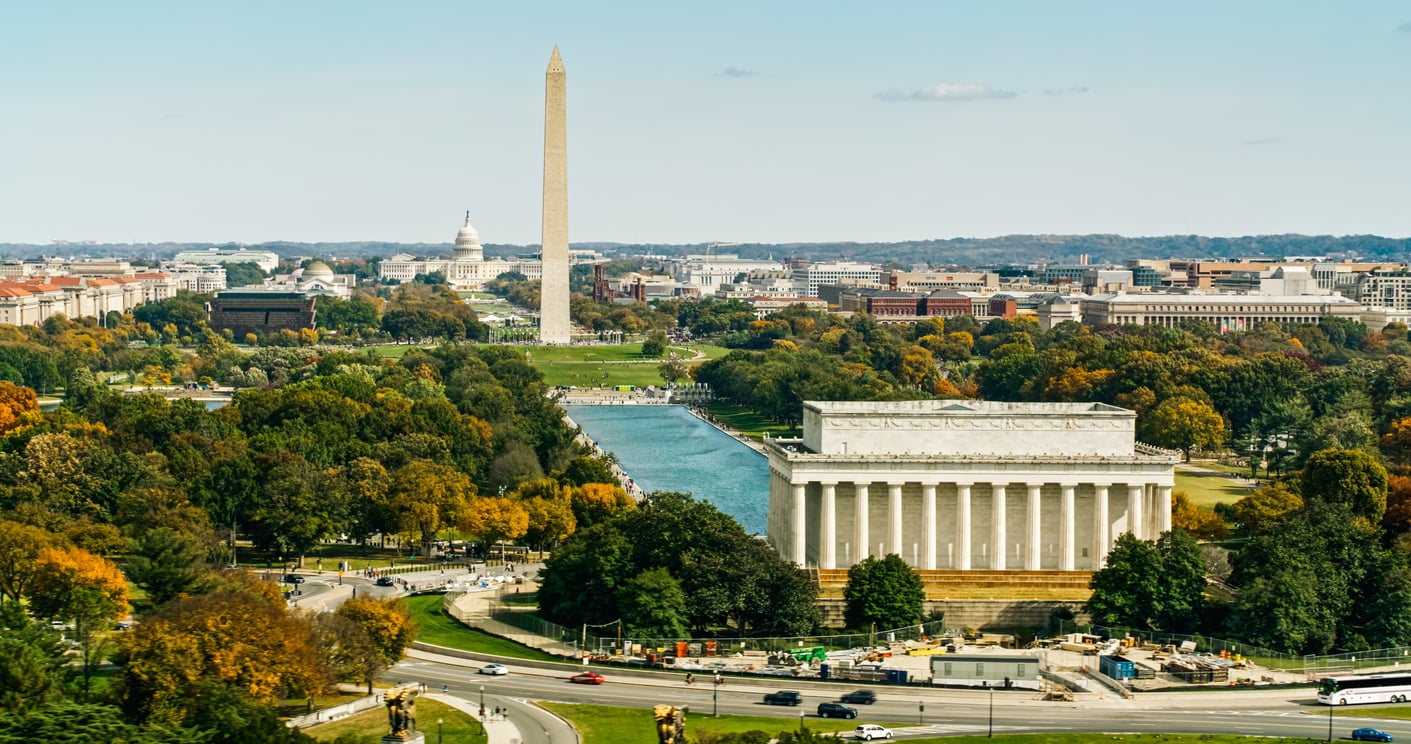
Washington is almost tailor-made for travelers with more time than attraction money. Smithsonian museums in the capital offer free general admission, as does the National Zoo, although several popular locations require free timed-entry passes. Instead of sprinting through three museums in one afternoon, a weeklong visitor can tackle one or two a day and still have time for monuments, memorials, parks, and neighborhood walks. The hotel bill still grows with every night, of course, but the entertainment budget doesn’t necessarily have to grow at the same rate.
San Francisco, California
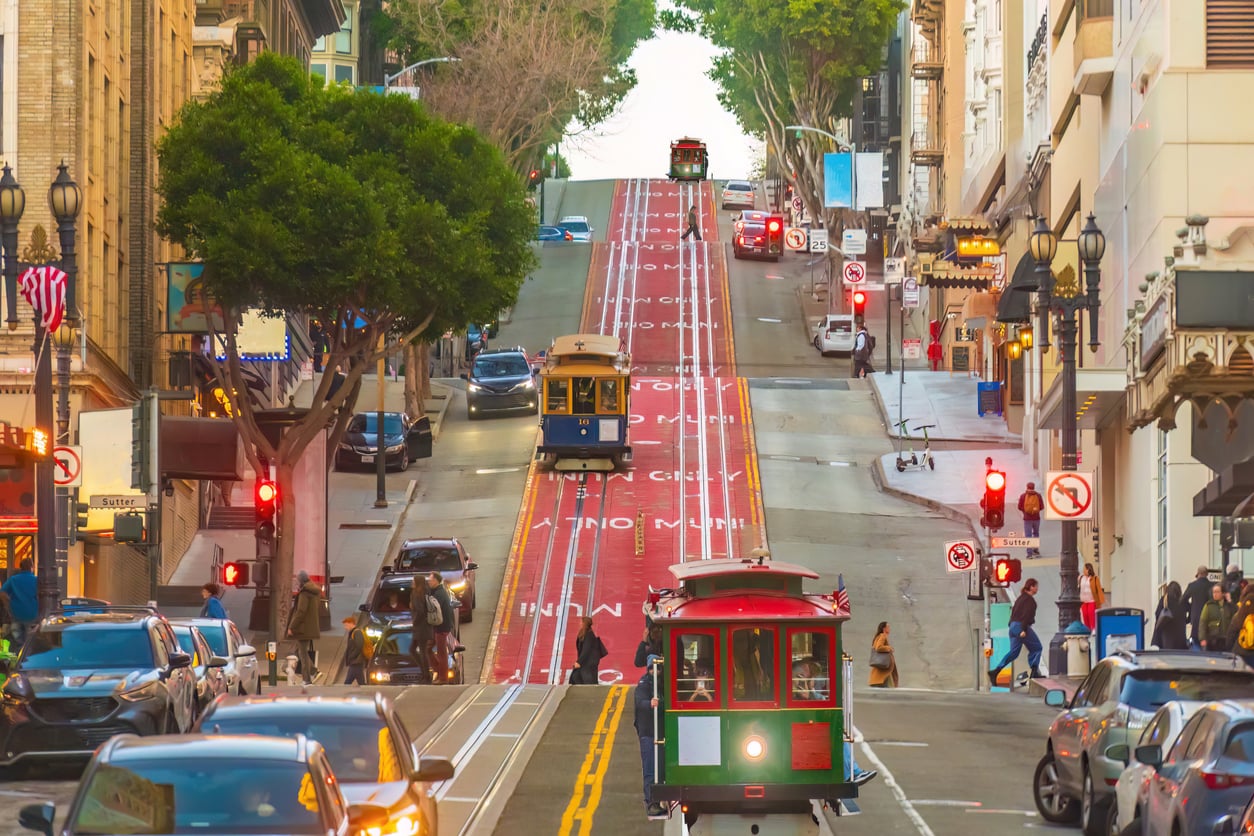
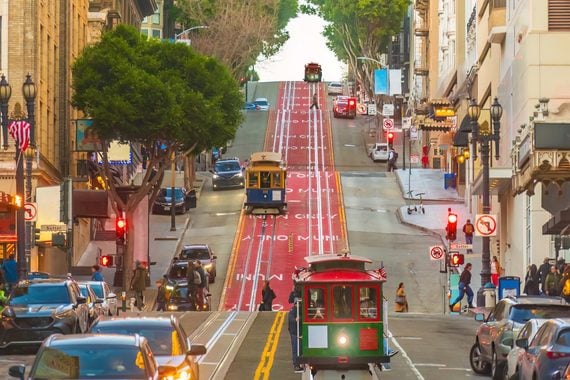
San Francisco hotels can hurt the budget, but the city’s transit pricing gives longer-stay visitors one useful break. The current Muni Visitor Passport costs $35 for three consecutive days and $47 for seven, including unlimited Muni buses, Metro, historic streetcars, and cable cars. That means four additional days of eligible transit cost only $12 more than the three-day product. Use those extra days for Golden Gate Park, Chinatown, North Beach, the Presidio, and neighborhood wandering instead of filling the schedule with organized tours and rideshares.
Las Vegas, Nevada
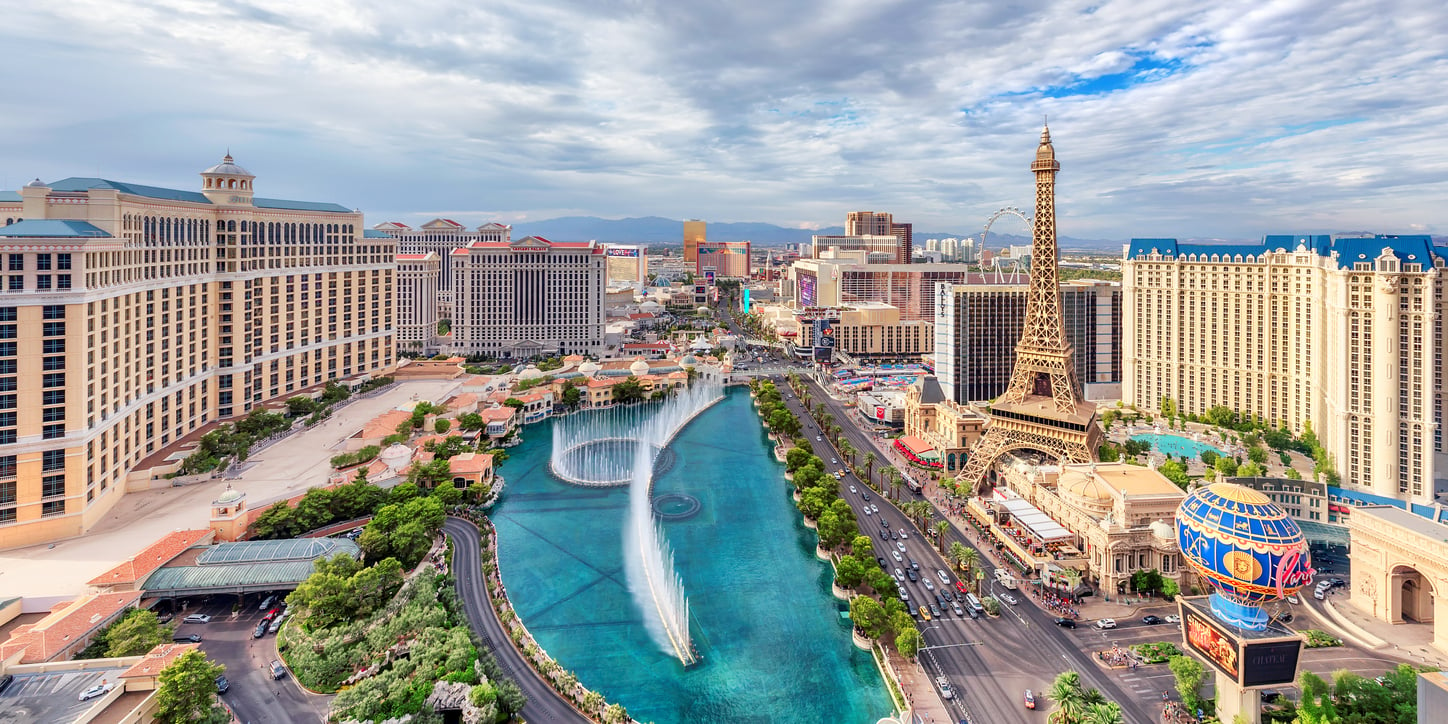
A frantic Vegas weekend can mean expensive Friday and Saturday hotel rates piled on top of shows, gambling, cocktails, and Strip meals. Stretching the trip into weekdays can change the equation, since room rates fluctuate enormously with demand. A longer itinerary also makes it easier to alternate splurge nights with pool time, Downtown wandering, casino sightseeing, or an outdoor day away from the Strip. The catch is resort fees: always compare the final lodging total rather than a tempting advertised nightly rate, and watch for conventions that can send midweek prices soaring.
Trending on Cheapism

Orlando, Florida
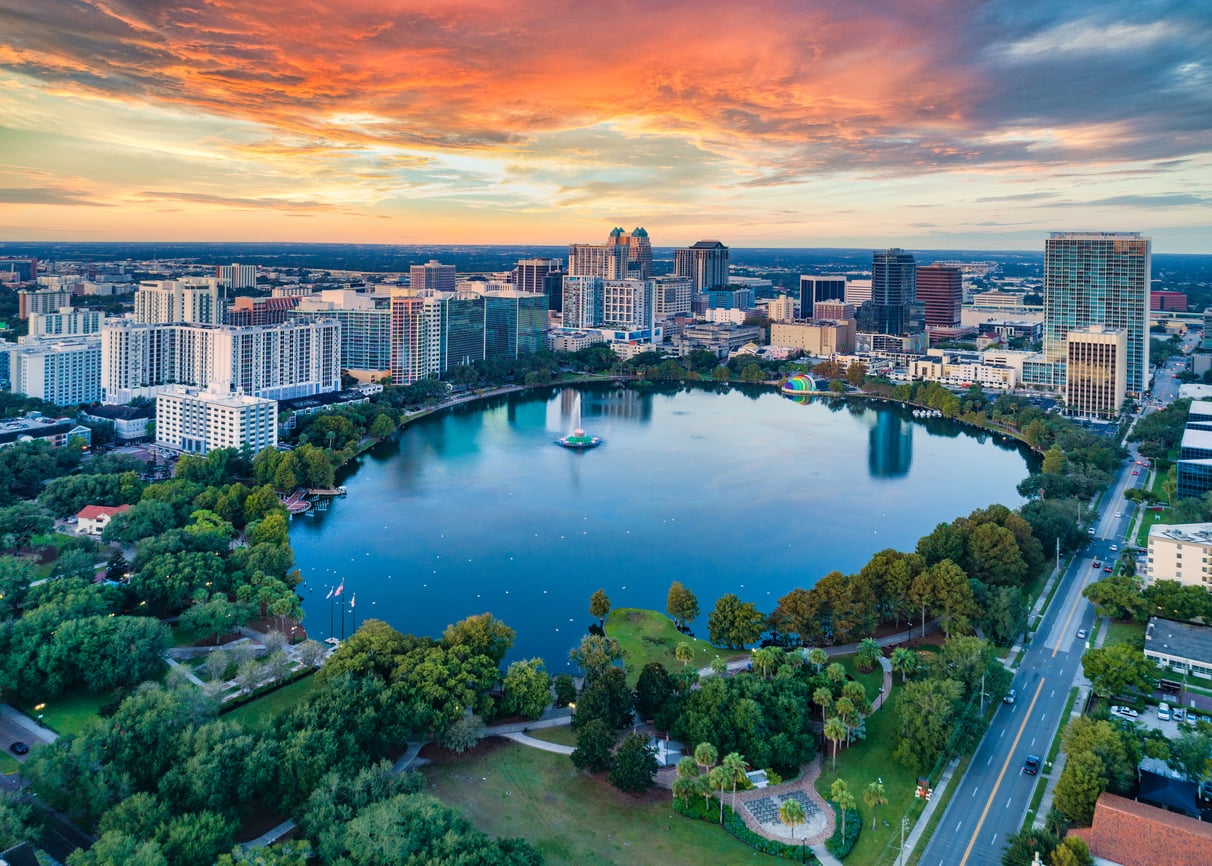
Orlando provides one of the clearest examples of the per-day effect. Walt Disney World’s standard ticket pricing currently drops substantially per day as more park days are purchased, although exact prices vary by date and ticket type. More importantly, a longer vacation doesn’t have to mean seven straight park days. Put pool or resort days between expensive theme-park visits and the trip becomes less exhausting while spreading airfare, transportation, and other fixed costs farther. Just remember that adding hotel nights still increases the overall bill, even when the daily average improves.
Yellowstone National Park
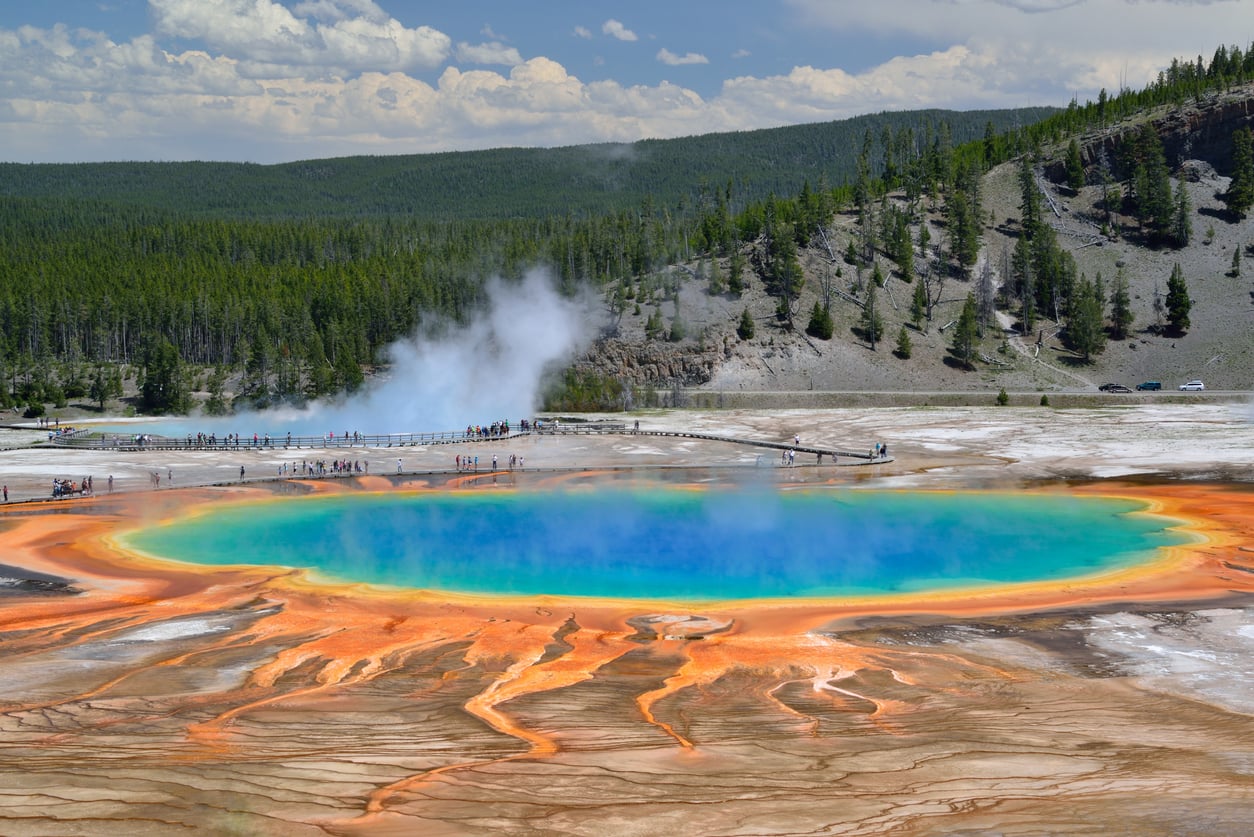
Yellowstone is enormous, and simply getting there can involve substantial driving, airfare, or a rental car. Rushing that investment into three nights makes little sense when a standard vehicle entrance pass is valid for seven days. With more time, the same admission can cover geysers, wildlife watching, hikes, scenic drives, and picnic days without another attraction ticket. One major 2026 caveat: additional entrance charges now apply to many non-U.S. visitors, so international travelers should check current pass rules carefully before arriving.
Acadia National Park and Bar Harbor, Maine
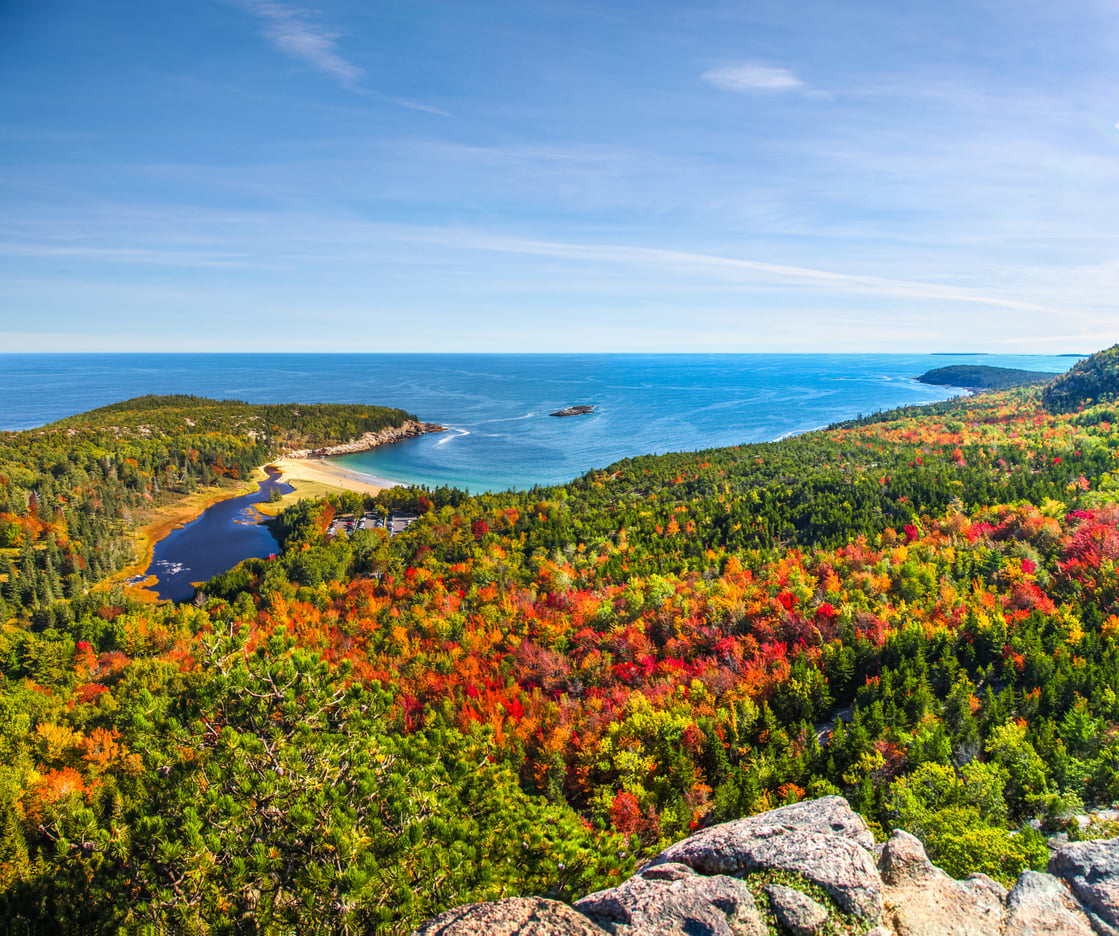
Acadia rewards travelers who don’t try to squeeze the coastline, carriage roads, hikes, and viewpoints into one frantic day. Its standard private-vehicle entrance pass currently costs $35 and lasts seven days, so staying longer doesn’t mean repeatedly paying park admission. Bring picnic supplies for hiking days, then save Bar Harbor’s lobster rolls and seafood dinners for intentional splurges. Drivers should know that Cadillac Summit Road has its own seasonal vehicle-reservation requirement, separate from the regular park entrance pass, so a seven-day pass doesn’t automatically cover every driving experience.
Sign up for our newsletter
Chicago, Illinois
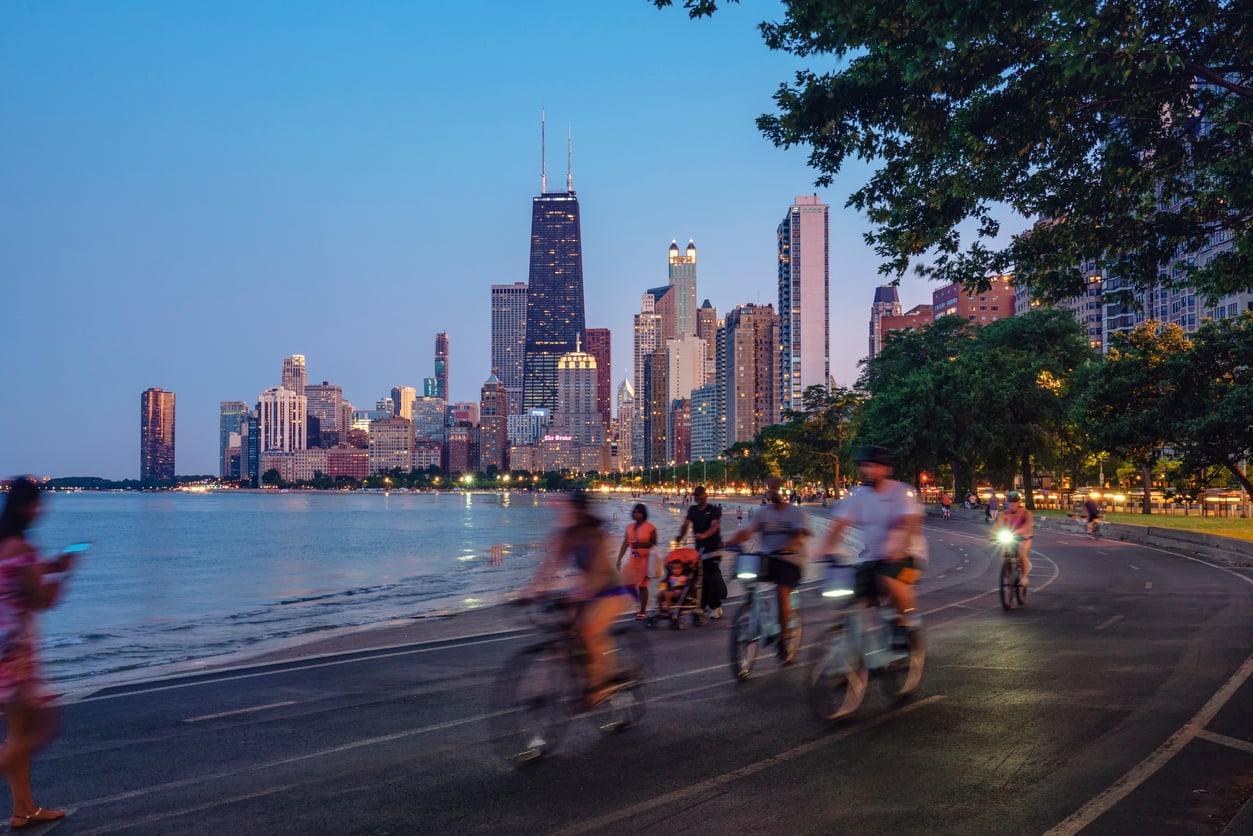
Chicago is particularly well suited to stretching a sightseeing pass across a longer stay. The 2026 Chicago CityPASS costs $144 for adults and includes five attractions, with nine consecutive days to use the tickets after activation. A five or six-night visit gives you more breathing room to alternate major sights such as the Shedd Aquarium and Skydeck with free days along the lakefront, parks, and neighborhoods. The pass isn’t inherently cheaper on a longer trip, however, so compare the included attractions before buying.
Boston, Massachusetts
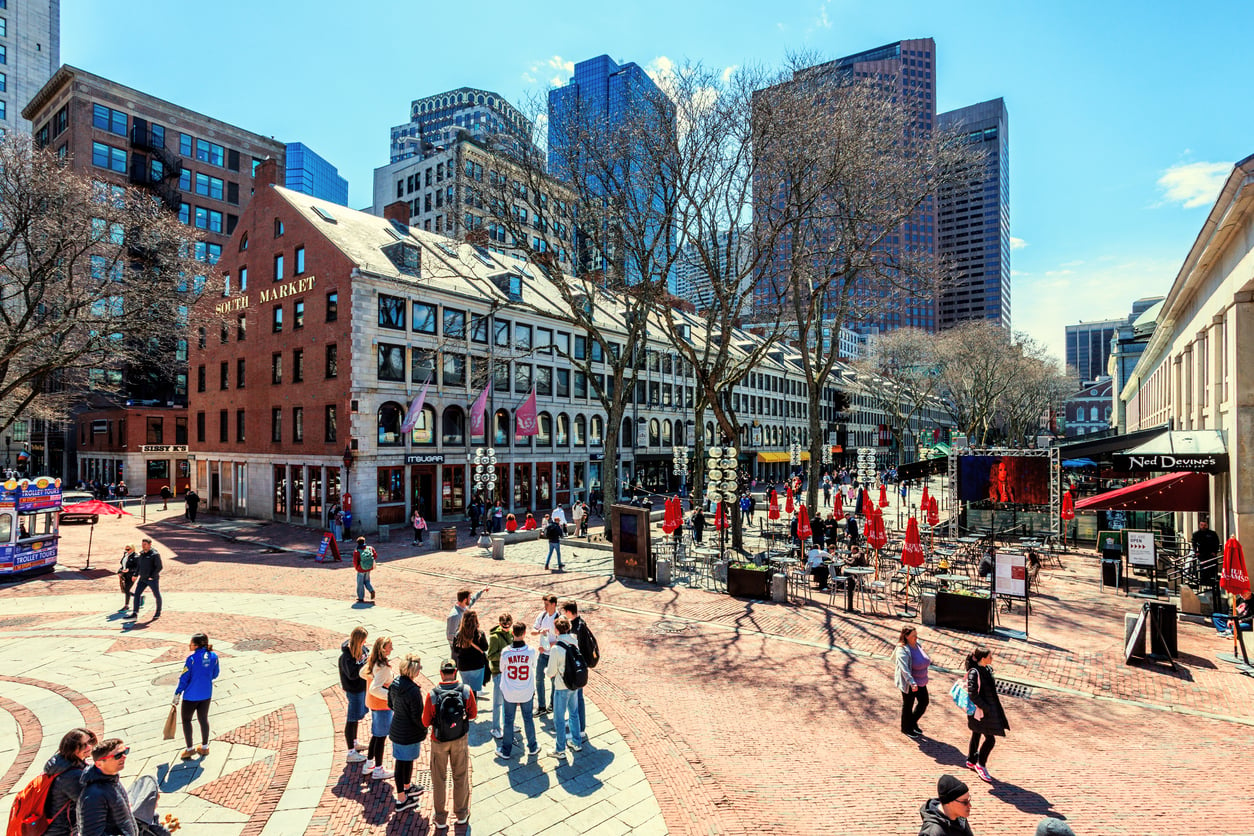
Boston becomes easier on the wallet when you stop paying to move through it quickly. Its compact center lends itself to walking, while the Freedom Trail, Boston Common, Public Garden, waterfront, and neighborhood wandering can occupy substantial chunks of a day without admission charges. Longer stays also make it easier to use the T rather than defaulting to rideshares. Travelers planning several paid attractions can compare multi-day sightseeing passes, but don’t buy one automatically, the value depends heavily on how many included sights you genuinely intend to visit.
New Orleans, Louisiana
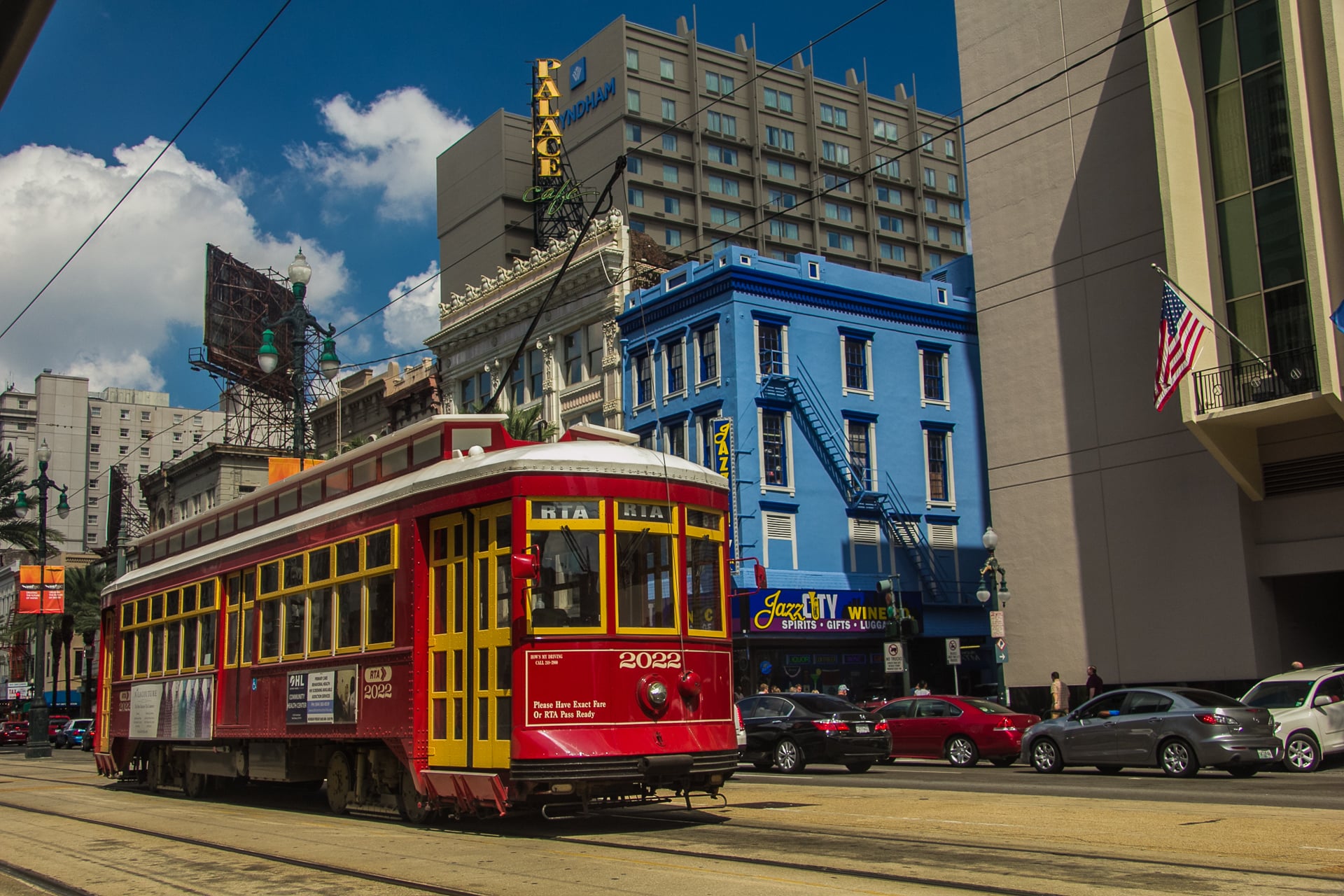
Three nights in New Orleans can easily become an expensive loop of French Quarter restaurants, cocktails, entertainment, and rideshares. A week creates room for slower and cheaper pleasures: streetcar rides, City Park, the Garden District, Magazine Street, neighborhood po-boys, and afternoons that aren’t built around another ticket. The transit math helps, too. The current seven-day Jazzy Pass costs $15 for unlimited RTA bus, streetcar, and ferry rides, compared with $8 for three days. That’s a modest extra cost for four additional days of transportation.
Grand Canyon and Northern Arizona
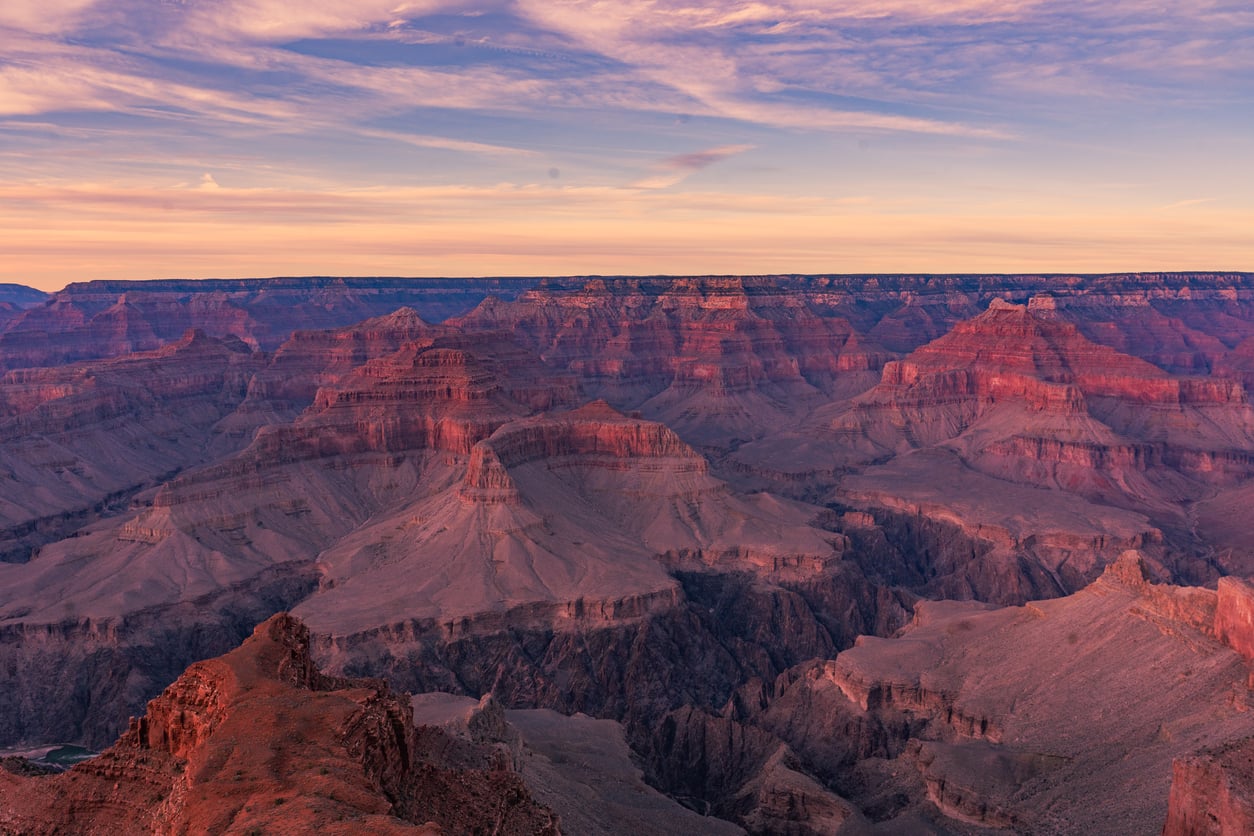
Airfare, a rental car, and the long drive to the Grand Canyon are a lot to spend for one hurried look over the rim. Standard Grand Canyon admission is valid for seven days, and the park operates free shuttle routes that can reduce how much driving visitors need to do once there. Staying longer lets you spread sunrise, sunset, overlooks, hikes, and scenic drives across several days. As at Yellowstone, new 2026 fees affecting many non-U.S. visitors make checking current entrance-pass rules especially important before an international trip.