Luxury travel does not have to mean five-star resorts, first-class flights, or a budget that causes regret once the vacation is over. With travel prices continuing to rise, choosing where to spend a little extra matters more than ever. Frequent travelers say the smartest small vacation upgrades are often practical ones: a quieter room, a nonstop flight, a comfortable ride from the airport, or one dinner worth remembering. These modest splurges can remove stress and make an otherwise affordable trip feel noticeably more comfortable.
Upgrade the Hotel Feature You Will Actually Notice

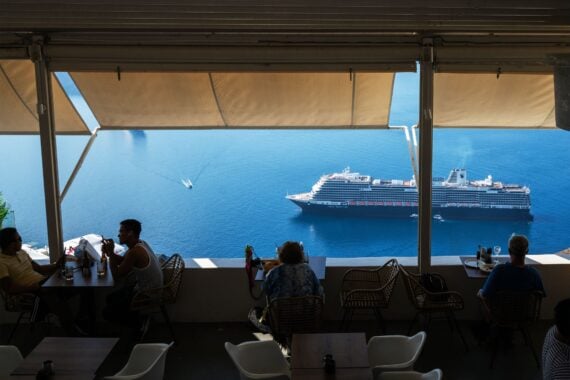
A room with an ocean view sounds wonderful, but another traveler may care more about extra floor space, a balcony, a bathtub, or a location away from the elevator. Rather than jumping from a moderate hotel to a luxury property, compare room categories within the same hotel. The difference may be manageable, particularly outside peak dates. Check photographs carefully, though: “partial view” can mean leaning around a wall, and a larger room may add little beyond an empty corner.
Plan One Dinner Worth Remembering

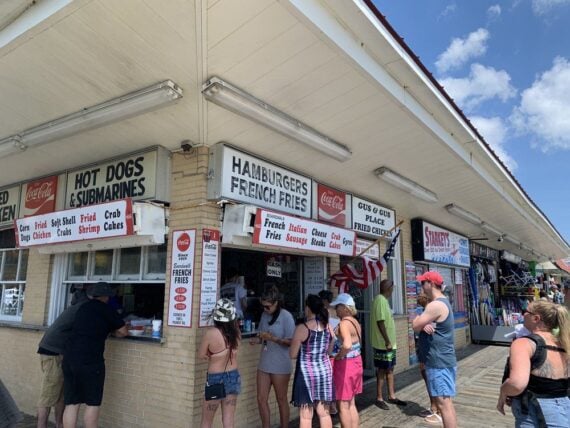
Eating at expensive restaurants every night can drain a travel budget surprisingly quickly. A better approach is to choose one restaurant that feels special, then balance it with bakeries, markets, cafes, and casual neighborhood meals. Travelers frequently describe food and experiences as areas where they prefer to spend after saving on transportation or lodging. The limitation is that tasting menus, wine pairings, and service charges can turn one planned splurge into a much larger bill, so check the current menu before reserving.
Buy Lounge Access Only When the Layover Justifies It
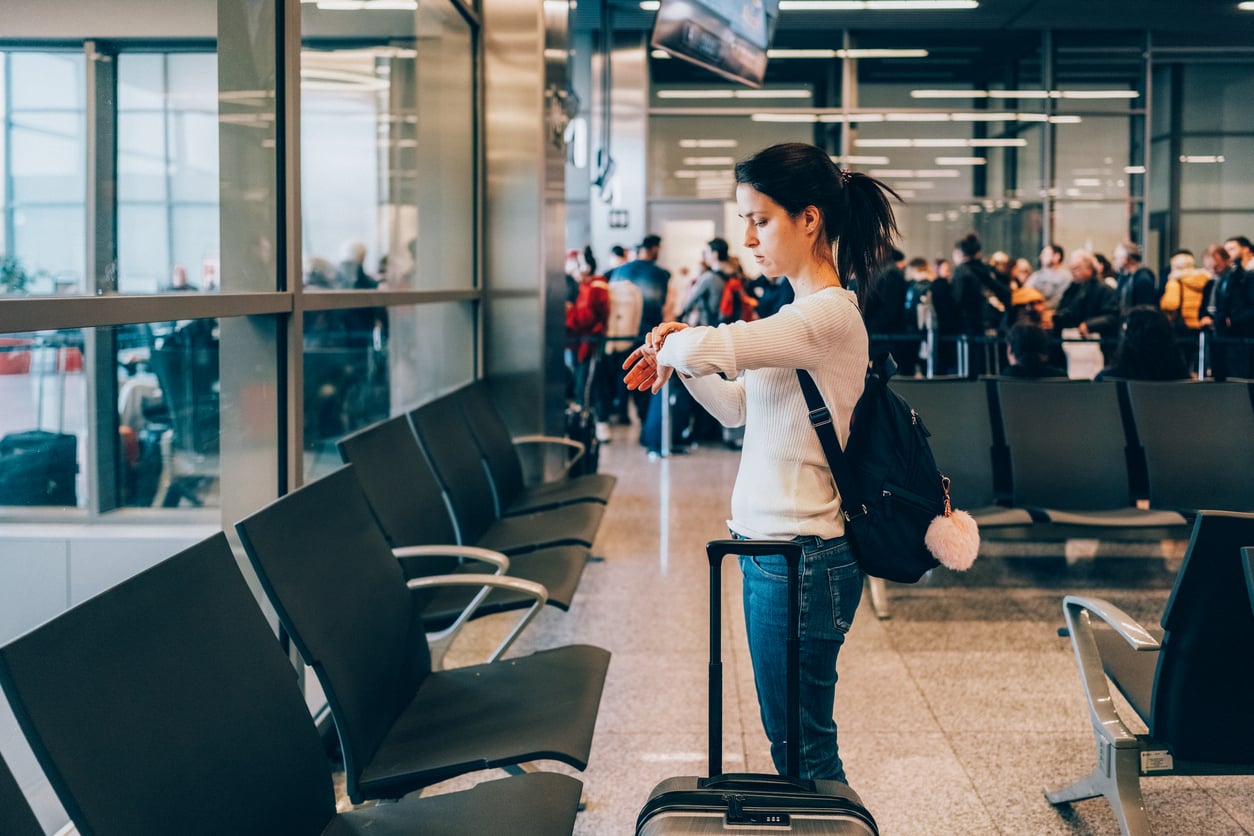
A lounge can feel luxurious during a long connection, offering seating, Wi-Fi, snacks, drinks, and sometimes showers or work areas. The value is less convincing before a short flight, especially when a day pass costs nearly as much as an airport meal. Check the lounge’s hours, guest rules, location, and recent reviews before paying. Overcrowding, waitlists, limited food, and restricted entry during busy periods have become common complaints, so lounge access is no longer an automatic escape from terminal chaos.
Consider Premium Economy for an Overnight Flight
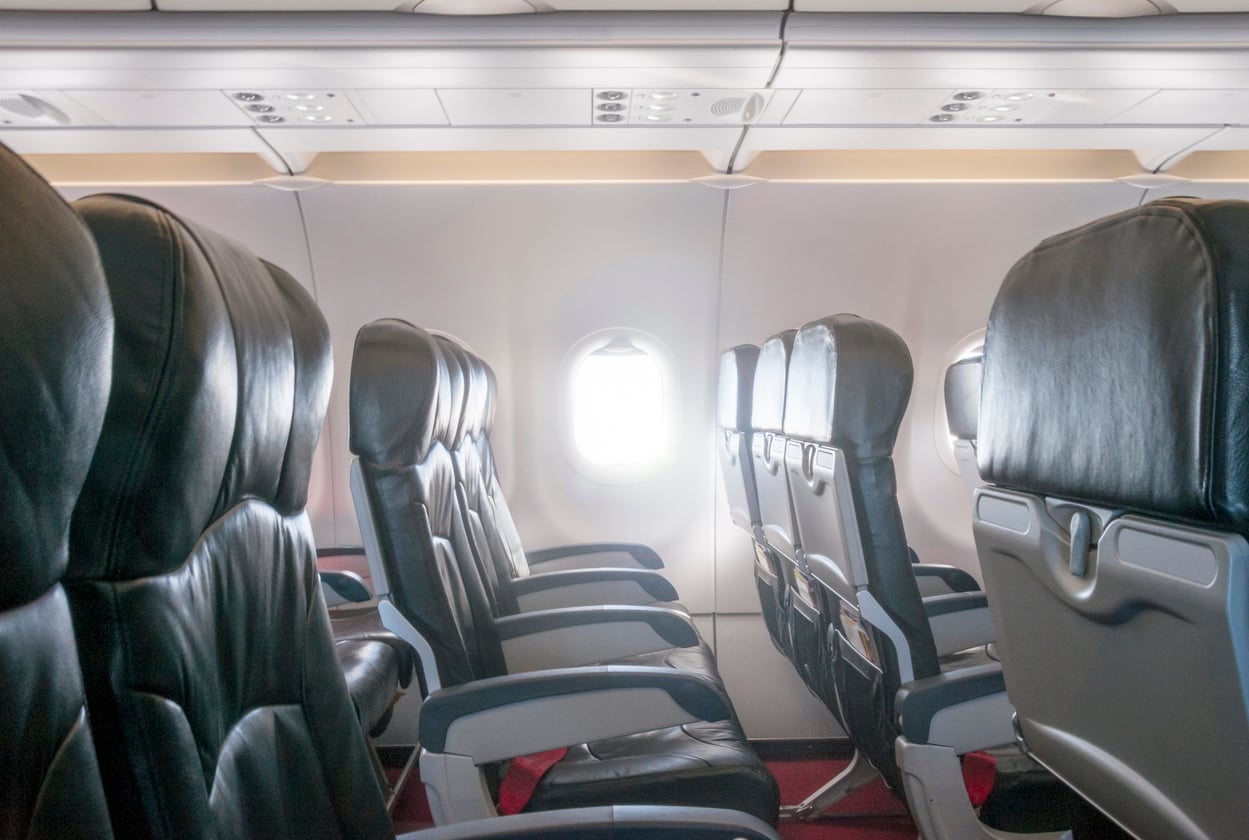
True premium economy generally provides more room than standard economy, with wider seating, deeper recline, and additional legroom on participating aircraft. Some products also include footrests, upgraded meals, priority services, or better bedding. That can make a long overnight flight noticeably easier without paying business-class prices. Still, the gap between economy and premium economy changes dramatically by airline and date.
Pay to Choose a Seat That Suits You
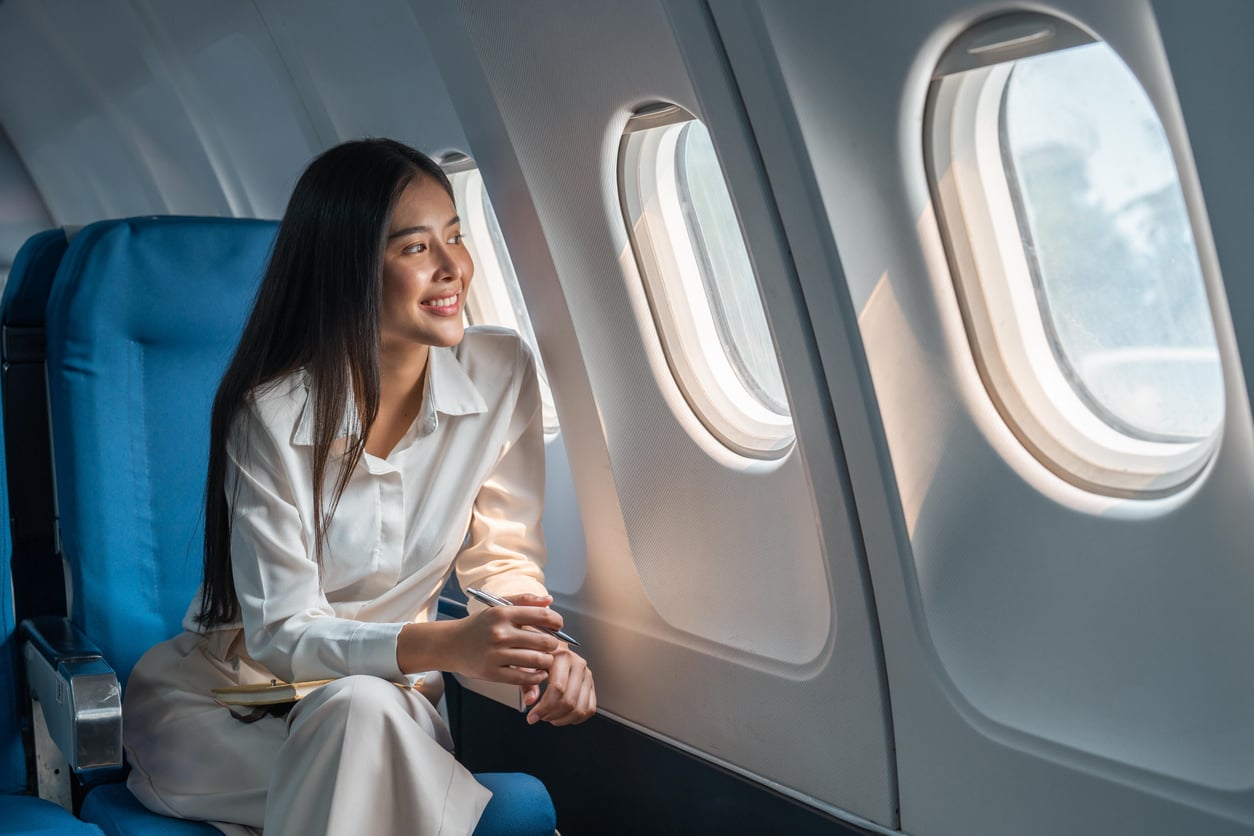
Seat-selection fees are irritating, but choosing the right spot can be more valuable than buying snacks or priority boarding. An aisle seat may make it easier to stretch and reach the restroom, while a window seat prevents other passengers from climbing over you. Seats near the front can also provide a quicker exit after landing. AARP specifically recommends a forward aisle seat when mobility and easy restroom access matter.
Trending on Cheapism


Take a Taxi After a Long Flight

Public transportation may be the sensible choice for most of a vacation, but the trip from the airport can be worth treating differently. After an overnight flight, a direct taxi, licensed car service, or rideshare removes the need to manage luggage while studying an unfamiliar ticket machine or changing trains. This is particularly helpful for travelers with mobility limitations or hotels far from transit.
Pay More for a Nonstop Flight – Within Reason
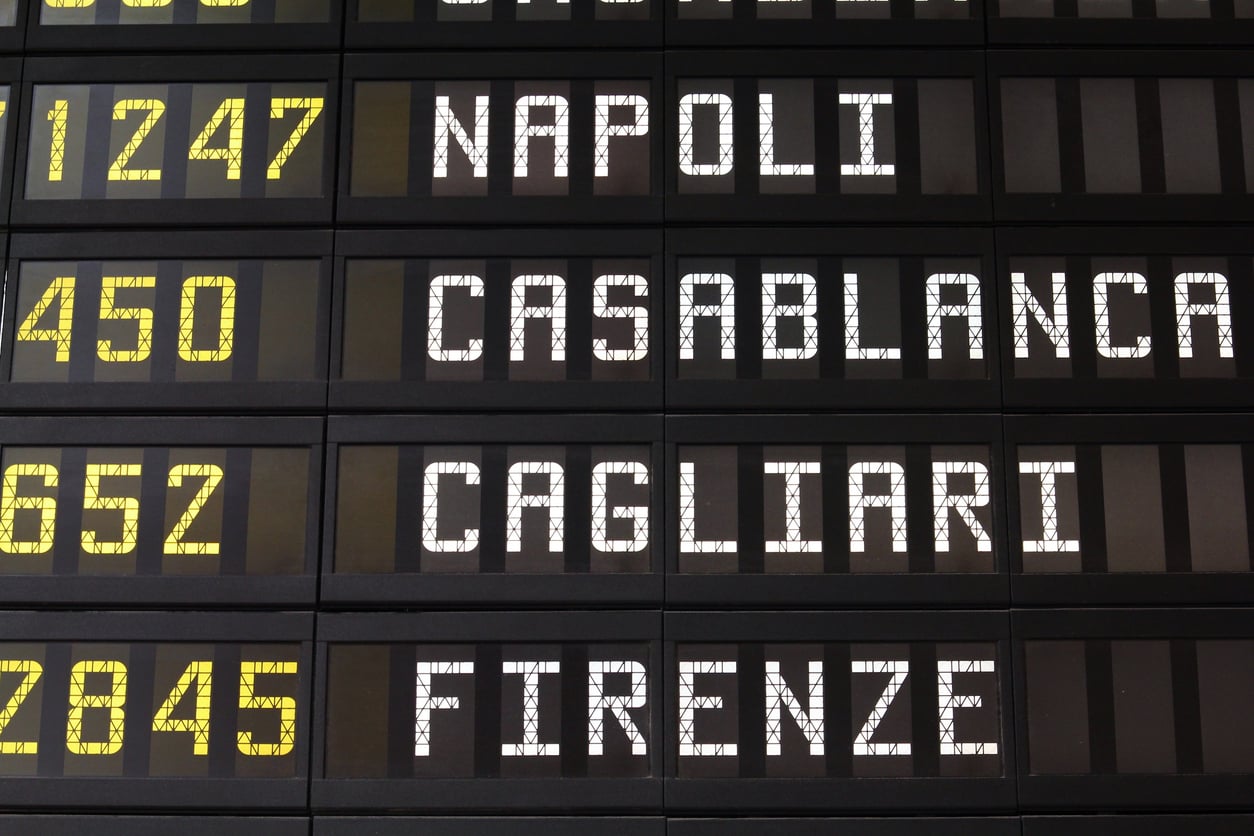
Connections can save money, but they also add another airport, another boarding process, and another opportunity for something to go wrong. The Transportation Department notes that nonstop itineraries are generally less likely to encounter delay-related complications, while connections introduce the possibility of a missed onward flight. A nonstop can be especially worthwhile on short vacations, when losing half a day matters. Set a personal price limit, however.
Request a Quieter Hotel Room
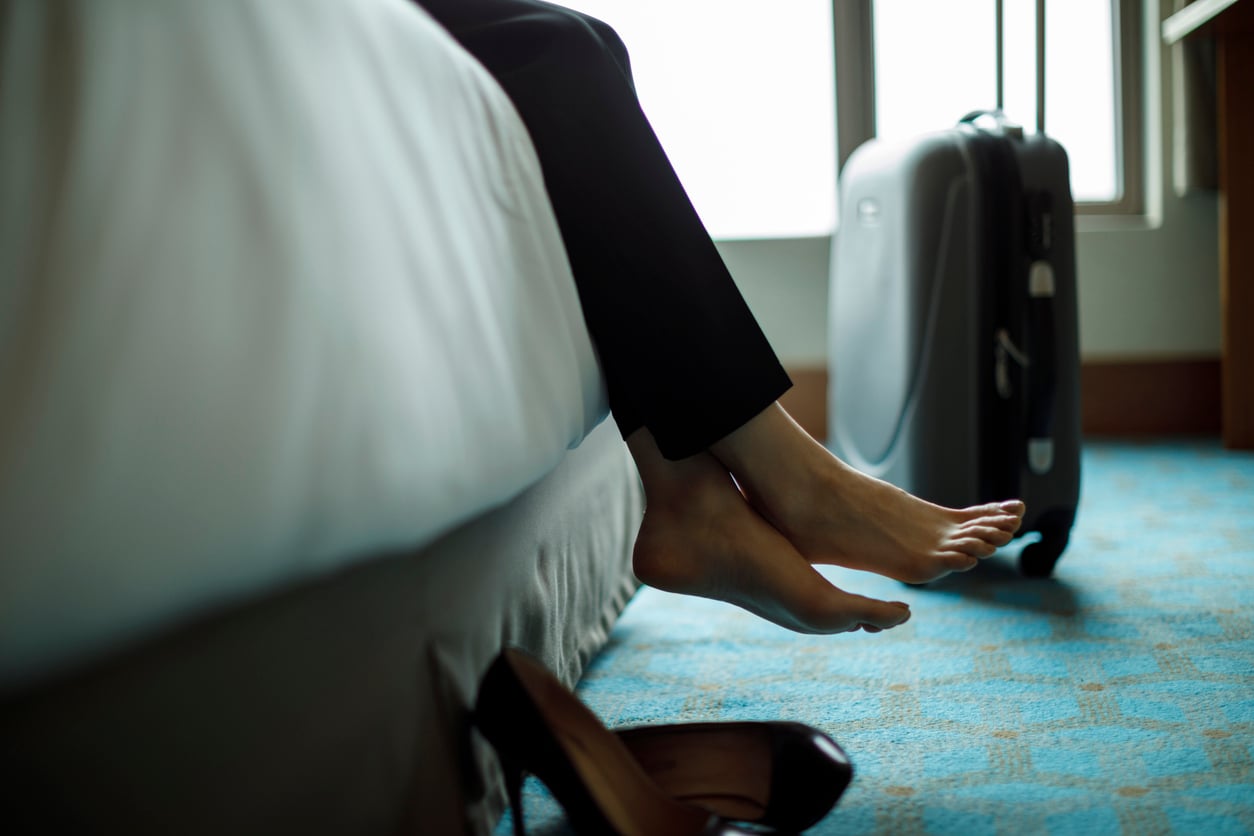
Not every luxury requires an upgrade fee. Before arrival, ask for a room away from elevators, ice machines, vending areas, housekeeping closets, and street-facing nightlife. A high floor may reduce traffic noise, although it can also mean longer elevator waits. Specific requests are never guaranteed, especially when a hotel is full, but asking politely costs nothing. Hilton’s app even allows guests at participating properties to select rooms digitally, making it easier to inspect the location before checking in.
Sign up for our newsletter
Bring Coffee or Tea You Genuinely Like

Hotel coffee can be perfectly acceptable, or a weak packet beside a machine that has seen better days. Packing a few favorite tea bags, coffee sachets, or a compact brewer gives the morning a familiar, comfortable start. It can also reduce repeated cafe purchases, particularly during a longer stay. Check what the room actually provides before bringing equipment, and avoid anything messy or difficult to clean. The luxury here is not the price of the drink; it is beginning the day without settling for something disappointing.
Turn Local Market Food Into a Picnic

A bakery, produce market, cheese shop, or neighborhood grocery store can provide one of the most enjoyable meals of a trip. Fresh bread, fruit, pastries, prepared salads, and regional specialties often cost less than a restaurant lunch and can be eaten in a park, beside the water, or back on a hotel balcony. Travelers also mention using local groceries to break up the fatigue of eating out repeatedly. Check local rules before picnicking, and remember that rooms without refrigerators limit what can be stored safely.
Ask About Late Checkout Before Paying for It
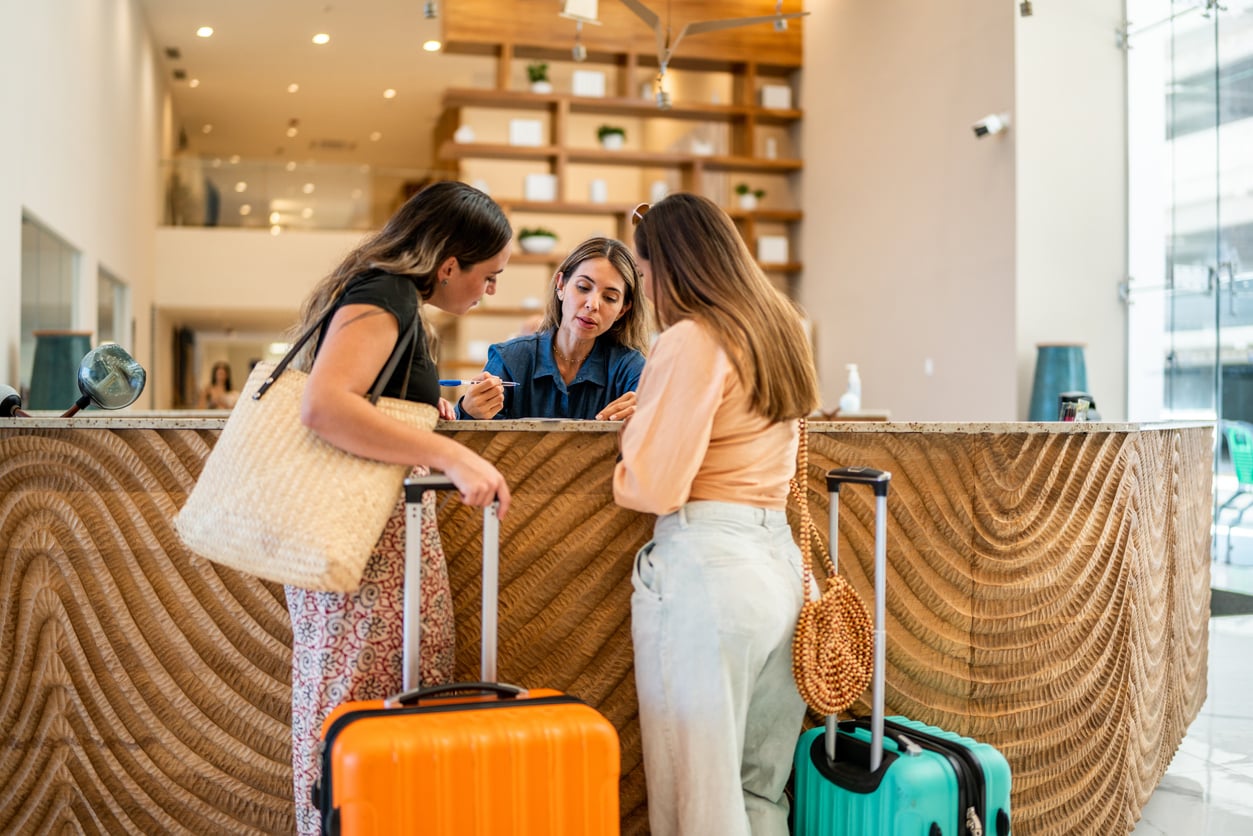
A few extra hours can rescue departure day from the usual rush of packing, checking bags, and wandering around before an evening flight. Ask the front desk what is available before purchasing an advertised package; the hotel may grant an extra hour free or include late checkout through a loyalty benefit. Marriott, for example, offers various late-checkout privileges depending on membership level and property type. Availability can change on busy turnover days, so confirm the time rather than assuming an app request has been approved.
Pack One Comfort That Improves Sleep

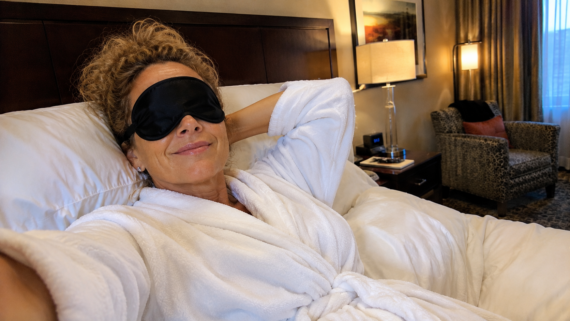
A familiar pillowcase, soft pajamas, supportive slippers, an eye mask, or a lightweight wrap can make a plain hotel room feel more comfortable without adding much weight. For travelers over 50, this can be more useful than decorative extras: AARP notes that items such as travel pillows and eye masks may help with neck comfort and sleep during long travel days. Skip candles, which many hotels prohibit, and choose one or two items you know you will use rather than filling the suitcase with comforts from home.