Flying has become faster in many ways thanks to mobile boarding passes, better apps, and improved security technology. But ask frequent flyers what they miss most about air travel, and the conversation quickly shifts to all the little perks that have quietly disappeared. Across Reddit, FlyerTalk, airline loyalty forums, and travel communities, longtime travelers often reminisce about an era when flying felt less transactional and a little more comfortable—even in economy.
Some of these perks vanished because of rising fuel costs, tighter airline margins, or changing passenger expectations. Others became paid add-ons after airlines discovered travelers were willing to buy them separately. Whatever the reason, many experienced flyers say today’s ticket includes far less than it once did.
This list is based on recurring discussions from Reddit travel communities, FlyerTalk, airline history, and consumer travel reporting to highlight the airline perks longtime travelers say they miss most.
Free Checked Bags On Standard Tickets
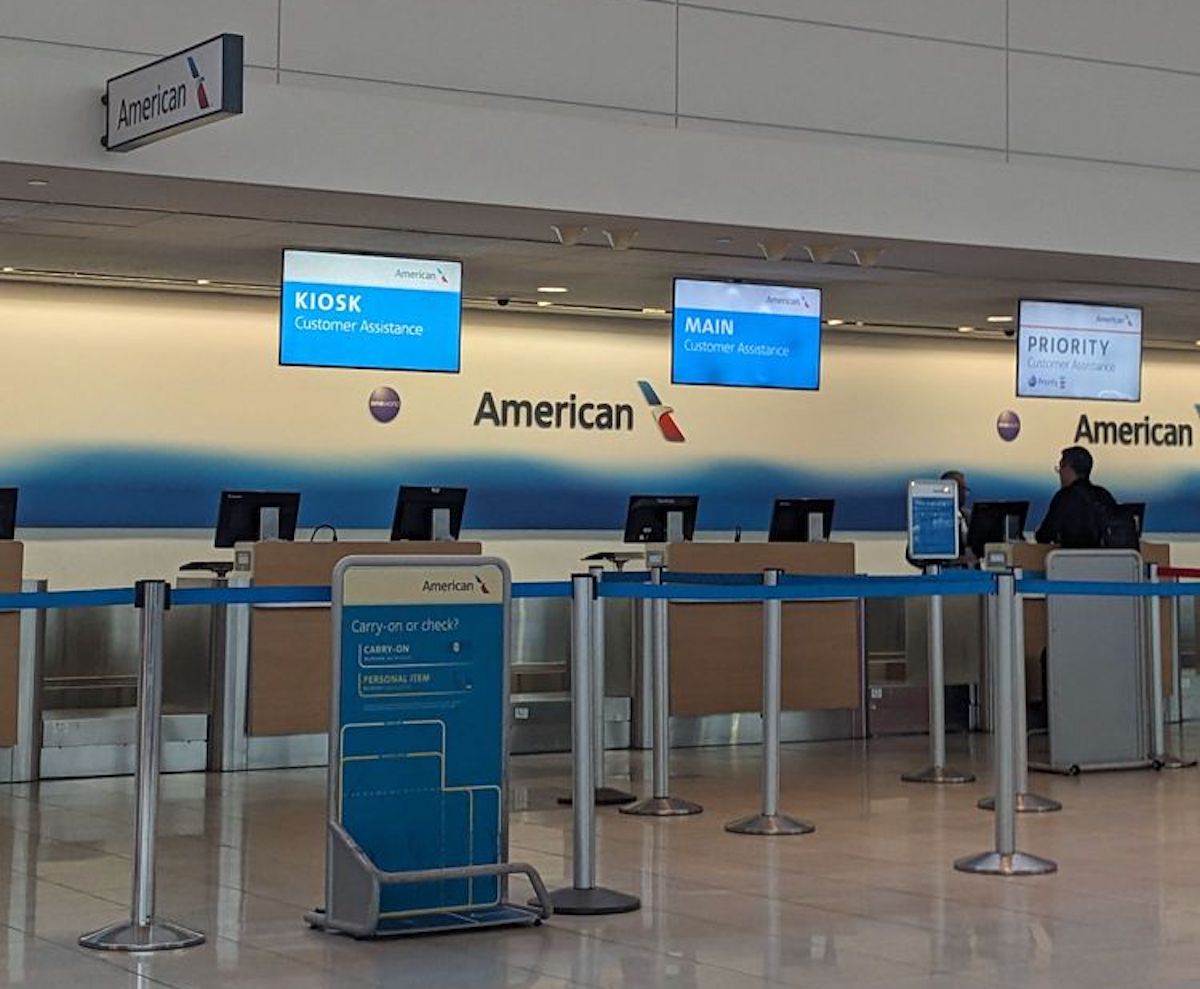
One of the biggest shifts in modern air travel has been the disappearance of complimentary checked luggage. Decades ago, checking at least one suitcase was simply part of the ticket price on most major airlines. Today, unless you’re flying internationally, hold elite status, or carry the right airline credit card, baggage fees have become a standard part of flying.
Many travelers describe checked bag fees as the moment airlines began unbundling nearly every aspect of the flying experience. On Reddit, frequent flyers often recall when packing for a trip didn’t require calculating whether a suitcase was worth an extra $35 to $50 each way. Others say baggage fees have encouraged more passengers to cram everything into carry-ons, leading to fuller overhead bins and slower boarding.
Complimentary Meals On Domestic Flights
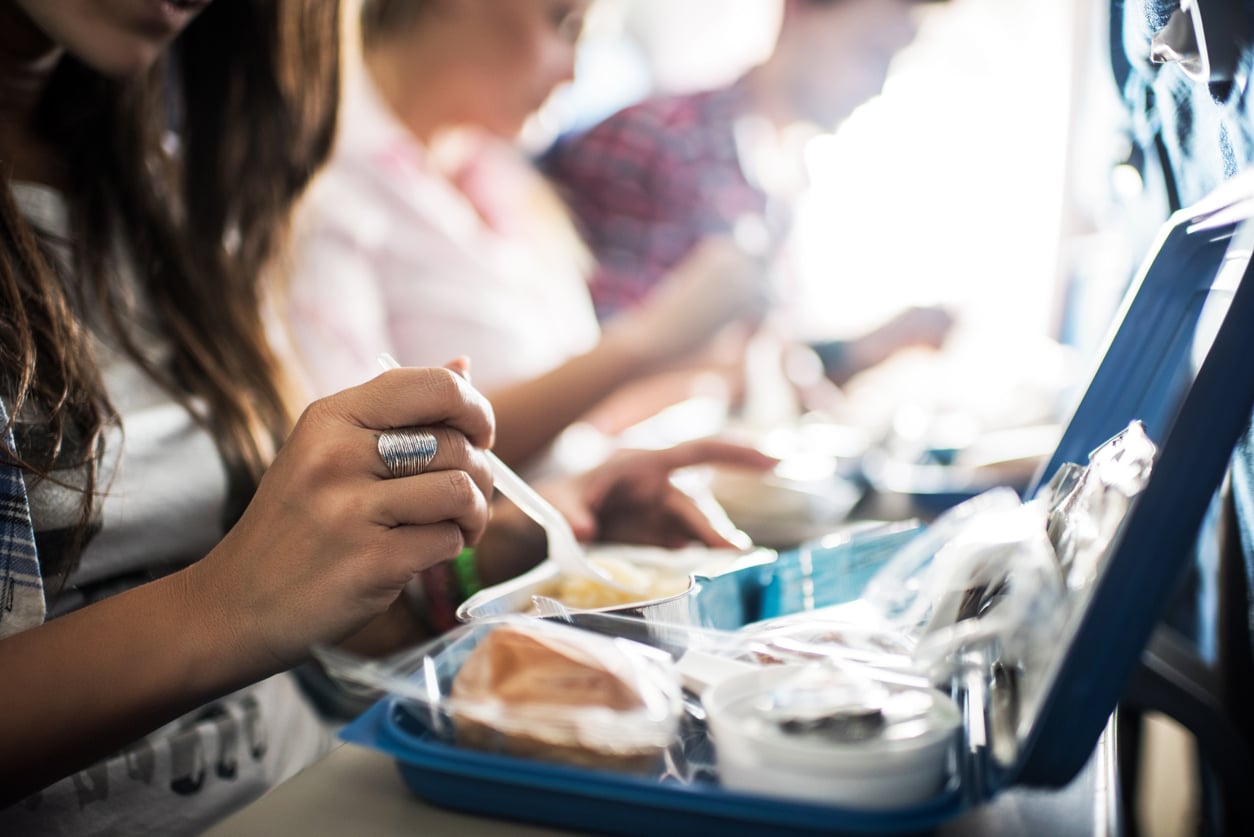
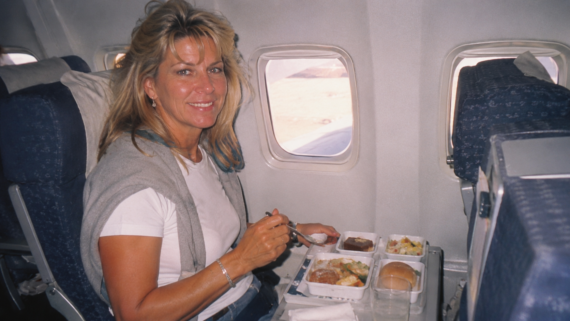
Not all that long ago, even relatively short domestic flights often included a complimentary meal or at least a filling snack. While the food wasn’t always gourmet, passengers generally expected something more substantial than a small bag of pretzels or cookies.
Today’s domestic economy passengers often receive only light snacks unless they’re flying cross-country or in premium cabins. Many travelers say they’ve adjusted by eating before arriving at the airport because they no longer expect airlines to provide a real meal. Reddit users frequently mention missing the novelty of being served food in the air, even if the meals themselves were fairly simple.
Larger Economy Seats
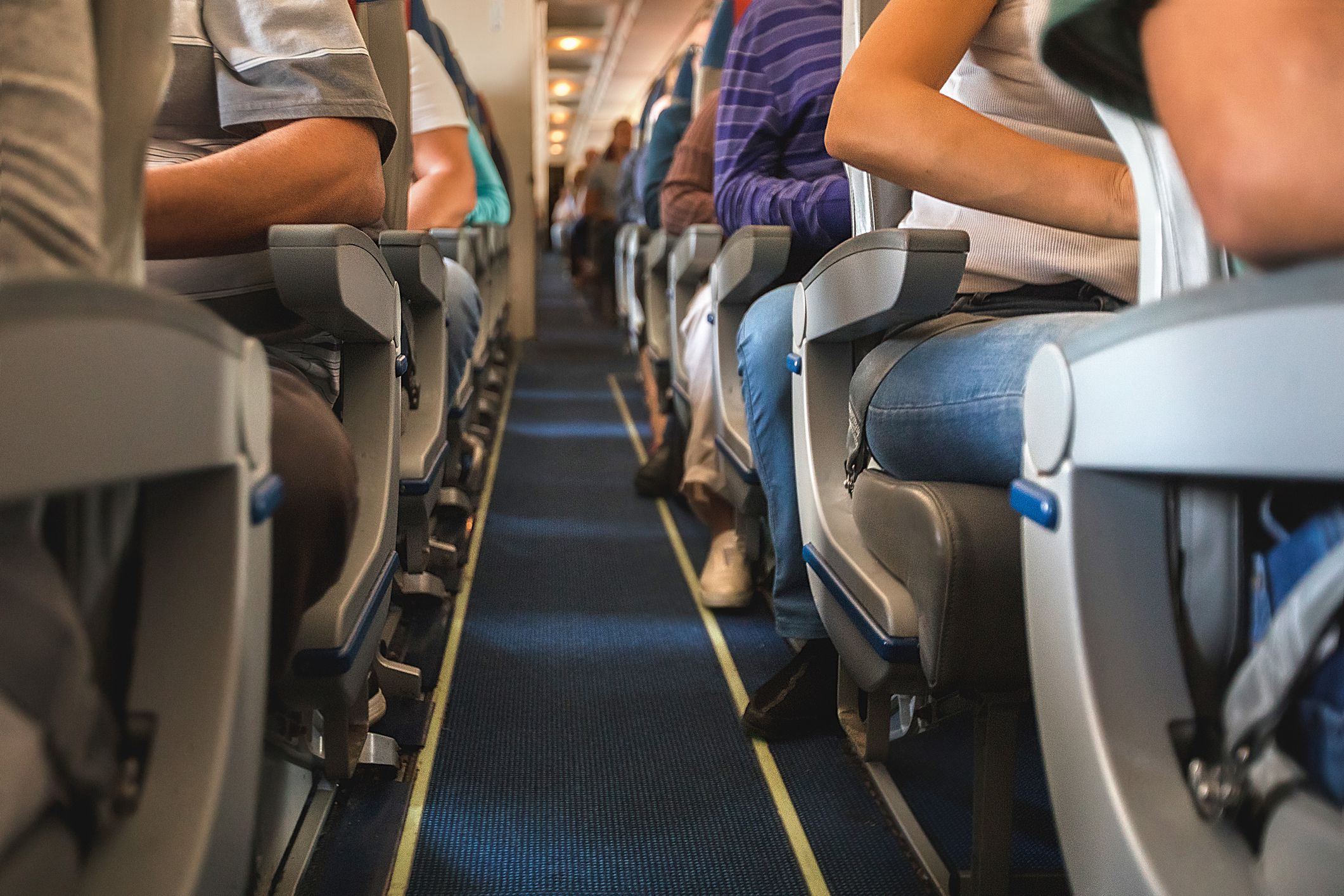
Airplane seats haven’t necessarily become dramatically narrower, but legroom has steadily declined as airlines added more rows to maximize capacity. Even a few inches of lost seat pitch can make several hours in economy feel significantly more cramped.
Frequent flyers often compare today’s standard economy cabins to what budget airlines once offered years ago. Online discussions regularly mention that flights seem more physically exhausting now, particularly for taller passengers who remember having enough room to comfortably cross their legs or work on a laptop.
Printed Timetables And Flight Magazines
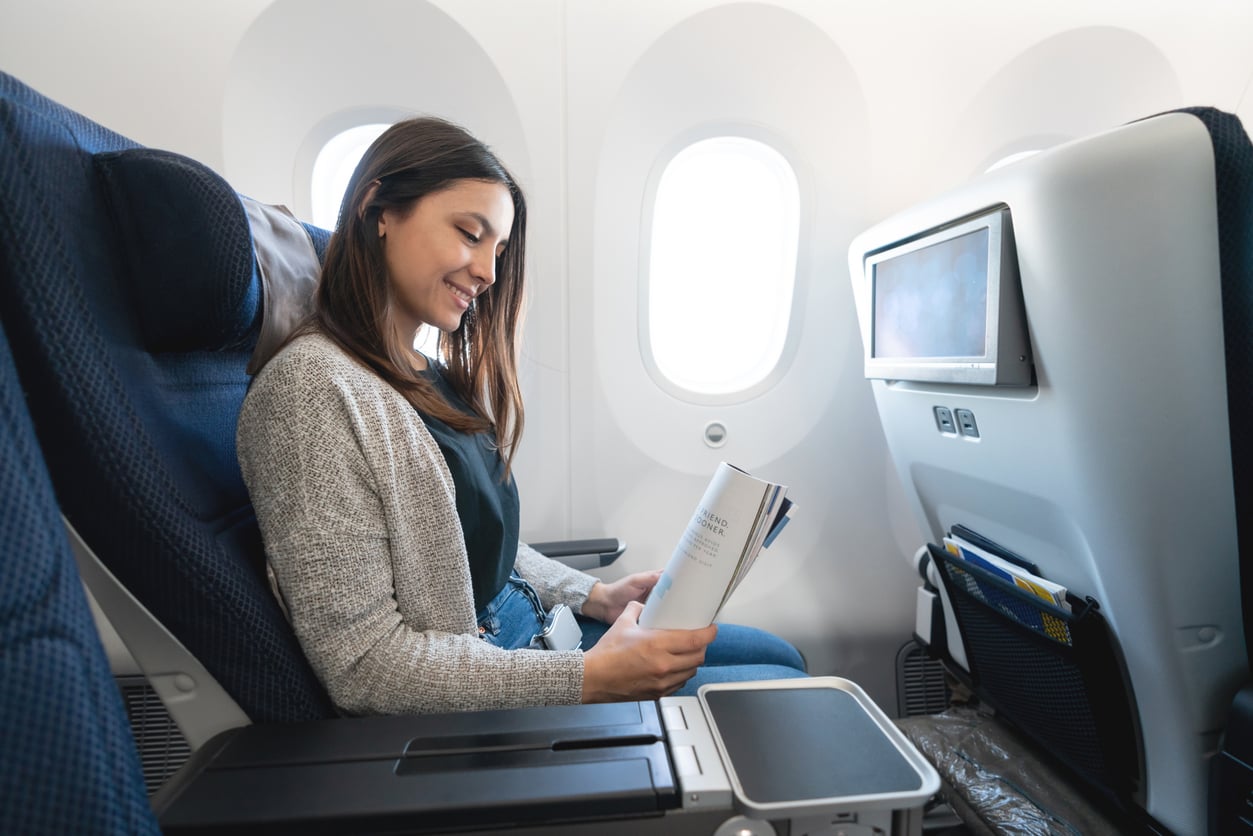
Airline magazines were once a familiar sight tucked into every seatback pocket. Beyond travel articles and destination features, they often included route maps, airline history, and detailed timetables that many aviation enthusiasts enjoyed browsing.
Today, many airlines have eliminated printed publications entirely in favor of digital apps and online content. Travelers on FlyerTalk and Reddit often say they miss flipping through the magazine during takeoff or discovering destinations they hadn’t previously considered visiting.
More Generous Frequent Flyer Programs
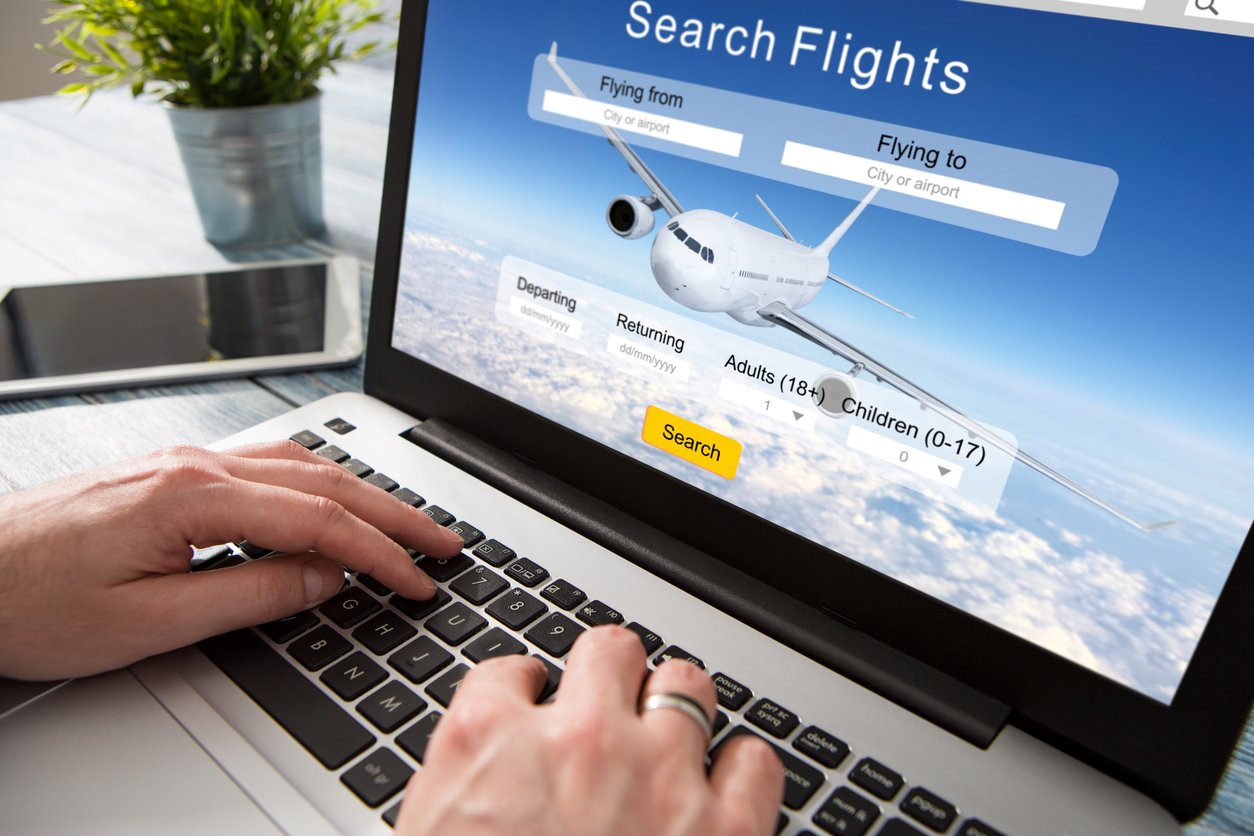
Loyalty programs once felt far more straightforward. Travelers earned miles based largely on distance flown, and redeeming those miles for award tickets was often easier than it is today.
Modern programs increasingly rely on dynamic pricing, spending requirements, and constantly changing redemption values. Frequent travelers frequently complain that airline miles simply don’t stretch as far as they once did, with award flights often requiring far more points than they expected. Discussions across FlyerTalk and Reddit regularly describe today’s loyalty programs as considerably more complicated than those of previous decades.
Trending on Cheapism
Free Advance Seat Selection
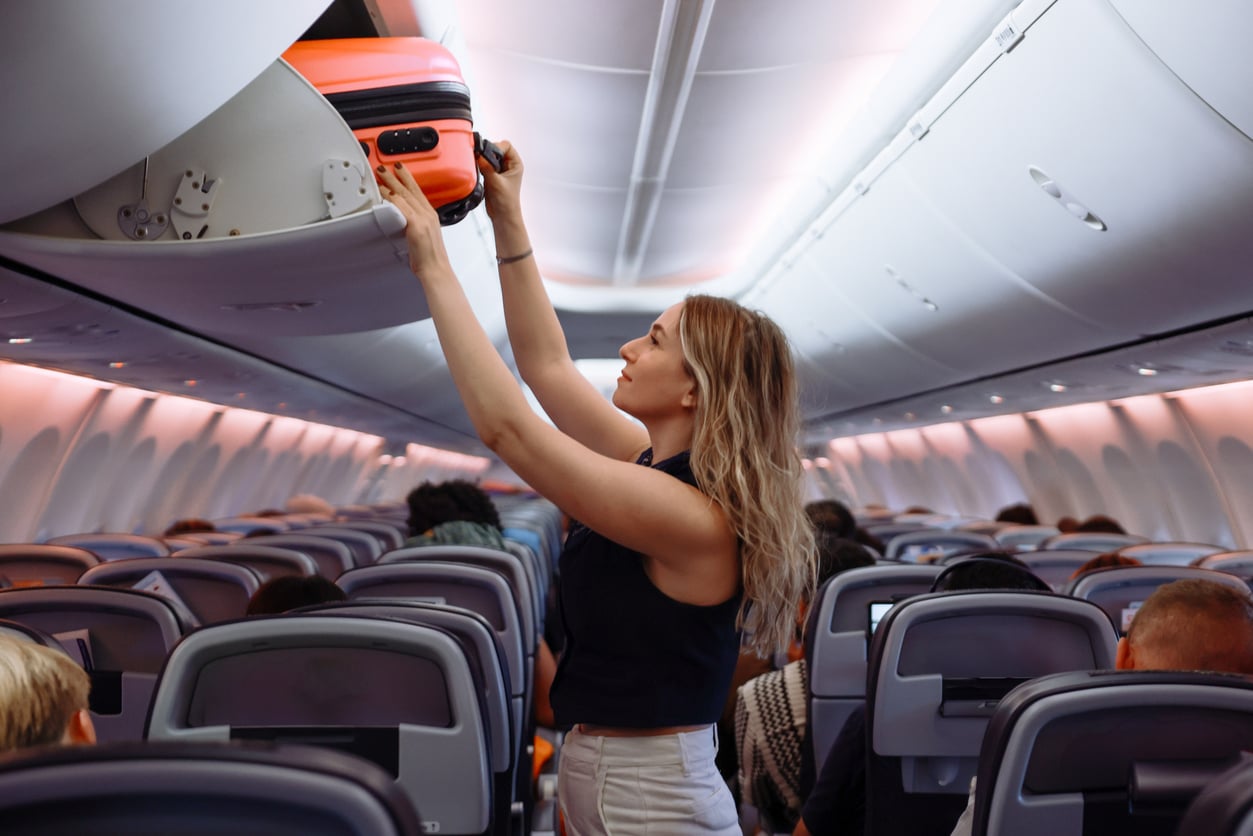
Choosing your seat used to be one of the simplest parts of booking a flight. After purchasing a ticket, most travelers could immediately select a preferred aisle or window seat without thinking twice.
Today, many airlines charge even economy passengers to reserve standard seats in advance, particularly on basic economy fares. Families and couples often cite paid seat selection as one of the most frustrating examples of airlines turning former standard services into optional purchases. Reddit discussions frequently include stories of travelers intentionally waiting until check-in rather than paying extra for seats.
Real Pillows And Blankets In Economy
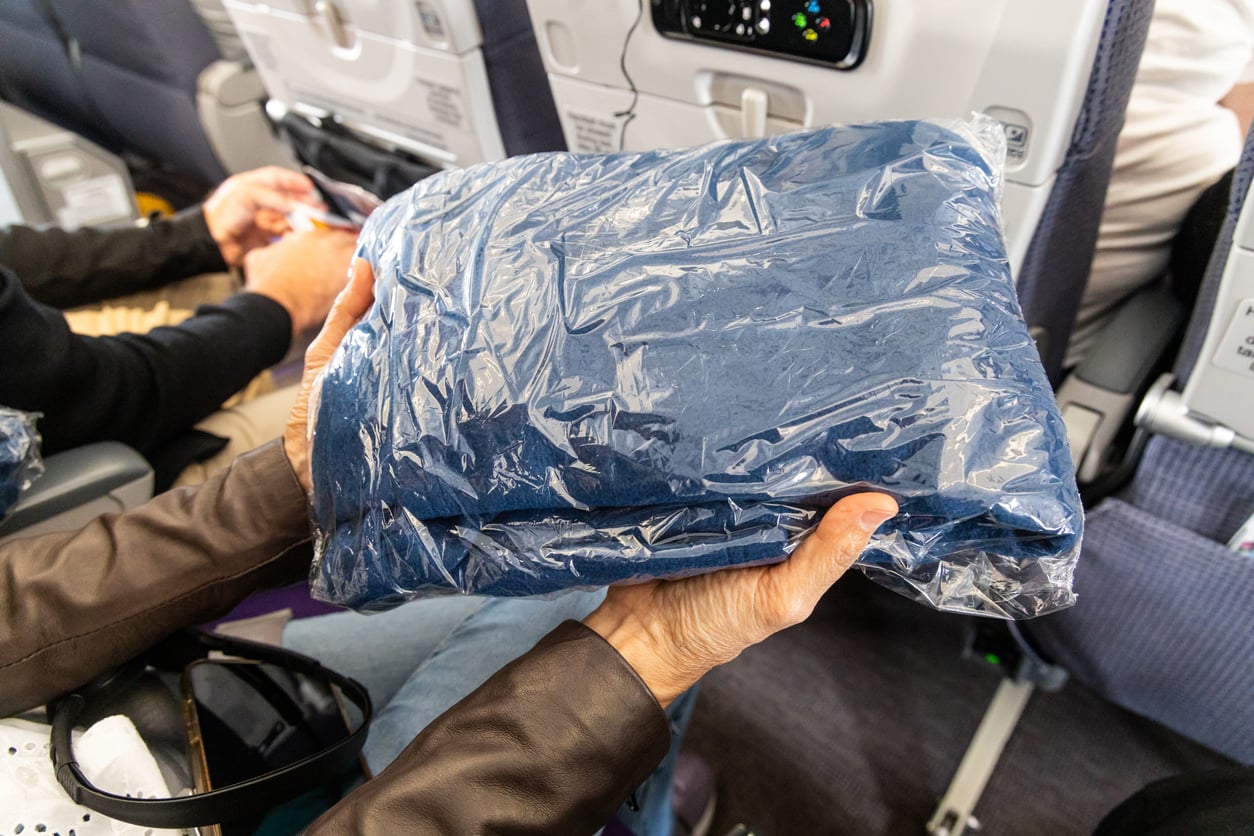
Overnight flights once commonly included complimentary pillows and blankets, even for passengers flying in economy. They weren’t luxurious, but they made long flights noticeably more comfortable.
While many international airlines still provide bedding on long-haul routes, others have reduced availability or reserve upgraded blankets for premium cabins. Frequent travelers often say overnight flights now require packing their own travel blanket or neck pillow if they want to sleep comfortably.
Kids Visiting The Cockpit
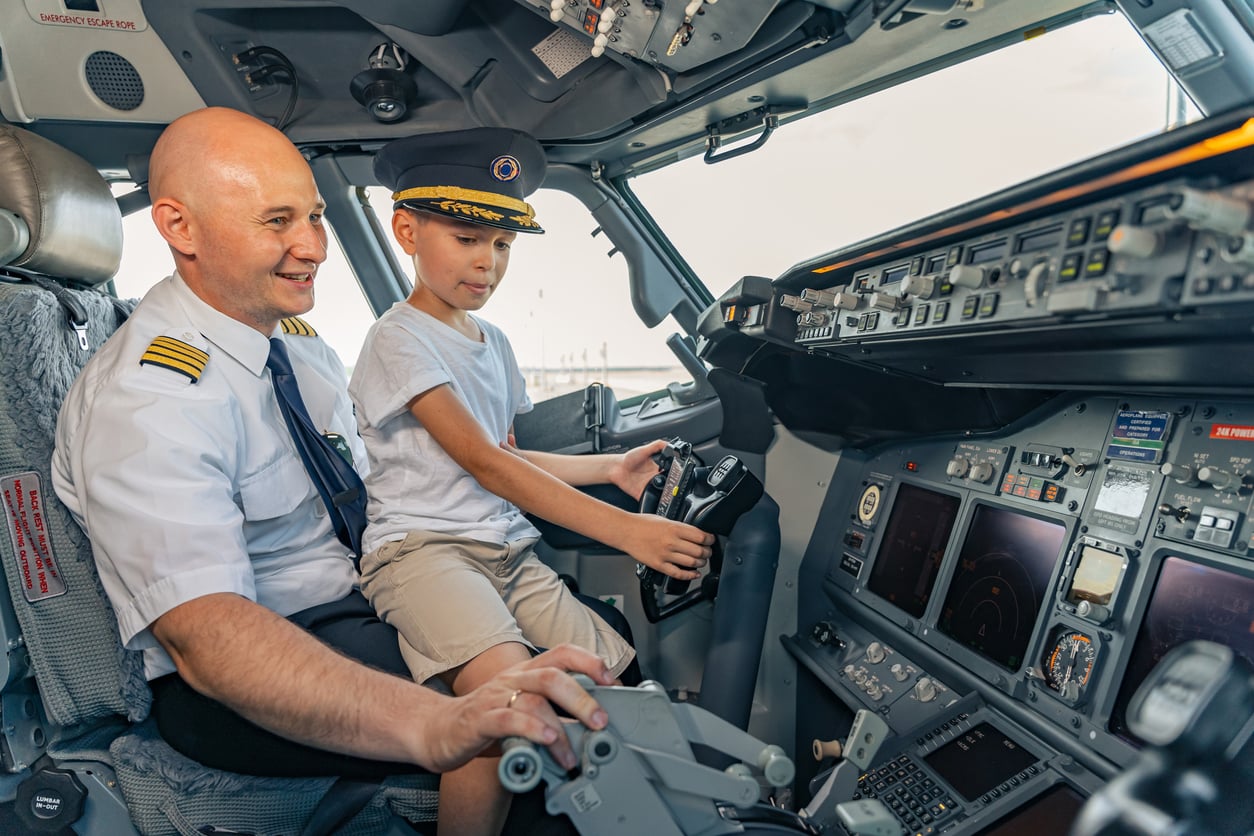
Before September 11, many children looked forward to visiting the cockpit before takeoff. Pilots frequently welcomed young passengers, answered questions, and sometimes handed out plastic pilot wings that became treasured souvenirs.
Security changes permanently ended that tradition for most commercial flights. Many adults now remember those cockpit visits as one of their favorite childhood travel memories, and discussions about lost airline perks often mention how special those experiences felt.
Sign up for our newsletter
Complimentary Alcohol
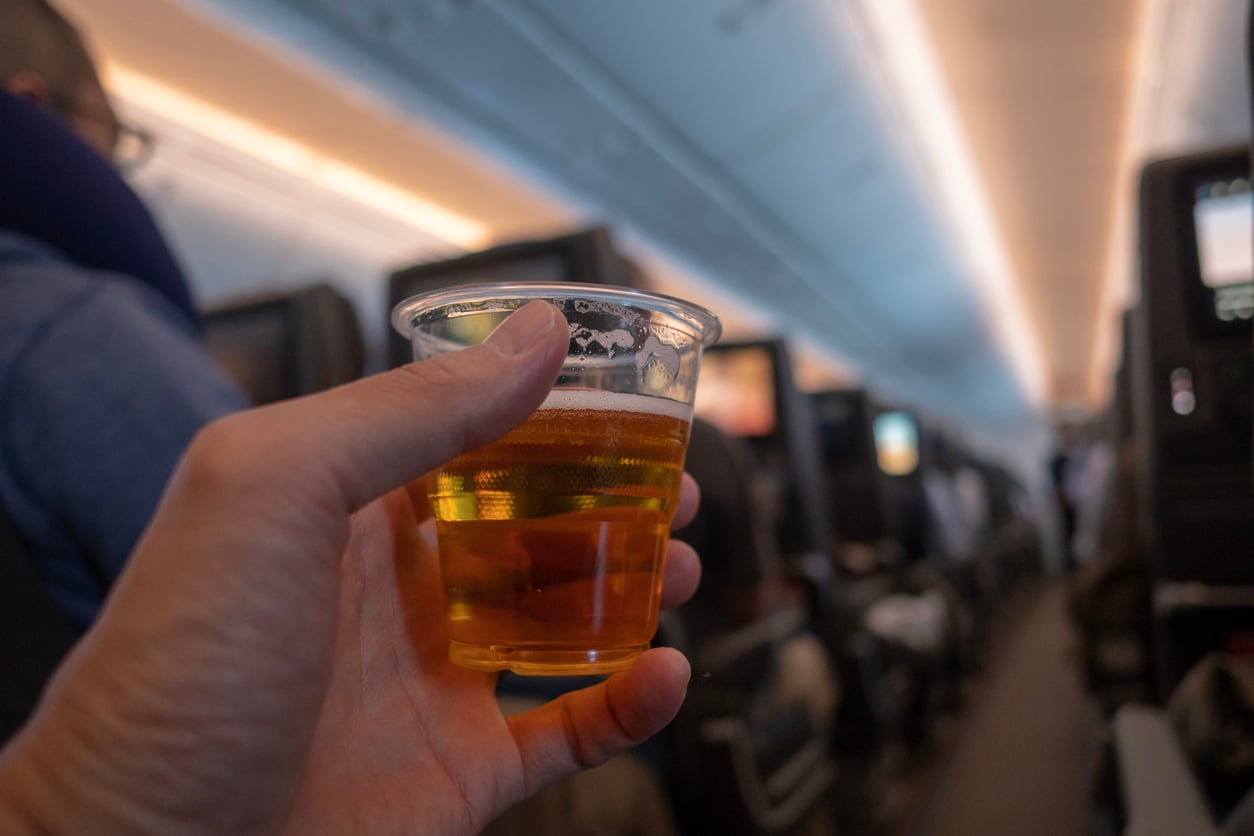
Ordering a beer, glass of wine, or cocktail in economy used to be fairly common on many domestic airlines. Complimentary alcoholic beverages were viewed as part of the overall onboard experience rather than an extra purchase.
Today, free alcohol is generally reserved for premium cabins, elite frequent flyers, or many international routes. Economy passengers on domestic flights usually purchase drinks separately, leading many longtime travelers to include complimentary cocktails among the perks they miss most.
Airport Skycaps Handling Bags For Everyone
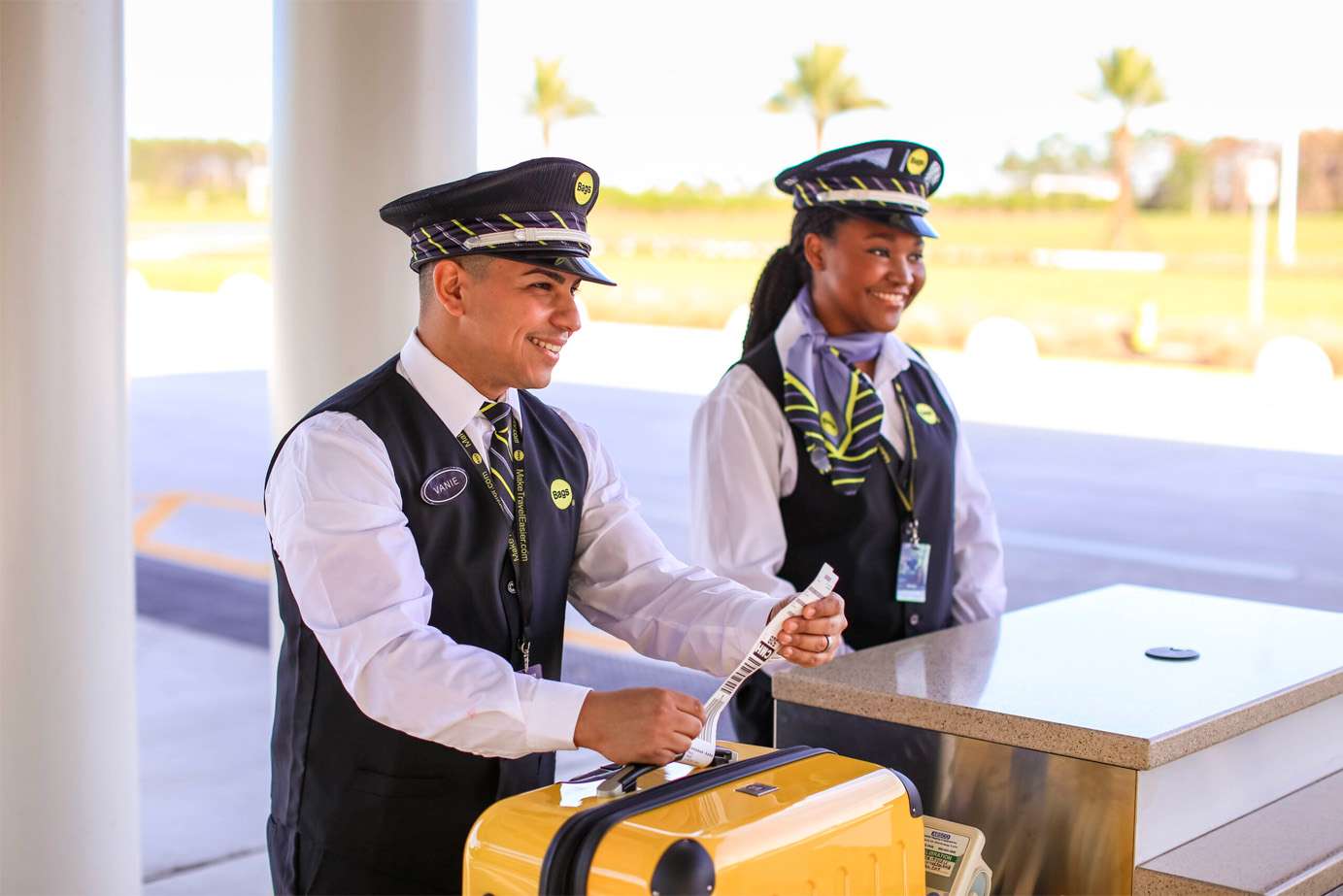
Curbside baggage assistance once made arriving at the airport considerably easier. Skycaps greeted passengers outside the terminal, checked luggage, and helped move heavy bags before travelers even entered the building.
Although the service still exists at some airports, many travelers say it’s become much less visible or unavailable at their local airports. Those who remember traveling with large families or multiple suitcases often recall skycaps as one of the small conveniences that made flying feel less stressful.
More Spacious Boarding Areas
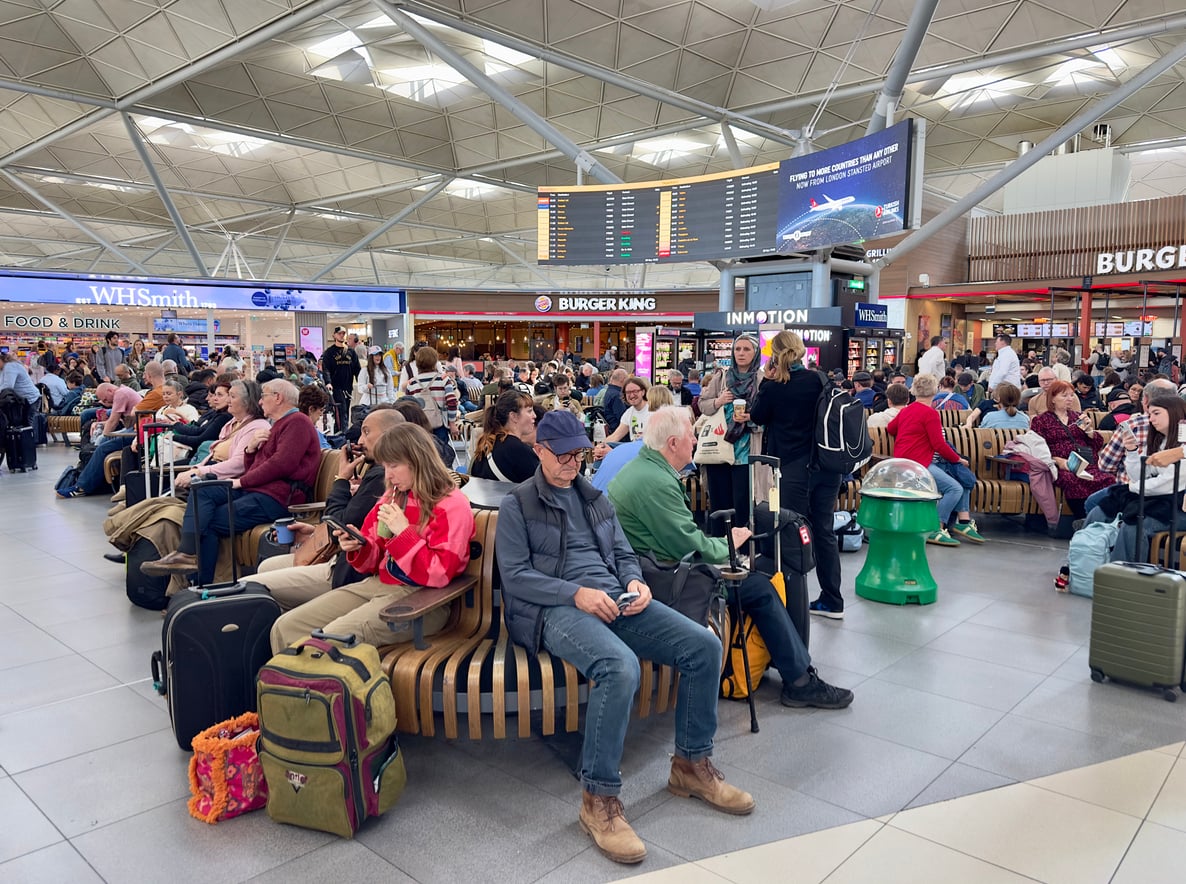
Modern airports frequently feel crowded long before passengers board the aircraft. Airlines regularly fill flights to high capacity, leaving gate areas packed with travelers competing for limited seating and charging outlets.
Many longtime flyers remember boarding areas that felt noticeably calmer, with enough seating for nearly everyone waiting to board. Travelers often attribute today’s crowded gates to consistently fuller flights and larger passenger volumes rather than airport design alone.
Complimentary Headphones And Better Inflight Entertainment
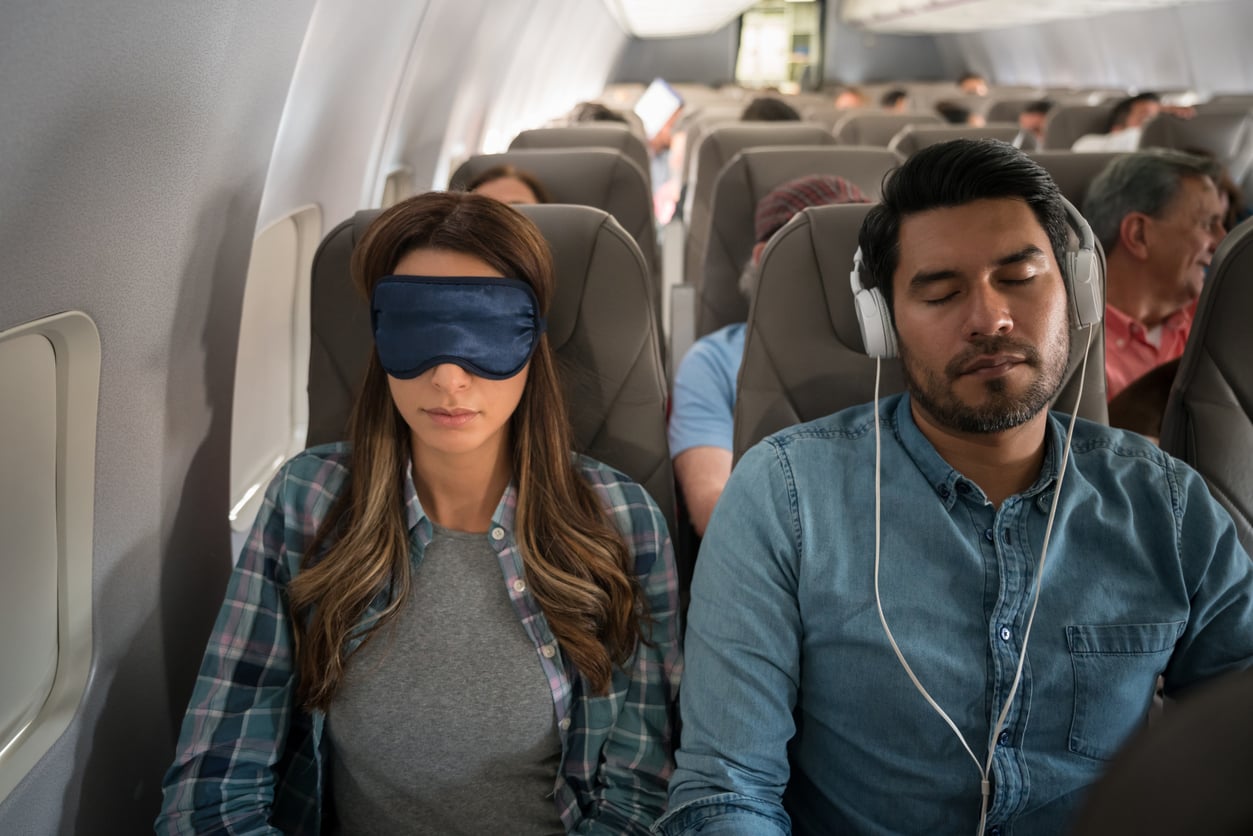
Seatback entertainment systems were once considered one of the highlights of flying, particularly on longer trips. Airlines often distributed complimentary wired headphones so every passenger could enjoy movies, television shows, or music without bringing anything from home.
Today, many airlines encourage travelers to stream entertainment through their own phones or tablets, while complimentary headphones have become far less common in economy. Frequent flyers increasingly arrive prepared with downloaded movies, charging cables, and their own noise-canceling headphones—something many say wasn’t necessary years ago.
Why Flying Feels More Transactional Than It Once Did
Most travelers understand why airlines have made many of these changes. Fuel costs, labor expenses, tighter competition, and the rise of ultra-low-cost carriers have pushed airlines to separate services that were once bundled into the ticket price. Charging individually for bags, seat assignments, meals, and other amenities allows carriers to advertise lower base fares while letting passengers choose which extras they actually want.
Still, frequent flyers often say something intangible has been lost along the way. It’s not necessarily one major perk they miss—it’s the accumulation of dozens of small conveniences that once made flying feel a little more comfortable, a little less stressful, and a little more like the journey itself was part of the vacation.