Hotel changes have not all been bad. Mobile keys can be handy, newer rooms often have better outlets, and many properties look cleaner than they did decades ago. Still, frequent travelers say some updates have made vacations feel less restful and less generous. As the American Hotel & Lodging Association tracks how hotels adapt to modern guest expectations, longtime guests are noticing what has quietly disappeared from the hotel experience.
Daily Housekeeping Is No Longer Automatic Everywhere
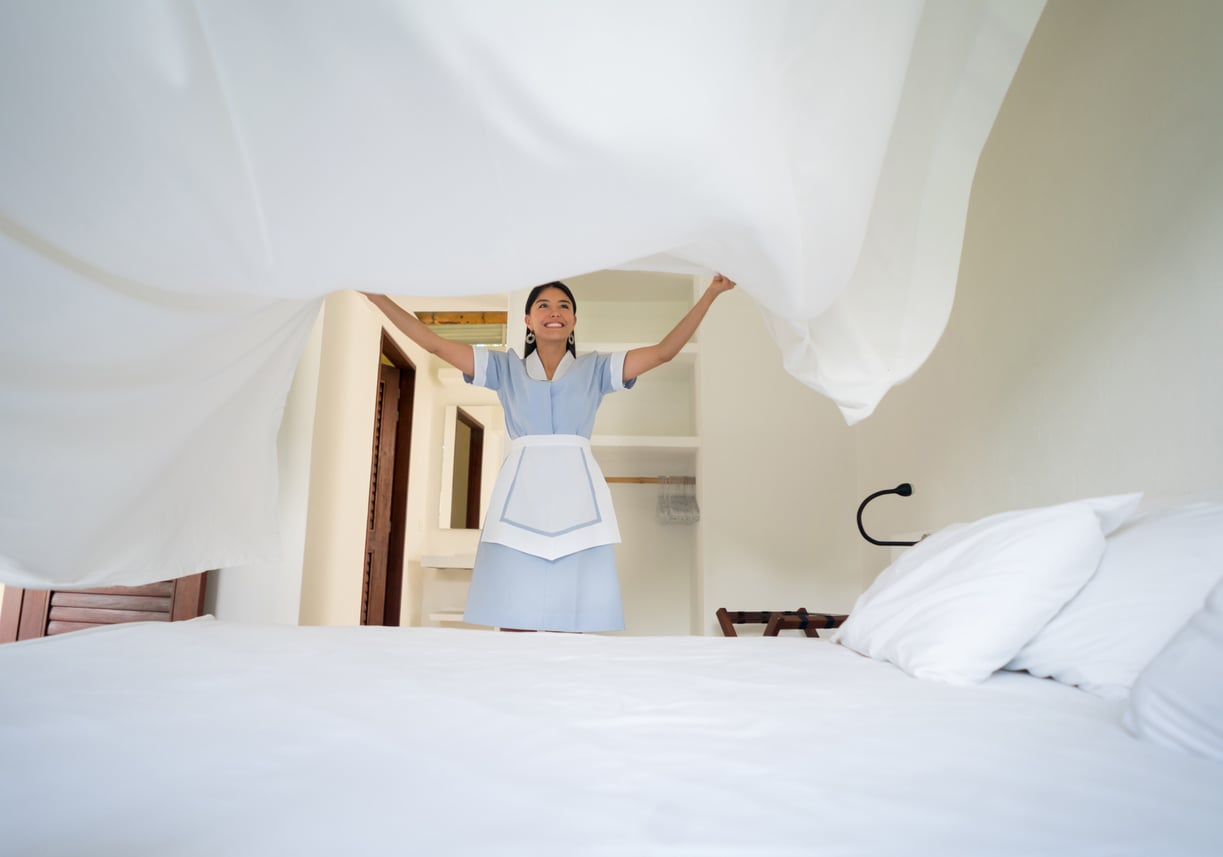
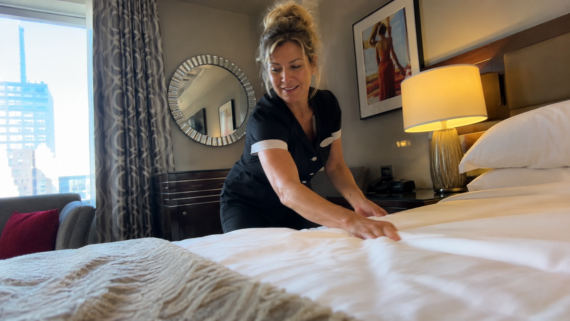
For many travelers, this is the change that still stings most. A hotel room used to feel reset every afternoon: bed made, towels replaced, trash gone, bathroom freshened. Now, housekeeping often depends on the brand, length of stay, and whether you request it. Reddit user Longjumping_Method51 summed up the frustration around reduced service: “We’re paying more than ever and getting less service”.
Resort Fees Still Make The Room Feel More Expensive

Resort fees are especially irritating because they make a hotel feel less straightforward before the vacation even starts. The FTC’s junk-fee rule now requires hotels and short-term lodging businesses to show mandatory fees upfront, but it does not ban the fees. That means travelers may see the real total earlier, but they can still end up paying for gym access, Wi-Fi, or bottled water. In one Reddit hotel thread, a traveler complained about a $33 fee at a Los Angeles hotel with “no pool, no shuttle, no bar, no nothing”.
Rooms Look Sleeker But Feel Colder
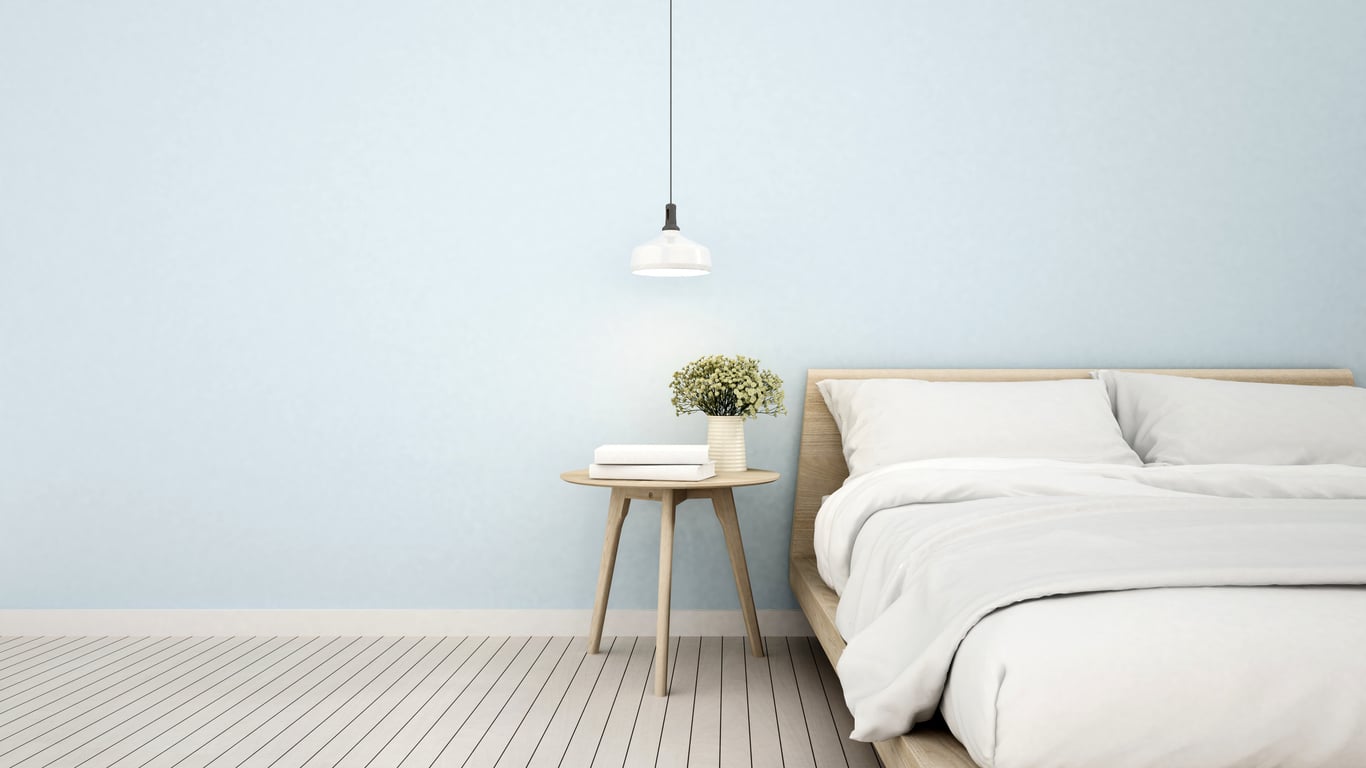
A lot of newer hotels have traded heavy curtains, armchairs, carpet, and warm decor for bare floors, gray walls, platform beds, and furniture that looks designed for photos more than comfort. Some guests like the cleaner, easier-to-maintain feel, especially if they worry about old carpets or dusty upholstery. But others miss rooms that felt soft, quiet, and settled.
Lobbies Have Turned Into Work Zones
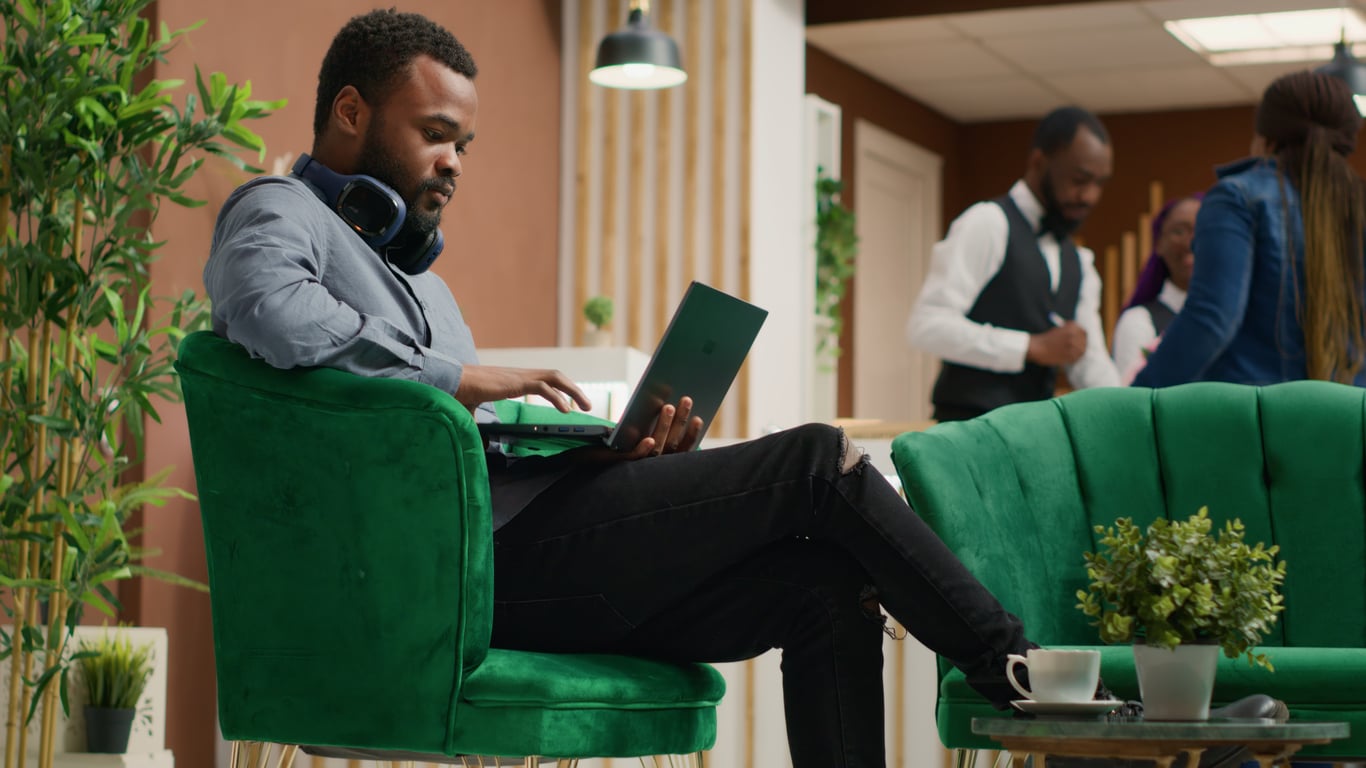
Hotel lobbies used to be places to sit quietly, wait for family, read a paper, or relax before dinner. Now many feel like laptop lounges, coffee shops, or coworking spaces. That works well for remote workers, and some hotel brands openly lean into flexible workspace use. CitizenM, for example, has promoted its “living rooms” as work-friendly spaces for freelancers and hybrid workers. But for vacationers, especially older travelers who want calm public areas, the lobby can feel less like hospitality and more like an office with a bar.
Open-Concept Bathrooms Have Gone Too Far
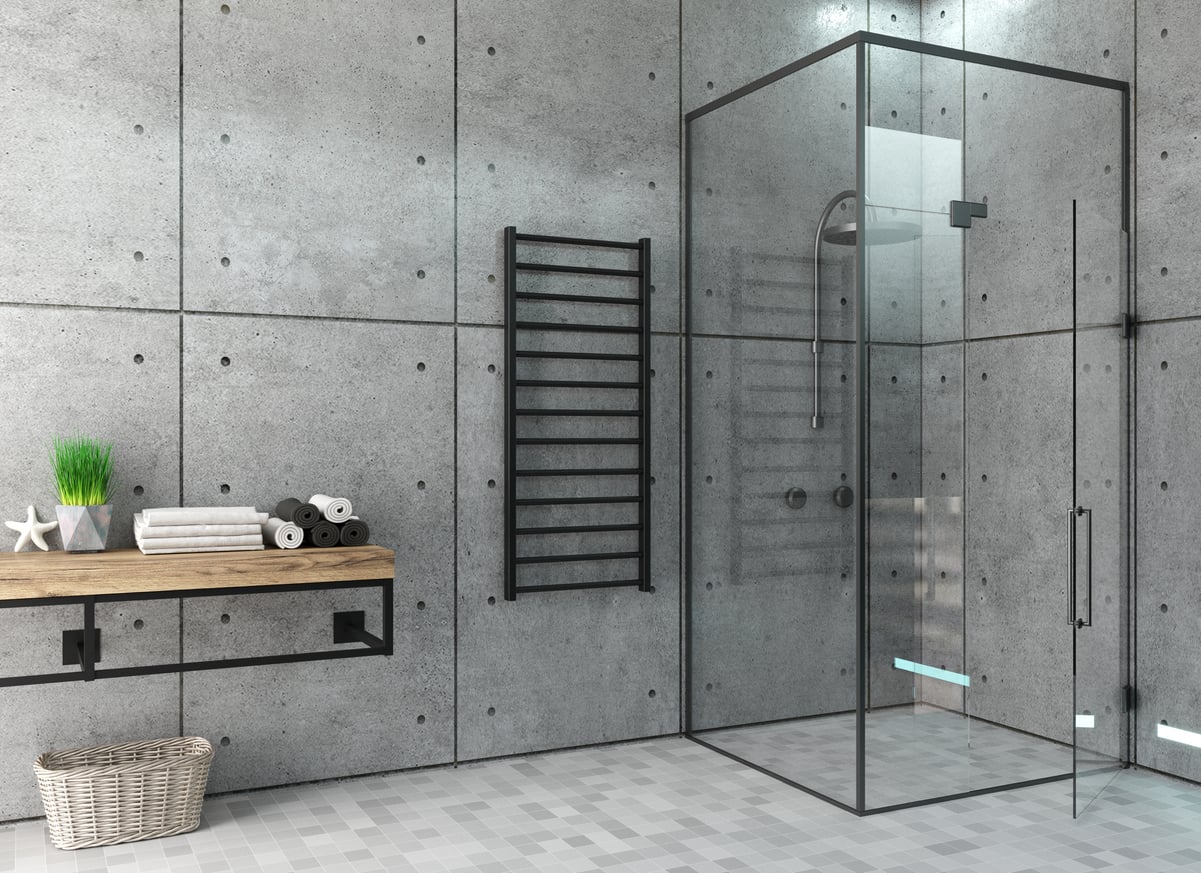
This is one of those “who asked for this?” hotel changes. Many travelers complain about frosted glass doors, sliding barn doors with gaps, showers that splash water across the floor, and bathrooms that offer less privacy than a normal bedroom door. In a Reddit travel thread, one user asked why hotels now have “open plan bathrooms with zero privacy,” especially when people are traveling with friends or family.
Trending on Cheapism


Free Breakfast Is Less Reliable Than It Used To Be

A simple hotel breakfast can save a family real money, which is why travelers notice when it disappears, shrinks, or turns into a voucher. Some brands still use free breakfast as a selling point, and AP has reported that hotel breakfasts remain a major value perk for many families. But other properties have moved toward paid breakfast rates, elite-only benefits, credits, or limited offerings.
Late Checkout Feels Harder To Count On

Late checkout can make the last day of a trip feel civilized. Without it, travelers are back to packing in a rush, storing luggage, and killing time before an afternoon flight. Frequent guests say this perk has become more inconsistent, especially at busy properties. In one Marriott Reddit thread, user lazyjag wrote that late checkout can make “a large difference” when a flight or drive is later in the day, but wished it were better integrated so key cards did not automatically stop working at the usual checkout time.
Noise Has Become A Dealbreaker
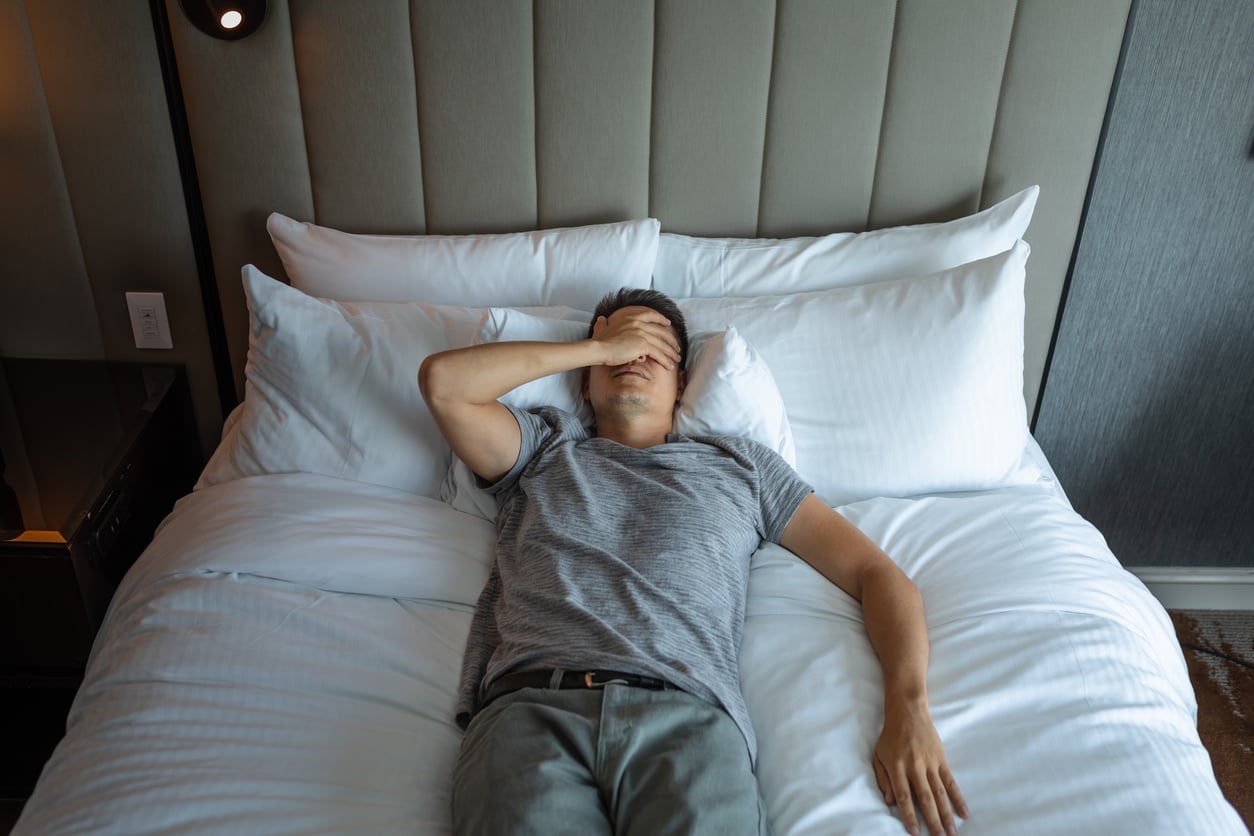
A vacation is not relaxing if you cannot sleep. Travelers repeatedly complain about thin walls, loud hallway doors, elevator noise, traffic, and neighboring televisions. Reddit user UmpireEast8898 wrote, “I felt in general the soundproofing of hotels gone worse and worse.” Another traveler said hotel chains advertise updated rooms but forget the reason people book rooms: “TO SLEEP!” For light sleepers, a cheaper room can quickly become a bad value.
Sign up for our newsletter
Barebones Rooms Have Less Storage

Some modern hotel rooms seem designed for one night and one small bag. Closets, drawers, luggage racks, desks, and real chairs are often replaced by pegs, hooks, wall shelves, or fold-down furniture. That may help hotels fit more rooms into tight city buildings, but it makes longer stays messier. In a Marriott discussion about Moxy, one traveler described rooms with “no closet, just hooks on the wall.”
Apps Are Replacing People
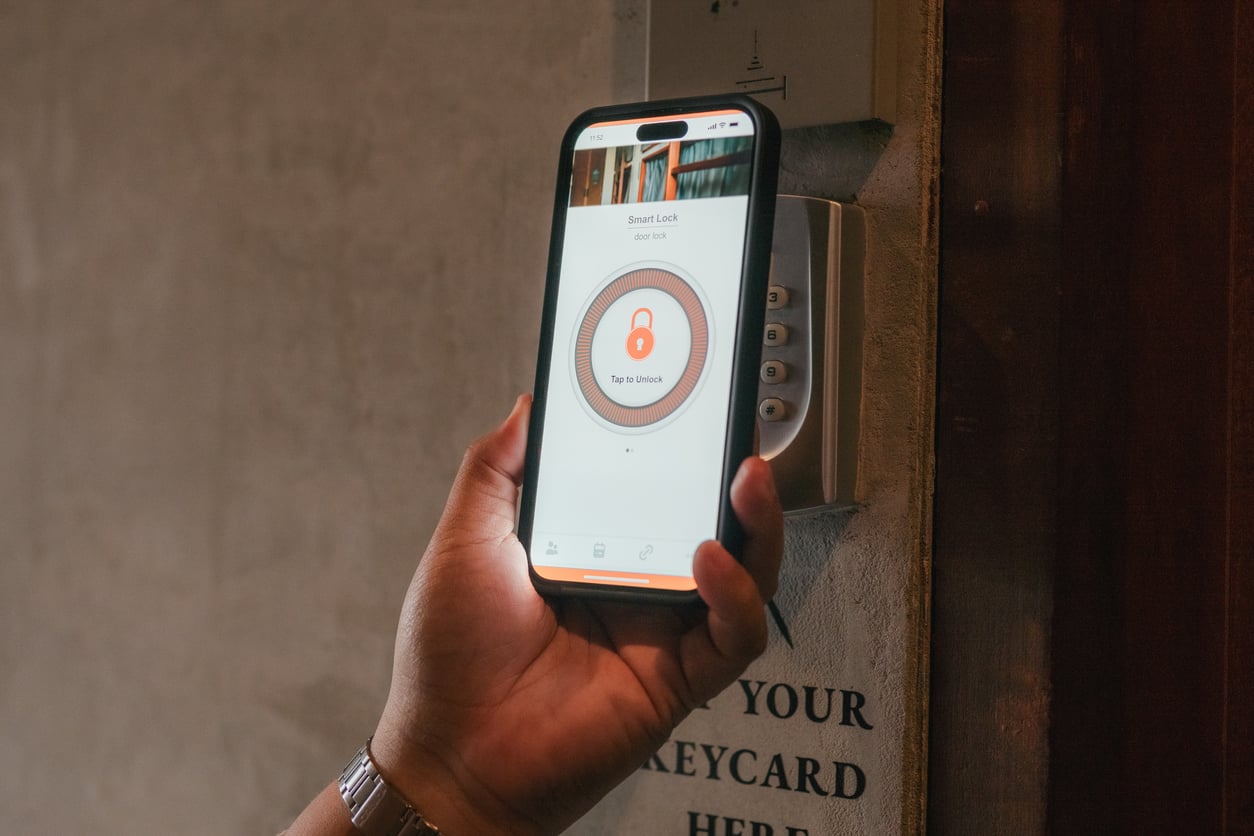
Digital check-in, mobile keys, and app-based service requests can be great when everything works. Hilton’s app, for example, lets guests check in, choose a room, chat with the hotel, and use a digital key. But not everyone wants a hotel stay to feel like troubleshooting software. In one recent Reddit travel thread about self check-in, a commenter said they liked the option to go straight to the room, but still appreciated “being able to talk to a live person at the property” when needed.
The Little In-Room Extras Have Disappeared
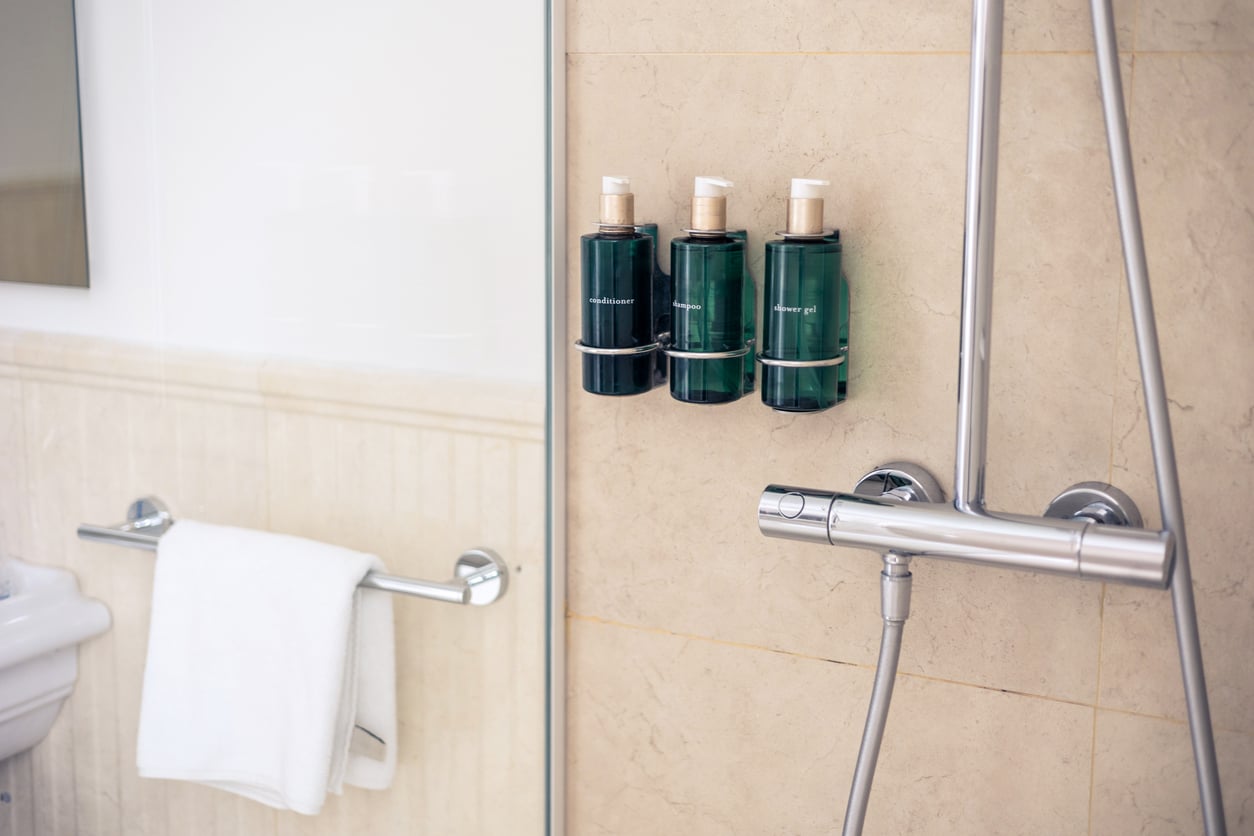
Older travelers often remember when hotel rooms came with more small conveniences: stationery, sewing kits, shower caps, extra toiletries, magazines, pens, notepads, and sometimes a welcome snack or bottled water. None of those items made a hotel luxurious on their own, but together they made the room feel considered. Many hotels now keep extras behind the front desk, offer them only on request, or skip them entirely.
Everything Feels Like An Upsell
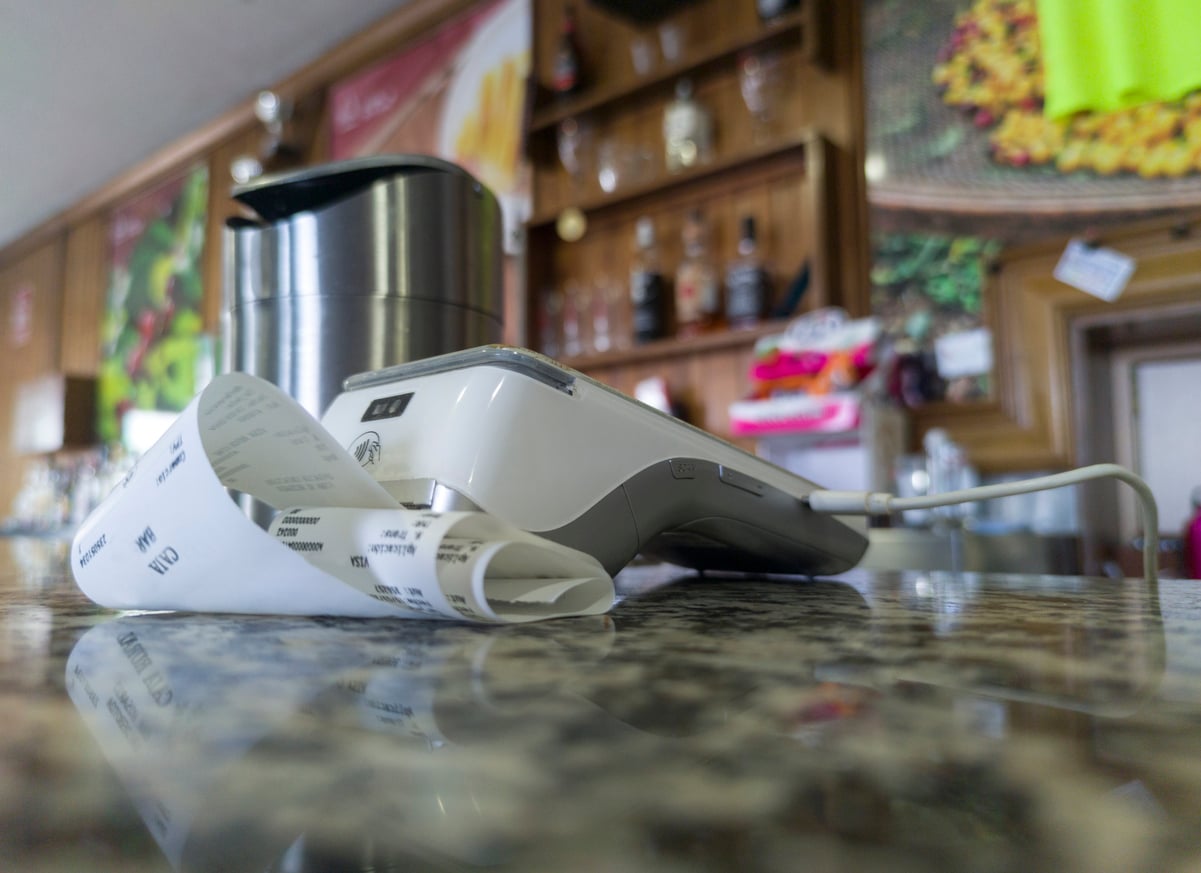
The hotel bill can now feel like an airline ticket: base price first, then parking, breakfast, upgraded Wi-Fi, early check-in, late checkout, destination fees, better views, and pet fees. Not all of these charges are unfair, and some guests prefer paying only for what they use. Reddit user Longjumping_Method51 complained that hotels should “just include it in the price” so travelers know the real cost upfront.