Buying in bulk isn’t the guaranteed money-saver it once was. Warehouse clubs, grocery chains, and online retailers all advertise bigger packages as better deals, but inflation, shrinkflation, and increasingly aggressive promotions have made that assumption less reliable. In many cases, the larger package is only marginally cheaper—or even more expensive per ounce than a sale-priced standard size.
Savvy shoppers in 2026 are taking a different approach. Rather than buying everything in bulk, they’re focusing on products with long shelf lives, comparing unit prices instead of package prices, and avoiding oversized purchases that often end up wasted. They’re also taking advantage of warehouse store private labels, freezer space, and meal planning to maximize savings.
The following tips reflect guidance from consumer organizations, warehouse shopping experts, USDA food storage recommendations, and experienced bulk buyers who prioritize lowering grocery bills without filling their homes with products they won’t actually use.
Compare Unit Prices—Not Package Prices

The biggest package isn’t automatically the best bargain, even though bulk packaging often creates that impression. The most reliable way to compare products is by looking at the unit price displayed on shelf labels, which typically lists the cost per ounce, pound, or individual item. Grocery stores increasingly use promotions that allow standard-size packages to beat warehouse pricing, especially during weekly sales or when coupons are available. Manufacturers also package products in different sizes, making direct price comparisons more difficult unless shoppers focus on unit pricing. Checking grocery store apps alongside warehouse prices can reveal surprising savings, making unit-price comparisons one of the simplest habits for avoiding unnecessary spending.
Buy Meat in Bulk Only If You’ll Freeze It Properly

Warehouse stores often offer some of the best prices on meat, but those savings disappear if food spoils before it’s used. Instead of freezing large family packs intact, divide steaks, chicken breasts, ground beef, and other meats into meal-sized portions before storing them. Vacuum sealers provide the best protection against freezer burn, but heavy-duty freezer bags with as much air removed as possible also work well. Labeling each package with the contents and freezing date helps rotate older items first. USDA guidance recommends following appropriate freezer storage times to maintain quality, making proper preparation just as important as finding a good sale.
Stock Up When Pantry Staples Hit Their Lowest Prices
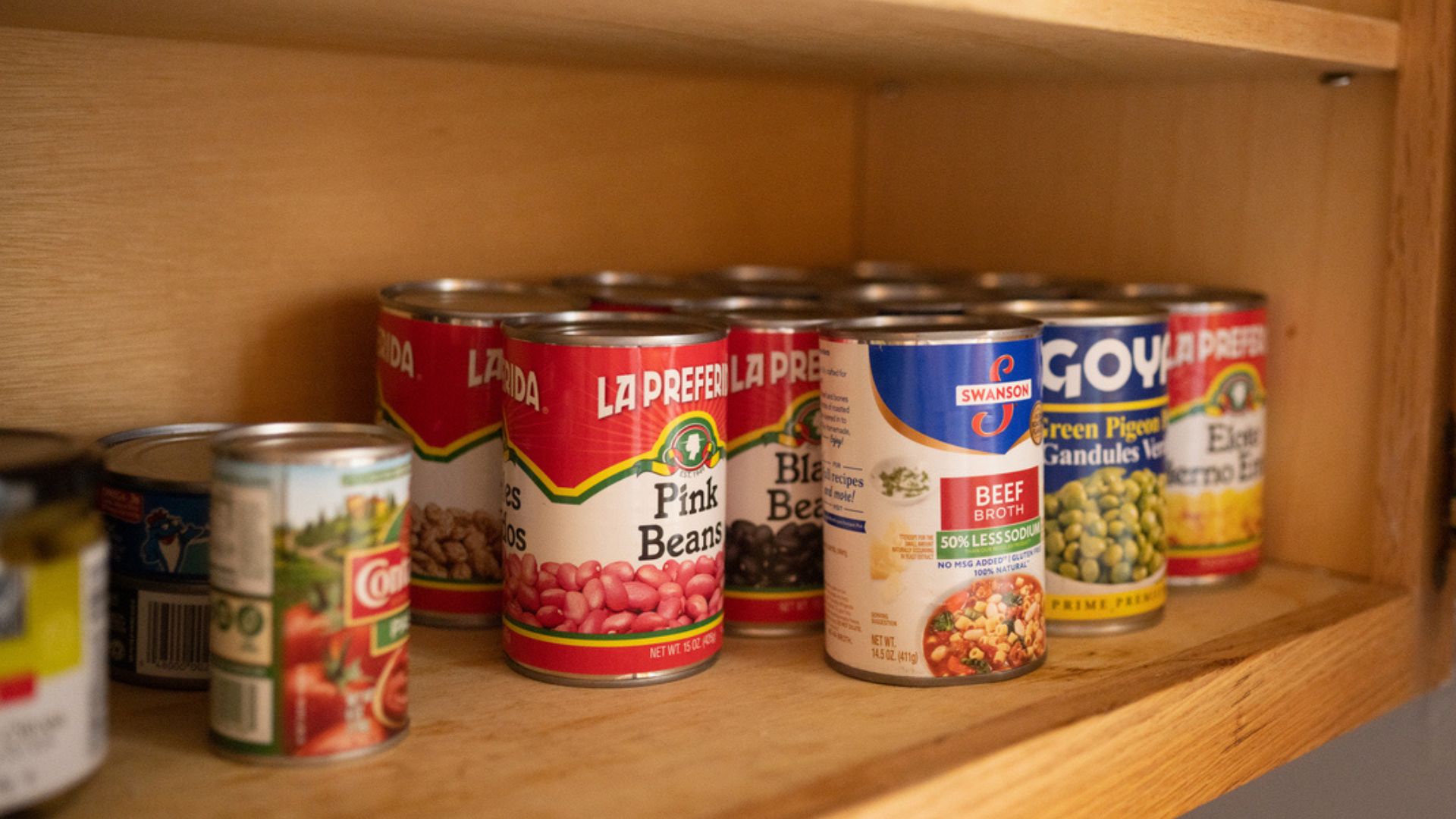
Warehouse clubs aren’t always the cheapest place to buy pantry staples. Grocery store sales, combined with digital coupons or loyalty rewards, can often beat bulk warehouse pricing on products like pasta, rice, canned beans, flour, and sugar. Rather than panic buying large quantities all at once, experienced shoppers gradually build a pantry whenever prices reach seasonal lows. This approach spreads out spending while ensuring essential ingredients are always available. Over time, stocking up strategically during sales often produces larger savings than relying on warehouse shopping alone.
Focus on Products You Use Every Week
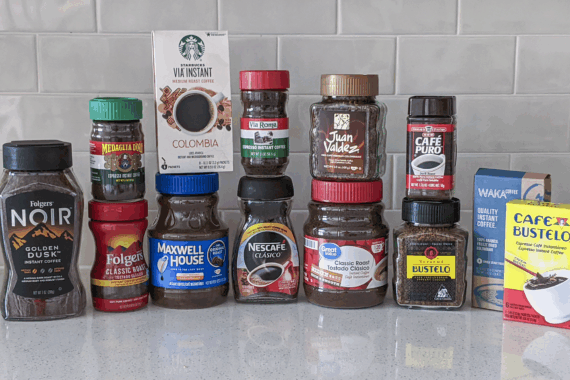
Bulk purchases only save money when they actually get used. Products your household consistently buys—such as coffee, oatmeal, peanut butter, toilet paper, dish soap, and laundry detergent—are generally safer bulk purchases than items you only use occasionally. Tracking how quickly your family goes through everyday essentials can help determine which products deserve larger purchases and which are better bought in smaller quantities. This realistic approach prevents clutter and reduces expired products. Consistently buying high-turnover items in bulk delivers far greater long-term savings than purchasing oversized packages simply because they appear to be a bargain.
Let Warehouse Store Private Labels Do the Heavy Lifting
Private labels have become one of the biggest reasons shoppers continue paying for warehouse memberships. Costco’s Kirkland Signature, Sam’s Club’s Member’s Mark, Aldi’s private labels, and Walmart’s Great Value frequently rival national brands while offering lower prices per serving. Products like Kirkland Greek yogurt and olive oil, Member’s Mark cheese, Aldi butter, and Great Value frozen vegetables consistently receive positive reviews for both quality and value. Retailers have invested heavily in improving ingredients and manufacturing standards, making today’s store brands far more competitive than they were years ago. For many grocery categories, choosing the private label delivers the best balance of quality and savings.
Trending on Cheapism
Use Your Freezer Like an Extension of Your Pantry
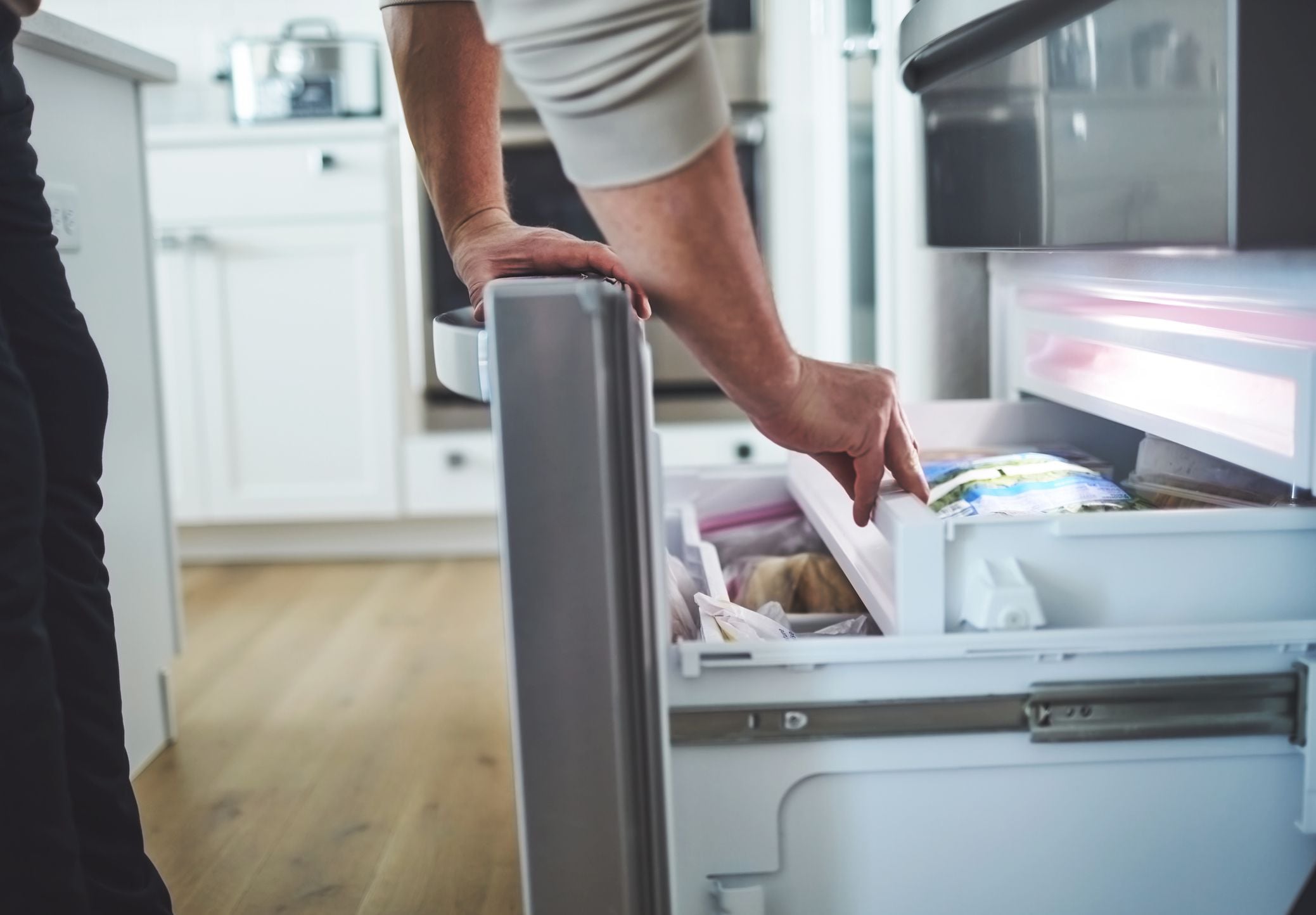
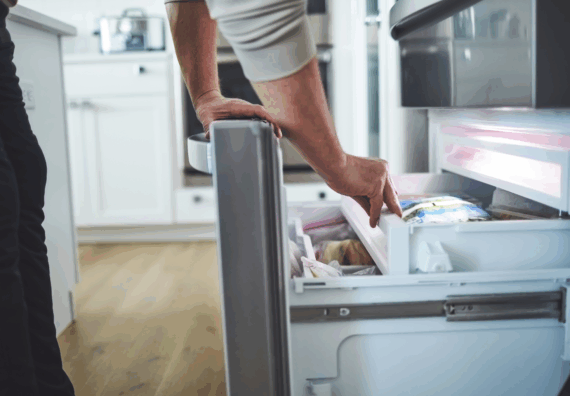
A well-organized freezer dramatically increases the value of buying in bulk. Everyday items such as bread, cheese, butter, cooked rice, tortillas, soups, and many prepared meals freeze remarkably well, allowing shoppers to purchase larger quantities without worrying about immediate spoilage. Labeling containers with both the contents and freezing date makes it easier to rotate inventory and reduce waste. Keeping a simple freezer inventory also prevents duplicate purchases during future shopping trips. Treating the freezer as extra pantry space helps households stretch grocery budgets while making meal planning much easier.
Split Bulk Purchases with Friends or Family
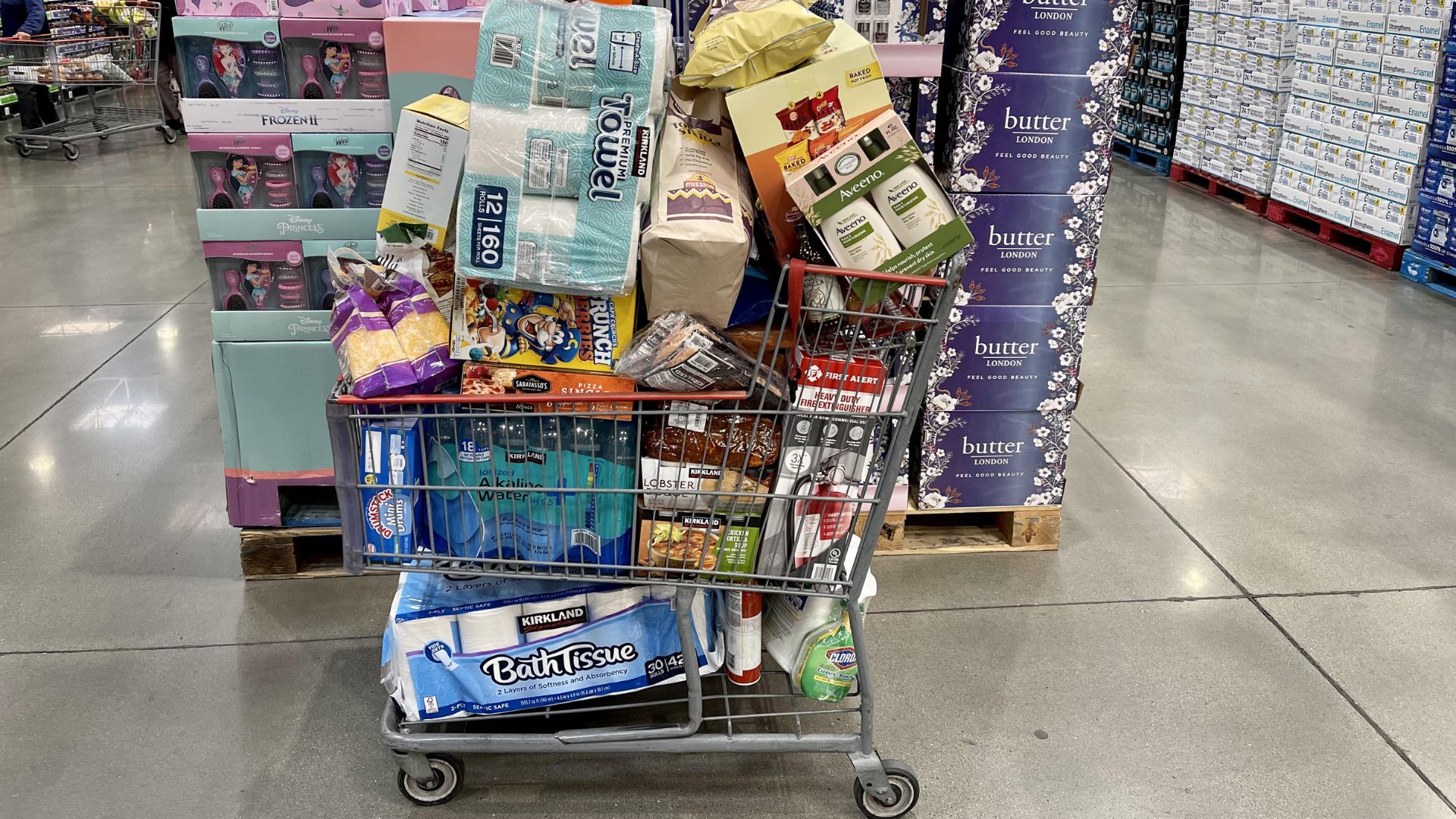
Buying warehouse-sized packages doesn’t always make sense for smaller households, but sharing purchases can solve that problem. Friends, relatives, or neighbors can divide large packs of meat, paper products, cleaning supplies, snacks, and household essentials while everyone still benefits from lower bulk pricing. Some families even organize regular warehouse shopping trips together to split purchases immediately after checkout. This approach reduces food waste, prevents overcrowded storage, and makes warehouse memberships more practical for people who live alone or in smaller households.
Buy Seasonal Produce in Bulk Only When You’re Prepared to Preserve It
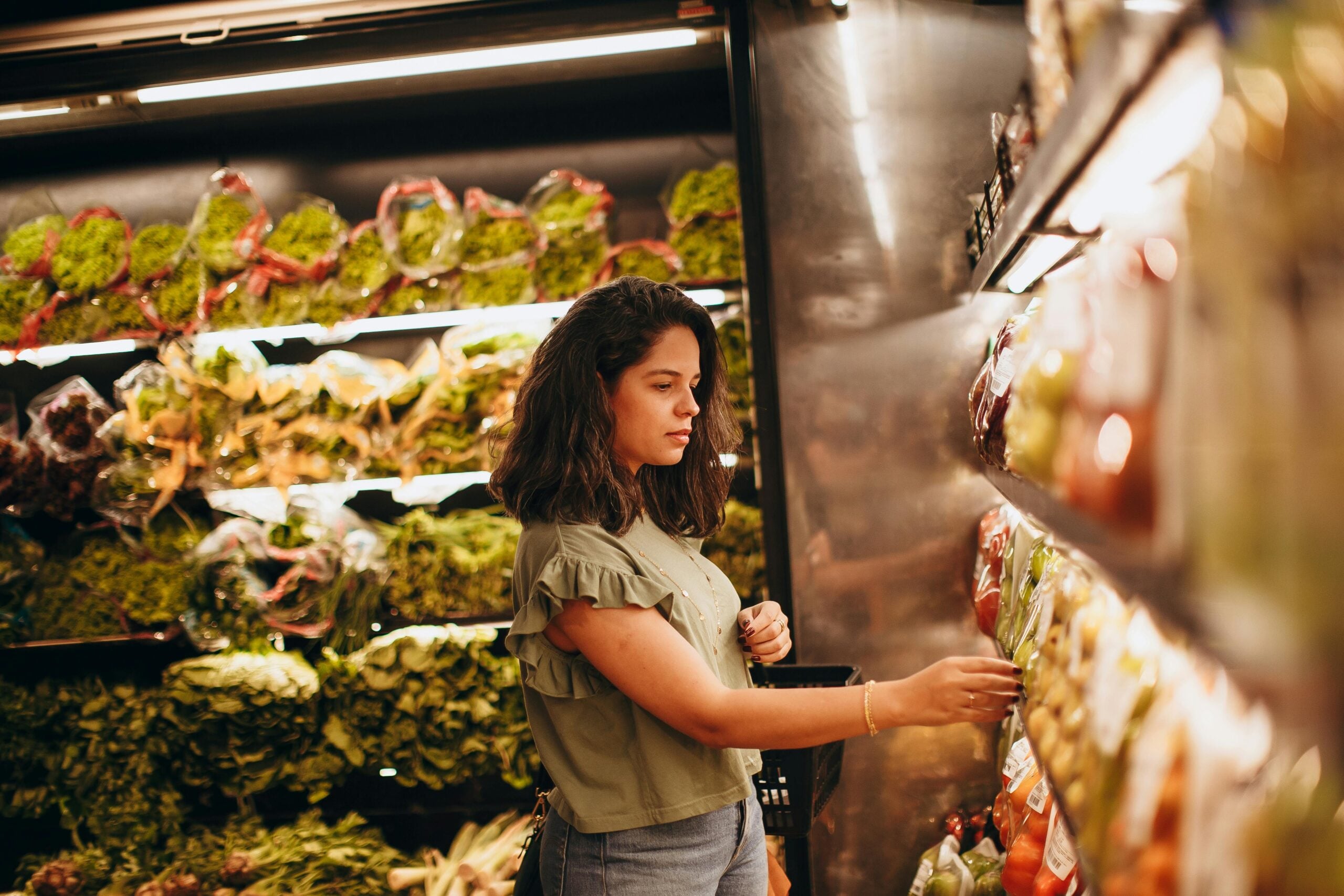
Seasonal produce often reaches its lowest prices during peak harvest, making bulk purchases especially attractive. However, those savings only last if the produce is preserved before it spoils. Berries freeze well for smoothies and baking, peppers can be diced and frozen for cooking, tomatoes can become homemade sauce, and corn freezes successfully after blanching. Experienced home cooks may also preserve seasonal produce through canning for longer storage. Taking advantage of seasonal abundance requires a preservation plan rather than simply buying more fresh produce than a household can realistically eat.
Sign up for our newsletter
Watch Warehouse Coupon Books Before Shopping

Warehouse stores regularly rotate significant promotions that can make already competitive prices even better. Costco’s monthly coupon books and Sam’s Club Instant Savings events often discount pantry staples, household goods, frozen foods, and personal care products without requiring traditional coupons. Planning shopping trips around these promotions helps maximize membership value while avoiding unnecessary purchases at full price. Seasonal discounts also tend to repeat throughout the year, making it easier to anticipate when favorite products are likely to go on sale. Building shopping lists around current promotions can significantly reduce grocery spending.
Build Meals Around What You Already Bought in Bulk
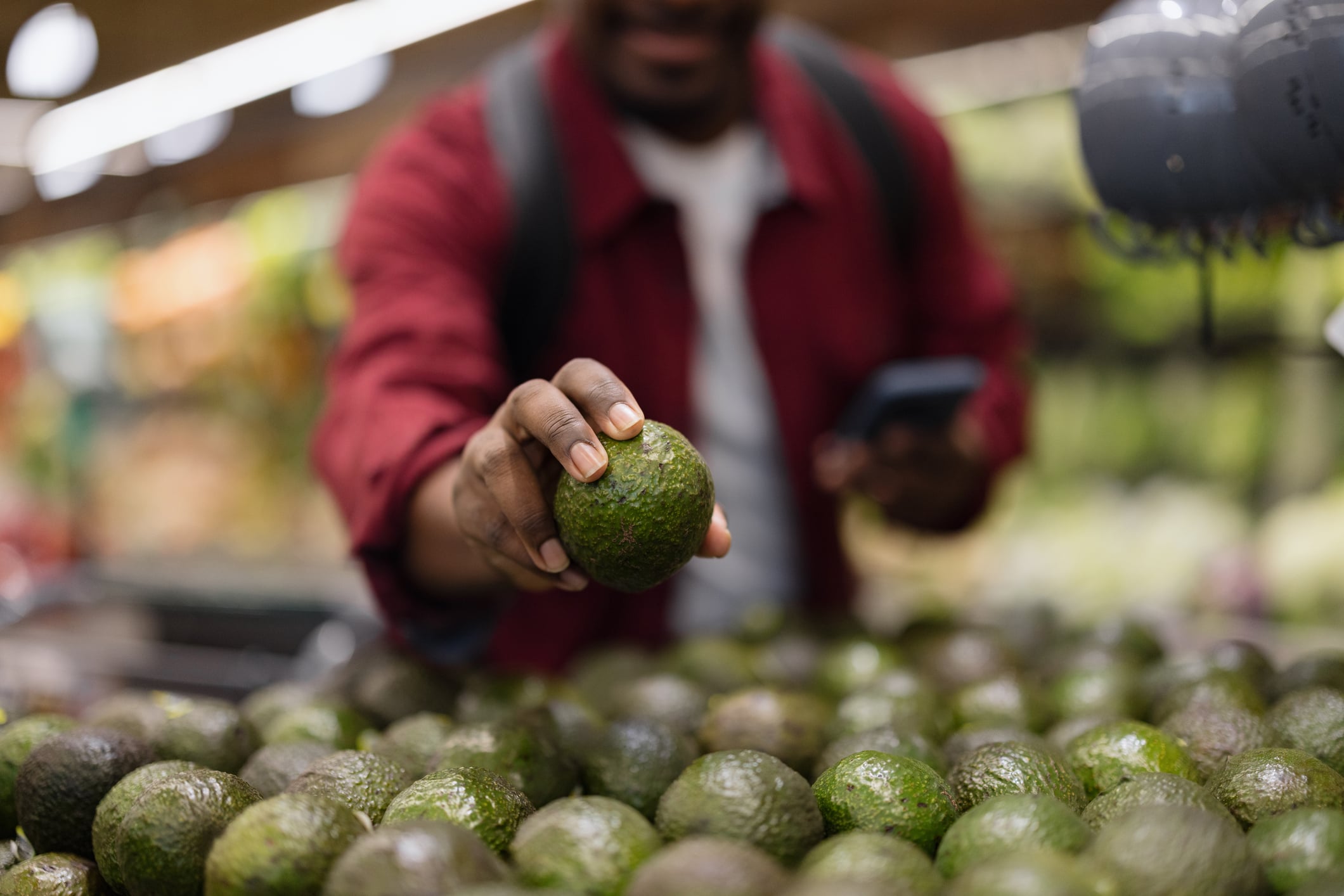
Meal planning becomes much easier—and far more affordable—when the pantry and freezer determine what’s for dinner instead of last-minute grocery trips. Rotating proteins, incorporating pantry staples, and finding creative uses for leftovers help ensure bulk purchases are fully used before new groceries are added. Maintaining a simple freezer inventory prevents forgotten ingredients from sitting unused for months. Shopping the pantry before shopping the store also reduces impulse spending and duplicate purchases. When meals revolve around what you already own, every bulk purchase delivers more value.
Stop Buying Giant Containers Just Because They’re Bigger

Larger packages don’t automatically offer better value, and they’re often more expensive than shoppers realize. The only reliable comparison is the unit price, since promotional pricing frequently makes smaller packages cheaper per ounce than oversized containers. Products like condiments, spices, sauces, and specialty ingredients can also expire long before they’re finished, turning apparent savings into unnecessary waste. Instead of assuming bigger always means cheaper, compare prices carefully and consider how quickly your household actually uses each product.
Stop Buying Fresh Produce in Bulk Without a Plan

Fresh fruits and vegetables remain among the most commonly wasted grocery purchases, especially when bought in warehouse-sized quantities. Before adding bulk produce to the cart, shoppers should already know how they’ll use it throughout the week or whether they’ll preserve part of it by freezing, cooking, or sharing with others. Meal planning dramatically reduces spoilage, while dividing purchases among family or friends can make large quantities more practical. Without a plan, even the lowest produce prices become expensive once food ends up in the trash.
Stop Assuming Costco Is Always Cheapest
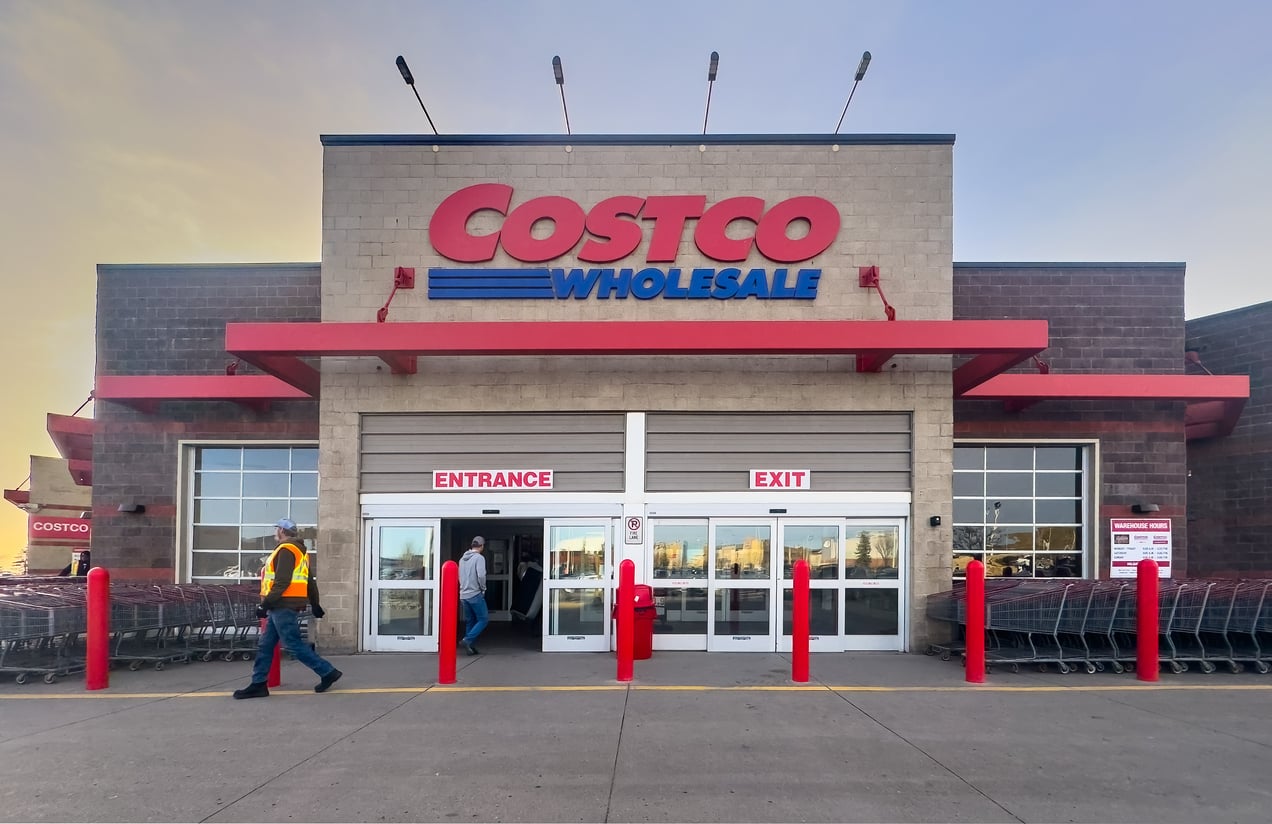
Warehouse stores offer excellent values on many products, but they don’t automatically beat every grocery store. Weekly supermarket flyers often feature deeply discounted “loss leader” items designed to attract shoppers, and these sale prices can easily outperform warehouse pricing. Regional grocery chains also vary considerably, making one retailer’s best deal another store’s everyday price. Comparing warehouse prices with grocery store apps before shopping takes only a few minutes and can prevent unnecessary spending. Smart shoppers let the numbers—not the retailer’s reputation—determine where they buy.
Stop Buying Bulk Snacks Because They “Look Like a Deal”
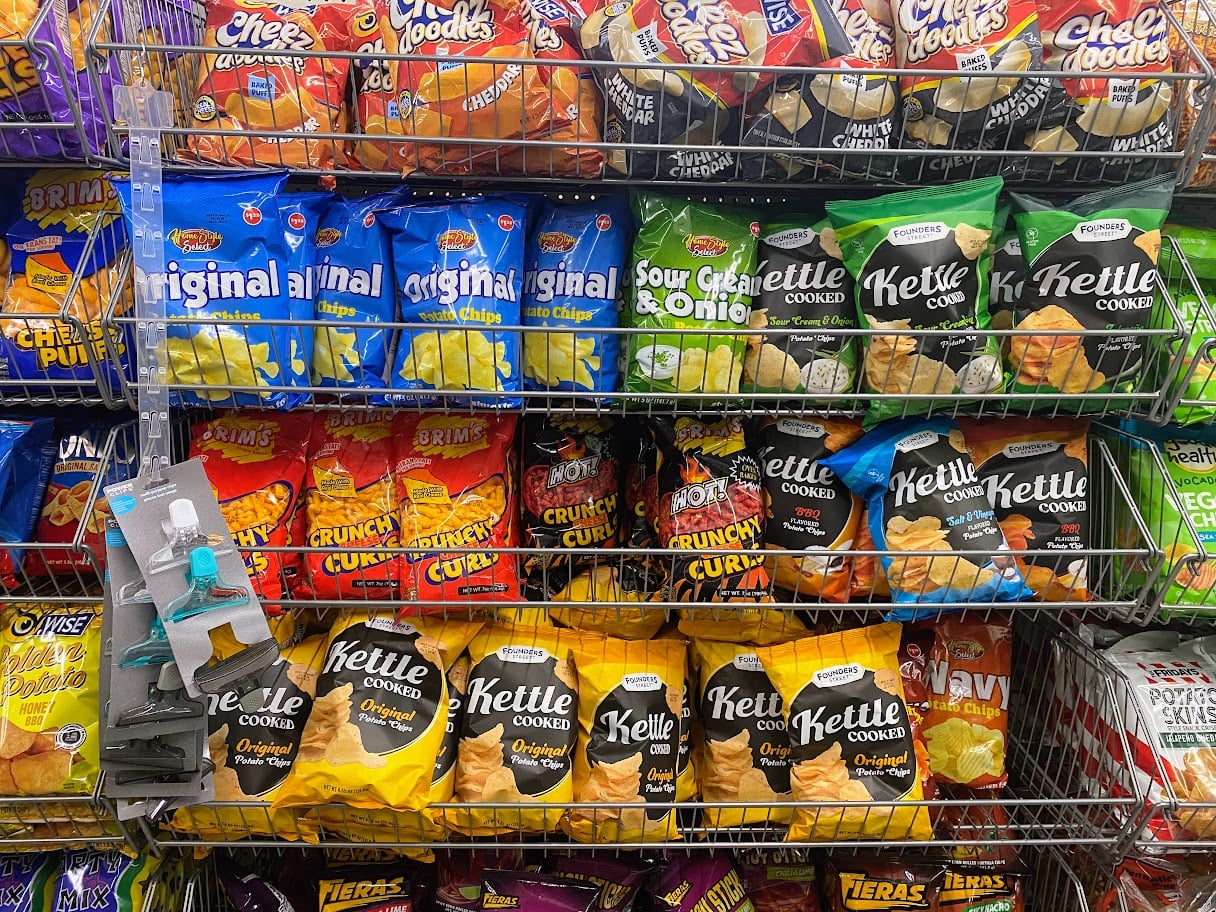
Large containers of chips, cookies, crackers, candy, and other snack foods often encourage people to eat more simply because more is readily available. Even when the price per serving is lower, those savings disappear if products are consumed much faster than usual. Dividing snacks into smaller reusable containers or portion-sized bags can help control consumption while still taking advantage of bulk pricing. Buying bulk treats only makes financial sense when they’re eaten at the same pace as smaller packages.
Stop Ignoring Storage Space
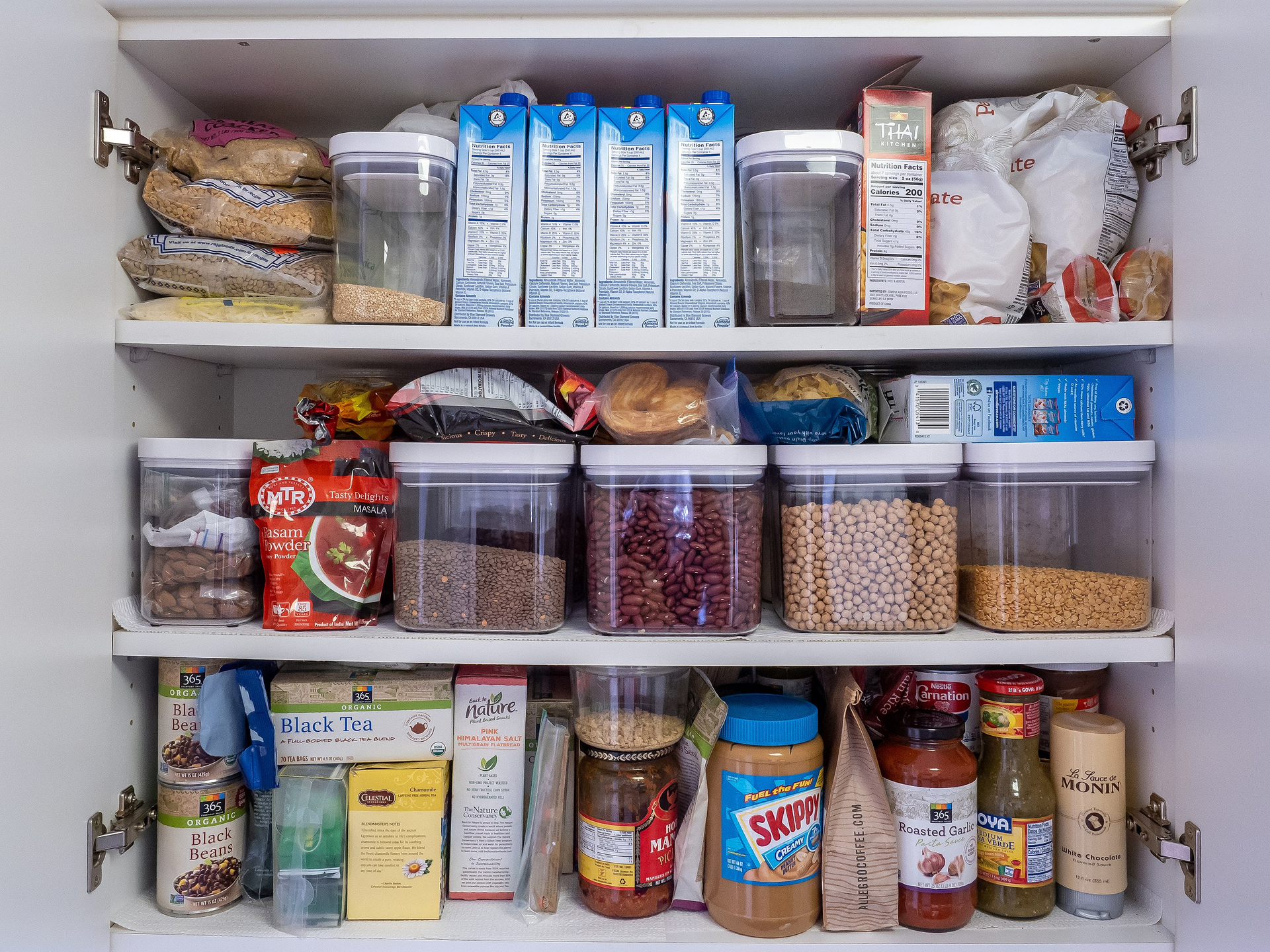
Bulk shopping only works when your home has enough organized storage to keep everything visible and accessible. Crowded pantries and overfilled cabinets make it easy to forget what you already own, leading to duplicate purchases and expired food. Clear storage bins, labeled shelves, and a simple first-in, first-out (FIFO) system help ensure older products are used before newer ones. Periodic pantry clean-outs also make it easier to track inventory and avoid unnecessary purchases. Good organization is one of the most overlooked parts of successful bulk shopping.
Buy Smarter, Not Just Bigger

Buying in bulk in 2026 is less about purchasing the biggest package and more about purchasing the right package. The smartest shoppers focus on unit pricing, food preservation, realistic household consumption, and strategic timing rather than assuming every warehouse-sized product is automatically a bargain. Combining thoughtful planning with warehouse private labels, freezer storage, and well-timed sales allows families to lower grocery costs without creating unnecessary waste. By avoiding a handful of common bulk-buying mistakes, shoppers can stretch both their grocery budgets and the food they bring home.