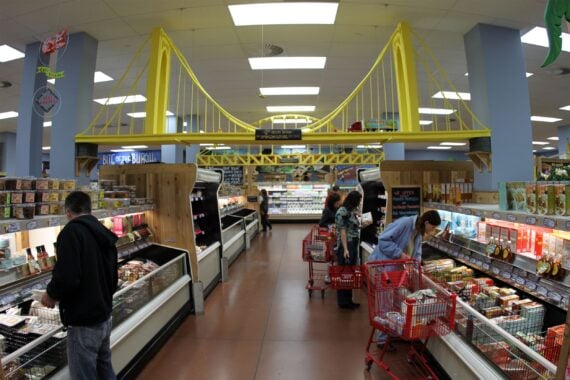
Trader Joe’s isn’t exactly a normal grocery store. The Hawaiian shirts, handwritten signs, constantly changing products, and shelves dominated by the store’s own labels make even a quick grocery run feel noticeably different from a trip to a conventional supermarket.
And much of that weirdness is intentional. Trader Joe’s has been developing its unusual approach to grocery shopping since the first store opened in Southern California in 1967, and some of the traditions shoppers encounter today go almost all the way back to the beginning.
Even if you know exactly where to find the Everything but the Bagel seasoning and have mourned more than one discontinued favorite, there may still be a few things about the chain that surprise you. Here are 12 Trader Joe’s facts even regular shoppers may not know.
Trader Joe Was a Real Person
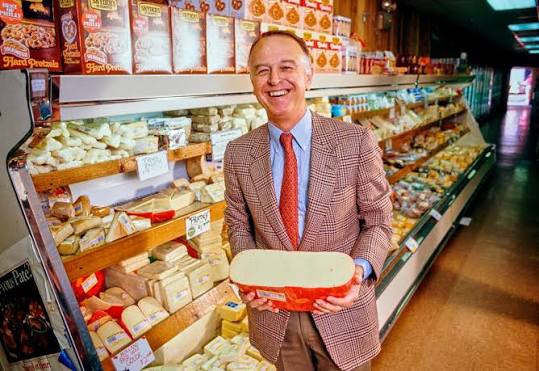
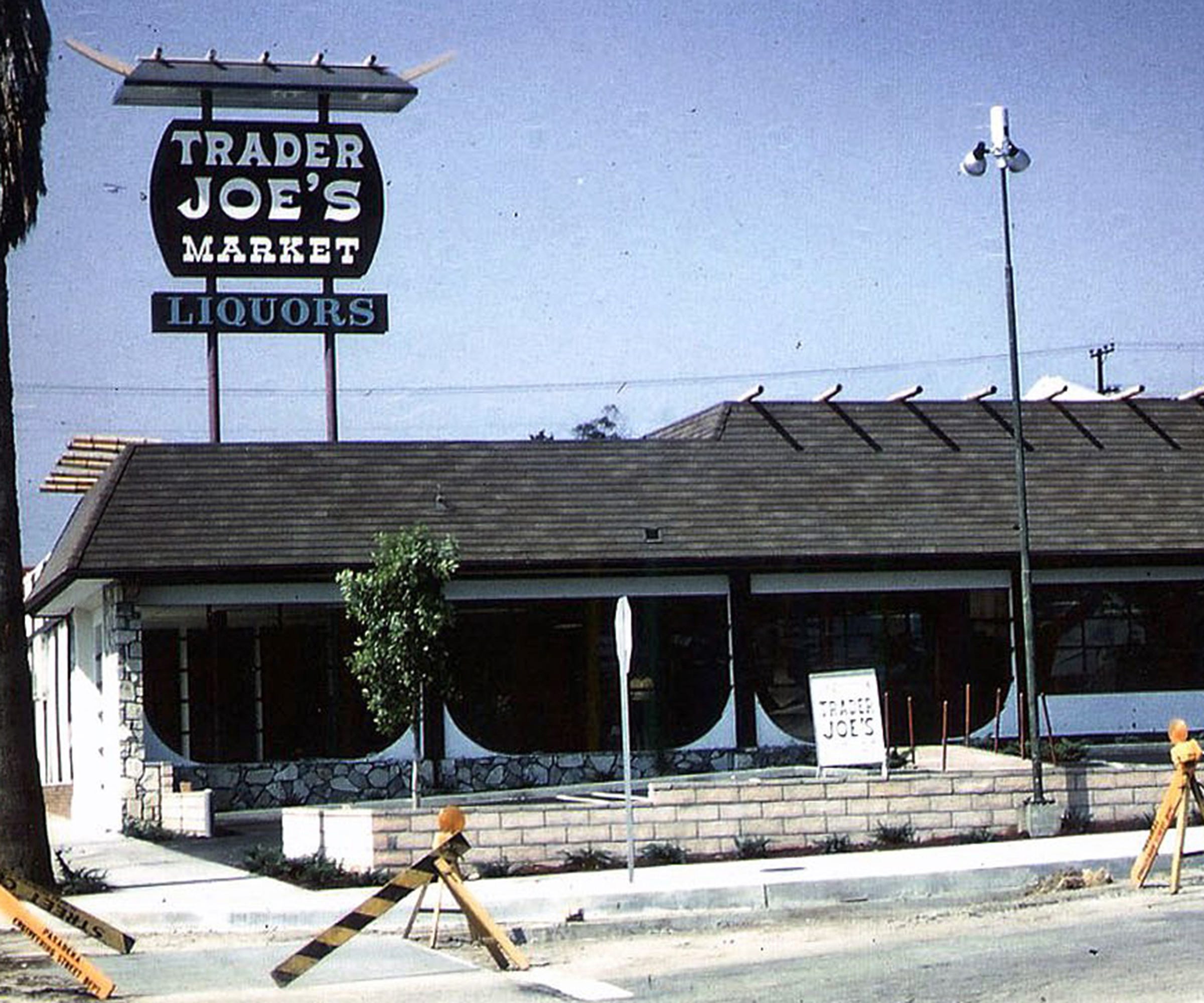
Trader Joe wasn’t dreamed up in a corporate branding meeting. The “Joe” was Joe Coulombe, who opened the first Trader Joe’s in Pasadena, California, in 1967. Before that, Coulombe ran a convenience-store chain called Pronto Markets. He eventually developed a new grocery concept that became Trader Joe’s, complete with the distinctive personality that still separates it from conventional supermarkets. Coulombe remained closely associated with the business until retiring in 1988.
You Can Still Shop at the Original Trader Joe’s
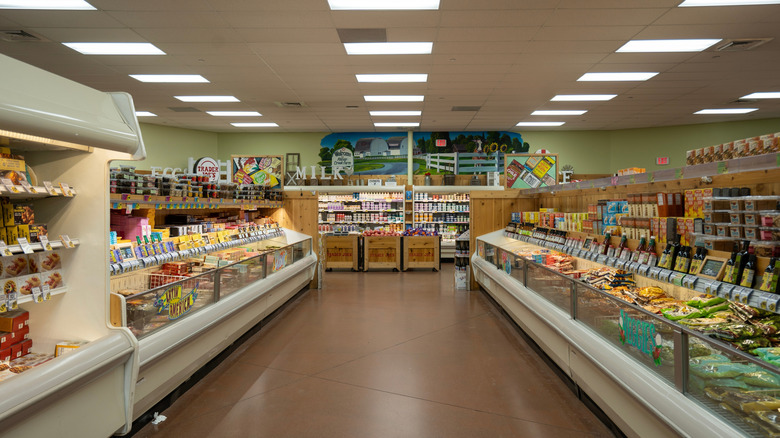
Trader Joe’s has expanded a lot since 1967, but the store where it all started hasn’t disappeared. The original location on Arroyo Parkway in Pasadena is still operating, meaning shoppers can buy groceries at the same Trader Joe’s location where the chain began nearly six decades ago. For a company known for constantly rotating what’s on its shelves, that’s one thing that has shown some serious staying power.
The Nautical Theme Goes Back to the Beginning
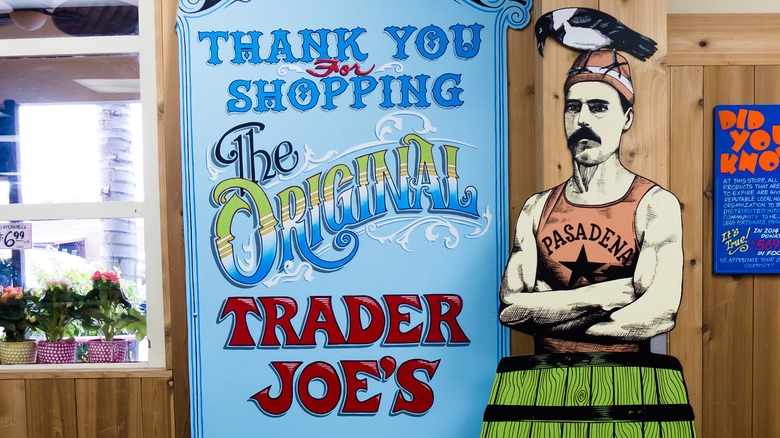
The Hawaiian shirts and nautical job titles aren’t just quirky touches dreamed up by a modern marketing department. Trader Joe’s says its original nautical theme was influenced partly by the popularity of Tiki culture and the book “White Shadows in the South Seas.” The theme stuck. Employees are still officially called Crew Members, store managers are Captains, and assistant managers are Mates. What can seem like deliberately offbeat modern branding actually stretches back to the chain’s earliest days.
Those Bells Actually Mean Something
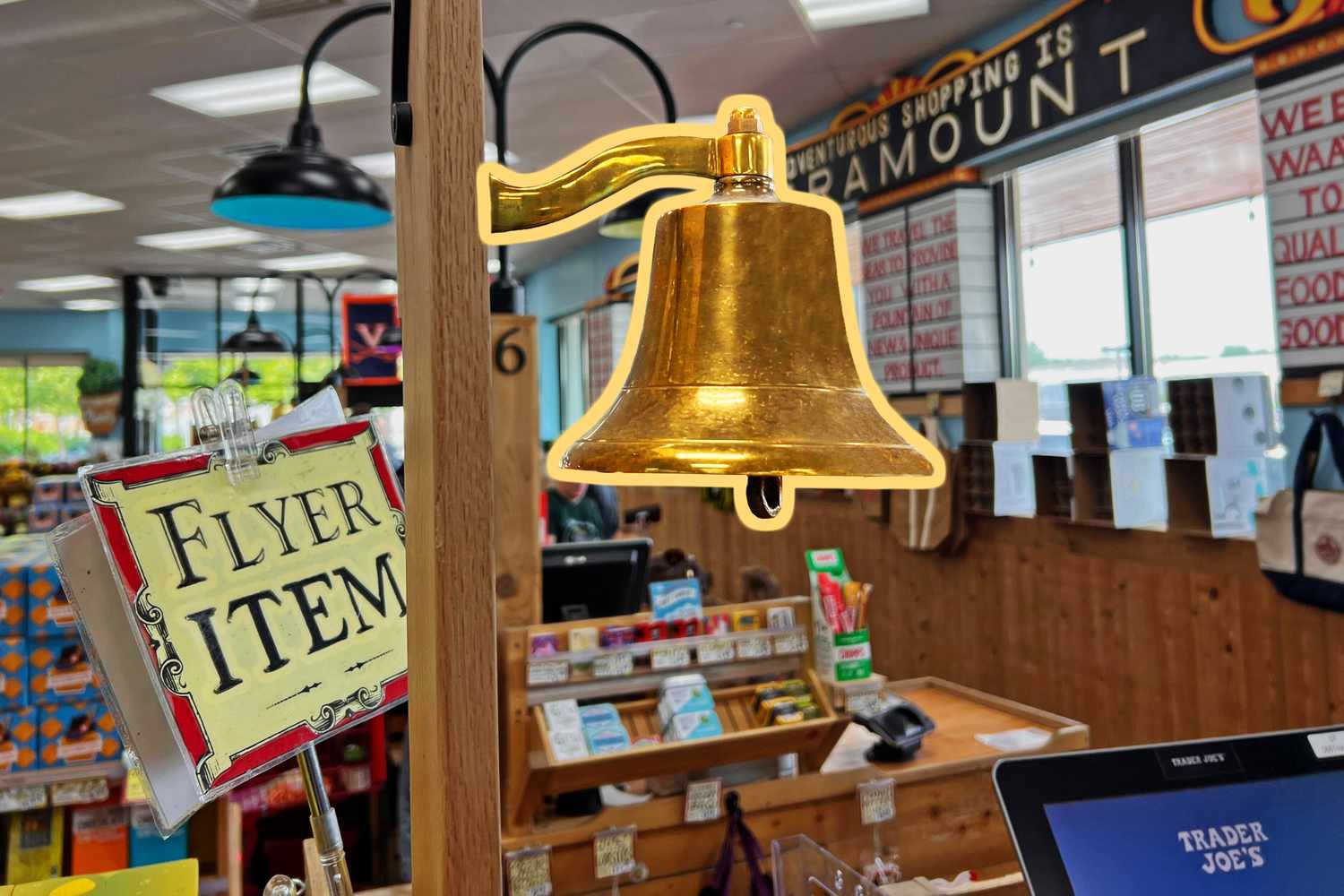
If you’ve spent enough time inside Trader Joe’s, you’ve probably heard employees ringing bells — but you may not know they’re essentially an old-school communication system. According to Trader Joe’s, one bell means another register needs to be opened, two bells mean a Crew Member needs assistance, and three bells call for a manager. Instead of relying solely on a conventional supermarket intercom, Trader Joe’s has found a way to make employee communication fit right into its nautical theme.
Trader Joe’s Intentionally Stocks Fewer Products

A conventional supermarket can offer a dizzying number of versions of essentially the same thing. Trader Joe’s deliberately takes a different approach. The chain keeps its assortment relatively small and carefully edited rather than trying to stock every brand and variety available. That helps explain both the smaller stores and why products sometimes seem to disappear without much warning. Shelf space is valuable, and an item has to keep earning its spot.
Trending on Cheapism

Suppliers Don’t Pay to Get on the Shelves
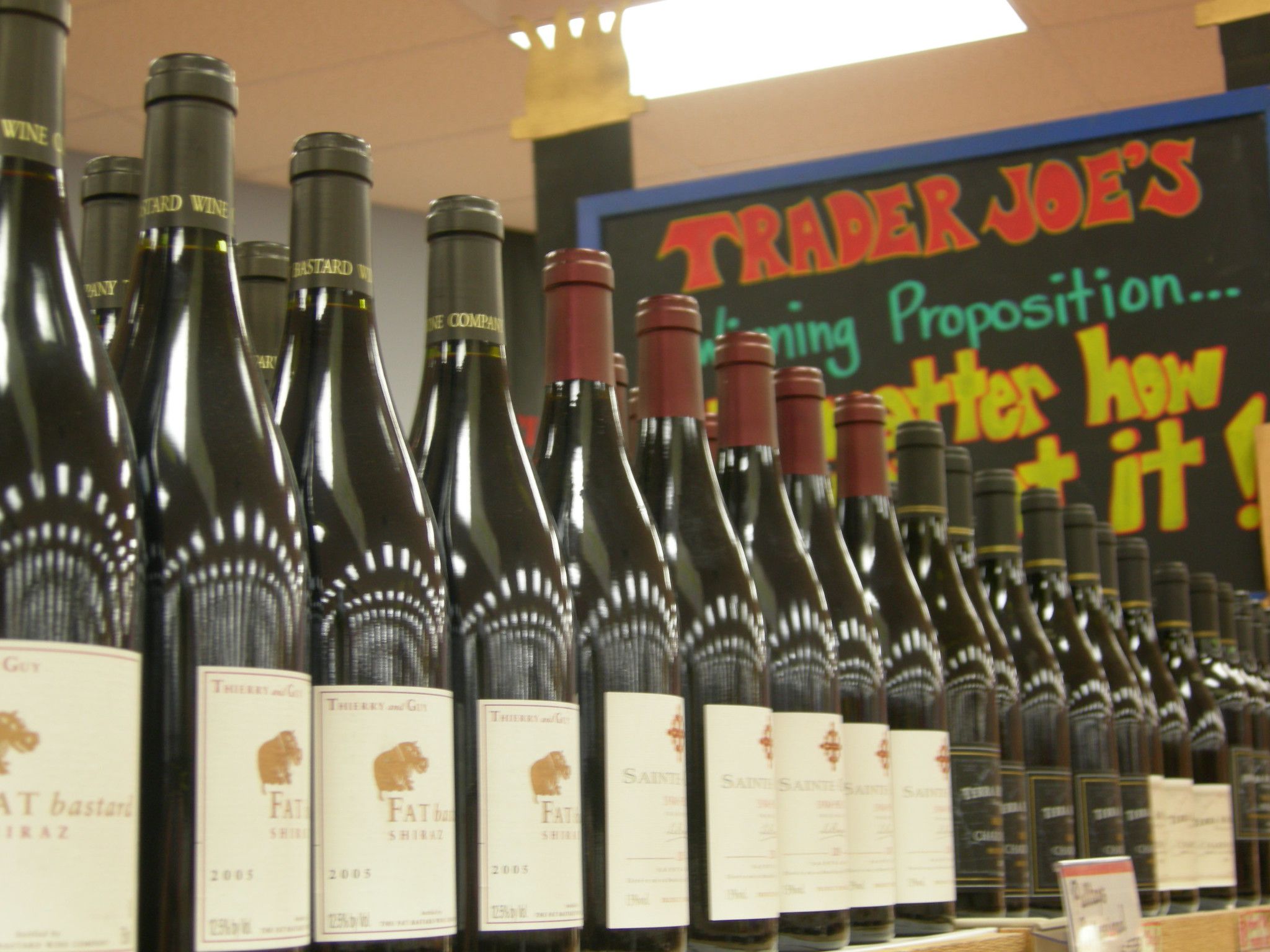
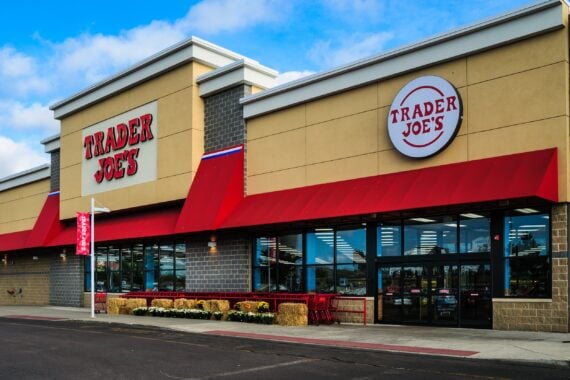
At many supermarkets, manufacturers can pay retailers fees or promotional allowances associated with getting their products onto shelves or into particularly desirable locations. Trader Joe’s says it doesn’t charge suppliers fees for putting products on its shelves. Instead, its buyers determine which items make the cut. It’s one reason walking through Trader Joe’s can feel so different from navigating aisles filled with competing national brands and promotional displays.
More Than 80% of Its Products Are Private Label
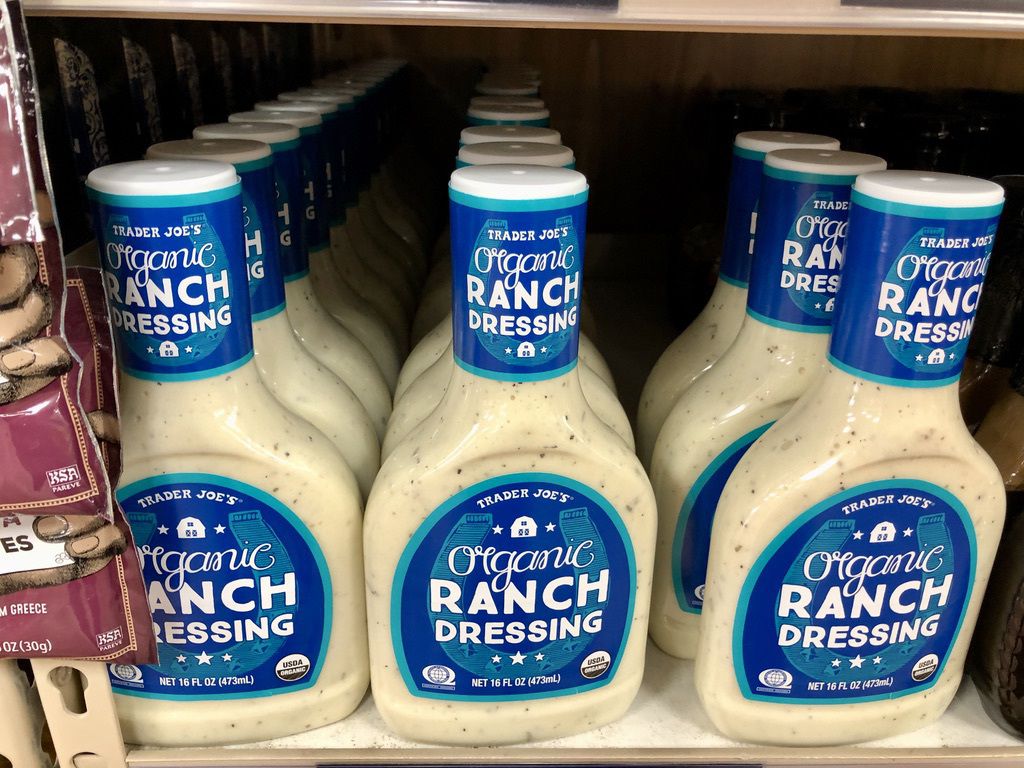
Those Trader Joe’s labels really are everywhere. According to the company, more than 80% of the products it sells are private label. Trader Joe’s works with suppliers to develop products that appear under its own branding rather than filling most of its shelves with familiar national brands. That can make comparison shopping tricky because you often can’t simply walk into another supermarket and find the identical labeled item. And despite plenty of internet speculation, Trader Joe’s generally doesn’t disclose which outside manufacturers make specific private-label products.
Trader Joe’s Doesn’t Do Traditional Sales
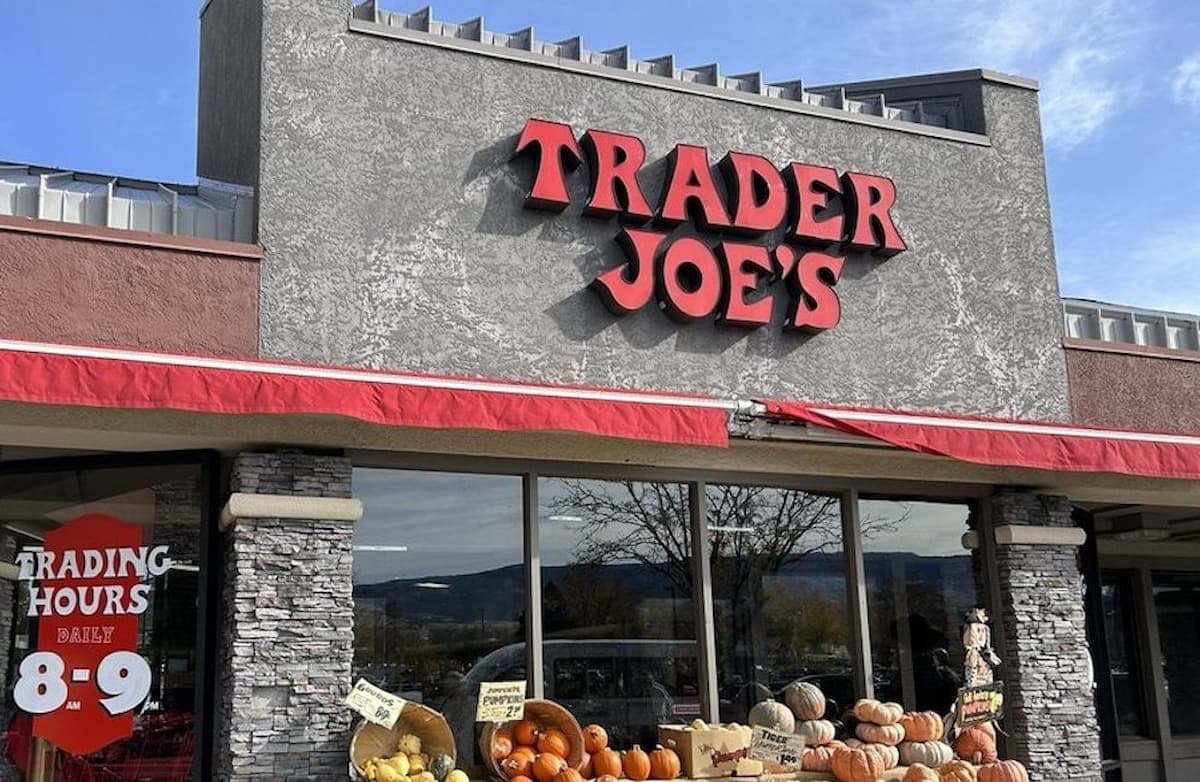
Don’t bother waiting for next week’s BOGO deal on your favorite Trader Joe’s snack. The chain says it doesn’t offer sales, coupons, membership cards, or loyalty programs. Instead, its philosophy is to offer what it considers its best everyday price to everyone. That means you don’t need an app, digital coupon, rewards account, or strategically timed shopping trip to get the advertised price. At Trader Joe’s, the number on the shelf is generally what everybody pays.
Sign up for our newsletter
You Can Ask to Try Some Products Before Buying Them
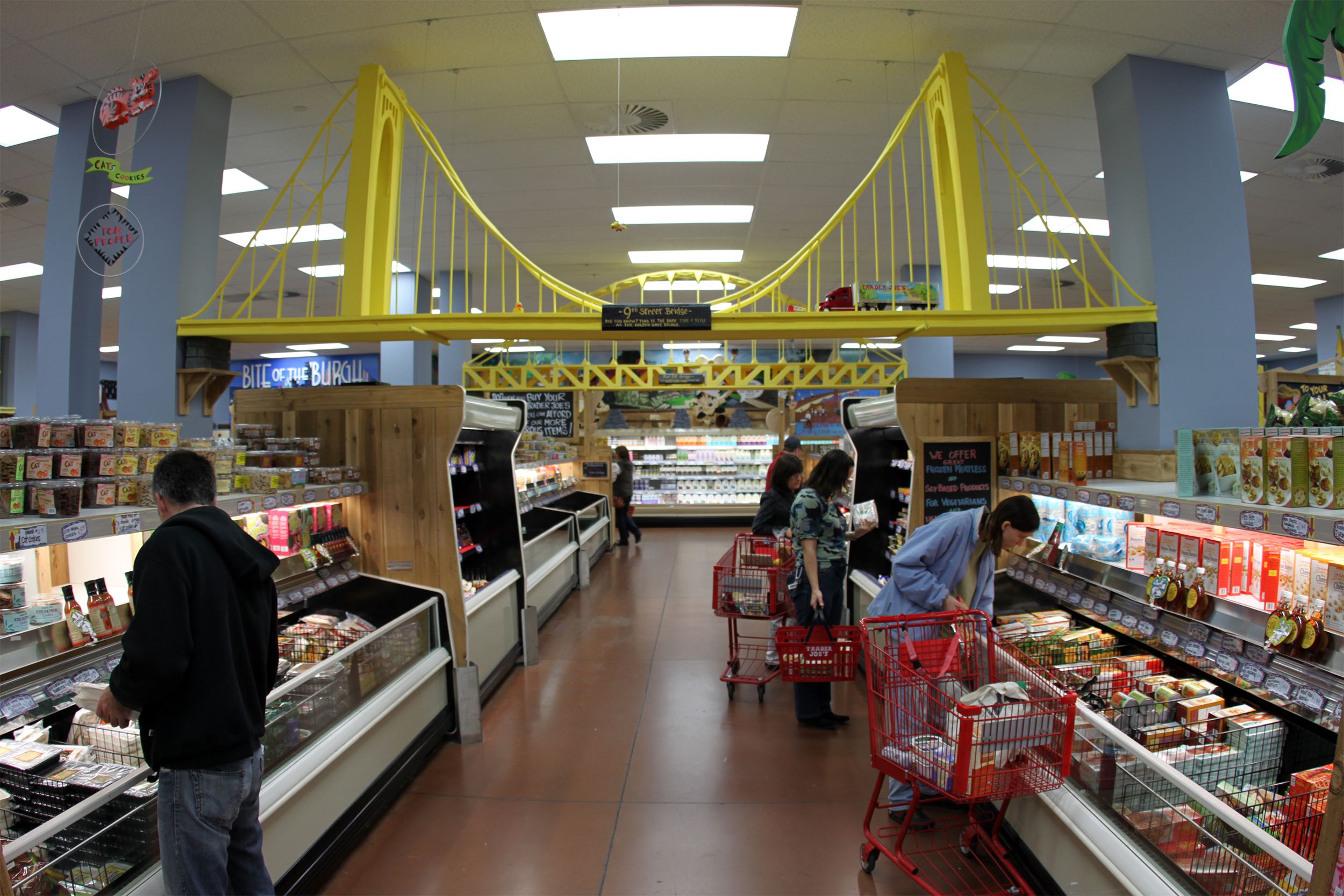
At most supermarkets, opening a package before you’ve paid for it is a pretty reliable way to attract unwanted attention. Trader Joe’s has historically taken a more relaxed approach. The company has encouraged shoppers curious about certain products to ask a Crew Member whether they can try them. That doesn’t mean you should start tearing into packages yourself in aisle five, and whether a sample can be offered may depend on the product and circumstances. But asking an employee before committing to something unfamiliar is perfectly reasonable.
The Fearless Flyer Dates Back to 1970
Trader Joe’s quirky Fearless Flyer might seem like a piece of modern content marketing, but it’s nearly as old as the chain itself. Trader Joe’s traces the publication back to 1970, just three years after the first store opened. Its playful product descriptions and distinctive editorial voice have evolved through print, web, email, and other formats over the years, but the basic idea has been around for decades. Apparently, writing unusually enthusiastic paragraphs about groceries was part of the Trader Joe’s formula long before email newsletters existed.
Yes, Trader Joe’s Really Does Discontinue Products Regularly
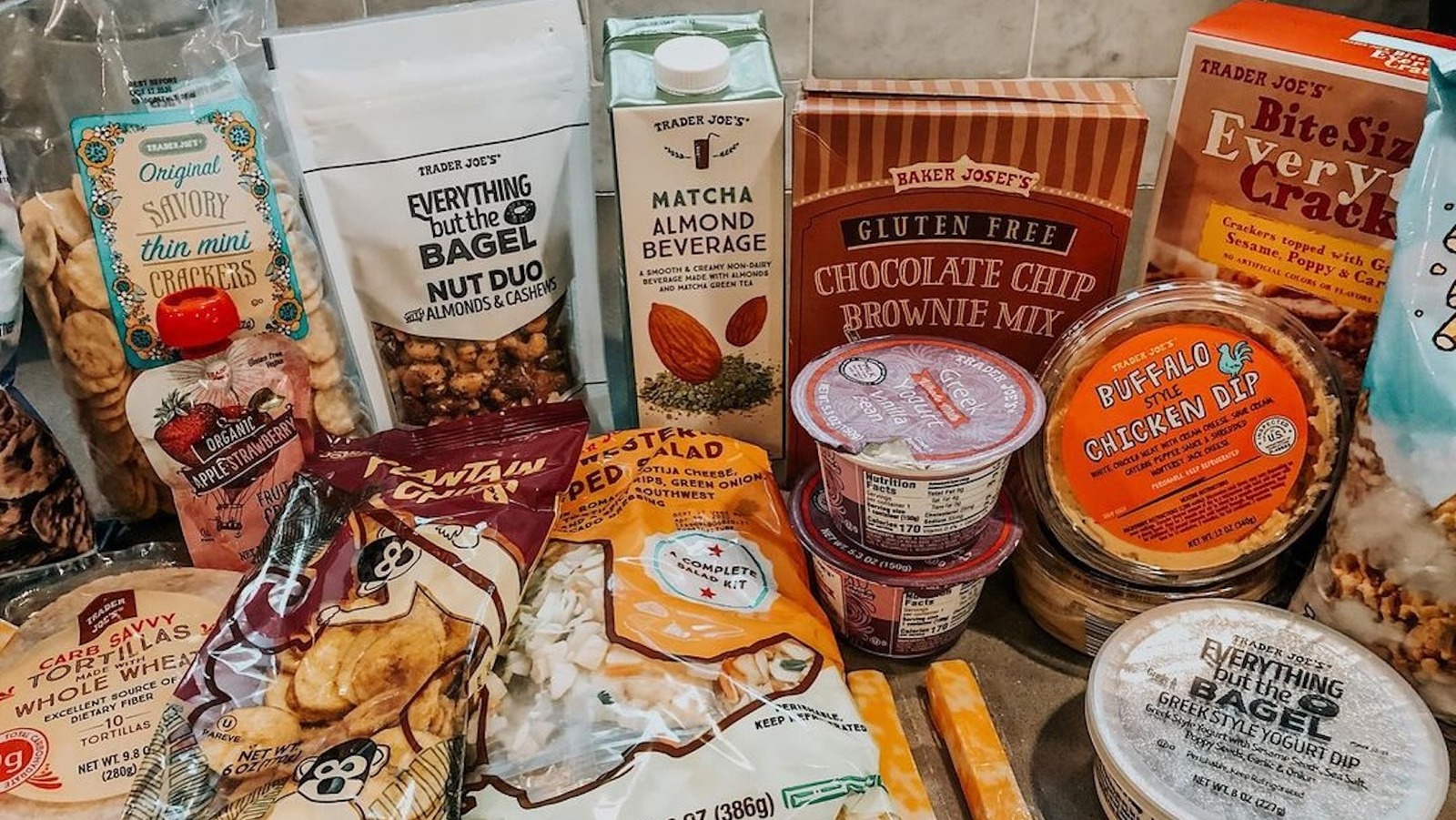
Trader Joe’s shoppers learn an unfortunate lesson sooner or later: Don’t get too emotionally attached. Because the stores intentionally carry a limited assortment, products are regularly evaluated to determine whether they’re earning their shelf space. Trader Joe’s has explained that poor sales can cause an item to be discontinued, though supply problems, costs, and other issues can also contribute. So if a product you’ve bought for years suddenly vanishes, it isn’t necessarily just temporarily out of stock.
Trader Joe’s Has a Real — but Complicated — Connection to Aldi
You’ve probably heard someone say that Aldi owns Trader Joe’s, but the full story is more complicated. German businessman Theo Albrecht, who was associated with Aldi Nord, acquired Trader Joe’s in 1979. The Aldi stores American shoppers know, however, are connected to Aldi Süd, the other branch of the Albrecht family’s grocery business. Trader Joe’s and Aldi in the U.S. operate separately. So there is a genuine historical connection between the two chains, but they’re not simply two American grocery brands being run by the same company.
Trader Joe’s Is Weird by Design
The smaller selection, private labels, Hawaiian shirts, nautical job titles, bells, lack of traditional sales, and Fearless Flyer aren’t a random collection of grocery-store quirks. They’re pieces of a retail philosophy that Trader Joe’s has been building for decades.
That’s part of what makes the chain so recognizable. Even shoppers who can navigate their local Trader Joe’s with their eyes closed may be walking past bits of the company’s history every week.