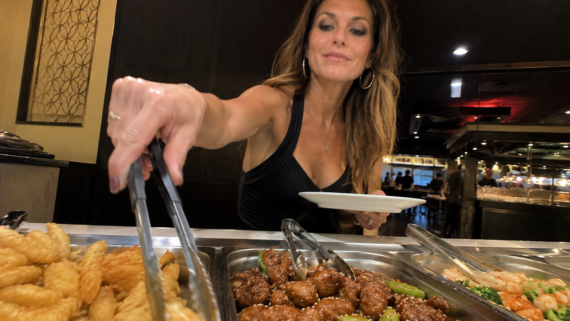
All-you-can-eat buffets can be one of the best dining values in America—but only if you know how to approach them strategically.
That value proposition is helping fuel a buffet comeback. According to Yelp trend data highlighted by Fox News, searches for “all-you-can-eat buffet near me” surged 252% as Americans looked for affordable dining options amid rising restaurant prices and inflation concerns. Experts say the appeal is simple: unlimited food for a fixed price can feel like a bargain when many restaurant meals cost more than ever.
Not every item on a buffet is created equal. Some foods are inexpensive fillers designed to fill plates quickly, while others offer significantly better value than what you’d pay ordering them elsewhere. At the same time, food quality and freshness can vary widely depending on how long dishes have been sitting out and how frequently they’re replenished.
Experienced buffet diners tend to think about two things at once: maximizing value and minimizing disappointment. The goal isn’t necessarily to eat the most food possible. It’s to make smarter choices about what goes on your plate. From inexpensive starches that consume valuable stomach space to premium carving stations that can justify the cost of admission all by themselves, here’s a look at 10 buffet foods you may want to avoid and 10 that are often worth loading up on.
Avoid: Plain White Rice
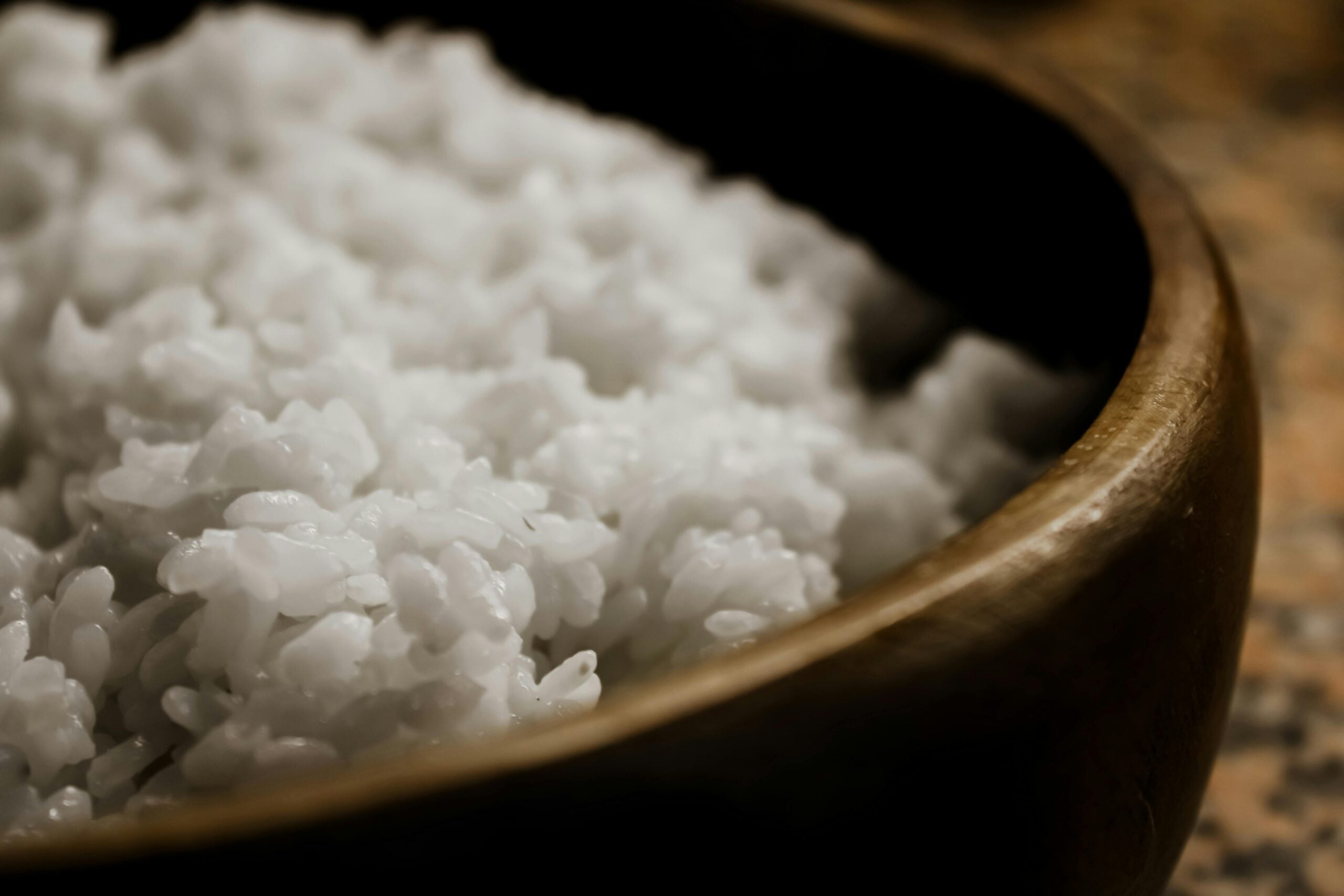
Rice is one of the least expensive foods any buffet can serve. Restaurants can prepare massive quantities at very low cost, making it a reliable staple for filling buffet trays and filling diners’ stomachs.
While there’s nothing wrong with rice itself, it often represents poor value in a buffet setting. A large scoop can take up a surprising amount of room on your plate and leave you feeling full long before you’ve sampled more expensive offerings.
If you enjoy rice, consider taking a small portion rather than making it the centerpiece of your meal. You’ll leave more room for dishes that are more difficult—or more expensive—to prepare at home.
Avoid: Buffet Scrambled Eggs
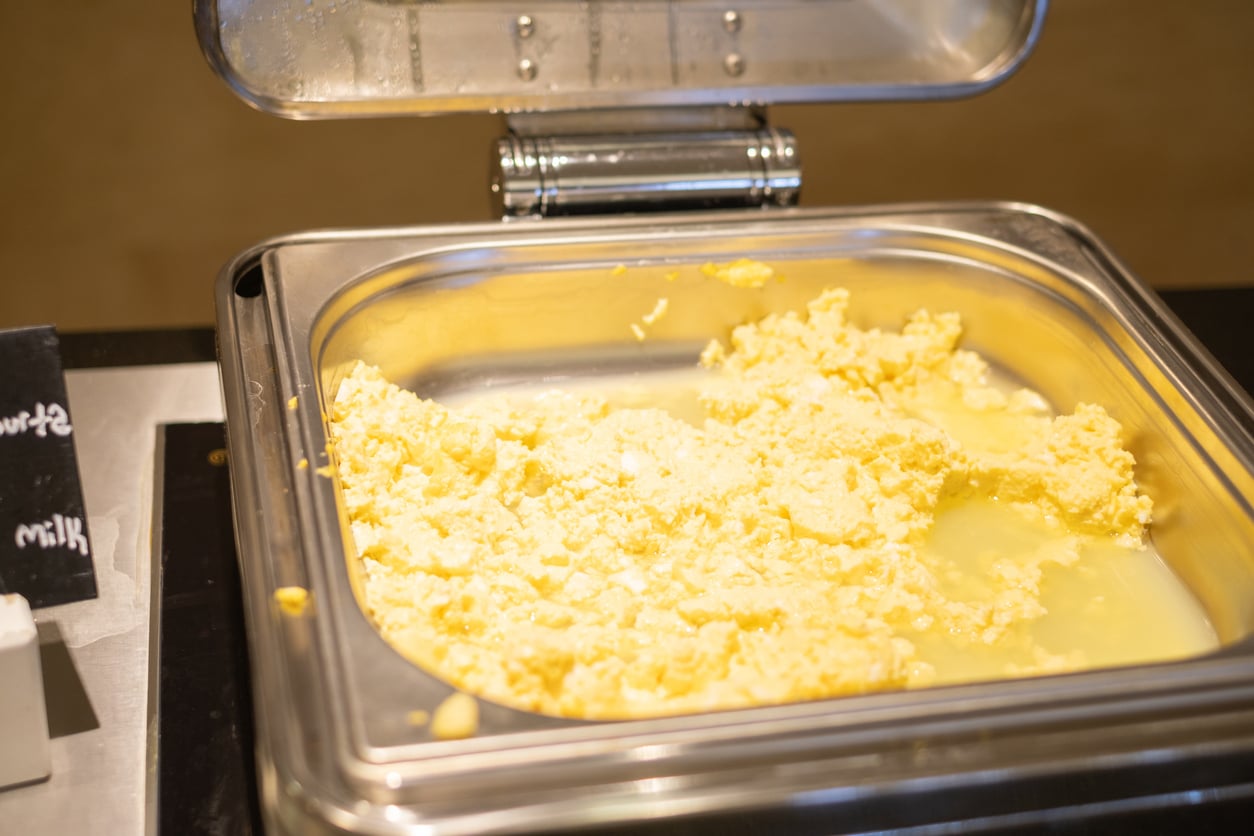
Eggs can be tricky buffet items. Even when prepared properly, scrambled eggs tend to lose their appeal quickly under heat lamps.
What starts out fluffy and moist can become dry, rubbery, or overcooked after sitting in a warming tray for an extended period. Many buffet reviews mention texture issues as one of the most common complaints about buffet eggs.
They’re also a relatively inexpensive ingredient compared to premium proteins. If a buffet offers made-to-order egg stations, those are typically a much better option.
Avoid: Cheap Pasta Dishes
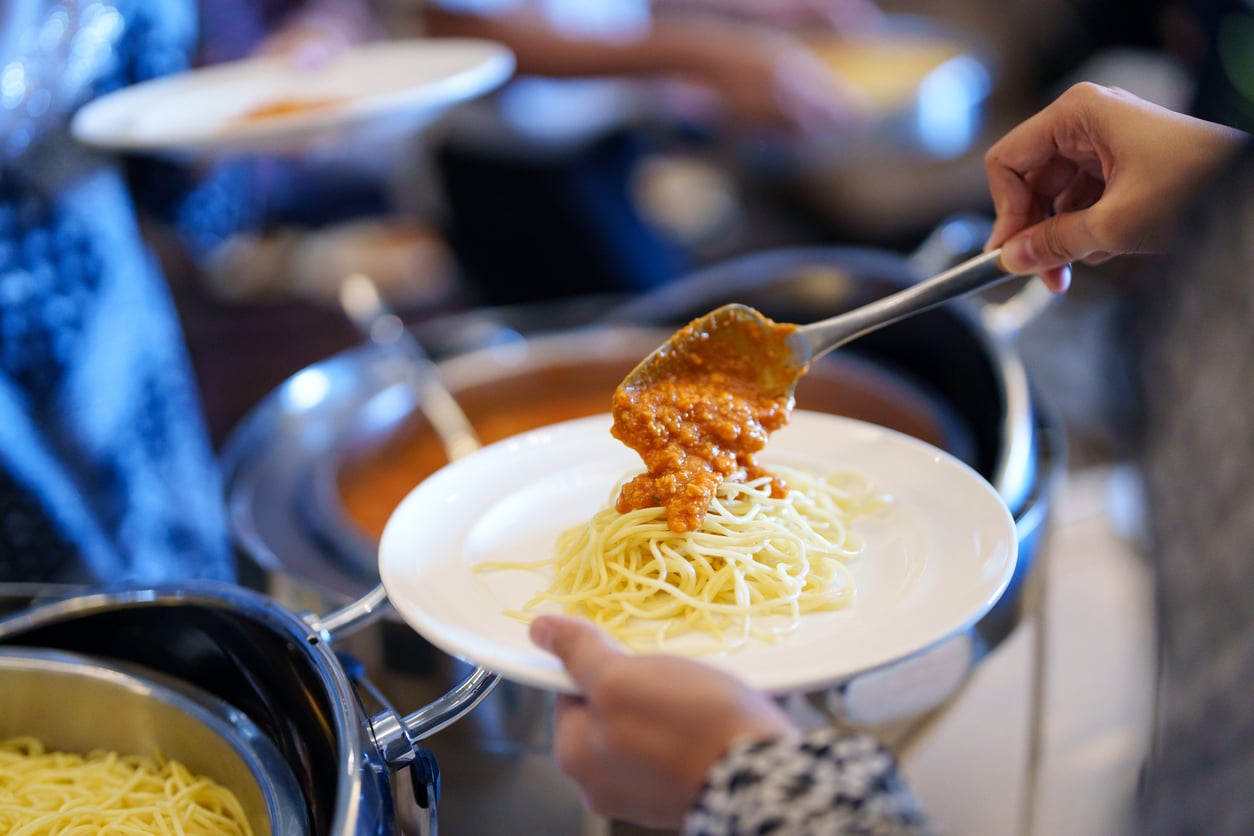
Pasta is a buffet favorite because it’s inexpensive, filling, and popular with diners of all ages. You’ll often find multiple versions, from macaroni and cheese to spaghetti and baked pasta casseroles.
The problem is that pasta can quickly fill you up without providing much value relative to other menu items. A plate loaded with noodles may leave little room for carved meats, seafood, or specialty dishes.
While an exceptional pasta dish can certainly be worth trying, generic pasta often isn’t the best use of buffet real estate.
Avoid: Pre-Peeled Shrimp Sitting For Hours
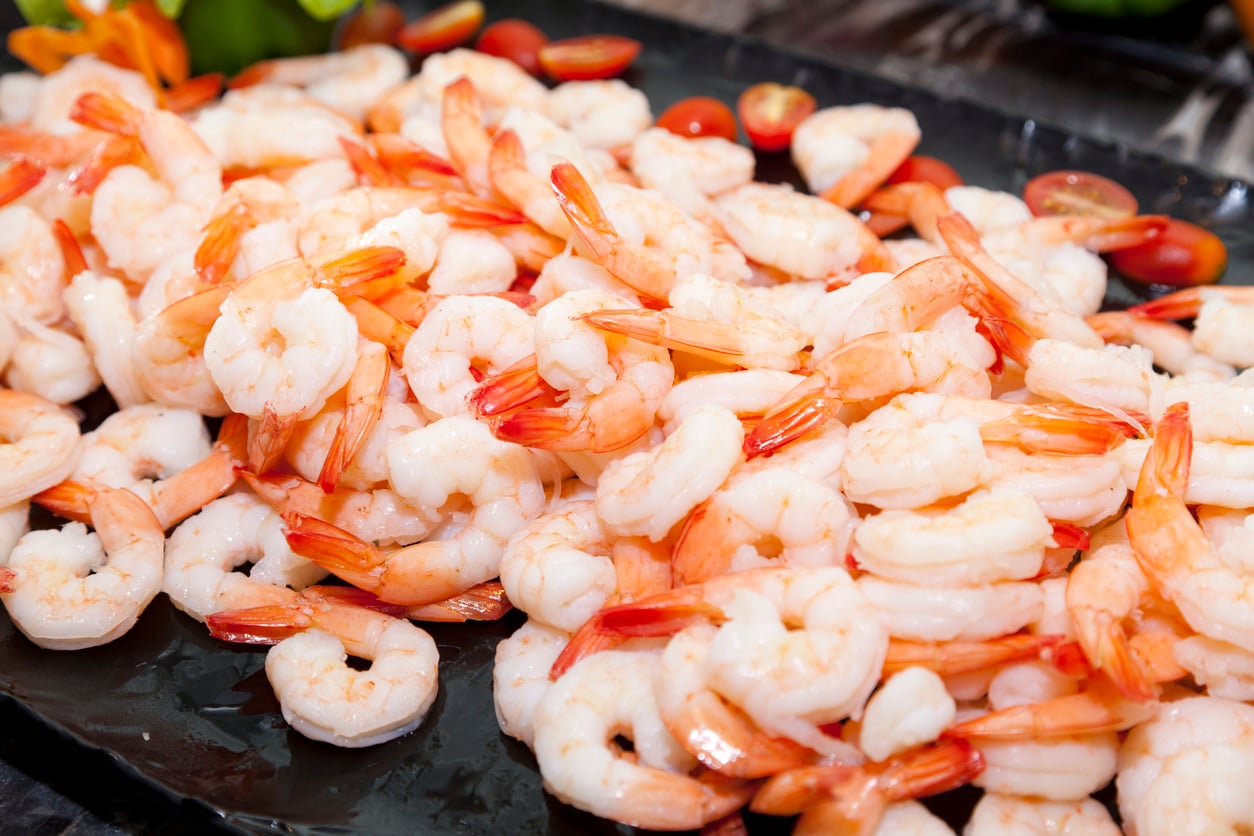
Shrimp can be one of the most valuable foods at a buffet—but timing matters.
When shrimp sits on ice for extended periods, it can begin to lose texture and flavor. The surface may dry out, and the product may simply not taste as fresh as it did when first placed on display.
The best strategy is to watch for recently replenished trays. Fresh turnover can make a significant difference in quality and overall dining experience.
Avoid: Buffet Sushi Near Closing Time
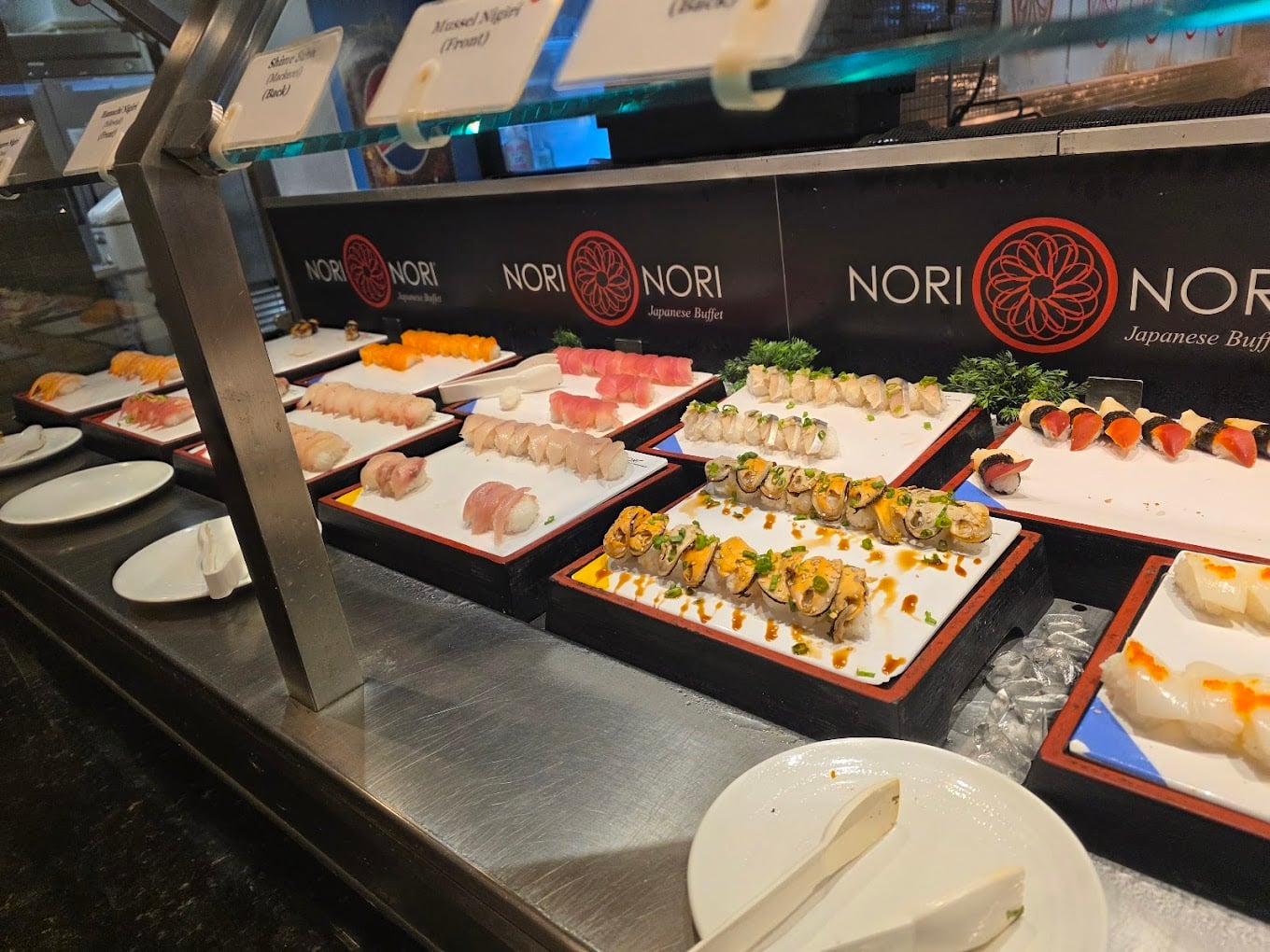
Sushi often attracts buffet diners because restaurant sushi can be expensive. However, quality tends to decline the longer it sits.
Rice can harden, seaweed can become soggy, and fish may lose some of its desirable texture. Even if food safety standards are being followed, the eating experience isn’t always the same as freshly prepared sushi.
For the best results, visit sushi stations during busy service periods when items are moving quickly and being replenished often.
Trending on Cheapism

Avoid: Cream-Based Sauces
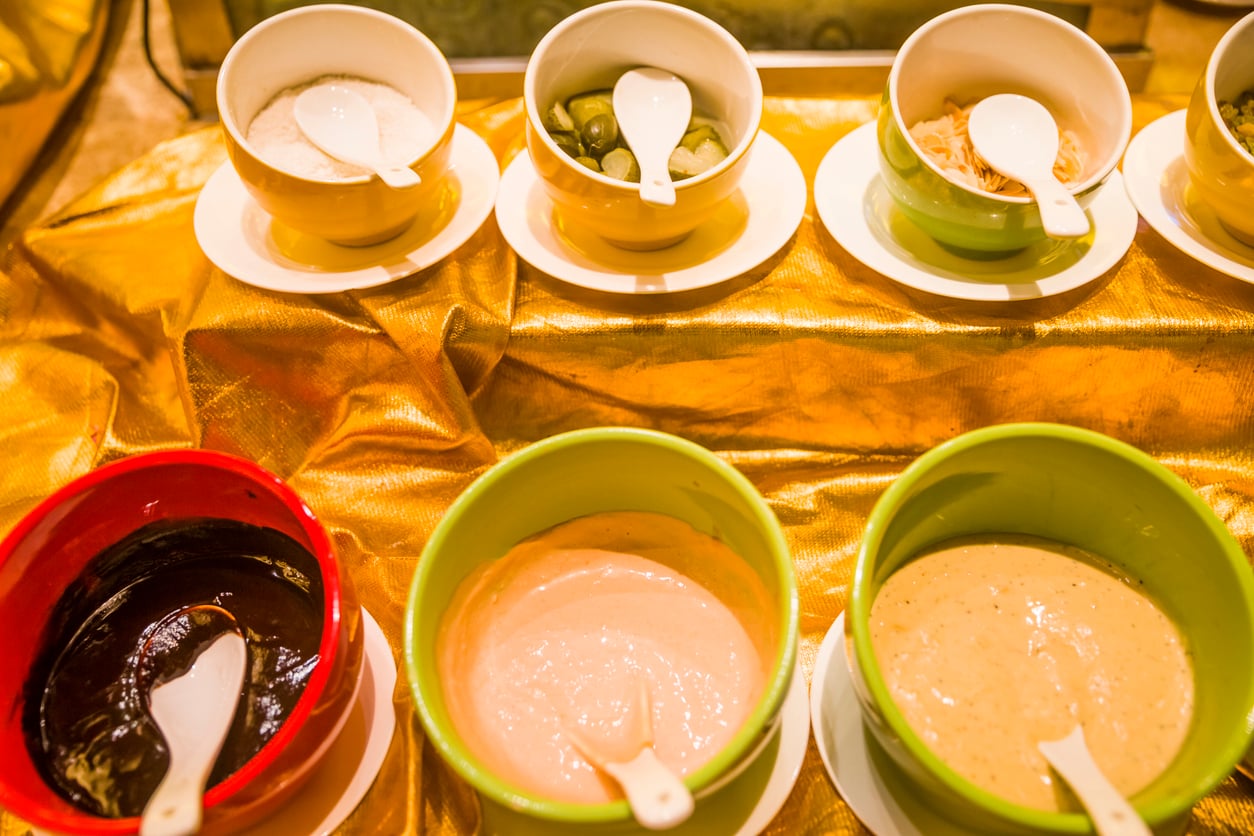
Creamy dishes such as Alfredo pasta, scalloped potatoes, and cheesy casseroles can be difficult to maintain over long periods.
As they sit under heat lamps, sauces may thicken, separate, or develop an unappealing texture. The flavor can also change noticeably compared to a freshly prepared version.
Even when perfectly safe to eat, cream-based buffet dishes frequently fail to deliver the same quality diners would expect from a restaurant kitchen.
Avoid: Iceberg Lettuce Salad
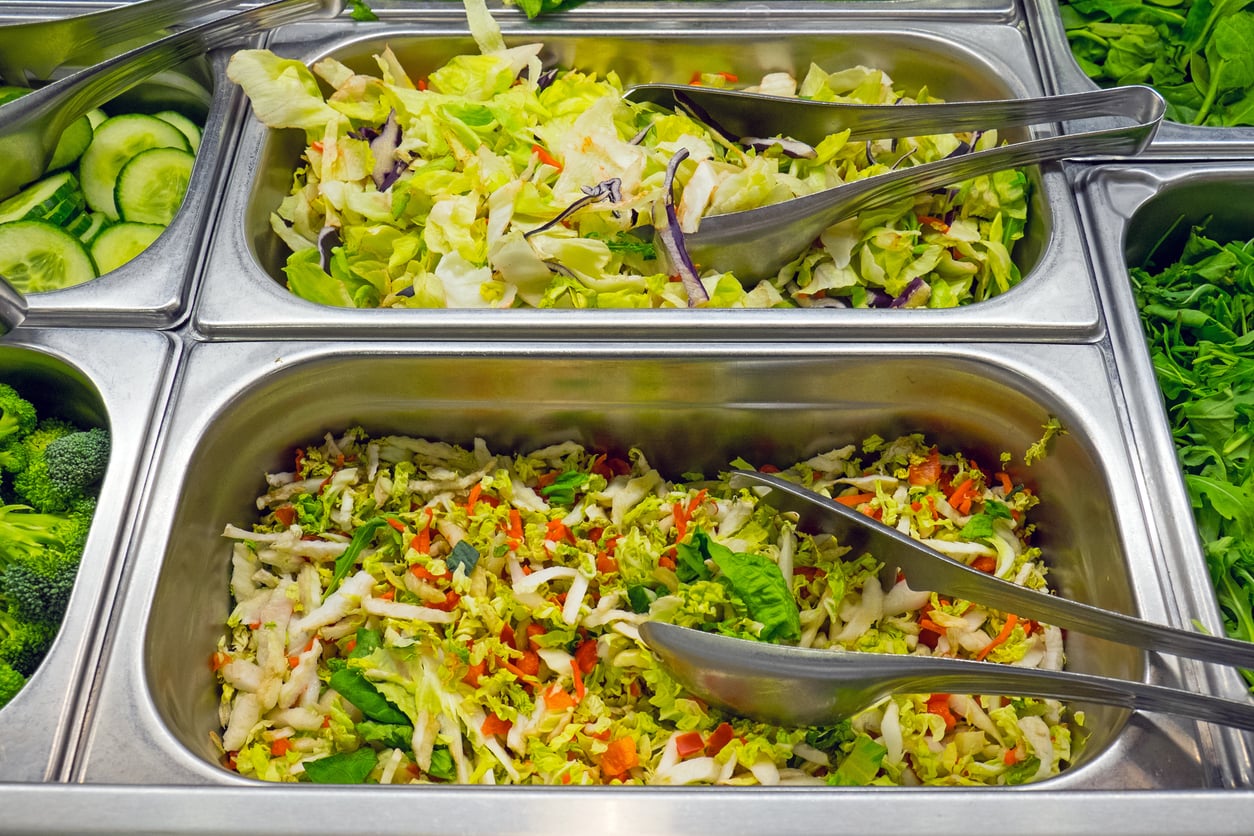
A salad bar isn’t necessarily a bad choice, but plain iceberg lettuce often represents one of the lowest-value items available.
It’s inexpensive, widely available, and easy to prepare at home. Large portions can also occupy valuable plate space that could be used for more unique or premium buffet offerings.
If you’re looking for vegetables, specialty salads, roasted vegetables, or prepared side dishes often provide a more interesting and worthwhile option.
Avoid: Dinner Rolls
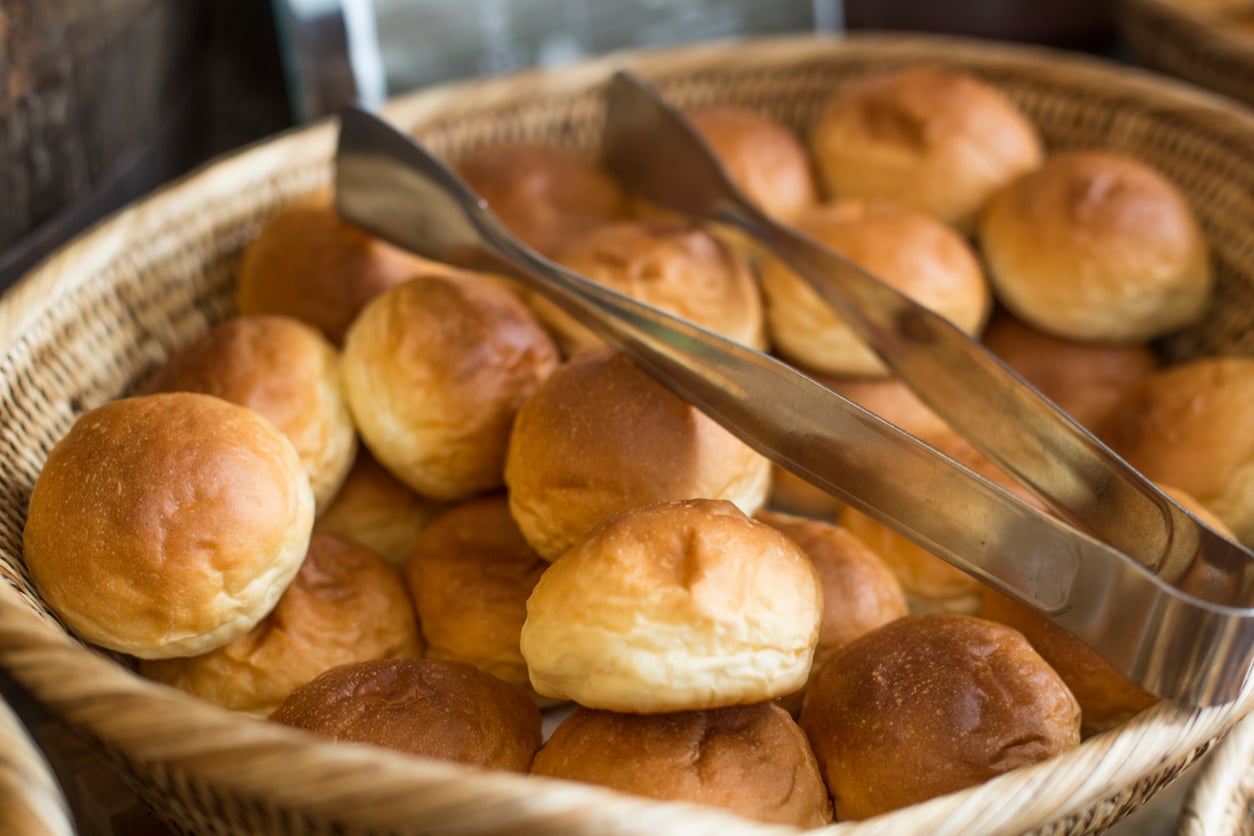
Bread has long been one of the easiest ways for restaurants to create a sense of fullness.
Dinner rolls, biscuits, and breadsticks are inexpensive to produce and highly filling. While a fresh roll can certainly be enjoyable, many seasoned buffet diners intentionally skip bread during the early part of their meal.
Saving room for higher-cost proteins and specialty dishes generally provides better value.
Sign up for our newsletter
Avoid: Fried Foods Sitting Under Heat Lamps
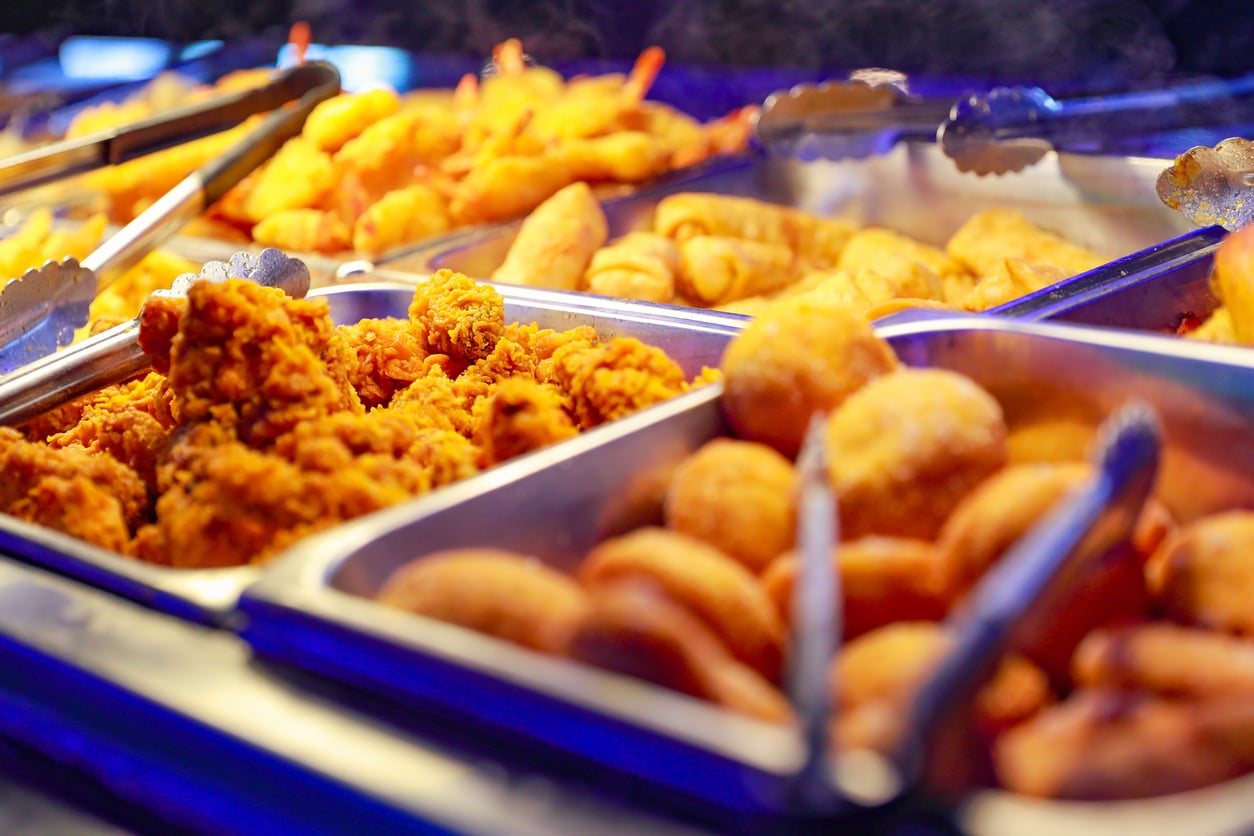
Freshly fried food can be fantastic. Buffet fried food is often another story.
French fries, onion rings, chicken tenders, and similar items tend to lose their crisp texture quickly. As they sit, they can become soggy, greasy, or stale.
If you notice a fresh batch being brought out, these foods may be worth considering. Otherwise, they’re often among the most disappointing items on the buffet line.
Avoid: Soft-Serve Ice Cream Machines With Low Traffic
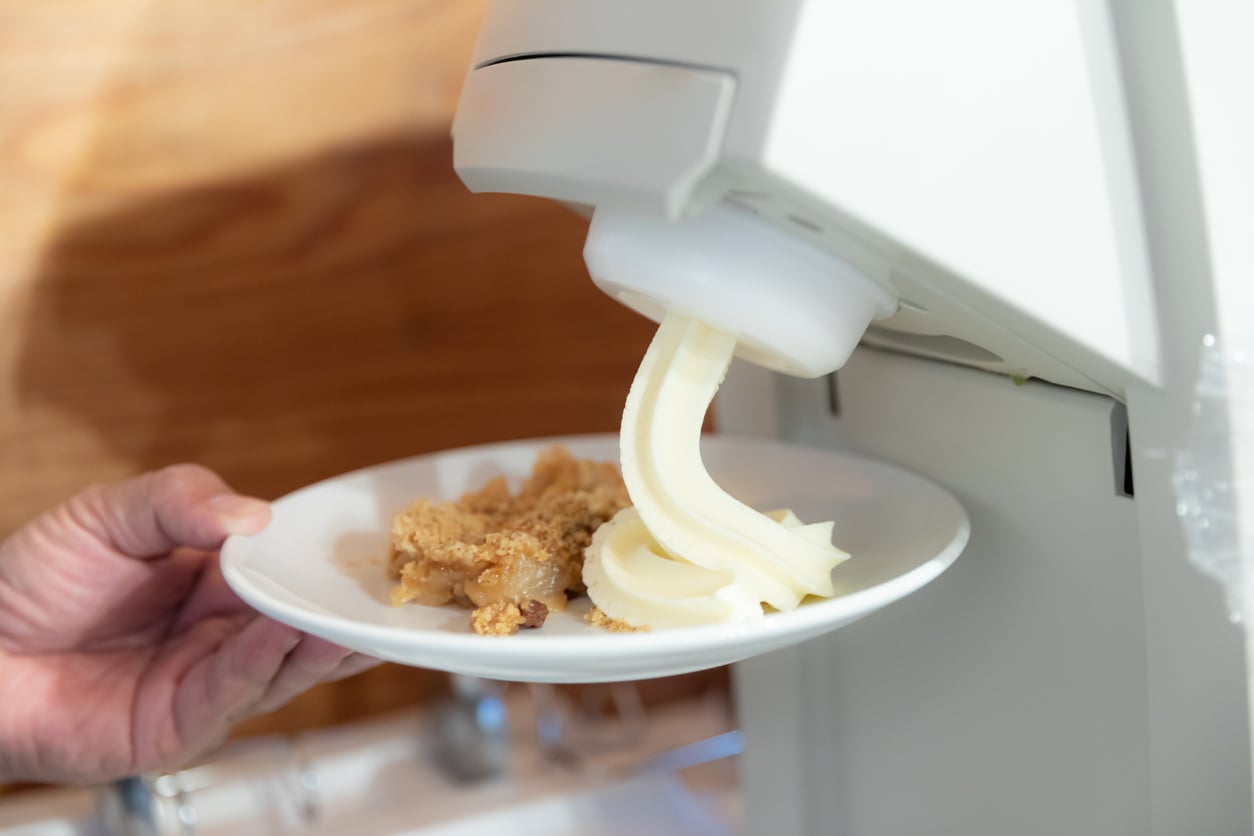
Soft-serve ice cream can be a fun buffet dessert, but customer traffic matters.
Machines that are rarely used may indicate lower turnover, and appearance can offer clues about maintenance. Melted product, inconsistent texture, or visible cleanliness concerns may be signs to choose another dessert option.
Well-maintained machines at busy buffets are often perfectly fine. The key is paying attention to how actively the station appears to be used.
Load Up On: Prime Rib
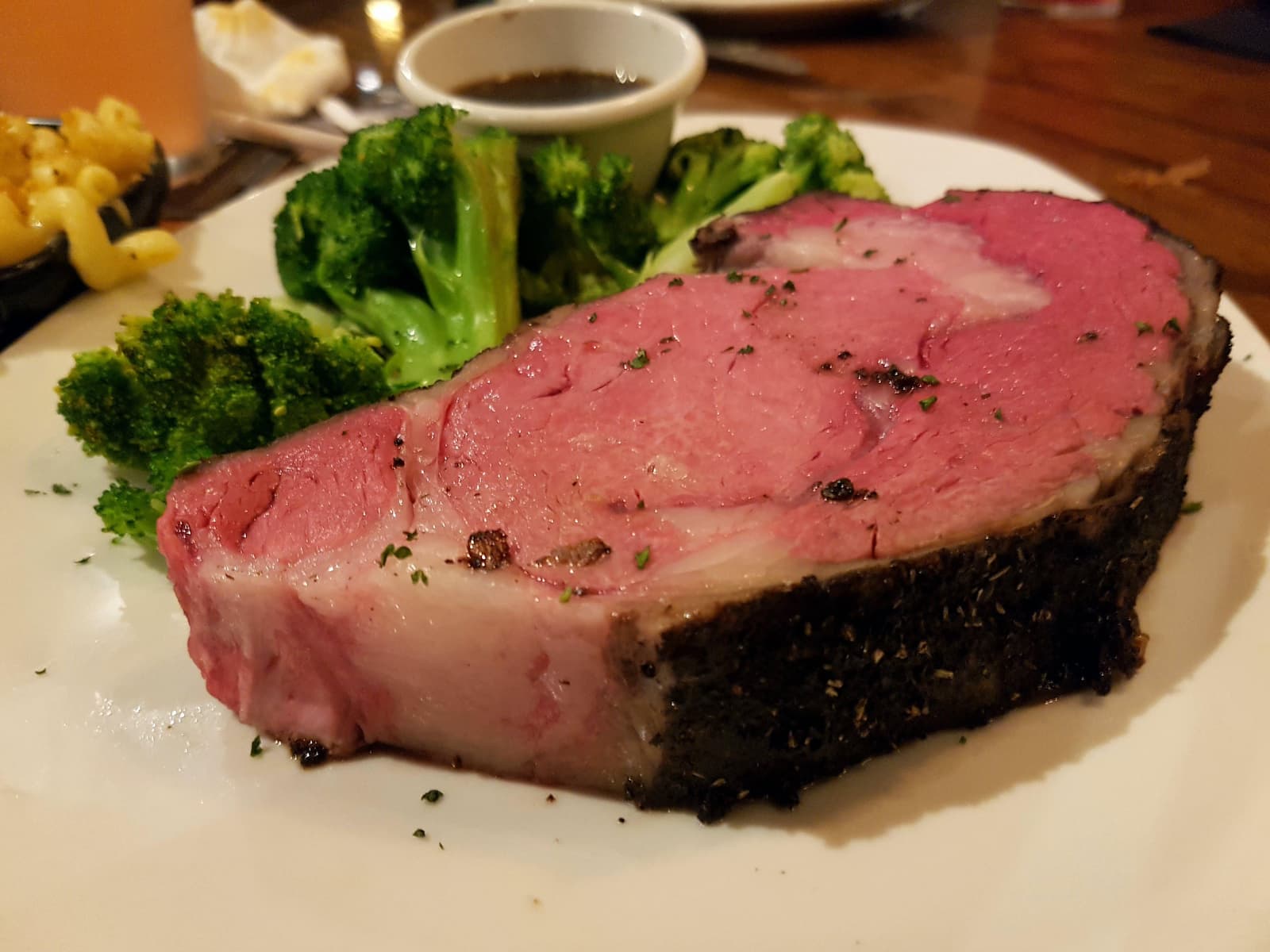
Few buffet offerings provide better value than prime rib.
At many restaurants, a single serving of prime rib can cost nearly as much as an entire buffet admission. That’s why carving stations are often considered the centerpiece of a premium buffet experience.
Freshly carved slices also tend to maintain better quality than meats that have been sitting in warming trays for extended periods.
Load Up On: Fresh-Carved Turkey
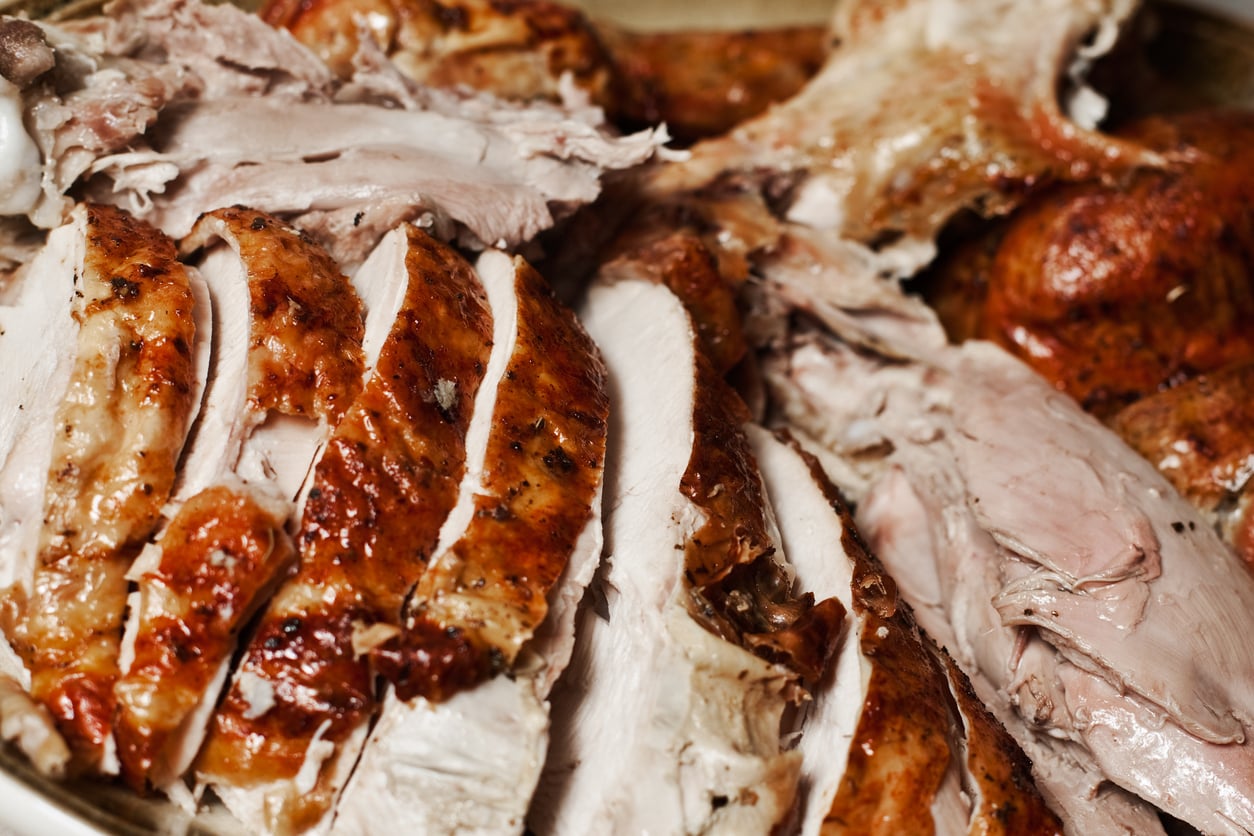
Turkey doesn’t always receive the same attention as beef, but it can be one of the smartest choices on the buffet.
Fresh carving stations help preserve moisture and texture while allowing diners to enjoy meat that’s sliced on demand. The result is often significantly better than pre-sliced turkey sitting in a steam tray.
It’s also a lean, high-protein option that offers strong value.
Load Up On: Crab Legs (When Available)
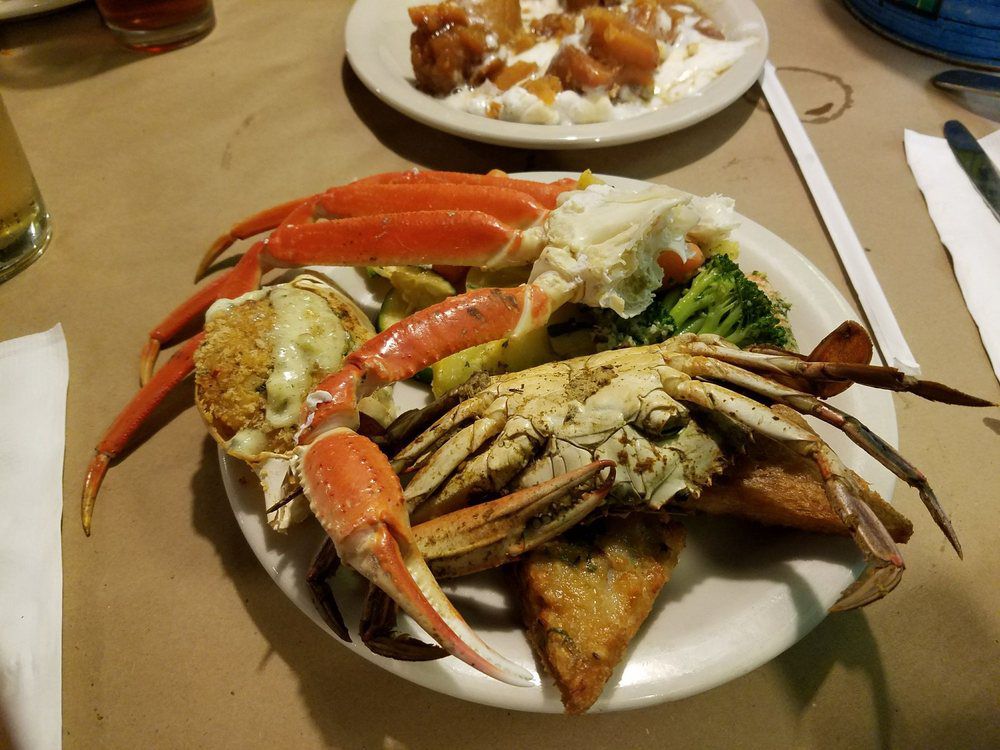
For seafood lovers, crab legs are often the ultimate buffet prize.
Crab is expensive at restaurants and grocery stores alike, making it one of the clearest examples of a buffet item that can help justify the price of admission.
Because demand is usually high, busy seafood buffets often replenish crab legs frequently, helping maintain freshness and quality.
Load Up On: Freshly Refilled Shrimp
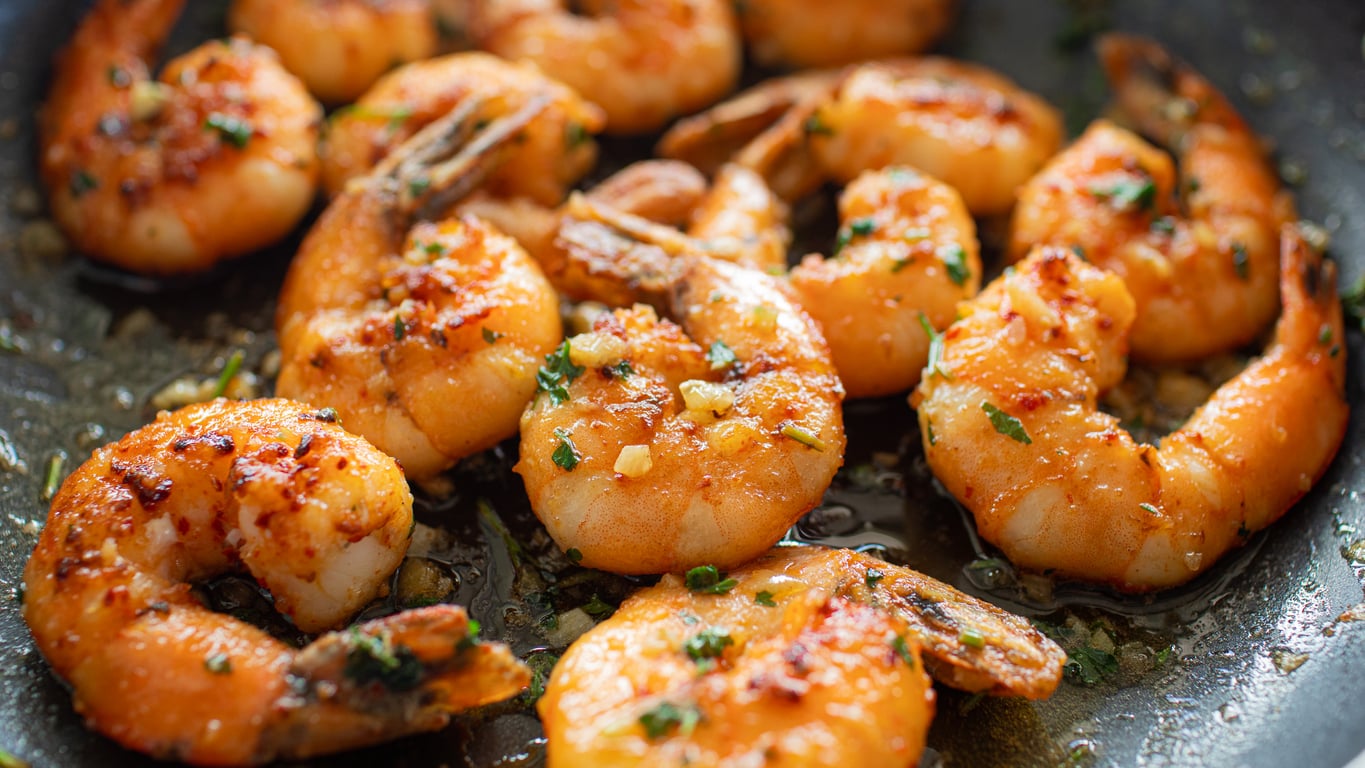
While older shrimp trays may be worth avoiding, freshly replenished shrimp can be an excellent value.
Shrimp appetizers frequently command substantial markups at traditional restaurants. At a buffet, freshly stocked shrimp can offer premium seafood value at a fraction of the typical cost.
Watching staff refill trays can help you identify the best time to grab a serving.
Load Up On: Made-To-Order Omelets
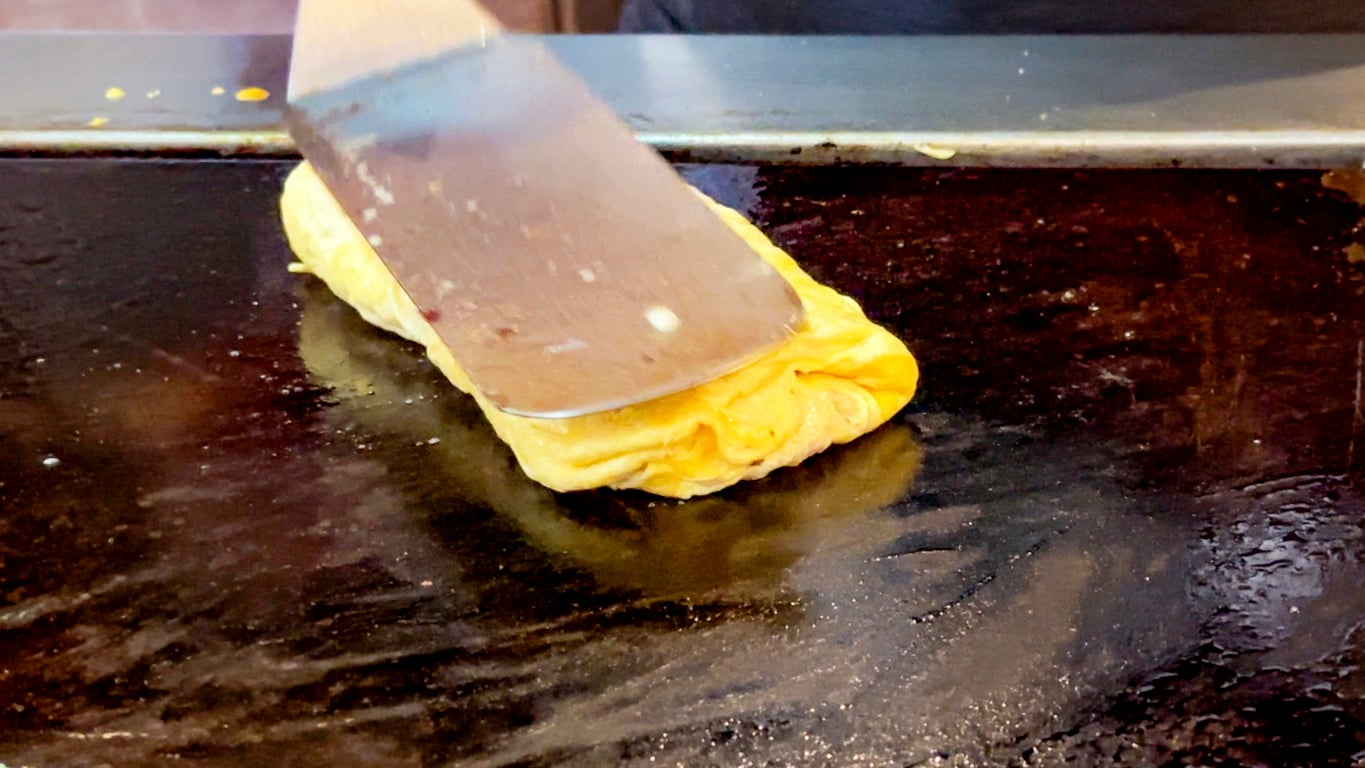
If a buffet offers a made-to-order omelet station, take advantage of it.
Unlike scrambled eggs sitting under heat lamps, omelets are prepared fresh and cooked to your specifications. You control the ingredients, and the eggs are served immediately after cooking.
The result is better flavor, better texture, and a more satisfying breakfast experience.
Load Up On: Hibachi Stations
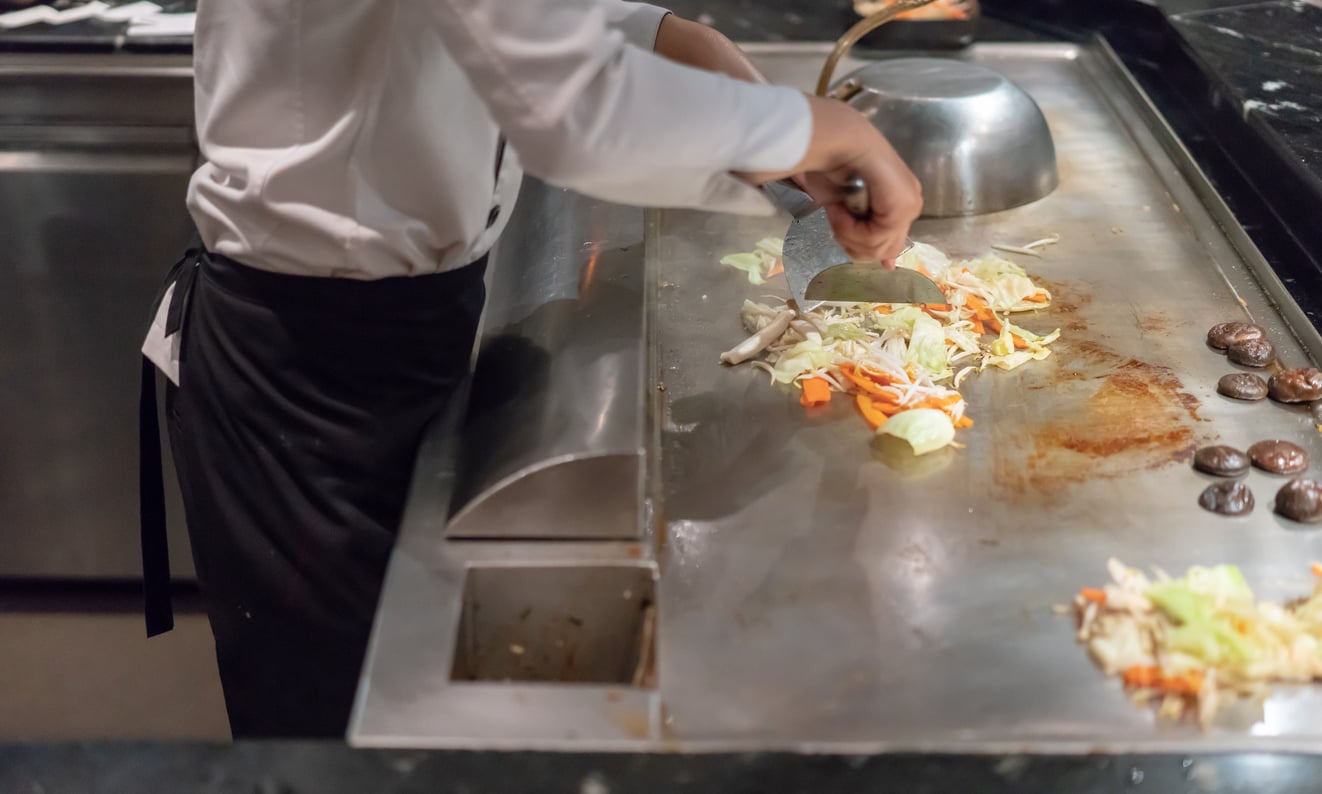
Hibachi grills have become one of the most popular additions to modern buffets.
These stations allow diners to select proteins, vegetables, and sauces that are cooked to order. Because food is prepared fresh, quality and freshness are often significantly better than standard buffet offerings.
Many customers consider hibachi stations among the best values available.
Load Up On: Smoked Brisket
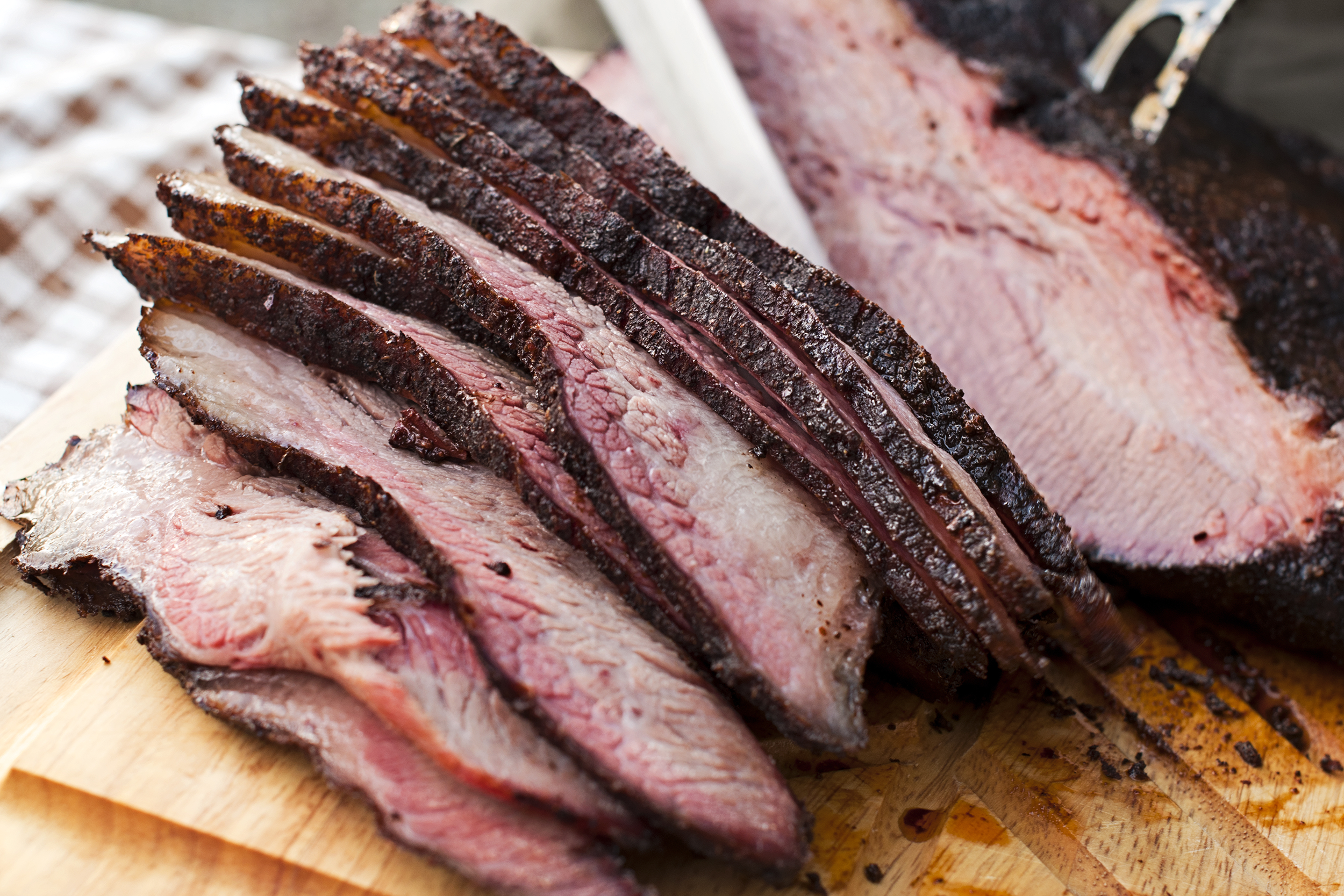
Brisket requires time, skill, and patience to prepare properly.
Smoking brisket can take many hours, and the meat itself has become increasingly expensive. When a buffet offers quality brisket, it often represents one of the most premium proteins available.
Freshly sliced brisket typically provides far more value than standard buffet entrees.
Load Up On: Specialty Ethnic Dishes
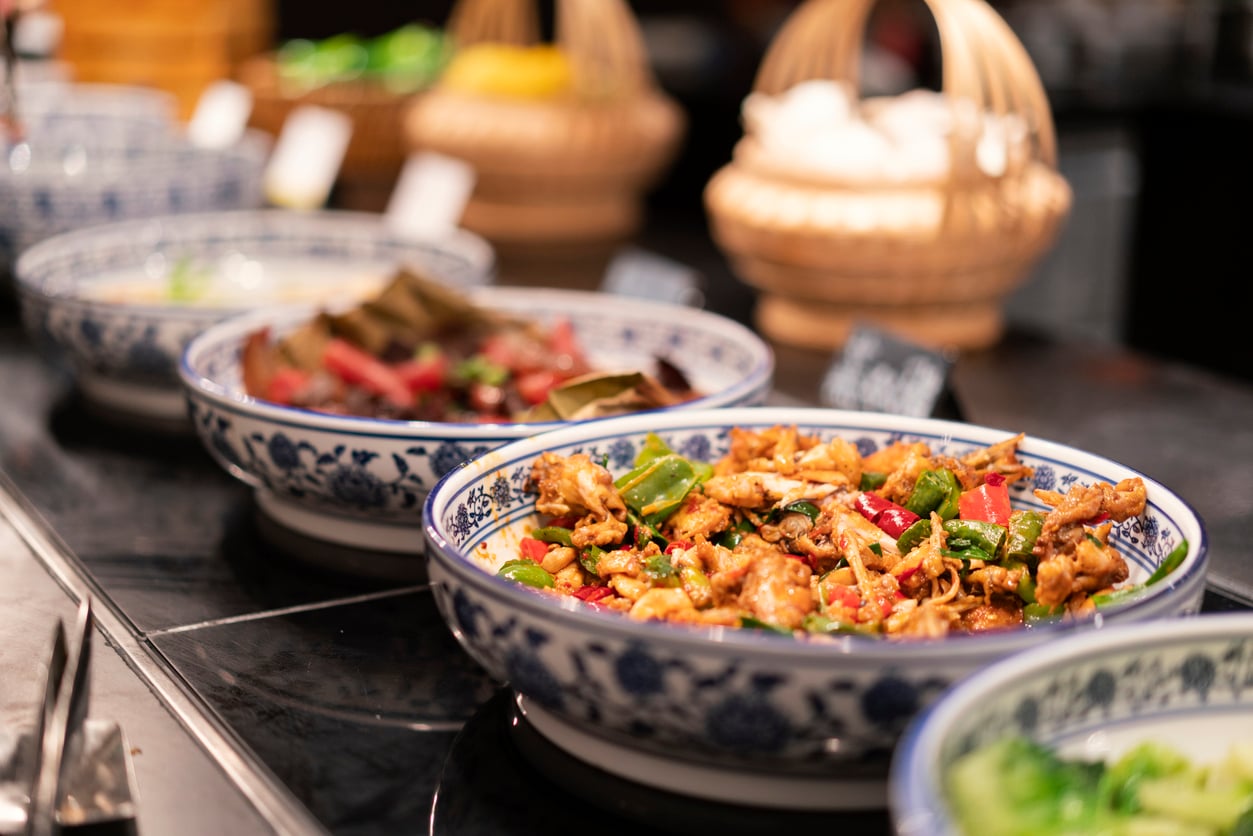
Buffets often provide opportunities to try foods that would be difficult or expensive to make at home.
Regional curries, specialty stir-fries, roasted meats, and unique cultural dishes can offer a more memorable experience than generic buffet staples. These dishes frequently require specialized ingredients, preparation techniques, or recipes that many home cooks don’t use regularly.
They can be one of the most rewarding ways to explore a buffet menu.
Load Up On: Fresh Fruit
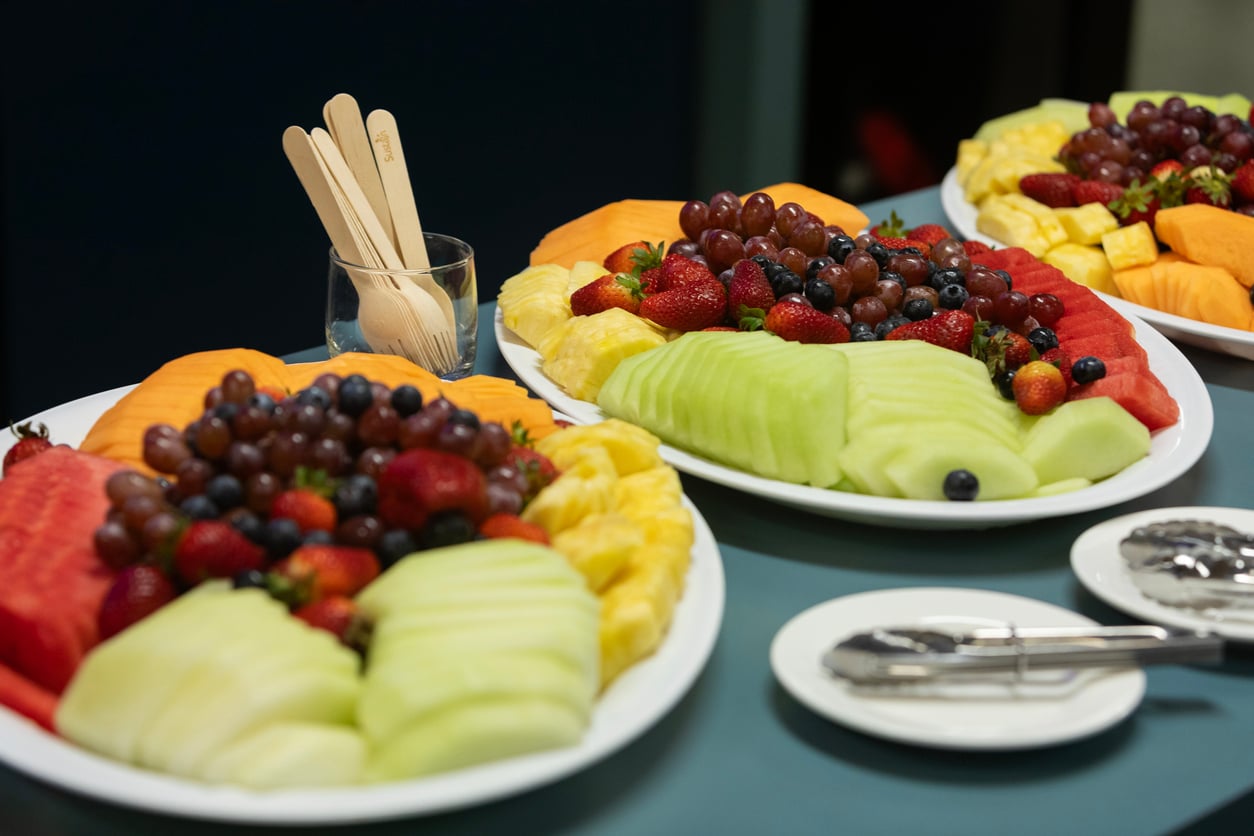
Fresh fruit may not seem like a value item at first glance, but grocery prices have made quality fruit more expensive than many people realize.
A well-maintained fruit station offers freshness, variety, and nutritional benefits. It can also serve as a lighter alternative to heavier desserts that leave diners feeling overly full.
Seasonal fruit selections can be especially appealing.
Load Up On: Freshly Baked Desserts
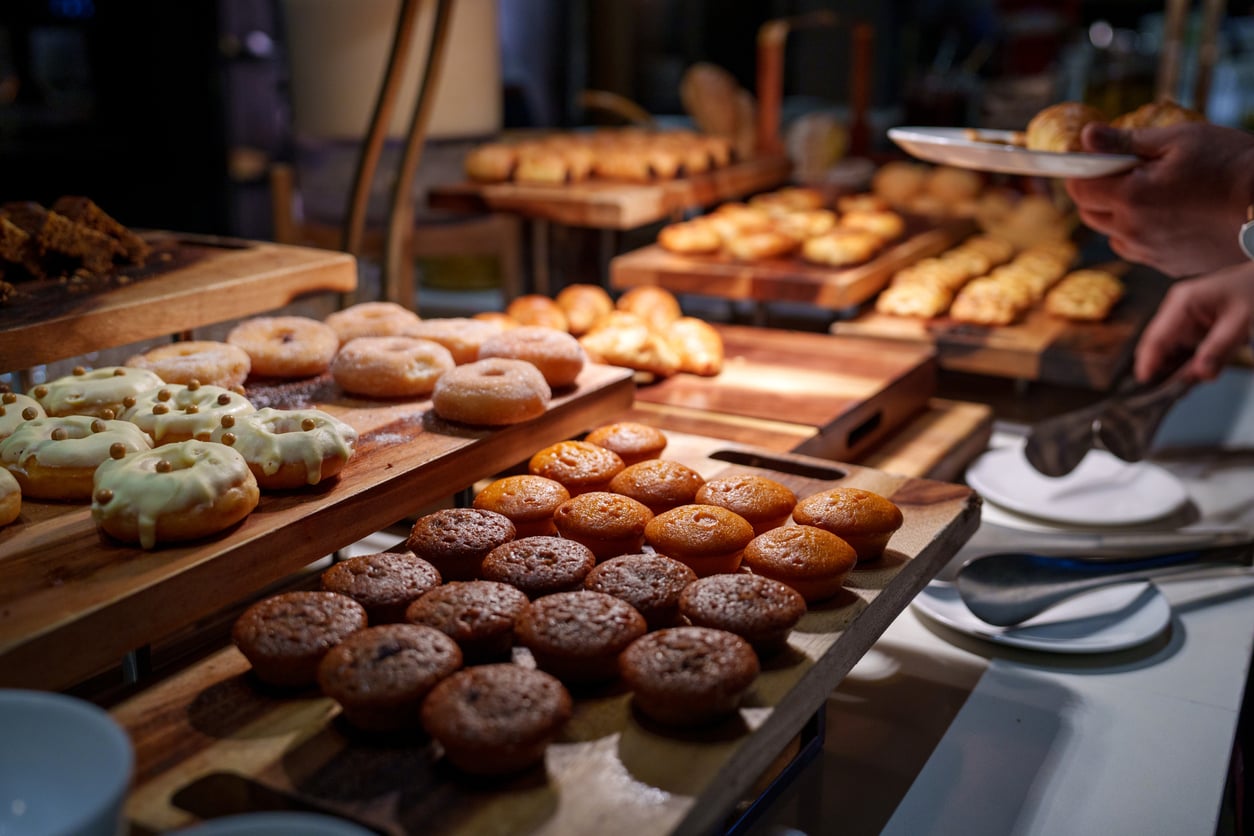
Not all buffet desserts are created equal.
Fresh pies, cobblers, bread puddings, and bakery items often deliver a level of quality that frozen desserts can’t match. Desserts that are replenished frequently tend to maintain better texture and flavor as well.
If you’re saving room for something sweet, freshly baked options are often your best bet.
The Bigger Story Behind Buffet Strategy
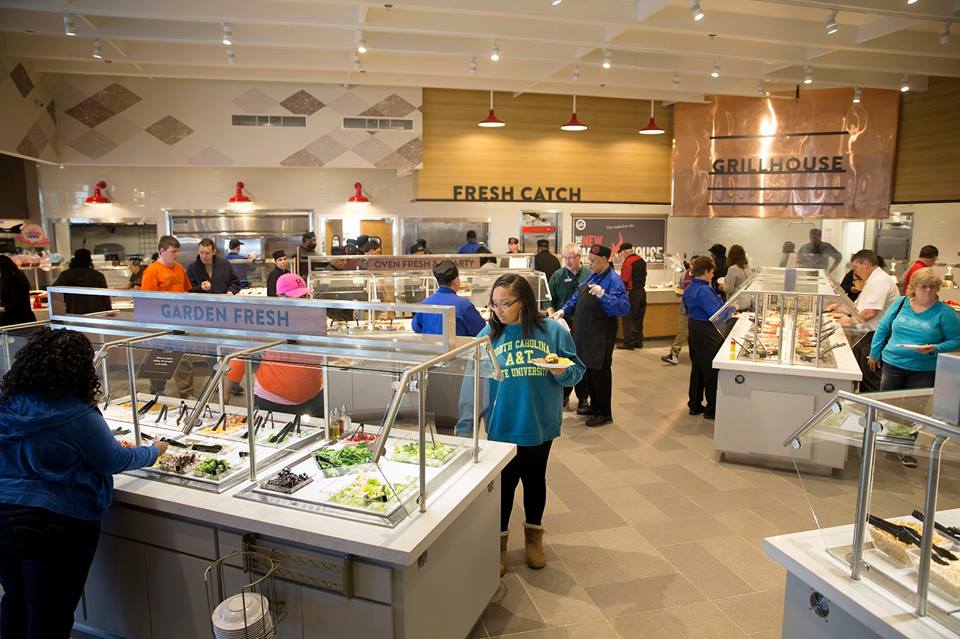
The smartest buffet diners aren’t necessarily the ones who eat the most food. They’re the ones who understand which foods offer genuine value and which items primarily serve to fill plates cheaply.
Buffets remain one of the few dining experiences where customers can dramatically influence the value they receive. Choosing premium proteins, freshly prepared foods, and high-turnover stations can help maximize both quality and satisfaction.
The best buffet strategy ultimately combines economics with common sense: prioritize expensive items, pay attention to freshness, watch for replenishment, and remember that not every food deserves equal space on your plate. Do that, and you’ll be far more likely to leave satisfied—and feeling like you got your money’s worth.