The 1960s and 1970s were decades of enormous change in the way people ate. Many of the popular foods in the 60s and 70s reflected changing lifestyles, new technology, and evolving tastes. Supermarkets expanded their selections, frozen and convenience foods became everyday staples, fast food chains spread across the country, and colorful advertising turned familiar snacks and meals into household icons. At the same time, many families still relied on home-cooked recipes, neighborhood bakeries, local diners, and traditional comfort foods that reflected earlier generations.
These old-school photos capture popular foods exactly as they looked during the era, from homemade dinners and classic desserts to restaurant favorites and grocery store staples. Beyond the recipes themselves, the images reveal changing table settings, packaging, serving styles, and kitchen trends that defined everyday eating in the 1960s and 1970s. Whether the dishes have disappeared entirely or simply evolved over time, they offer a nostalgic glimpse into the flavors and food culture that shaped a generation.
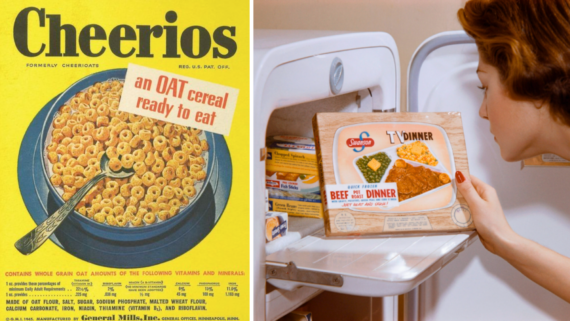
TV Dinners Became a Weeknight Staple
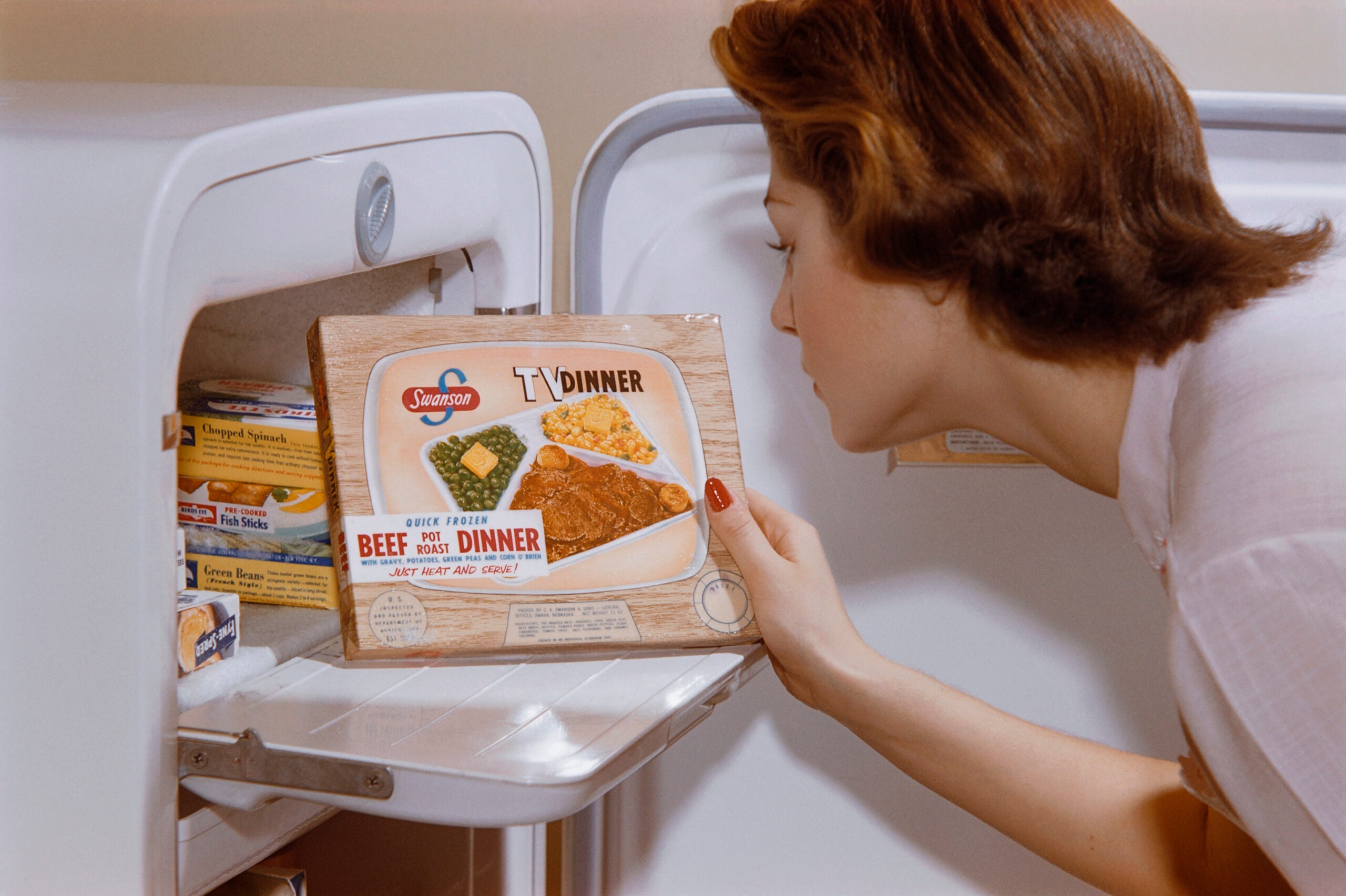
By the 1960s and 1970s, frozen TV dinners had become a symbol of convenience for busy households. Sold in compartmentalized trays with complete meals, they offered families a quick alternative to cooking from scratch. Their growing popularity reflected changing lifestyles, as more Americans embraced frozen foods and the ease of preparing dinner in minutes.
Corn Flakes Were a Breakfast Table Favorite
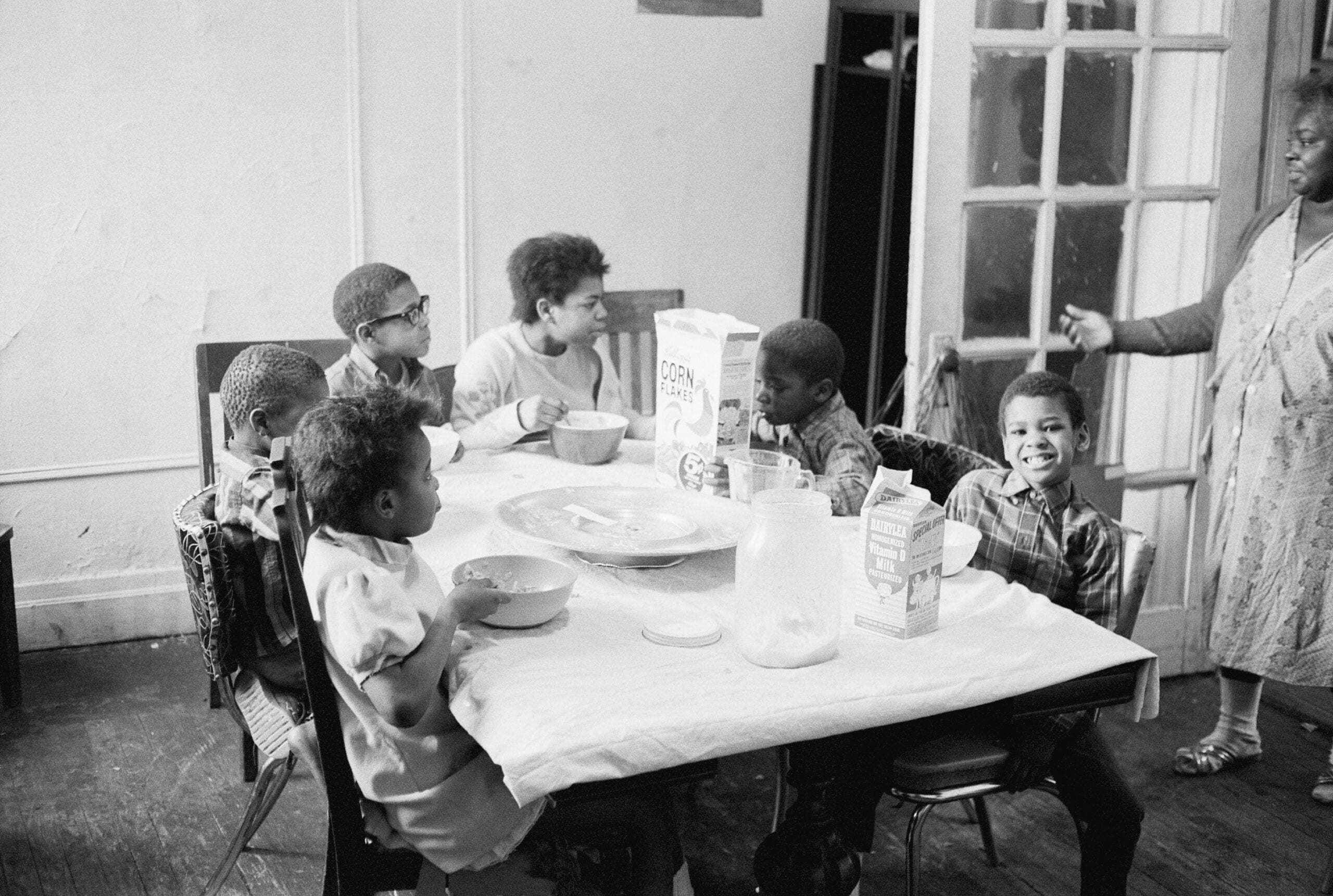
Cold cereal became a breakfast staple in many American households during the 1960s, offering an affordable and convenient start to the day. Corn flakes, often served with milk and a sprinkle of sugar, were especially popular among families with children. Photos like this capture the simple breakfasts that fueled busy mornings and reflected everyday life during the era.
The Classic Cheeseburger Was Game Day Fuel
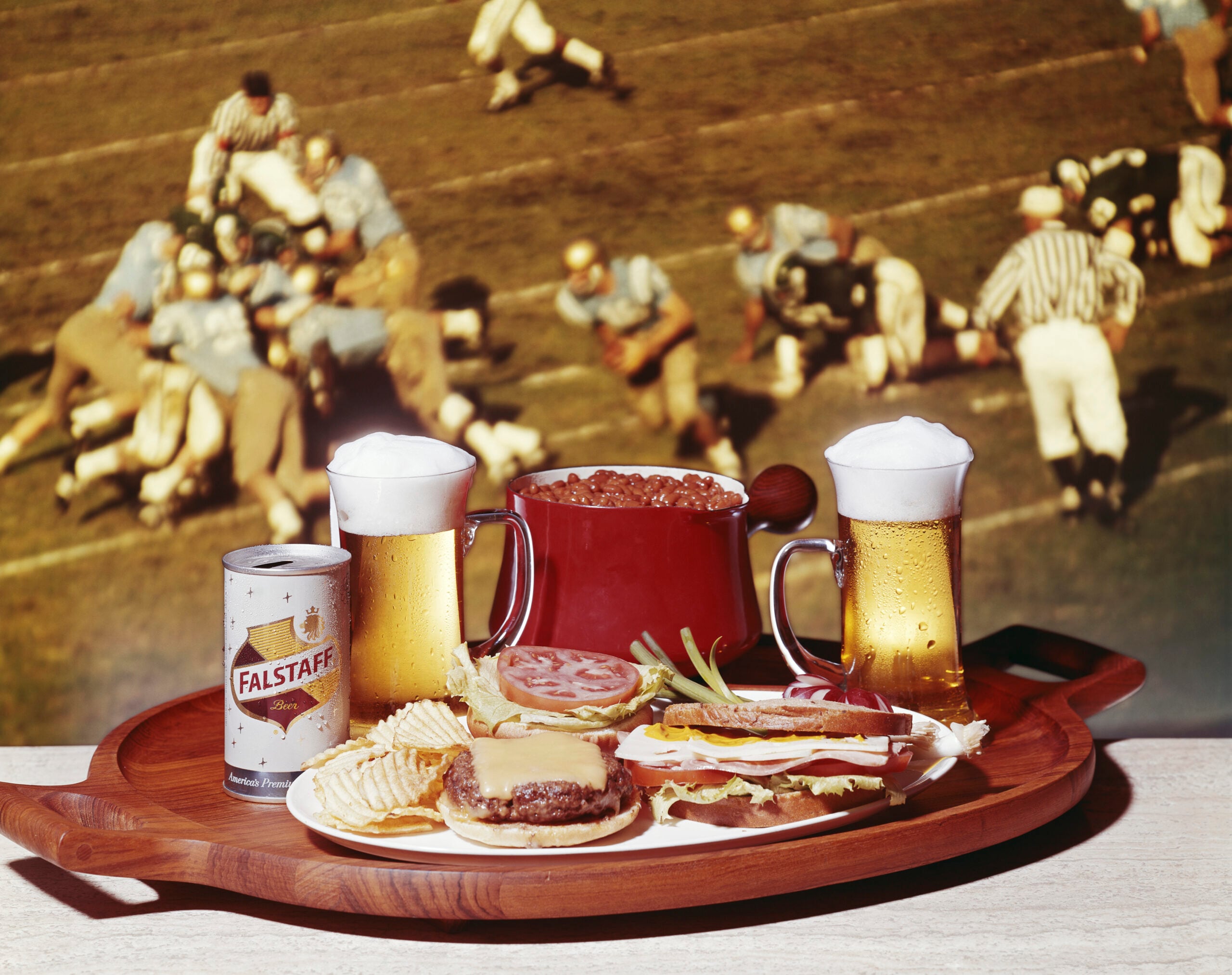
A juicy cheeseburger served with potato chips and a cold beer was the kind of simple meal many Americans enjoyed while watching football on weekends during the 1960s and 1970s. Whether gathered around the television for an NFL game or cheering on their favorite college team, fans often paired the action with hearty comfort food. Long before gourmet burgers became popular, this classic combination had already earned its place as a game day tradition.
Spam Pie Turned Pantry Staples Into Dinner
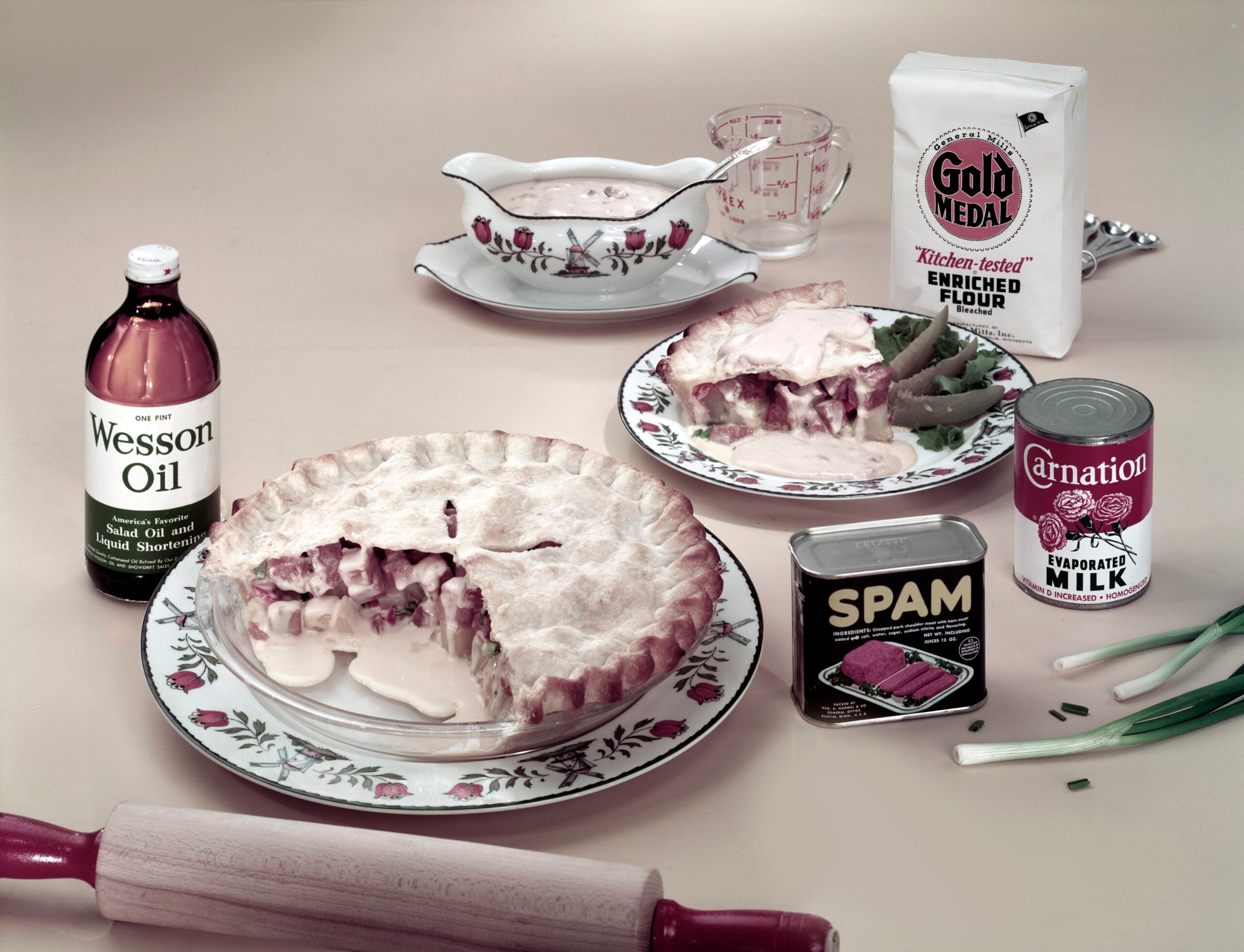
During the 1950s and 1960s, home cooks often relied on inexpensive pantry ingredients to create filling family meals, and Spam pie was one creative example. Combining canned Spam, potatoes, cream of mushroom soup, and vegetables inside a flaky crust, the dish reflected the era’s enthusiasm for convenience cooking. Recipes like this became popular because they were affordable, easy to prepare, and could feed an entire family with ingredients many households already had on hand.
A Hearty Lunch Was Served With a Glass of Milk
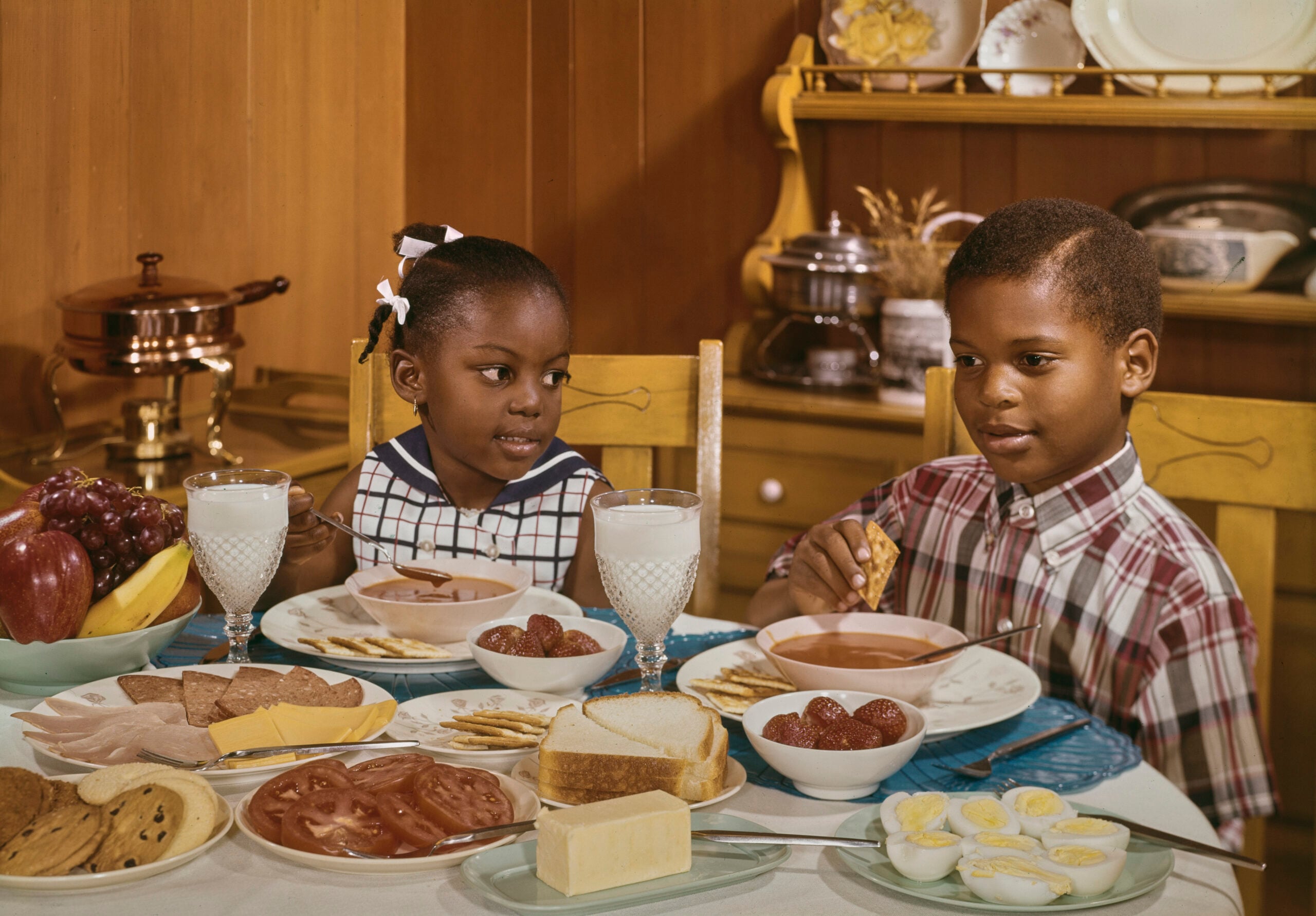
In the 1960s, a filling lunch often included soup, sandwiches or sliced meats, fresh vegetables, bread, and a glass of milk. Milk wasn’t reserved just for breakfast—it was a common drink at both lunch and dinner, especially for children, thanks to its reputation as an essential part of a healthy diet. Meals like this reflected the era’s emphasis on simple, wholesome foods shared around the family table.
Trending on Cheapism
Old Cheerios Packaging
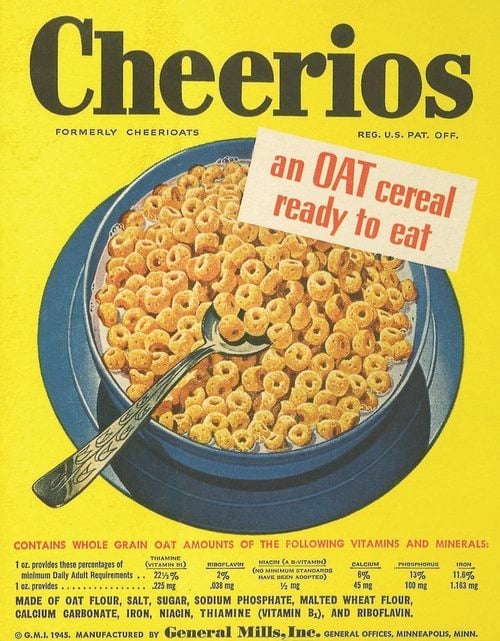
Cheerios became a breakfast staple for millions of American families long before its familiar yellow box took on its modern look. This vintage packaging reflects the bold typography, simple graphics, and wholesome marketing that defined cereal aisles throughout the 1960s and 1970s, when brands emphasized nutrition alongside family-friendly appeal.
Spaghetti With Tomato Sauce Became an American Favorite
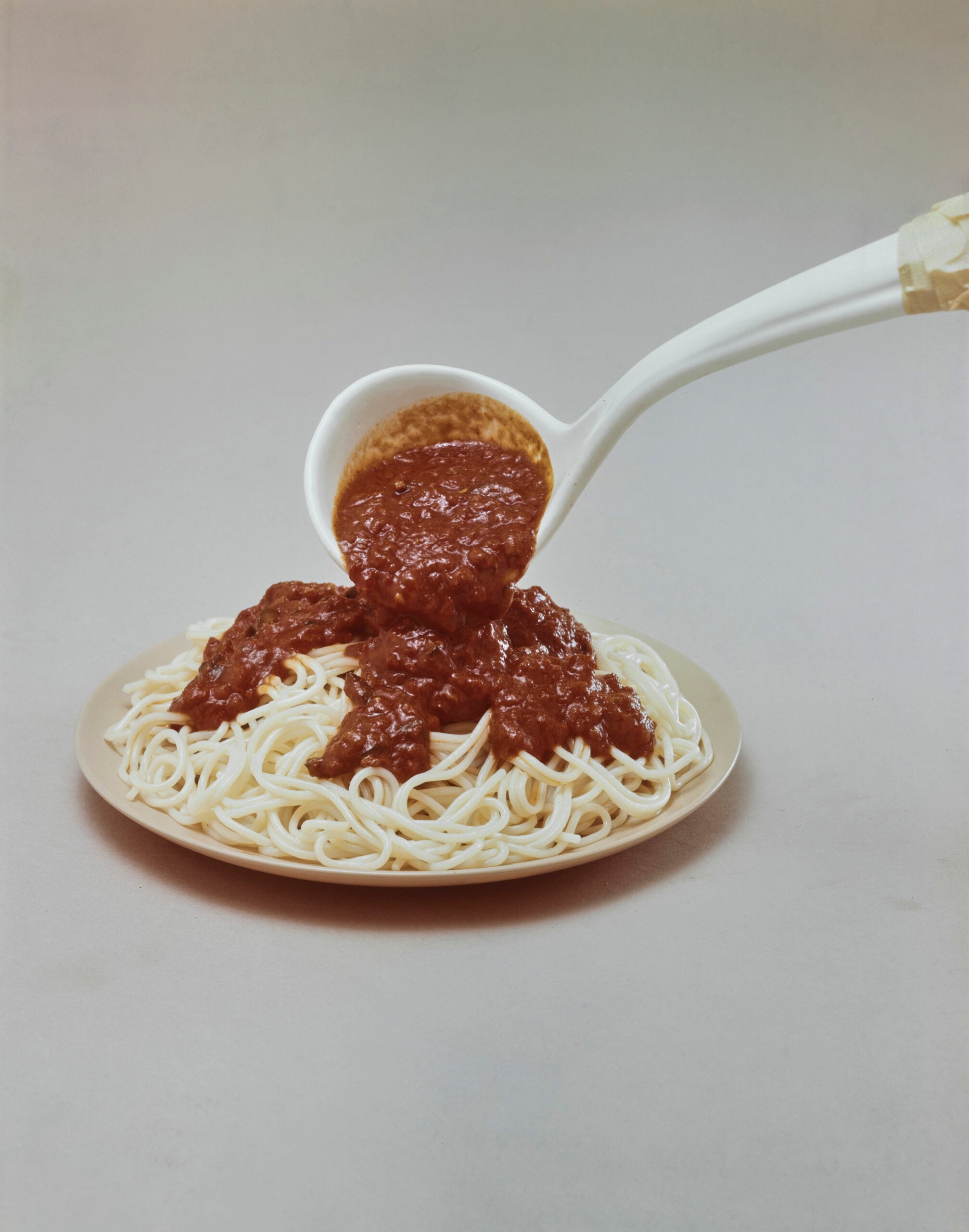
By the 1960s, spaghetti topped with tomato sauce had become one of America’s most popular family dinners. As Italian-American cuisine entered the mainstream, supermarkets stocked dried pasta, canned tomato sauces, and familiar brands like Chef Boyardee, making the dish easy to prepare at home. Simple, affordable, and satisfying, a plate of spaghetti became a weeknight staple that introduced generations of Americans to Italian-inspired comfort food.
Homemade Chocolate Cake Was the Star of Every Celebration
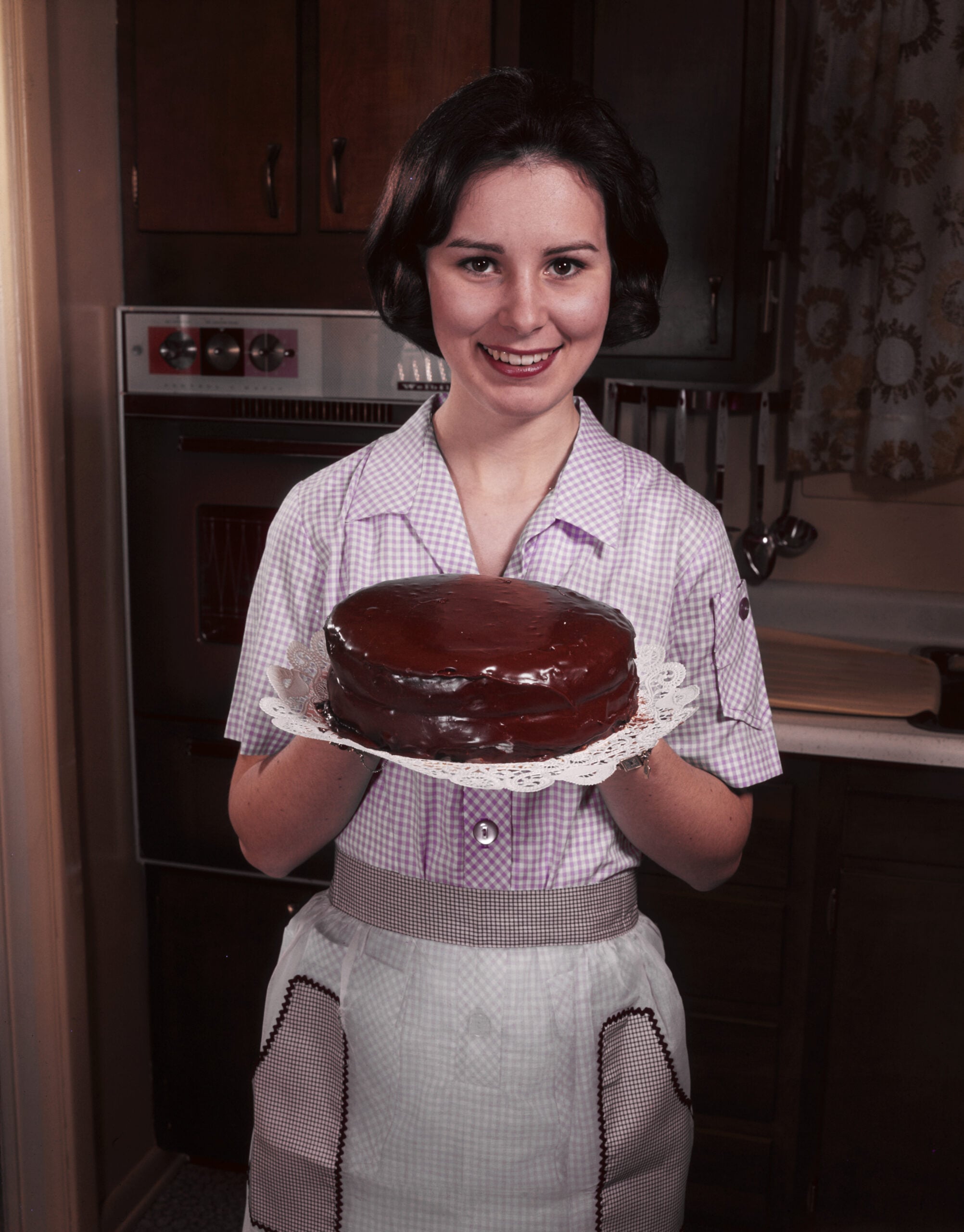
A homemade chocolate cake was one of the most beloved desserts of the 1960s, appearing at birthdays, holidays, potlucks, and Sunday family dinners. Many home bakers relied on boxed cake mixes from brands like Betty Crocker and Duncan Hines, then added homemade frosting or decorative touches to make the cake their own. Whether baked from scratch or with a little help from a mix, a rich chocolate cake was a symbol of home baking at its finest.
Sign up for our newsletter
Hot Dogs and Fries Ruled the Concession Stand
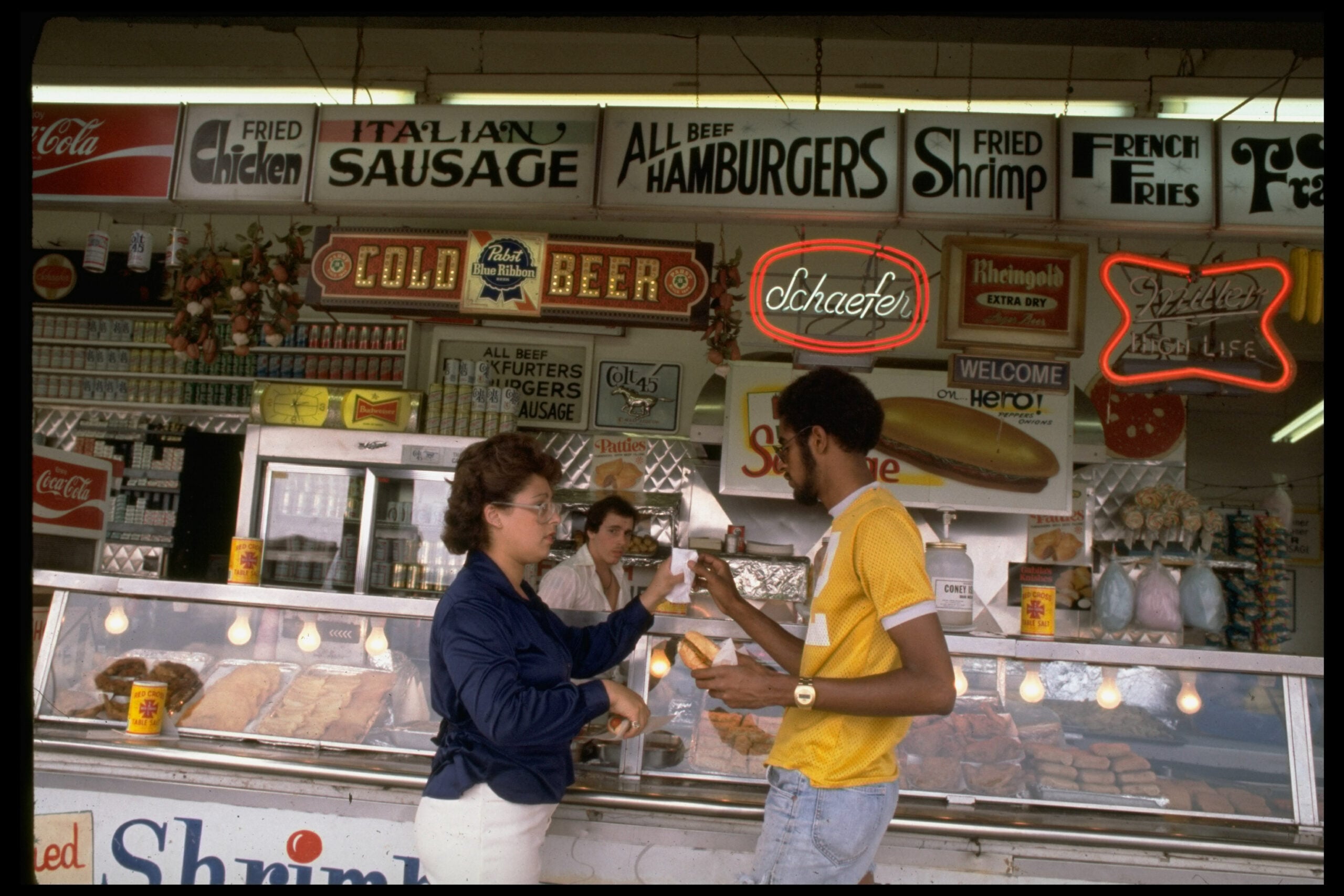
By the 1960s and 1970s, concession stands at places like Coney Island had become synonymous with classic American comfort food. Visitors lined up for hot dogs, hamburgers, crispy French fries, and cold drinks before heading back to the rides or the beach. These simple, affordable favorites helped make amusement parks, ballgames, and summer outings memorable for generations of families.
Fondue Was the Ultimate Dinner Party Trend
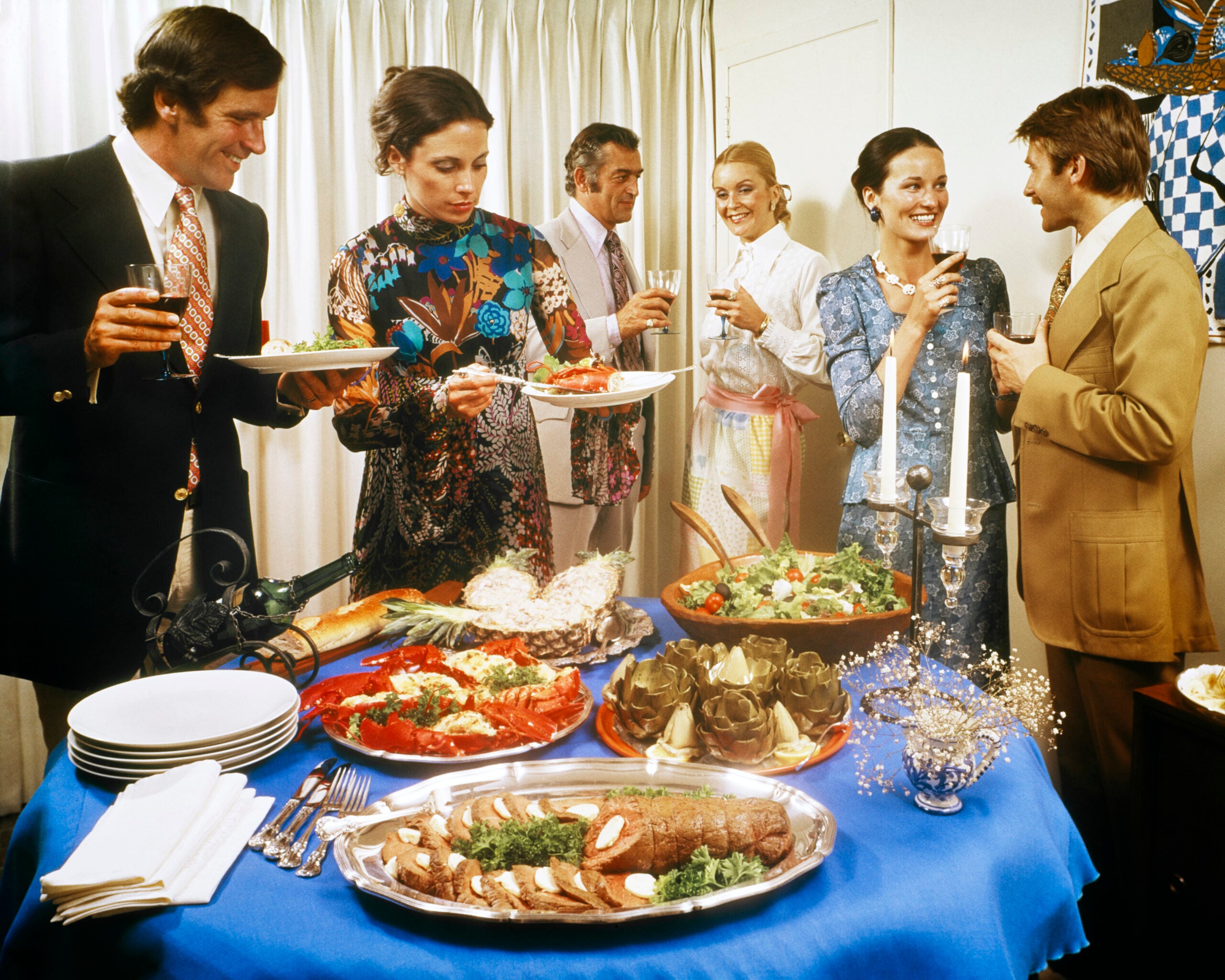
Few foods captured the spirit of 1970s entertaining quite like fondue. Dinner parties often featured buffet tables loaded with roast beef, seafood, salads, wine, and a bubbling fondue pot where guests gathered to dip bread, vegetables, and meat into melted cheese or chocolate. Inspired by Swiss cuisine, fondue became a fashionable centerpiece that turned casual dining into a social event and defined home entertaining throughout the decade.
Shrimp Cocktail Was a Sophisticated Appetizer
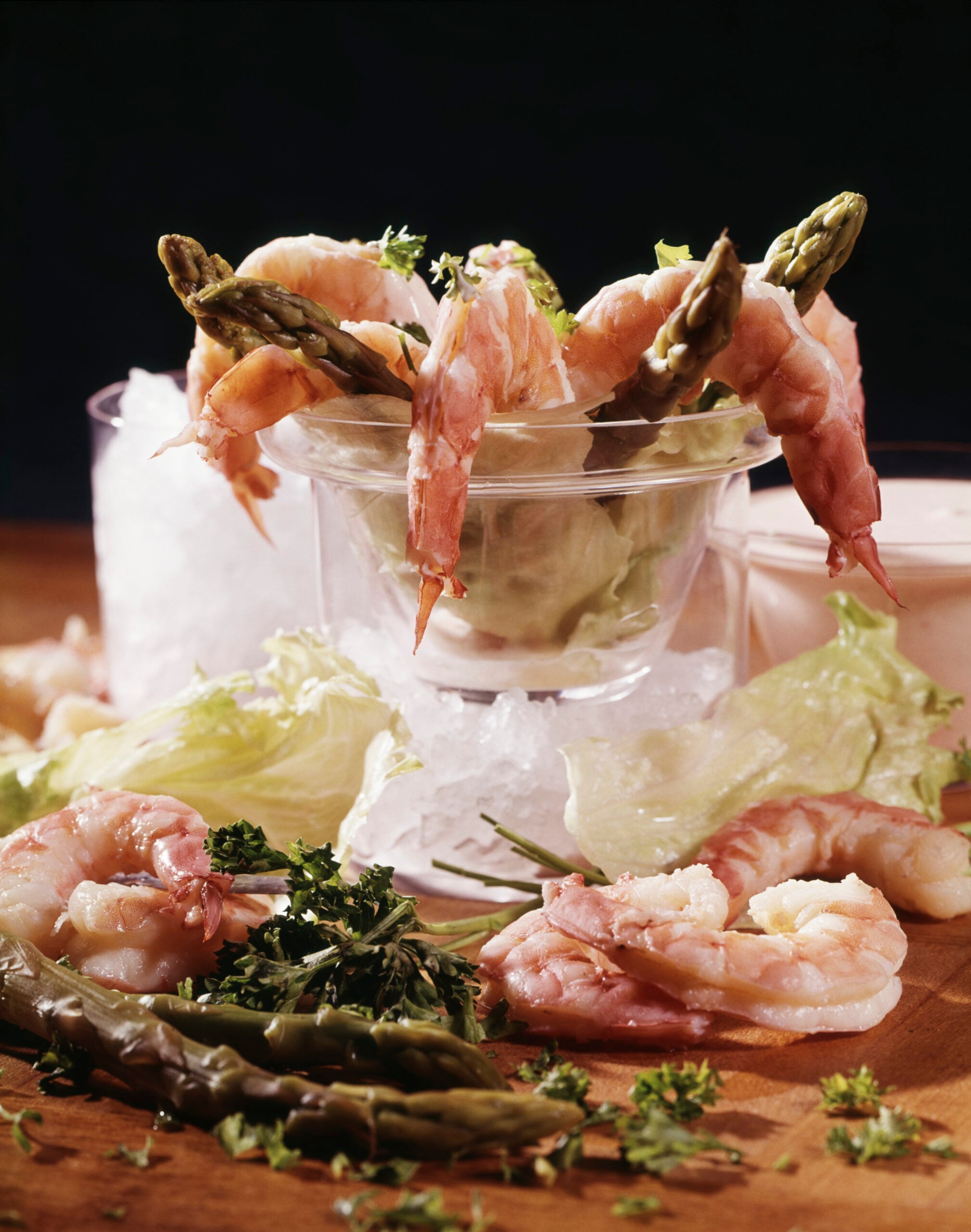
Shrimp cocktail was considered one of the most elegant appetizers of the 1960s and 1970s, often appearing at dinner parties, holiday meals, and special celebrations. Creative variations featuring asparagus or other vegetables reflected the era’s love of stylish presentation and restaurant-inspired entertaining at home. Served chilled with cocktail sauce, it became a symbol of upscale dining that many hosts proudly included on their party menus.
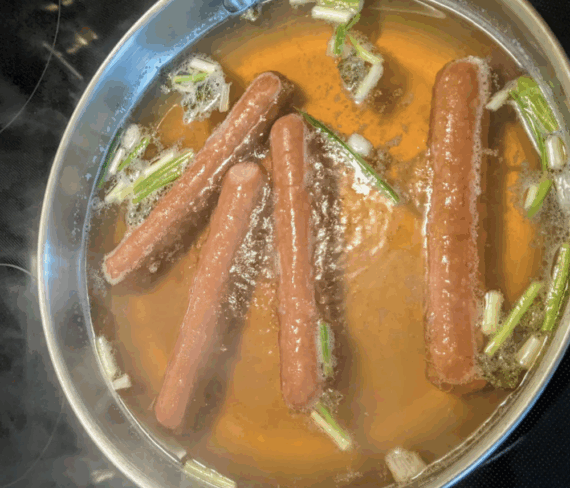
Hot Dogs Were a Childhood Favorite
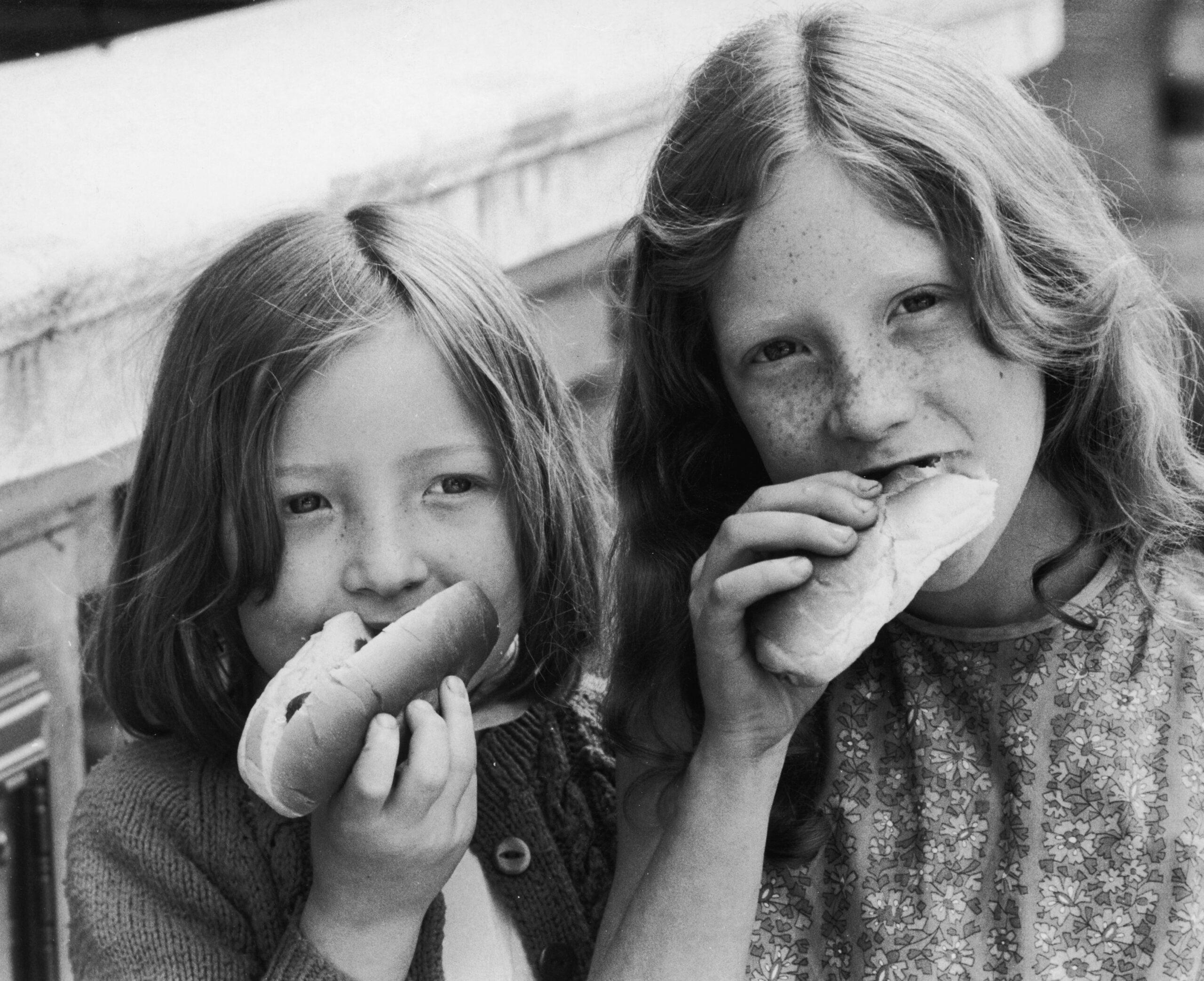
For many kids growing up in the 1960s and 1970s, few meals were as exciting as a hot dog. Whether enjoyed at amusement parks, backyard cookouts, baseball games, or neighborhood snack stands, hot dogs were an affordable treat that became part of countless family outings. Their popularity made them one of the defining fast foods of the era, loved by children and adults alike.
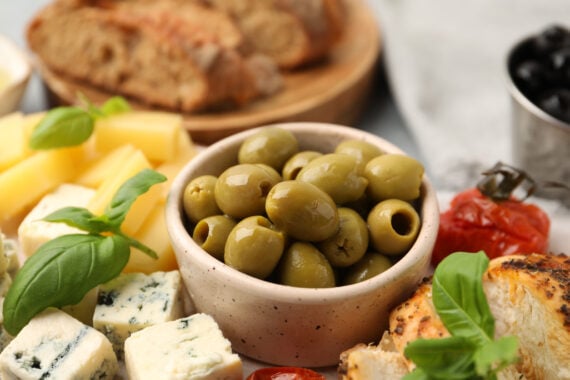
Cheese Boards Became a Stylish Party Snack
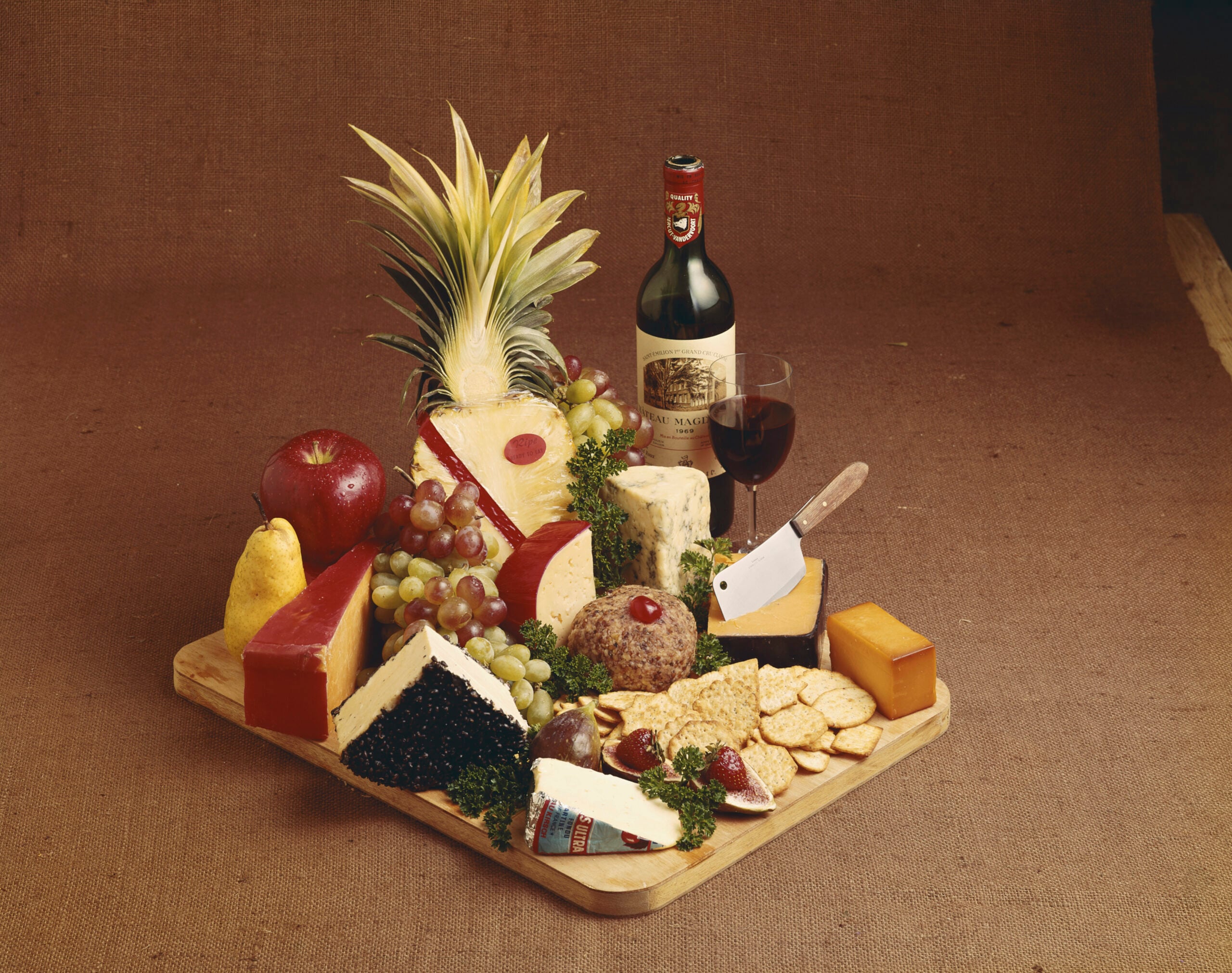
By the 1970s, serving a cheese board with fresh fruit and wine had become a fashionable way to entertain guests. Influenced by European dining trends, hosts paired a variety of cheeses with grapes, apples, crackers, and wine to create an elegant appetizer before dinner. Simple yet sophisticated, these spreads became a hallmark of cocktail parties and casual gatherings throughout the decade.
Tomato Appetizers Added Elegance to Entertaining
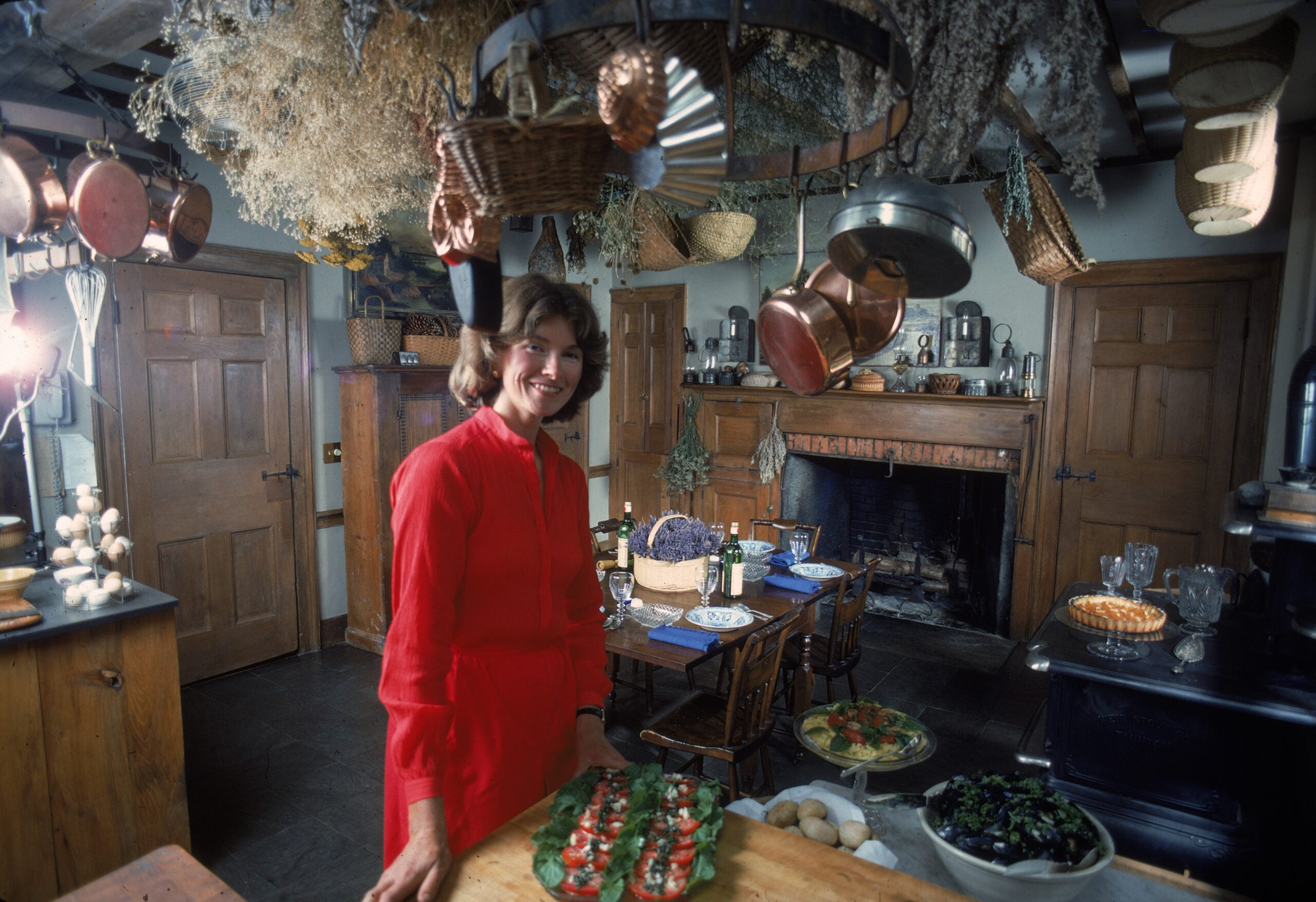
During the 1970s, bite-sized appetizers became an essential part of dinner parties and cocktail gatherings. Stuffed tomatoes, tomato canapés, and other colorful hors d’oeuvres reflected the decade’s growing interest in stylish home entertaining and beautifully presented food. As hosts embraced more sophisticated menus, simple appetizers like these helped set the tone before the main meal was served.
Fondue Defined 1970s Dinner Parties
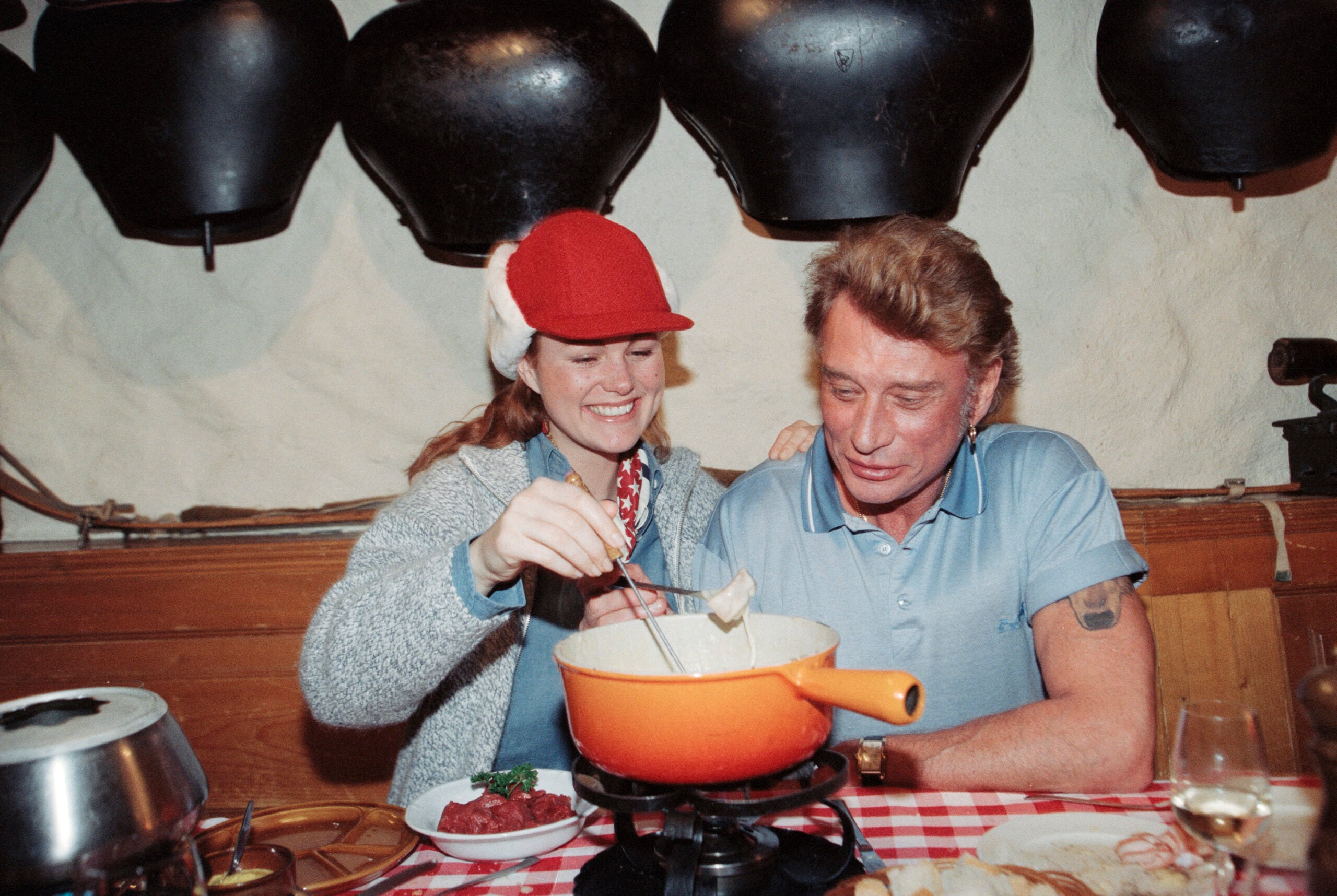
No food was more closely associated with 1970s entertaining than fondue. Although it first gained attention in the United States after the 1964 New York World’s Fair, the trend truly took off during the 1970s as fondue pots became popular wedding gifts and a centerpiece of dinner parties. Guests gathered around bubbling pots of melted cheese, hot oil, or chocolate, turning dinner into a fun, interactive social event that perfectly captured the decade’s love of communal dining.
Quiche Lorraine Became the Dish of the Decade
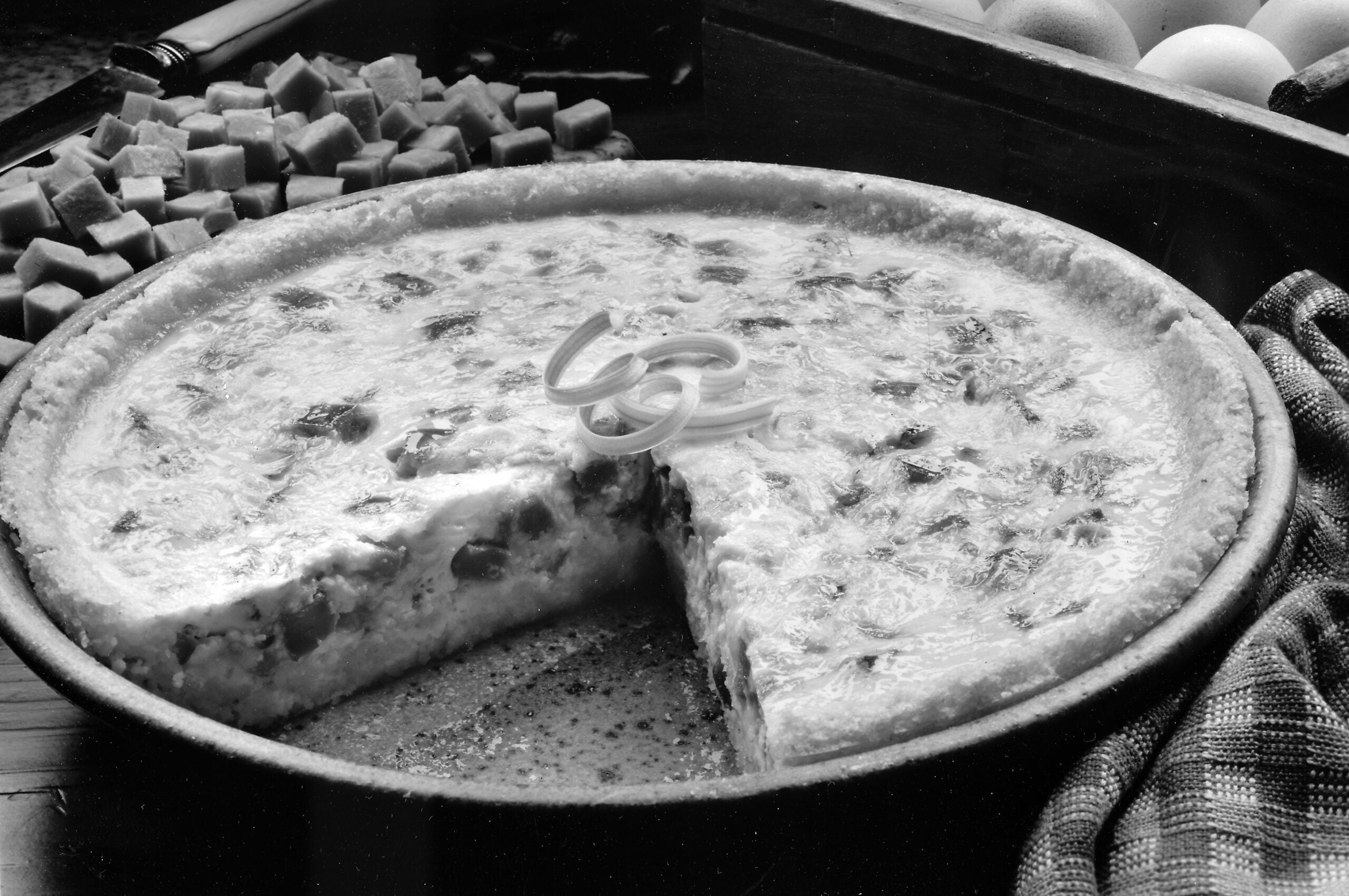
Quiche Lorraine was one of the defining foods of the 1970s, earning a place on brunch menus, dinner party buffets, and home entertaining spreads across America. Its popularity exploded after Julia Child introduced the French classic to American audiences through The French Chef and her cookbooks, inspiring home cooks to embrace the savory egg-and-bacon tart. Elegant yet easy to prepare, Quiche Lorraine perfectly matched the decade’s fascination with French-inspired cuisine and sophisticated entertaining.
Waldorf Salad Was a Dinner Party Classic
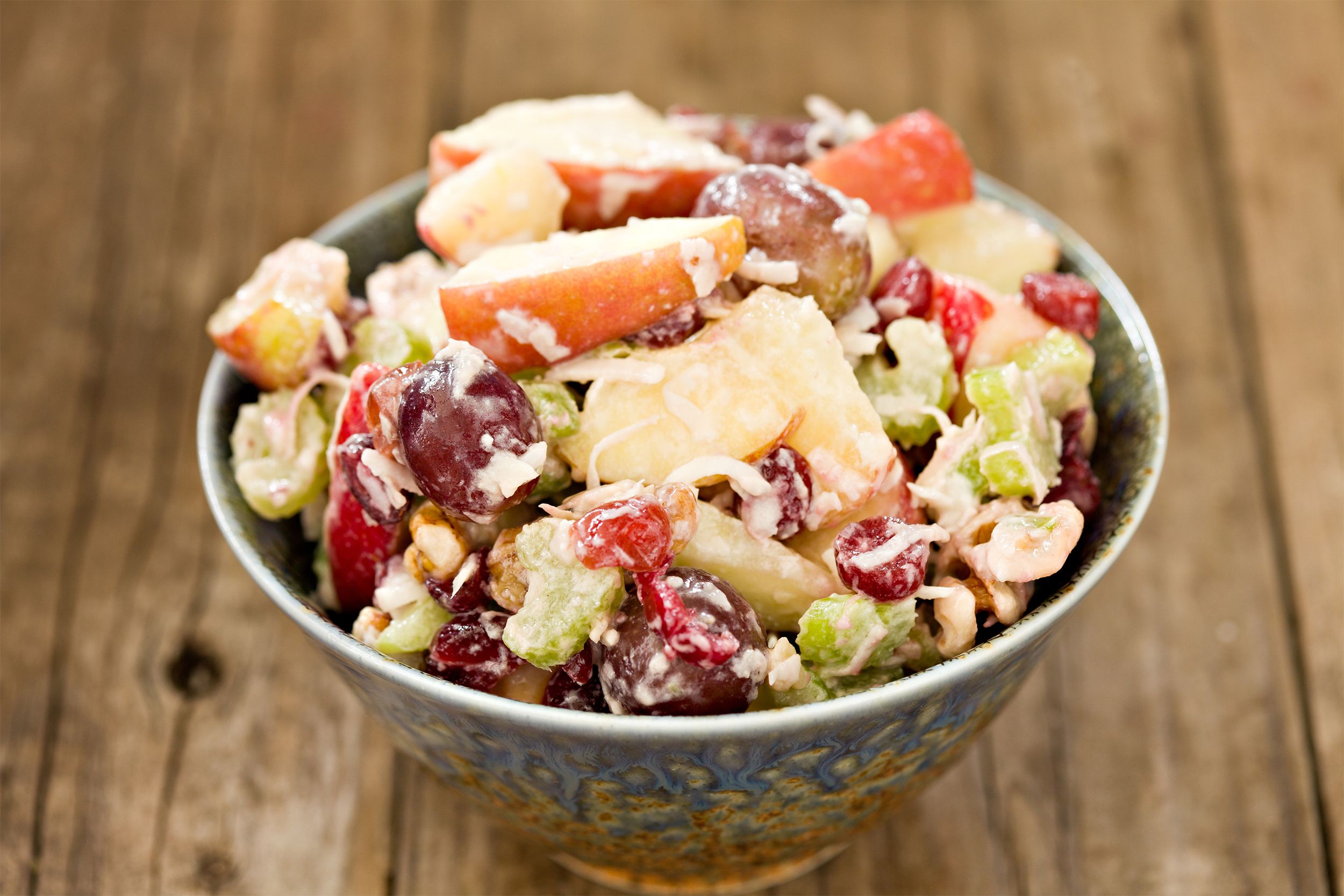
Waldorf salad became a fixture on American dinner party tables throughout the 1970s, when elegant fruit-and-nut salads were considered both fashionable and sophisticated. Made with crisp apples, celery, walnuts, grapes, and a creamy mayonnaise dressing, it was commonly served at holiday meals, brunches, and buffet spreads. Originally created at New York’s Waldorf-Astoria Hotel, the salad enjoyed renewed popularity during the decade as home cooks embraced classic recipes with an upscale touch.
Boxed Fried Chicken Became a Family Tradition
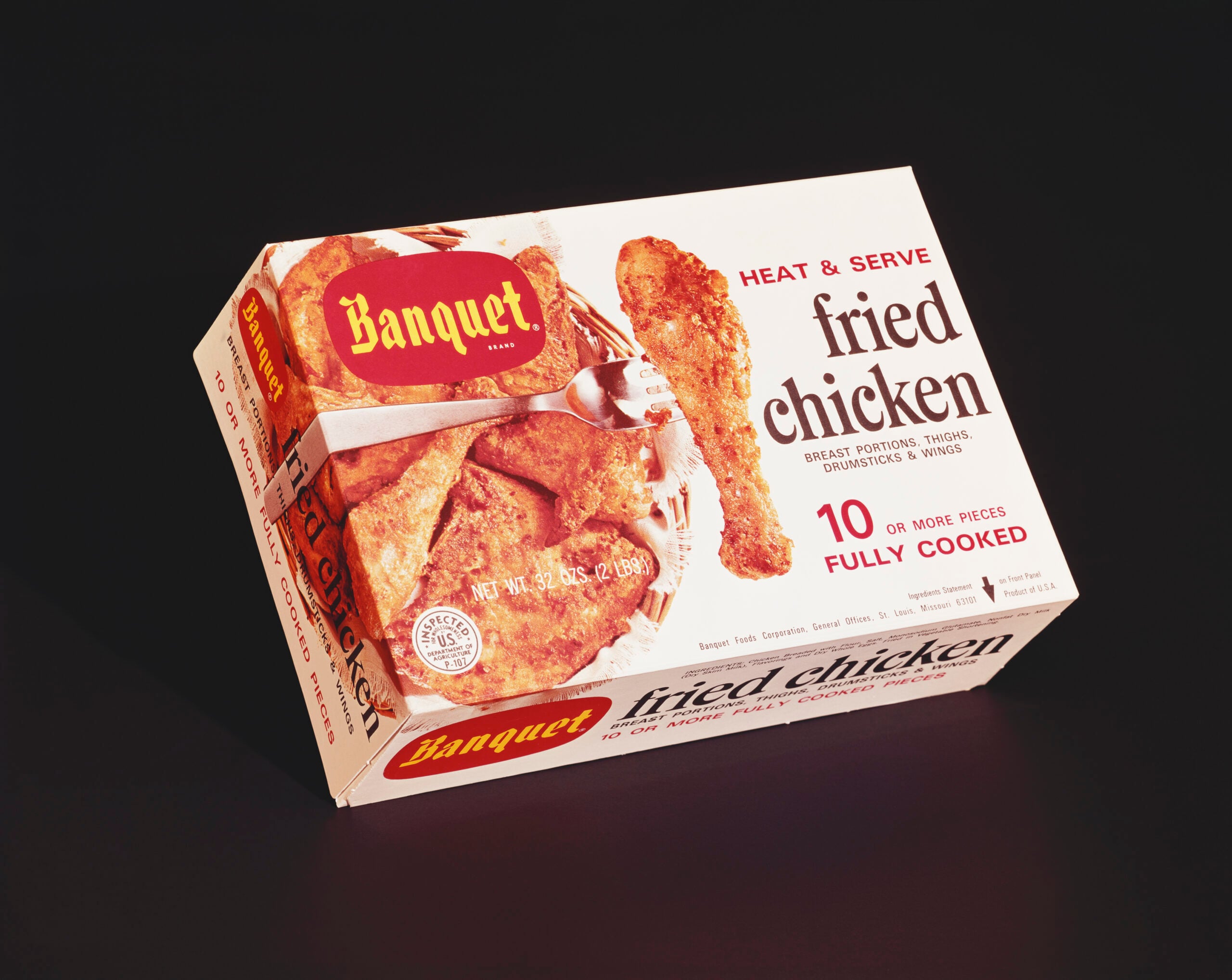
By the late 1960s and throughout the 1970s, boxed fried chicken had become one of America’s favorite takeout meals. Chains like Kentucky Fried Chicken helped popularize the idea of bringing home a bucket or box of crispy chicken to feed the whole family, offering a convenient alternative to cooking from scratch. With the introduction of the iconic bucket in the late 1950s and the rapid expansion of KFC locations during the 1960s and 1970s, fried chicken became a staple of family dinners, picnics, and weekend gatherings across the country.
Ham and Pineapple Became a Sweet-and-Savory Sensation
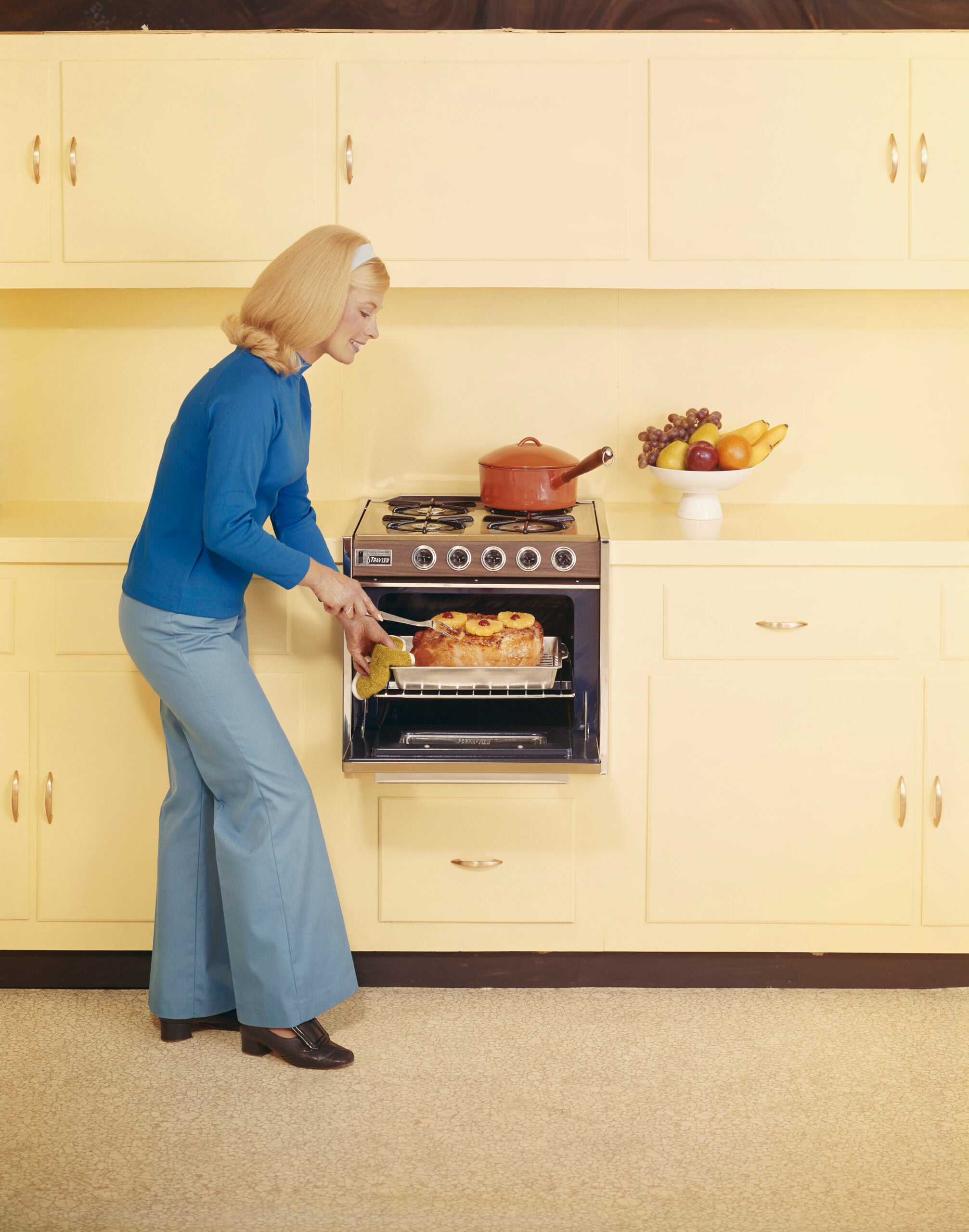
Ham and pineapple was one of the most recognizable flavor combinations of the 1960s and 1970s, appearing in everything from party skewers and baked hams to casseroles and, increasingly, pizzas. Inspired by the growing popularity of tropical-themed entertaining and so-called “Polynesian” flavors, home cooks embraced canned pineapple as an easy way to add a sweet twist to savory dishes. The pairing became so popular that Hawaiian pizza—created in Canada in 1962 with ham and pineapple—spread rapidly across North America during the 1970s, becoming one of the decade’s most talked-about pizza toppings.