
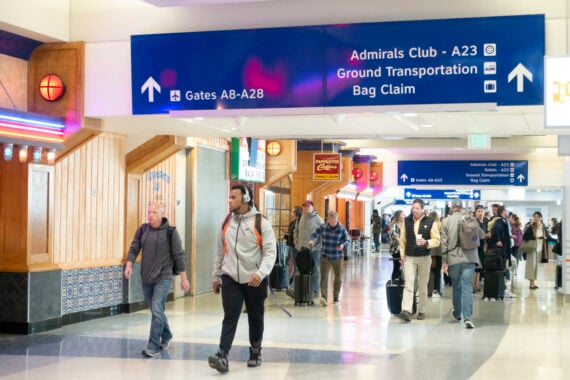
Navigating the busiest airports in the United States, with the complex layouts featuring train connections, underground walkways, and shuttle buses are not always easy for travelers. Drawing on information from DFW Airport, Chicago O’Hare, and other sources, we’ll share airport transfer tips that can save you from taking extra steps!
Denver International Airport: Walk Across the A-Bridge Instead of Automatically Taking the Train
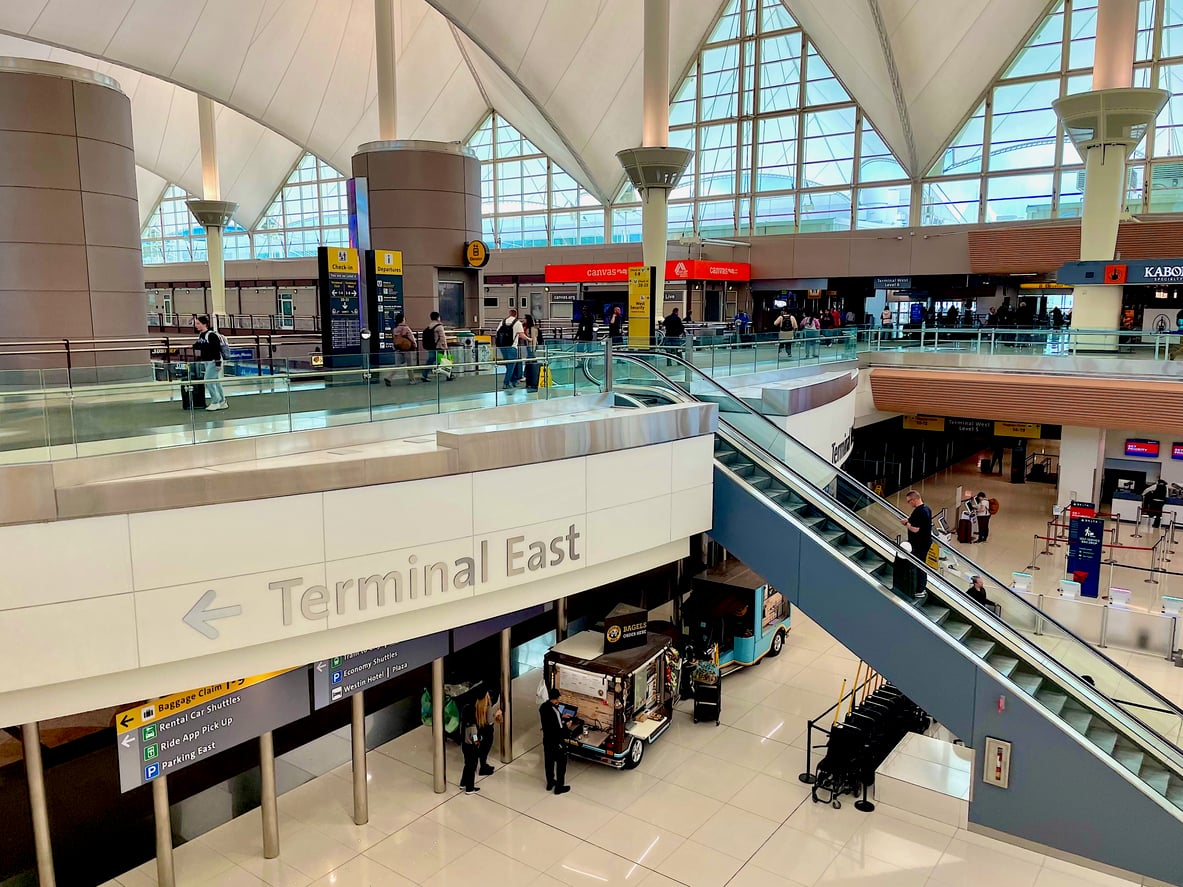
Concourse A at Denver Airport can be reached on foot via a pedestrian bridge from the terminal, after passing through security screening, although many travelers opt for the underground train. As of October 2026, DEN has noted that the footbridge tends to be overlooked by travelers, even when the train is often crowded, making this one of the airport transfer tips worth remembering.
Dallas Fort Worth International Airport: Use Skyline Without Leaving Security
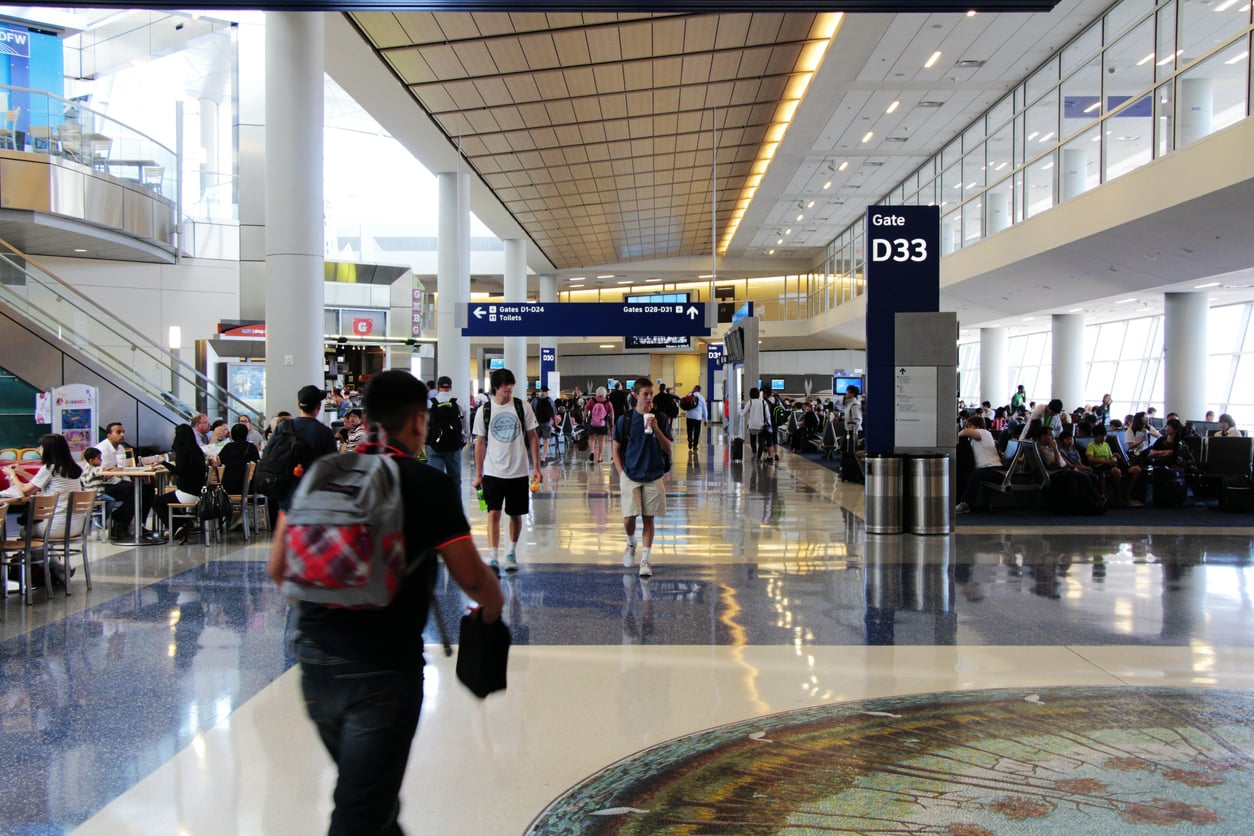
DFW’s Skyline train connects all five terminals within the secure area, meaning connecting passengers do not have to leave their gate area or go through another TSA screening. The train ride takes between 5 and 9 minutes, depending on the distance between terminals, and prevents travelers from taking the wrong transport system or get lost.
Chicago O’Hare: Terminals 1,2, and 3 Are Connected on Foot
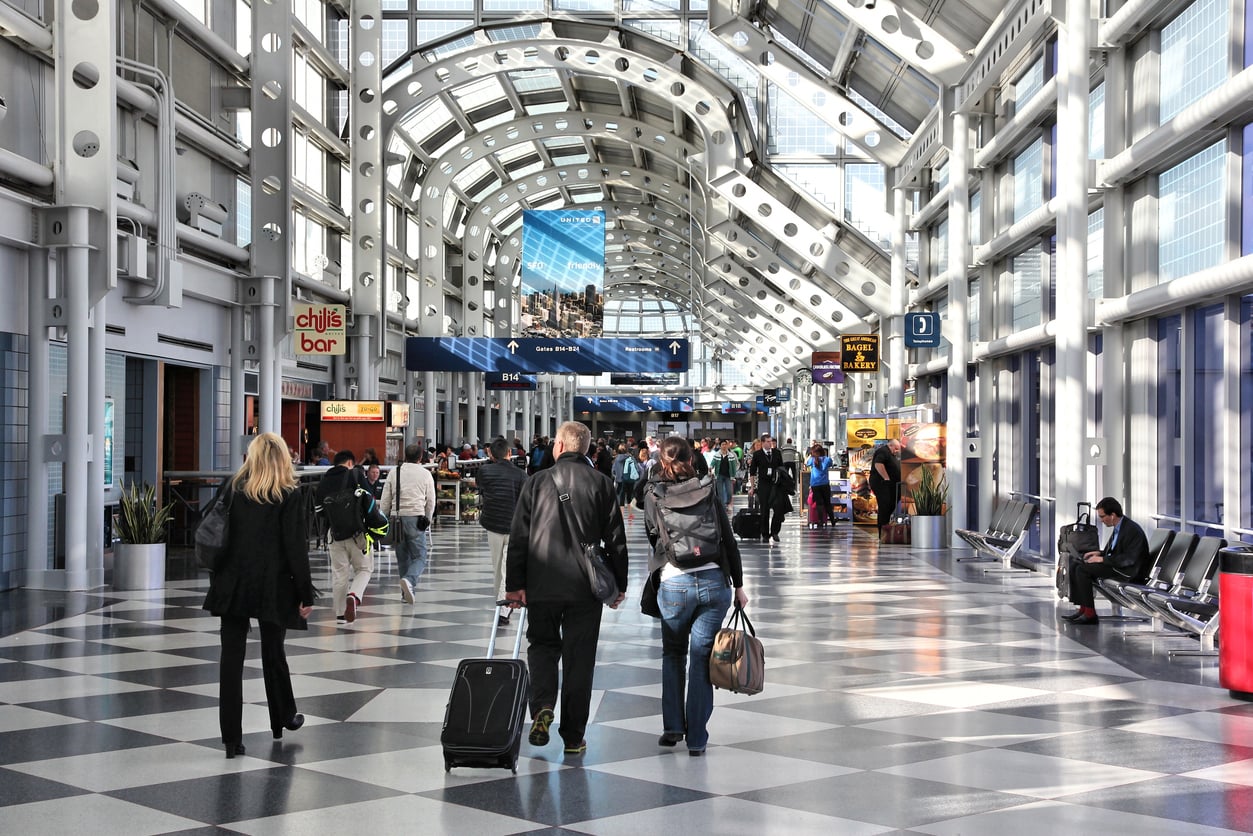
O’Hare’s three main domestic terminals are connected by walkways within the security areas, allowing passengers to move between them without needing to board an automated train. Travelers can simply follow the terminal signs to reach their gate, navigating between Terminals 1, 2, and 3, instead of having to exit the secure area and use the automated transit system (ATS), a useful option to keep in mind when following airport transfer tips.
Chicago O’Hare: Terminal 5 Has a Special Airside Transfer Bus
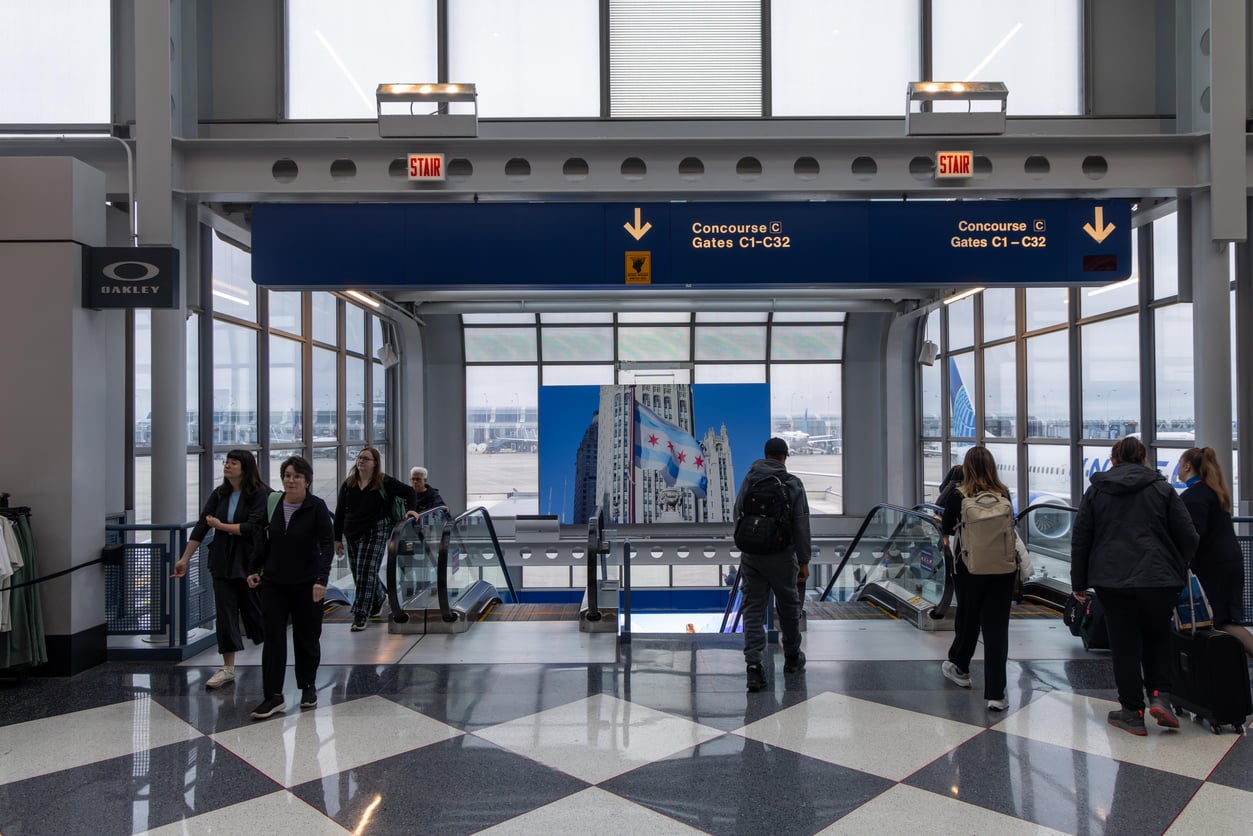
Since Terminal 5 at Chicago O’Hare is separate from the main domestic terminals, a transfer bus connects them. This service allows passengers to avoid having to exit and re-enter the secure area. The service operates from 11:30 a.m. to 9:30 p.m., with a departure every 15 minutes and requires a valid same-day boarding pass, according to O’Hare Terminal Transfer Bus Information, making it one of the most practical airport transfer tips for eligible passengers.
Philadelphia International Airport: A Shuttle Can Replace a 45-Minute Walk
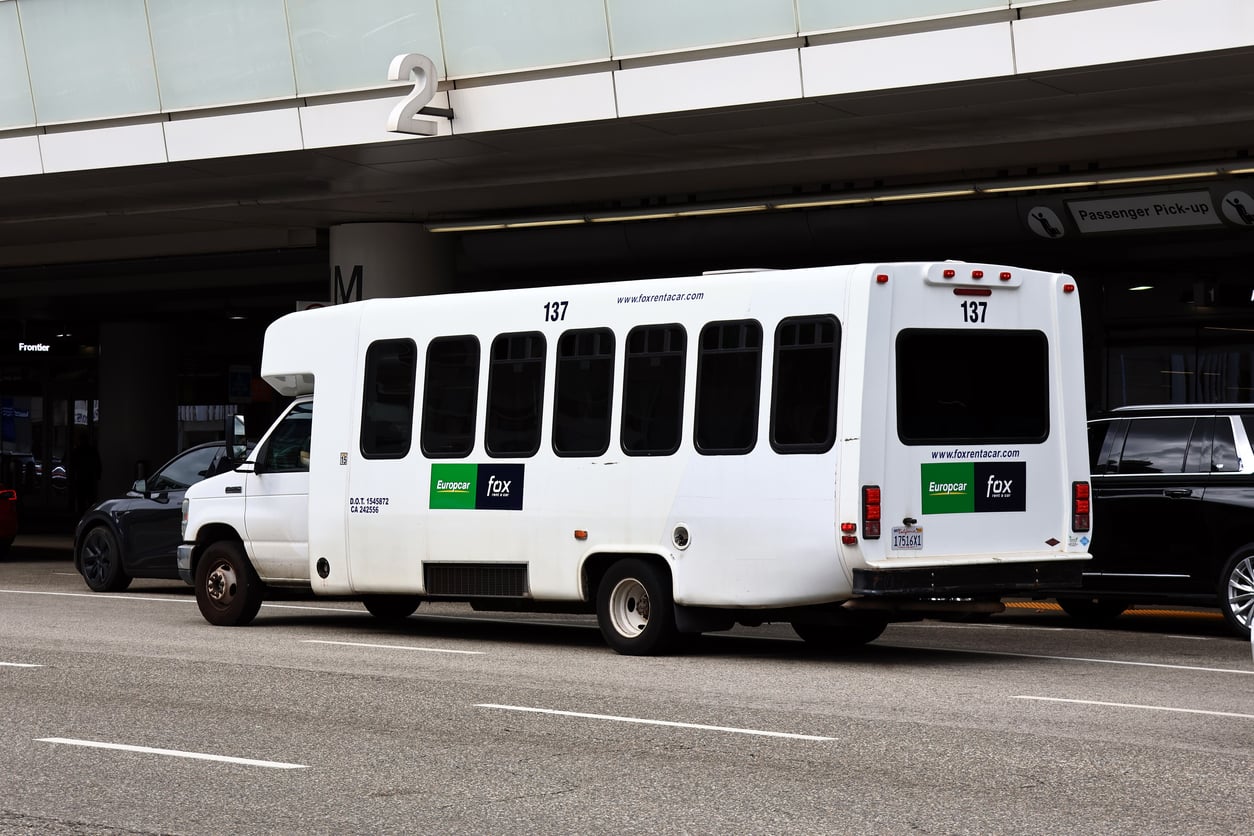
Walking between the various terminals at Philadelphia International Airport can be exhausting, potentially involving a 45-minute trek. However, there is an alternative: an airside shuttle that runs from Terminal F to Terminal A and C, reaching the destination in 5 to 7 minutes. This is one of the airport transfer tips that can save travelers considerable time and energy.
Trending on Cheapism


Los Angeles International Airport: You Can Walk Between Terminals After Security
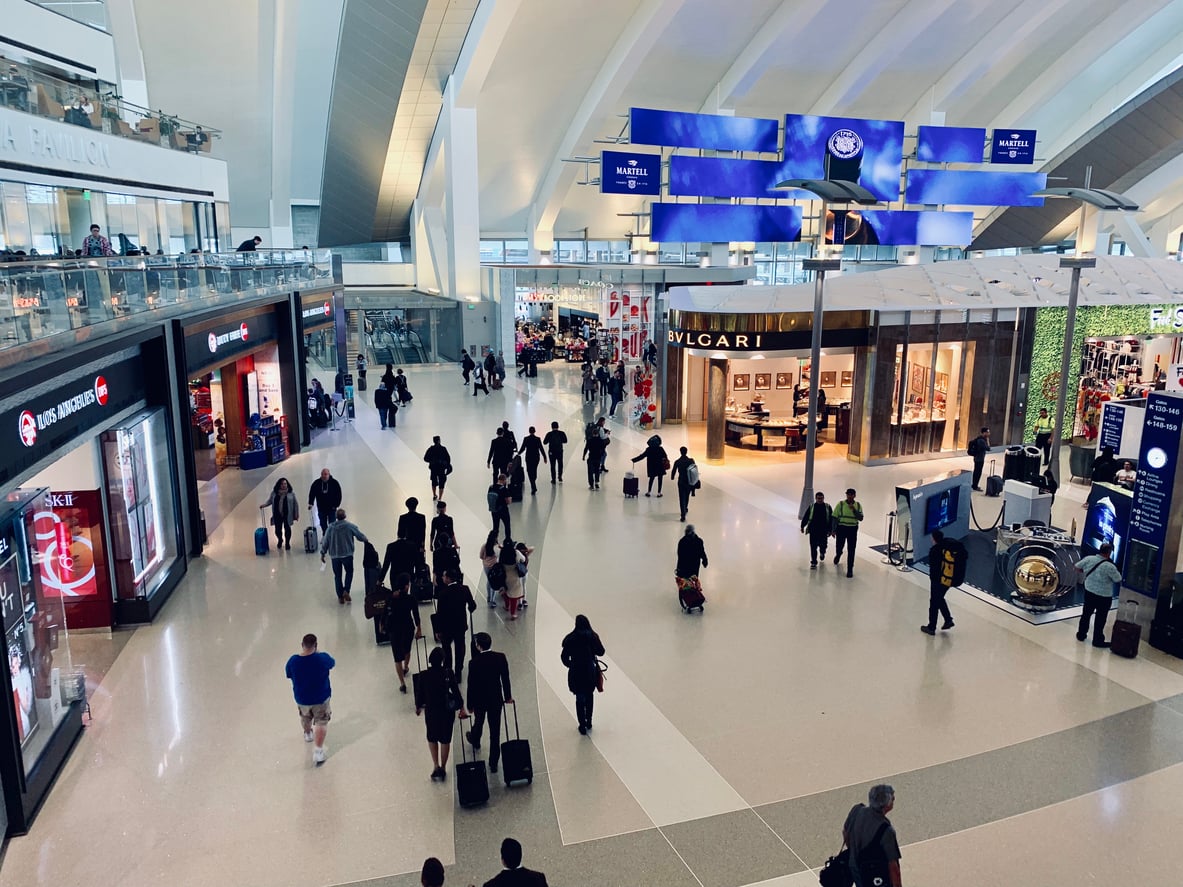
Los Angeles Airport has modernized its terminal connections, allowing travelers with a ticket to walk between the main terminals without having to mingle with the general public outside of the secure area. It is worth noting that Terminals 1 through 8 span a distance of two miles, but you will not need to go through the TSA screening process again.
San Francisco International Airport: The AirTrain Isn’t Always the Best Terminal Shortcut
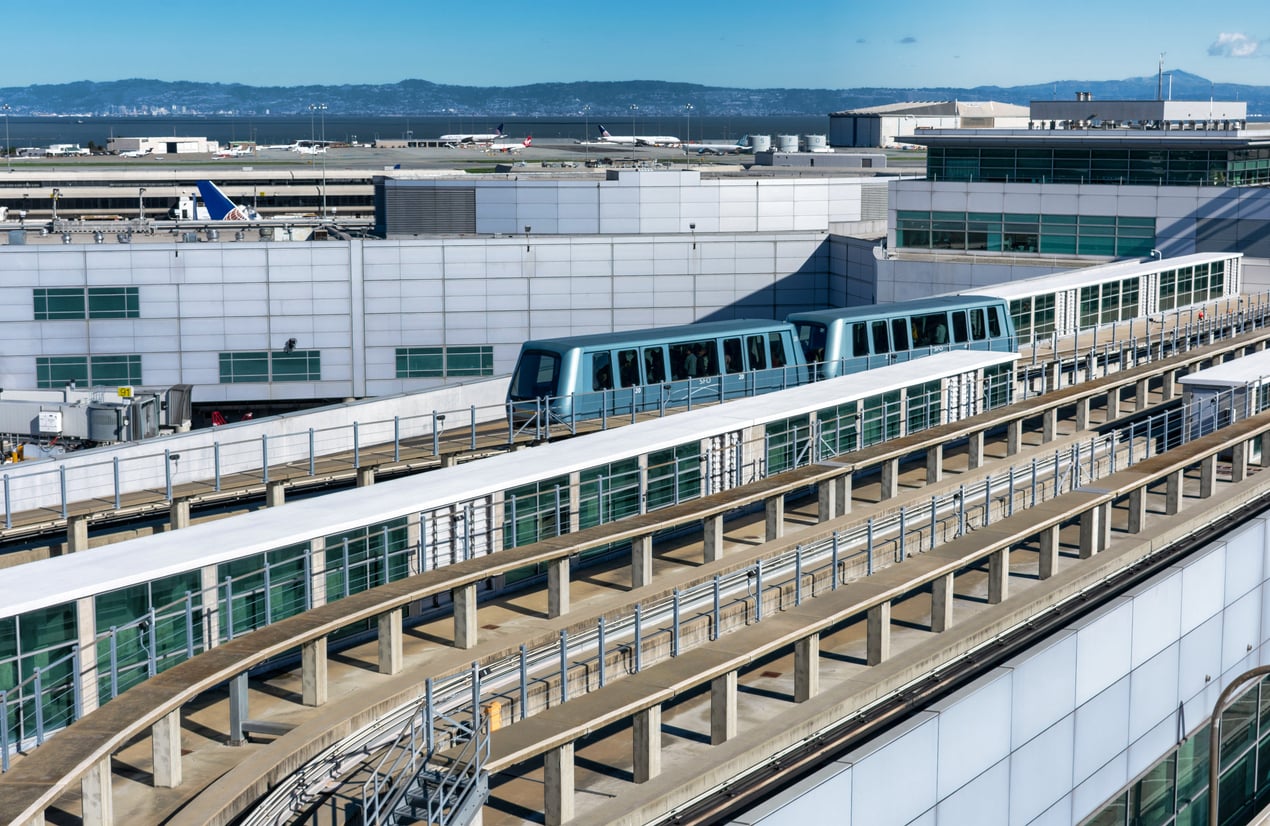
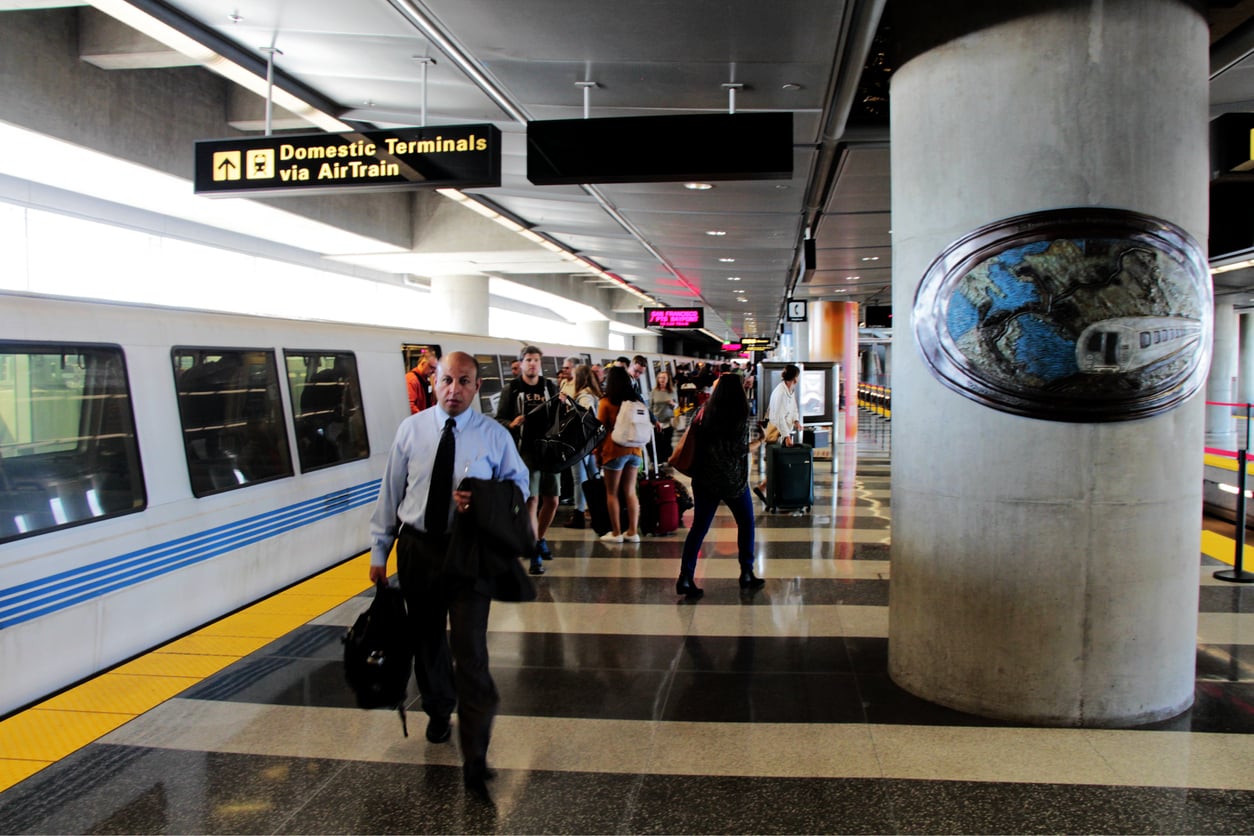
The AirTrain is one of the options for getting between terminals at San Francisco International Airport, but it is not the best one. The stations for this service are located outside the security screening area, so it may be better to take the walking route before leaving the gate area depending on which terminals you have to connect, one of the airport transfer tips worth considering.
Atlanta International Airport: The Plane Train Connects More Than Just Domestic Gates

Since the Plane Train connects more than just the domestic gate areas, serving terminals T,A,B,C,D,E and F, all while remaining within the secure area, you can simply follow the signs for the Plane Train instead of searching for the terminal shuttle. The exception is for international arrivals, which require travelers to go through U.S. immigration, customs, and security procedures. These airport transfer tips can make navigating Atlanta much easier.
Sign up for our newsletter
Seattle-Tacoma International Airport: The N and S Concourses Require a Train or Bus
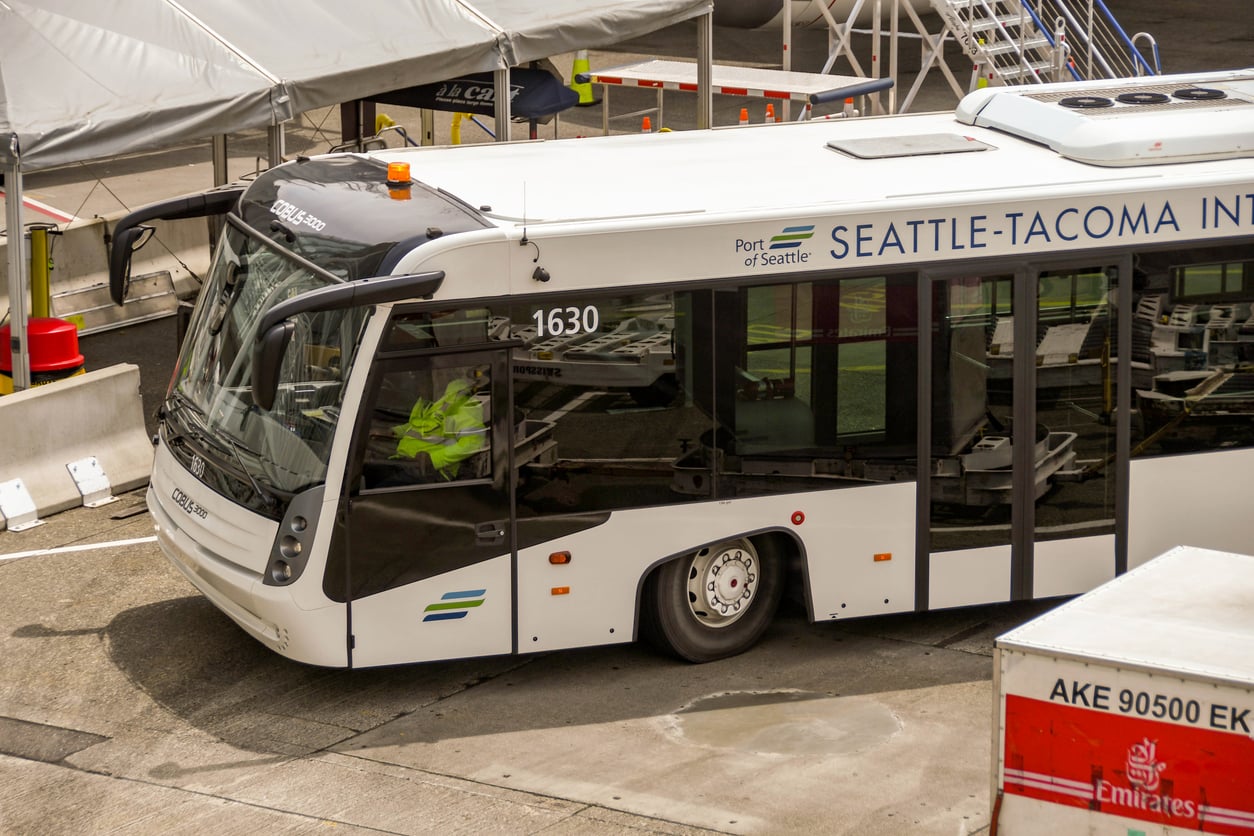
Since Seattle-Tacoma International Airport features two satellite concourses, designated N and S, that are physically separated from the main terminal, they can only be accessed via the underground train system. Travelers should check in advance whether their assigned concourse is one of these, so they can allow sufficient time to reach the correct train, especially if they have a tight connection. These airport transfer tips can make navigation easier.
Dallas Fort Worth: Some Terminals Are Close Enough to Walk Between
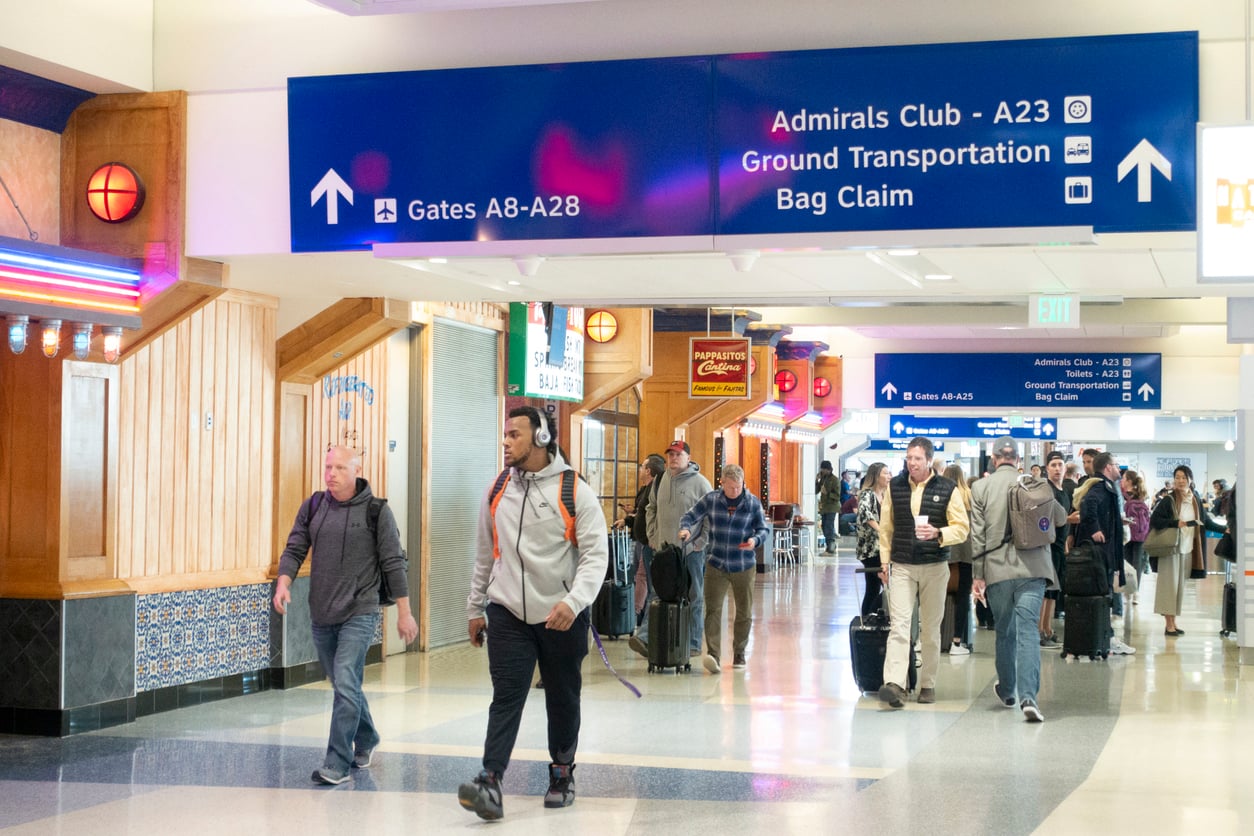
Some of the terminals at Dallas Fort Worth Airport are close enough to walk between. Although the terminals may seem intimidating due to their size, the airport notes that travelers can walk between them, depending the distance from each other, an option that is better than relying on a train station located further away. These airport transfer tips can help passengers choose the most direct route.
Denver: The Train Station is in the Center of Each Concourse, Not at Every Gate
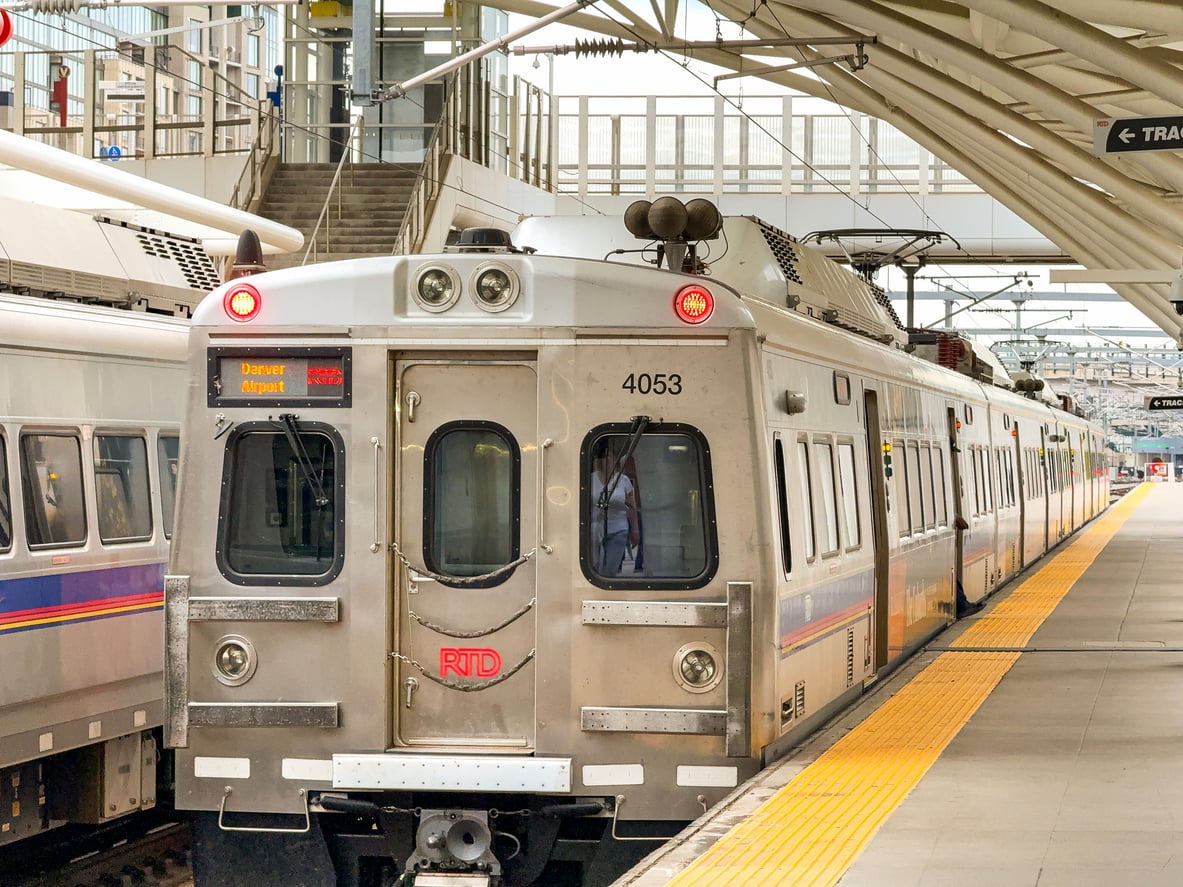
The train at Denver Airport serves all three concourses, but arriving at the train station does not mean you are at your boarding gate the moment you step off. There is still a long walk from the station to the gate, so the 10-minute train ride does not represent the entire journey from door to door. This is one of the airport transfer tips travelers should remember when calculating connection times.
Philadelphia: Separate Tickets Can Turn an Easy Airside Connection Into a Much Longer Process
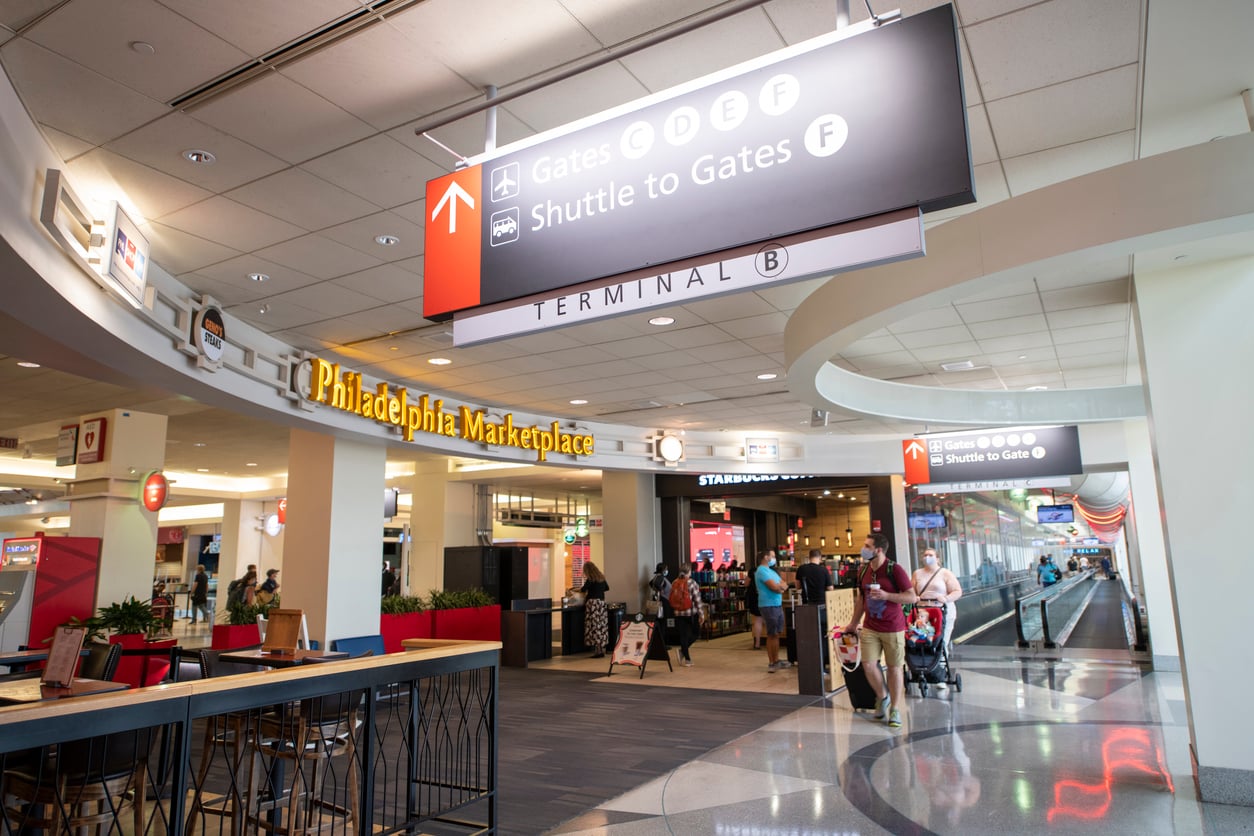
At Philadelphia Airport, domestic passengers are permitted to walk between terminals without undergoing additional security screening. However, airport staff note that those who have booked flights separately must collect their checked luggage, exit the security area, and then go through security again. The best option is to ensure your bags are checked through directly to your final destination, one of the airport transfer tips that can prevent unnecessary delays.
Conclusion
Understanding the differences between the various transport options available across airport terminals, including those on the airside and landside, can save passengers time and make their travel more convenient. Furthermore, airport trains are not always the fastest choice. Following these airport transfer tips can make airport connections smoother and help passengers avoid wasting time on unnecessary transfers.