Some places pack far more into a small footprint than their population would suggest. From tiny resort towns surrounded by national parks to compact cities loaded with restaurants, history, and waterfront attractions, size does not always predict how much there is to do. The National Park Service notes that visitor spending supports businesses and jobs in communities surrounding national parks. These American destinations that feel bigger prove that a place does not need sprawling city limits to keep travelers busy for several days.
Mackinac Island, Michigan
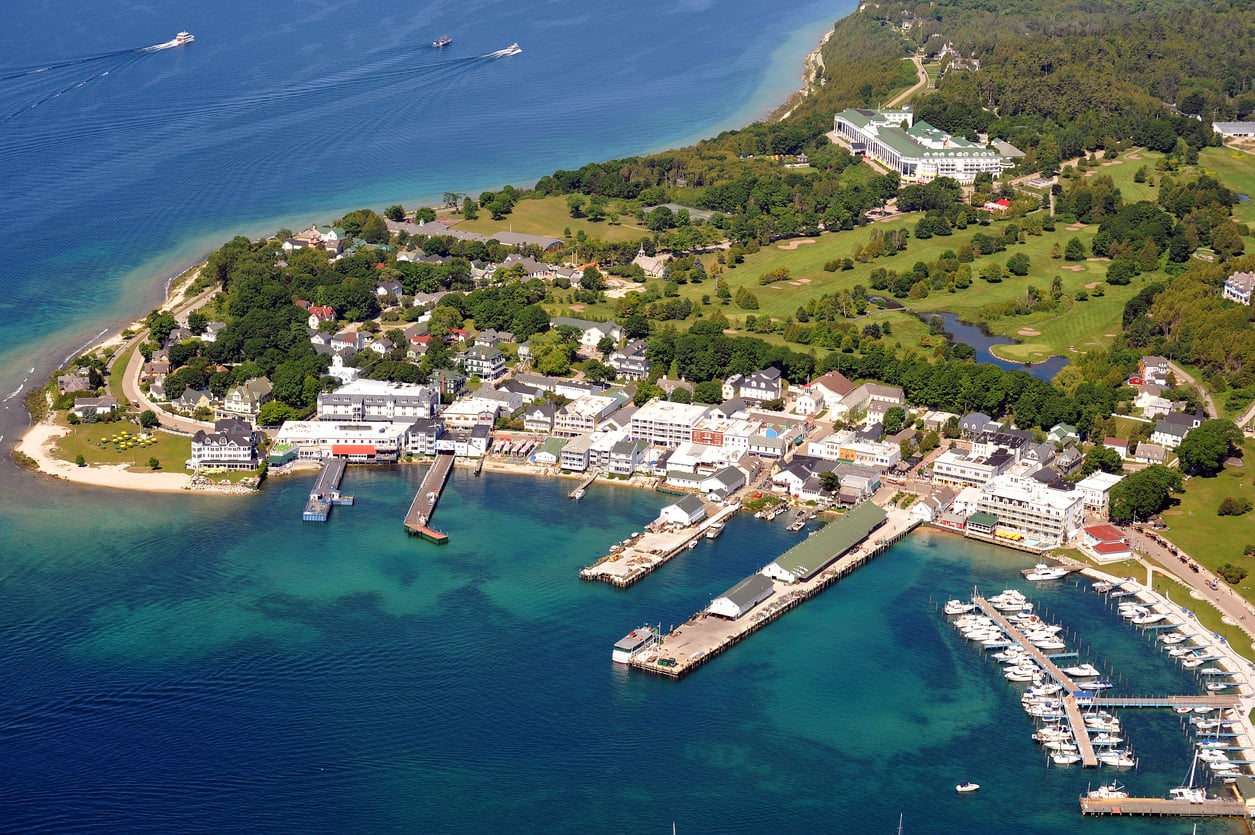
Cars have been largely absent from Mackinac Island for well over a century, but that hasn’t stopped this little Lake Huron destination from feeling like a world of its own. Downtown packs hotels, restaurants, fudge shops, historic buildings, bike rentals, and horse-drawn carriages together, while Mackinac Island State Park covers more than 80% of the island. The eight-mile road around the island adds an easy biking excursion. Stay overnight if the budget allows; the atmosphere changes considerably once many ferry day-trippers leave.
Sedona, Arizona
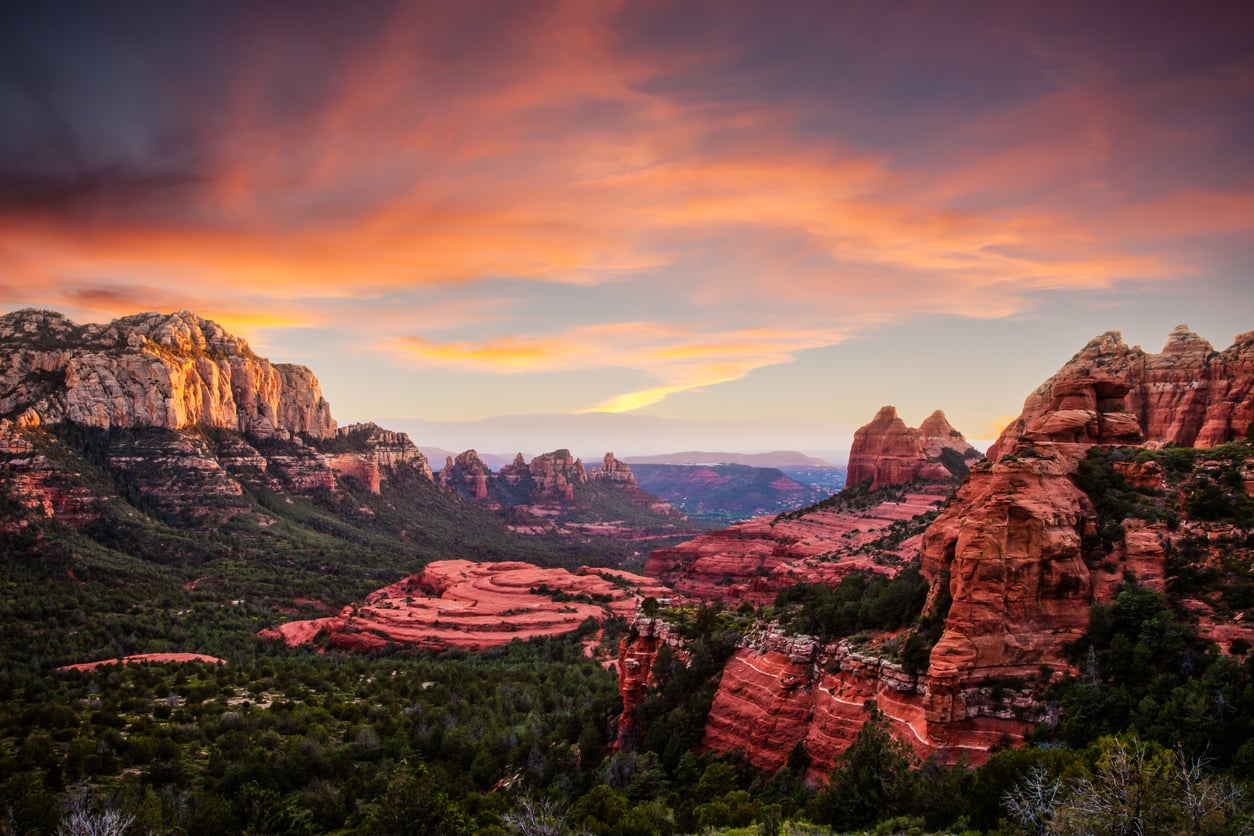
Sedona’s commercial center is small, but the vacation sprawls far beyond it. The local tourism office currently advertises more than 300 miles of hiking and biking trails, more than 80 galleries, and access to 1.8 million acres of national forest. Add Jeep tours, spas, mountain biking, wine excursions, restaurants, and those enormous red-rock views, and three days can disappear quickly. The downside is hardly a secret: popular trailheads, roads, and parking areas can get crowded, so early starts are worth the effort.
Key West, Florida
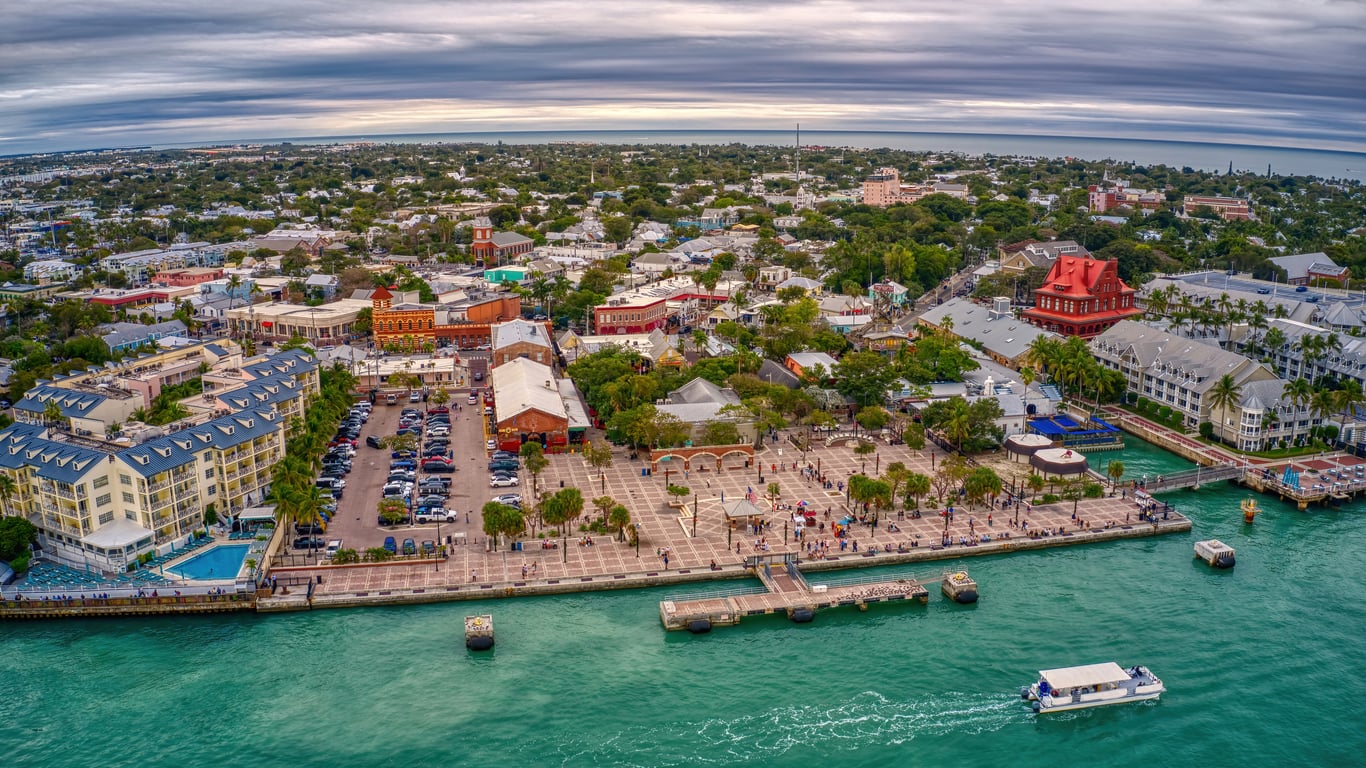
Key West squeezes an almost ridiculous amount of vacation activity onto a small island. There are historic homes, museums, galleries, bars, restaurants, fishing trips, snorkeling excursions, sunset cruises, beaches, and the nightly celebration at Mallory Square. Duval Street alone runs for only about a mile but can feel like a miniature entertainment district. That intensity has drawbacks. Recent visitors continue to complain about crowds, high prices, and tourist-trap shops, particularly around Duval. Wandering beyond that strip reveals a much more interesting Key West.
St. Augustine, Florida
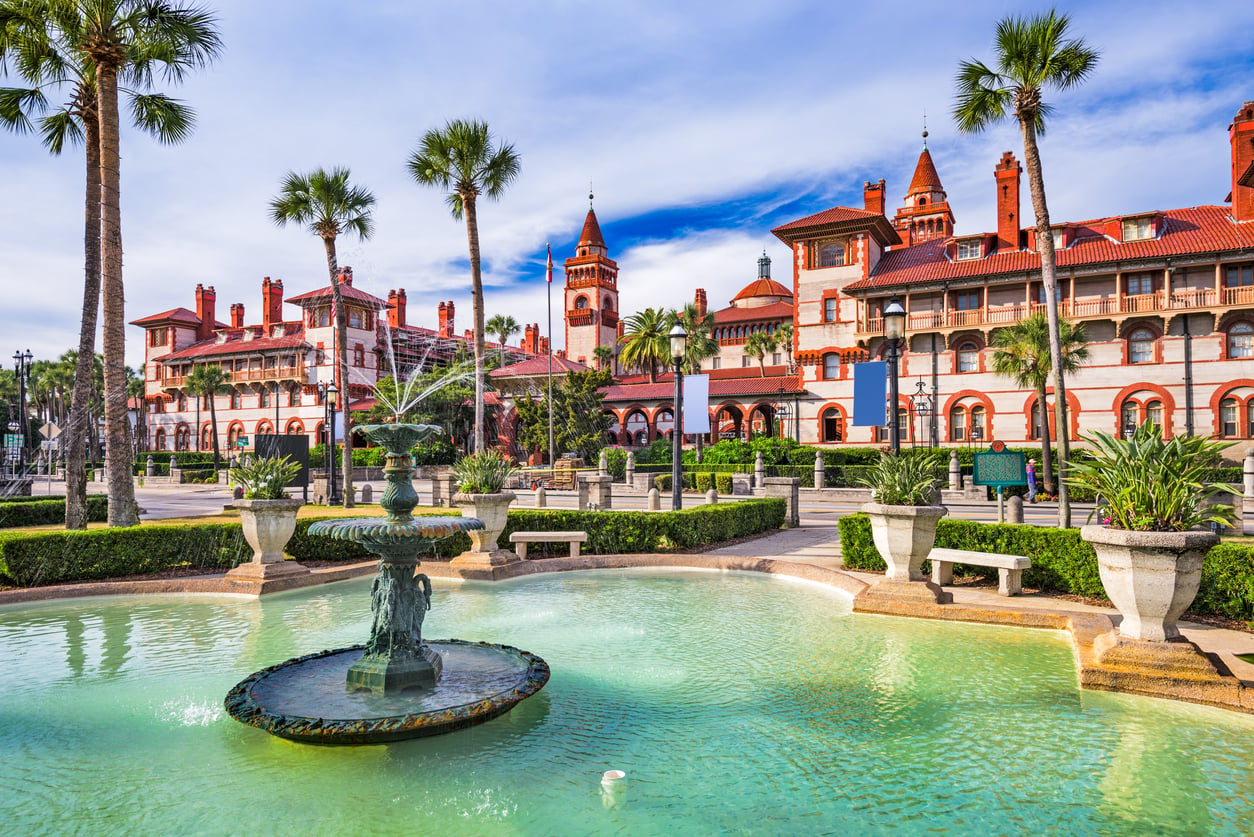
St. Augustine manages to combine a historic-city vacation and a beach trip without requiring travelers to choose between them. The compact historic area contains the Castillo de San Marcos, museums, old streets, shops, restaurants, and Flagler-era architecture, while the surrounding area offers boating, a lighthouse, state parks, and miles of Atlantic coastline. In fact, the St. Augustine area advertises 42 miles of beaches. The abundance can make a day trip feel rushed. Two or three nights give the history and coast room to breathe.
Galena, Illinois
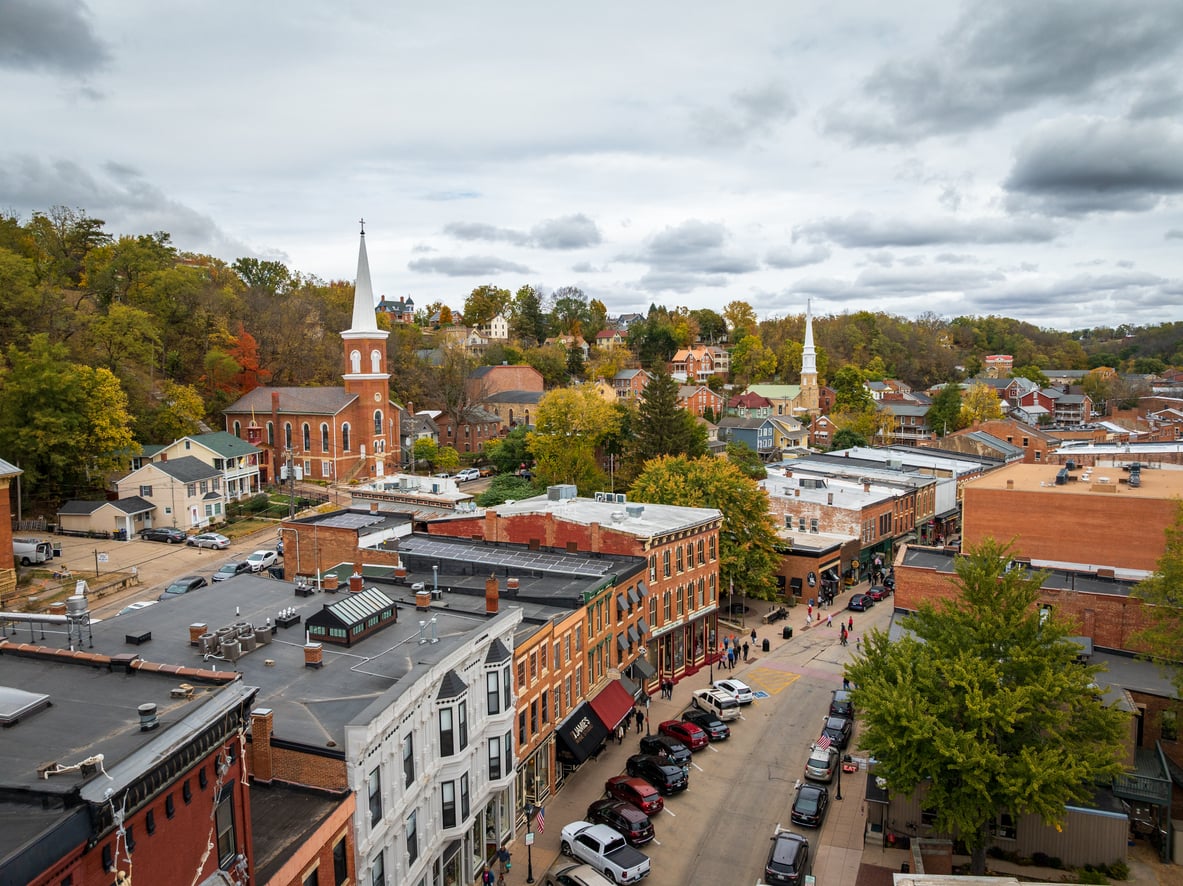
Galena’s preserved 19th-century streets make it look like a town you could finish before lunch. Then you reach Main Street. The local tourism organization says the historic corridor contains more than 125 independently owned boutiques, restaurants, galleries, and tasting rooms. Beyond downtown are the Ulysses S. Grant Home, hiking and biking, wineries, golf, kayaking, and even hot-air-balloon trips. The result feels more like a compact regional getaway than a single small town. One caution: locally owned businesses can have variable hours, particularly outside busy periods.
Trending on Cheapism


Bar Harbor, Maine
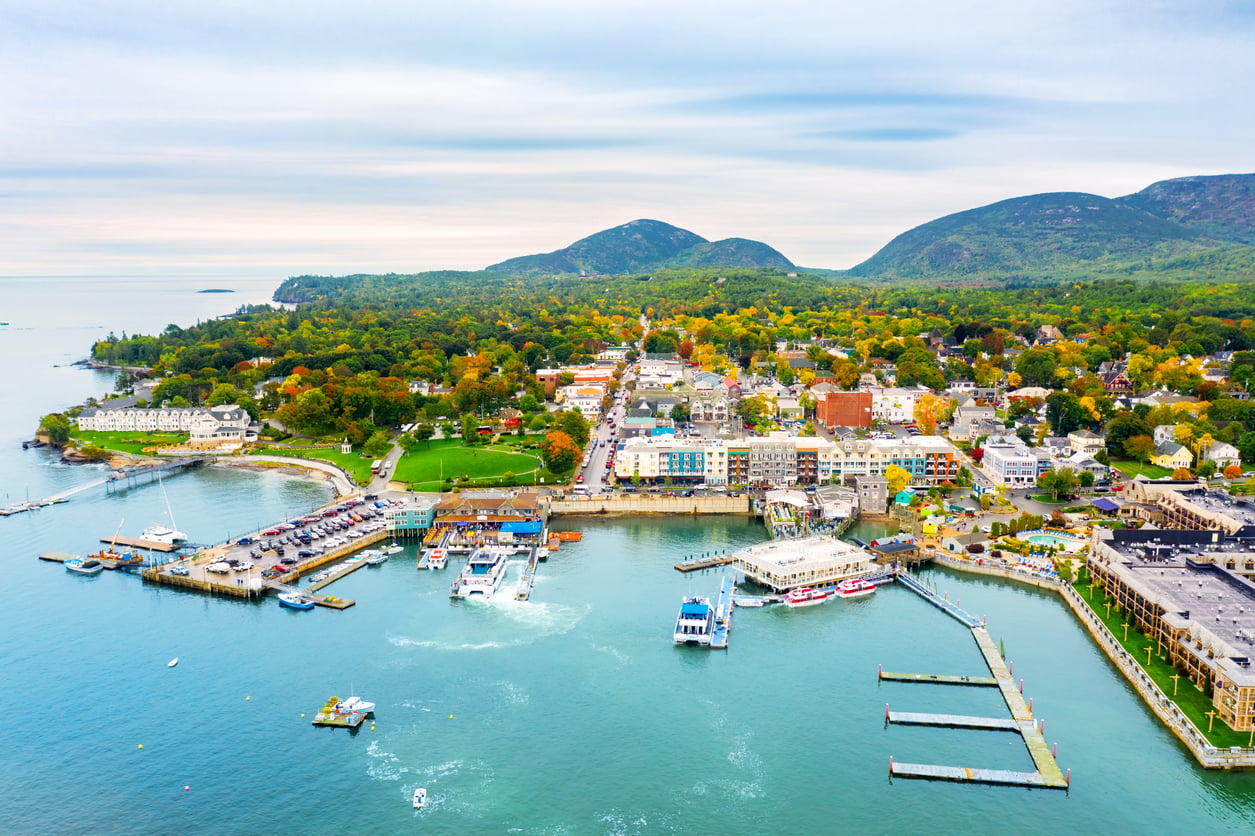
Bar Harbor had an estimated population of just 5,352 in 2025, yet summer can make it feel like one of New England’s busiest vacation hubs. Acadia National Park deserves much of the credit, effectively turning the town into a base for hiking, scenic drives, cycling, and mountain views. Back in Bar Harbor, visitors find seafood restaurants, shops, kayaking, harbor cruises, and whale-watching trips. Crowds and weather are the trade-offs; boat trips can be chilly or canceled, and peak-season traffic can make this tiny town feel bigger in the wrong way.
Jackson, Wyoming
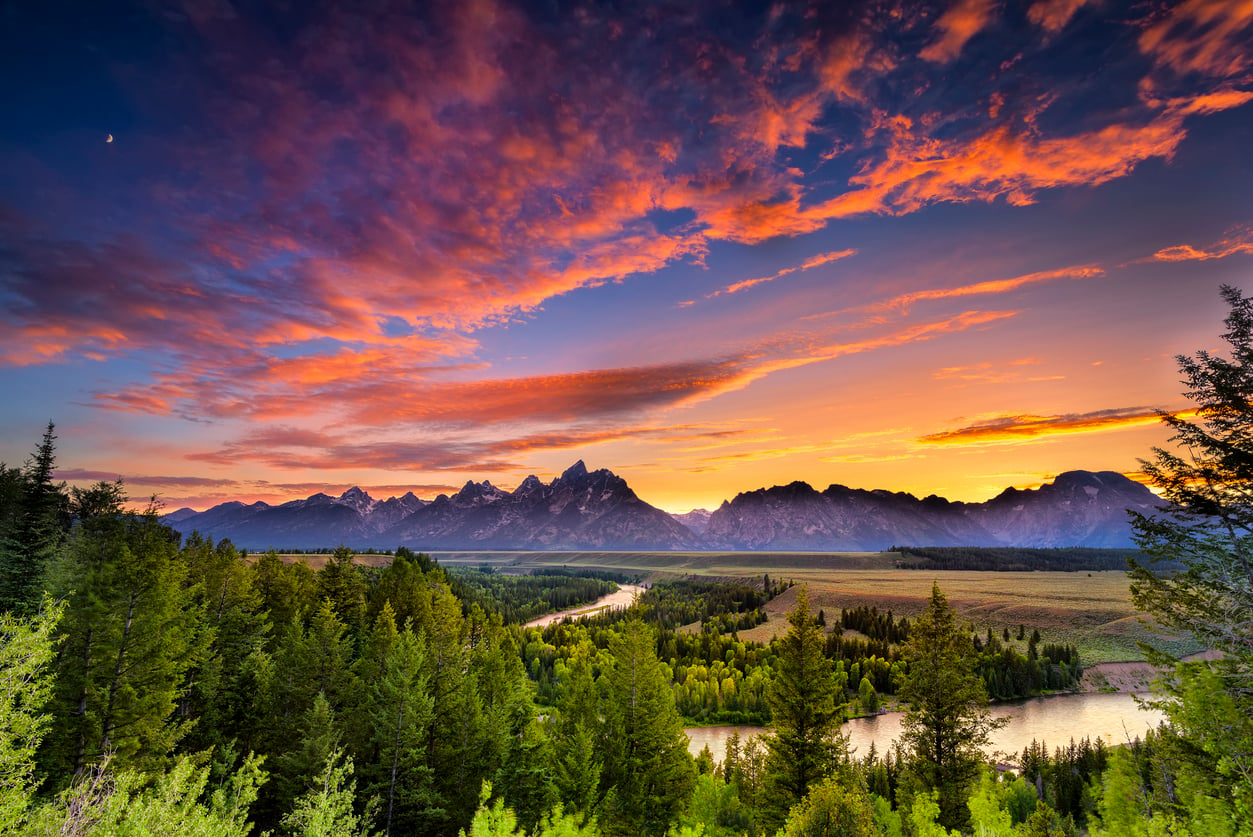
Jackson’s estimated 2025 population was only 10,720, but the visitor economy is operating on a much larger scale. Restaurants, galleries, Western shops, upscale hotels, bars, and outfitters fill town, while Grand Teton National Park, ski resorts, wildlife areas, and the rest of Jackson Hole dramatically expand the itinerary. You can spend the morning watching wildlife and the evening eating at a polished restaurant downtown. That popularity comes at a price, though. Lodging and dining can be expensive, particularly during peak summer and ski seasons.
Fredericksburg, Texas
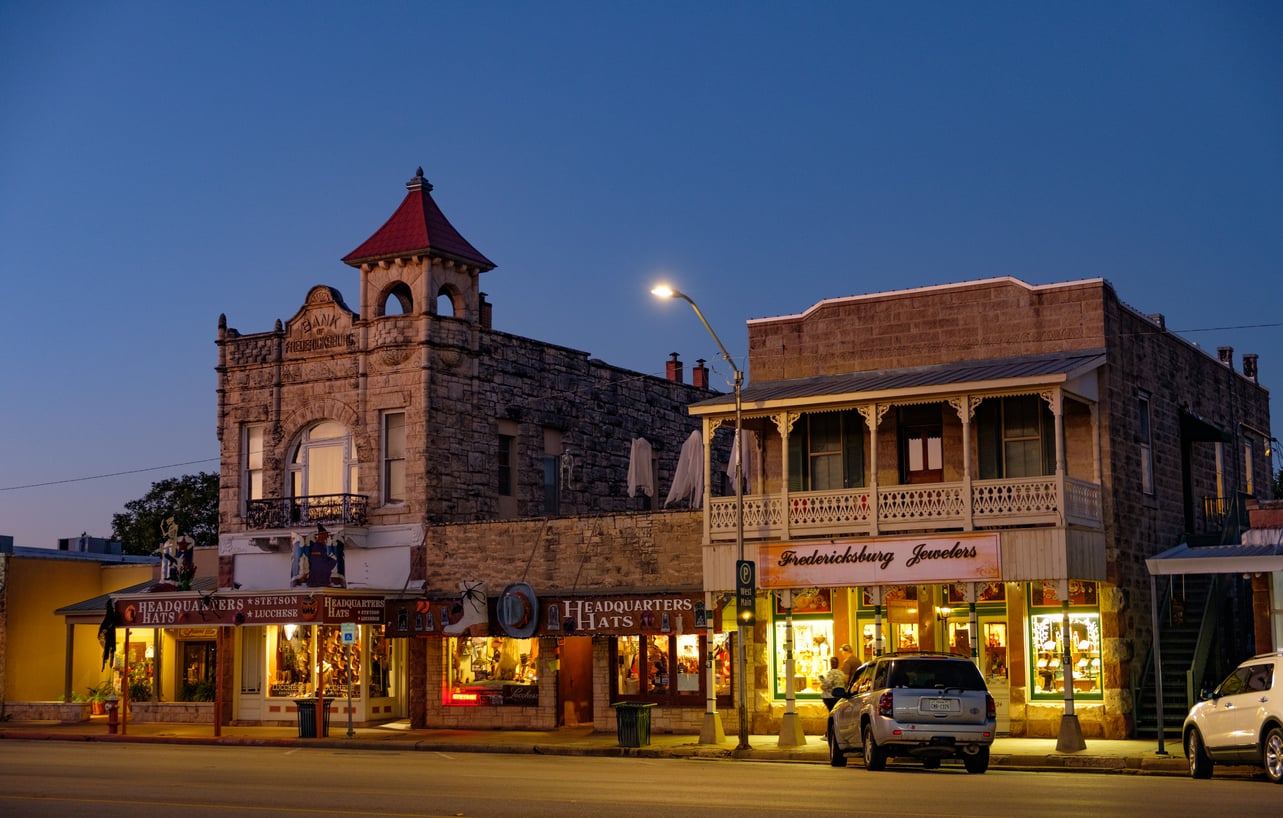
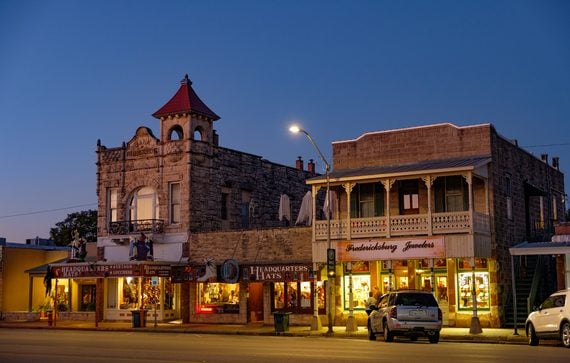
Fredericksburg’s German heritage and historic Main Street would be enough for a pleasant small-town weekend, but Texas wine country makes the destination feel far larger. Fredericksburg and surrounding Gillespie County now have nearly 100 wineries, vineyards, and tasting rooms, plus more than 30 wine-tour companies. Back in town are museums, boutiques, restaurants, galleries, breweries, and German-Texan food, while Enchanted Rock adds an outdoor option nearby. Spend one day downtown and another exploring the countryside rather than trying to squeeze everything into one afternoon.
Sign up for our newsletter
Portland, Maine
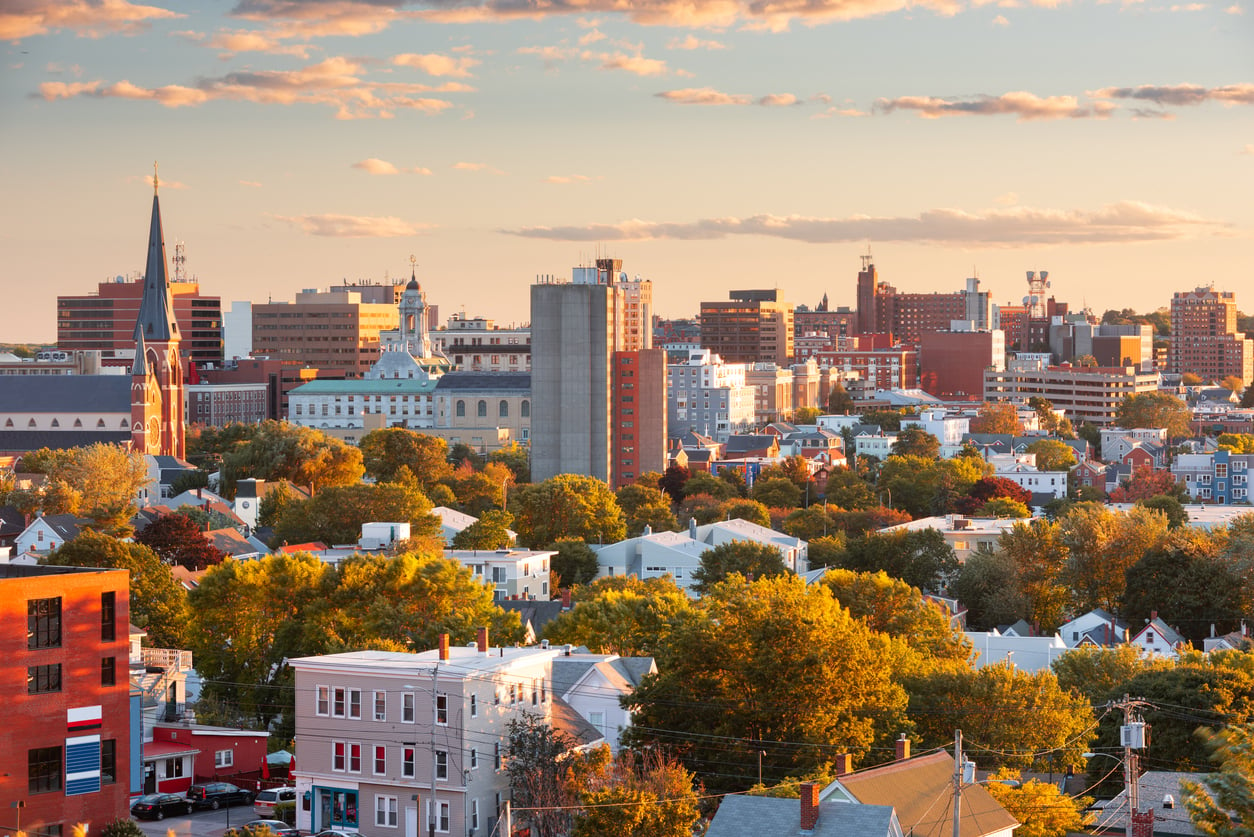
Portland has the food scene of a much larger city without requiring visitors to spend half their vacation crossing town. The regional tourism organization currently says Portland alone has more than 300 restaurants, ranging from seafood counters and diners to ambitious destination dining. The Old Port adds cobblestone streets, shops, bars, and waterfront scenery, while ferries open up Casco Bay and its islands. Lighthouses and beaches aren’t far away either. The catch is popularity: summer lodging can be expensive, so shoulder-season trips can offer better value.
Annapolis, Maryland
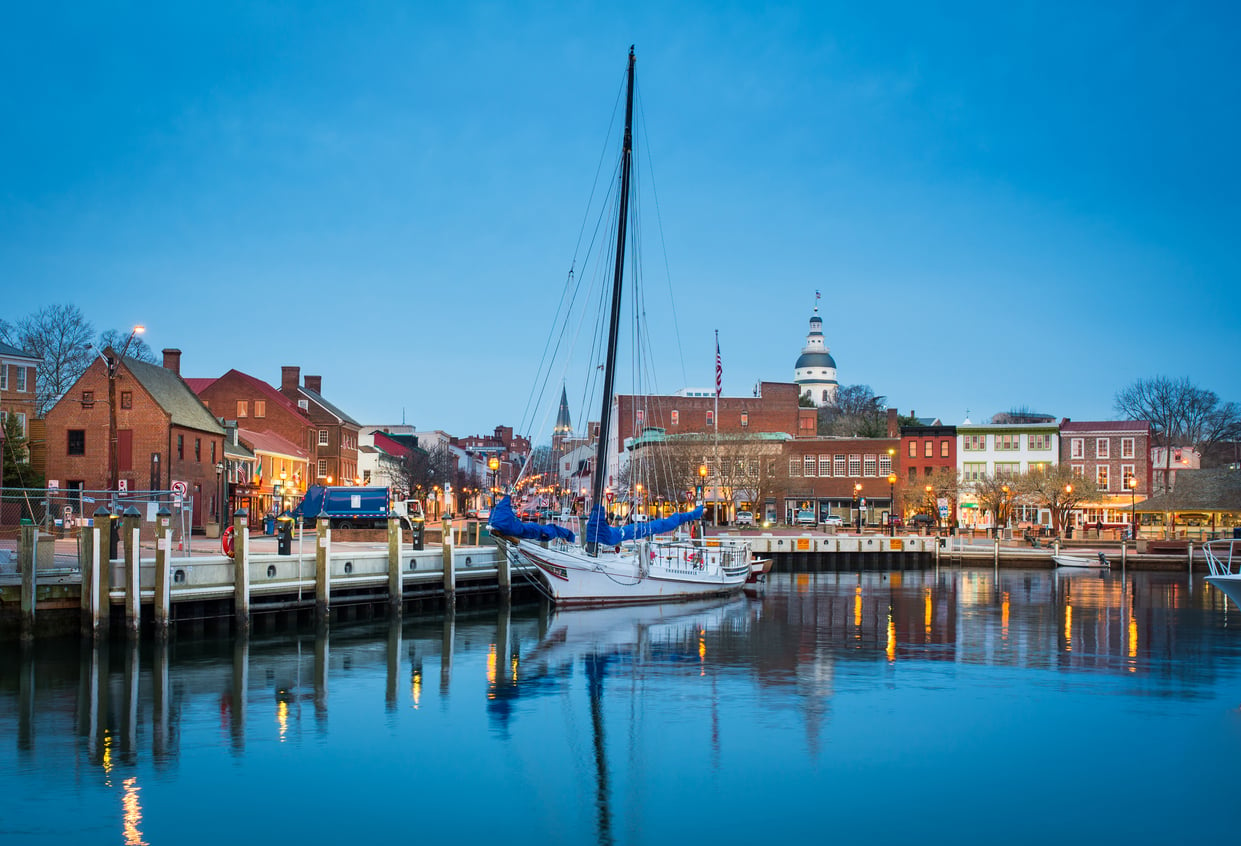
Annapolis manages to be a state capital, historic city, college town, naval center, and sailing destination within a remarkably compact footprint. Visitors can walk between the Maryland State House, U.S. Naval Academy area, historic streets, restaurants, shops, and City Dock without tackling big-city distances. Then the Chesapeake Bay effectively doubles the possibilities with sailing, cruises, and other water activities. That’s what makes Annapolis feel larger than its map suggests. Parking around downtown can be inconvenient, so once you’re settled, walking and getting on the water make more sense.
Savannah, Georgia
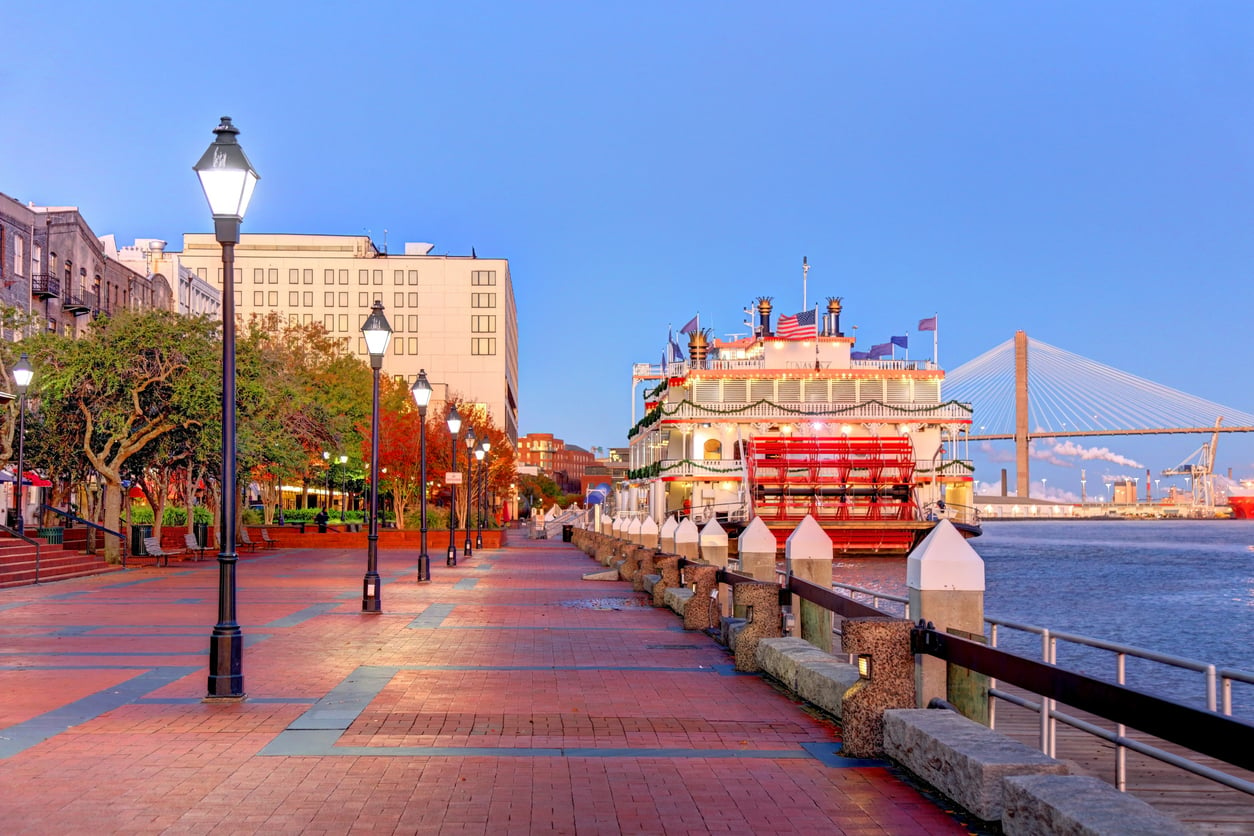
Savannah isn’t tiny, but its historic center delivers an unusually dense amount of vacation within a manageable area. The famous squares connect historic homes, museums, restaurants, shops, galleries, bars, and tree-lined streets that make simply walking around part of the sightseeing. River Street adds another busy strip, and nearby Tybee Island gives travelers an easy coastal side trip. The result can feel like several vacations layered together. Summer heat and humidity are the obvious drawbacks, particularly for travelers planning to explore most of the historic district on foot.
Provincetown, Massachusetts
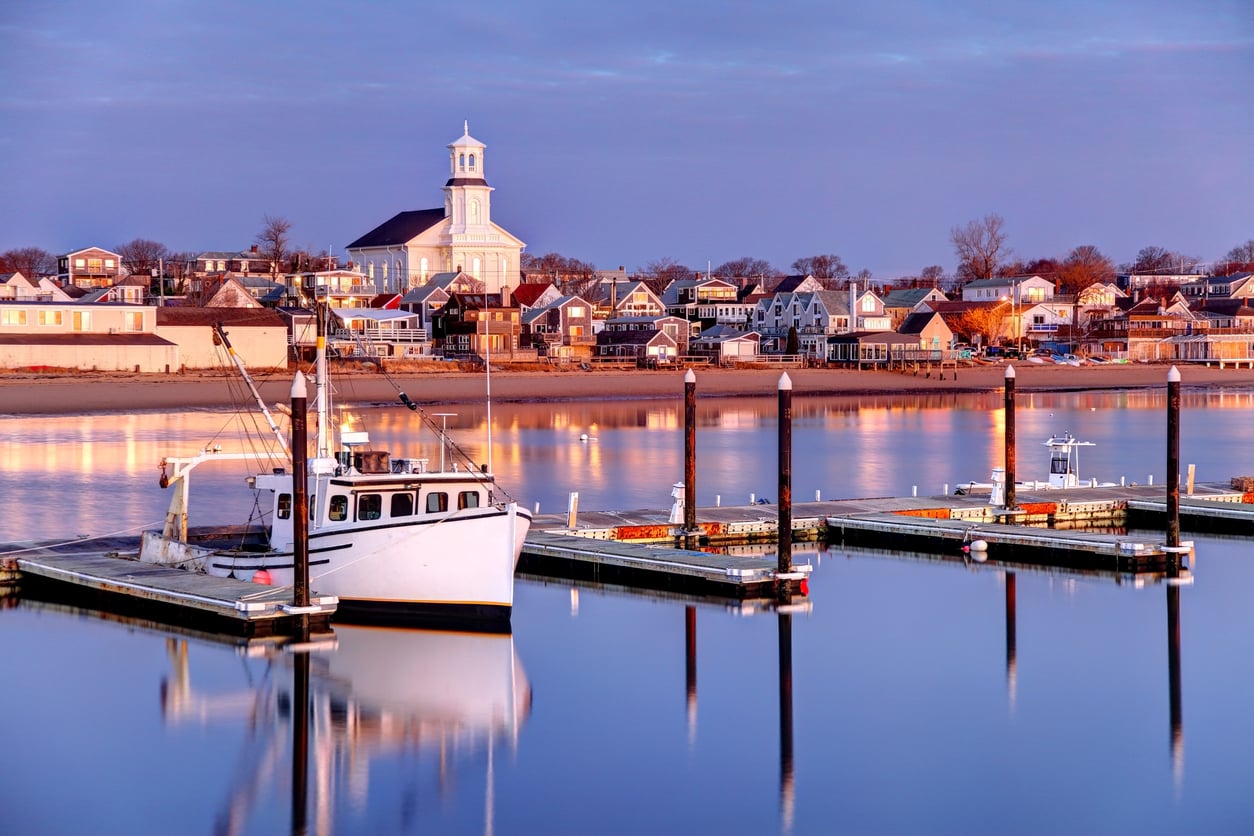
At the narrow tip of Cape Cod, Provincetown packs beaches, galleries, restaurants, bars, theater, shops, whale-watching boats, and nightlife around an intensely walkable town center. Commercial Street provides much of the bustle, while Cape Cod National Seashore quickly opens the trip into dunes, bike trails, Race Point, and Herring Cove Beach. Boston ferries also arrive right at MacMillan Wharf, making a car-free trip possible. Summer crowds and lodging prices can be formidable, but staying overnight lets visitors experience town after some of the ferry traffic disappears.