It’s easy to spend more than necessary on vacation, especially when you’re unfamiliar with a destination. From expensive airport transfers to attraction tickets and overpriced meals, small expenses can quickly eat into your travel budget. But some of the things tourists regularly pay for are services that locals know how to get for less, or even for free. For example, the Smithsonian Institution offers free admission to most of its museums, something visitors might overlook when booking sightseeing packages. Here are 12 common travel expenses you may be able to avoid without missing out on the fun.
Expensive Airport Transfers Instead of Regular Public Transportation
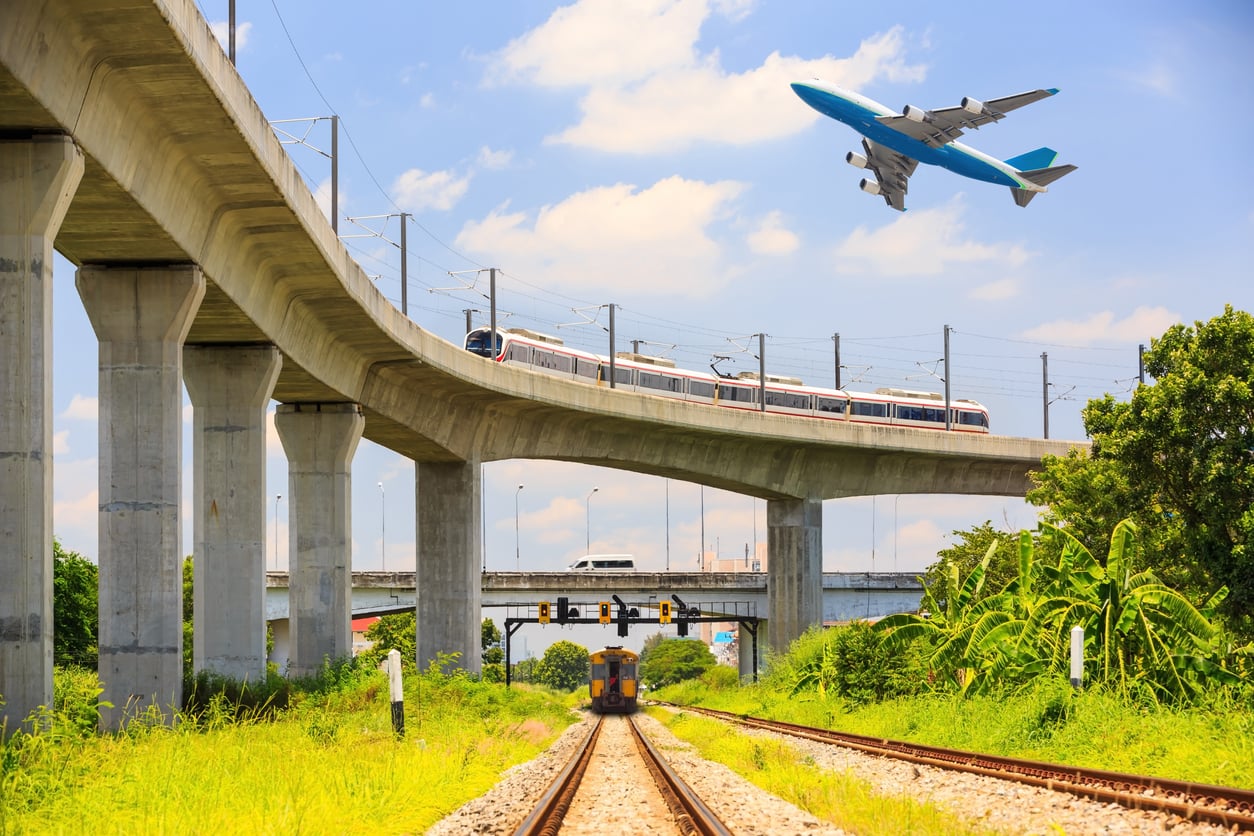
After a long flight, grabbing a taxi might seem like the easiest option, but it isn’t always the most economical. In Portland, Oregon, the MAX Red Line connects the airport to downtown for just $2.80 for a standard adult fare, with reduced fares available for eligible riders. Other cities have similar airport connections that visitors sometimes overlook. Before booking a private transfer, compare public transportation routes, schedules, and prices. Of course, a taxi might still be worth the extra money if you’re traveling with heavy luggage or arriving late.
Unlimited Transit Passes They Won’t Actually Use
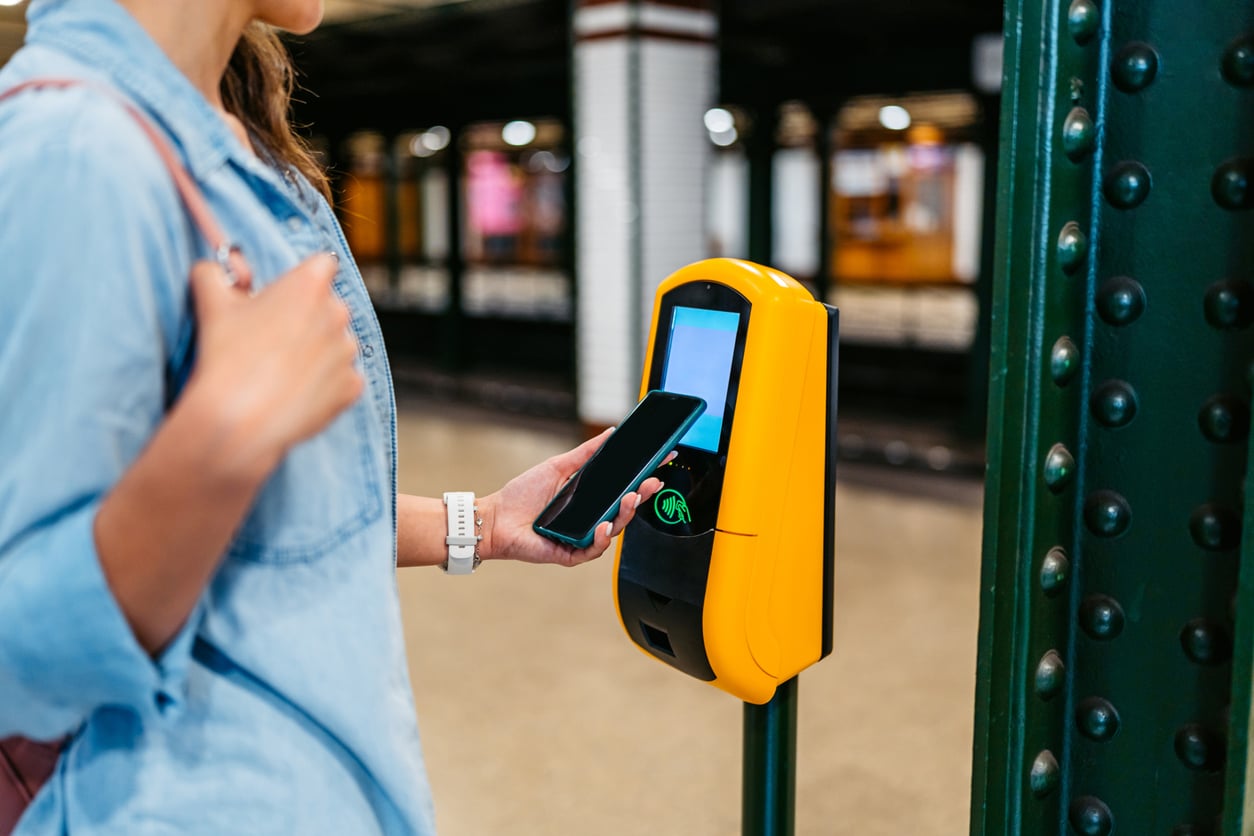
Buying an unlimited transportation pass might seem like a smart move, but it isn’t always necessary. New York City’s OMNY system automatically caps eligible subway and local bus fares at $35 within a seven-day period. Riders must consistently use the same payment card or device to benefit from the cap. Other cities have their own fare-capping arrangements, while some still sell traditional passes. Before purchasing anything, estimate how often you’ll actually use public transportation. Paying as you go could be cheaper, especially if you enjoy exploring on foot.
Rental Cars in Cities Where Driving Is More Trouble Than It’s Worth
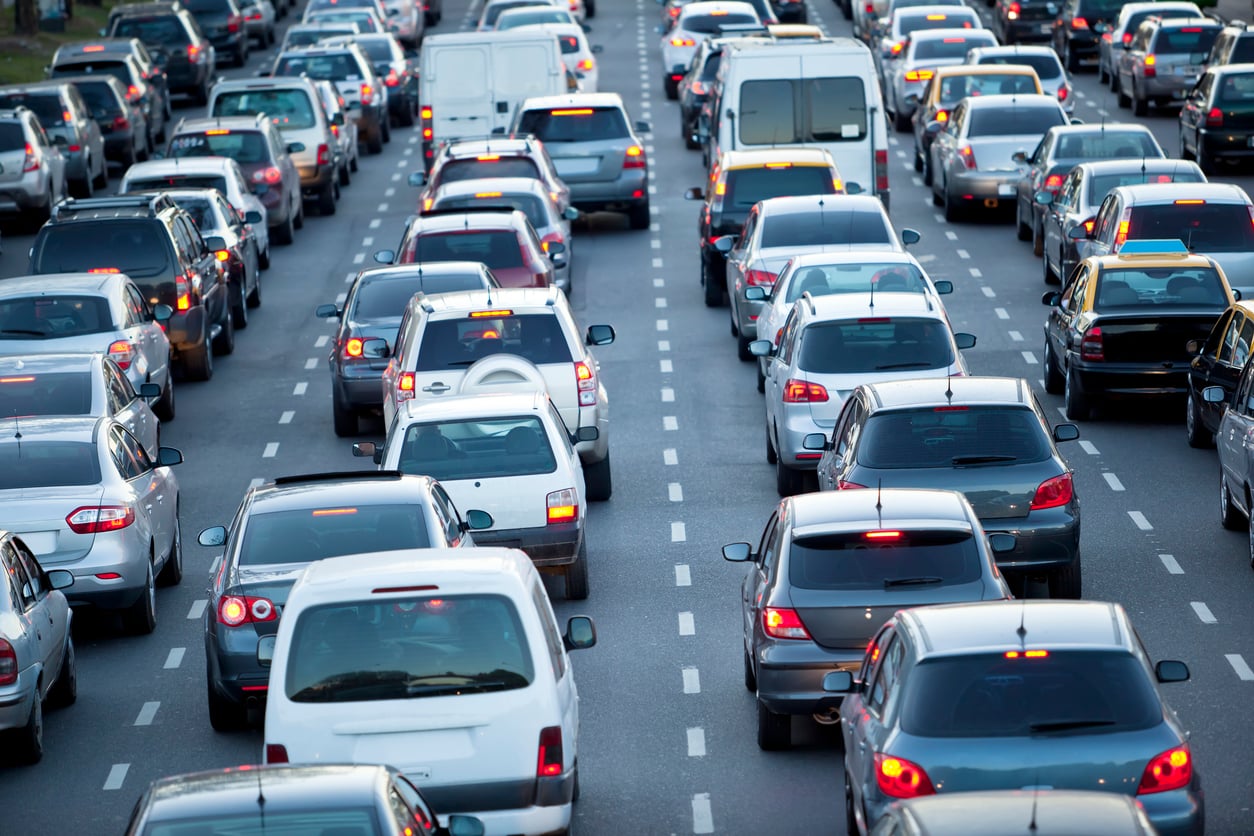
Renting a car can make sense for a road trip, but in a city with convenient public transportation, it may become an expensive burden. Daily rental charges are only the beginning. Parking garages, tolls, fuel, and optional extras can quickly increase the total. In Portland, for example, TriMet offers bus and light rail travel with daily fare caps, making it possible to explore without driving everywhere. Check the transportation options around your hotel before reserving a vehicle. You might only need a car for an occasional day trip.
Parking Right Beside Major Tourist Attractions
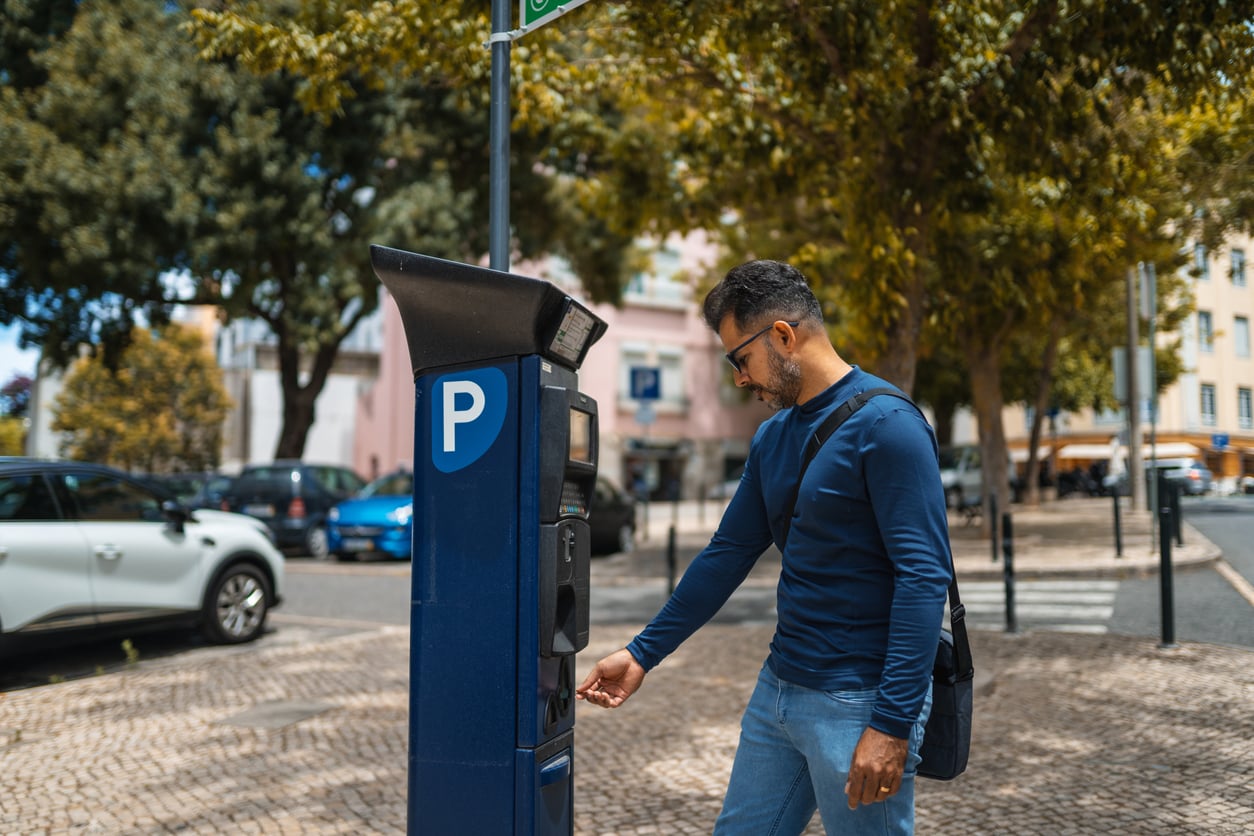
Finding a parking spot directly outside a popular attraction feels convenient until you see the price. In San Francisco, metered parking rates vary by block and time of day, and special-event pricing can make certain areas more expensive. Visitors unfamiliar with these rules may end up paying more than necessary. Locals often know which nearby streets, garages, or transit connections offer better value. Before driving somewhere busy, check official parking maps and restrictions. Parking a little farther away could save money, provided the walk is manageable.
Bottled Water When Safe Refilling Stations Are Available

Buying a bottle of water every time you’re thirsty might not seem expensive, but those purchases add up over several sightseeing days. In cities with safe drinking water, carrying a reusable bottle can eliminate much of that expense. San Francisco, for example, has public water-refilling stations and an online map showing where to find them. Before traveling, check whether the local tap water is safe to drink and whether public fountains are available. In destinations where water safety is uncertain, bottled or properly treated water may still be necessary.
Trending on Cheapism


Resale Tickets When Regular Admission Is Still Available
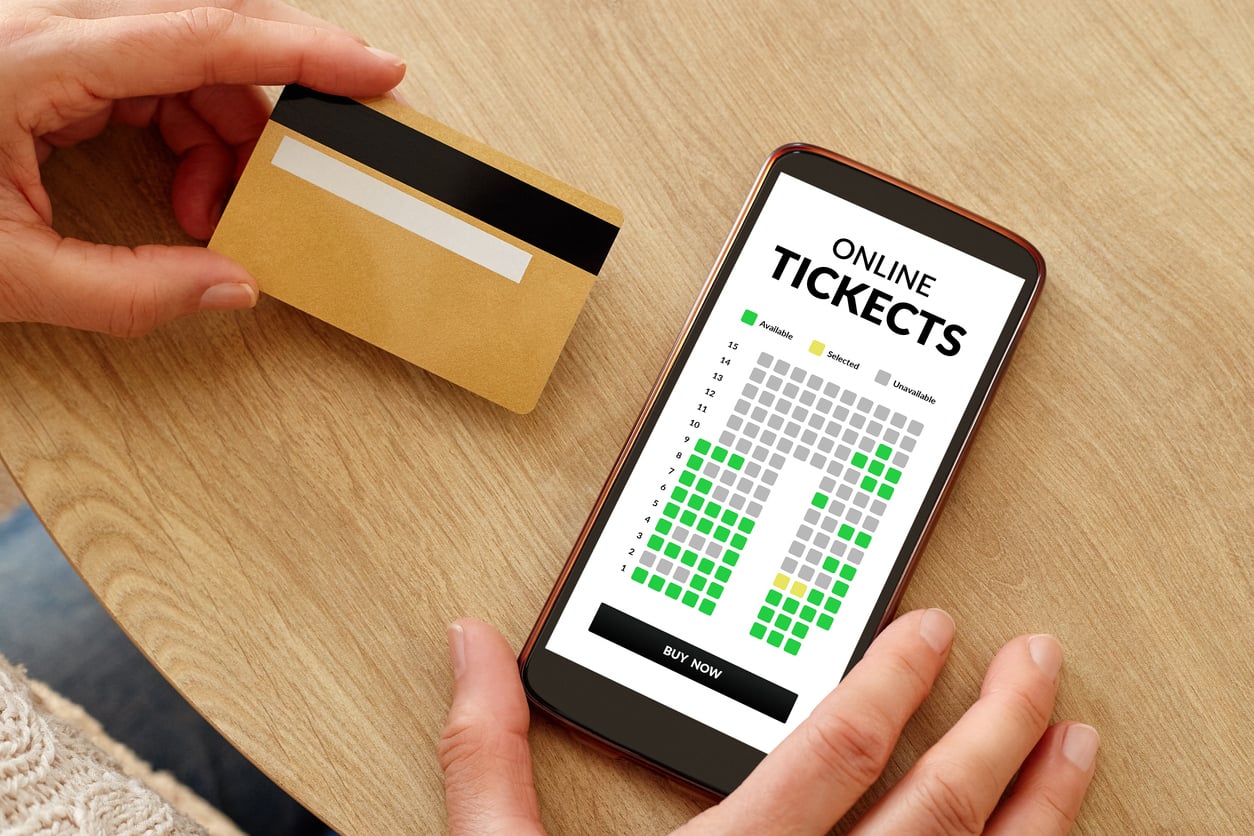
You’ve found tickets to a concert or sporting event, but the price seems surprisingly high. Before paying, check whether the venue or its authorized primary ticket seller still has regular tickets available. Resale prices are set by individual sellers and can be higher or lower than the original price, depending on demand. Some events also have official face-value exchanges. Compare the complete prices, including required fees, before making a decision. Resale can be useful for sold-out events, but there’s no reason to pay extra when ordinary admission is still available.
Museum Admission That Was Free in the First Place
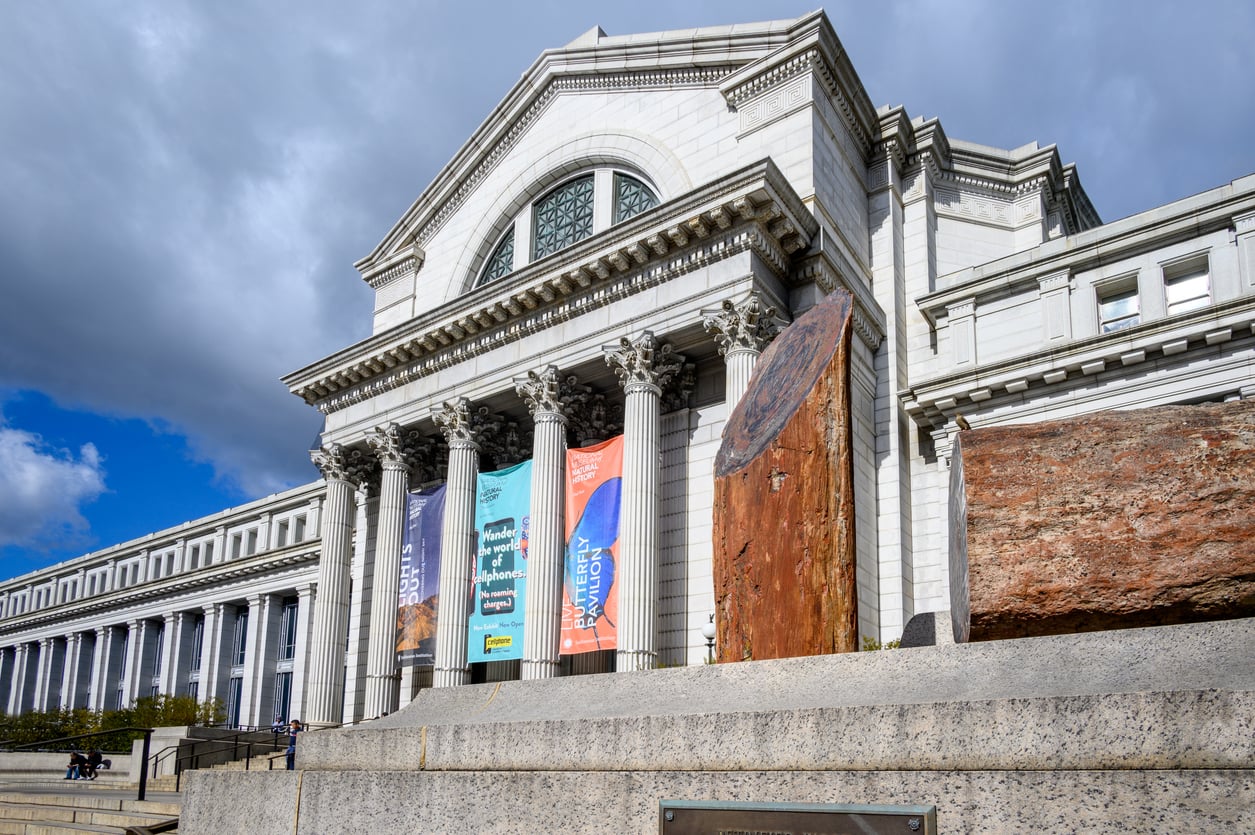
Some travelers purchase sightseeing packages without realizing they can visit certain museums for free. Most Smithsonian museums in Washington, D.C., offer free general admission, although popular locations such as the National Air and Space Museum require free timed-entry passes. A paid guided tour might provide additional information, but it isn’t necessary just to enter. Before buying museum tickets through a third party, visit the institution’s official website. You may discover that admission costs nothing, leaving more money for lunch or another activity.
Beach Chairs and Umbrellas They Could Bring Themselves
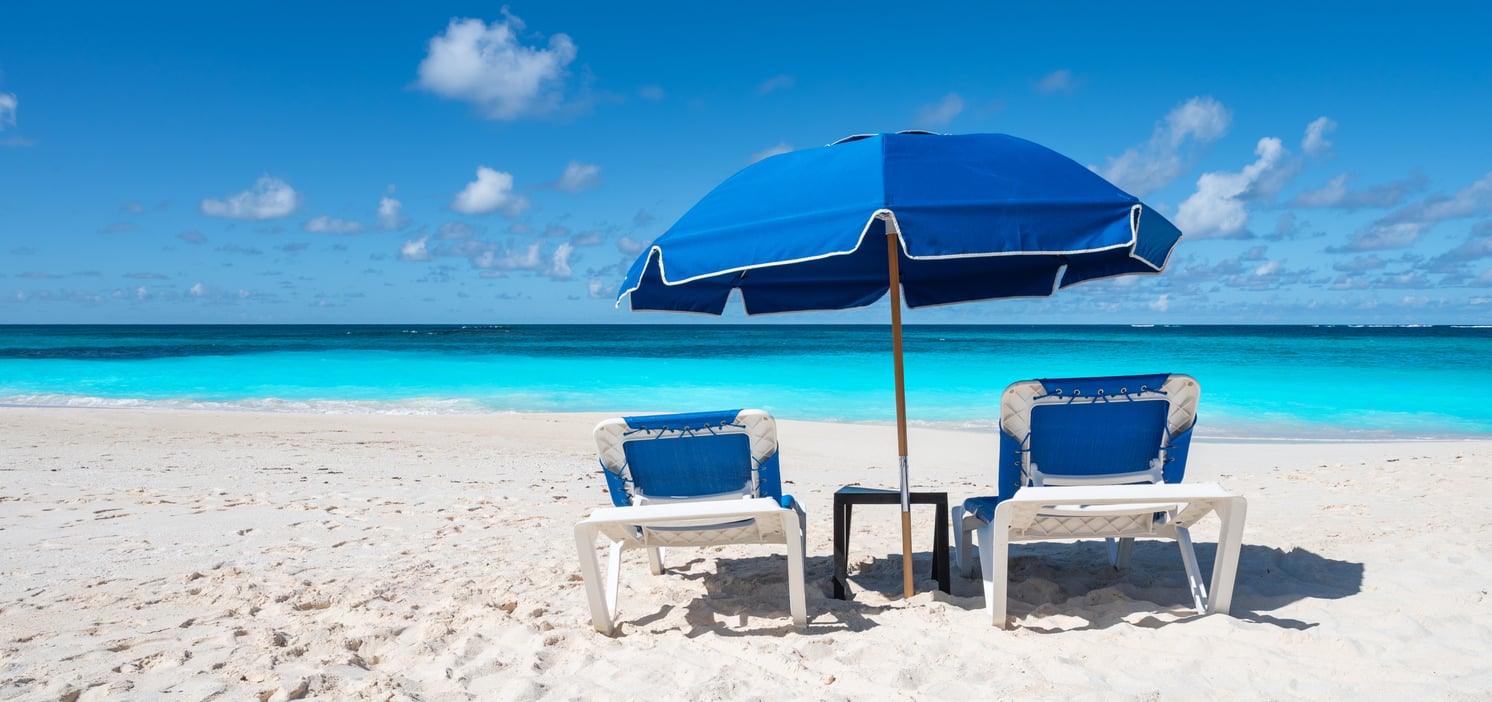
Renting a beach chair and umbrella can be convenient, especially when you’re staying at a resort. But paying for the same equipment every day can become expensive during a weeklong vacation. Locals who visit regularly often bring their own chairs, towels, and shade. If you’re driving to the beach or staying for several days, buying inexpensive equipment might cost less than repeated rentals. Just check beach rules before setting anything up. For travelers flying with limited luggage, renting may still be the more practical choice.
Sign up for our newsletter
Separate National Park Tickets When an Annual Pass Costs Less
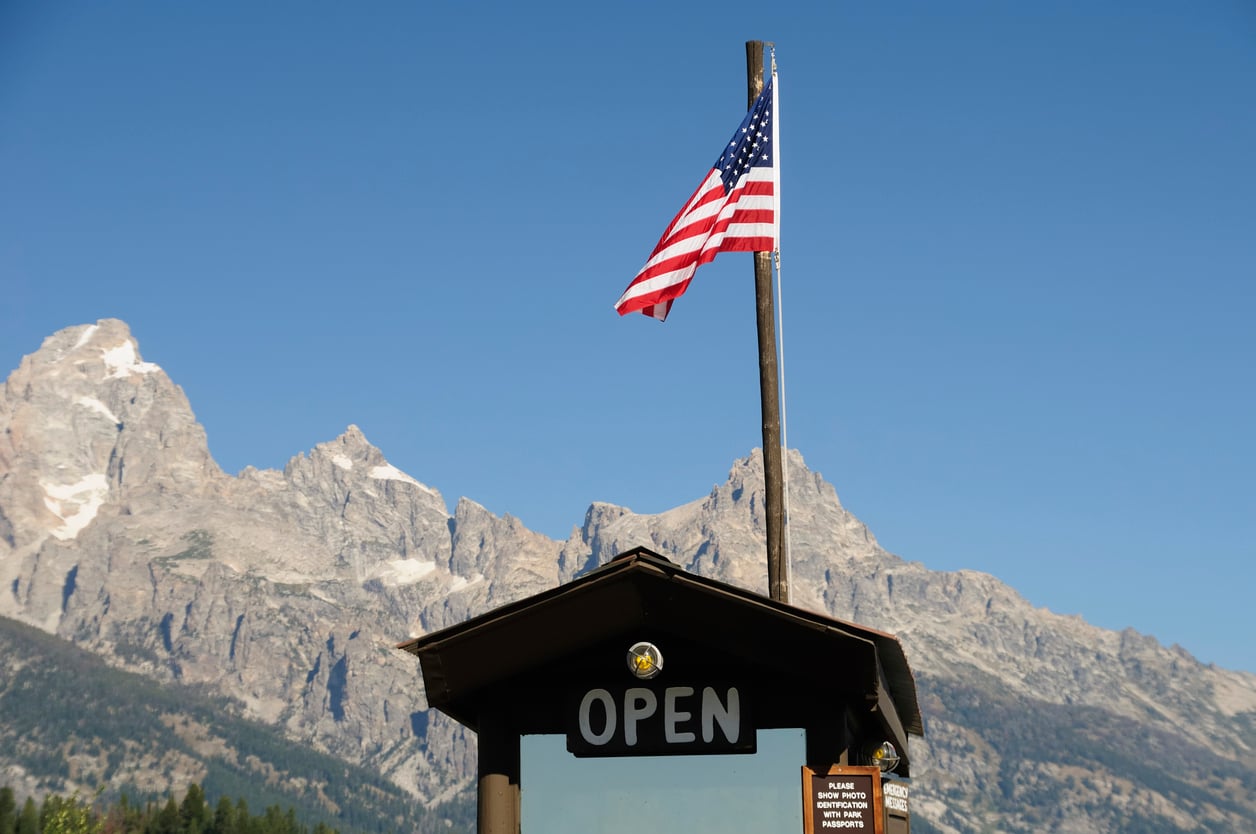
Visiting several national parks on one trip? Buying separate entrance passes without comparing the alternatives could cost more than necessary. The National Park Service offers annual passes, including options for eligible seniors and people with permanent disabilities. As of 2026, the standard America the Beautiful annual pass costs $80 for U.S. residents, while a separate $250 pass is available for nonresidents. Rules vary by pass and park, so calculate your expected entrance fees before purchasing. An annual pass can be worthwhile, but only if you’ll use it enough.
Meals at Restaurants That Charge More for Their Location
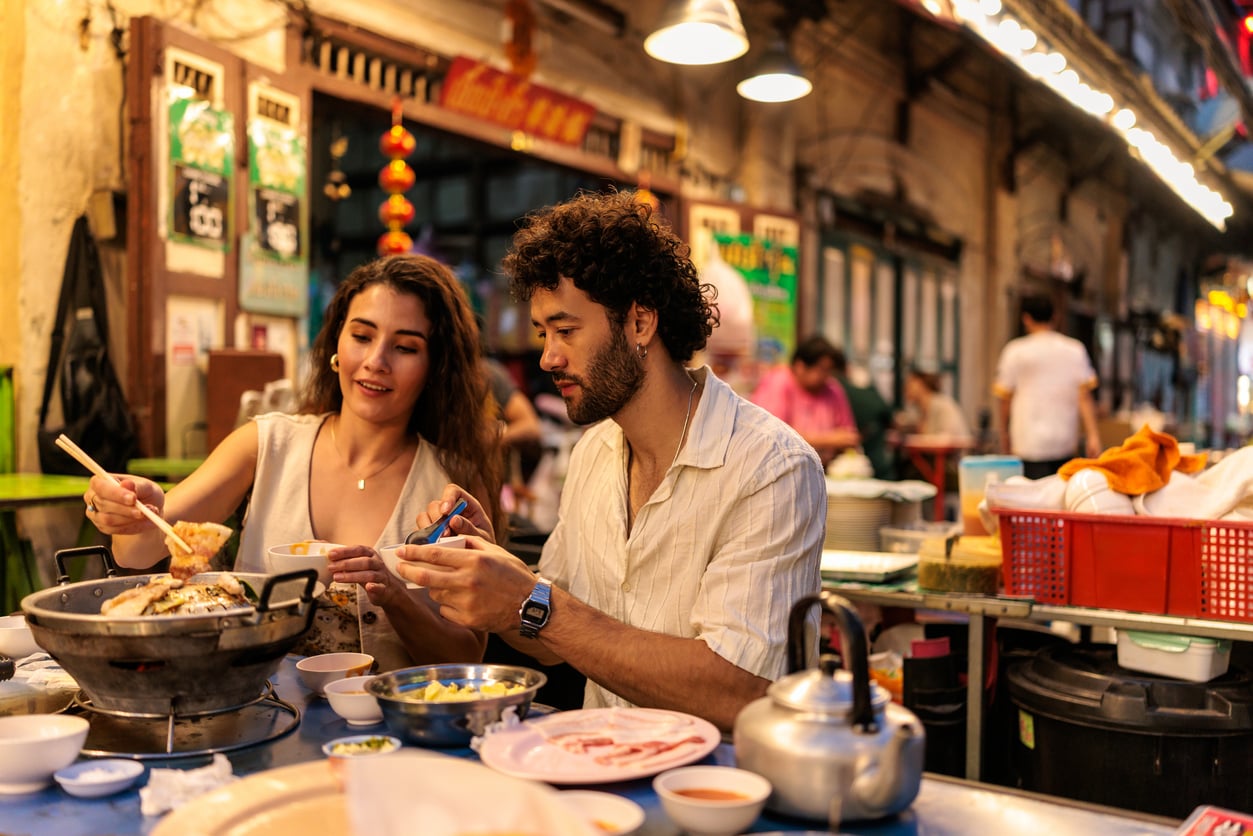
That restaurant overlooking a famous landmark might have a wonderful view, but you’re sometimes paying for the location as much as the meal. Restaurants in busy visitor areas can be convenient, although nearby neighborhoods may offer comparable food at lower prices. Instead of choosing the first place you see, look at menus a few streets away or near residential shopping areas. Bakeries, casual cafes, and neighborhood restaurants are worth considering. Don’t assume every tourist-area restaurant is overpriced, though. Comparing actual menu prices is more reliable than judging by location alone.
Attraction Tickets on Days When Admission Is Free
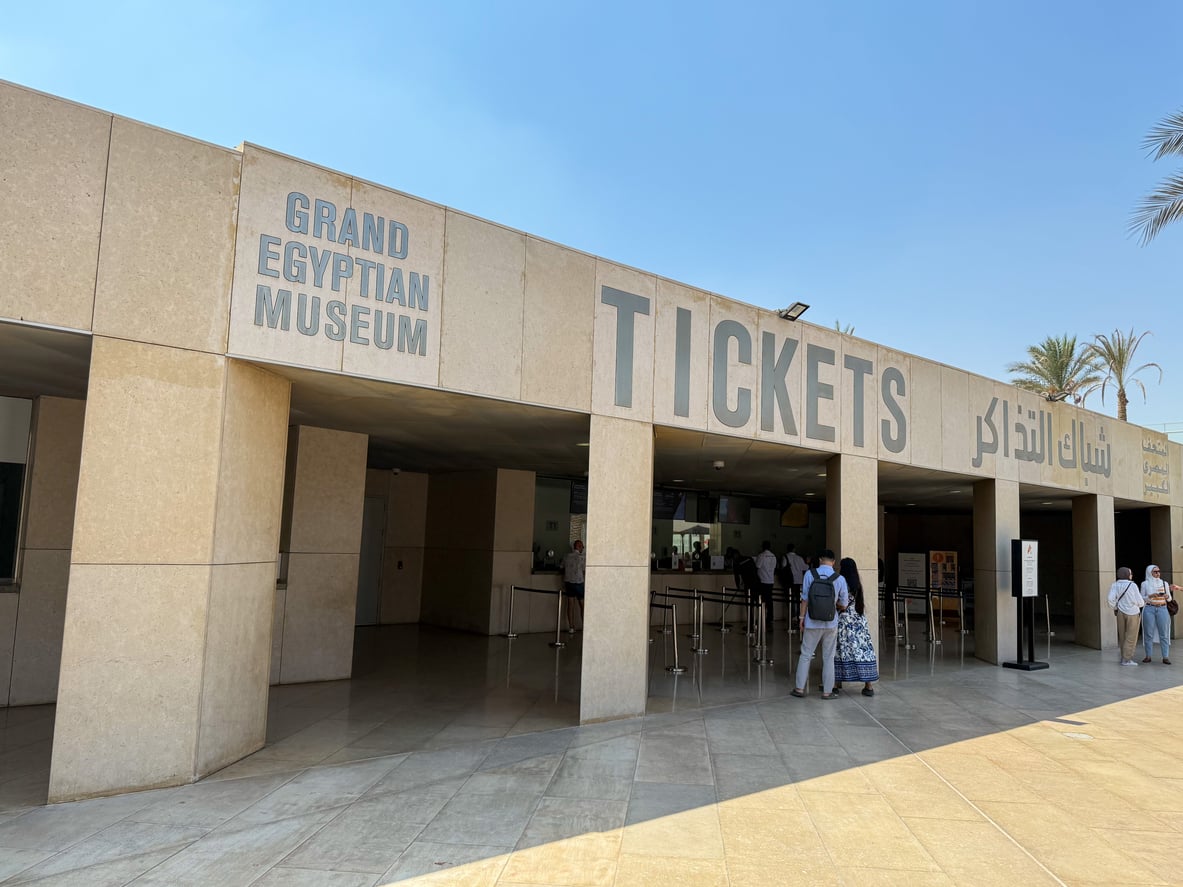
Sometimes the difference between paying admission and getting in free comes down to the date you visit. Museums, parks, and other attractions may offer designated free or discounted days throughout the year. The National Park Service, for example, schedules entrance fee-free days, although its 2026 policy limits that benefit to U.S. citizens and residents. Other charges or reservations may still apply. Before finalizing your sightseeing schedule, check official admission calendars. A small adjustment to your itinerary could save money without requiring you to skip anything.
Everyday Supplies Bought at Tourist-Area Convenience Shops
Forgetting sunscreen, a phone charger, or a rain poncho can lead to an expensive stop at the nearest souvenir shop. Stores beside major attractions sometimes charge more for convenience, particularly when visitors have few alternatives nearby. Residents usually know where to find ordinary supermarkets, pharmacies, and discount stores with a wider selection. Before heading out for the day, check that you’ve packed the essentials. If you need something, compare prices at everyday retailers rather than automatically buying it at the closest tourist shop. Just don’t spend more on transportation than you’d save.