Remember when your favorite vacation spot had that little family-owned motel, a familiar amusement park, or a restaurant you visited every summer? Some of those places look almost nothing like they did decades ago. From demolished casino landmarks to beach towns transformed by new developments, these American vacation spots have undergone some remarkable changes. Las Vegas is a perfect example, with the closure of the iconic Mirage in 2024 marking the end of another familiar landmark. Here are 12 destinations that might surprise travelers returning after 20 or 30 years.
Las Vegas, Nevada: The Old Casino Landmarks Are Disappearing
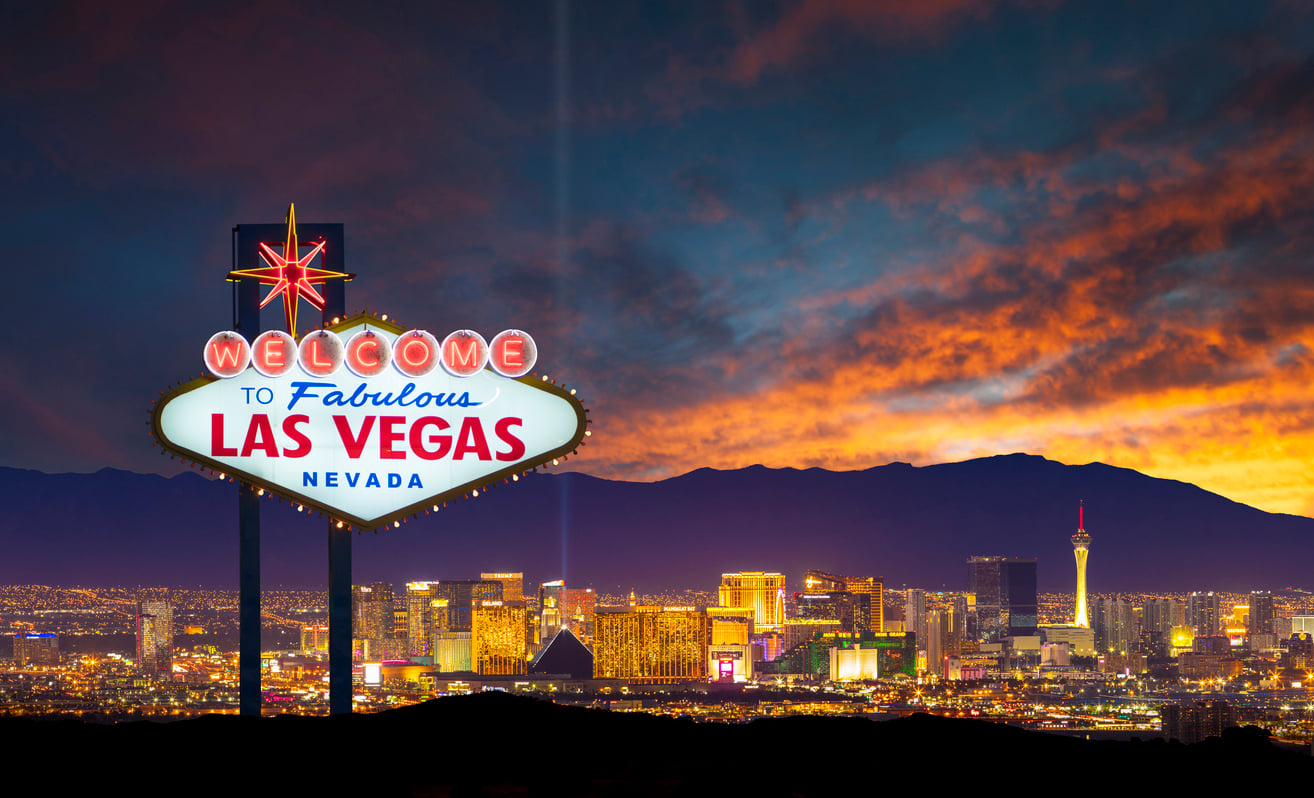
Anyone who remembers the Las Vegas Strip in the 1980s might have trouble recognizing it today. The Mirage opened in 1989 and helped usher in the era of enormous themed resorts, but even that landmark closed in July 2024 to make way for a Hard Rock redevelopment. The Tropicana was also demolished in 2024, joining a long list of vanished casino icons. Today’s Strip offers massive entertainment venues, celebrity restaurants, and elaborate attractions. There’s more to do than ever, but much of old Vegas survives mainly in photographs.
Myrtle Beach, South Carolina: The Pavilion Is Gone
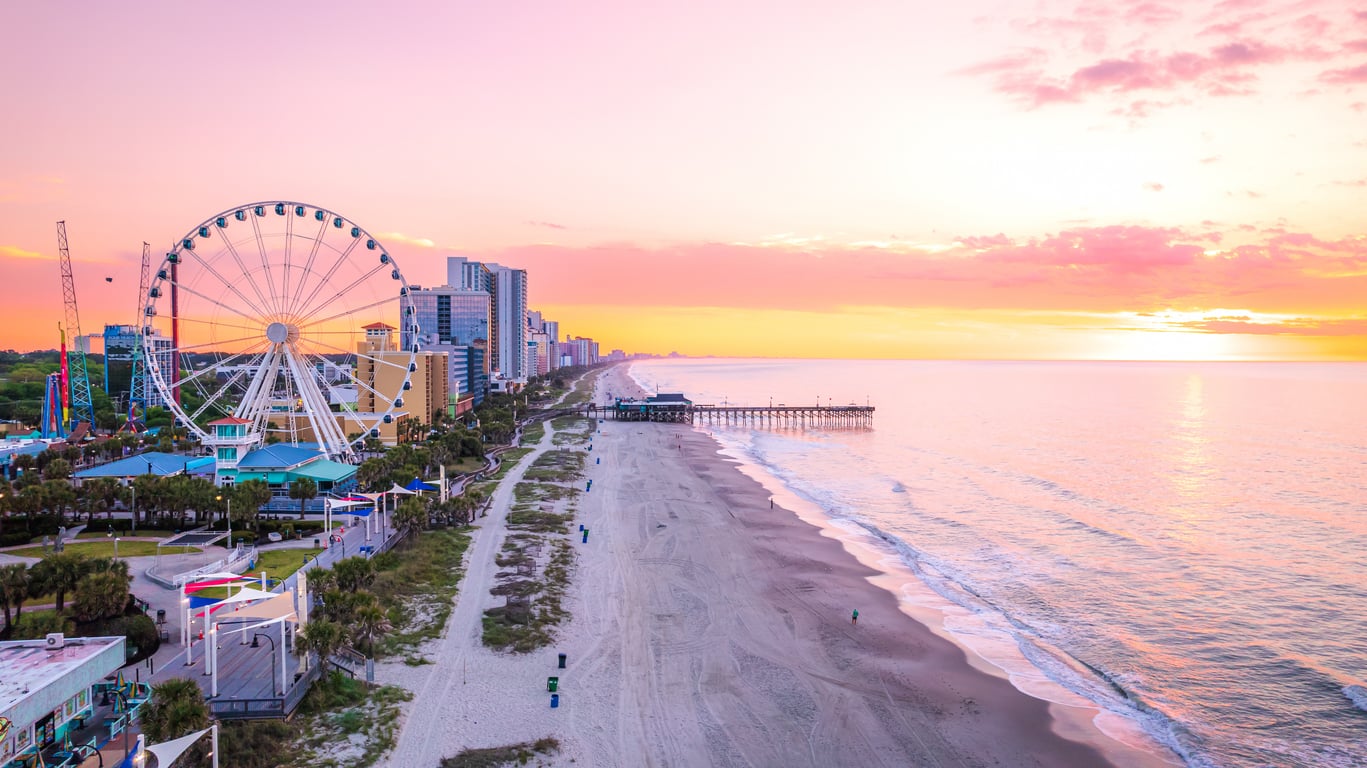
For generations of vacationing families, the Myrtle Beach Pavilion was practically synonymous with summer. Its roller coasters, carnival rides, and oceanfront location were fixtures of the South Carolina coast. Then, in 2006, the amusement park closed, with demolition beginning the following year. A new oceanfront boardwalk opened in 2010, giving visitors a different place to gather. Some former Pavilion rides found a home at Broadway at the Beach, but longtime visitors won’t find the amusement park where they remember it. The beachfront itself has become considerably more developed.
Pigeon Forge, Tennessee: The Quiet Mountain Town Became an Entertainment Hub
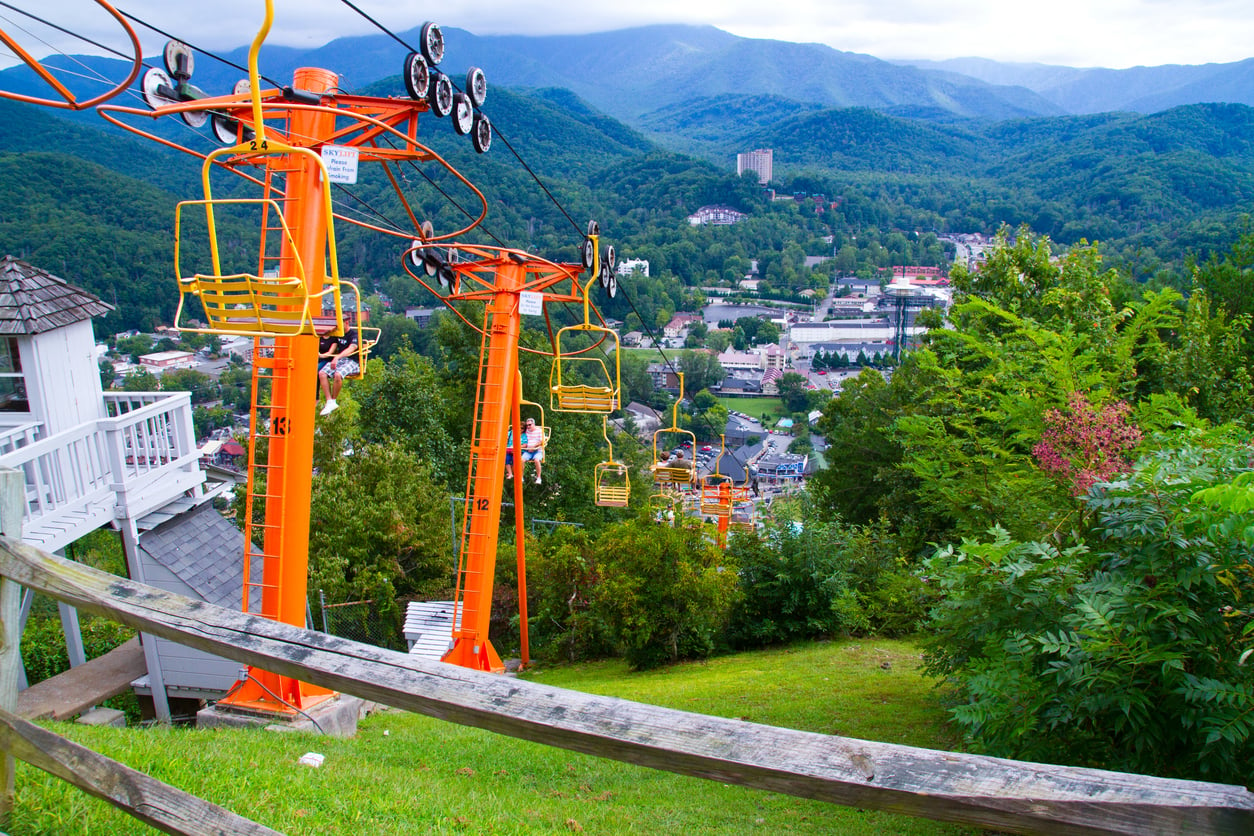
A trip to Pigeon Forge in the 1970s meant mountain scenery, craft shops, and a relatively modest collection of roadside attractions. That changed dramatically after Dolly Parton partnered with the owners of Silver Dollar City in 1986, transforming the park into Dollywood. The attraction has since expanded with major rides, entertainment, and resort accommodations. Meanwhile, Pigeon Forge’s main road has filled with theaters, restaurants, and family attractions. Visitors still have the Smoky Mountains nearby, but the traffic and commercial development can make the town feel very different from earlier vacations.
Miami Beach, Florida: South Beach Went From Sleepy to Stylish
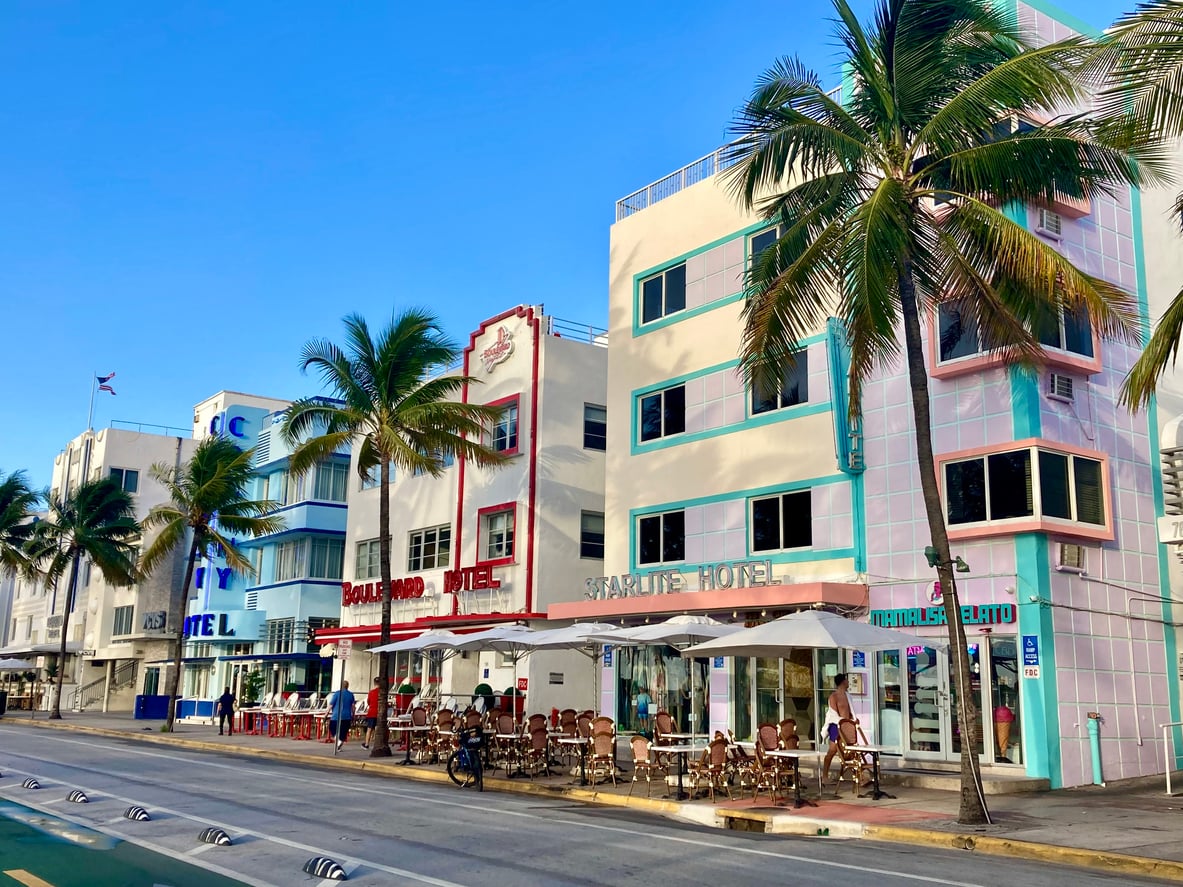
South Beach wasn’t always the glamorous neighborhood associated with expensive hotels and fashionable nightlife. During the 1970s, many of its Art Deco buildings were aging, and the area had a quieter residential atmosphere. Preservation efforts helped save hundreds of historic structures, while restoration and new investment brought restaurants, hotels, and entertainment businesses. Today, Ocean Drive’s colorful architecture remains familiar, but the surrounding neighborhood has changed enormously. Visitors looking for the relaxed, relatively inexpensive Miami Beach of decades past may be surprised by the crowds and prices.
Atlantic City, New Jersey: Casinos Changed the Boardwalk Forever
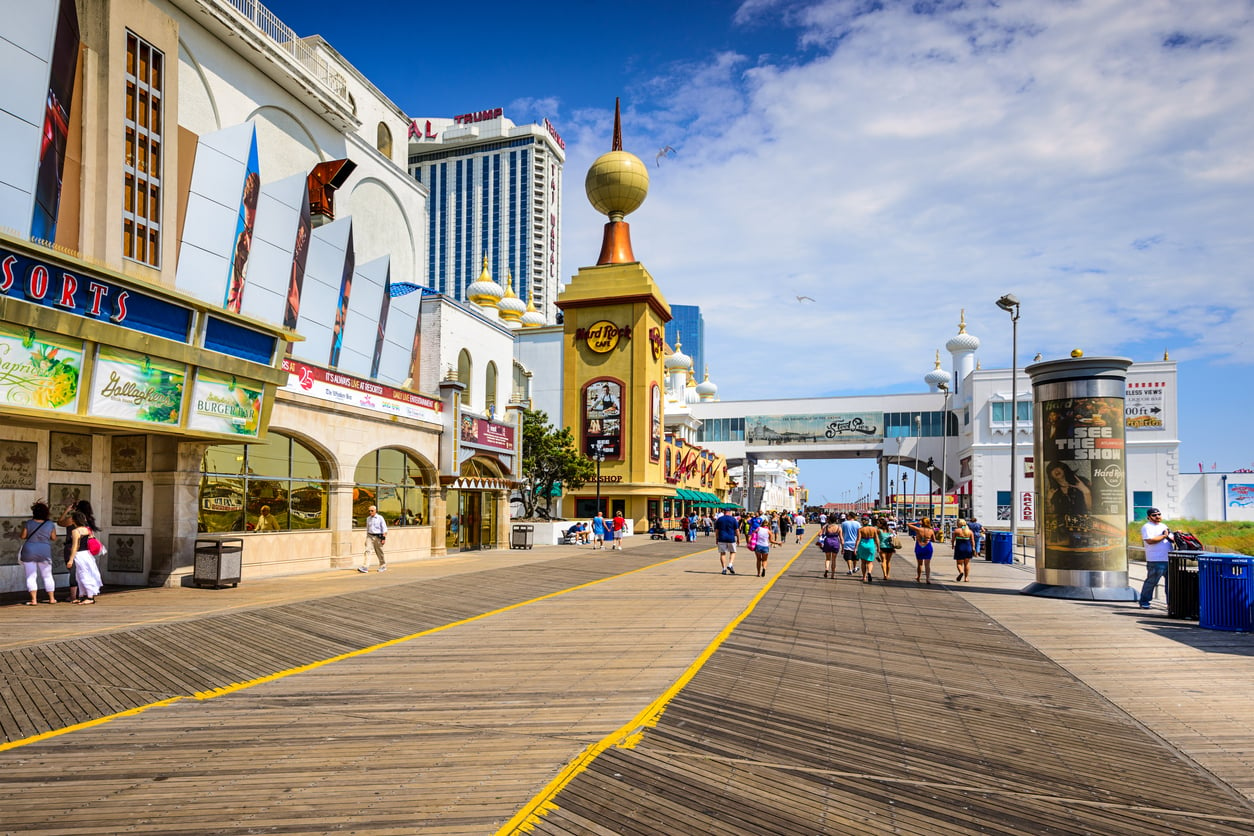
Atlantic City was once a classic seaside escape where families came for the beach, boardwalk entertainment, and saltwater taffy. Everything began changing when Resorts International opened the city’s first legal casino in May 1978. More casino hotels followed, transforming the skyline and shifting the local economy toward gambling and resort entertainment. Later closures and redevelopments brought additional changes. The historic boardwalk remains, but familiar buildings and attractions have disappeared. Visitors can still enjoy a traditional beach outing, although the surrounding resort landscape looks considerably different from its pre-casino days.
Trending on Cheapism

Branson, Missouri: Country Music Shows Sparked a Tourism Boom
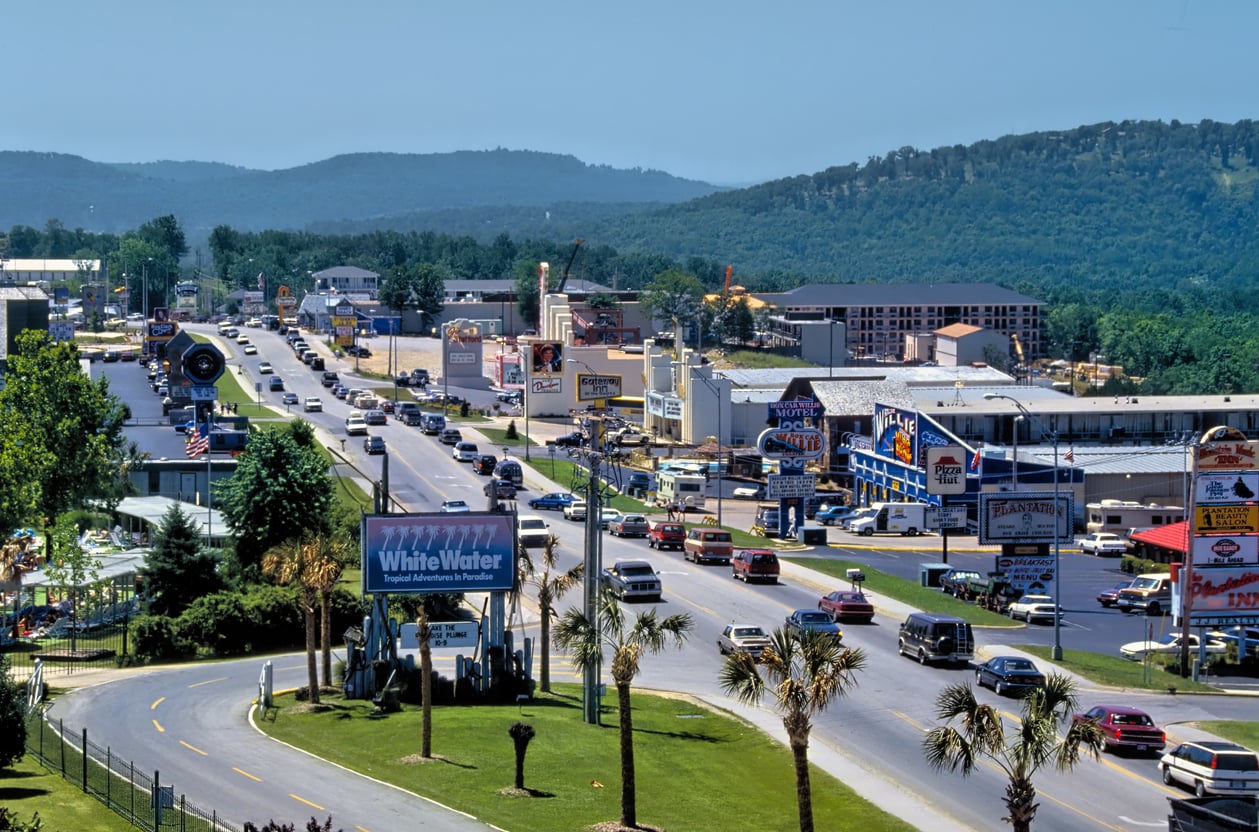
Branson was already known for live music and Ozarks vacations before a 1991 “60 Minutes” feature introduced its entertainment scene to a much wider audience. The publicity helped accelerate a period of rapid growth, with celebrity theaters, hotels, restaurants, and attractions expanding across the area. Branson Landing later added a major shopping and dining district along Lake Taneycomo. Visitors who remember a smaller country music town may be surprised by its sprawling entertainment industry. Traditional performances remain available, but the destination now offers far more than the modest theater scene of earlier decades.
Times Square, New York: Traffic Lanes Became Pedestrian Plazas
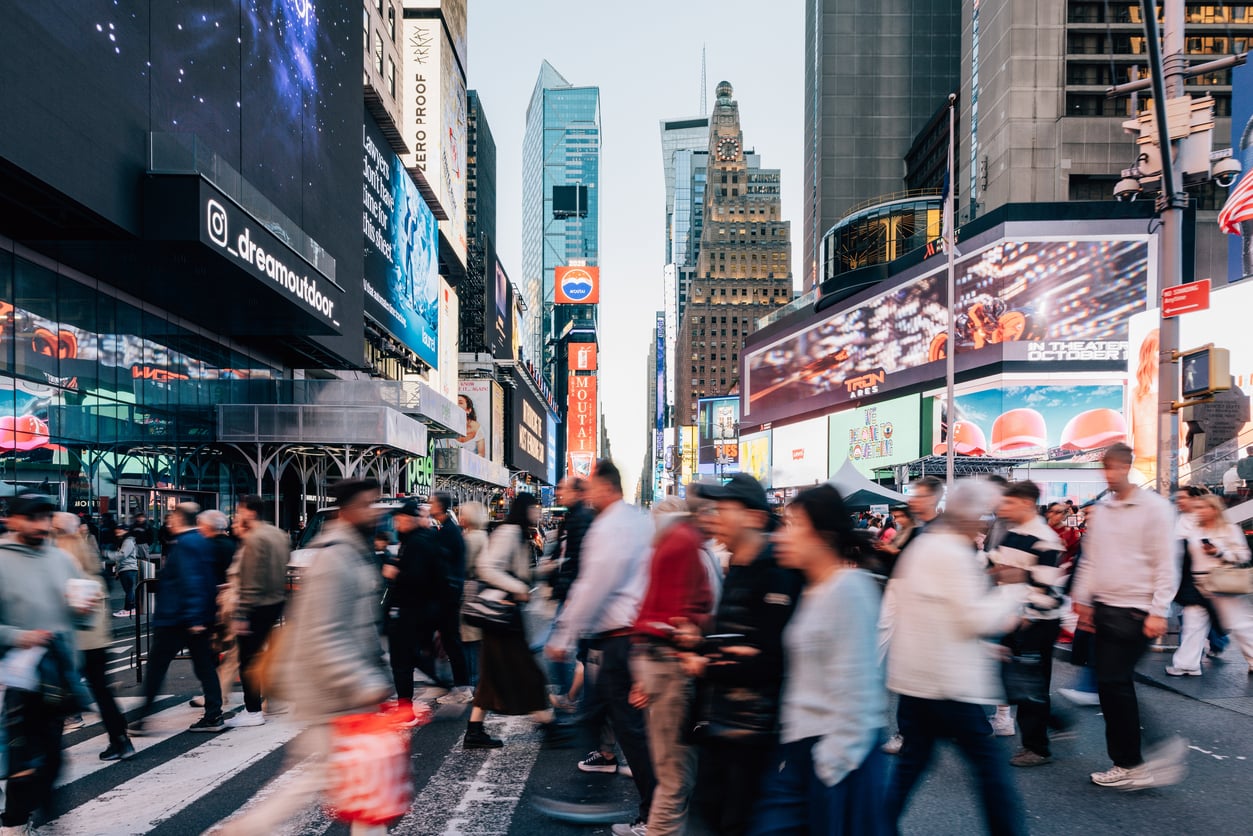
Times Square in the 1970s and 1980s was a very different place, with adult theaters, aging storefronts, and streets crowded with vehicles. Over the following decades, redevelopment brought major retailers, family-oriented attractions, and a transformed entertainment district. Another visible change began in 2009, when sections of Broadway were converted into pedestrian plazas. Permanent improvements were completed in 2016 and formally celebrated in 2017. Visitors can now sit and watch the crowds where traffic once dominated. The area is easier to explore on foot, although its bright advertisements and tourist crowds remain overwhelming.
Panama City Beach, Florida: The Spring Break Scene Has Changed
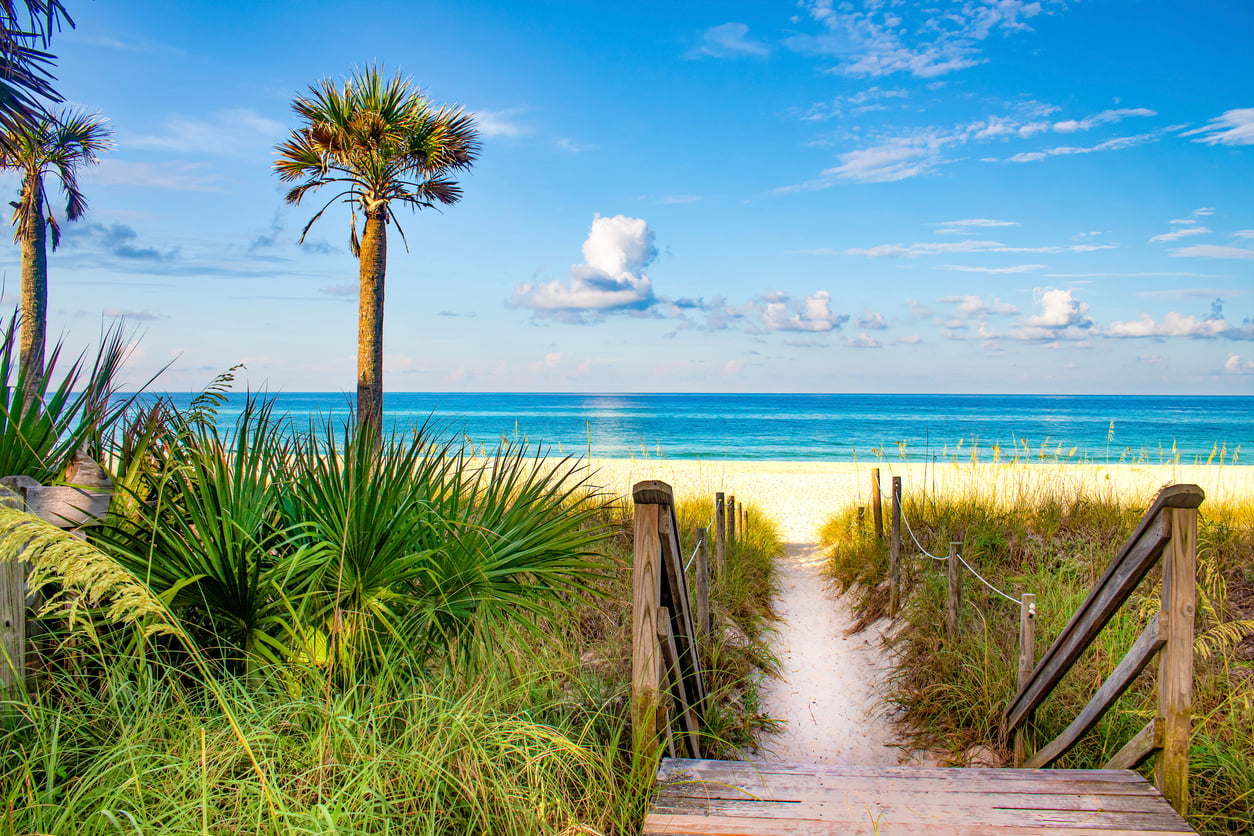
Panama City Beach spent decades building a reputation as a major college spring break destination. Visitors who remember its rowdy atmosphere during the 1990s and early 2000s may find a different experience today. Following public safety concerns, local officials introduced stricter seasonal regulations around 2015, including restrictions on alcohol consumption on the beach during March. Additional crowd-control measures were enforced in 2026. The destination still attracts vacationers, but the rules have changed considerably. Families planning a spring trip should check current regulations rather than assuming the old spring break atmosphere still exists.
Sign up for our newsletter
Park City, Utah: A Mining Town Became an Upscale Ski Resort
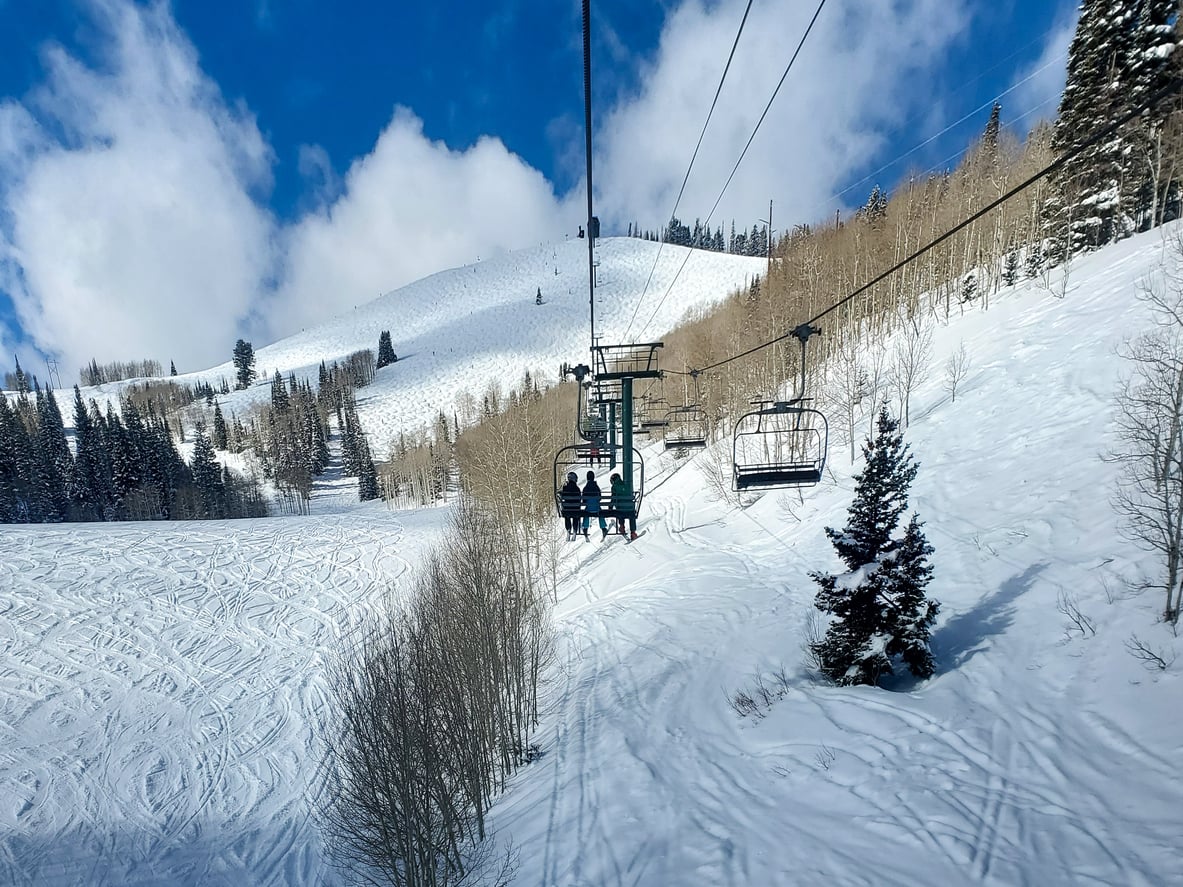
Park City once depended on silver mining, and by the mid-20th century, its declining industry had left the town struggling. Ski development began transforming its fortunes in the 1960s, followed by new resorts, restaurants, and visitor accommodations. The 2002 Winter Olympics brought even greater attention to the area. Today, Park City is known for extensive skiing, upscale lodging, and year-round recreation. Historic Main Street still preserves reminders of the mining era, but visitors who remember a smaller mountain community may be startled by the resort development and accommodation costs.
South Lake Tahoe, California: Old Motels Made Way for Heavenly Village
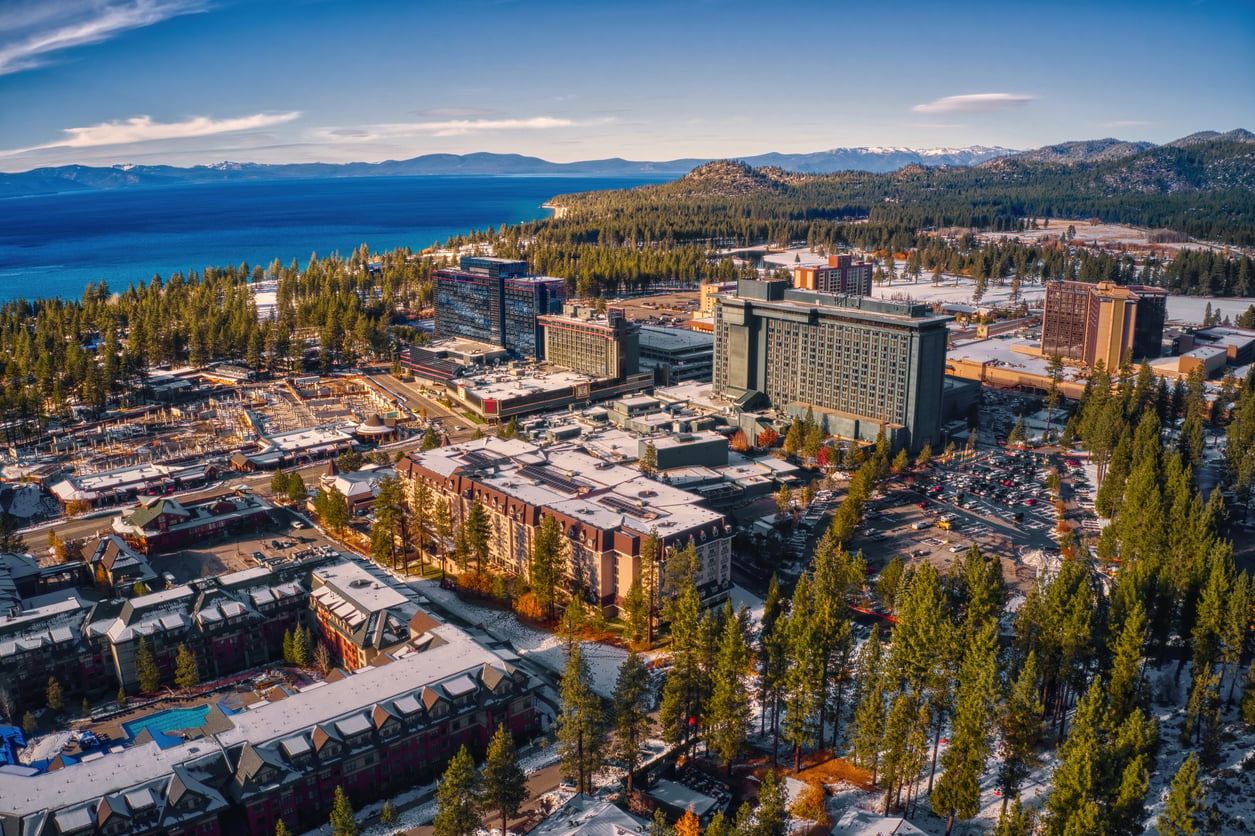
Visitors who stayed near the California-Nevada state line decades ago may remember a landscape of roadside motels, small businesses, and casino traffic. Redevelopment around the turn of the century replaced numerous older properties with hotels, shops, restaurants, and pedestrian-friendly spaces. The Heavenly Gondola, which opened in December 2000, made it easier to reach the ski slopes directly from town. The changes created a more concentrated resort district, but some of the older roadside character disappeared. The lake and mountain scenery remain familiar, even if the streets around them do not.
Santa Monica, California: The Pier Got a New Amusement Park
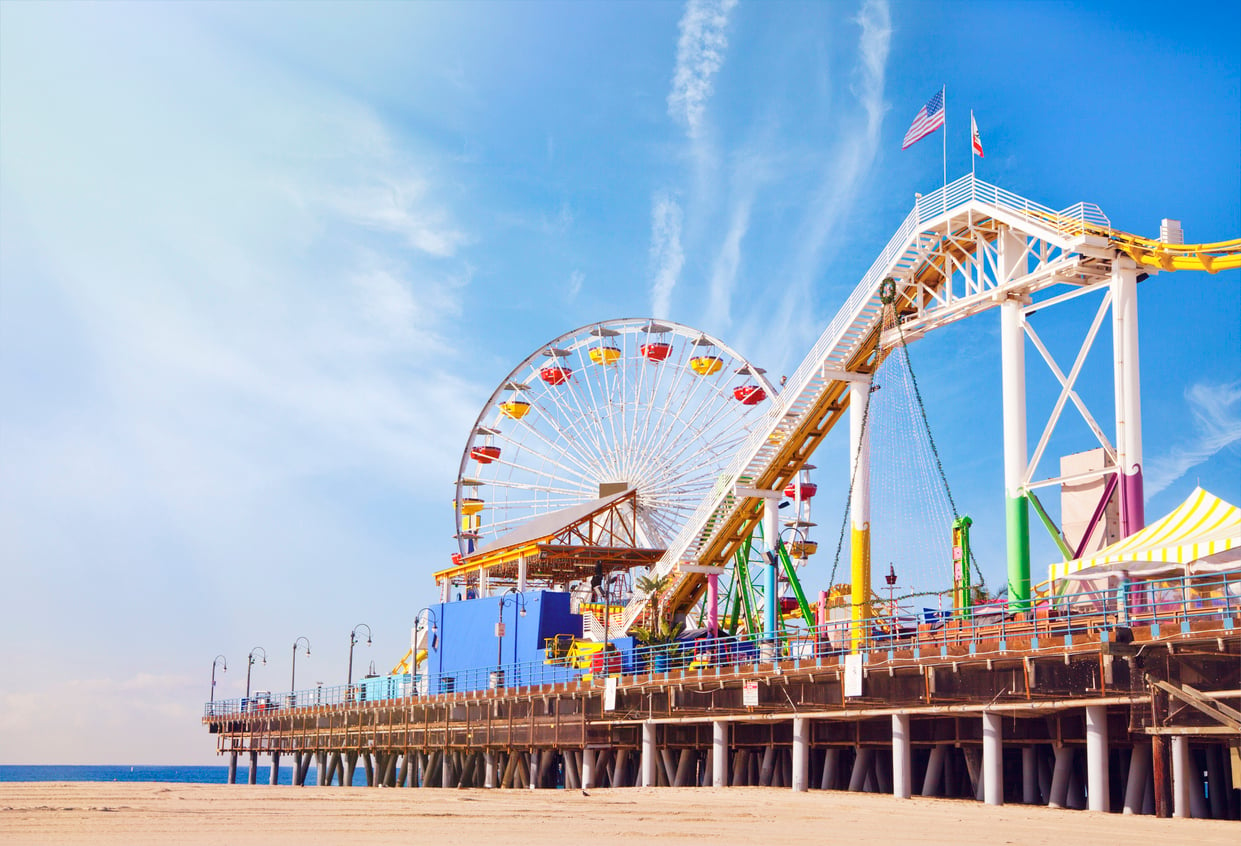
Santa Monica’s historic pier nearly disappeared during the 1970s, when demolition proposals threatened the landmark. Severe storms in 1983 caused further damage, leading to reconstruction and preservation efforts. Then, in 1996, Pacific Park opened, bringing amusement rides back to the pier after decades without a full amusement park. Its Ferris wheel has since become a recognizable part of the Southern California coastline. The pier still offers ocean views and traditional seaside entertainment, but visitors returning after a long absence will find a substantially different collection of attractions.
Niagara Falls, New York: A Highway Was Replaced With Parkland
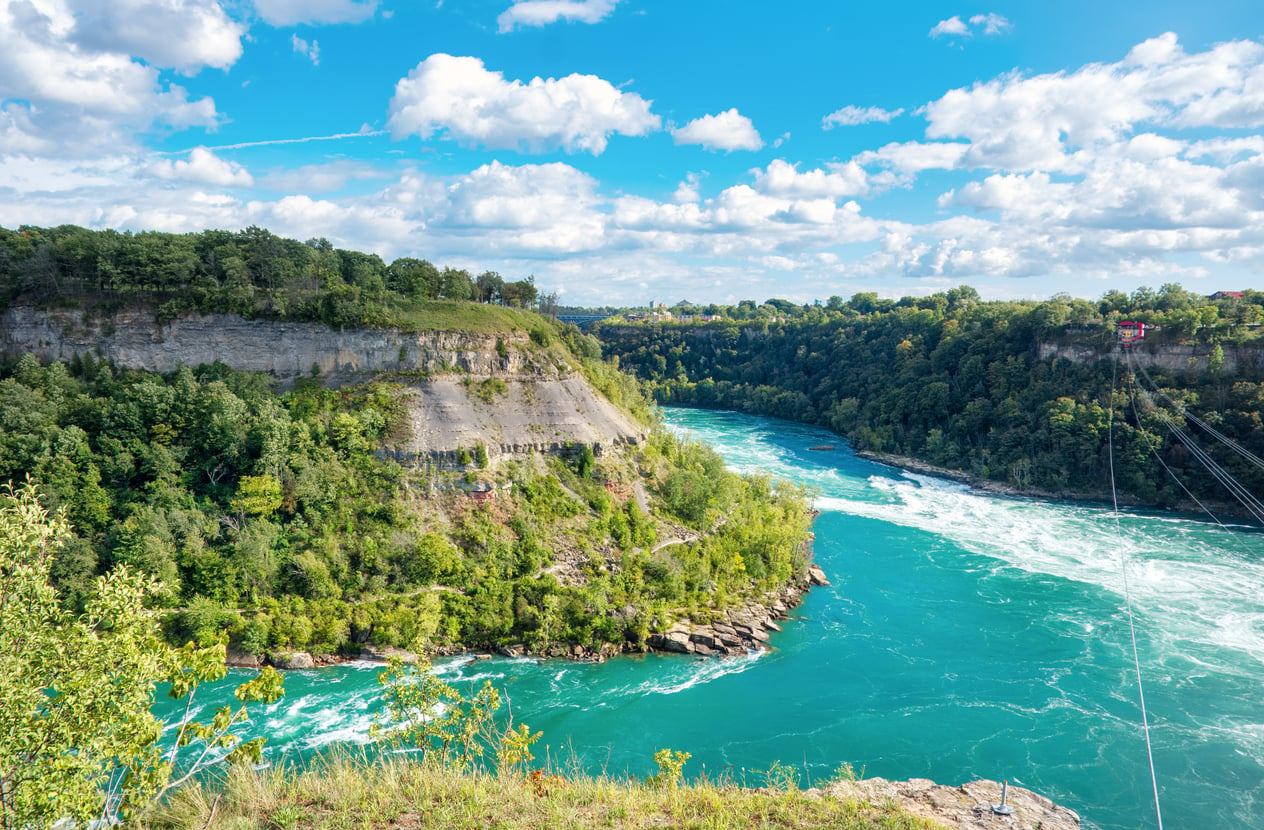
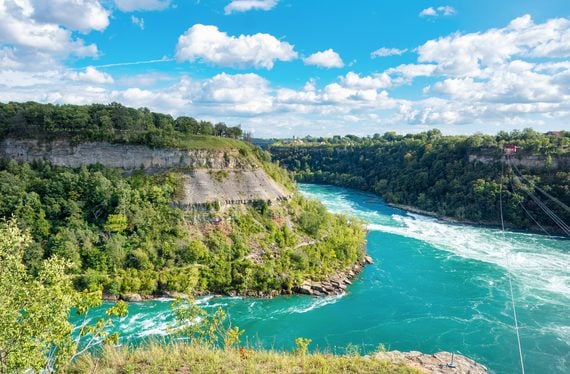
Not every vacation destination changes because of new hotels or shopping centers. On the American side of Niagara Falls, a major redevelopment project actually removed infrastructure to make room for nature. In 2020, New York dedicated new parkland after removing approximately two miles of the former Robert Moses Parkway along the Niagara Gorge. The project improved public access to the waterfront and created additional recreational space. Visitors who remember driving along the old roadway will encounter a different landscape today, with more opportunities to explore the gorge on foot.