Food trends come and go, but some desserts never seem to lose their appeal. From creamy cheesecakes to old-fashioned pies and flaming tableside treats, certain restaurant desserts have been satisfying diners for generations. Some have even become as famous as the restaurants serving them. Take Brennan’s in New Orleans, where Bananas Foster has been a signature dessert since 1951. Whether it’s the nostalgia, familiar flavors, or a little tableside entertainment, these 12 classics have managed to stick around while countless food trends have faded away.
Bananas Foster at Brennan’s – New Orleans, Louisiana
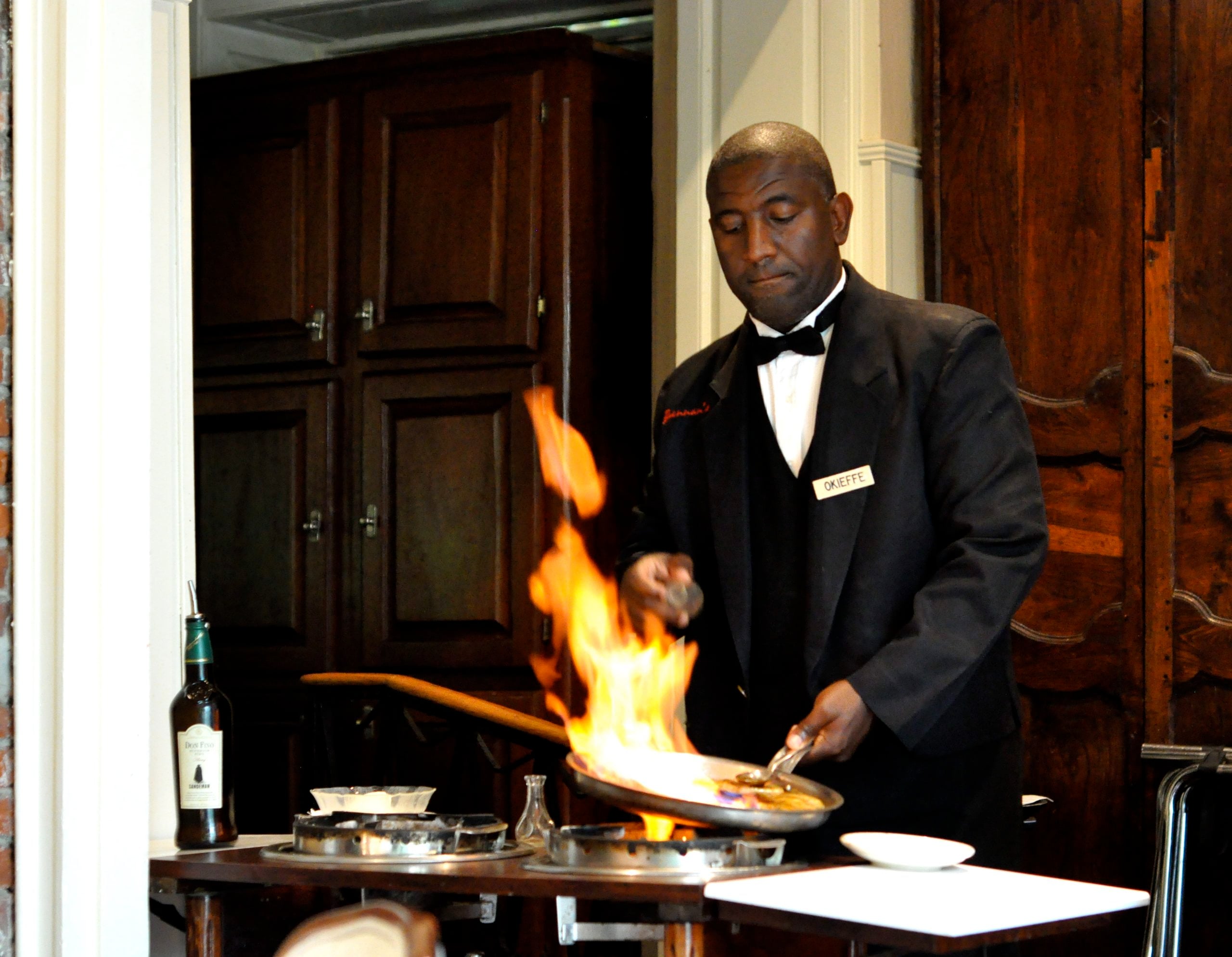
Few desserts put on a show quite like Bananas Foster at Brennan’s. Created in 1951, this New Orleans favorite combines bananas, butter, brown sugar, cinnamon, and rum, which is set aflame before the mixture is served over vanilla ice cream. The restaurant still prepares it tableside, giving diners a little entertainment with their dessert. Named after Richard Foster, a friend of restaurateur Owen Brennan, the dish has become a New Orleans tradition. Just remember that Brennan’s requires a minimum of two people per order.
New York Cheesecake at Junior’s – Brooklyn, New York
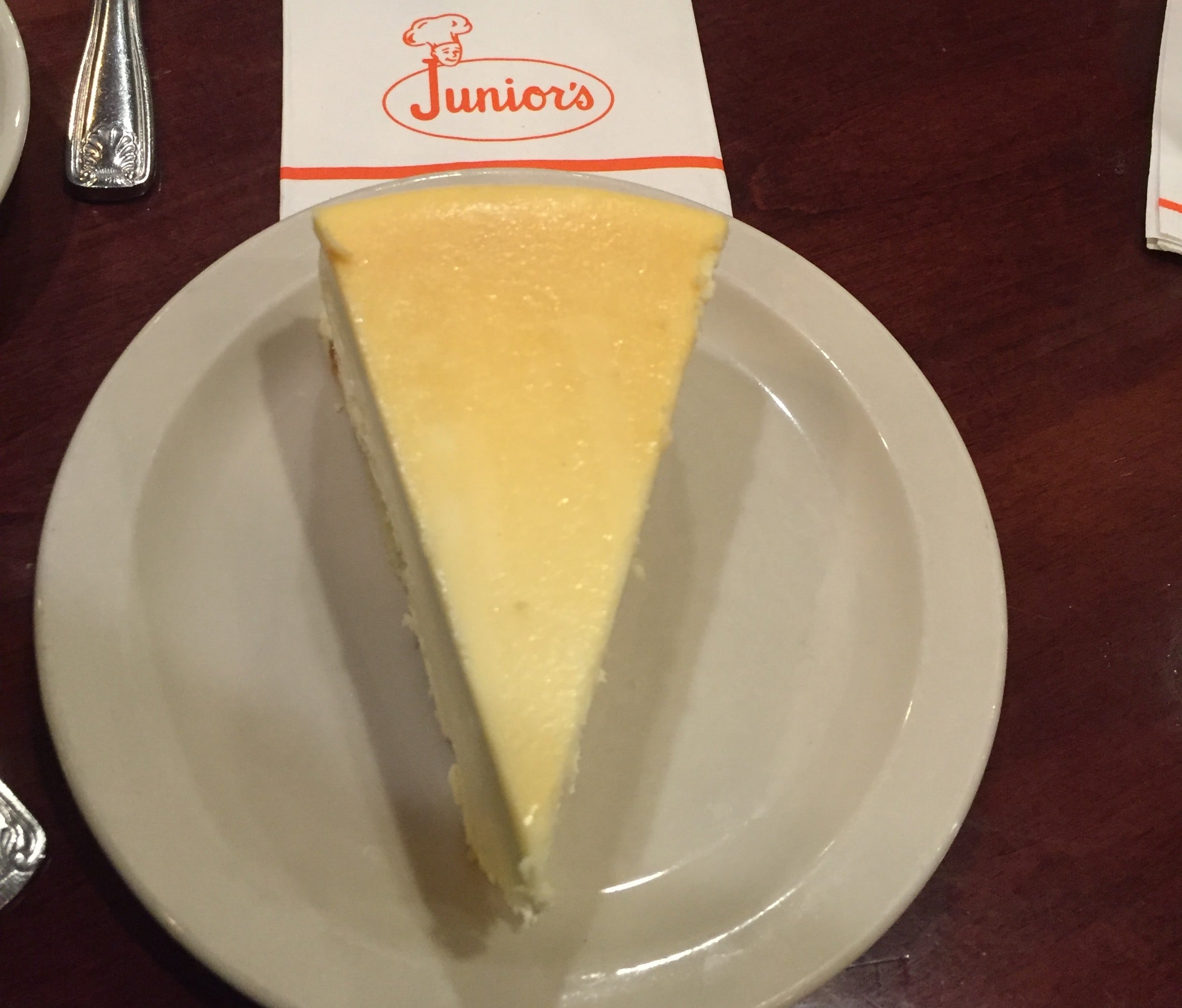
Junior’s has been serving cheesecake since opening in Brooklyn in 1950, and the restaurant says it still follows the recipe developed by founder Harry Rosen and baker Eigel Peterson. Known for its creamy filling and distinctive sponge cake base, the cheesecake became famous well beyond New York. When a fire damaged the Brooklyn restaurant in 1981, crowds reportedly gathered outside calling for the cheesecake to be saved. Today, Junior’s operates additional locations and ships cakes nationwide, but the original Brooklyn restaurant remains part of its appeal.
Key Lime Pie at Joe’s Stone Crab – Miami Beach, Florida
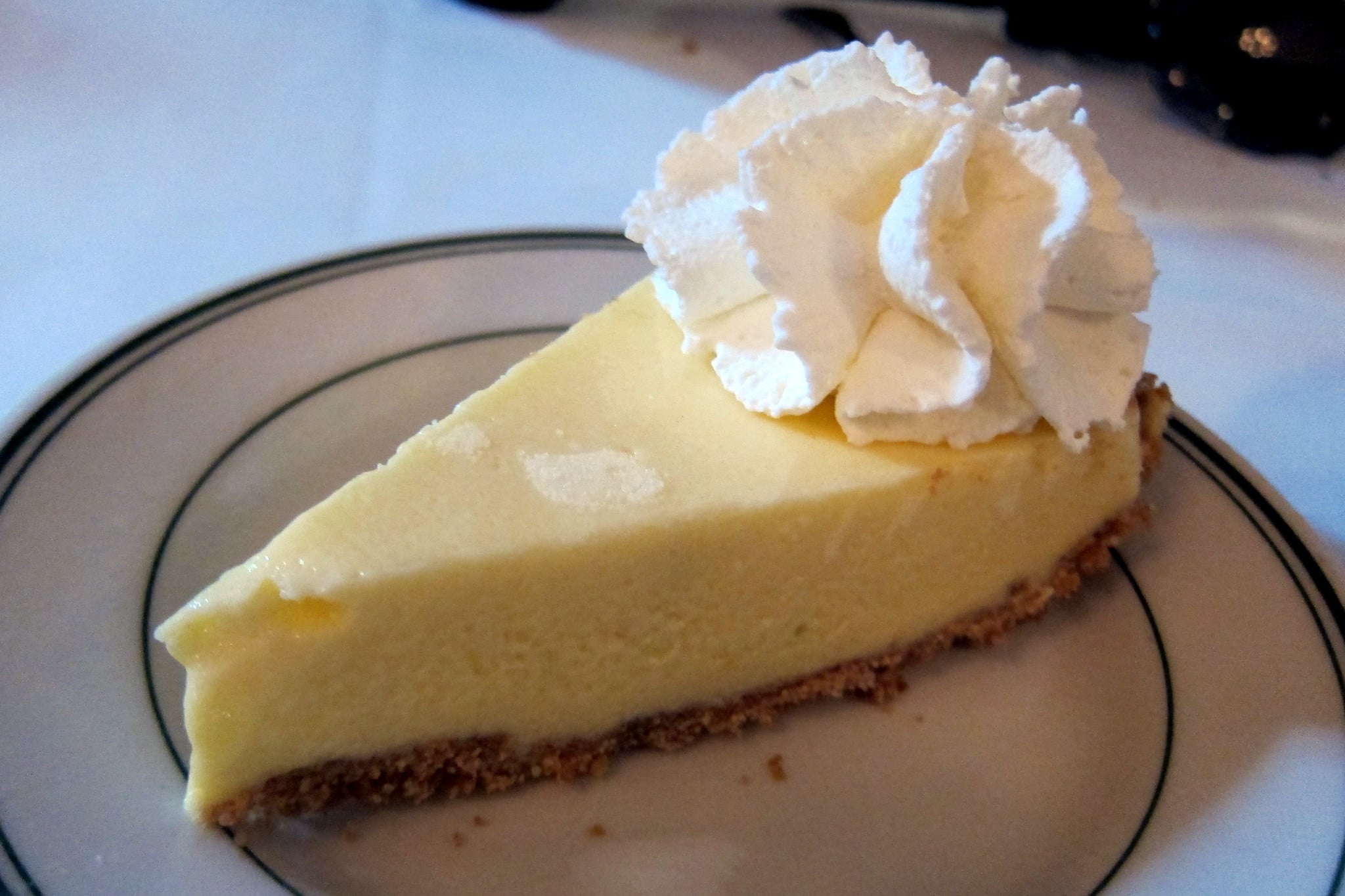
Joe’s Stone Crab has been a Miami Beach institution since 1913, and its Key lime pie is a fitting finish to the restaurant’s famous seafood meals. The dessert combines a tart, creamy lime filling with a graham cracker crust and a generous topping of whipped cream. It’s a refreshing change after a rich dinner, especially in Florida’s warm weather. While the exact year Joe’s introduced the pie isn’t clearly documented, the dessert has become closely associated with the restaurant and the state’s food traditions.
Hot Fudge Sundae at Ghirardelli – San Francisco, California
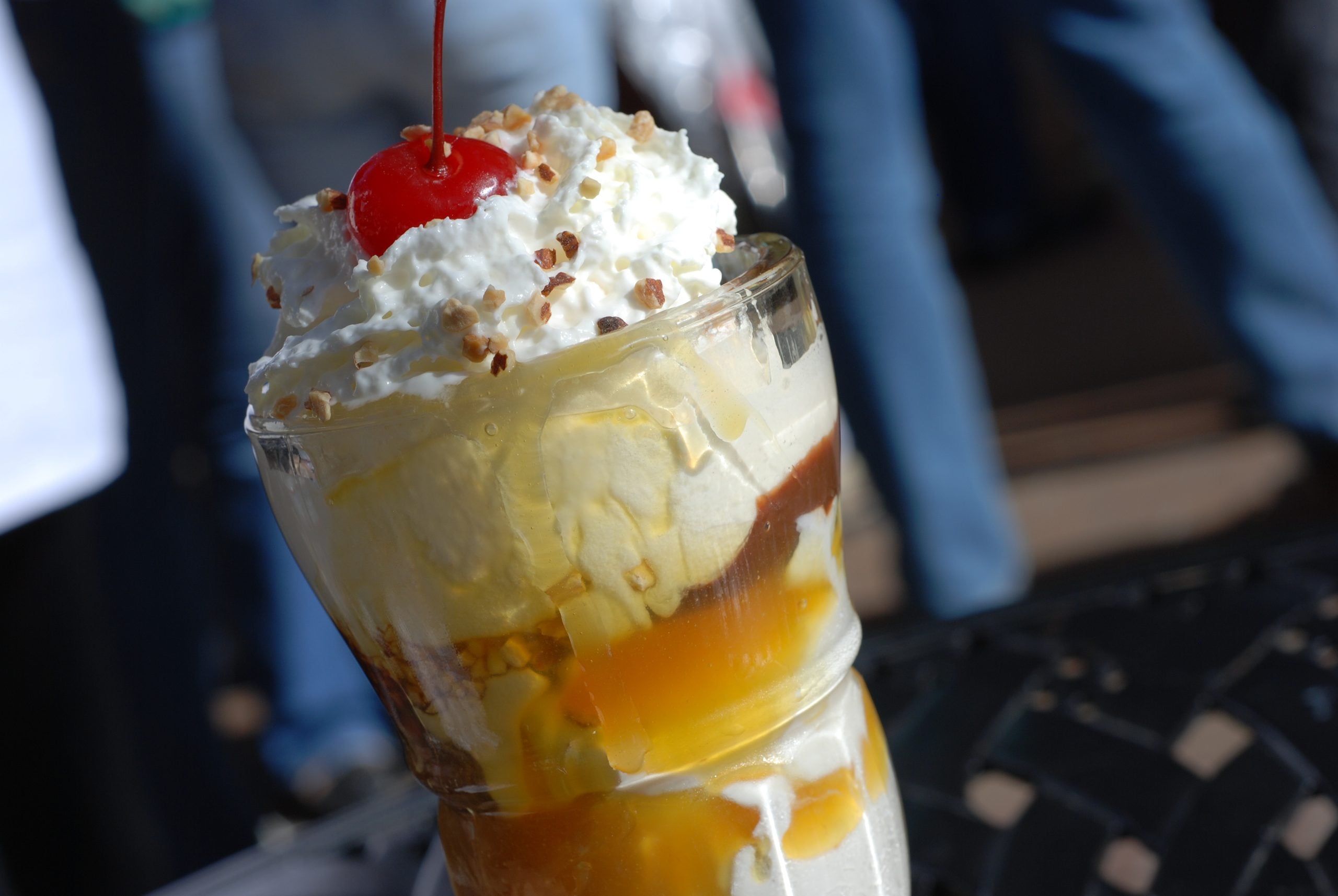
Some desserts don’t need anything more complicated than ice cream and chocolate sauce. At San Francisco’s Ghirardelli Square, the hot fudge sundae remains a familiar attraction, featuring cold ice cream covered in rich, warm chocolate fudge. Ghirardelli’s chocolate-making history dates to 1852, although its famous sundae came much later. The company still makes its hot fudge fresh in-store, and visitors can choose from several variations. It’s not the least expensive way to enjoy ice cream, but the setting and generous chocolate make it a memorable treat.
Original Mud Pie at Sundance The Steakhouse – Palo Alto, California
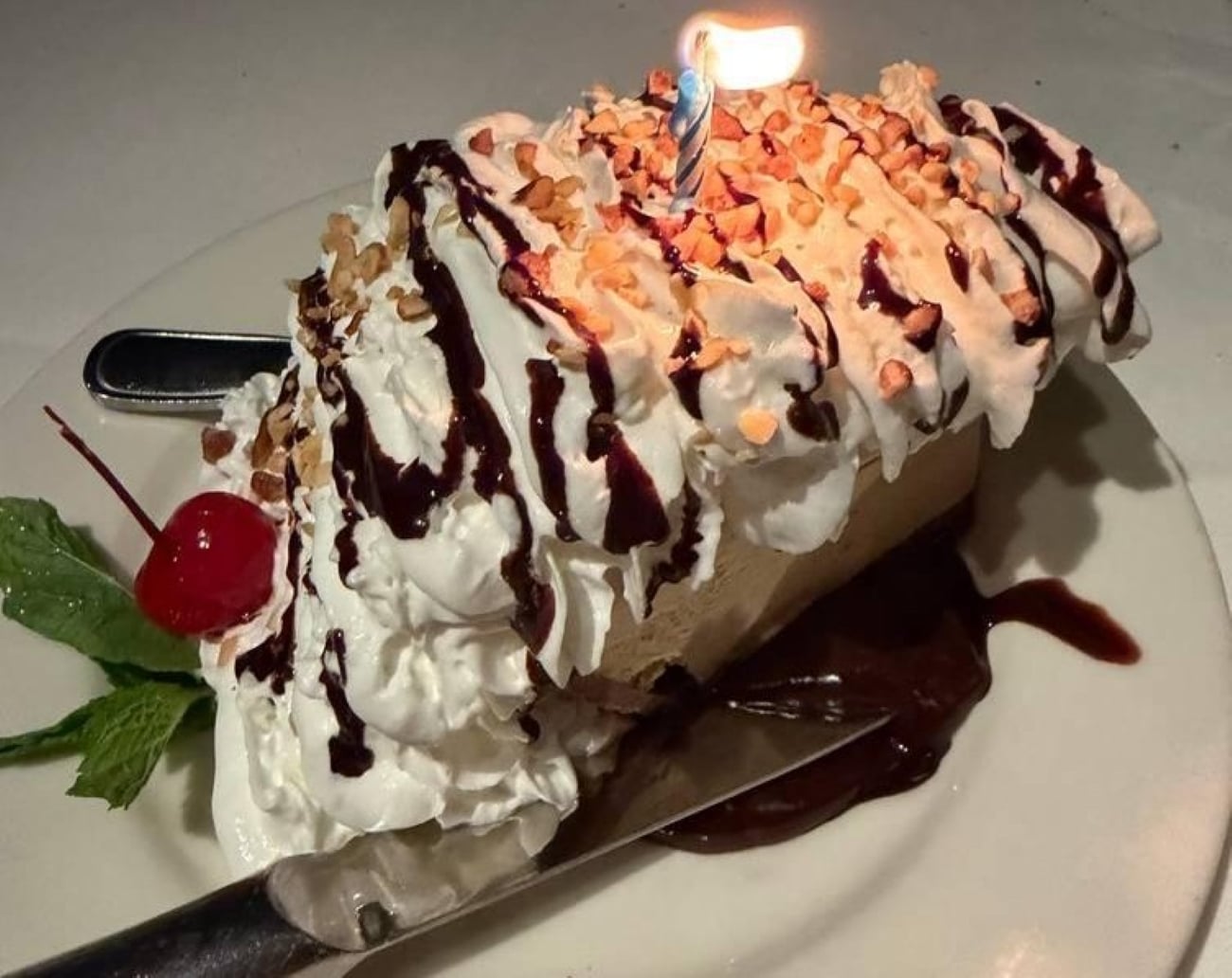
Sundance The Steakhouse has been serving its signature mud pie since 1974, long before extravagant frozen desserts became common on restaurant menus. The recipe combines coffee ice cream with an Oreo cookie crust, hot fudge, whipped cream, roasted peanuts, and candied pecans. It’s rich, cold, crunchy, and decidedly old-fashioned. The restaurant still identifies the dessert as a Sundance original on its menu. At $17.50 on a published menu, it’s a substantial indulgence, but the combination is particularly appealing to diners who enjoy coffee and chocolate together.
Trending on Cheapism


Baked Alaska at Delmonico’s – New York, New York
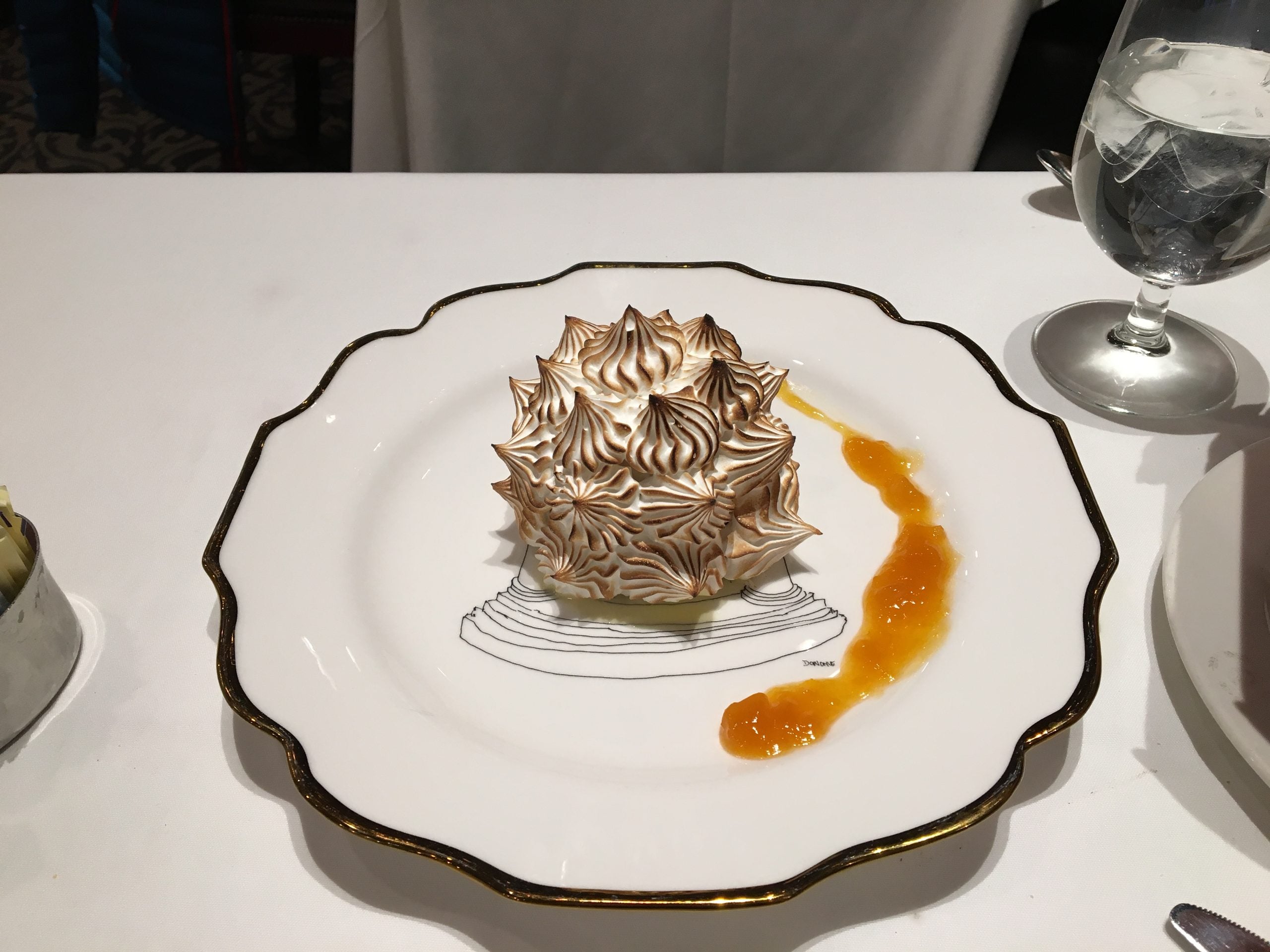
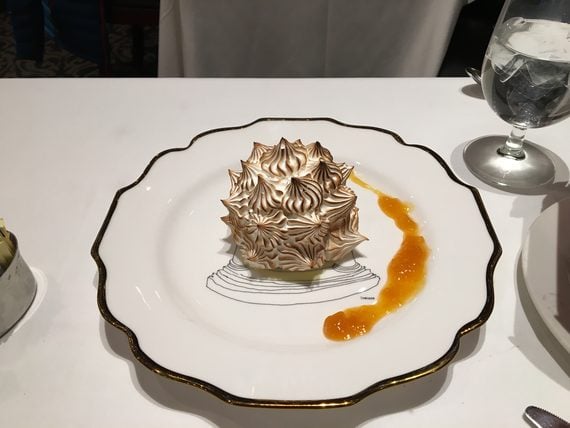
Baked Alaska has been associated with Delmonico’s and grand American dining since the 19th century. The dessert combines cake and ice cream beneath a thick layer of meringue, which is browned while the ice cream remains frozen inside. It’s the sort of dramatic presentation that once made restaurant desserts feel like special occasions. Although Delmonico’s is frequently credited with popularizing Baked Alaska, its exact invention story remains disputed. The dessert’s combination of warm meringue and cold ice cream continues to make it an enduring symbol of old-school fine dining.
Boston Cream Pie at Parker’s Restaurant – Boston, Massachusetts
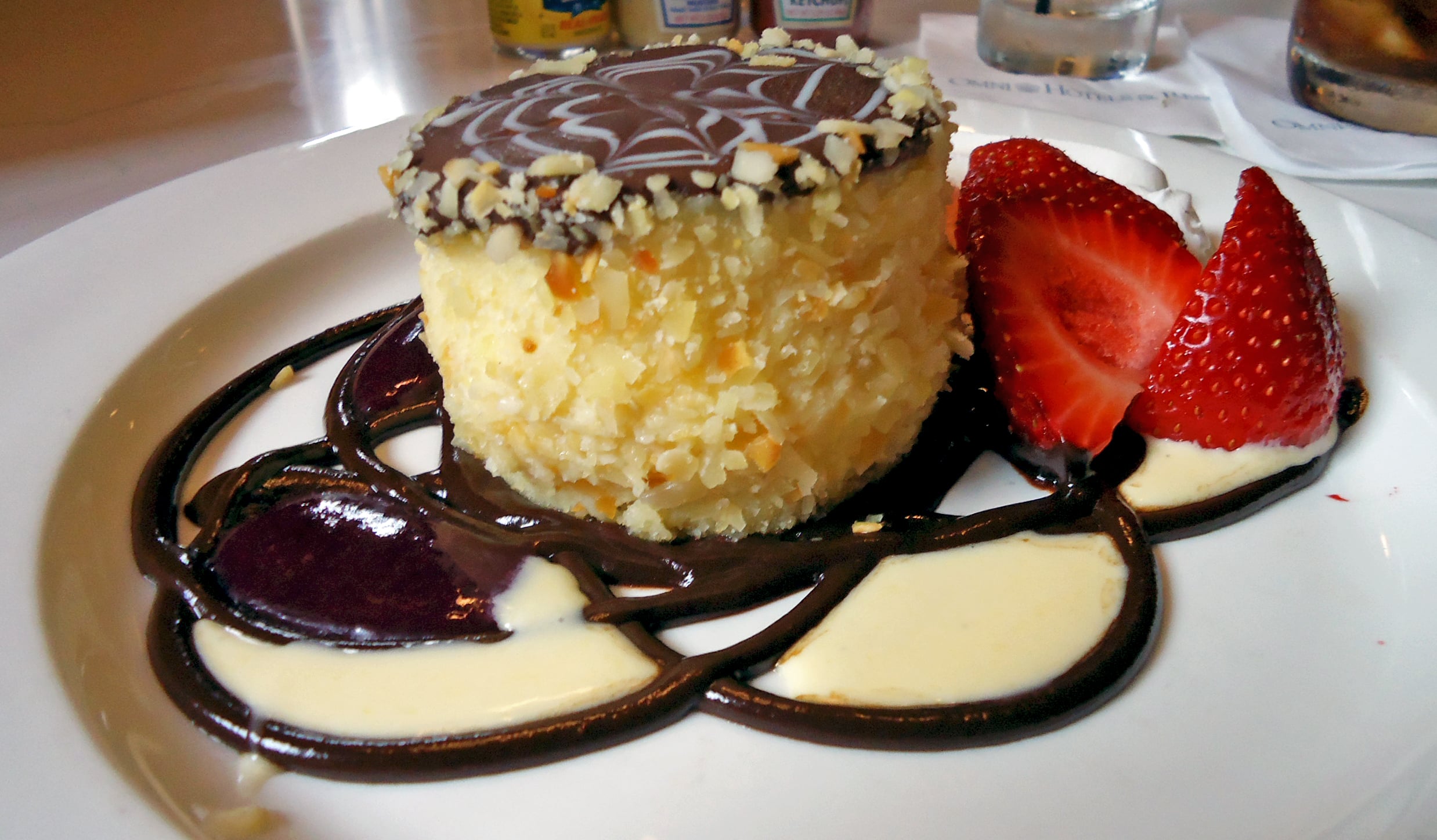
Despite its name, Boston cream pie is actually a cake, with layers of sponge cake, pastry cream, and a glossy chocolate topping. The dessert traces its history to Boston’s Parker House hotel in the 19th century, where it became one of the property’s defining specialties. Parker’s Restaurant at the Omni Parker House continues to serve it, and the hotel even offers whole cakes for delivery. For visitors interested in food history, it’s a chance to try a dessert closely connected to the place where it first became famous.
Creme Brulee at Parc – Philadelphia, Pennsylvania
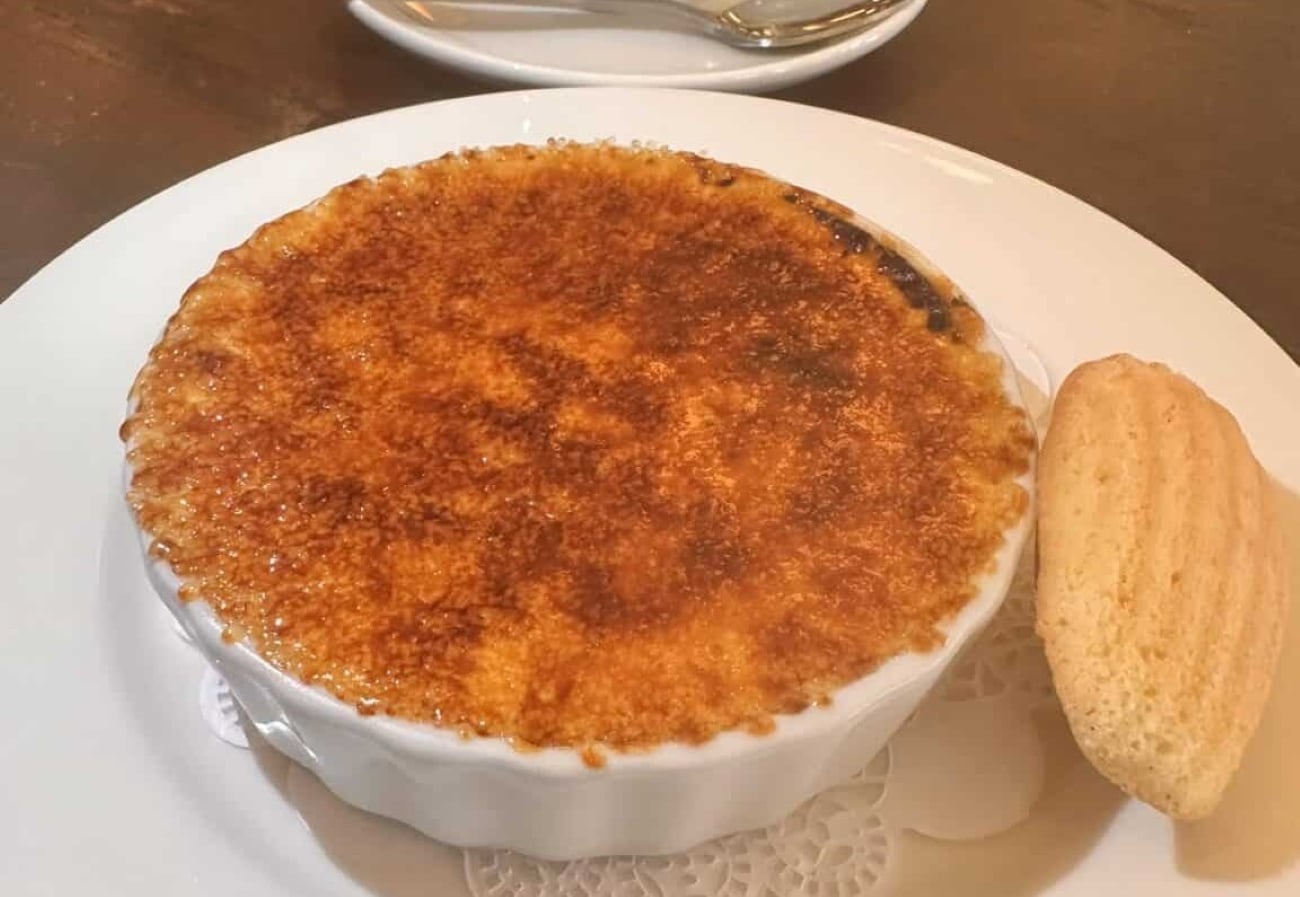
Creme brulee has been a familiar sight on American French restaurant menus for decades, and Parc in Philadelphia keeps the tradition going. Its vanilla bean version arrives with the dessert’s defining feature: a thin layer of caramelized sugar that cracks when tapped with a spoon. Underneath is a smooth, creamy custard that contrasts with the crisp topping. Parc serves it with a warm madeleine, adding another traditional French touch. It’s a straightforward dessert, but that combination of textures helps explain why creme brulee has remained a fine-dining staple.
Sign up for our newsletter
Creole Bread Pudding Souffle at Commander’s Palace – New Orleans, Louisiana
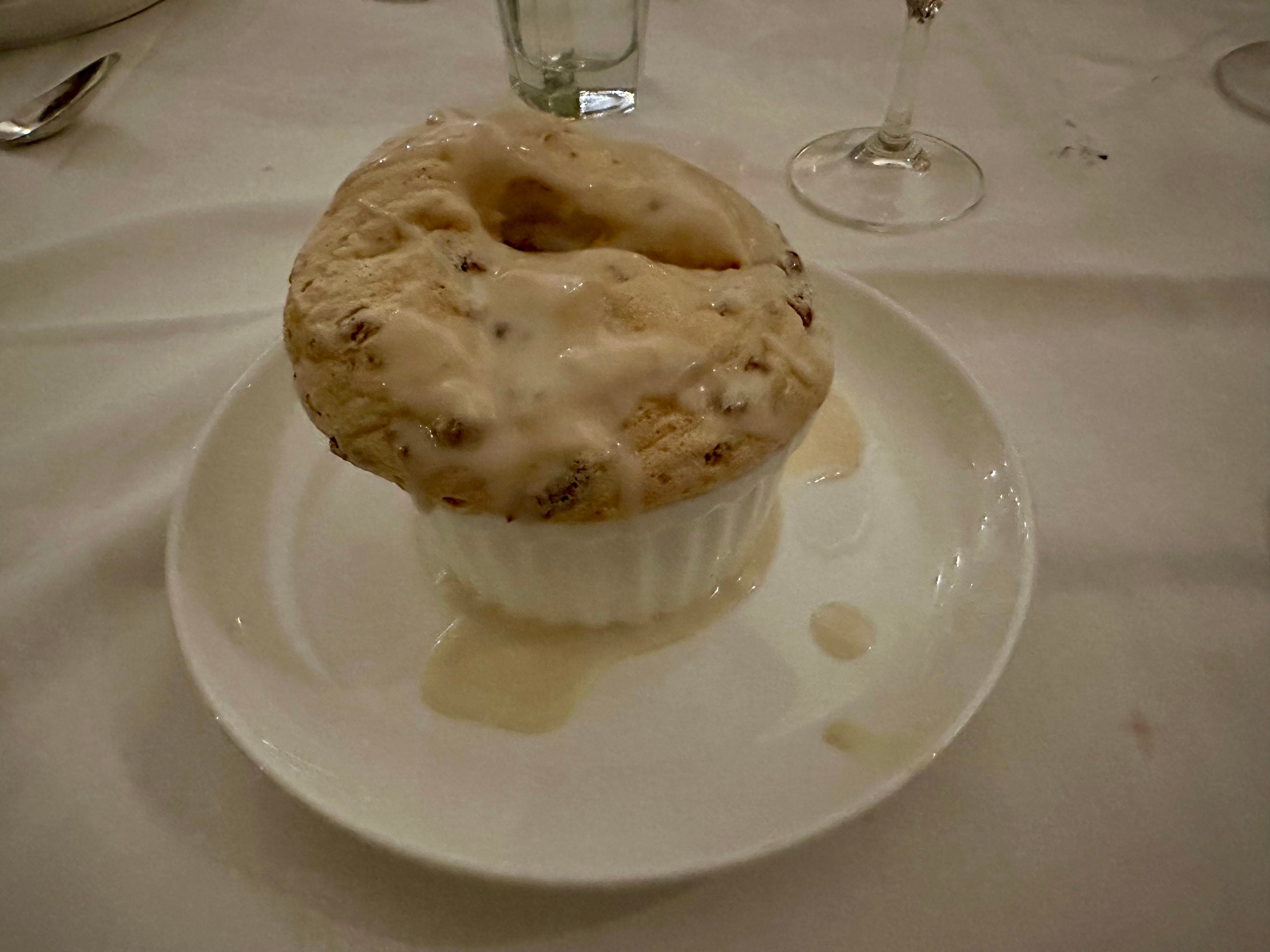
Bread pudding began as a practical way to use leftover bread, but Commander’s Palace turned the familiar Southern dessert into something more elaborate. Its Creole Bread Pudding Souffle combines the richness of bread pudding with the airy texture of a souffle, then gets finished tableside with warm whiskey cream. The restaurant calls it the “Queen of Creole Desserts,” and it remains on the menu alongside newer creations. There’s one important detail for diners: the dessert must be ordered about 20 minutes in advance, so don’t wait until the plates are cleared.
Chocolate Cake at Portillo’s – Chicago, Illinois
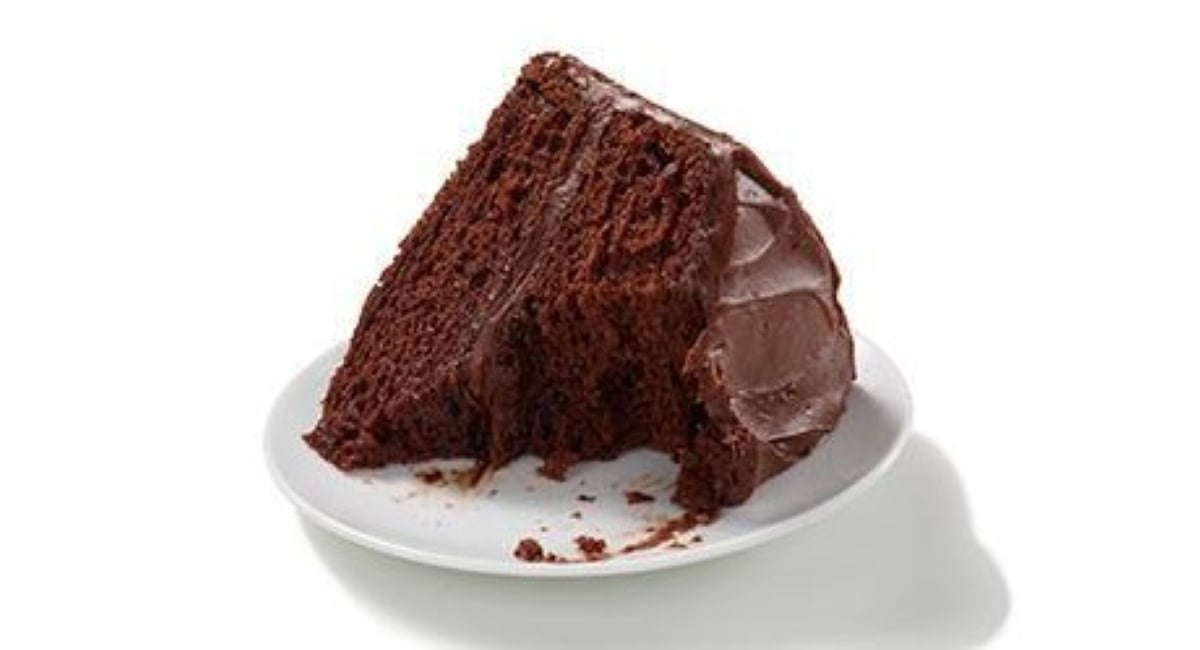
Portillo’s may be famous for Chicago-style hot dogs and Italian beef sandwiches, but its chocolate cake has developed a following of its own. The dessert features moist chocolate cake layered with thick chocolate frosting, without fancy decorations or unusual ingredients. Its popularity even inspired the chain’s Chocolate Cake Shake, which blends a slice of cake into a milkshake. Portillo’s has expanded well beyond Chicago, but the cake remains one of its signature treats. It’s proof that a straightforward chocolate dessert can hold its own against constantly changing fast-food menus.
Frrrozen Hot Chocolate at Serendipity 3 – New York, New York
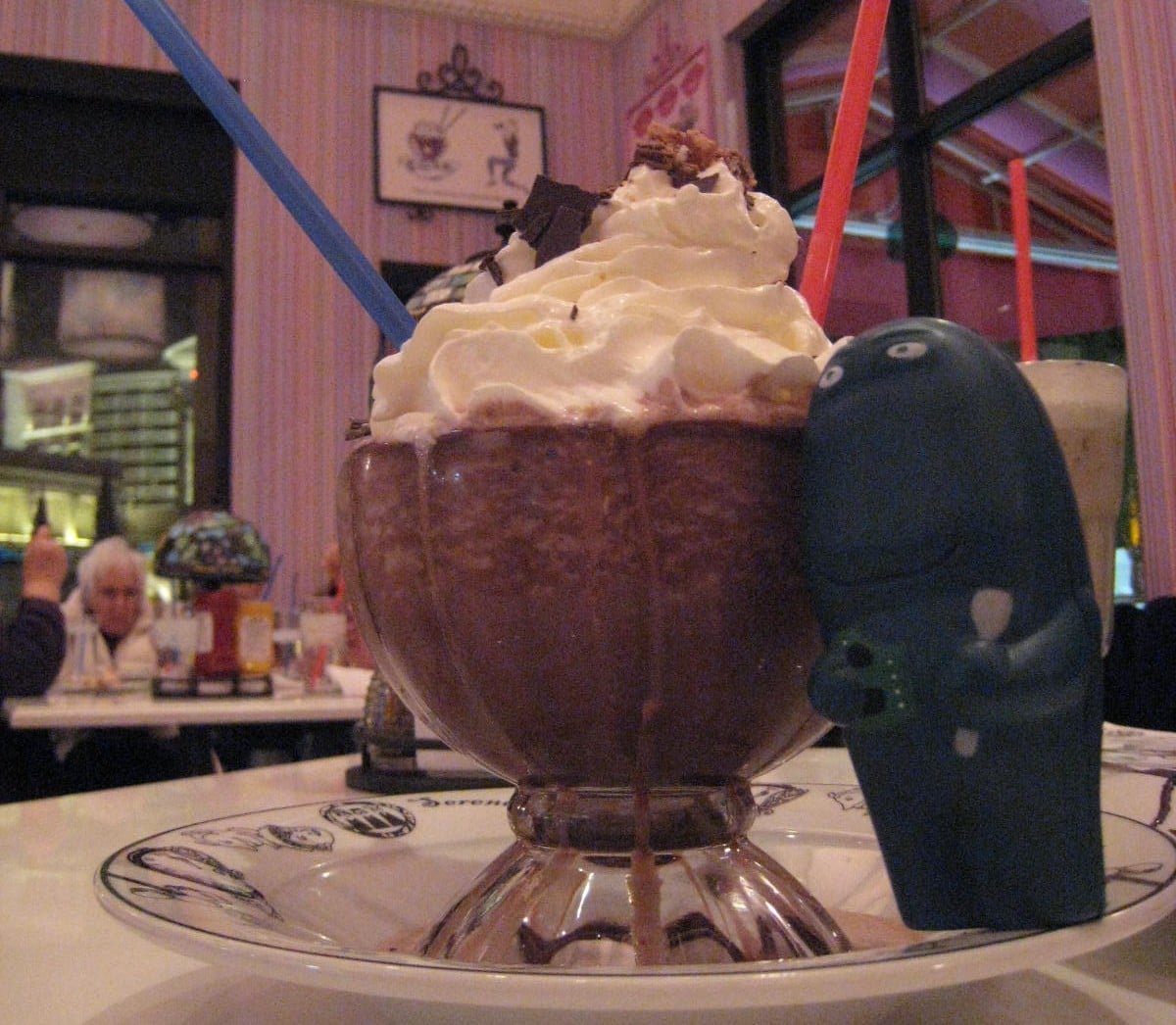
Serendipity 3 opened in New York City in 1954, and its Frrrozen Hot Chocolate has become one of the restaurant’s most recognizable creations. The thick, icy chocolate drink is served like an extravagant dessert, often topped with whipped cream and meant to be enjoyed slowly. Despite the contradictory name, the idea has worked for generations of diners. Today, the restaurant offers several flavors, including peanut butter, mint, and salted caramel. At nearly $20 for the classic version, it’s more of a special-occasion treat than an everyday drink.
Coconut Cream Pie at Cattlemen’s Steakhouse – Oklahoma City, Oklahoma
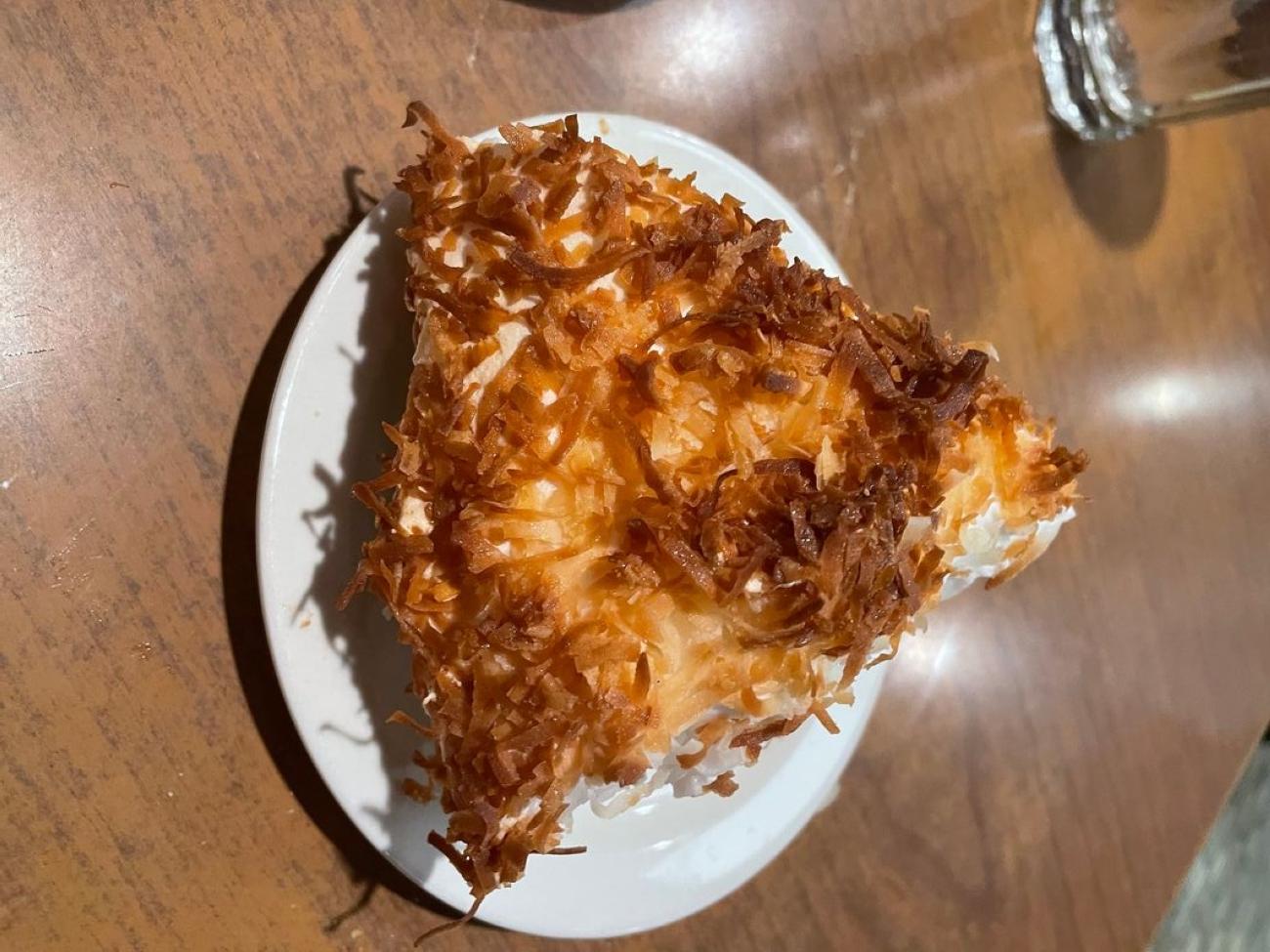
Cattlemen’s Steakhouse has been part of Oklahoma City’s dining scene since 1910, keeping the traditional steakhouse experience alive through generations of changing food trends. Its coconut cream pie fits right into that atmosphere, offering a familiar combination of creamy filling, coconut flavor, and a classic pie crust. Unlike elaborate modern desserts, it relies on the kind of comforting flavors many diners remember from family dinners and neighborhood restaurants. The exact history of the restaurant’s coconut cream pie isn’t well documented, but the dessert reflects the enduring appeal of old-fashioned American pies.