Some restaurants have been around for so long that stepping inside feels like taking a trip back in time. From old-fashioned hamburgers to classic seafood dishes and homemade desserts, these historic restaurants have kept generations of customers coming back for the same familiar flavors. As HISTORY’s look at America’s most historic restaurants shows, some establishments have survived for more than a century while holding onto the dishes that made them famous. Here are 12 places where you can still get a taste of American dining history.
Louis’ Lunch – New Haven, Connecticut
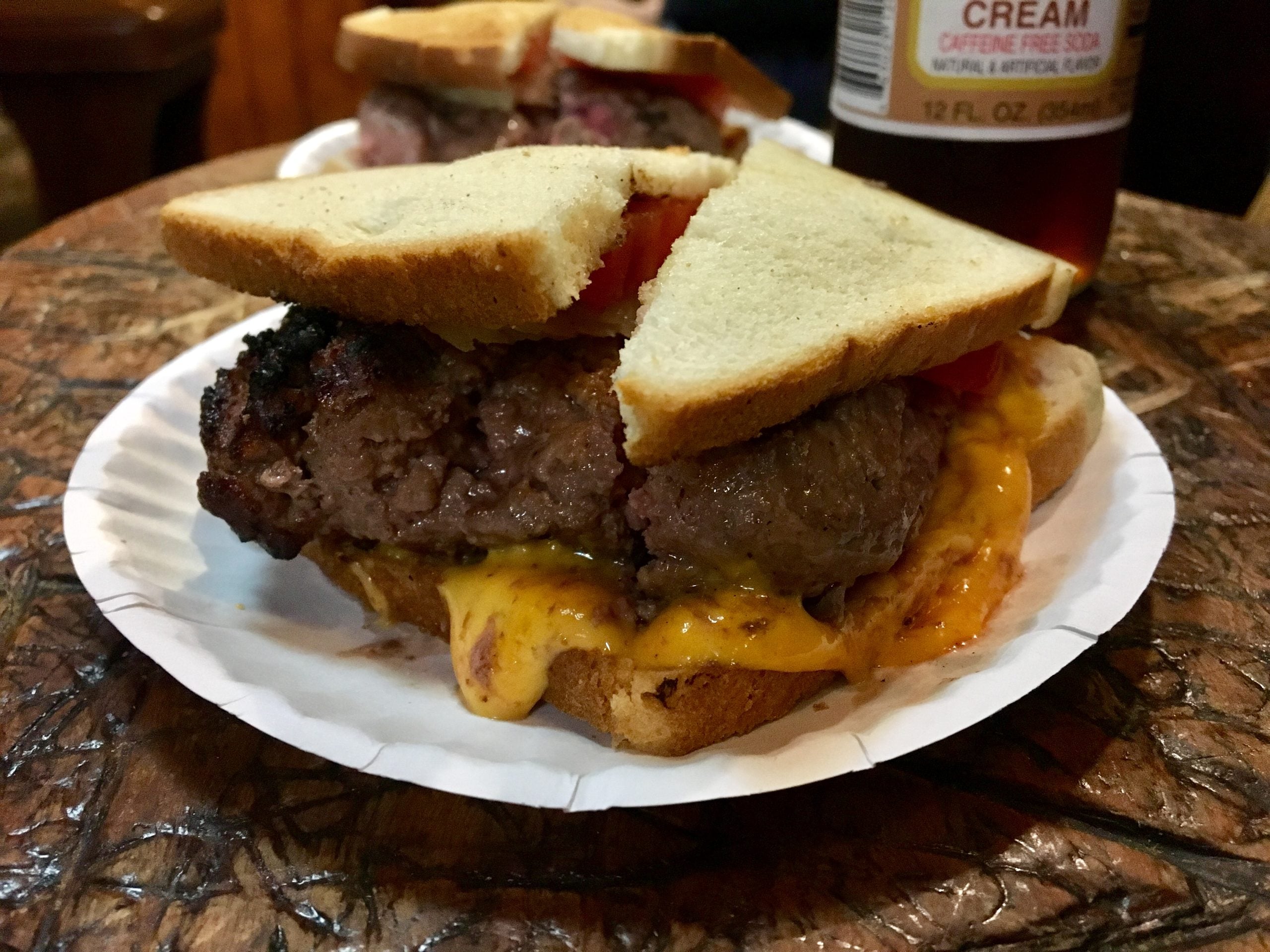
Louis’ Lunch has been serving customers since 1895, and its hamburger looks nothing like the towering creations found at modern burger joints. Made from freshly ground beef, it’s cooked in vertical cast-iron grills dating to 1898 and served between two slices of white toast instead of a bun. Cheese, tomato, and onion are the only available toppings, so don’t bother asking for ketchup. The restaurant claims to have invented the hamburger sandwich around 1900, although that origin story remains disputed. The simple preparation is still the main attraction.
Philippe The Original – Los Angeles, California
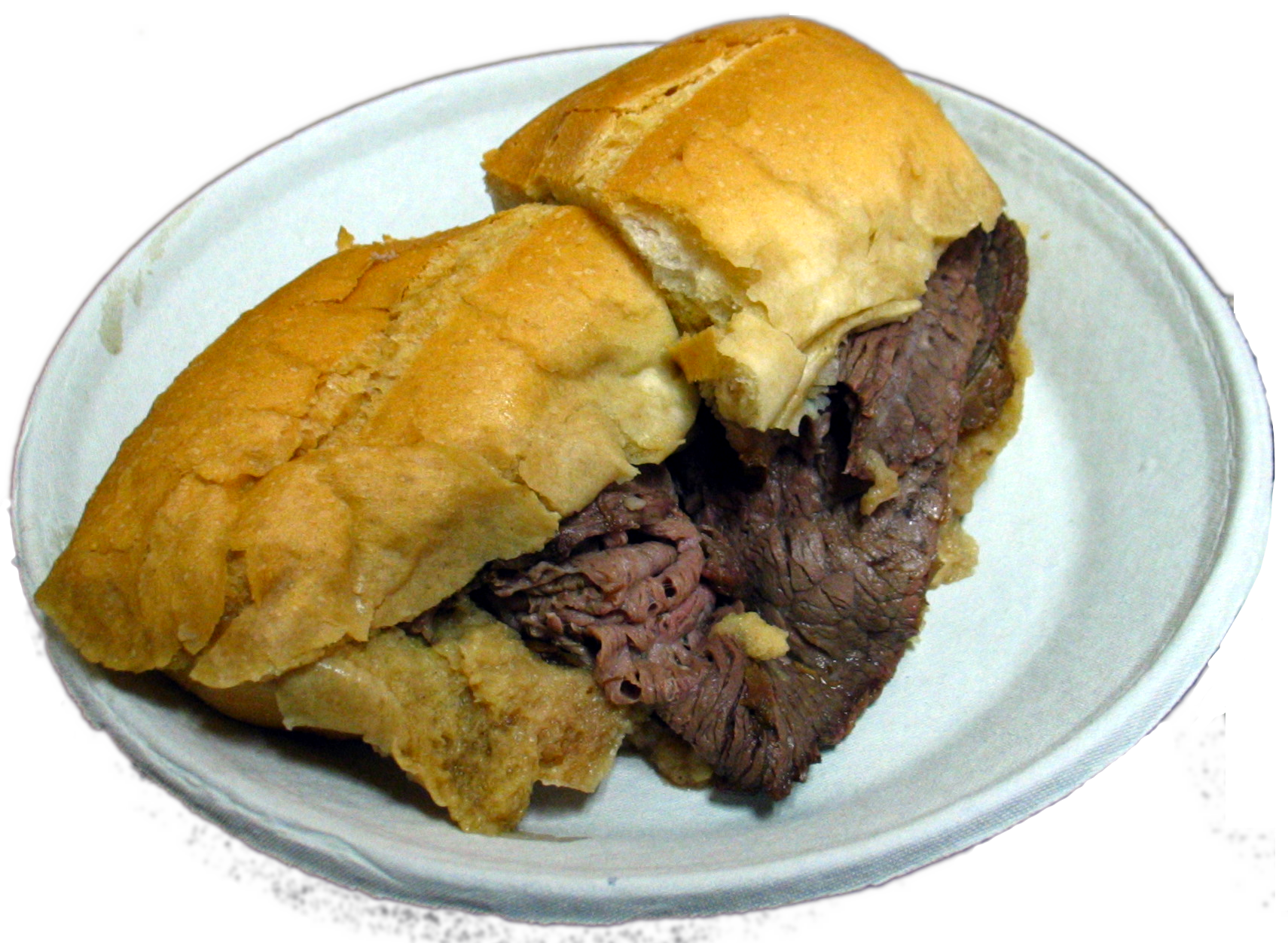
At Philippe The Original, the French dip sandwich has been a Los Angeles tradition for more than a century. Founded in 1908, the restaurant says the sandwich originated in 1918 when a roll accidentally fell into roasting juices. Whether that story is entirely accurate remains debated, but the sandwich itself has endured. Diners can choose beef, lamb, pork, or other meats, with bread dipped into savory juices. Add the restaurant’s famously sharp mustard for extra flavor. The old-fashioned counter service makes the experience feel much like an earlier era of Los Angeles dining.
Katz’s Delicatessen – New York City, New York
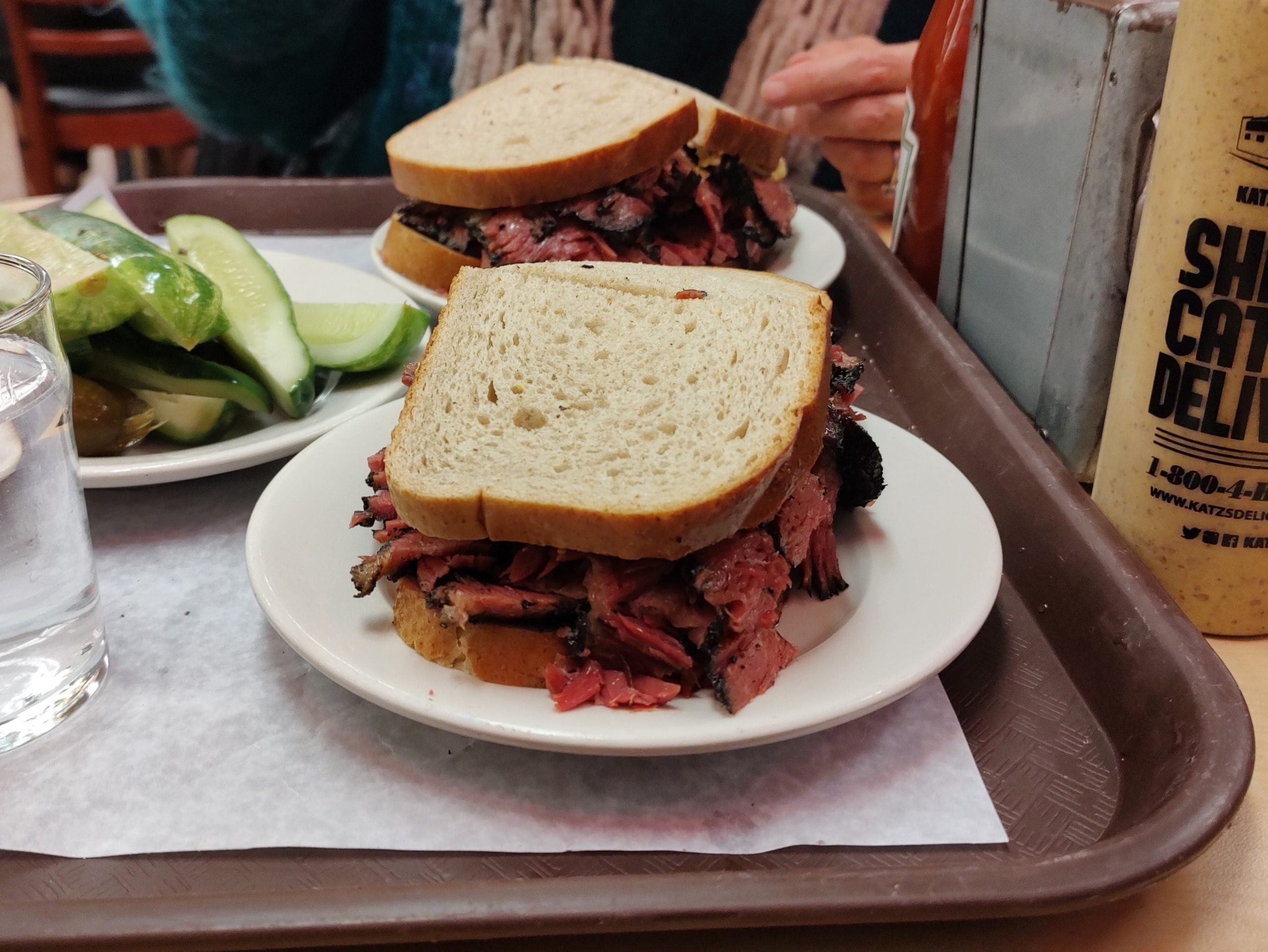
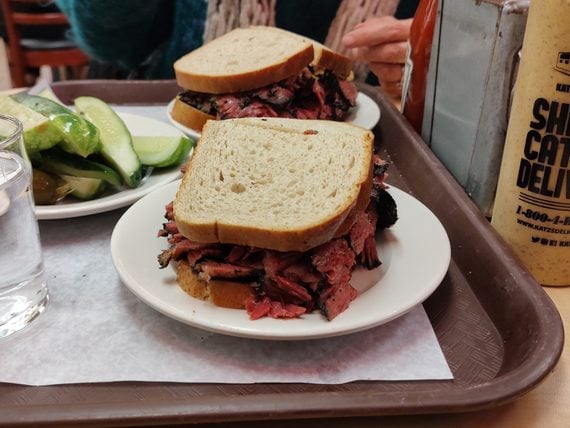
New York has changed dramatically since Katz’s Delicatessen opened in 1888, but its pastrami sandwich remains a familiar part of the Lower East Side. The meat is cured, smoked, steamed, and hand-carved into thick slices before being piled onto rye bread. Mustard is the traditional accompaniment, and the portions are generous enough to make sharing tempting. Katz’s is no longer an inexpensive neighborhood lunch spot, and lines can be long, but the old-school deli atmosphere and traditional preparation continue to draw customers.
Antoine’s – New Orleans, Louisiana
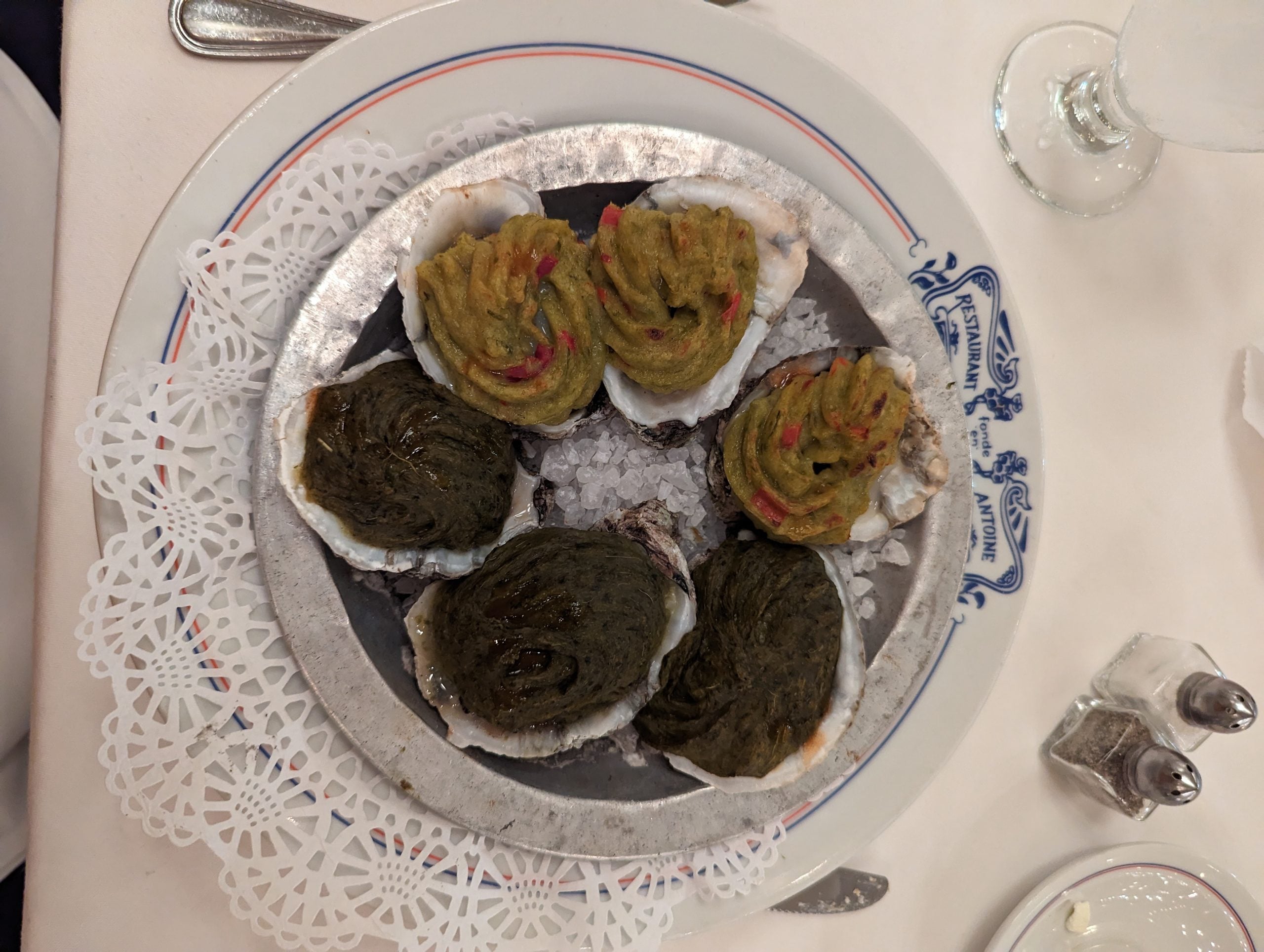
Few restaurants have a longer history than Antoine’s, which opened in New Orleans in 1840. The French-Creole institution is closely associated with Oysters Rockefeller, a dish created there in 1899 by Jules Alciatore. The oysters are baked beneath a rich, green herb-based sauce whose exact recipe the restaurant keeps closely guarded. More than a century later, the dish remains on the menu. Antoine’s still operates under the founding family’s ownership, giving diners a chance to experience a New Orleans specialty in the restaurant where it originated.
Brennan’s – New Orleans, Louisiana
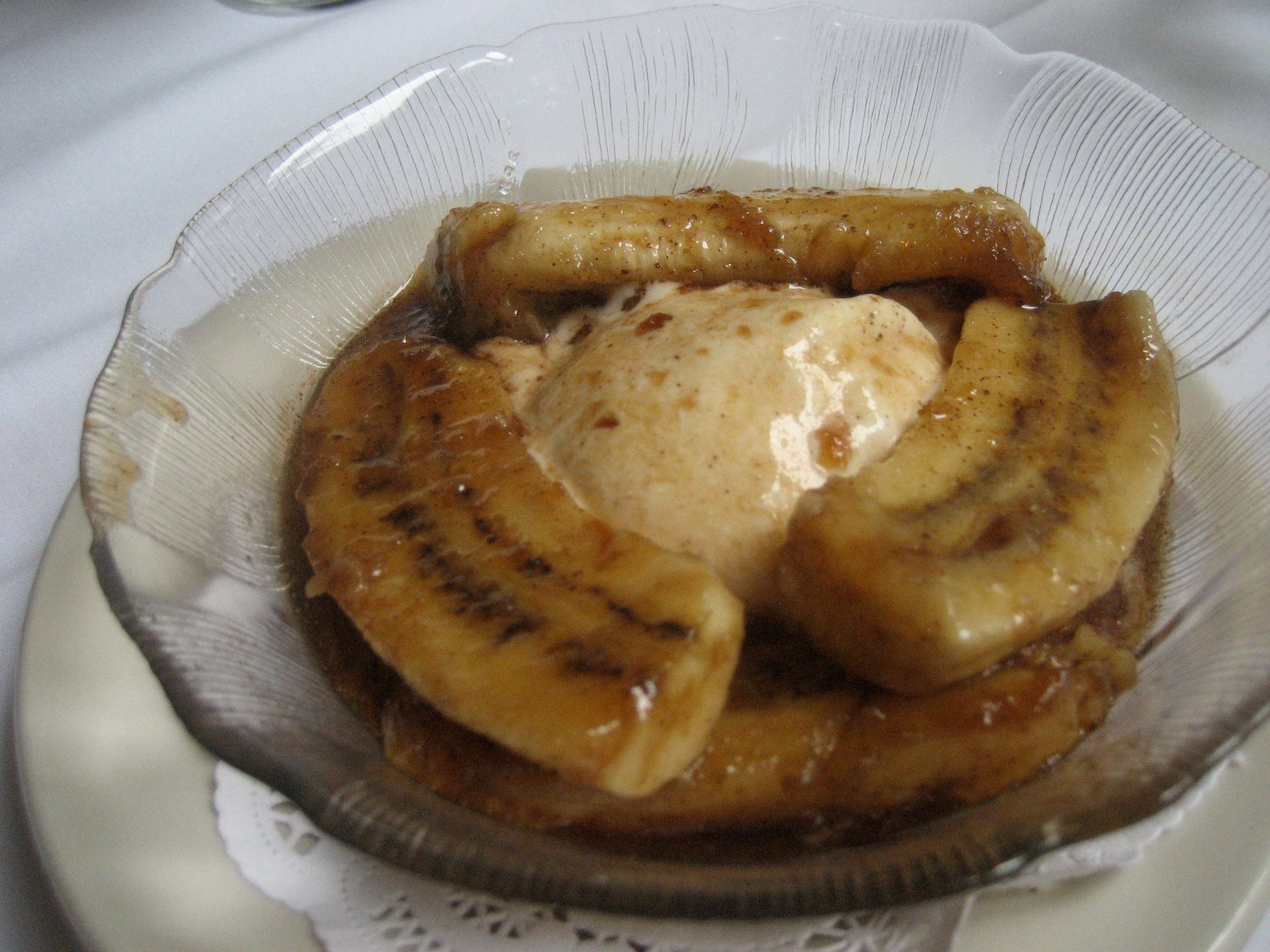
At Brennan’s, dessert comes with a little entertainment. The restaurant introduced Bananas Foster in 1951, combining bananas, butter, brown sugar, cinnamon, and rum before setting the mixture aflame at the table. It’s then served over vanilla ice cream, creating a warm-and-cold dessert that’s become a New Orleans classic. The dish was named after Richard Foster, a friend of restaurateur Owen Brennan. It’s still prepared tableside today, although diners should know that the restaurant requires a minimum of two people per order.
Trending on Cheapism

Junior’s – Brooklyn, New York
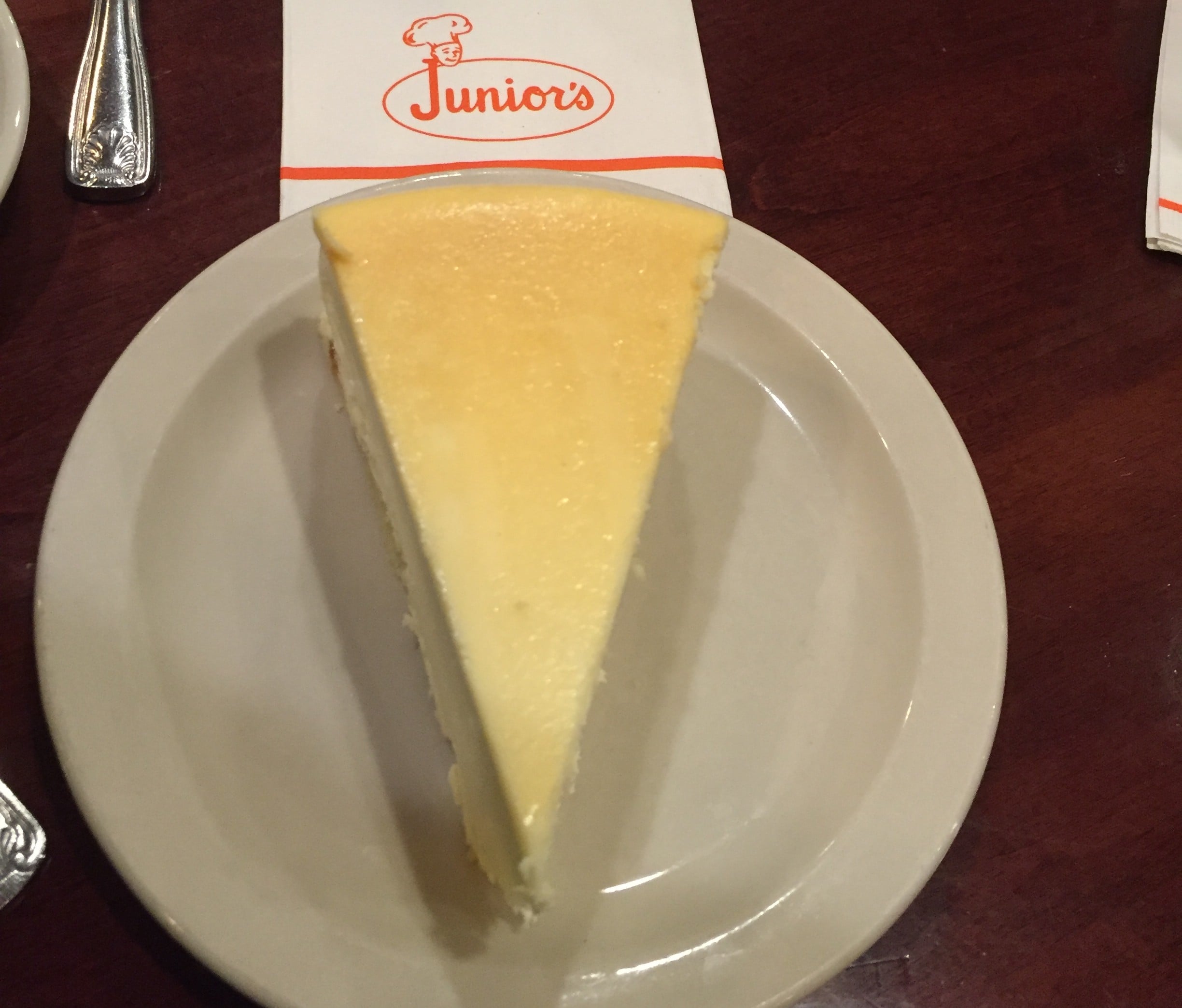
Junior’s opened in Brooklyn in 1950, and its cheesecake quickly became the reason many customers visited. Founder Harry Rosen and baker Eigel Peterson developed the recipe, which the company says it still uses today. The cake features a rich, creamy filling and a distinctive sponge cake base rather than the usual graham cracker crust. When a fire damaged the restaurant in 1981, crowds reportedly gathered outside calling for the cheesecake to be saved. Junior’s now ships cakes nationwide, but the original Brooklyn location remains a destination for dessert lovers.
Cattlemen’s Steakhouse – Oklahoma City, Oklahoma
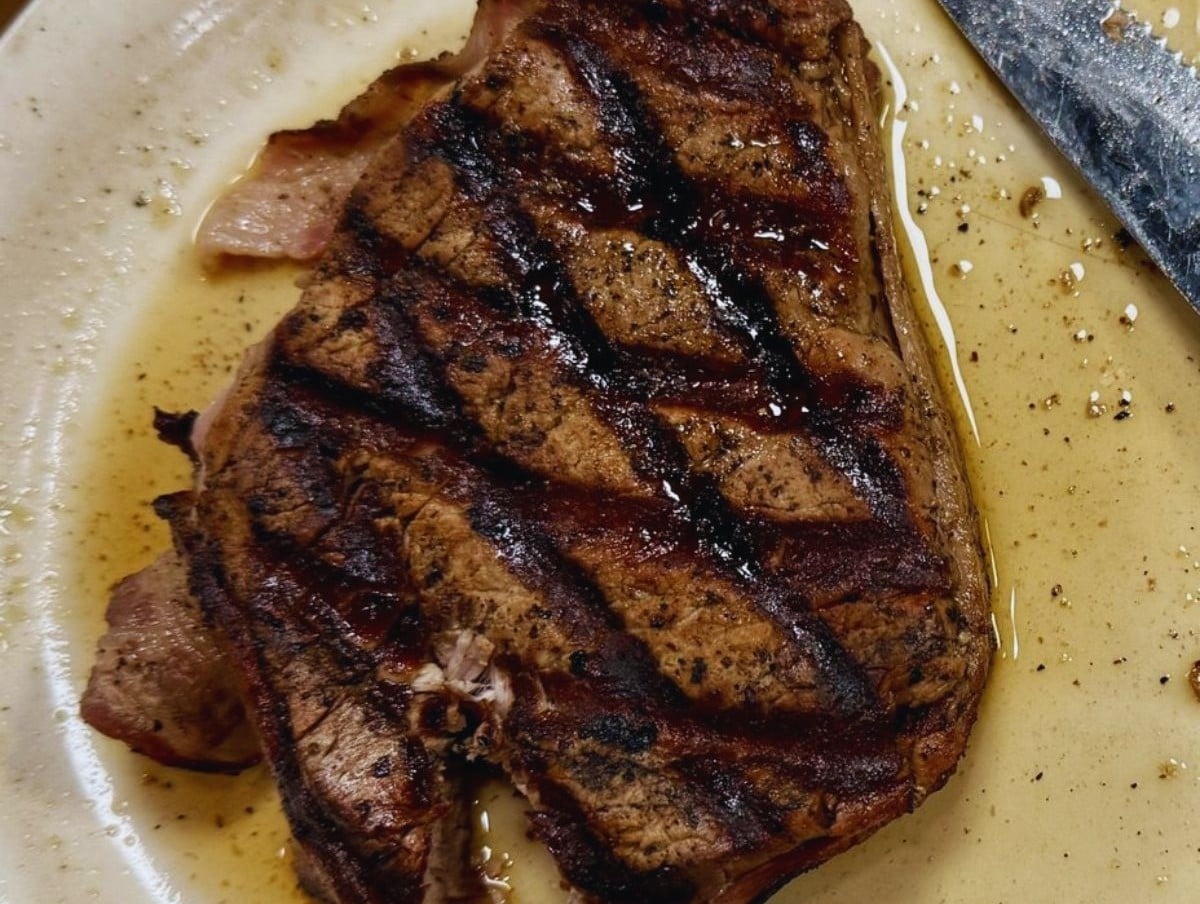
Cattlemen’s Steakhouse has been serving Oklahoma City’s Stockyards district since 1910, when cattle trading was central to the neighborhood’s economy. Its menu still features thick steaks cooked over charcoal, along with a less familiar regional specialty called lamb fries. Despite the name, these aren’t potatoes but battered and fried lamb testicles, traditionally served as an appetizer or entree. The restaurant’s straightforward approach reflects its stockyards roots. For visitors who prefer something familiar, a rib-eye is the safer choice, while lamb fries offer a taste of Oklahoma’s ranching traditions.
Union Oyster House – Boston, Massachusetts
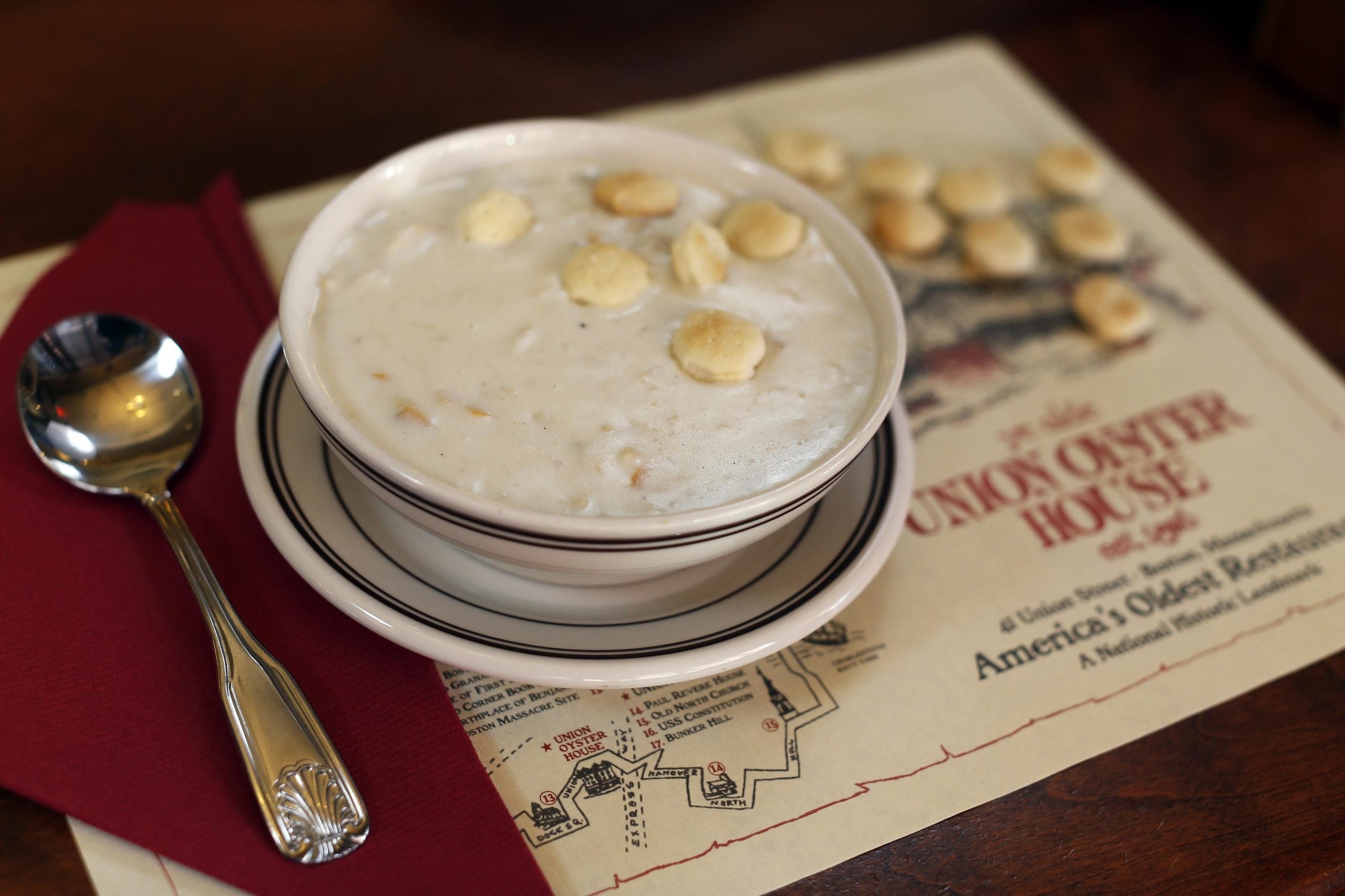
Boston’s Union Oyster House opened in 1826 and has been serving seafood for two centuries. Its New England clam chowder is one of the restaurant’s enduring specialties, made with clams, potatoes, onions, and a creamy broth. According to the restaurant’s chef, chowder has been served there since 1834, with the recipe changing relatively little over the years. The historic dining rooms and original oyster bar add to the experience. It’s a tourist destination today, but the chance to eat traditional chowder in such an old setting is part of its appeal.
Sign up for our newsletter
Joe’s Stone Crab – Miami Beach, Florida
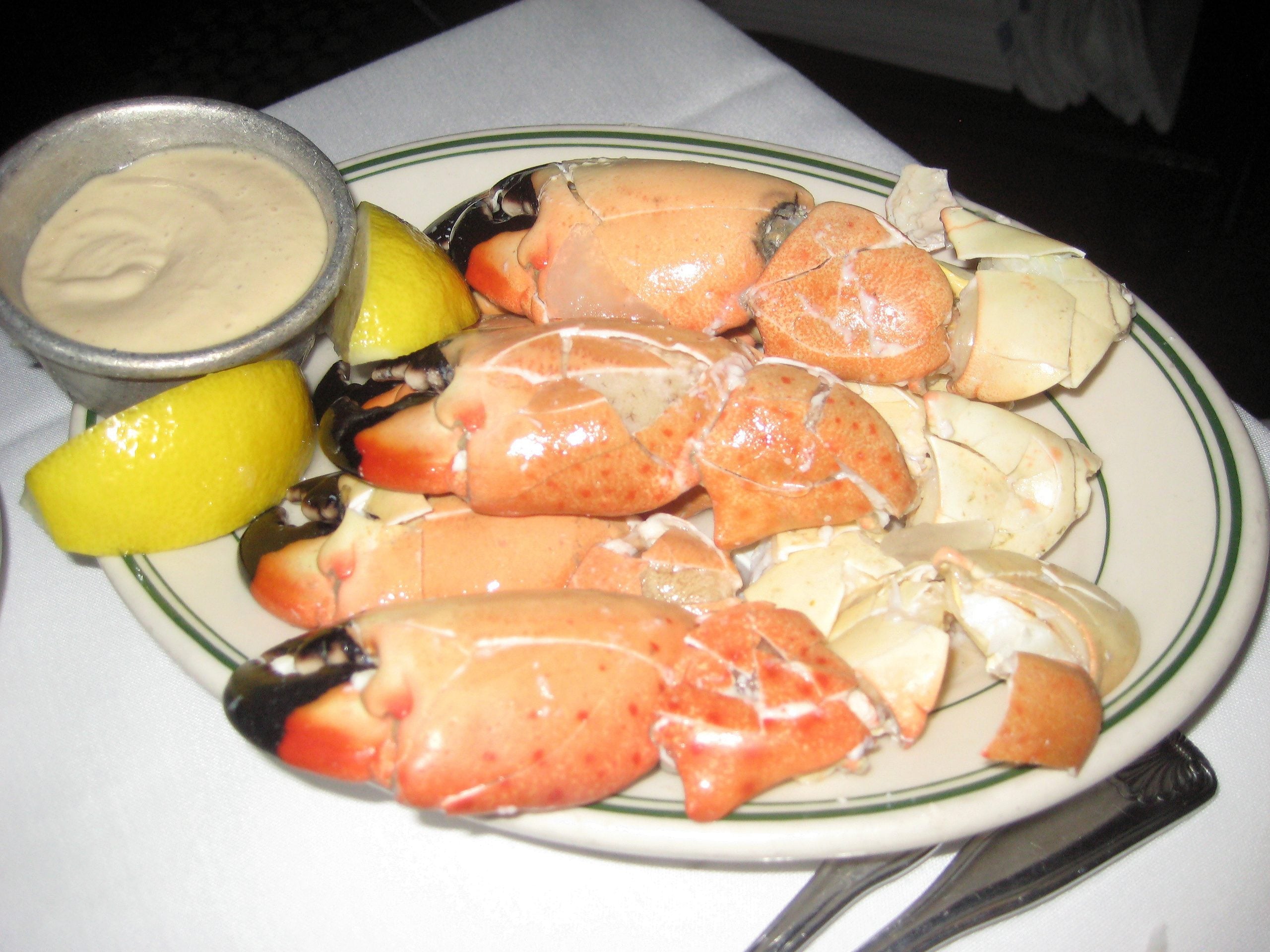
Joe’s Stone Crab began serving customers in Miami Beach in 1913, long before the area became an international vacation destination. Its signature stone crab claws are served chilled and cracked, accompanied by the restaurant’s familiar mustard sauce. Florida’s stone crab harvesting season runs from October 15 through May 1, making the dish especially associated with cooler months. The claws can be expensive, particularly in larger sizes, but they’re still the reason many diners visit. Joe’s continues to offer them alongside seafood, fried chicken, and its famous Key lime pie.
Tadich Grill – San Francisco, California
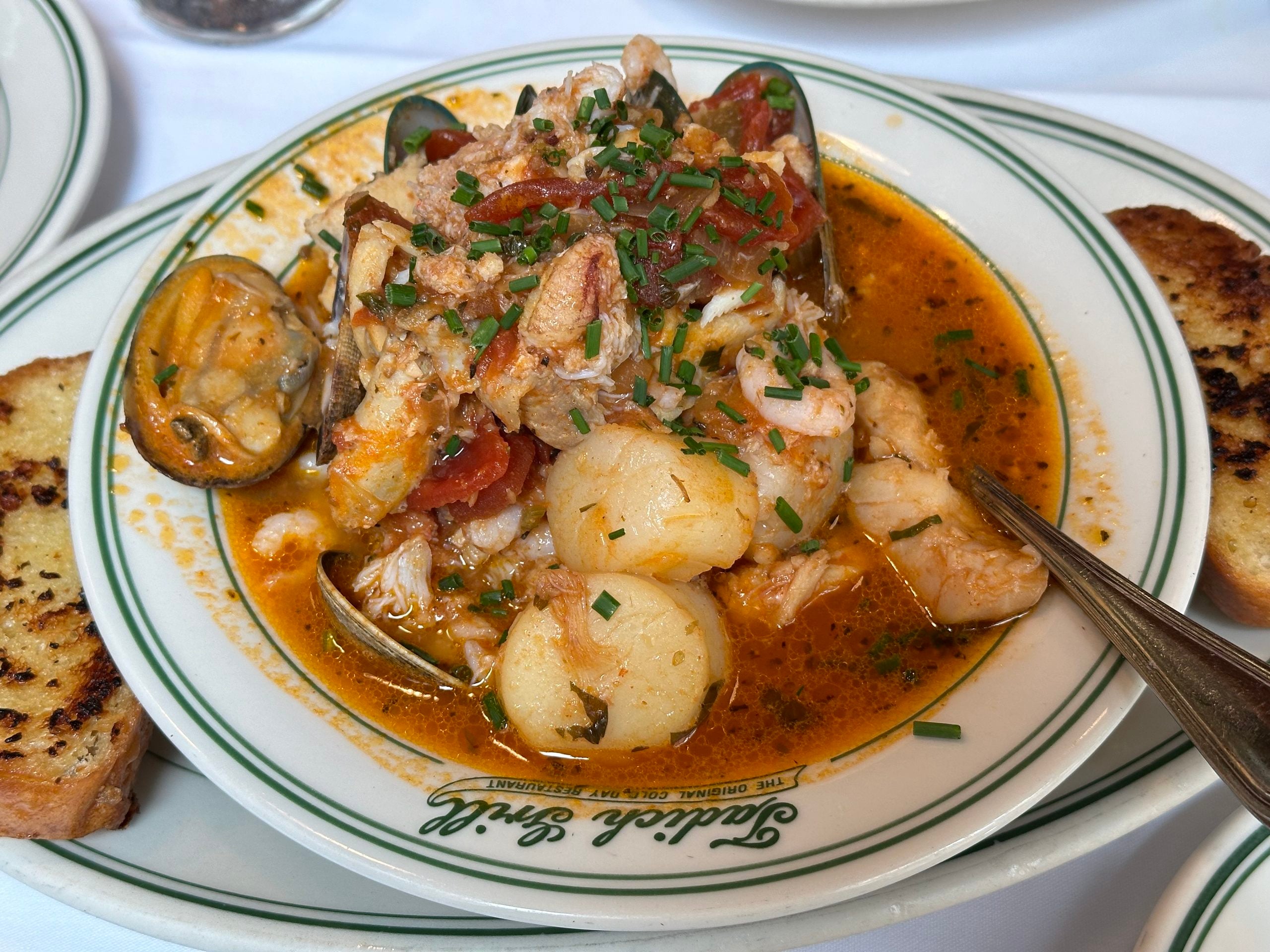
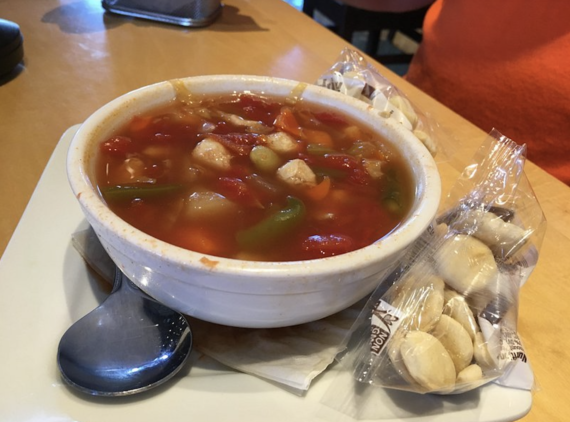
Tadich Grill traces its beginnings to an 1849 coffee stand that fed sailors and merchants during San Francisco’s Gold Rush. Today, the restaurant remains known for traditional seafood dishes, including cioppino, a hearty tomato-based stew filled with fish and shellfish. The dish reflects San Francisco’s Italian fishing heritage and remains a fixture on the restaurant’s menu. With its long counter, white-jacketed servers, and old-fashioned atmosphere, Tadich feels different from a modern seafood restaurant. It’s a place where the city’s culinary history is as much a draw as the food.
Moody’s Diner – Waldoboro, Maine
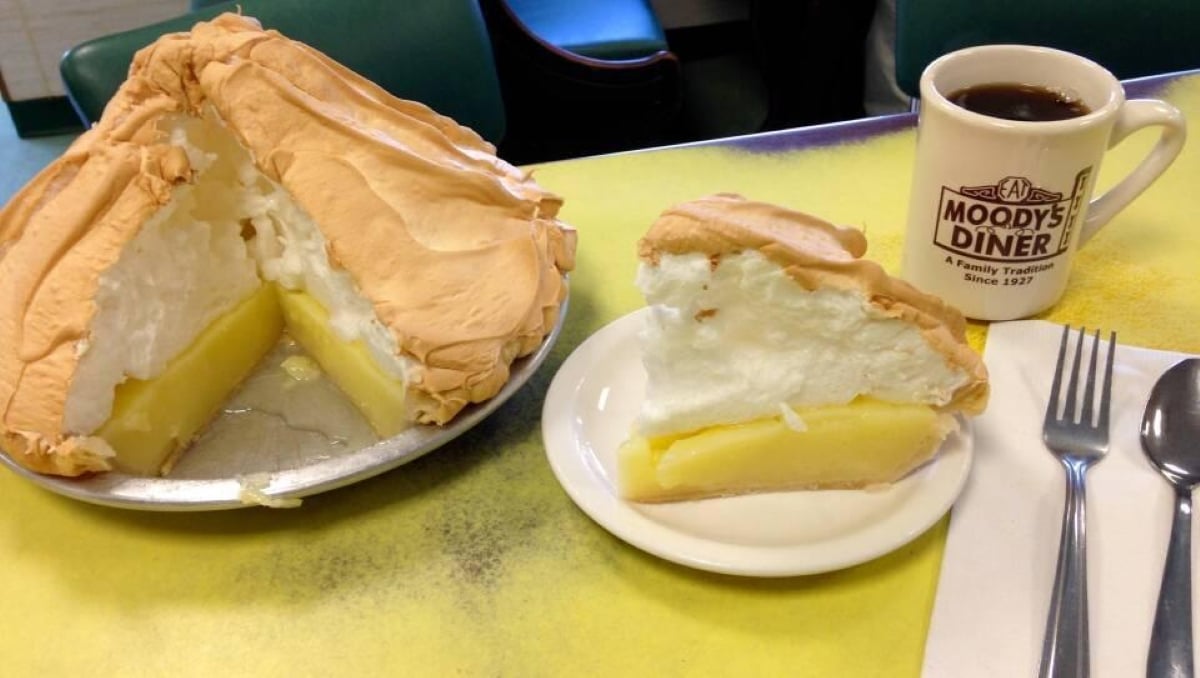
Moody’s Diner has been welcoming travelers along Maine’s Route 1 since 1927, offering the kind of straightforward comfort food that once defined American roadside dining. The menu includes traditional breakfasts, sandwiches, hearty dinners, and homemade pies that have become closely associated with the restaurant. A hot turkey sandwich followed by a slice of pie makes for a particularly old-fashioned meal. The dining room isn’t about elaborate presentation or trendy ingredients. Instead, Moody’s has built its reputation on familiar food and the nostalgia of a classic roadside stop.
Skyline Chili – Cincinnati, Ohio
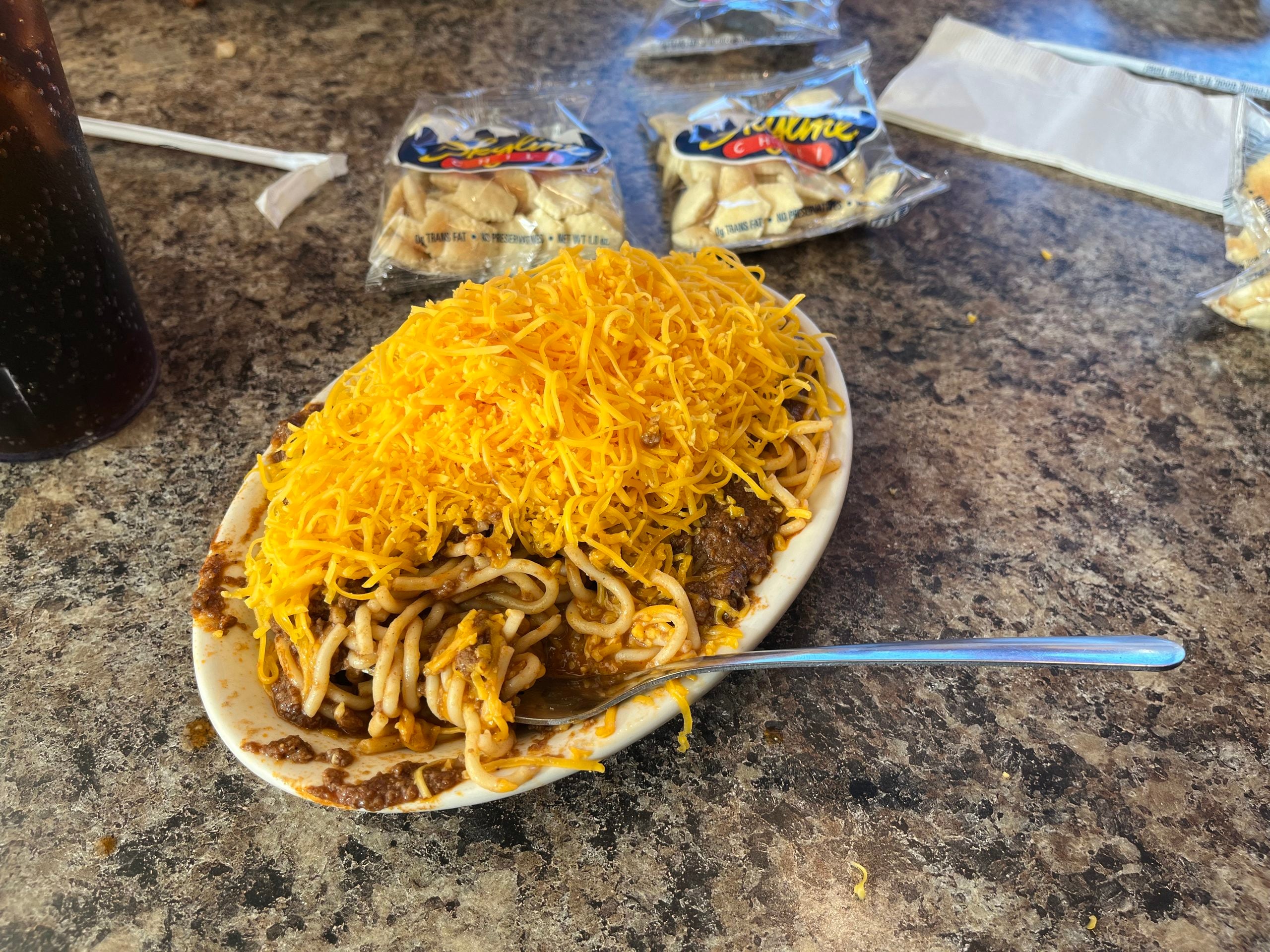
Cincinnati-style chili might surprise visitors expecting a traditional bowl of beef and beans. At Skyline Chili, founded in 1949 by Nicholas Lambrinides, the signature dish is a 3-Way: spaghetti topped with the restaurant’s distinctive chili and a generous mound of shredded cheddar cheese. Add onions or beans for a 4-Way, or both for a 5-Way. Skyline also serves cheese coneys, hot dogs topped with chili, mustard, onions, and cheese. The chain has expanded beyond Cincinnati, but its unusual take on chili remains a recognizable part of the city’s food culture.