

Having a degree was paramount a decade ago; it was vital for securing a job and personal development. However, societal evolution has led to a situation where people are no longer convinced that a four-year degree is worthwhile as U.S. Bureau of Labor Statistics indicates. Many have already taken a step into the future and are seeking specialization through certifications, technical degrees, and various training programs like Industrial Equipment News asserted!
Texas
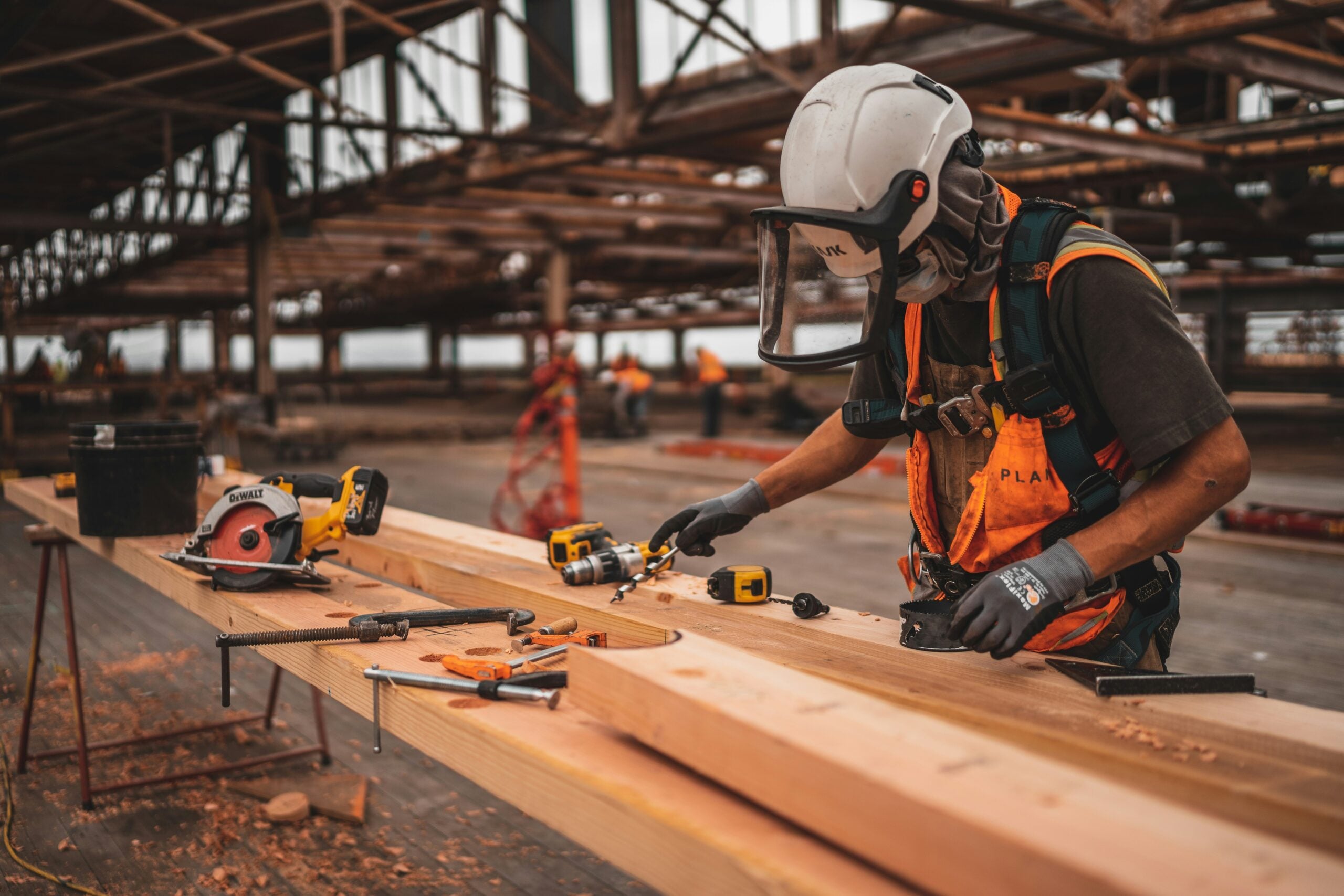
In Texas, there is significant demand for workers willing to learn through licensing or employer-provided training rather than a college degree. The expansion of the Dallas-Fort Worth Metro has created a need for many electricians, plumbers, drivers, construction workers, and technicians. Additionally, Texas also offers substantial job opportunities in areas such as oil, manufacturing, construction, and warehousing.
Florida

It’s a fact that Florida’s population has been growing, so construction, healthcare, transportation, and home services have needed more workers to meet the demand. When it comes to maintaining a home in working order, things like electrical work, plumbing, and roofing are essential in this state. Florida offers many job opportunities even without a degree, but you should consider the cost of living, which is quite high.
Ohio
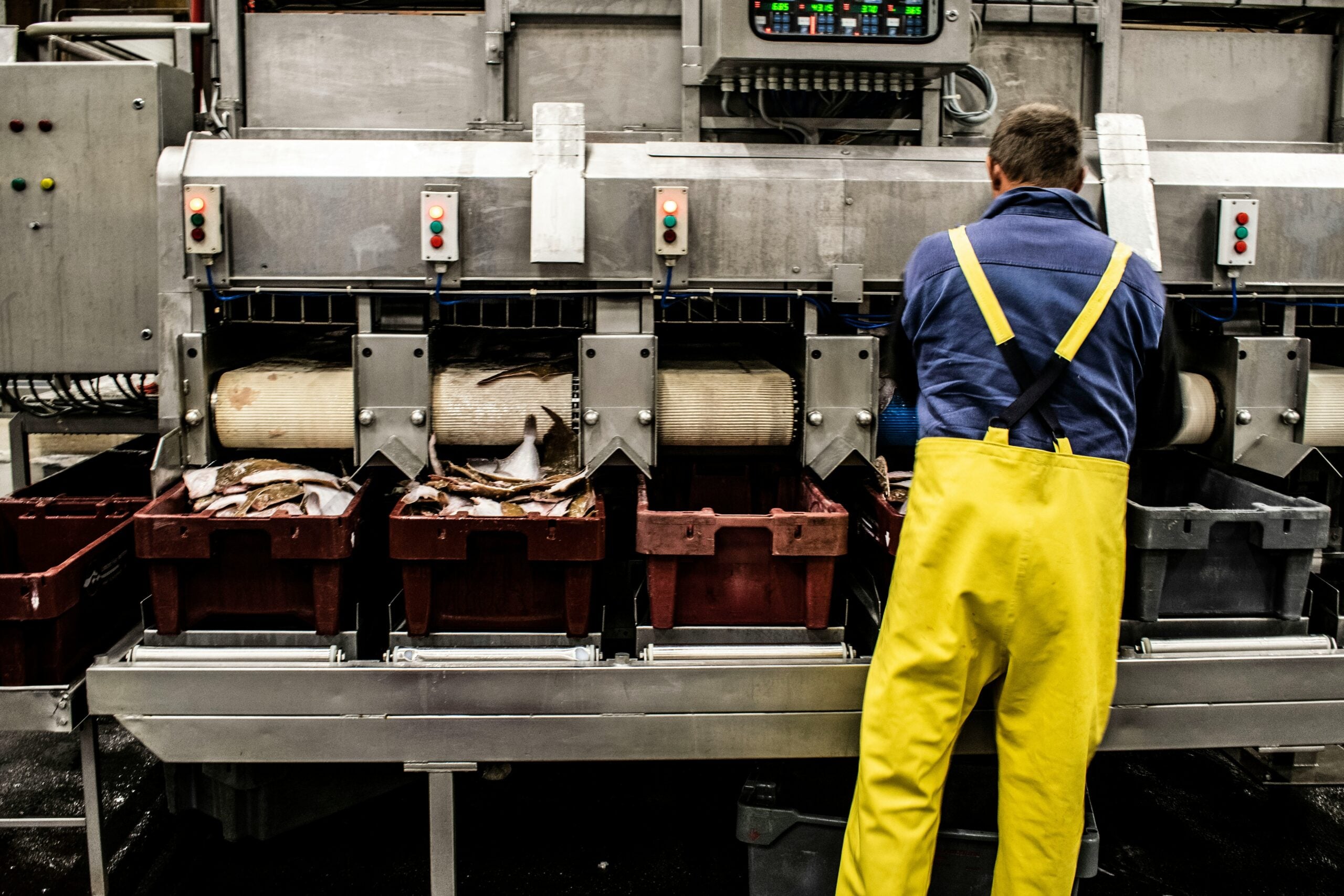
Ohio’s strongest sectors remain manufacturing, logistics, warehousing, skilled trades, and healthcare. The state’s low cost of living is a positive factor, making jobs that don’t require a college degree more accessible than in other coastal states. Ohio’s strength lies in its continued need for thousands of workers in the manufacturing sector, just as millions are needed nationwide.
Indiana
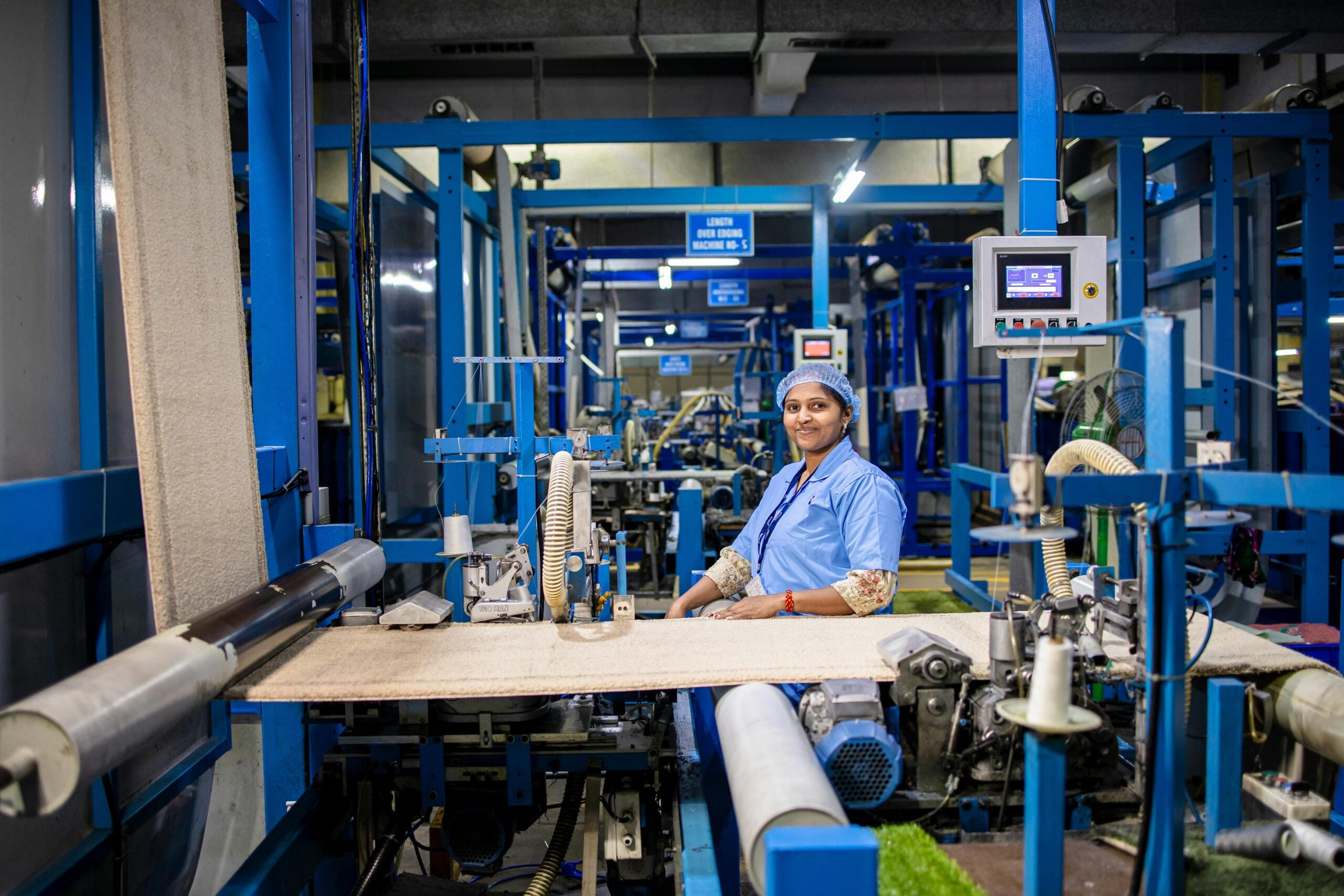
Indiana’s manufacturing sector boasts a large workforce, particularly in industries like automotive, logistics, life sciences production, and advanced manufacturing. Even without a college degree, you could find employment as a machinist, welder, maintenance technician, licensed professional driver, or warehouse supervisor. Furthermore, Indiana’s low cost of living means that lower-paying jobs can be just as productive.
Tennessee
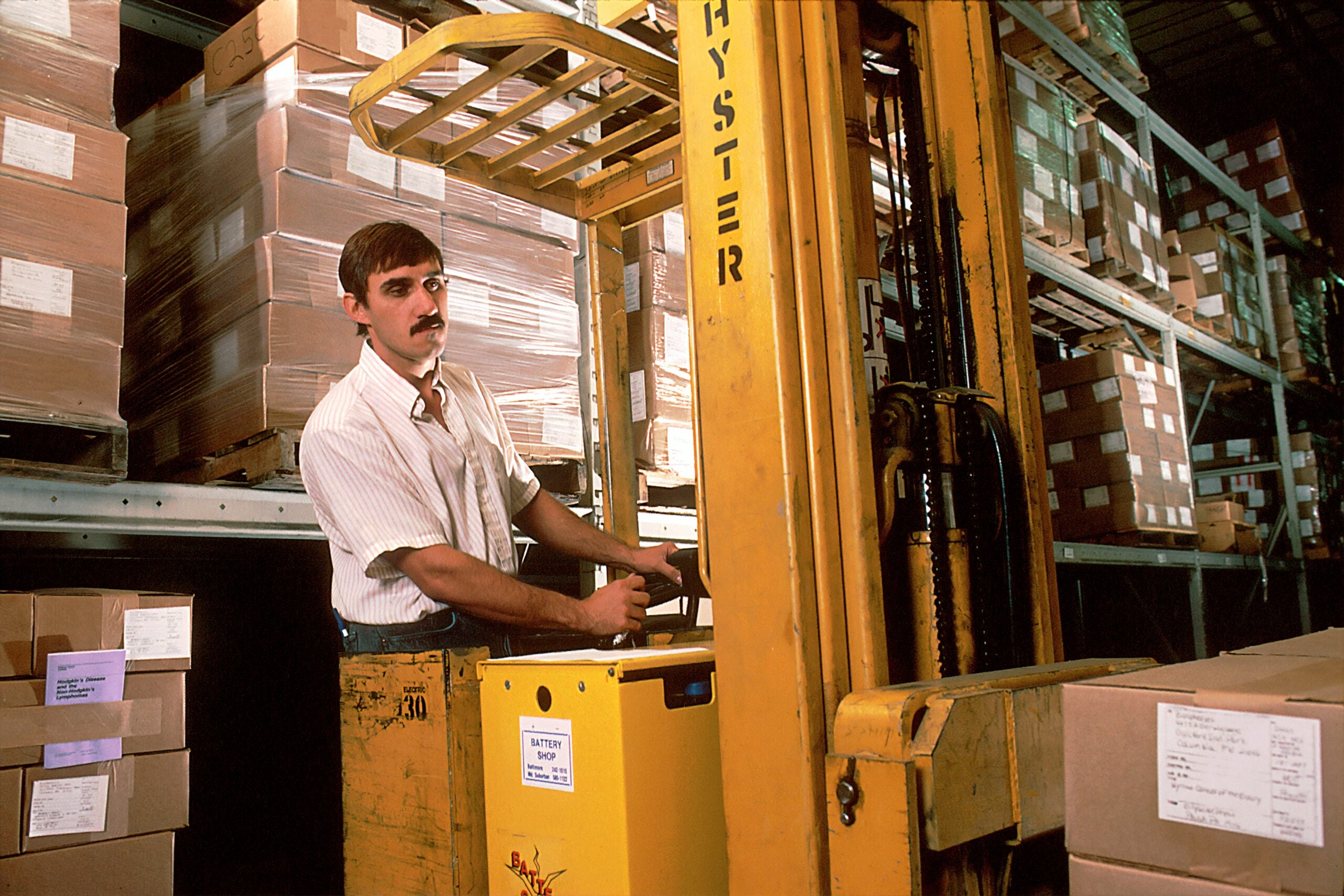
Nashville, Knoxville, and Chattanooga are the most in-demand cities in a state that already needs workers. The best job opportunities in Tennessee are in automotive manufacturing, warehousing, construction, hospitality, and healthcare. If you have a technical degree, have completed on-the-job training, are a certified driver, or have a certified apprenticeship, you have a good chance of finding work there.
Trending on Cheapism


Georgia

Because of its proximity to Atlanta’s airport, Georgia needs to generate a large influx of workers in logistics and transportation. Roads, rail connections, and the Port of Savannah all require personnel to keep them operational. And none of the jobs, such as truck driving, warehousing, aviation support, construction, and port operations, require a college degree. In fact, the current situation reflects the growth of the logistics sector nationwide, with a projected increase of 17% by 2034.
North Carolina
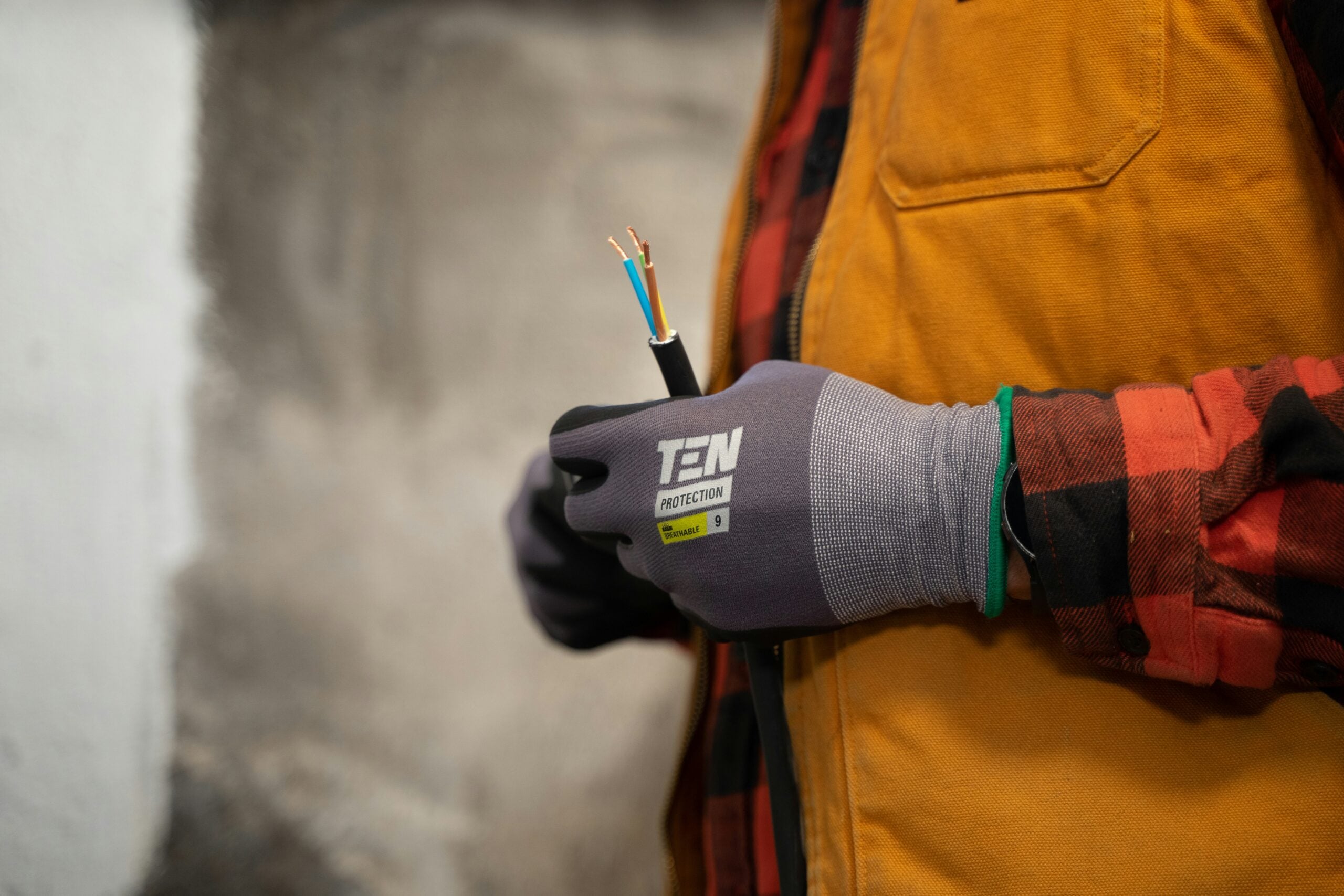
Nearly the same workers are needed in North Carolina for the same sectors as Tennessee: construction, healthcare, manufacturing, warehousing, and skilled trades. Electricians, HVAC workers, plumbers, equipment operators, and maintenance technicians are among the most sought-after jobs. If you have completed a community college or apprenticeship program, you may have an opportunity.
Arizona

Arizona’s growth has led to a greater demand for workers in construction, logistics, healthcare, and manufacturing. The Phoenix area, for example, is constantly seeking construction workers, warehouse workers, drivers, and technicians. If you’re looking to start a career in construction or a technical role in the energy sector, this state is waiting for you.
Sign up for our newsletter
Pennsylvania

Another state that can offer excellent career opportunities even without a degree is Pennsylvania. Due to the large number of older buildings in the state, there is a vital need for maintenance workers, plumbers, electricians, and construction workers. Pennsylvania’s large healthcare system also has opportunities for physician assistants, nurses, technicians, and phlebotomists.
Wisconsin

Manufacturing and maintenance jobs can offer greater stability than office work if you’re in Wisconsin. Other sectors where workers are needed include food production, skilled trades, transportation, and healthcare. And who knows, if you complete an apprenticeship at a technical college, you might even find a job at Aurora St. Luke’s Medical Center, the largest in the state.
Michigan

Michigan’s advanced manufacturing processes, coupled with its expanding vehicle fleet, are creating superior opportunities for mechanics, machine operators, welders, maintenance technicians, and production workers. Significant investment in electric vehicles and similar battery technologies has led to an unprecedented demand for technicians. Always be sure your employer pays for your training.
South Carolina

The Port of Charleston can be a great job opportunity in South Carolina if you haven’t completed a college degree because employees who contribute to logistics and technical work are in high demand there. Furthermore, the manufacturing, automotive, aerospace, warehousing, and construction sectors also offer opportunities. There’s also the possibility of taking on piece-rate jobs. Not bad at all…
Alabama

Because of Alabama’s low cost of living, many workers are likely considering relocating to the state, which offers numerous jobs in construction, skilled trades, logistics, automotive manufacturing, and aerospace. To create a strong profile and increase your chances of being selected, complete technical training or ensure an employer will pay for your training.
Iowa

In addition to offering jobs in manufacturing, transportation, food service, healthcare, and skilled trades, Iowa also needs skilled workers in the agricultural industry. The state produces corn and eggs, among many other products, with 85% of its land dedicated to agriculture and livestock. And because of the low cost of living, holding a mid-level job can allow you to live comfortably. If you’re looking for long-term stability, this is the state for you.
Utah

As Utah has grown, it has generated jobs in construction, logistics, healthcare, manufacturing, and technical trades. The Salt Lake City region is always looking for staff for warehousing, transportation, aviation, and retail jobs. Perhaps the only thing to consider is the continuous price increases in these rapidly growing cities.