
Saving money doesn’t always require major lifestyle changes. Taking a closer look at recurring expenses like insurance, utilities, subscriptions, bank fees, and food waste can add up to hundreds or even thousands of dollars in annual savings. Financial experts at the Consumer Financial Protection Bureau (CFPB), USDA, and Consumer Reports recommend focusing on these everyday costs before cutting out the occasional small indulgence. Here are some simple habits that can help you keep more money in your pocket.
Audit Every Automatic Subscription

When you set a subscription to auto-renew, it can easily become almost invisible to you, much like with streaming platforms, cloud storage, or fitness apps. It is best to audit these subscriptions and cancel the ones you don’t use very often, as they add up to a significant expense and increase your monthly bills by the end of the year. The Consumer Financial Protection Bureau -CFPB- reveals that there are dark patterns and other tricks used by companies to confuse and deceive consumers enrolled in subscription services.
Shop Your Auto and Home Insurance Again

Insurance companies use different models to value a property or a car, so providing coverage may seem riskier to some companies than to others. When renewing the contract, you should verify that any agreed-upon discounts remain in place and that the coverage is appropriate. You need to calculate the monthly difference between the deductible costs and verify whether the price falls within the same range as that of other insurance companies to lower your monthly bills.
Replace an Expensive Cellphone Plan

Review your mobile phone plan, as you might be paying for insurance, international features, or add-ons that you don’t use. Most people want to keep their phone number while paying little for mobile data, since they usually work from the office or home with Wi-Fi enabled. If you have a family, a family mobile plan might be more cost-effective and reduce your monthly bills. The CFPB is concerned about companies potentially misleading consumers about the purpose and amount of certain pay-by-phone fees or keeping them in the dark about much cheaper payment options.
Renegotiate or Replace Home Internet Service
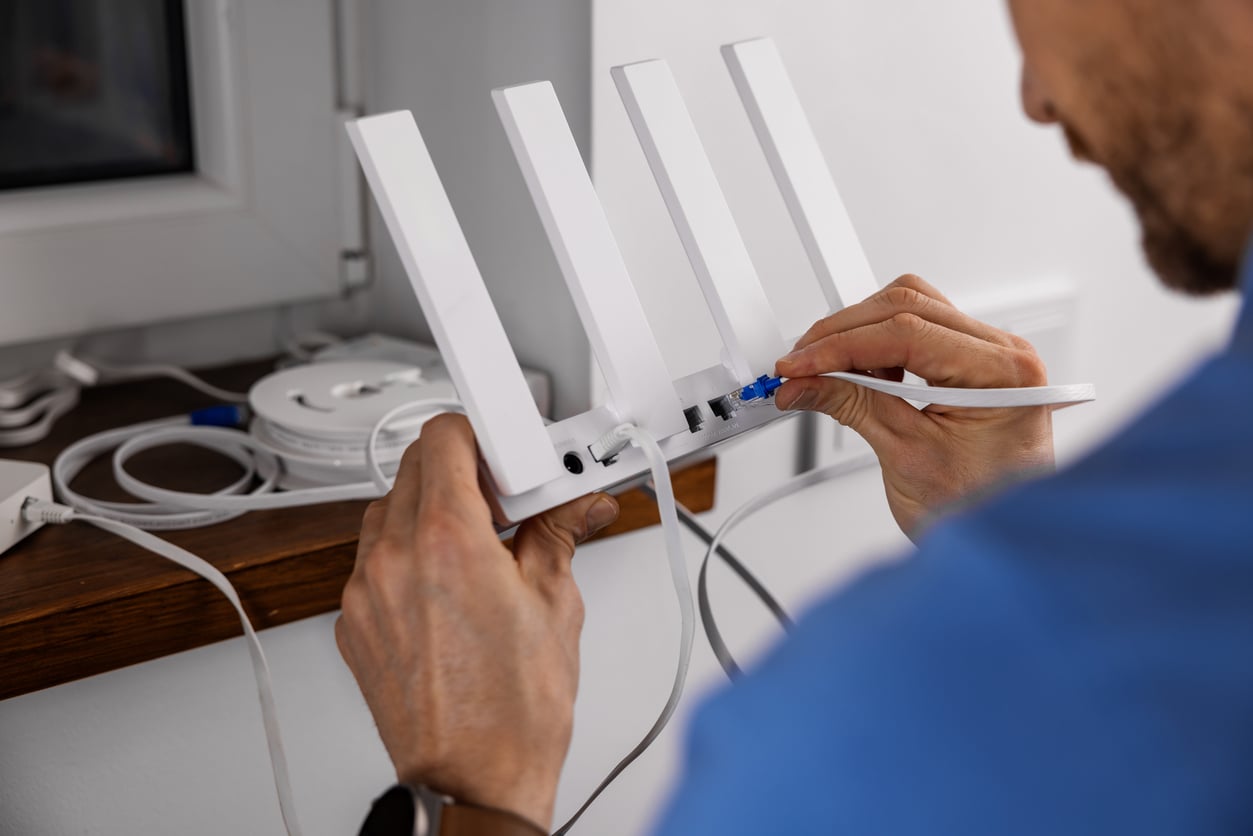
Internet plans often see significant price hikes once the initial promotional offer expires, so it is advisable to look for cheaper options and contact your provider when costs go up. Although it can be a tedious process, you could call other internet service providers in your area to ask about their plans and secure a better deal for the same price, given the fierce competition in the industry, helping lower your monthly bills. And also, as Consumer Reports recommends to ask for a discount, they just might give it to you because you are not negotiating with a company but with an individual.
Build Meals Around Food Already in the House

When it comes to saving money on food, making the most of what you buy is key. Don’t forget about leftovers from previous meals; turn them into a new dish to avoid waste. Also, avoid buying more food than you need because throwing it away is like burning your money and raising your monthly bills. Remember that you can freeze bread, meat, soup, cooked grains, and chopped vegetables to use later. The U.S. Department of Agriculture -USDA- revealed that one-third of all available food goes uneaten through loss or waste.
Trending on Cheapism

Cut Delivery, Takeout, and Convenience-Food Spending

You can save a lot of money by cutting back on food delivery, takeout, and convenience food purchases. The menus you order from feature high prices, service fees, delivery charges, and even tips. Cooking at home works out much cheaper, helping reduce your monthly bills, and for the same price, you can prepare a large quantity of food. You don’t necessarily have to give up going out to restaurants, but you do need to cut ordering food. Consumer Reports indicates that delivery is a trend that began in 2012 and these services are now a $400 million market that’s projected to increase.
Reduce Heating, Cooling, and Hot-Water Waste

Electricity and water bills account for a significant portion of your monthly bills, according to the Department of Energy they cost the average family near $2,000 a year. To offset this cost, you should adjust the thermostat settings so the system scales back when the house is empty. Additionally, keep doors and windows tightly closed to prevent outside air, whether hot or cold depending on the season, from entering. You want to prevent that costly warm air from escaping through drafty windows and doors as Consumer Reports mentioned.
Eliminate Avoidable Banking and Credit-Card Fees

Bank and credit card expenses may include service maintenance fees, late payment fees, cash advance fees, and overdraft charges, all of which result in extra costs. You can cut expenses by avoiding these types of charges, which do not provide a day-to-day service and help lower your monthly bills. Compare maintenance fees across different institutions to find the best alternative. Consumer Reports indicates the average ATM fees hit a record and are 36% higher than in 2008.
Sign up for our newsletter
Attack High-Interest Debt Before Low-Interest Balances

Interest is a recurring expense that offers no benefit whatsoever. Credit card balances generate substantial charges even when the cardholder stops making purchases, increasing your monthly bills. Keep in mind that promotional rates are temporary, and long-term purchases can increase the total interest you pay. Consumer Reports advises paying off high-interest credit card debt using the Debt Avalanche method, where you make minimum payments on all cards but direct every extra dollar toward the card with the highest APR.
Ask About Generic and Lower-Cost Medication Options

Generic medications are just as effective as well-known brand-name drugs. You need to verify that the active ingredient and the dosage are the same, but don’t overspend simply because of a well-known brand name. At the same time, you can ask your doctor if they approve of this switch to reduce your monthly bills. Consumer Reports actively advises to compare prices at different pharmacies for the exact same generic drug because they can vary drastically.
Cancel or Downgrade Underused Memberships

The memberships you hold, such as those for the gym, grocery stores, car washes, streaming services, and delivery apps, represent a significant annual expense that can inflate your monthly bills. You may have so many that you lose track of the ones you aren’t actually using, yet you keep them, pointlessly, with the intention of using them later. Weigh the costs and benefits of keeping these memberships versus canceling them. Consumer Reports revealed that the Federal Trade Commission proposed a “click-to-cancel” rule that would require companies to let you cancel subscriptions as easily as you were able to sign up.
Reconsider the Household’s Most Expensive Vehicle Habits

If you buy a new car, its value begins to drop the moment it leaves the dealership. On top of that, you have to pay for insurance, fuel, parking, and maintenance, among other expenses that increases your monthly bills. The money spent on checking oil levels expenses, ensuring the engine performance after reaching a certain mileage, and maintaining safety features adds up to a significant amount. You should really consider whether it is worth making certain trips by car, or if taking public transport or cycling would be better. According to Consumer Reports, Buick and Lincoln are the least expensive car brands when it comes to maintenance, and the European brands cost the most.
Conclusion

You should pay special attention to areas such as debt interest, food waste, insurance, utilities and communications, among others, since they make up many of your monthly bills. These are elements you can control yourself and address in just a few hours. What will take time is verifying what you are currently paying versus what you could be paying for each item. This allows you to maintain a record and know where to cut costs in the future.