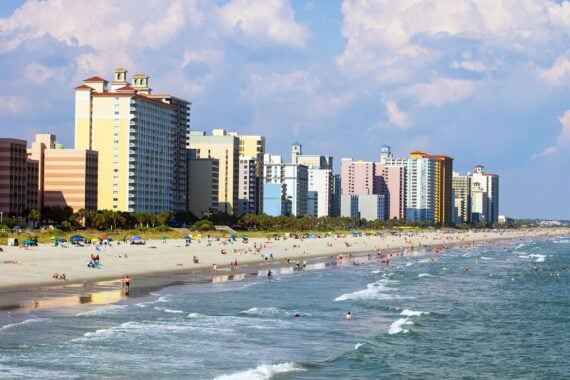
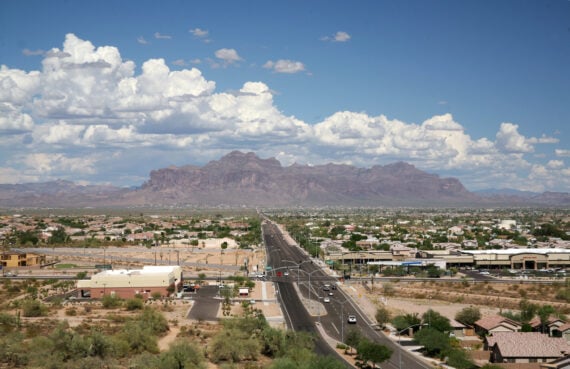
For generations, the retirement formula seemed pretty straightforward: Head somewhere warm, preferably with a beach nearby, and leave the snow shovel behind.
But choosing where to retire is a lot more complicated than finding the place with the best January weather. Housing costs, taxes, access to healthcare, homeowners insurance, transportation, and everyday expenses can have a huge impact on how far your retirement savings stretch. And depending on how you want to spend your free time, parks, restaurants, cultural attractions, and proximity to family may matter just as much as sunshine.
That helps explain why some unexpected places are turning up on lists of the best places to retire in 2026. Midland, Michigan, for example, took the top spot in U.S. News & World Report’s 2026 Best Places to Retire ranking, beating hundreds of communities across the country.
From affordable Appalachian cities to tiny Florida communities and a Montana mountain town, here are 16 places worth considering for retirement in 2026 — along with the tradeoffs you’ll want to know before packing the moving truck.
Midland, Michigan
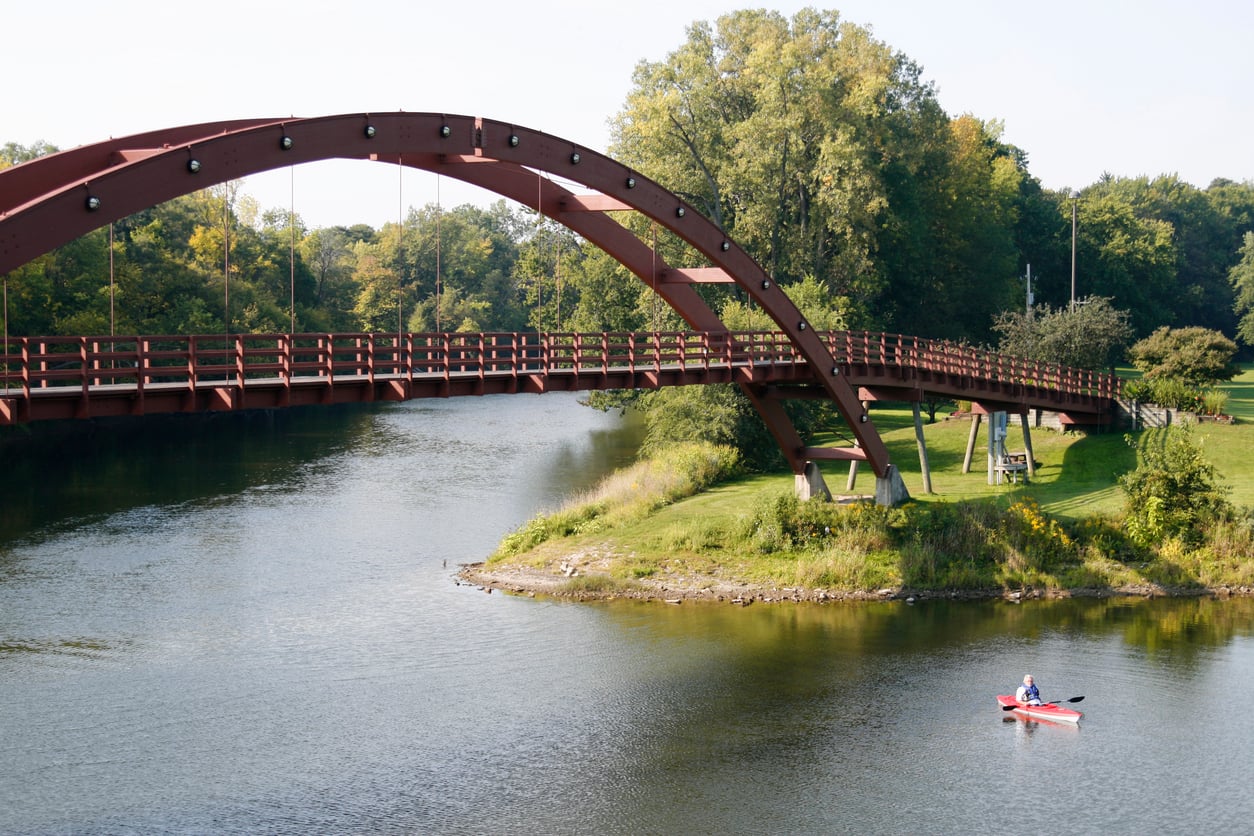
Florida who? Midland took the No. 1 spot in U.S. News & World Report’s 2026 Best Places to Retire ranking, making this Michigan city one of the year’s biggest retirement surprises.
Midland scored particularly well for factors including affordability, quality of life, recreation, healthcare access, walkability, and community engagement. Retirees also have plenty of ways to stay busy thanks to the city’s parks, trails, cultural institutions, and volunteer opportunities.
The catch shouldn’t come as a surprise: winter. Anyone moving north after decades of dreaming about a warm-weather retirement will have to budget for heating, snow removal, and the other expenses that come with a Michigan winter.
It’s also worth looking closely at Michigan’s treatment of your particular sources of retirement income instead of assuming any state is universally “tax-friendly.”
Weirton, West Virginia
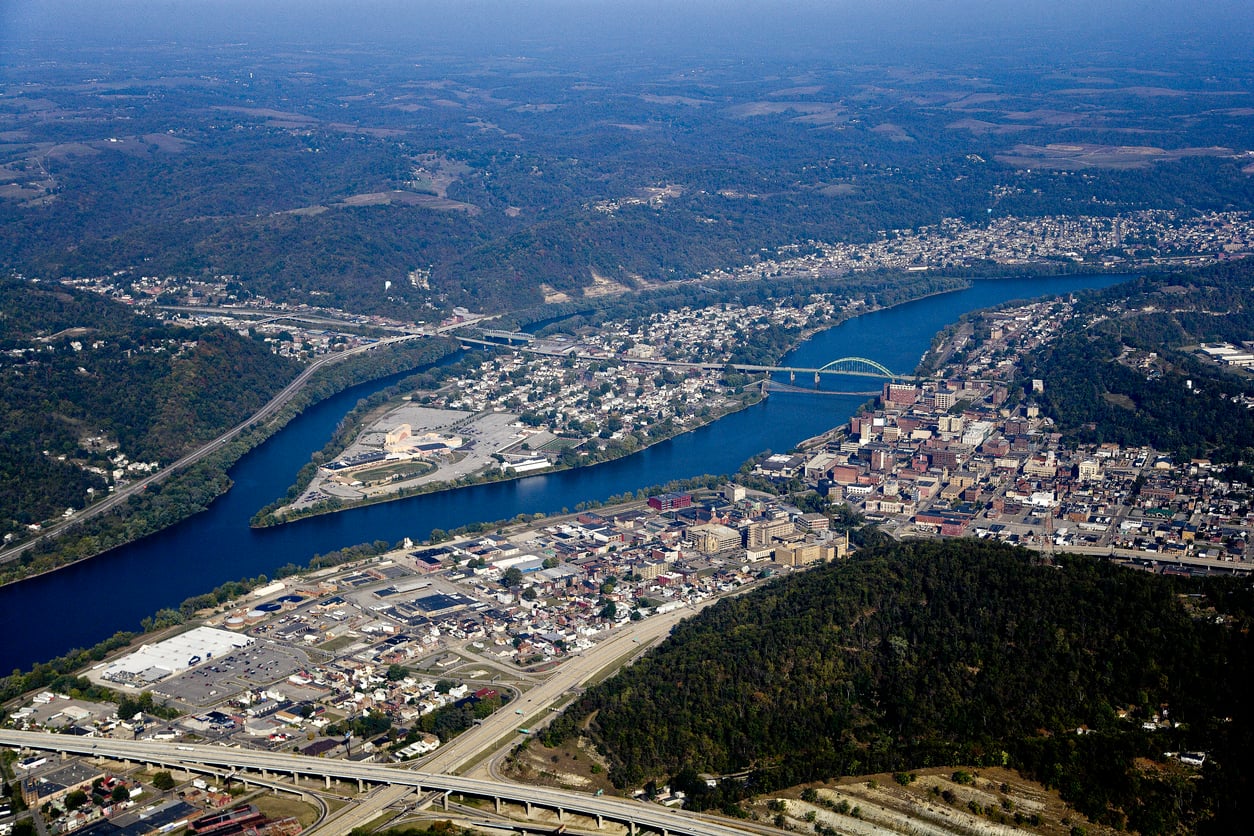
If keeping housing costs under control is near the top of your retirement wish list, Weirton deserves a look.
The West Virginia city ranked No. 2 in the U.S. News retirement rankings for 2026. Its relatively low cost of living and inexpensive housing can make it especially appealing to retirees who would rather keep more of their nest egg invested or available for travel and healthcare.
There’s another advantage: Pittsburgh International Airport is roughly 20 minutes away, offering convenient access to flights and the amenities of a major metropolitan area without requiring retirees to pay big-city housing prices.
On the flip side, winters are cold, and the former steel-region setting isn’t going to resemble anyone’s idea of a tropical retirement paradise. Retirees who need advanced or highly specialized healthcare may also find themselves traveling toward Pittsburgh.
Green Valley, Arizona
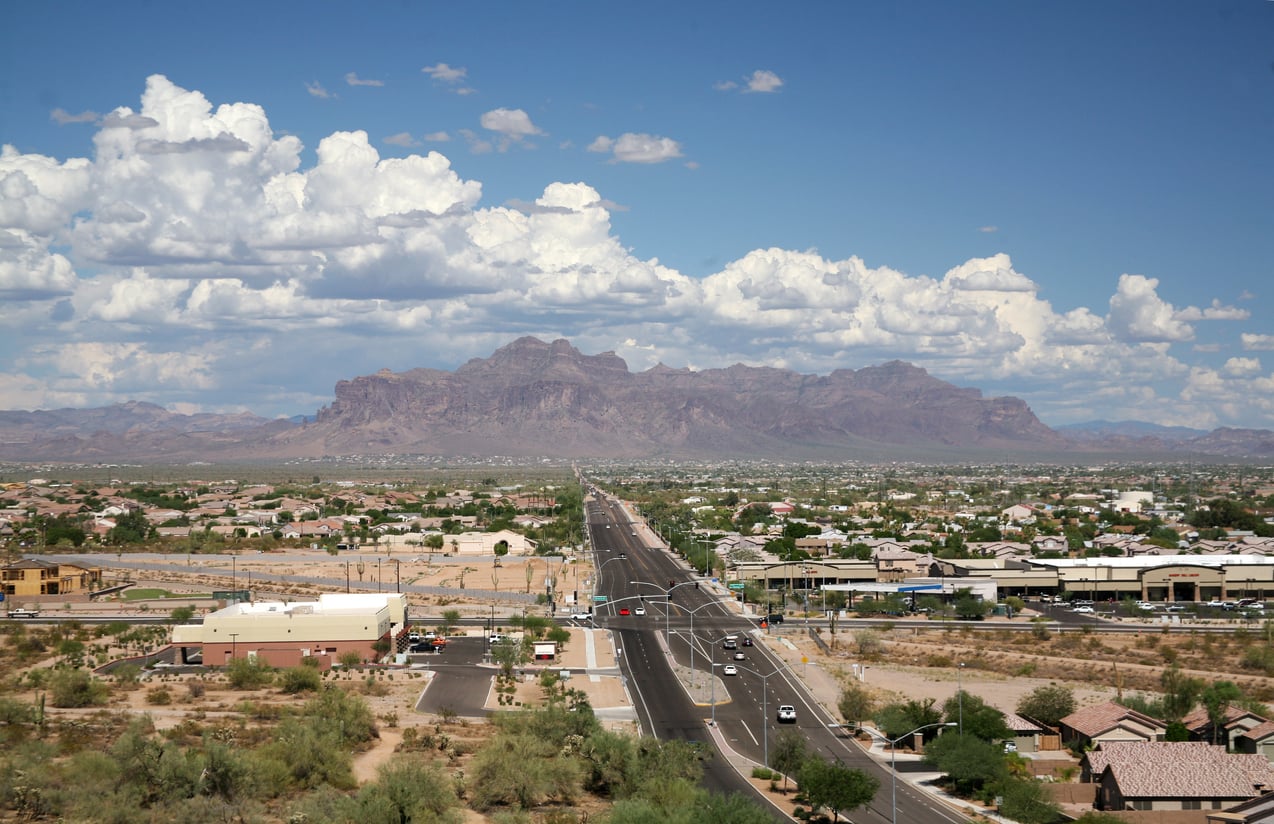
Green Valley isn’t exactly a newcomer to the retirement scene. Located about 20 miles south of Tucson, the community has long attracted retirees looking for sunshine, mountain views, golf, and an active lifestyle.
Forbes included Green Valley among its best affordable places to retire in 2026, citing factors including housing prices below the national median, low serious crime, physician availability, and Arizona’s retiree tax climate.
The famously mild winters are a major selling point. Summers are another matter. Temperatures can be punishingly hot, making air conditioning — and the electric bill that comes with it — an important part of the retirement budget.
Green Valley also isn’t particularly walkable, so retirees should consider how comfortable they’ll be relying on a car as they get older.
Sebring, Florida
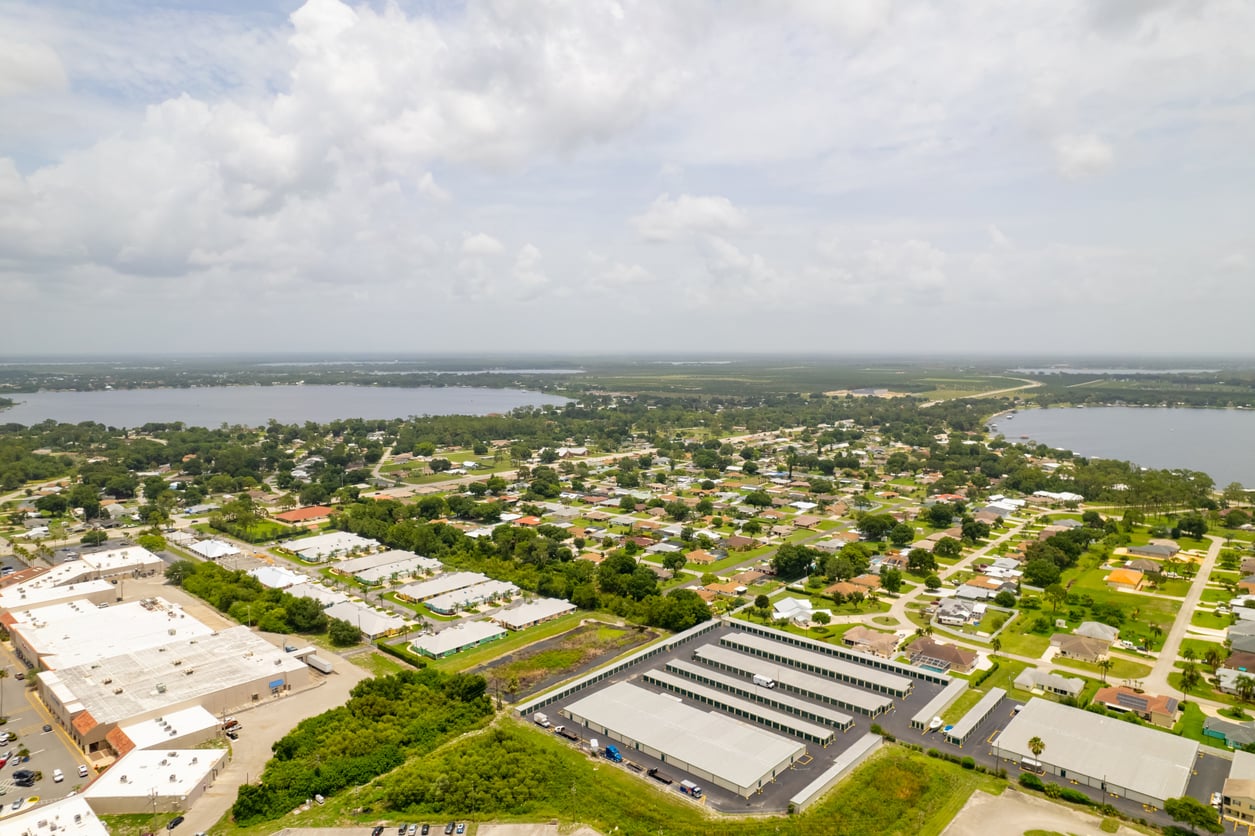
Want a Florida retirement without paying the prices found in some of the state’s best-known coastal communities? Sebring could be an alternative.
Recent retirement research cited median home values around $175,000 and rents below $1,000 in this Central Florida community. Florida’s lack of an individual state income tax adds to the financial appeal.
There’s plenty to do, too. The area has more than 100 lakes, along with golf courses, Highlands Hammock State Park, and a historic downtown. Two local general hospitals provide basic medical access.
But an inexpensive home price doesn’t necessarily mean inexpensive homeownership in Florida. Insurance costs can dramatically change the math, so prospective buyers should get actual homeowners insurance quotes before deciding they’ve found a bargain.
And yes, it’s Florida: Summers are hot and humid.
Lewes, Delaware
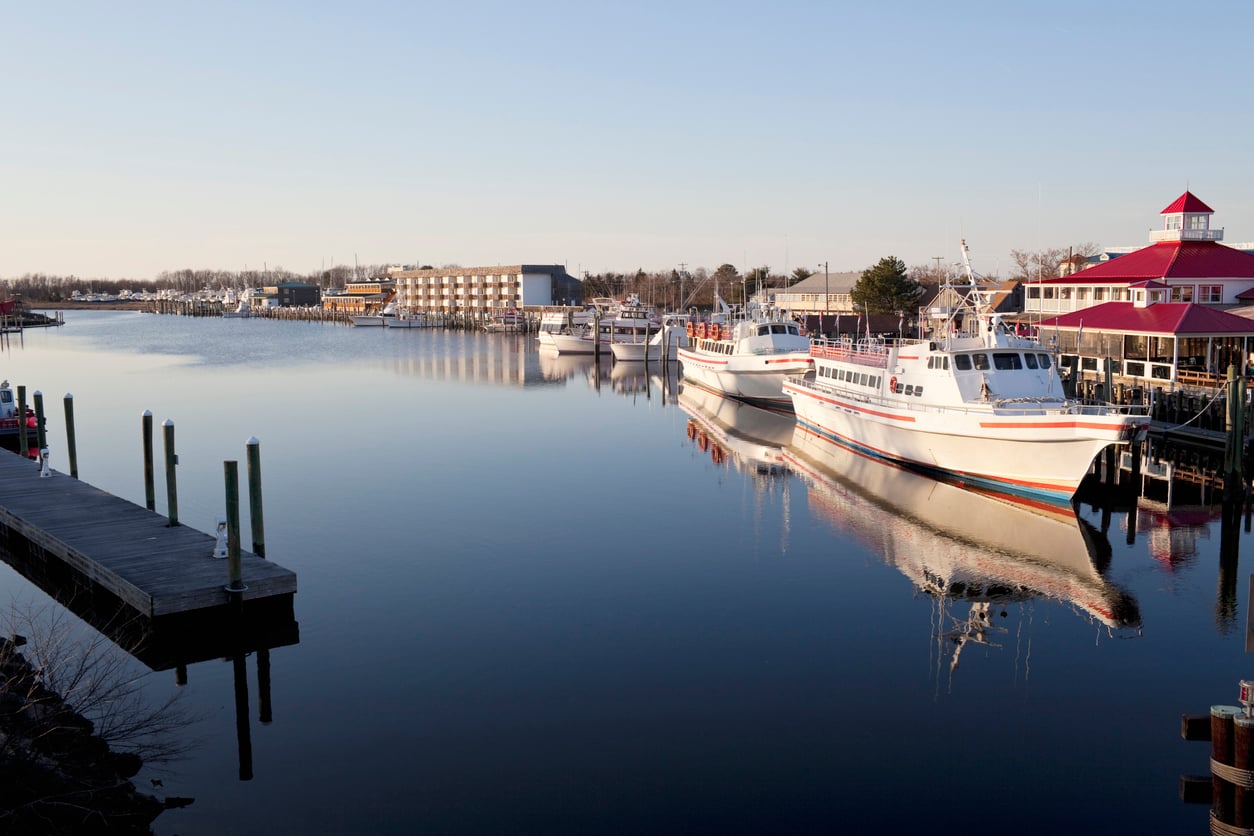
Lewes offers something that’s surprisingly difficult to find in many retirement destinations: a historic, walkable downtown and nearby beaches.
Located on Delaware Bay with easy access to Atlantic Coast recreation, the town has restaurants, shops, cultural events, and plenty of summer activity. Delaware also has no state or local sales tax, and residents over 60 can exclude up to $12,500 of qualifying retirement income from state taxation.
There’s a price for all that coastal charm, though. Housing costs have risen as retirees and second-home buyers have discovered the area.
Healthcare is another factor worth investigating carefully. Retirees with complex medical needs should research specialist availability and wait times rather than assuming a popular retirement destination will have every service nearby.
And before buying near the water, check flood insurance costs and evacuation-zone maps.
Trending on Cheapism


Homosassa Springs, Florida
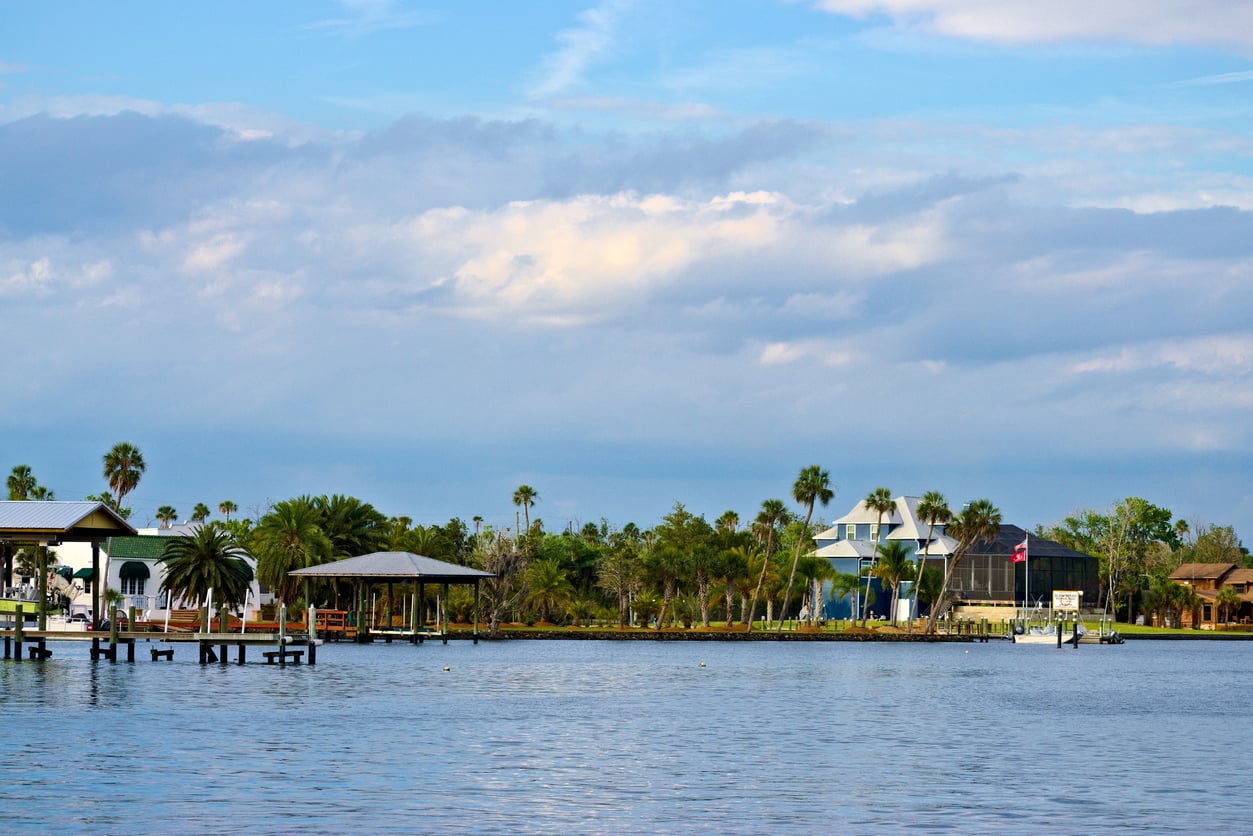
Homosassa Springs offers a very different Florida retirement from Miami high-rises and sprawling master-planned communities.
The Gulf Coast area placed No. 3 in the widely reported U.S. News 2026 retirement rankings and has also received attention as a strong small-town retirement destination.
The appeal is largely outdoors. Think fishing, boating, natural springs, wildlife, and a considerably slower pace than you’d find in Tampa or Fort Lauderdale.
That slower pace comes with tradeoffs. Homosassa Springs is relatively rural, and retirees who regularly see medical specialists may face longer drives.
Storm exposure is another serious consideration. Anyone buying here should investigate hurricane and flood risks and get realistic quotes for homeowners, wind, and flood insurance before calculating their monthly housing budget.
Altoona, Pennsylvania
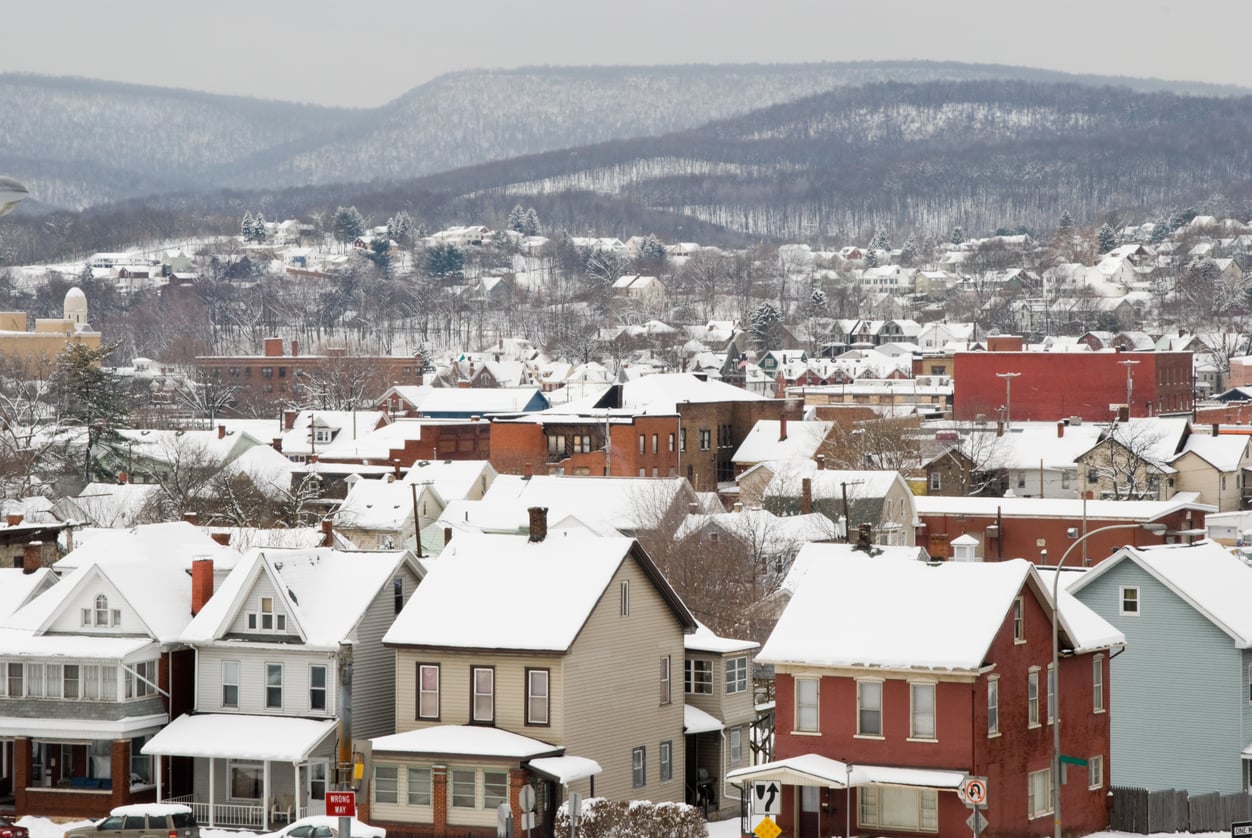
Central Pennsylvania isn’t usually the first place that comes to mind when someone says “dream retirement,” but Altoona made an impressive showing in 2026, finishing eighth in the U.S. News retirement rankings.
One of its biggest advantages is housing affordability. Spending less on a house can leave considerably more money available for healthcare, travel, hobbies, and everything else retirement is supposed to be about.
Outdoor enthusiasts also have the Allegheny Mountains nearby for hiking, fishing, scenic drives, and other recreation — without paying resort-town housing prices.
There are some obvious compromises. Winters bring snow and freezing temperatures, and anyone who wants major-city entertainment or highly specialized healthcare may have to travel.
Pennsylvania’s treatment of retirement income is another factor worth comparing with other states on your shortlist.
Lynchburg, Virginia
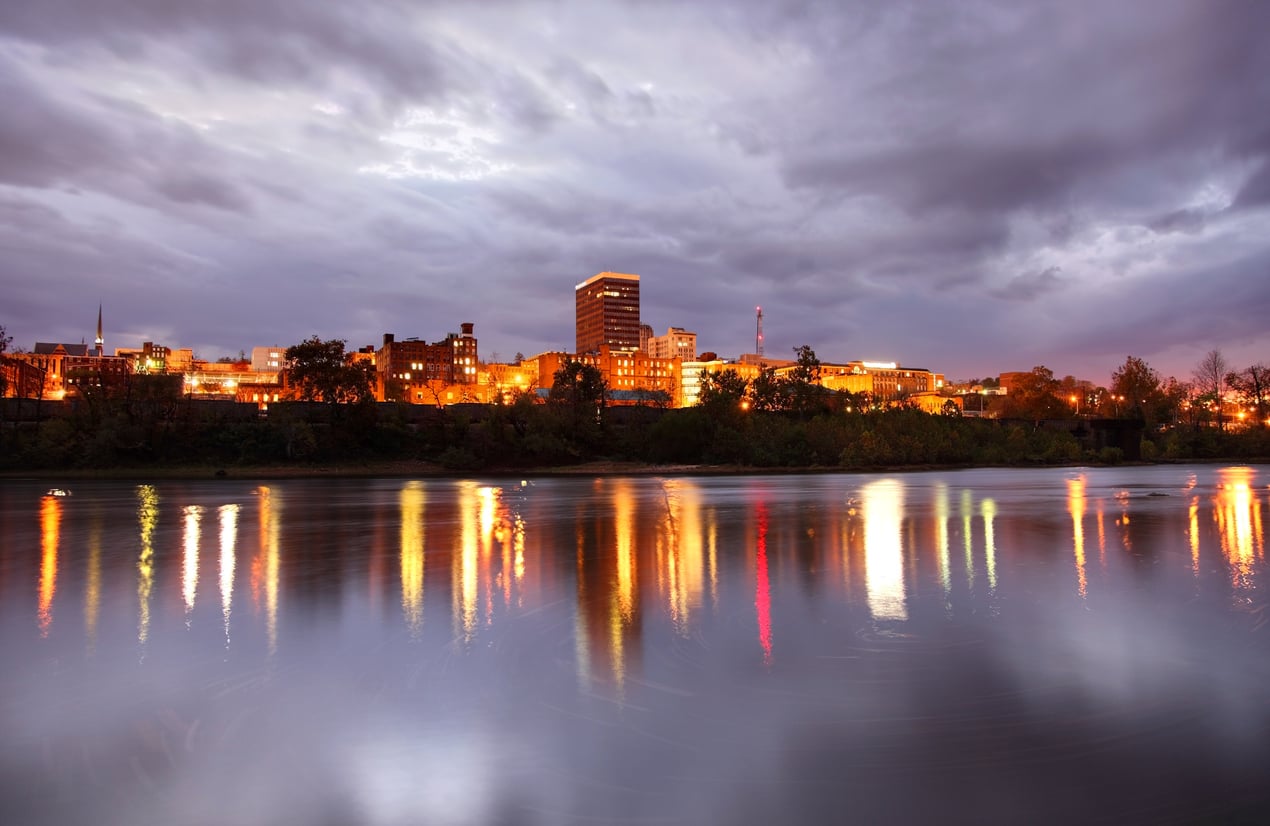
Lynchburg gives retirees a little bit of everything: a manageable cost of living, restaurants and cultural attractions, universities, trails, and easy access to Virginia’s Blue Ridge region.
The city ranked No. 10 on U.S. News’ 2026 retirement list, and its location may appeal to retirees who want four distinct seasons without signing up for quite as much winter as they’d get in Michigan or central Pennsylvania.
Virginia does have a state income tax, however, so prospective residents should calculate how their specific retirement income would be treated.
Mobility is another consideration that can be easy to overlook when you’re shopping for retirement destinations. Lynchburg’s hills may make some neighborhoods less practically walkable for people with limited mobility, even when destinations don’t look particularly far apart on a map.
Sign up for our newsletter
Greer, South Carolina
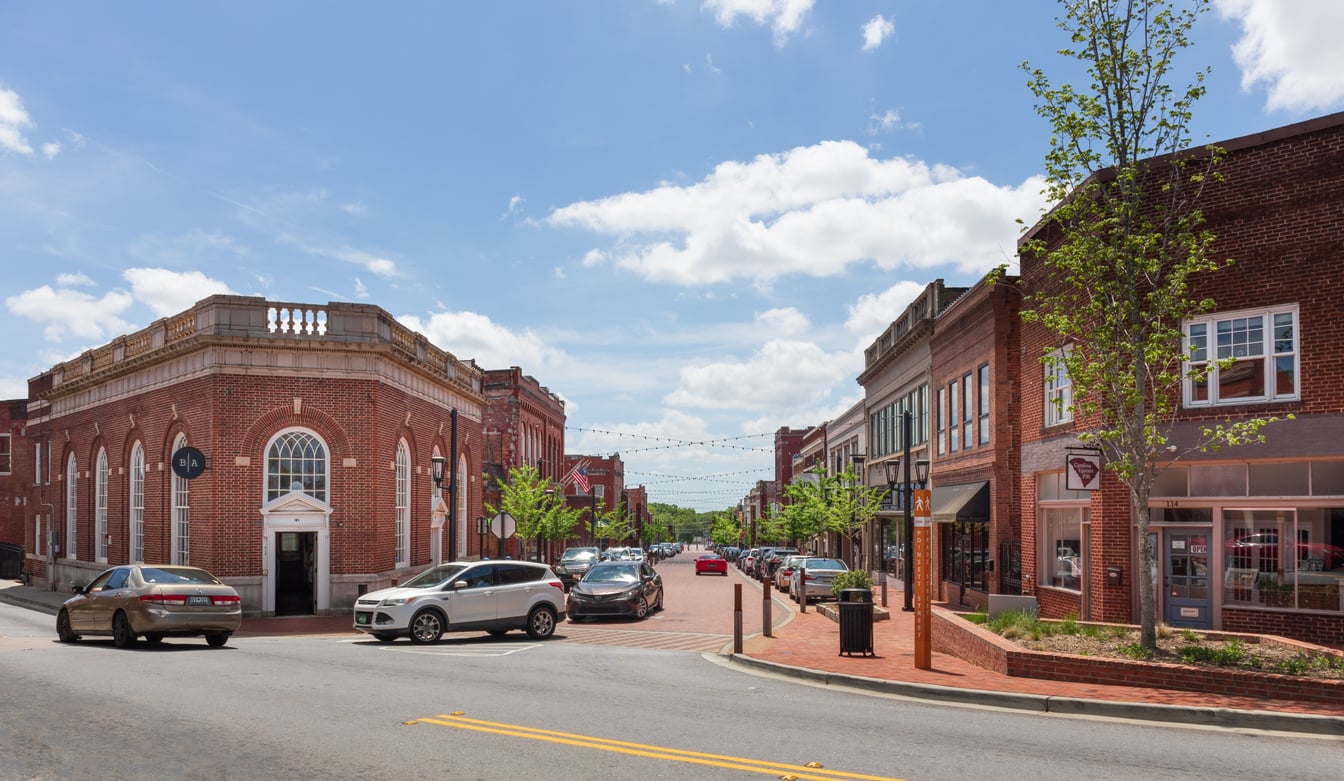
Greer manages to deliver a small-town-style downtown while sitting conveniently between Greenville and Spartanburg.
Its pedestrian-friendly center features restaurants, parks, community events, and a farmers market, while Greenville-Spartanburg International Airport makes travel relatively convenient. Larger-city healthcare, shopping, and cultural attractions are also within reach.
That combination can be attractive for retirees who want amenities without living in the middle of a larger city.
But there’s a reason so many people are moving to Upstate South Carolina. Rapid growth can mean more traffic and rising housing costs, so today’s bargain may not stay a bargain indefinitely.
Summers are humid, too, and anyone with seasonal allergies should know the region can experience substantial pollen.
Fredericksburg, Texas
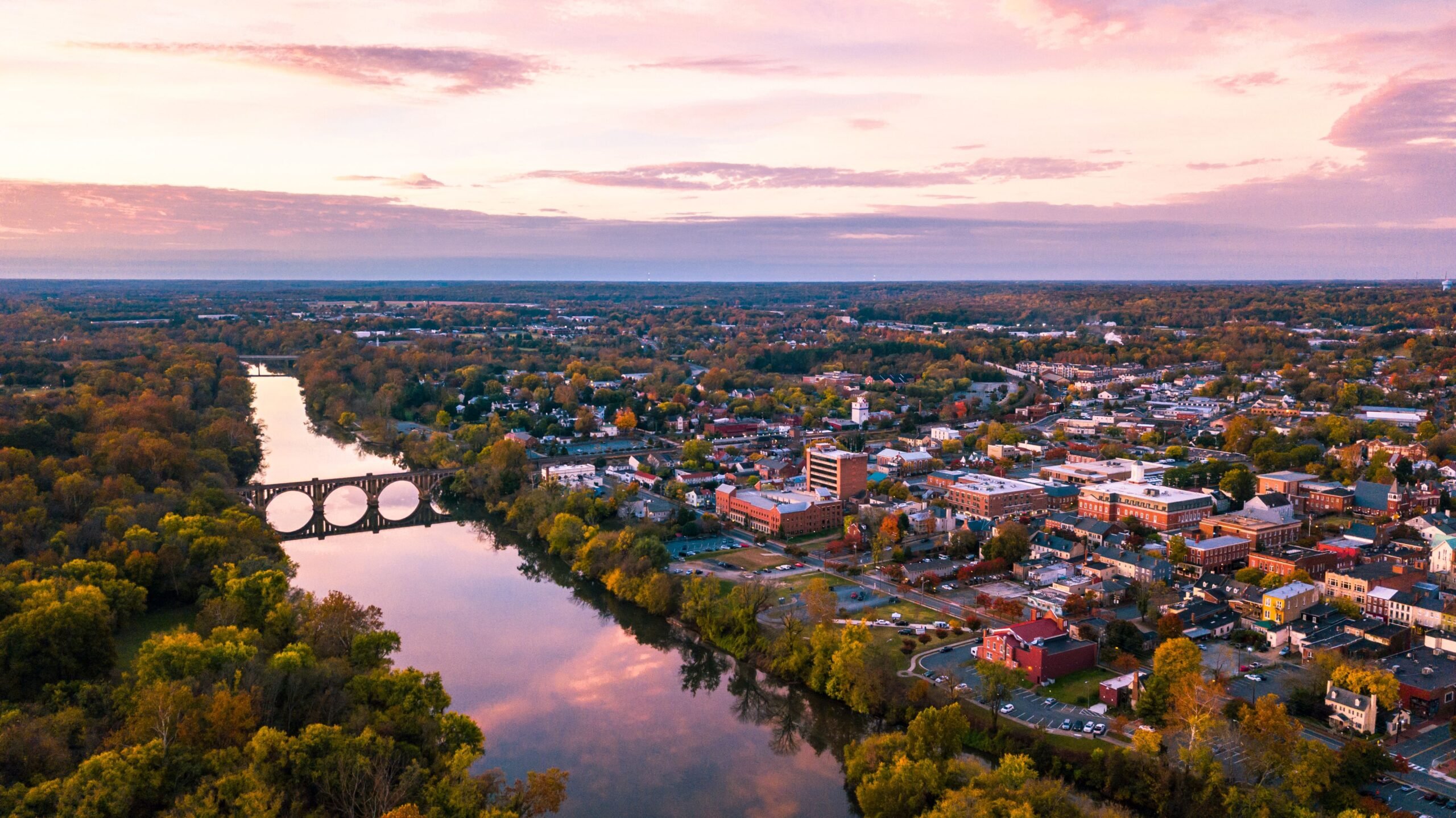
If your vision of retirement includes wineries, good food, historic architecture, and Texas Hill Country scenery, Fredericksburg is going to be difficult to ignore.
The town’s German heritage and walkable historic core give it considerably more character than the stereotypical retirement subdivision. It’s also roughly 90 minutes from Austin and San Antonio, putting major airports, hospitals, and big-city attractions within driving distance.
Unfortunately, you’re not the only person who has noticed Fredericksburg’s appeal.
Its popularity as a tourism and wine destination has pushed housing costs higher than in many small Texas towns. And while Texas doesn’t have an individual state income tax, property taxes can be substantial.
That makes Fredericksburg a good example of why retirees need to compare their total tax bill rather than focusing on a state’s income tax alone.
Johnstown, Pennsylvania
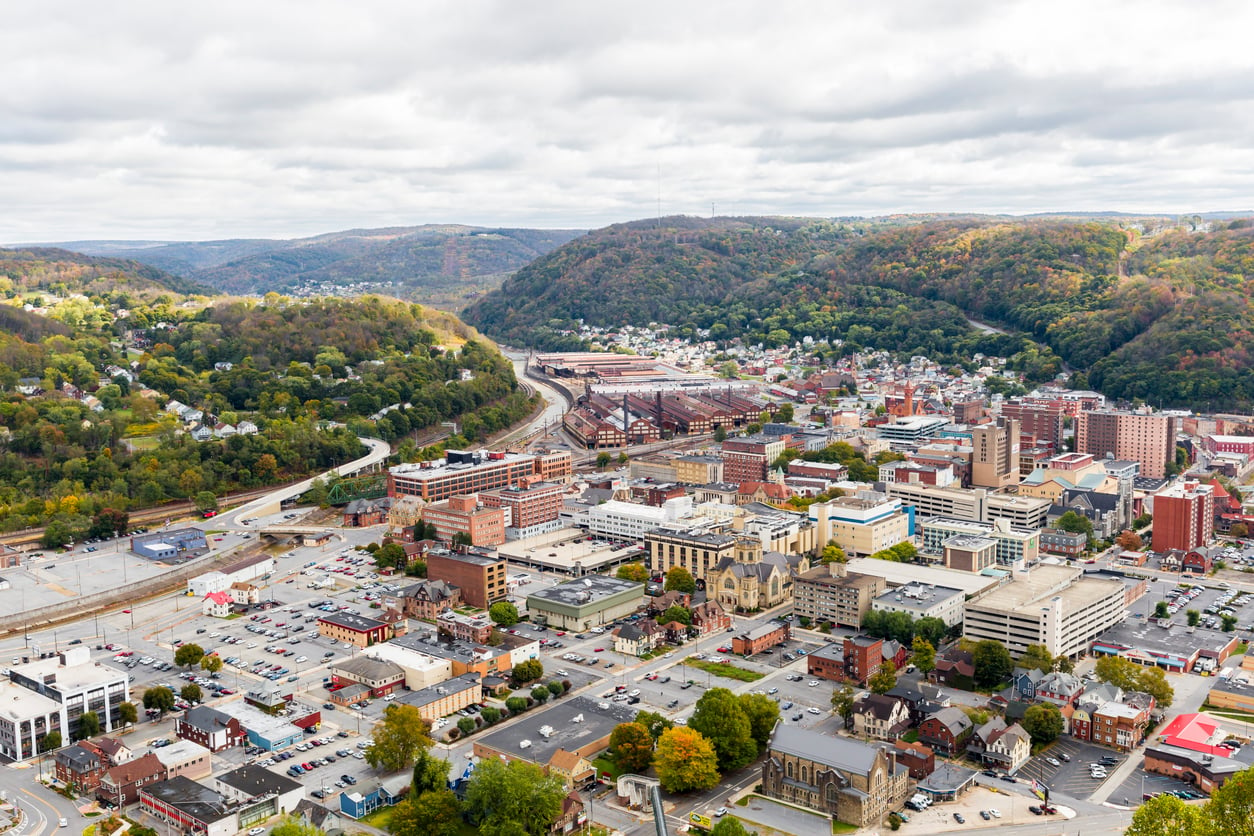
For retirees primarily concerned with stretching their savings, Johnstown’s affordable housing deserves attention.
The Pennsylvania community has appeared in recent research on notable small retirement destinations, with low housing costs among the big attractions. Its Allegheny setting also provides mountain scenery and outdoor recreation without the real estate premiums associated with better-known resort communities.
Pennsylvania’s treatment of many types of retirement income may add to the financial appeal.
Still, this is one place where neighborhood research is especially important. Economic decline has affected parts of the region, and older housing can bring maintenance and renovation costs that aren’t obvious from an enticing listing price.
Cold winters and heating expenses should also be factored into the budget, and buyers near waterways should investigate flood history before purchasing.
Niles, Michigan
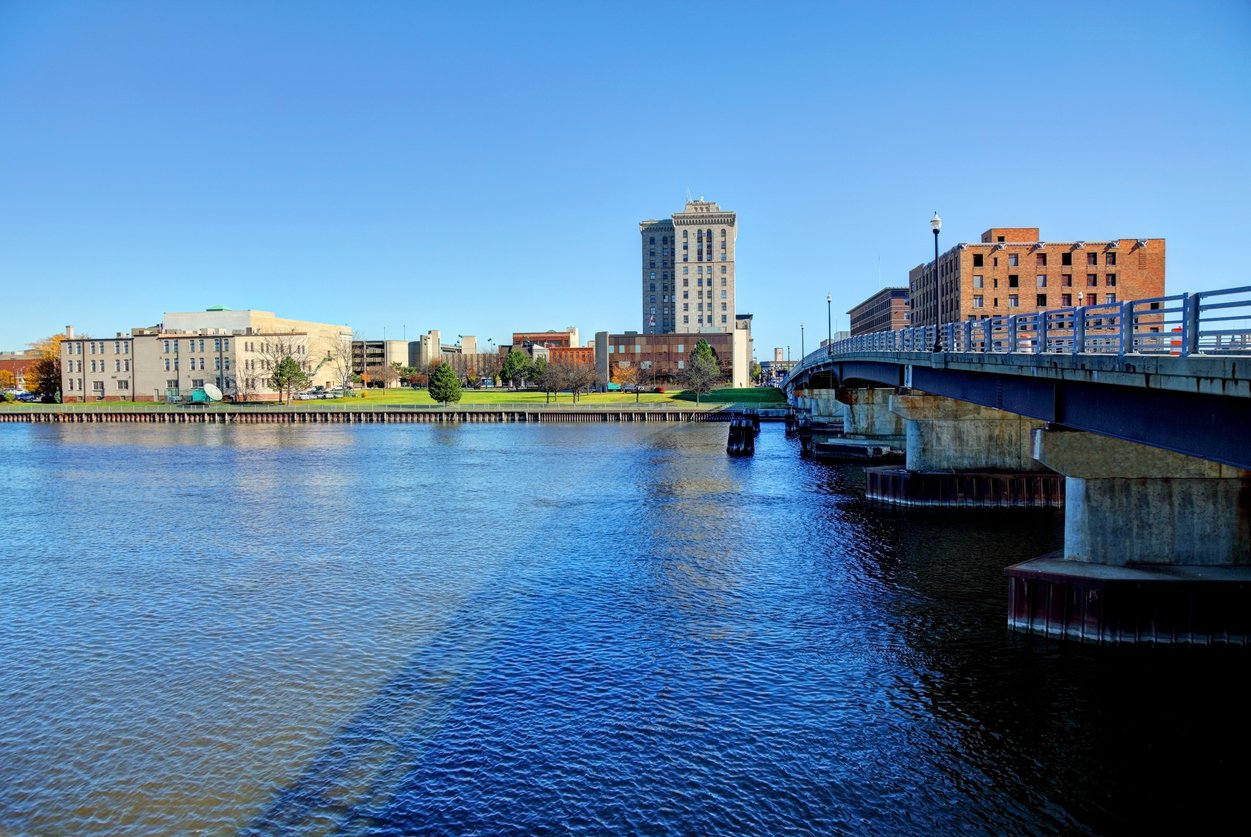
Niles offers history, affordability, and small-town living in southwest Michigan.
Known as Michigan’s oldest community, it has historic architecture, museums, and antique shops, along with the quieter pace some retirees are specifically seeking.
Its location also puts South Bend, Indiana, within reach, giving residents additional options for medical care, shopping, and transportation.
Winter is the obvious drawback. Lake-effect weather can bring snow and icy roads, and driving may be more important here than retirees accustomed to metropolitan public transportation expect.
Anyone considering Niles should also compare healthcare networks across the Michigan-Indiana border, particularly if they have insurance restrictions or regularly need specialist care.
Stroudsburg, Pennsylvania
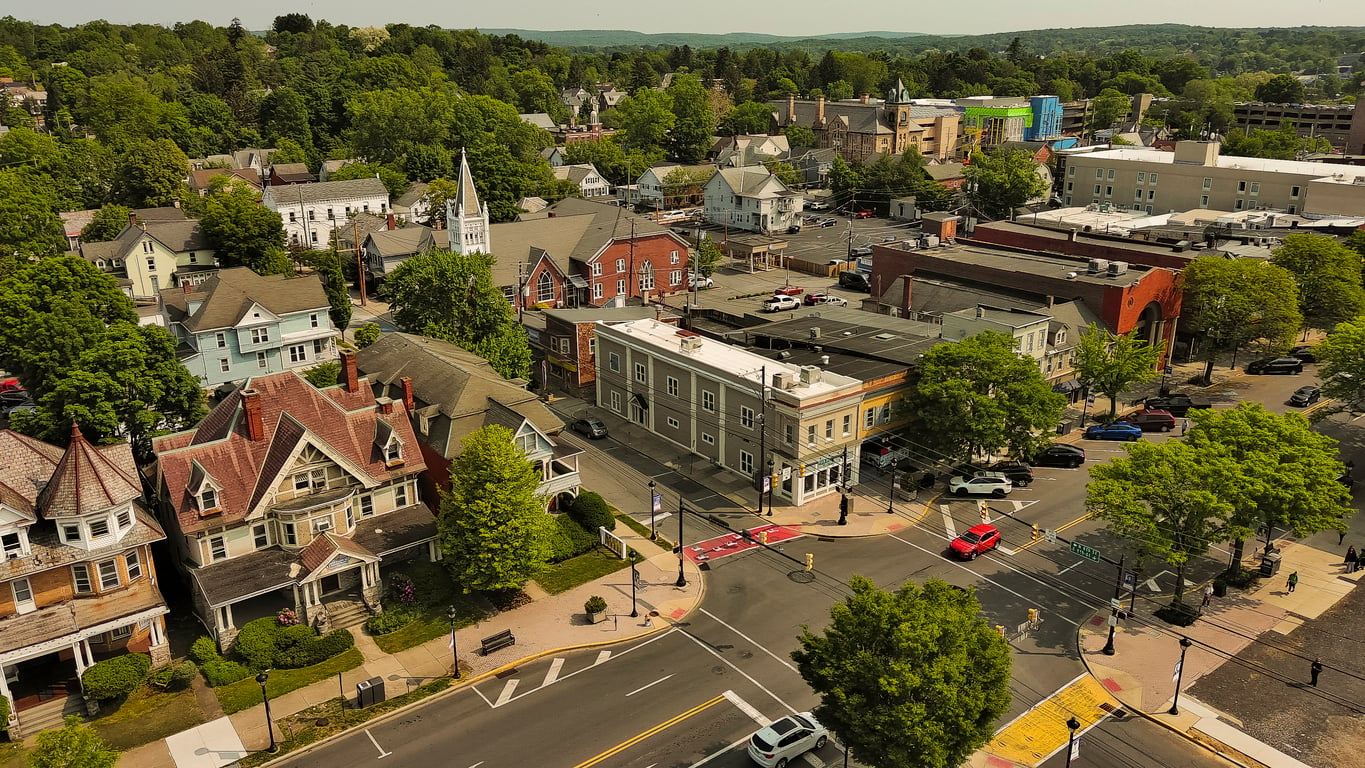
With fewer than 6,000 residents, Stroudsburg is genuinely small. Its downtown, however, packs in more activity than the population might suggest.
Restaurants, galleries, museums, shops, farmers markets, and historic buildings make the Pocono Mountains town attractive to retirees who don’t want their definition of “peace and quiet” to mean having nothing to do.
The surrounding Poconos offer plenty of outdoor recreation and may also make it easier to convince the kids and grandkids to visit.
Of course, tourists have discovered the Poconos, too. Weekend and holiday traffic can be frustrating, and homes near popular recreation areas may command a premium.
Winters are cold, and Pennsylvania property taxes can vary substantially, making the tax bill on a specific property worth checking before buying.
Mequon, Wisconsin
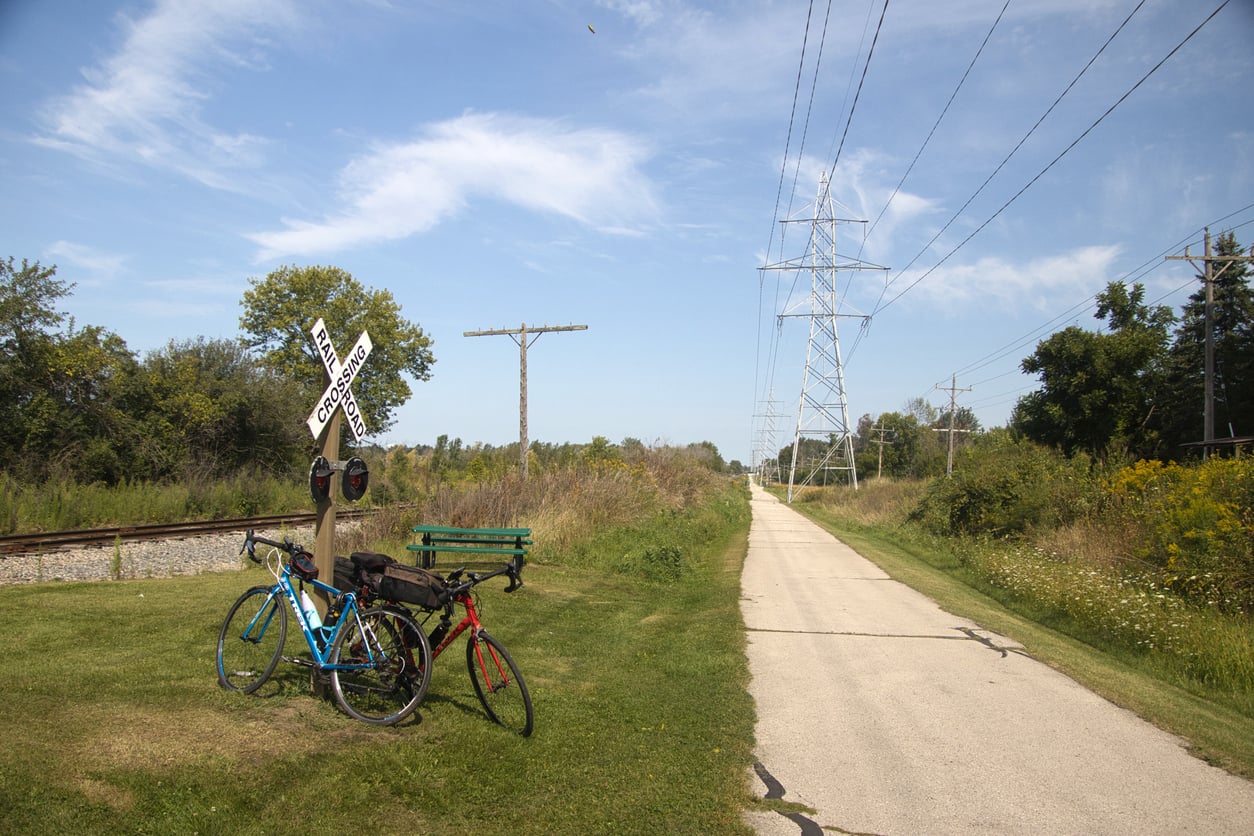
Mequon could appeal to retirees who like the resources of a major city — just not necessarily the idea of living in one.
Located about 15 miles north of Milwaukee, the community offers a quieter suburban and semi-rural environment while keeping big-city hospitals, restaurants, museums, entertainment, and an airport close by.
Residents also have access to 27 parks, nine golf courses, Lake Michigan, farmers markets, and community events.
There’s no pretending this is a warm-weather retirement destination. Wisconsin winters are serious, and anyone hoping to spend January in shorts should probably keep scrolling.
Property taxes can also eat into the affordability advantage of Midwestern housing. Retirees should compare actual annual tax bills, not just listing prices, when evaluating homes.
Cedar Key, Florida
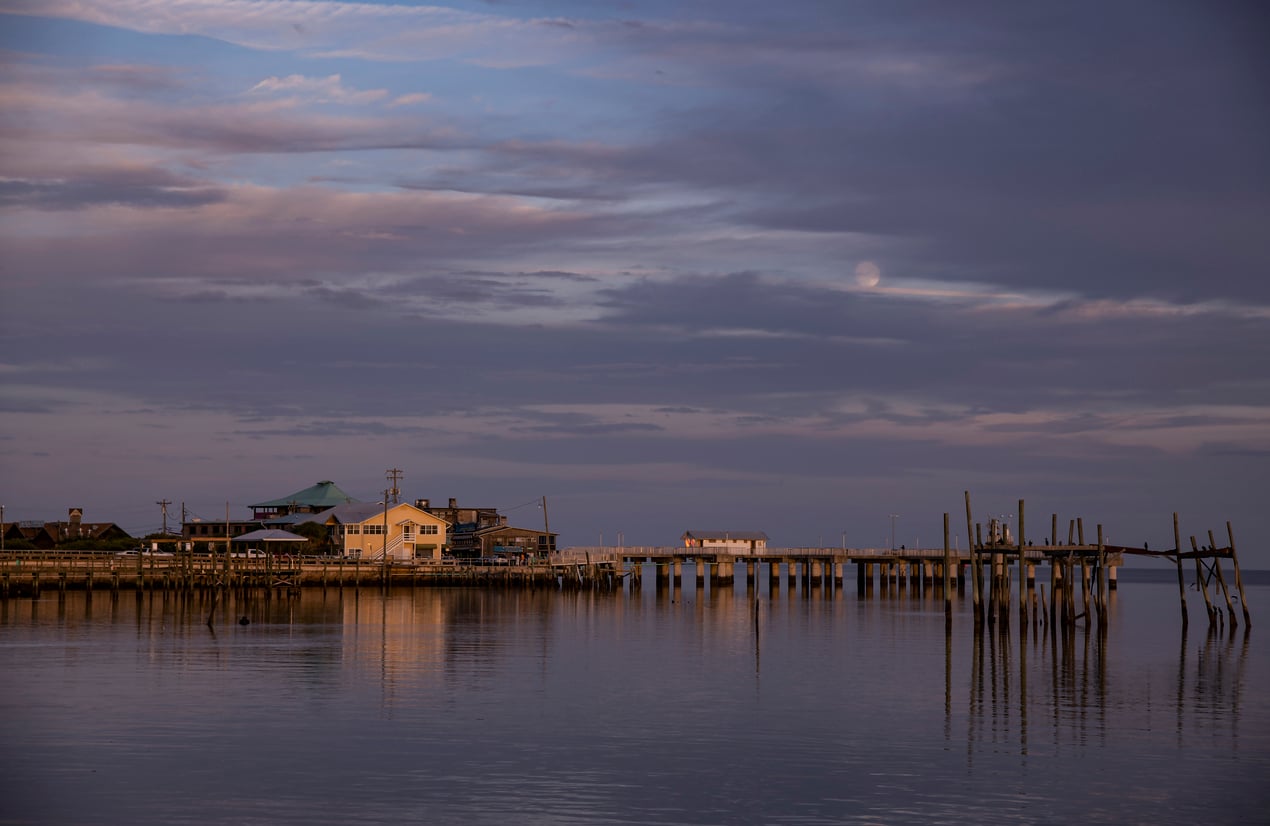
If retirement crowds are exactly what you’re trying to escape, Cedar Key may have your attention.
This tiny Gulf Coast community has fewer than 800 residents and offers wildlife, seafood, water views, and an exceptionally laid-back atmosphere. Florida’s lack of a state individual income tax adds another attraction.
But tiny really does mean tiny.
The isolation that makes Cedar Key so appealing can also mean fewer healthcare, shopping, and everyday service options. Gainesville may become an important destination for medical care.
Storm risk is even harder to overlook. Hurricanes and storm surge are serious safety and financial concerns on the Gulf Coast, so prospective homeowners should investigate flood zones, rebuilding conditions, and insurance costs before deciding that coastal living here is inexpensive.
Hamilton, Montana
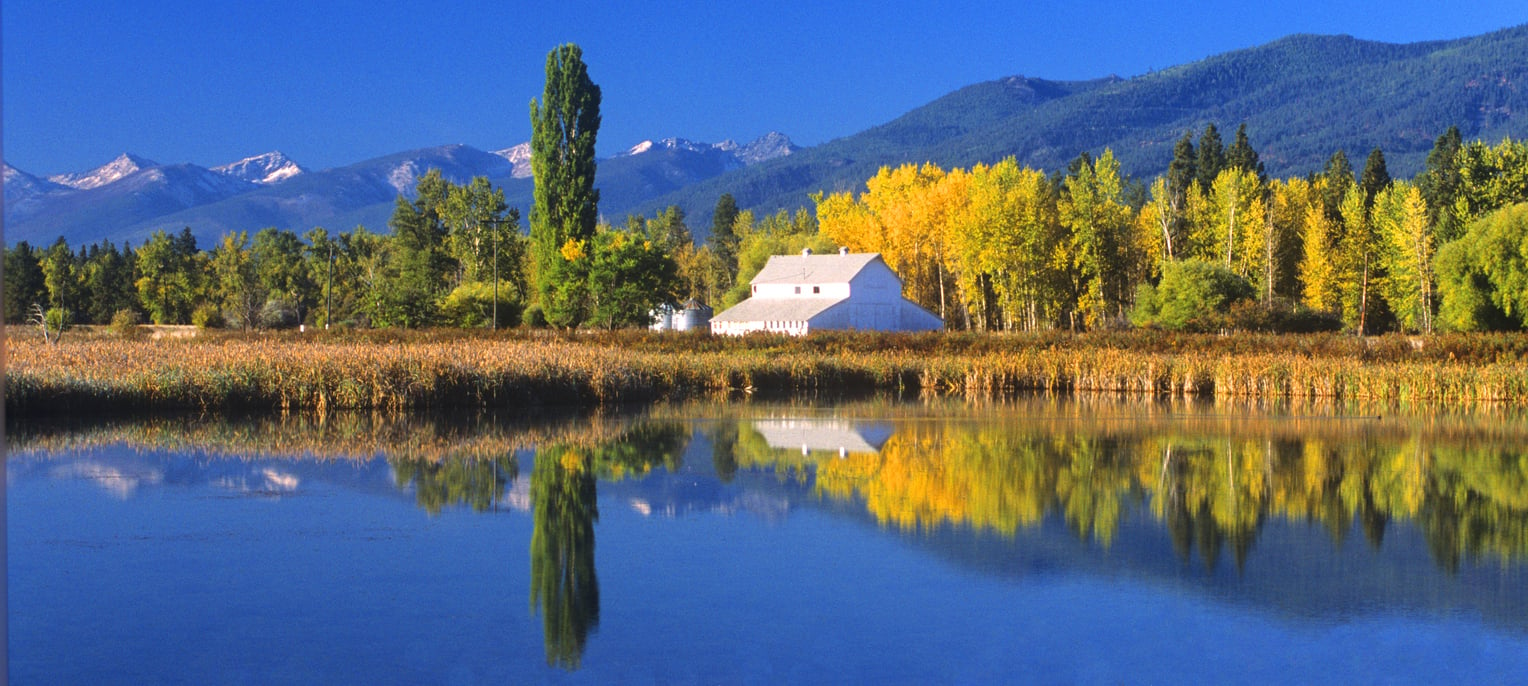
Not everyone dreams of retiring near an ocean. For retirees who would rather have mountains, rivers, and wide-open Western scenery, there’s Hamilton.
The roughly 5,500-person community sits in Montana’s Bitterroot Valley, giving residents access to fishing, hiking, farms, and mountain recreation. Its historic center and cultural attractions add some small-town activity, while Missoula is about an hour away.
That distance is worth considering carefully. Winter weather can complicate travel, and access to highly specialized medical care isn’t as convenient as it would be in a larger metropolitan area.
Housing in scenic parts of Western Montana has also become more expensive as retirees and remote workers have moved in.
Before buying, retirees should investigate wildfire smoke, winter road conditions, insurance availability, and the realistic travel time to emergency and specialist medical care.
How to Pick the Right Retirement Town for You

The biggest takeaway from the best retirement towns of 2026 might be that there’s no longer one standard retirement destination. Midland’s rise to the top of the U.S. News rankings shows how factors such as affordability, healthcare, recreation, and overall quality of life can compete with — and sometimes outweigh — warm weather.
Florida still has plenty to offer, but inexpensive-looking homes can become considerably less affordable once homeowners insurance, flood coverage, and storm risks enter the calculation. Midwestern and Appalachian communities may allow retirement savings to stretch further, but snow, heating costs, and access to specialized healthcare can be meaningful compromises.
Meanwhile, desirable coastal and tourist towns may provide the restaurants, recreation, and walkability retirees want while requiring a substantially bigger housing budget. Before making a permanent move, consider spending several weeks in your prospective retirement destination — preferably during its least appealing season. Then run the numbers on the things you’ll actually pay for: housing, property taxes, income taxes, healthcare, insurance, utilities, transportation, and everyday necessities.
After all, finding a house you can afford is only part of the equation. The better goal is finding a place where you can afford the life you actually want to live.