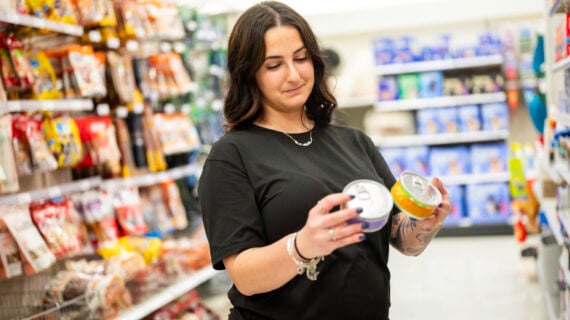
Certain foods had built a reputation as budget foods, inexpensive, easy to find, and very filling. However, these dishes have been affected by inflation, supply issues, premium marketing, and labor costs, pushing them into a different price bracket. According to data from the USDA’s Economic Research Service, food-at-home prices were 2.7% higher in July 2026 than a year earlier, and we’ll reveal which food prices have been impacted!
Ground Beef
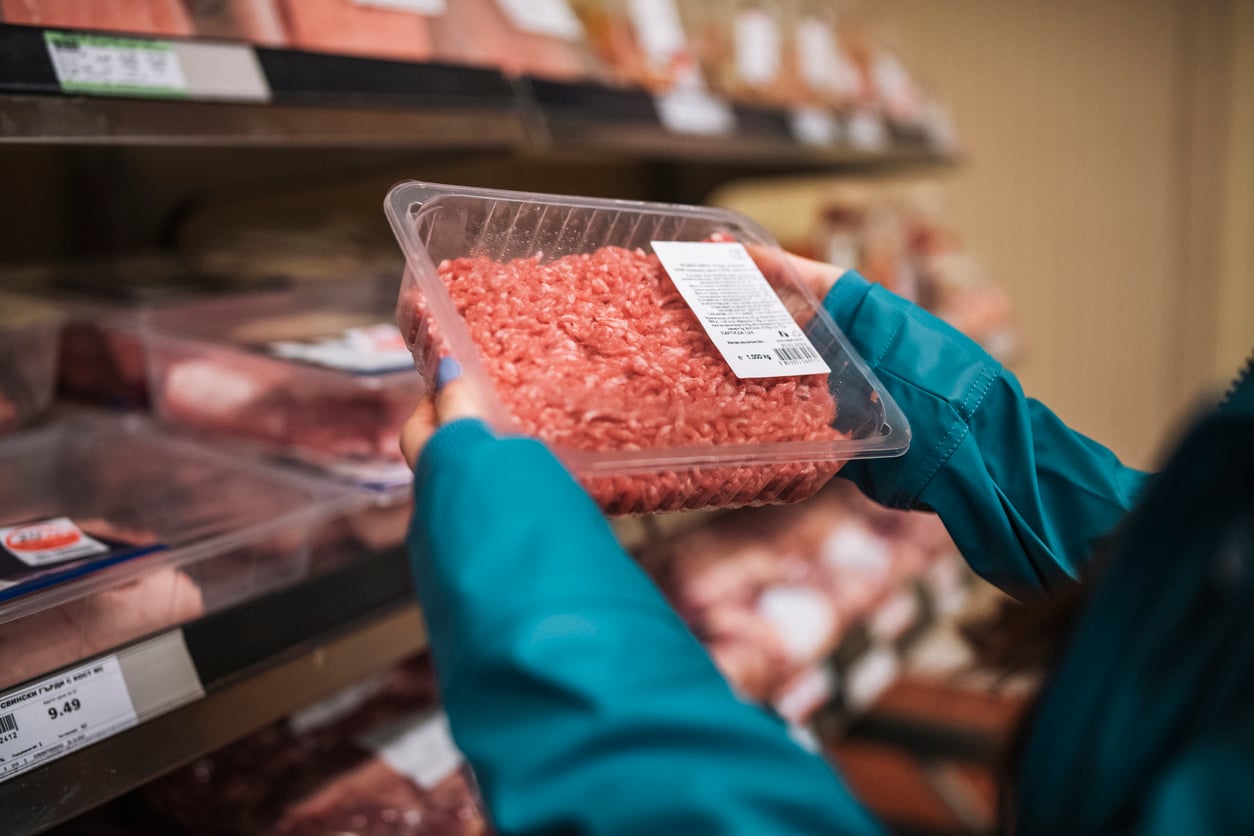
Ground beef used to be a very cheap staple, serving as an economical filler for burgers, meatloaf, tacos, and casseroles. However, the passage of time, the impact of inflation, and premium marketing have made even a simple beef burger feel expensive. The Economic Research Service noted that tight cattle supplies have driven up beef prices, citing a 9.4% increase in beef and veal prices as of July 2026 compared to the previous year.
Steak
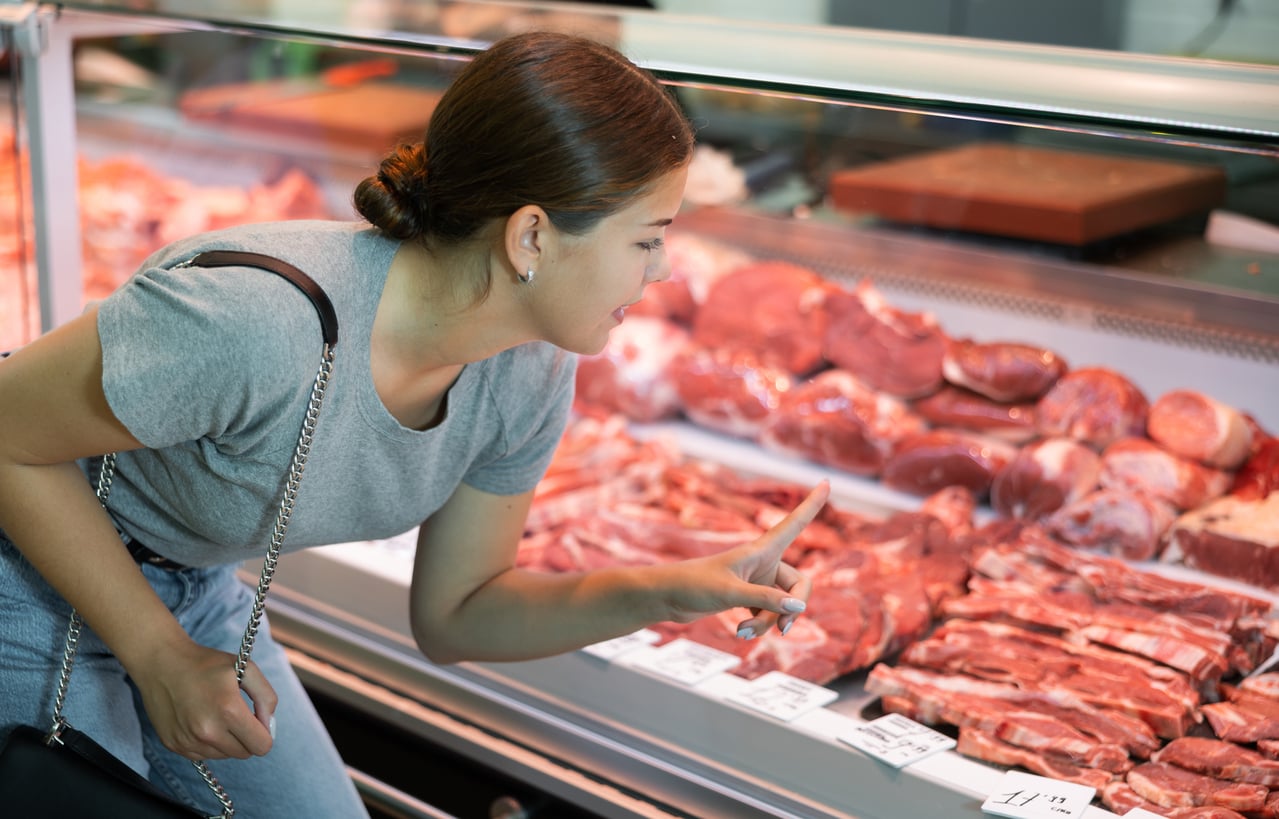
Steak used to be more affordable, especially cuts like sirloin and chuck steak, which were once accessible to the average middle-class family. However, the previously mentioned cattle supply issues have driven up production costs, according to the Economic Research Service. Consequently, steak is now more often reserved for special occasions because of its high price. Some people are now looking for cheaper alternatives such as chuck eye, flat iron and lesser-known cuts.
Eggs
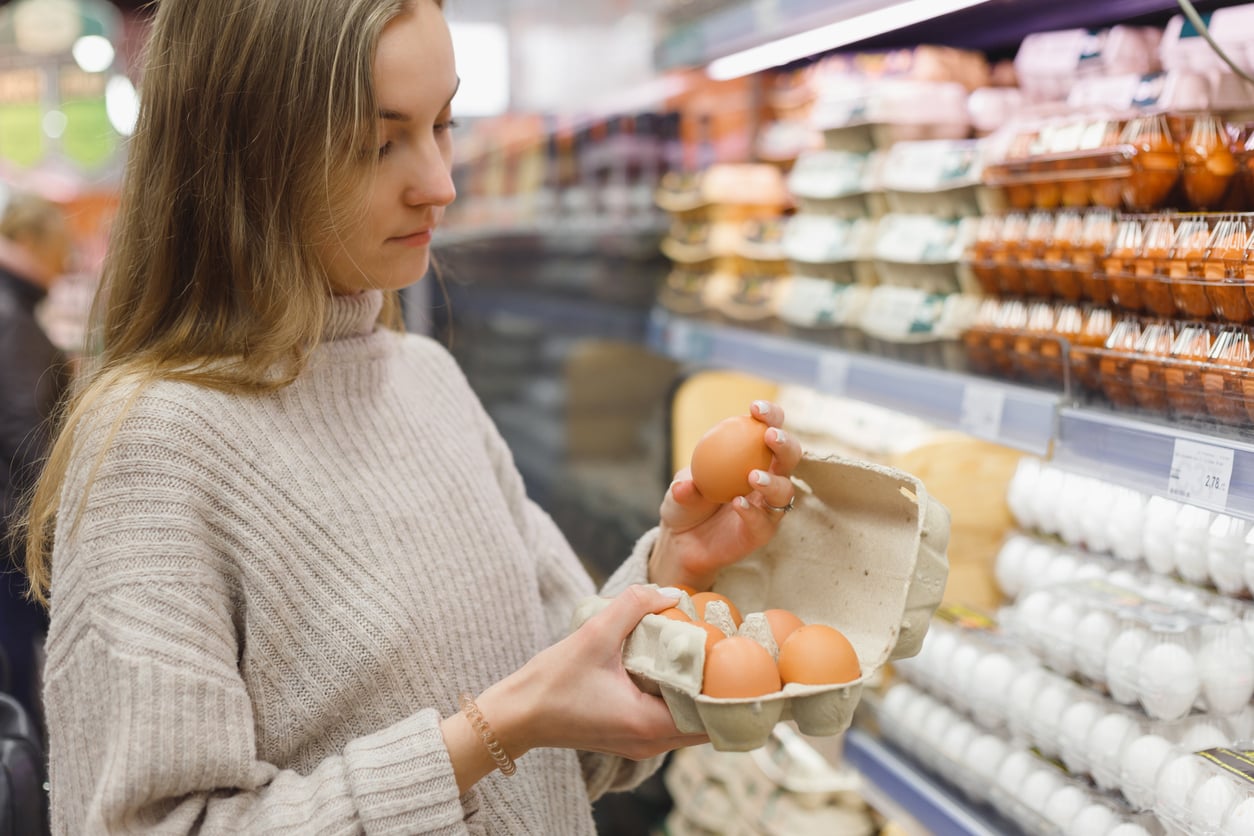
Because eggs could be used in meals such as breakfasts, baked goods, sandwiches, and quick dinners at a low cost, they were often the go-to choice for many people seeking budget foods. That changed when Avian influenza caused retail egg prices to surge by more than 21.9% in 2025, though they have since dropped slightly in 2026 as production recovers, according to the Economic Research Service.
Bacon
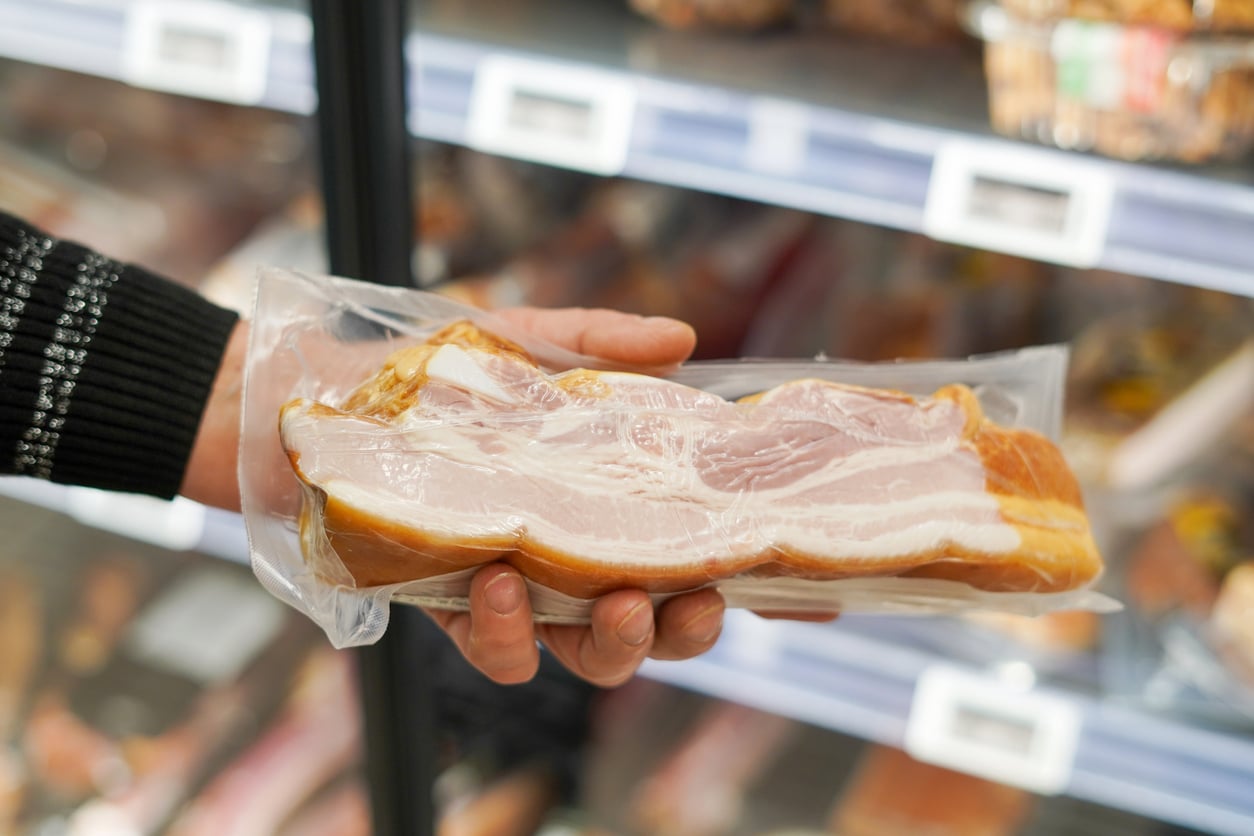
Until a few years ago, bacon wasn’t a food item that required careful purchasing due to its cost. However, rising expenses related to meat processing, labor, feed, and transportation have pushed bacon into a higher price bracket. Not only has the price of bacon gone up, but packages in stores have also shrunk in some cases, making it harder to find affordable budget foods.
Chicken Wings
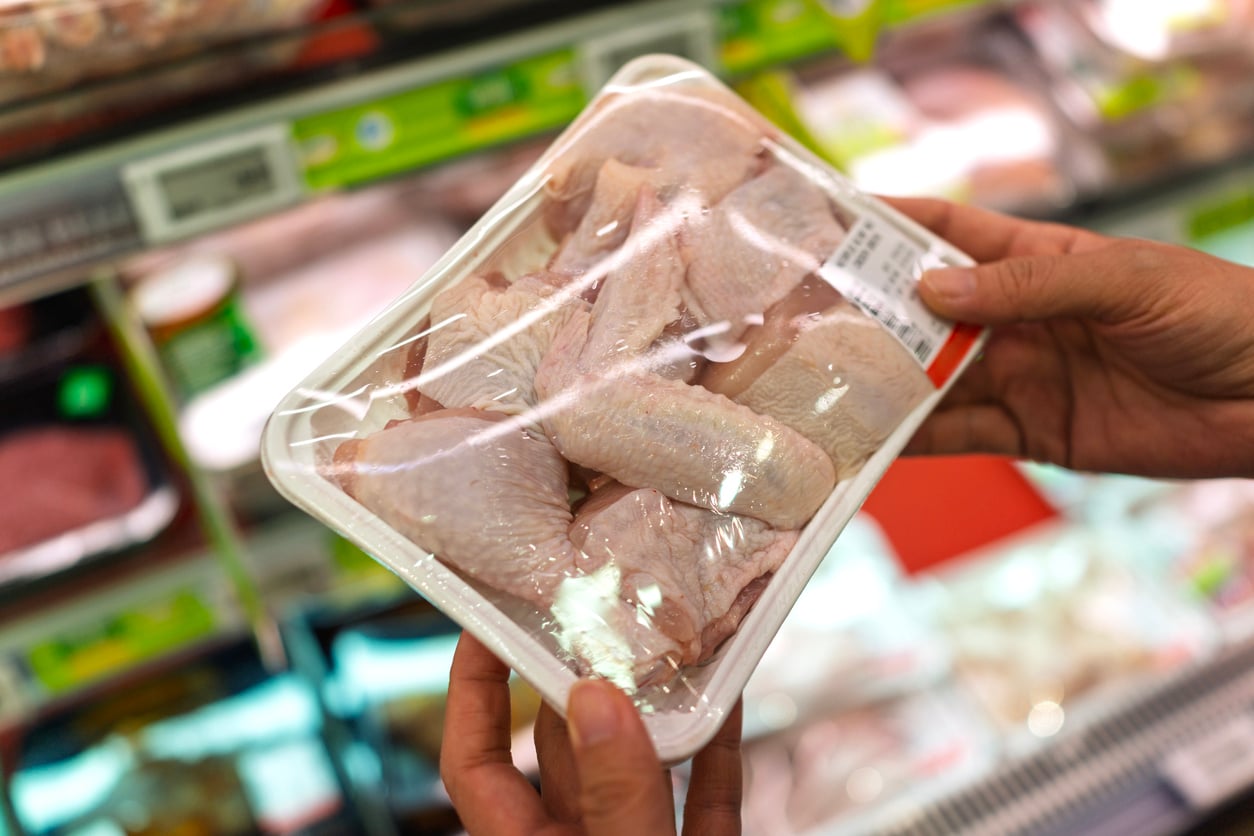
Chicken wings used to be sold separately from the rest of the chicken because they were a lower-cost item. However, shifts in consumption patterns and rising demand drove up their price. Sports bars, wing chains, and takeout outlets helped transform this cut into a more desirable option. Due to this price increase, consumers have changed their habits and often opt for whole wings or drumsticks instead, keeping an eye on budget foods.
Trending on Cheapism


Oxtail
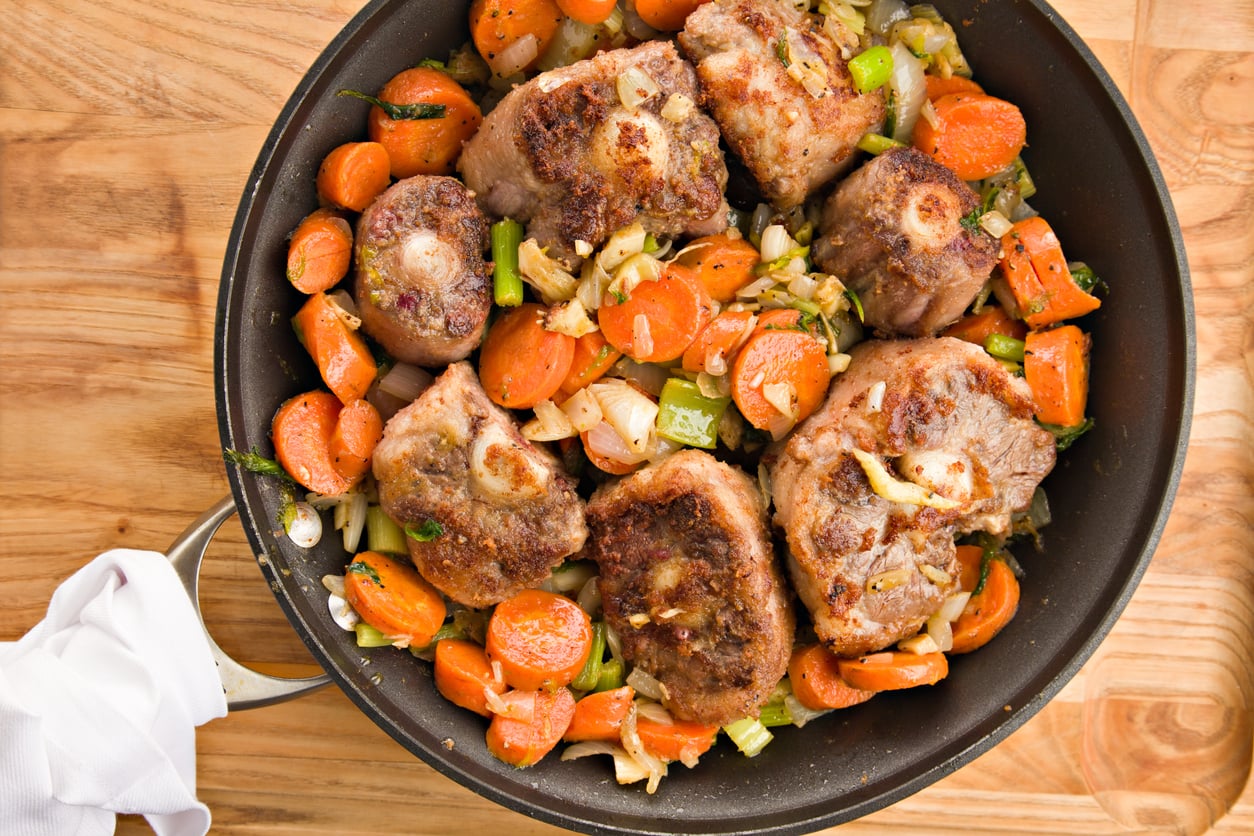
Oxtail was included in many dishes across Caribbean, African, Asian, and Southern U.S. cuisines because it was an inexpensive cut. As it became a mainstream favorite, the supply chain was affected, since each animal yields only one tail, demand outstripped supply, driving up the price. Nowadays, oxtail is treated as a premium meat, with beef shank serving as an alternative in some recipes. For shoppers seeking budget foods, beef shank can be a more practical option.
Short Ribs
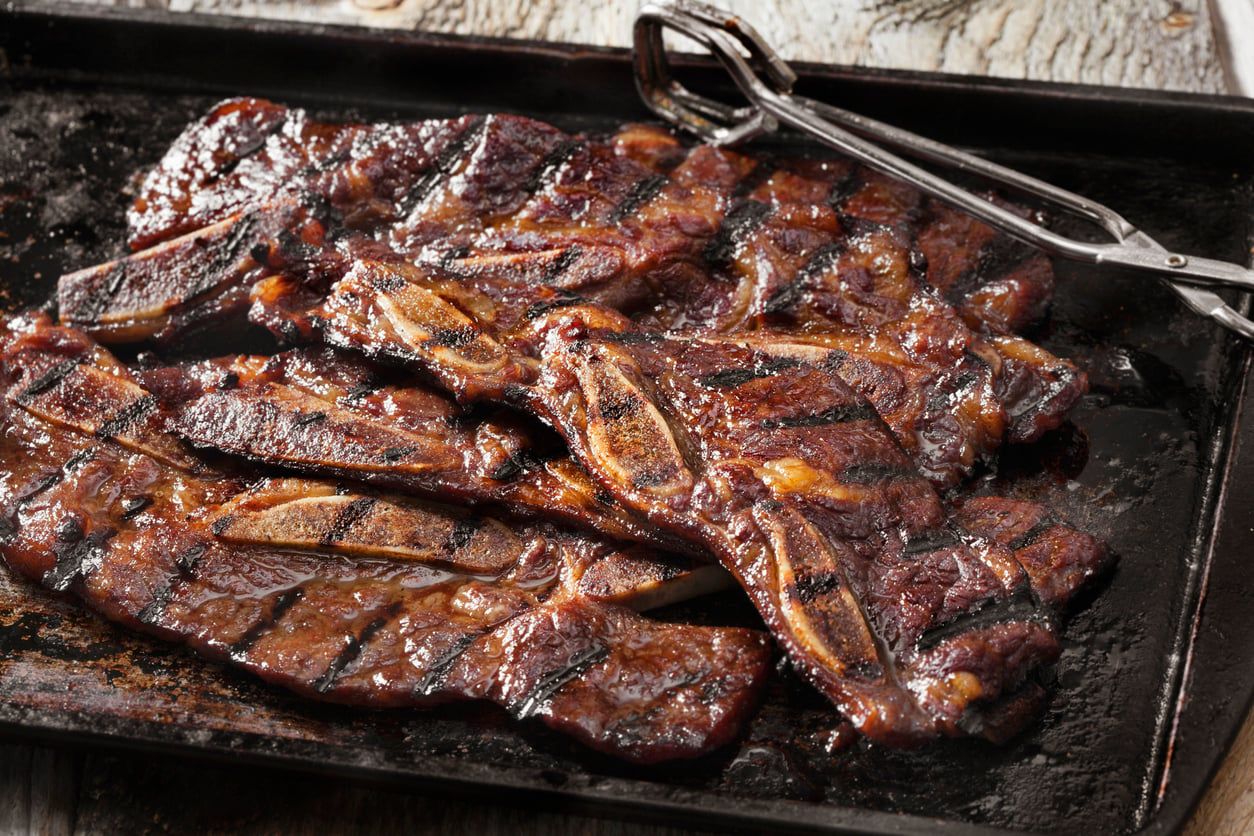
Not so many years ago, short ribs were considered a tougher, less prestigious cut compared to those used for long braises. In fact, they were often used to stretch a budget. However, as short ribs began appearing on restaurant menus and in home kitchens, demand drove up their price. According to the Economic Research Service, upward pressure on beef prices in 2026 has further widened the gap, ensuring they are no longer an obvious choice among budget foods.
Canned Tuna
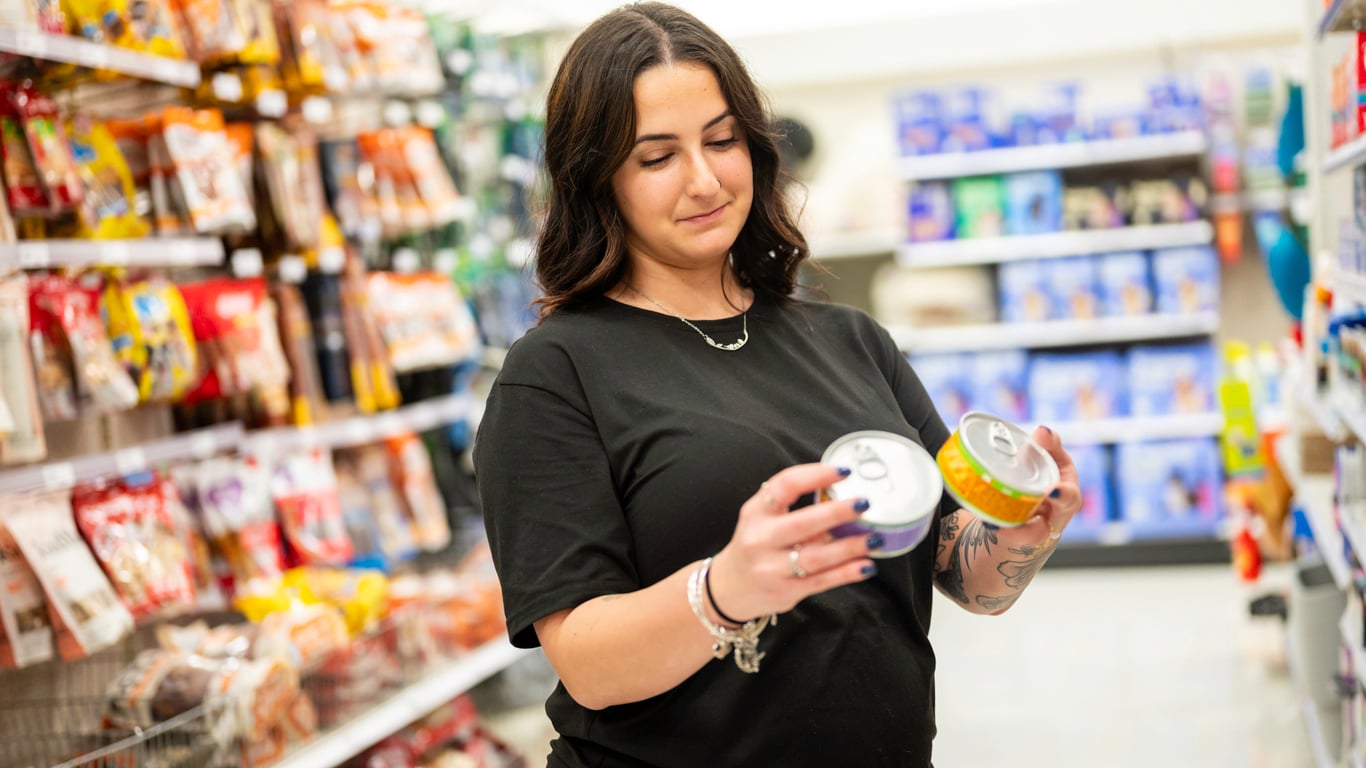
For years, canned tuna was a staple of classic budget foods, ranging from tuna sandwiches to casseroles. However, that reputation as a bargain food is a thing of the past, as rising seafood prices, fishing costs, processing expenses, and the emergence of premium varieties have driven up its cost. According to the Economic Research Service, fish and seafood prices are forecast to increase faster than their 20-year historical average in 2026.
Sign up for our newsletter
Sardines

Sardines are a source of protein. When they were affordably priced, these small canned fish provided this nutrient to many generations and were popular budget foods. However, a turning point occurred when the sardines became trendy, with premium imported tins selling for several dollars a piece. Consequently, these tinned fish now command prices similar to those of wine or charcuterie, far higher than in the past. An alternative to this price hike is to buy basic supermarket brands, which are less expensive than specialty tins.
Coffee

Having a cup of coffee used to be an inexpensive part of many people’s daily routine, making it one of their everyday budget foods and drinks. The turning point came when factors such as weather, crop issues, global commodity prices, and processing costs put upward pressure on coffee prices. The Economic Research Service forecasts that sugar and sweet prices will rise by 7.1% in 2026, while BLS data showed that candy and chewing gum prices were 8.1% higher in August 2026 than a year earlier.
Chocolate

The Economic Research Service has reported that sugar and sweetener prices rose by 7.1% in 2026, while the price of candy and chewing gum increased by 8.1% compared to the previous August. Consequently, candy bars and baking chocolate, items that used to be inexpensive purchases, have now become quite costly. Factors driving this price surge included cocoa supply issues and higher ingredient costs, making some budget foods more expensive.
Peanut Butter
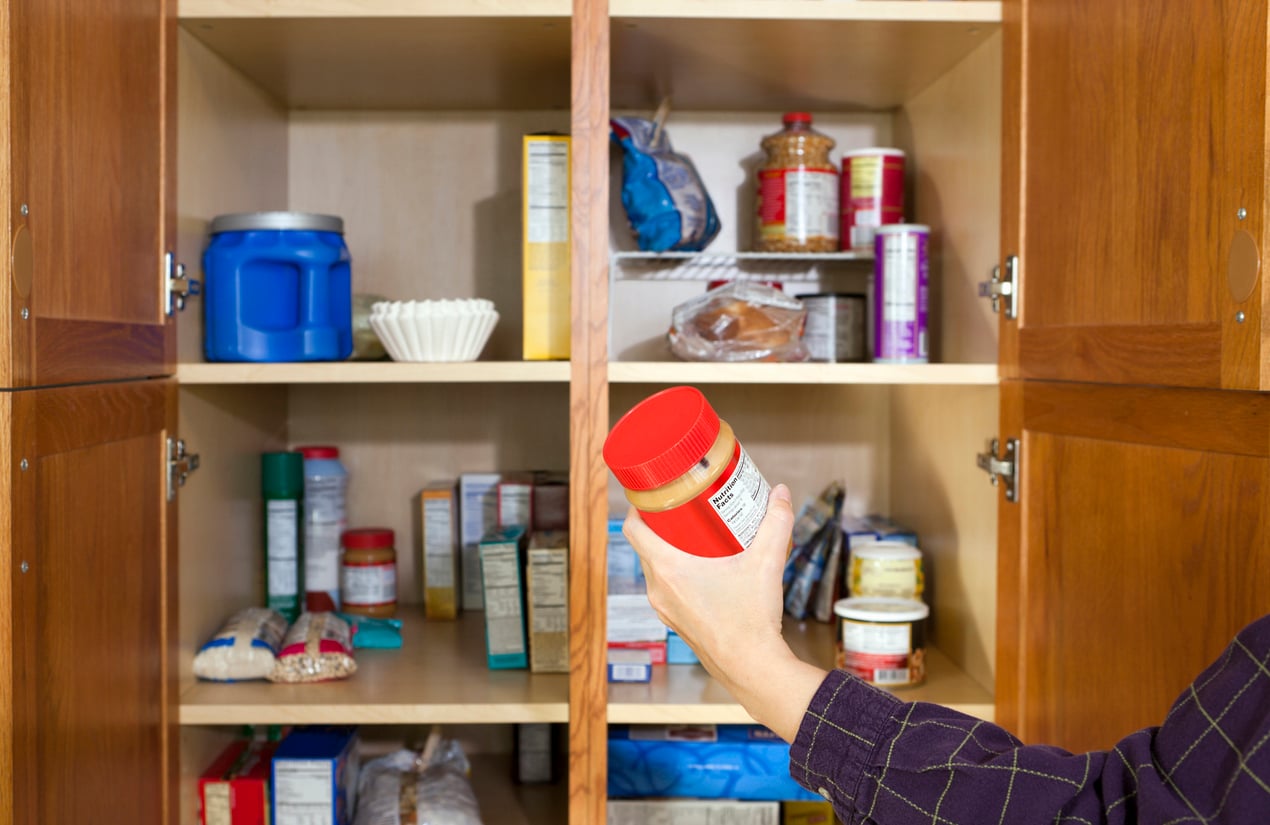
Another food item that is no longer cheap is peanut butter, even though, until recently, a peanut butter sandwich was synonymous with an inexpensive meal and a reliable choice among budget foods. The Bureau of Labor Statistics reported that peanut butter prices were 4.7% higher in August than a year earlier, driven by the costs of ingredients, packaging, transportation, and processing.
Potatoes
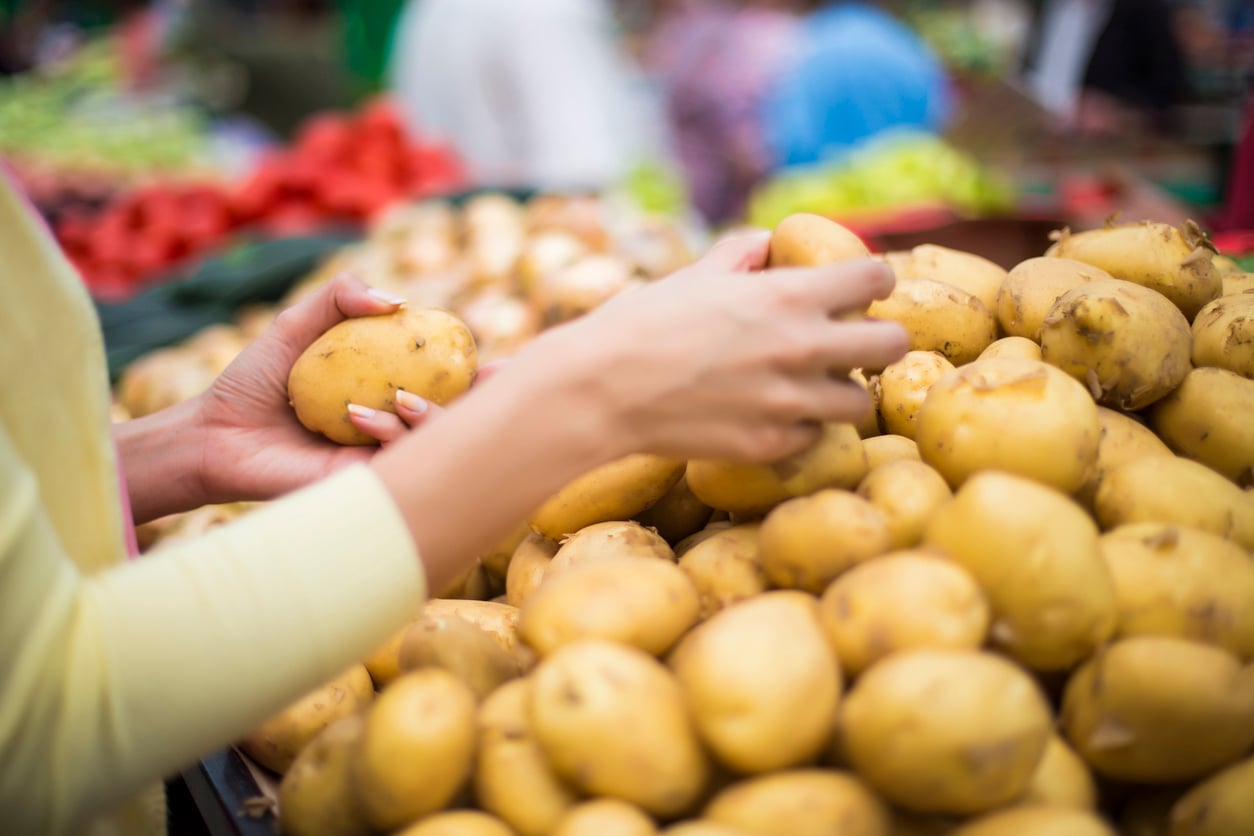
Potatoes used to be a budget-friendly food because they could feed a family for a small investment and be used in dozens of meals. What has changed is that the price of fresh vegetables has been affected by inflation, specifically, a 3.4% increase in the price of potatoes in July 2026. Many people now look for alternatives like large bags of rustic Russet potatoes to get the best value from their budget foods.
Tomatoes
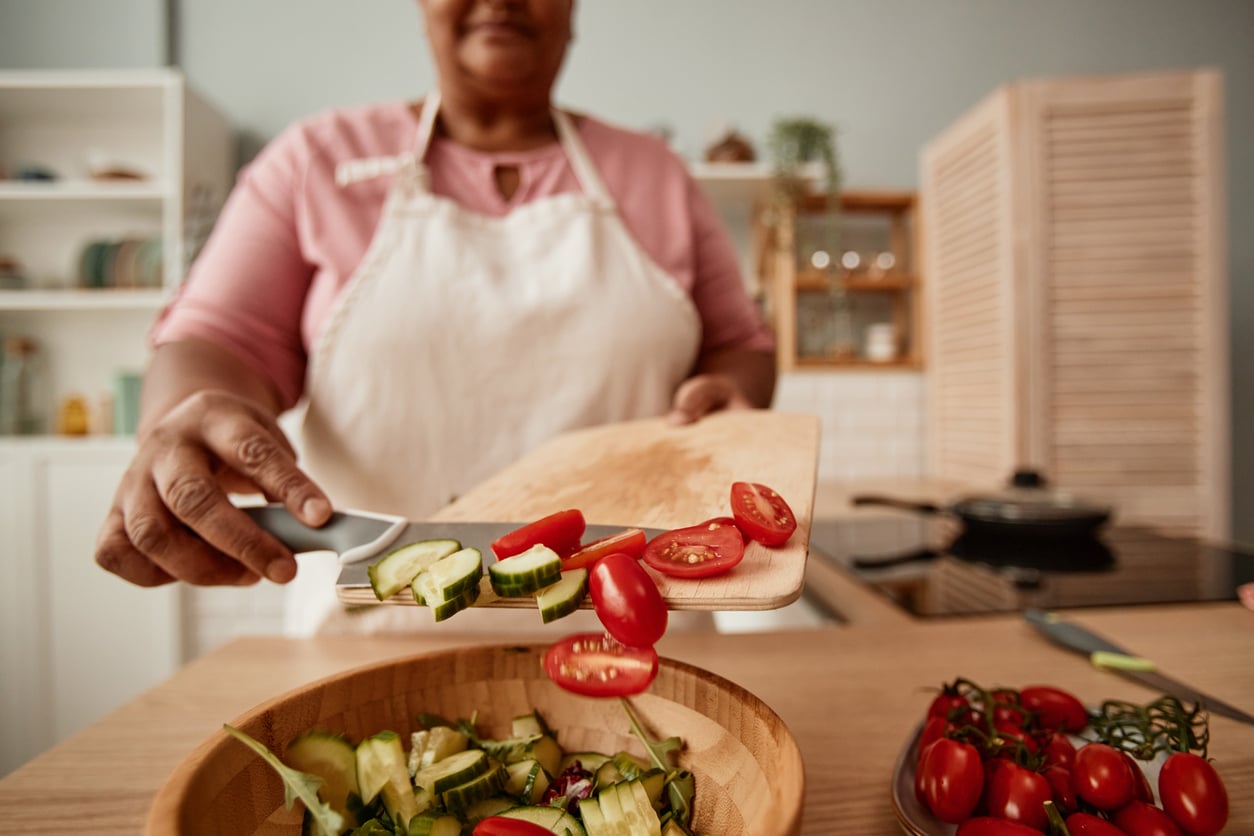
Tomatoes are a staple ingredient for salads, sandwiches, and many other dishes. However, buying tomatoes these days can drive up your grocery bill more than you might expect. The Economic Research Service noted a 12.8% price jump for tomatoes in July 2026, with weather and agricultural supply factors driving the cost fluctuation. Many people opt for canned tomatoes as a cheaper substitute when choosing budget foods.
Ice Cream

A carton of ice cream used to be a go-to dessert for many people, and it was far cheaper than ordering a single serving of dessert for home delivery. However, that affordable option has become a thing of the past, as the costs of dairy, chocolate, nuts, packaging, and transportation have driven up the final price of ice cream. You should compare the price per ounce rather than assuming all containers hold the same amount when shopping for budget foods.
Deli Sandwiches

When people wanted an inexpensive lunch, they could opt for a basic ham, turkey, or bologna sandwich. However, the cost of meat, cheese, and bread, combined with rising labor, rent, and restaurant operating costs, has driven up the price of many deli sandwiches. The Economic Research Service reported that prices for food away from home were 3.4% higher in July 2026 compared to the previous year, making these meals less attractive as budget foods.
Conclusion

The foods that can have the greatest impact on household budgets are not necessarily luxury items, but staples that were once considered budget foods, such as the tuna, eggs, coffee, and potatoes we mentioned. This differs from foods like oxtail, sardines, chicken wings, and short ribs, which saw price hikes driven by trends and might drop in cost in the future. However, one needs to carefully consider food expenses, because what used to be cheap no longer is.