
Retirement changes more than your daily schedule. It can also change how much you need to spend on some of the bills you’ve been paying for years. Once the daily commute disappears, the kids have moved out, or your household settles into a different routine, the plans and policies that once made sense may no longer be the best fit.
The problem is that recurring bills are easy to ignore. Auto insurance renews, streaming subscriptions stay active, and internet or cellphone plans remain on autopay even as prices creep up. Meanwhile, discounts, lower-cost plans, and assistance programs may be available to retirees who know where to look.
Not every retiree will qualify for every discount, and savings vary considerably by provider and location. But these 12 everyday bills are worth reviewing to see whether you’re paying more than you need to.
Auto Insurance

Retirement could be a good time to call your auto insurer, especially if you’re no longer driving to work every day. Fewer miles behind the wheel may qualify you for a low-mileage discount or a different usage classification. Some insurers also offer mature-driver discounts or savings for completing an approved defensive-driving course. Update your estimated annual mileage, ask about every discount available to you, and compare quotes from competing insurers rather than automatically renewing the same policy year after year.
Cellphone Service

That unlimited data plan may have made sense when you were commuting, traveling for work, or constantly using your phone away from Wi-Fi. In retirement, your actual data usage could look very different. Check a few months of bills to see how much data you really use, then compare cheaper plans, including any options specifically marketed to older customers. Don’t forget to look beyond the advertised plan price: Device payments, phone insurance, premium data, and other add-ons can make up a surprising portion of the monthly bill.
Internet Service

If fewer people live at home now, you might not need the same internet package you once did. A household that previously had several people gaming, working remotely, streaming, and video calling simultaneously may be able to drop to a less expensive speed tier without noticing much difference. Check what you’re currently paying for, compare plans from other providers in your area, and contact your existing company to ask about cheaper options. It’s especially worth making that call if an introductory rate recently expired and your monthly bill jumped.
Cable and Streaming

Streaming was supposed to make entertainment cheaper, but keeping cable alongside Netflix, Hulu, Disney+, Max, and several other services can quickly turn into a sizable monthly expense. Go through your subscriptions and check what you’ve actually watched during the past month or two. Canceling rarely used services is an easy place to start. You can also rotate subscriptions throughout the year, paying for one or two services at a time instead of maintaining every membership indefinitely.
Electricity
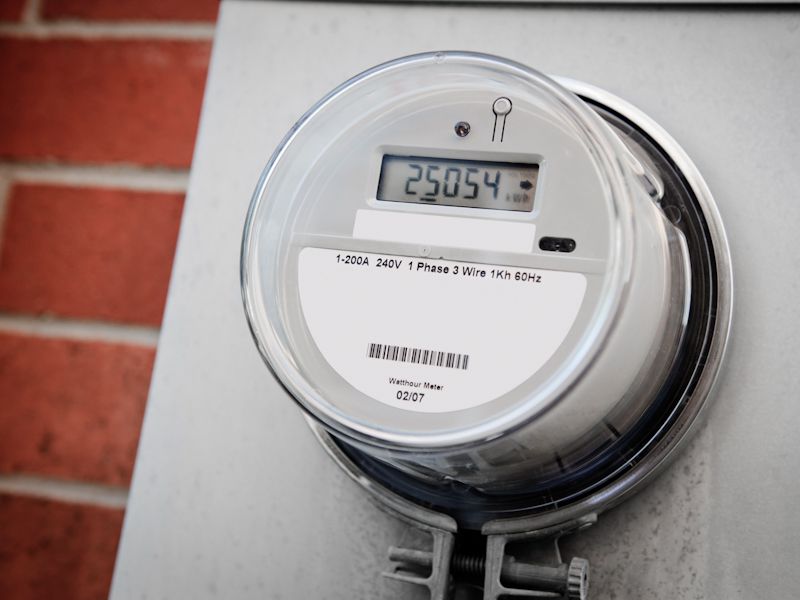
Your electric bill won’t necessarily drop just because you’ve retired — especially if you’re spending more hours at home — but there may be new ways to manage it. Depending on where you live, utilities may offer time-of-use rates, budget billing, energy audits, or assistance programs for qualifying households. Retirees with flexible schedules may also be able to run dishwashers, washing machines, and other appliances during cheaper off-peak periods. Smaller changes such as switching to LEDs, sealing drafts, adjusting the thermostat, and unplugging unused equipment can help trim usage without requiring a major home renovation.
Trending on Cheapism


Heating and Natural Gas
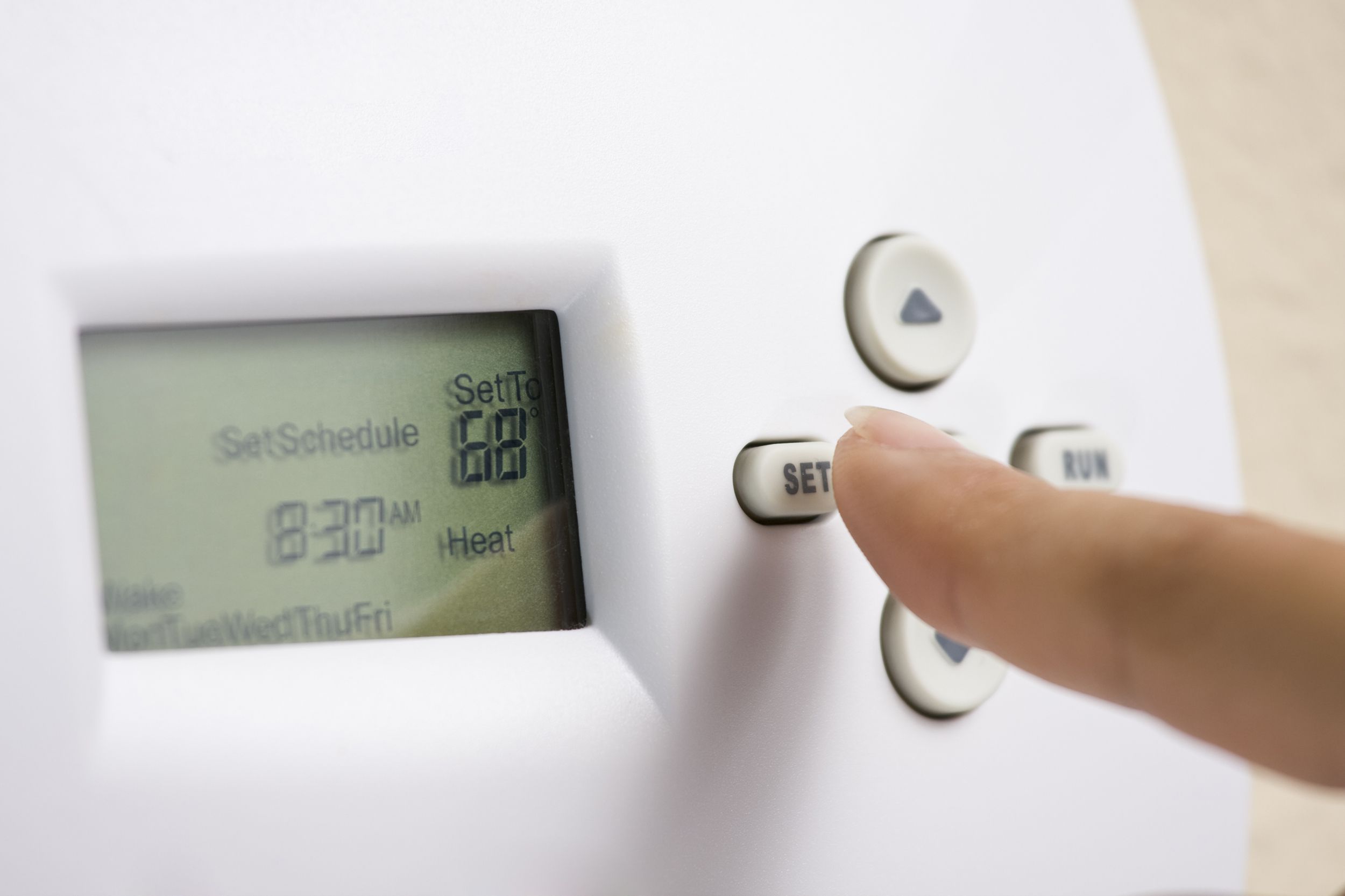
Spending more time at home can mean running the heat more often, making energy efficiency especially important in retirement. Before replacing an expensive furnace or other major equipment, consider getting a home-energy assessment. Poorly sealed windows and doors, insufficient attic insulation, and leaky ductwork can all make a home more expensive to heat. Some utility companies and local programs also offer rebates or subsidized efficiency improvements, so check what’s available before paying the entire cost yourself.
Water and Sewer

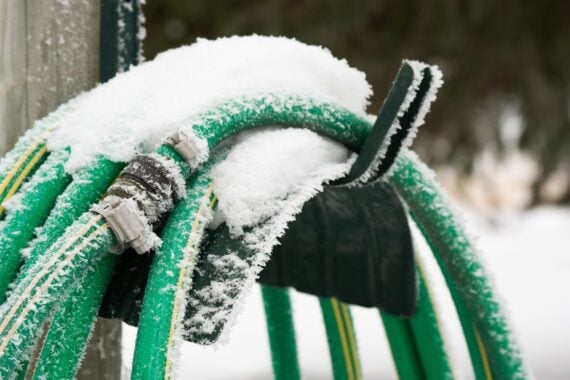
Water and sewer bills are another place where your location can make a big difference. Some municipalities offer senior, low-income, or hardship discounts, but residents may have to apply rather than receiving them automatically. Household water use may also decline once children move out. If your bill seems unusually high, don’t assume your rates simply increased. A running toilet, dripping fixture, or hidden leak can waste a surprising amount of water and may be relatively inexpensive to repair.
Property Taxes

Property taxes can consume a substantial chunk of a retiree’s housing budget, but qualifying older homeowners may have access to exemptions, credits, freezes, rebates, or deferral programs. The rules vary widely depending on the state and municipality, and programs often have requirements involving age, income, residency, or how long you’ve owned the home. Contact your local tax assessor or relevant government office to find out what’s available. Don’t assume an age-based benefit will automatically appear on your bill, as many programs require homeowners to submit an application by a specific deadline.
Sign up for our newsletter
Homeowners Insurance

Sticking with the same homeowners insurer for years might be convenient, but convenience doesn’t always result in the lowest premium. Retirement is a good excuse to shop around and compare prices for equivalent coverage. You may also qualify for discounts after installing a security system, replacing an old roof, updating electrical systems, or bundling home and auto policies. Just be careful when comparing quotes: A dramatically cheaper premium isn’t much of a bargain if it comes with significantly less coverage or a deductible you couldn’t comfortably afford after a loss.
Credit Card Interest

Credit card interest can function like another monthly bill when you’re carrying a balance, and high rates can make debt particularly difficult to eliminate on a fixed income. If your credit is in good shape, investigate whether you qualify for a card with a lower interest rate or a balance-transfer promotion. You can also contact your current issuer and ask whether it can reduce your rate. Before moving a balance, calculate the transfer fee and check when the promotional rate expires so you know whether the switch would actually save money.
Gym and Recreation Memberships

Before automatically renewing an expensive private gym membership, see what else is available nearby. Community recreation centers, YMCAs, local programs, and some health plans offer free or discounted fitness opportunities for older adults. These options may include gyms, pools, exercise classes, or other activities at a fraction of what you’ve been paying. Price isn’t everything, though. A $20 membership across town isn’t much of a bargain if you stop going because your current $40 gym is far more convenient.
Prescription and Pharmacy Costs

The price you pay for a prescription can vary depending on the pharmacy, insurance plan, medication, and whether you’re using a brand-name or generic drug. Preferred pharmacies, mail-order services, discount programs, and formulary changes can also affect out-of-pocket costs. Review prescription expenses regularly and ask your pharmacist, doctor, or insurance provider whether less expensive options are available. Never stop taking a medication or switch treatment solely to save money without first discussing the change with the healthcare professional who prescribed it.
Don’t Let Your Bills Stay on Autopilot

Some of the easiest opportunities to save in retirement may be hiding in bills you’ve been paying without thinking about them for years. Auto insurance, cellphone service, internet, streaming subscriptions, utilities, and homeowners insurance are all worth reviewing periodically, while property-tax and utility assistance programs may provide additional savings for those who qualify.
Instead of trying to overhaul your entire budget at once, tackle one recurring expense at a time. Ask yourself whether you’re still using everything you’re paying for, whether there’s a senior or low-usage option available, and whether another provider offers comparable service for less. Saving a little on several bills each month can add up to a much more noticeable amount over the course of a year.