Society’s habits are changing. Certain money-saving habits that were once frowned upon by others, and labeled as “cheap”, are now viewed differently. We’ll reveal these situations and actions that used to be seen as stingy but are now considered smart!
Bringing Lunch From Home

A few years ago, buying lunch to eat with coworkers was a standard part of workplace culture, and bringing a packed lunch from home might have made you look “cheap” in others’ eyes. However, buying lunch several times a week can add up to a significant expense, making a homemade lunch one of the simplest money-saving habits. Plus, you get to choose the healthy meal you eat.
Buying Store Brands

By purchasing generic brands, you can develop money-saving habits and often get the almost the same product as a well-known brand. This is a smart decision because the quality of store brands is comparable to that of other companies, so it is not worth paying extra for a famous logo. You can compare the ingredients and taste of the products to help you decide.
Shopping at Thrift Stores
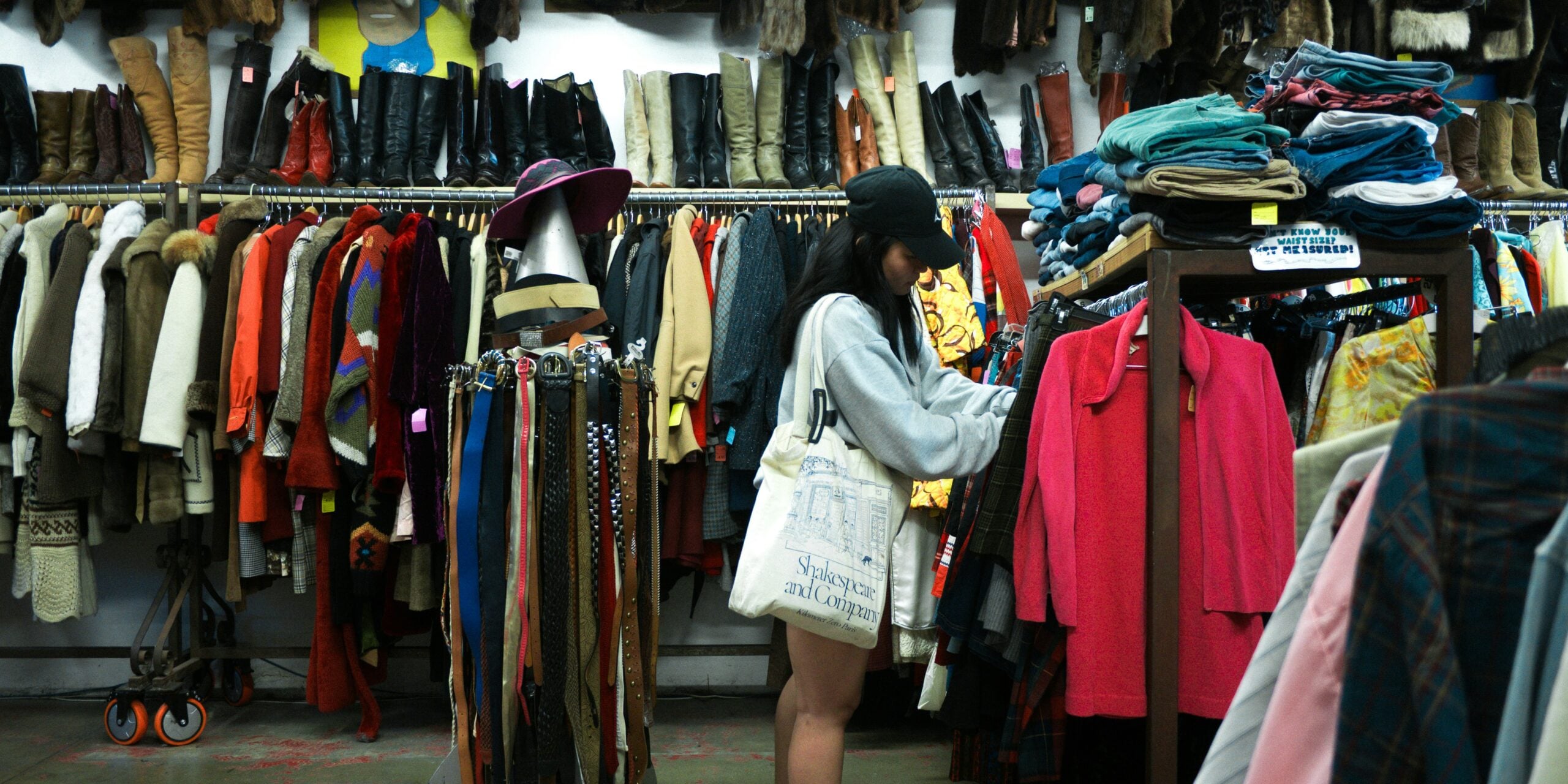
Shopping at a thrift store used to be associated with financial hardship rather than personal choice. Second-hand garments often have a vintage look, a style that fashion has recently brought back to the forefront. Choosing durable items, such as coats and quality denim, is one of many money-saving habits that can help you avoid simply following current trends.
Driving an Older Car

People used to assume that anyone driving an older vehicle simply couldn’t afford a new or better one. However, keeping an older car can be one of several money-saving habits, particularly when it helps you avoid a new-car payment, although repair and maintenance costs still need to be consider. You do need to ensure that repair costs for the older vehicle don’t become excessive and that reliability doesn’t turn into a problem.
Using Coupons

People used to feel embarrassed when using a coupon at the checkout, feeling overly frugal. Over time, however, using coupons has become one of the more accepted money-saving habits. Digital coupons, loyalty apps, and automatic discounts have become more common, making this behavior much more frequent. Conversely, failing to take advantage of money-saving promotions would now be considered unwise.
Trending on Cheapism


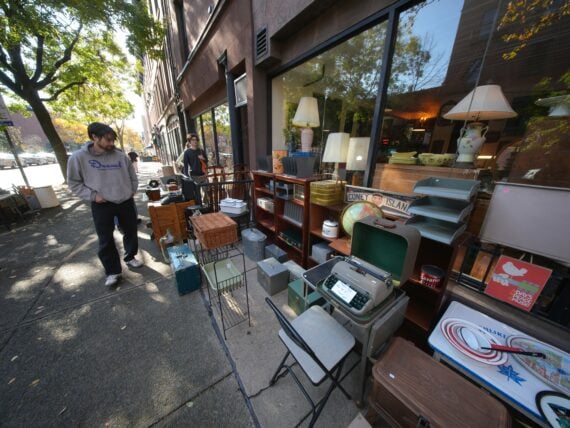
Buying Used Furniture
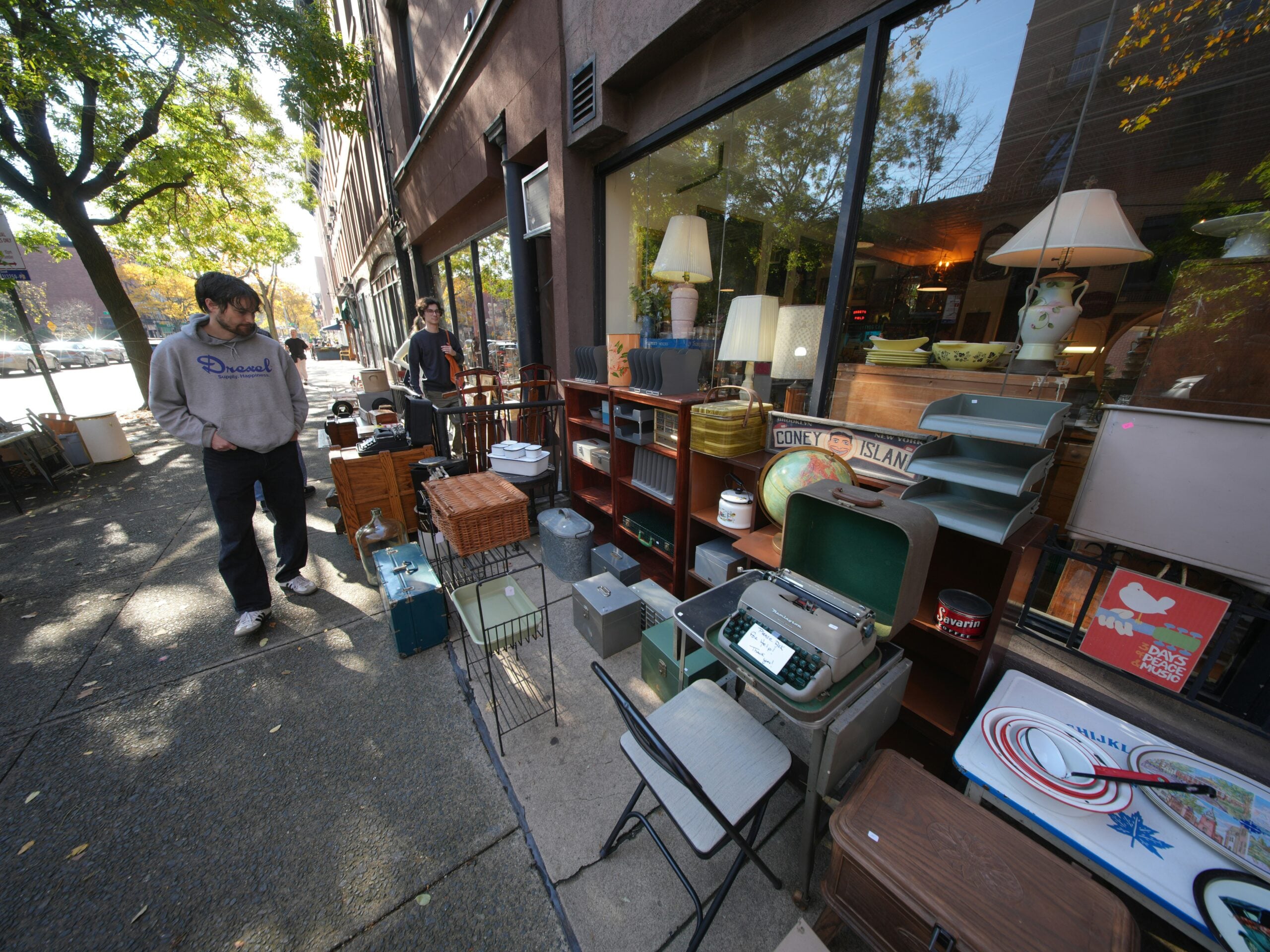
In the society of a few decades ago, buying used furniture for your new home was considered “cheap” and served as a reflection of your financial status. The prevailing belief was that you had to buy new furniture to set up a proper adult home. In reality, however, solid older furniture can be less expensive, and even more durable than new pieces. Buying quality used furniture can be one of several money-saving habits, but what matters is checking the frames to ensure they are sturdy and safe.
Keeping Leftovers

Throwing food in the trash is like wasting money, because you paid for all of it. Some homeowners view leftovers as a hassle to deal with, rather than an opportunity to create a new dish. You can prepare a meal for the next day instead of letting leftovers sit forgotten in containers. Turning leftovers into another meal is one of the simplest money-saving habits and is not about being cheap, it is simply smart.
Repairing Instead of Replacing
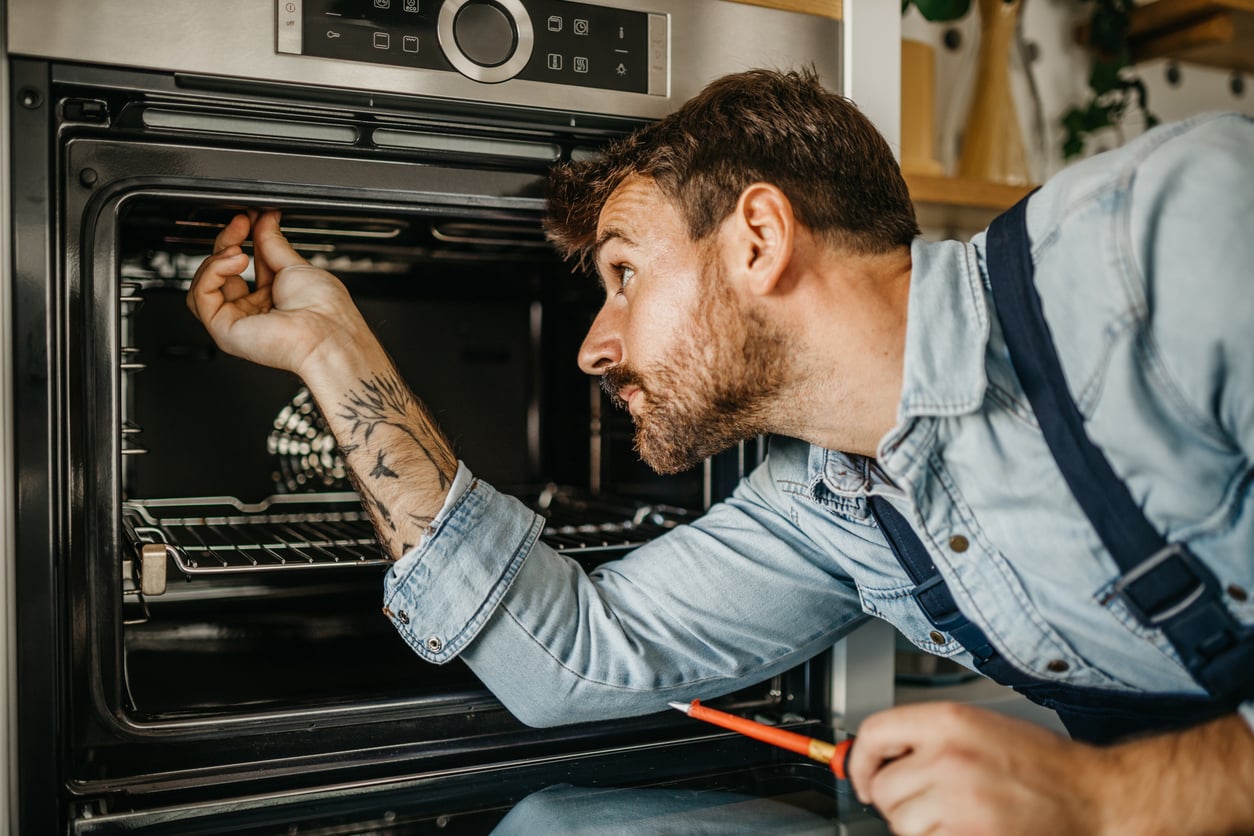
Some older appliances are far more durable than newer models, making repair a smarter choice than replacement. The notion that a new appliance is automatically superior to one you already own, simply because the latter has been in use for a few years, is outdated. Repairing items such as appliances, furniture, shoes, and clothing can be useful money-saving habits that extend their lifespan while maintaining their quality.
Sign up for our newsletter
Sharing Streaming Accounts and Family Plans

When you share subscriptions for services like TV or streaming, you may avoid paying the full price by splitting the cost when service’s rules allow it. These services may offer family plans that accommodate multiple eligible users, making subscriptions sharing another of the possible money-saving habits. You simply need to follow the instructions and account rules for each service.
Taking Public Transportation

In many cities, owning a car to drive everywhere was once a sign of success, as well as being convenient. Nowadays, however, people consider the costs of parking, insurance, fuel, and maintenance, which can add up to a significant expense. For some people, using public transportation when possible has become one of their money-saving habits, particularly as more cities invest in public transit.
Staying Home Instead of Going Out

A few years ago, staying home, especially on days off like weekends, and declining invitations to restaurants, bars, or entertainment events was often viewed as antisocial behavior or a sign of stinginess. In reality, however, you can have just as much fun at home, thanks to streaming services or movie nights, while spending only a fraction of what a night out would cost. For many, staying home has become one of several money-saving habits, not a form of deprivation.
Borrowing Tools
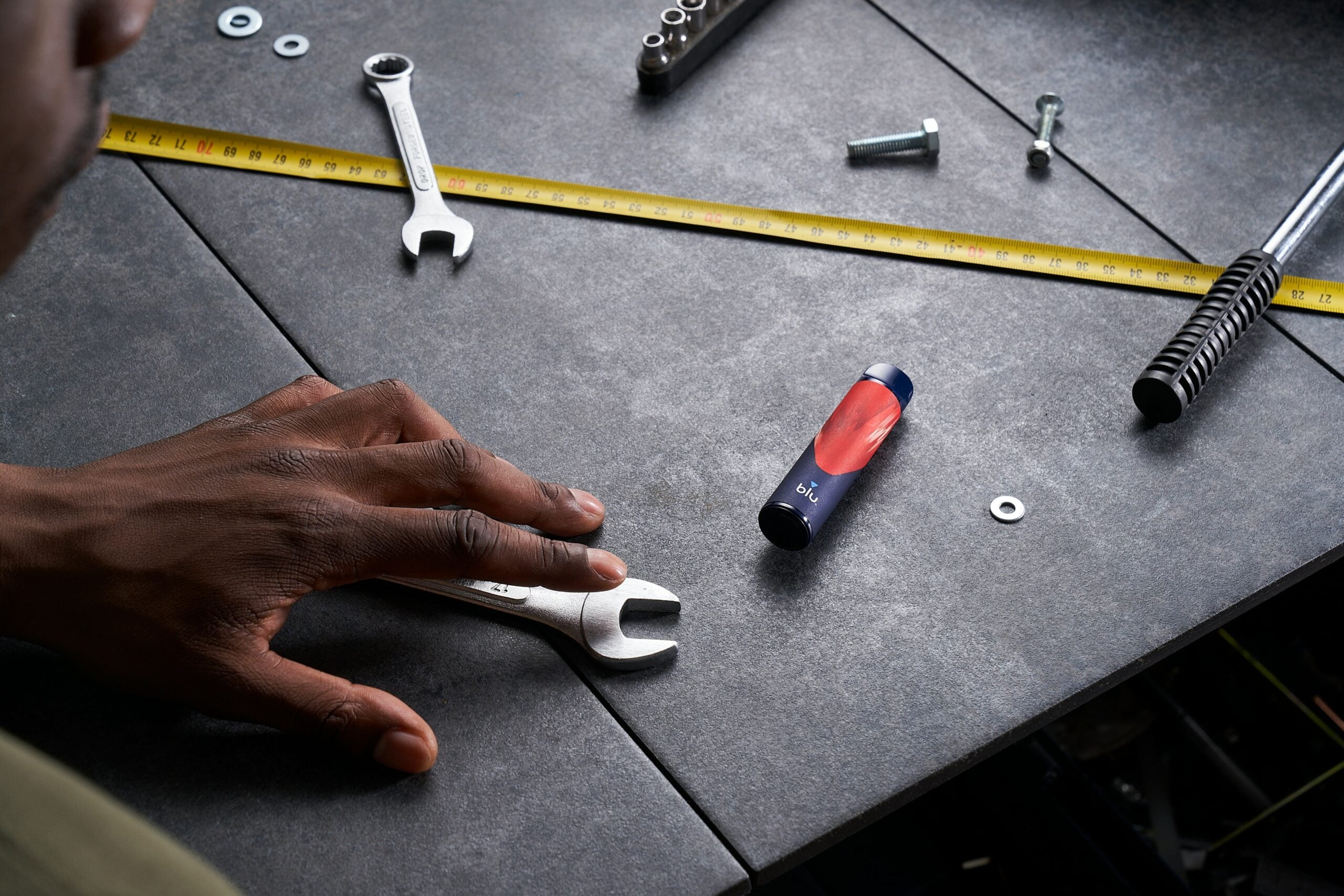
Many adults tend to equate having tools in the garage with being independent, yet often those tools are barely used more than once or twice a year. Some younger adults may prefer borrowing tools rather than buying ones they rarely use. Instead, if an unexpected need arises, they simply borrow them, which saves money. Borrowing isn’t about being cheap, it’s a practical approach.
Vacationing in the Off-Season

If you want to get the most out of your money and have the flexibility to take a vacation whenever you like, traveling during the off-season can be one of several money-saving habits. The architectural attractions and scenery will still be there, and traveling during the off-season can reduce hotel costs and crowds, depending on the destination. By following these smart tips, your vacation won’t be any less enjoyable.
Living in a Smaller Home

Another way to signal success to the outside world and society was by owning a large house. However, a large home can involve higher mortgage payment, taxes, utility bills, maintenance costs, and furnishing expenses. A smart decision is to choose a home that meets your needs without paying for unnecessary extra square footage.
Wearing the Same Clothes for Years
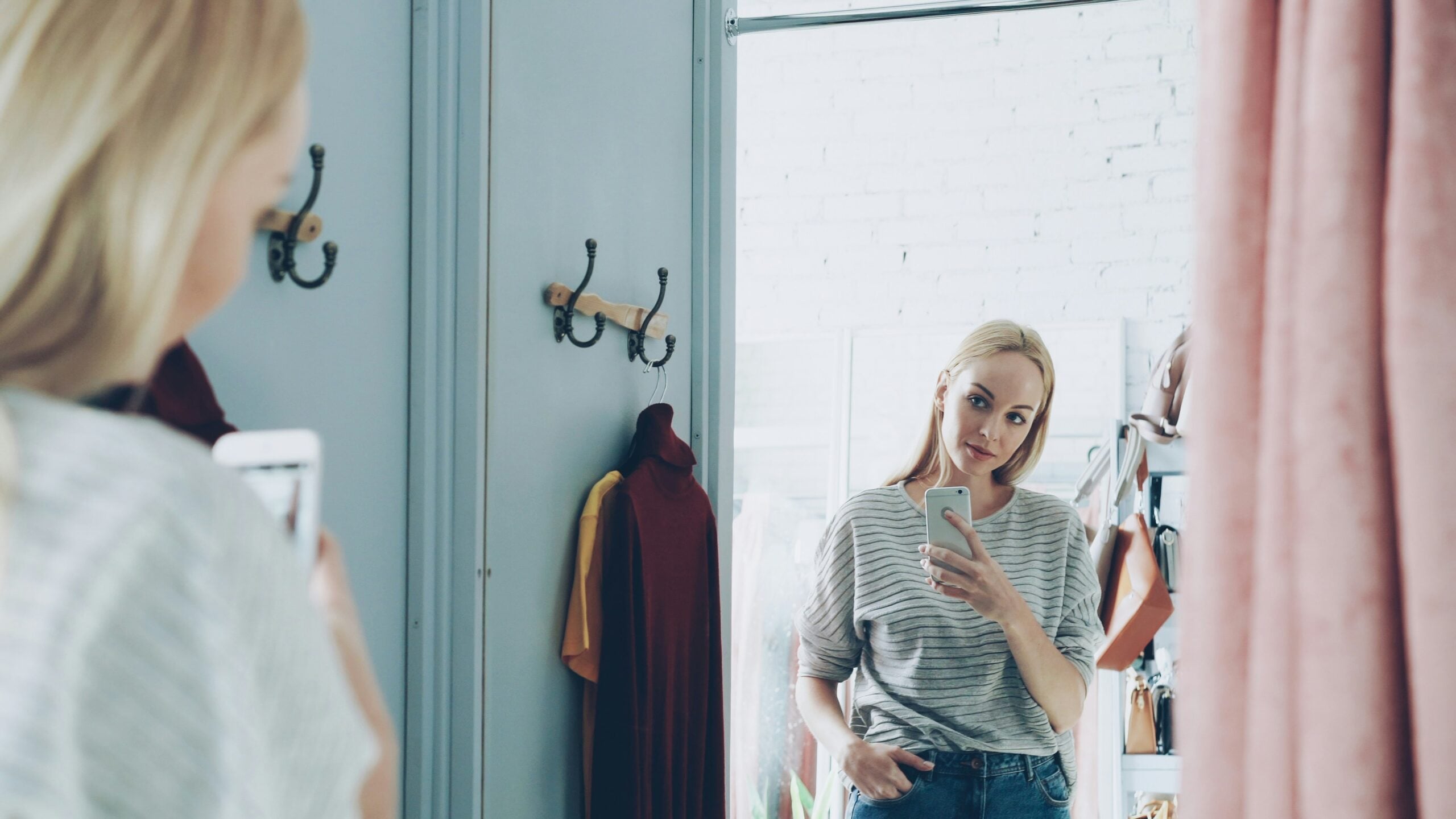
In some social circles, repeating the same outfit was once viewed as unfashionable or overly frugal. This trend has shifted, and buying less but better is what is currently valued. Many people intentionally choose to wear the same outfits and are more selective about picking durable garments.
Saying No to Lifestyle Upgrades

Receiving a raise at work doesn’t mean you have to spend it immediately on a new car, phone, or furniture, choices that were once associated with failing to enjoy the rewards of success. Many people earn money and save it for travel, retirement, or emergencies. You should only spend money on the important things in life, not on frivolous items.
Conclusion

Many habits once considered “cheap” were actually ways to delay consumption or be mindful of how money is spent. Society has changed, and many people now recognize the value of smarter purchasing, making intelligent decisions, buying used items that are still in good condition, and repairing appliances that work perfectly well. These financial habits may evolve, but do not let society judge you for your choices.