
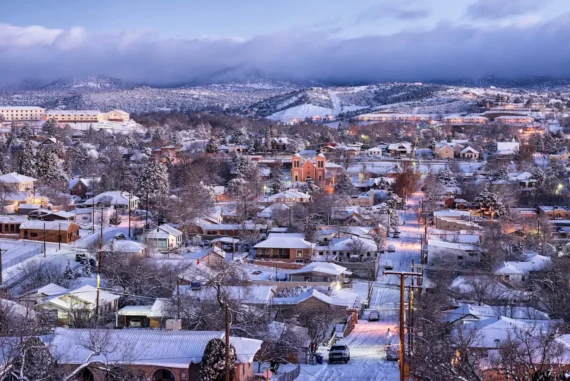
Retiring in the mountains sounds great until you start looking at home prices in places like Aspen or Park City. Fortunately, there are still plenty of affordable mountain towns for retirement where you can wake up to mountain views, spend your weekends hiking, and enjoy a slower pace of life without a ski-resort budget.
There are still plenty of smaller mountain towns and foothill communities where housing costs are relatively manageable, especially compared with the country’s best-known mountain destinations. And some come with perks that matter even more in retirement, including nearby hospitals, walkable downtowns, outdoor recreation, and sizable communities of older residents.
Of course, an affordable house doesn’t automatically make a place affordable to retire. Taxes, insurance, healthcare, transportation, and even the cost of keeping the driveway clear in winter can quickly change the math. With that in mind, here are 12 mountain and mountain-adjacent towns worth considering for retirement.
Galax, Virginia
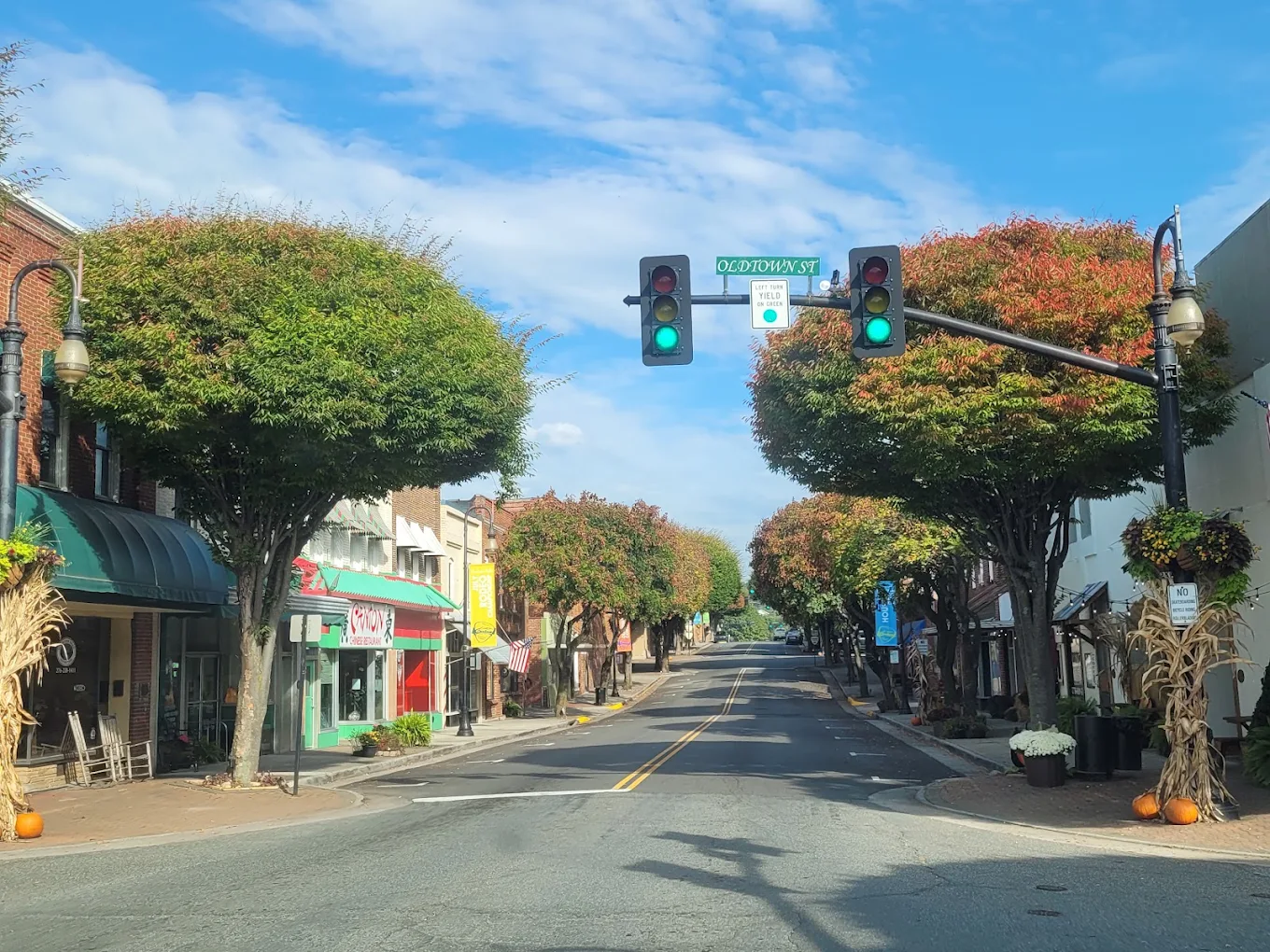
Tucked into southwestern Virginia near the Blue Ridge Parkway, Galax is proof that mountain living doesn’t necessarily require a huge housing budget. Average home values sit around $172,000, while estimated annual retiree living costs come to roughly $32,600. About 21% of residents are 65 or older, too. Beyond the low costs, retirees get Blue Ridge scenery, a rich traditional music culture, and a genuinely small-town pace of life. The trade-off? You may need to travel to a larger regional center for specialized healthcare and major shopping.
Roanoke, Virginia
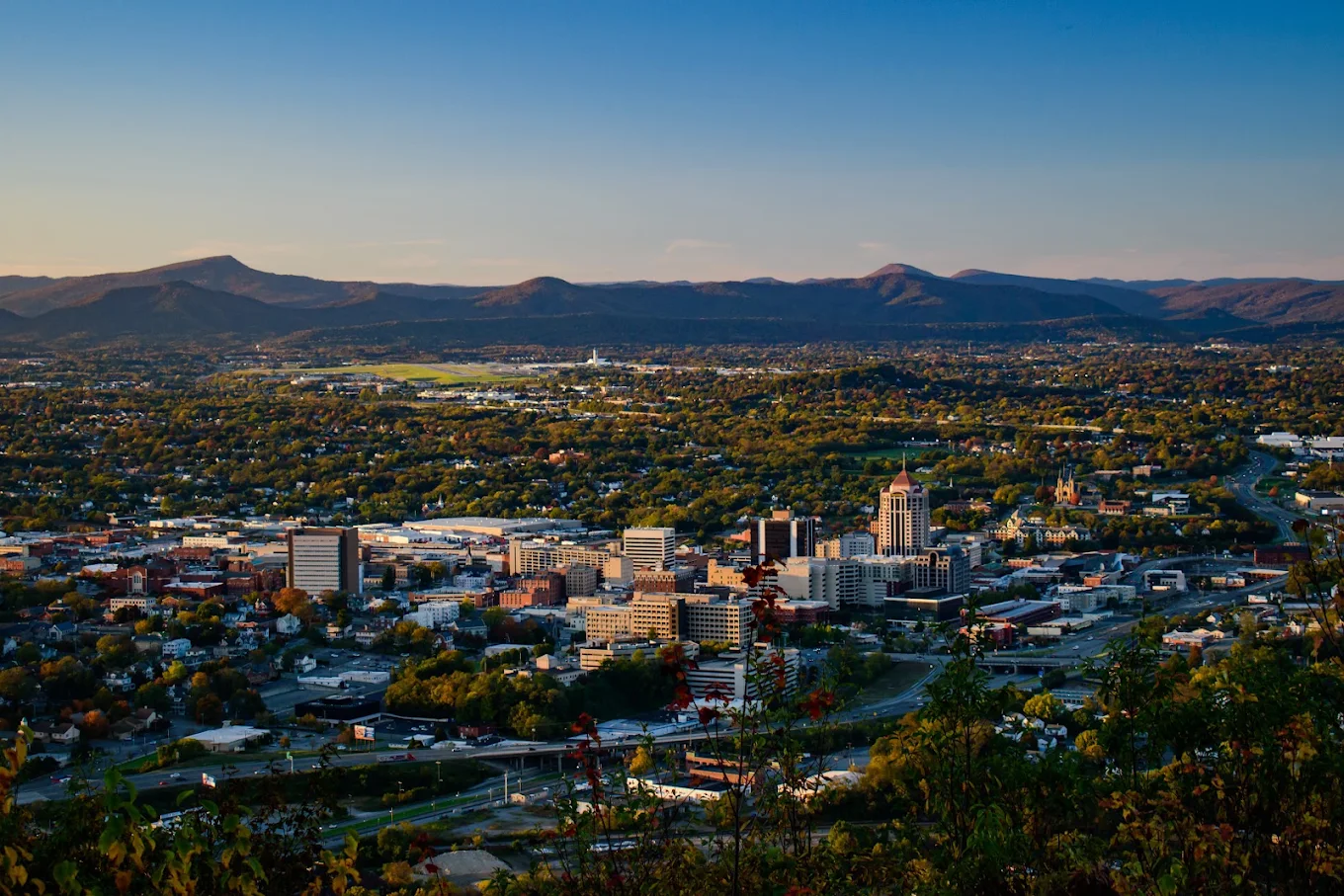
Roanoke is a good option for retirees who like the idea of mountain living but aren’t ready to give up city conveniences. Average home values are around $271,000, while another recent analysis put median rent near $1,043 a month. The city offers easy access to the Blue Ridge Parkway alongside a revitalized downtown, restaurants, cultural attractions, and plenty of outdoor recreation. More importantly for retirees, its healthcare infrastructure is considerably stronger than what you’ll find in many tiny mountain communities.
Johnson City, Tennessee
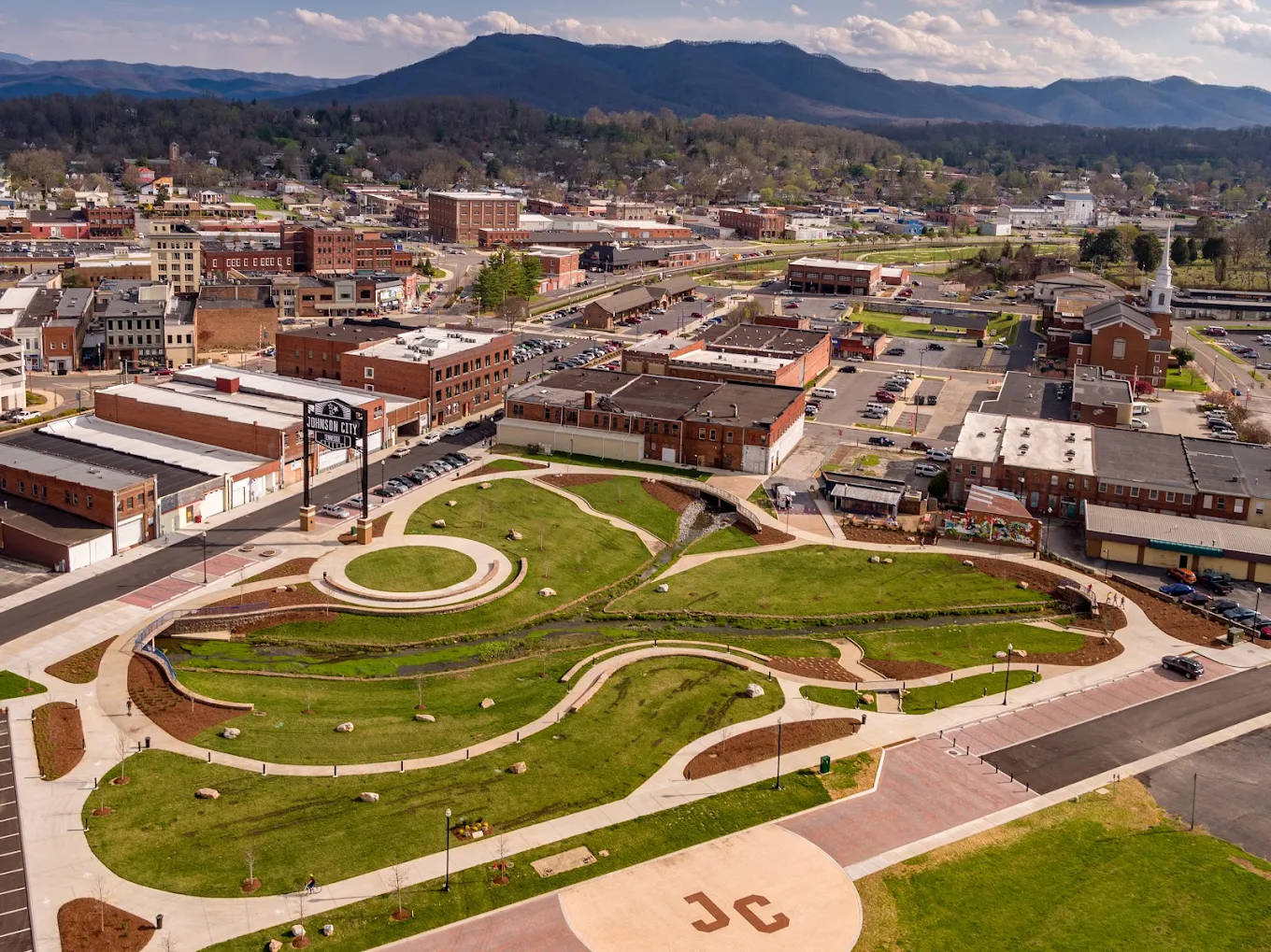
Set in the Appalachian Mountains, Johnson City combines mountain scenery with the amenities of a small city. Its cost of living has recently been estimated at about 3% below the national average, while typical home values hover around $300,000. Retirees also have access to Johnson City Medical Center and East Tennessee State University’s medical school, giving the area a healthcare advantage over more isolated mountain towns. Add a revitalized downtown, nearby Cherokee National Forest, and Tennessee’s lack of a state individual income tax, and there’s plenty to put on the pro side of the list. Just expect to rely on a car outside the downtown core.
Abingdon, Virginia
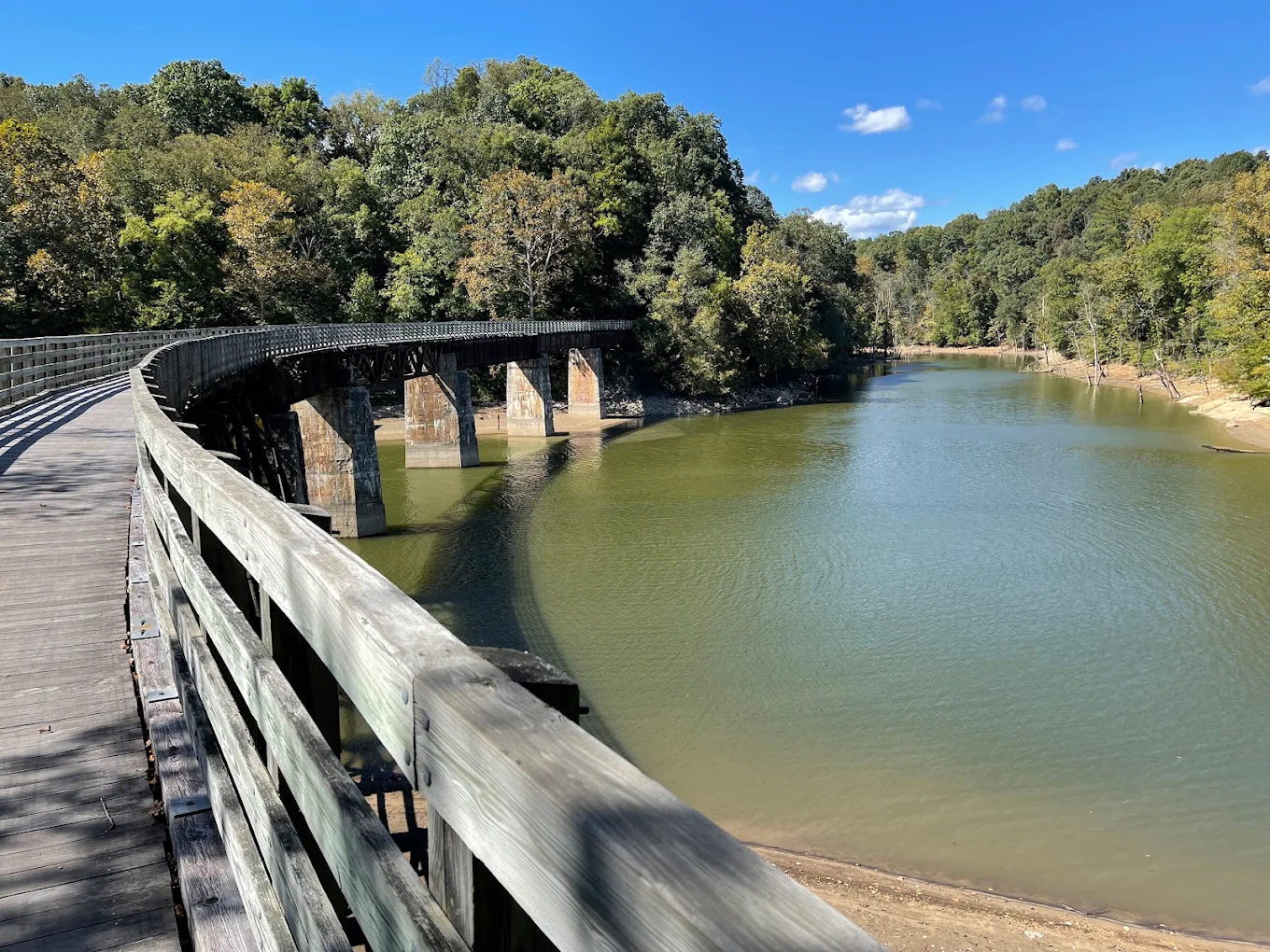
If your retirement fantasy involves a charming historic downtown rather than a larger regional city, Abingdon deserves a look. Average home values are around $276,000, with estimated annual retiree living costs close to $40,000. Roughly one-quarter of residents are 65 or older. The town also punches above its weight when it comes to things to do, thanks to restaurants, Appalachian scenery, the Virginia Creeper Trail, and an arts scene anchored by the historic Barter Theatre.
Bedford, Virginia
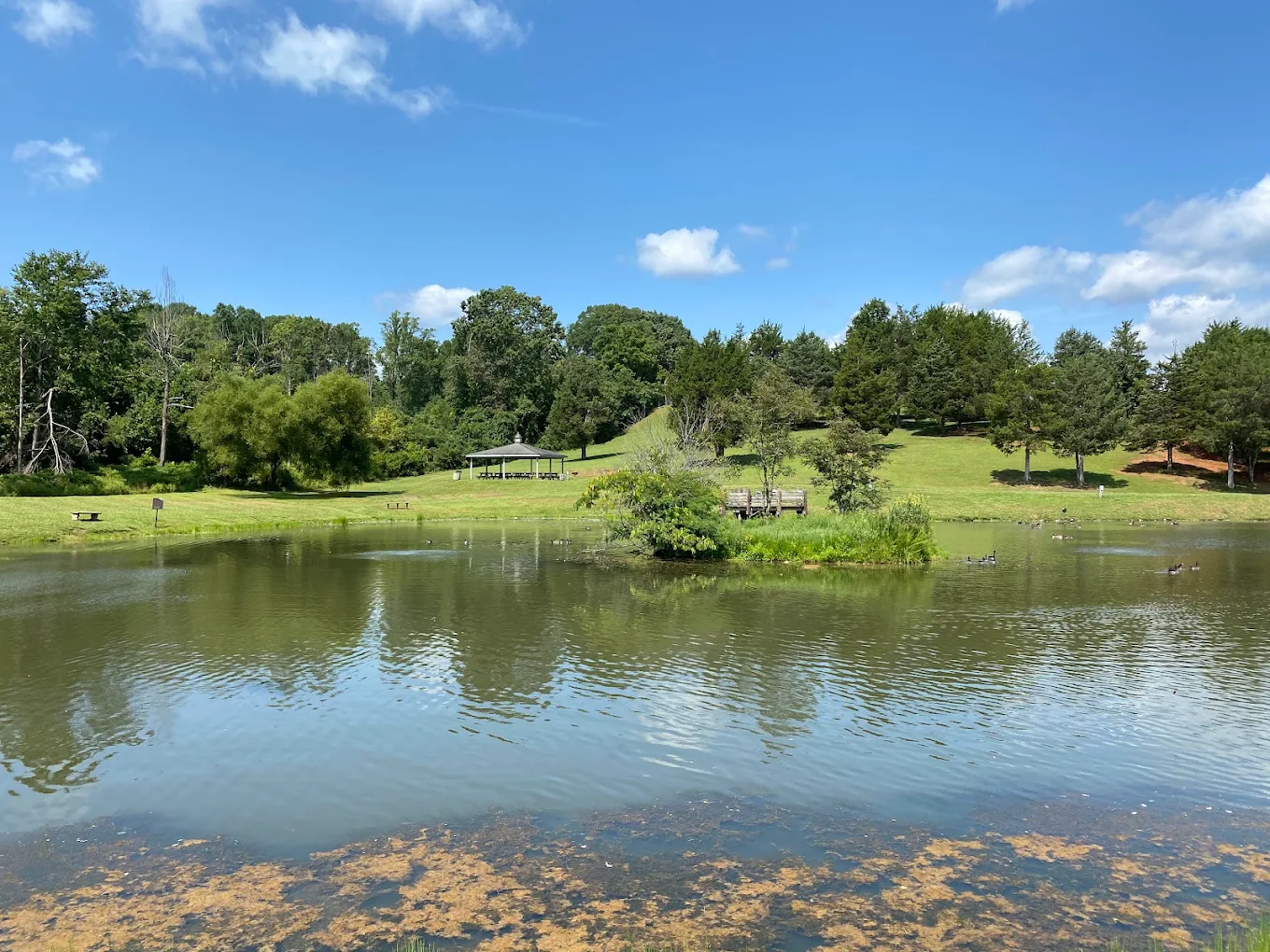
Located between Lynchburg and Roanoke, Bedford offers retirees a small-town home base with easy access to the Blue Ridge region. Average home values are around $268,000, and roughly 21% of residents are 65 or older. The appeal is the balance: You can enjoy a quieter community and mountain scenery without being completely cut off from the shopping and medical services available in larger nearby cities. Still, this isn’t the place to ditch your car keys. Driving will be necessary for many daily errands and specialist appointments.
Trending on Cheapism


Hickory, North Carolina
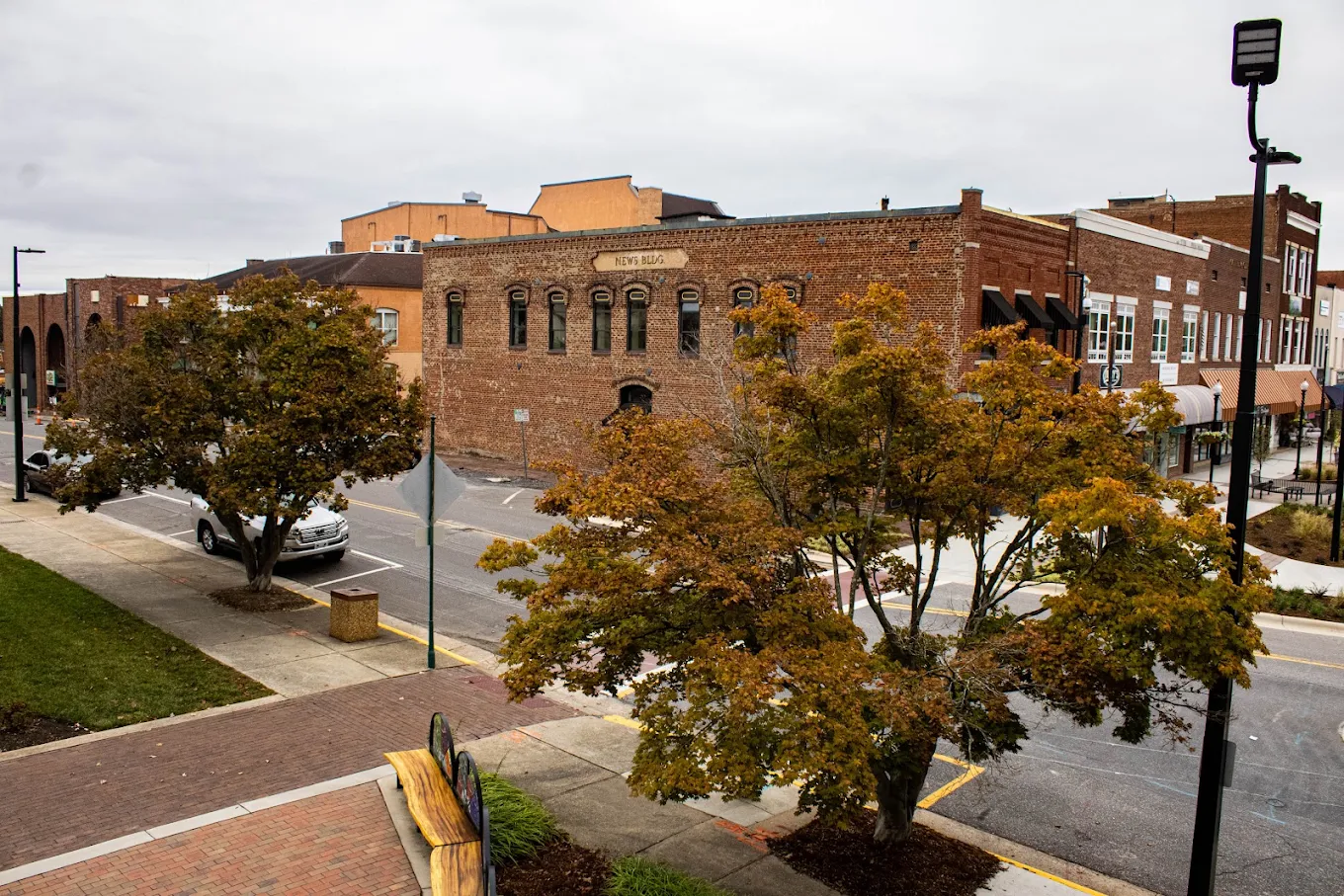
Hickory may be especially appealing if you want mountain access without the isolation — or weather — that can come with living at a much higher elevation. Recent reporting puts median monthly housing costs at around $960, while another analysis found median rents near $934. Sitting in the Blue Ridge foothills, Hickory offers access to Lake Hickory, an active downtown, shopping, arts, and Catawba Valley Medical Center. It’s mountain-adjacent rather than an alpine getaway, but for some retirees, that may be exactly the point.
Morganton, North Carolina
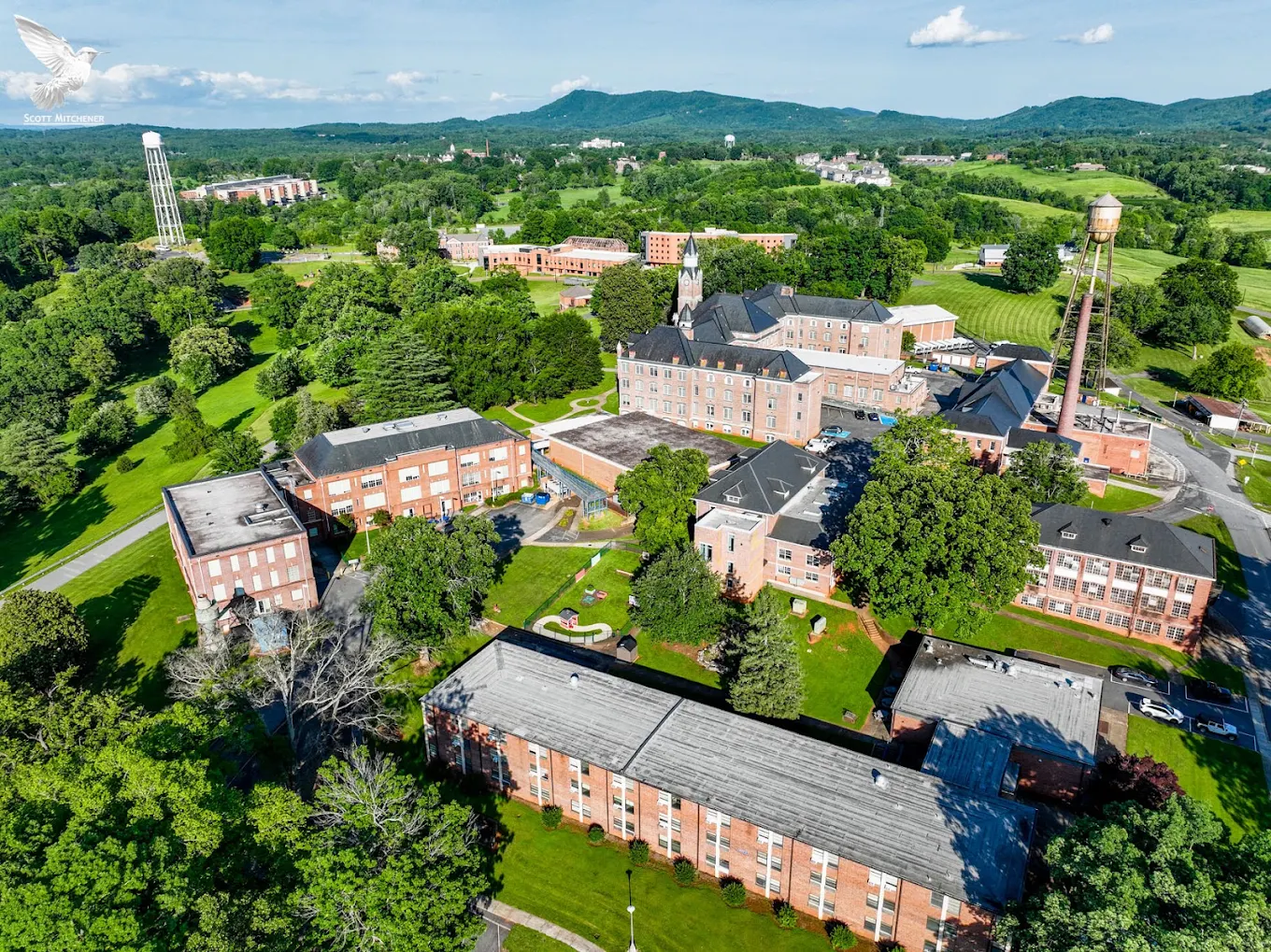
Morganton offers access to the Blue Ridge foothills and Lake James without the housing costs associated with nearby Asheville. A recent regional report put median monthly rent at around $934, making it an interesting option for retirees who aren’t necessarily looking to buy immediately. Downtown festivals, farmers markets, hiking, and nearby Lake James State Park provide plenty of ways to get outside without living in a heavily touristed resort town.
Silver City, New Mexico
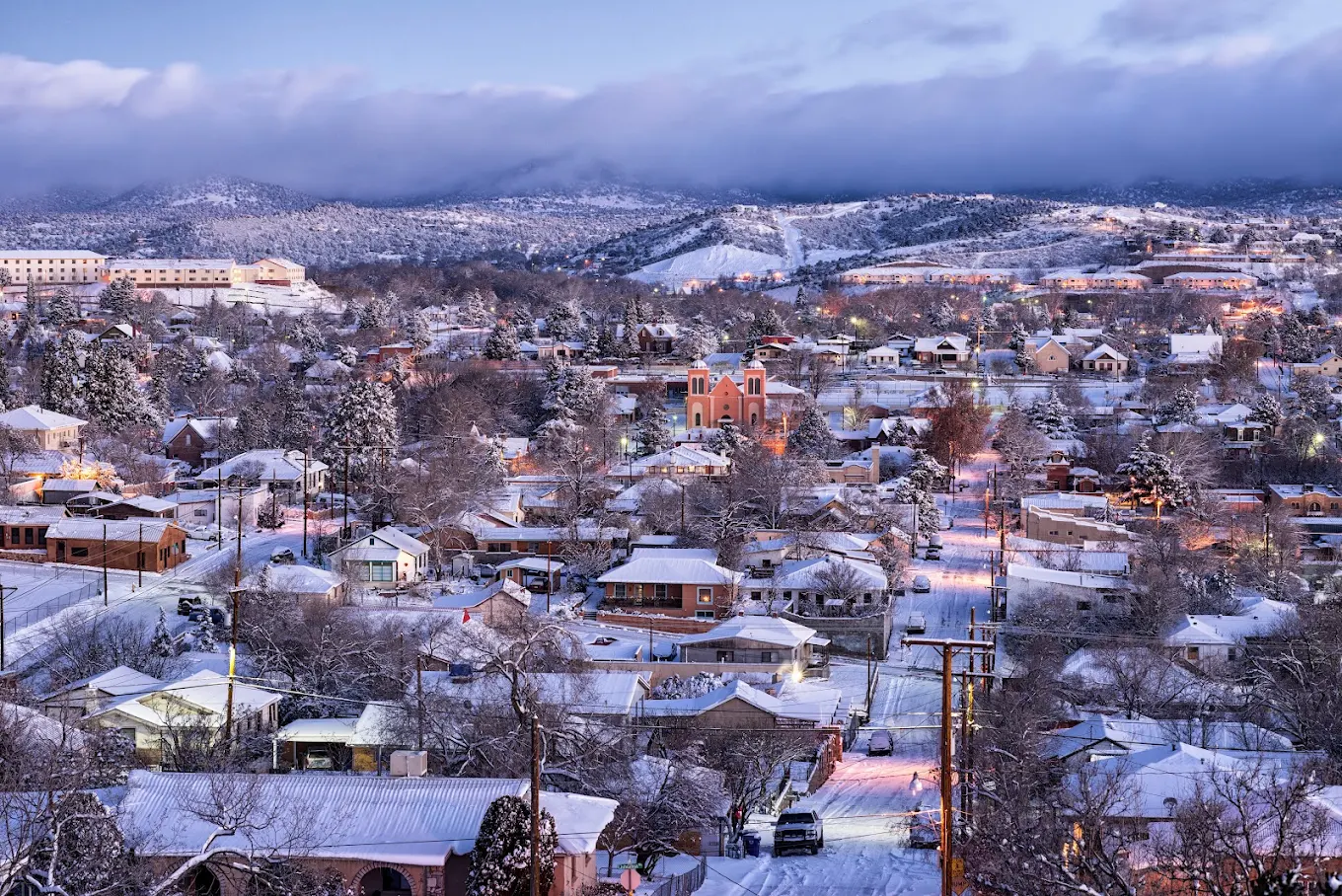
Mountain retirement doesn’t have to mean the Appalachians. Silver City is an intriguing western alternative, particularly for retirees who want mountains without Rocky Mountain resort prices. Median home prices are around $225,000, while average rent sits near $801. The town pairs the Pinos Altos Mountains and access to Gila National Forest with an artsy downtown and relatively mild high-desert climate. The bigger consideration is isolation: Access to medical specialists and major airports is more limited than it would be in a larger retirement destination.
Sign up for our newsletter
Butte, Montana
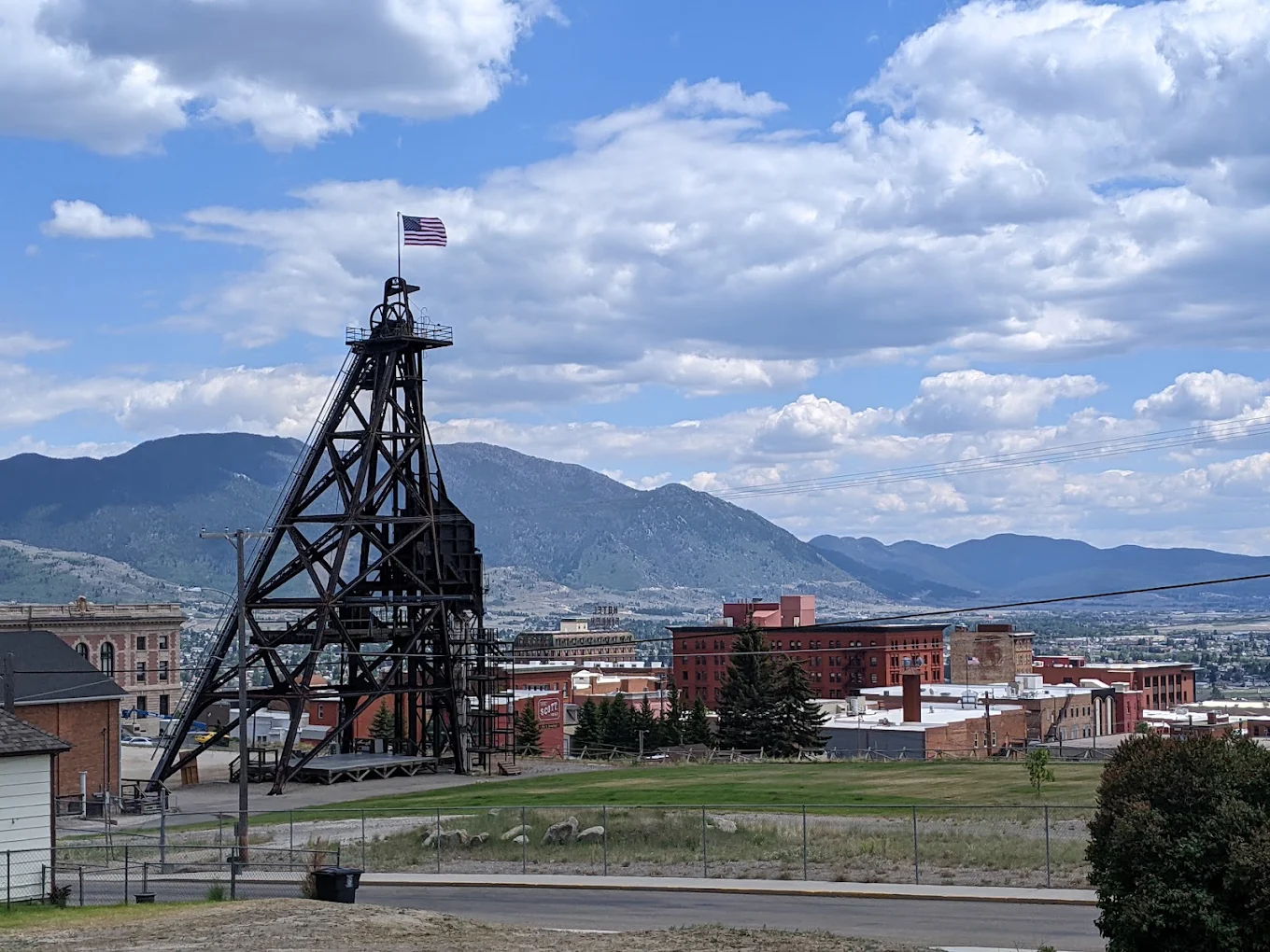
Montana’s mountain towns aren’t exactly famous for being bargains anymore, but Butte remains comparatively attainable. Average home values sit around $272,000, with estimated annual living costs around $38,800. Retirees get dramatic scenery, hiking, fishing, historic architecture, and something many mountain destinations have lost: the feeling of a real working city rather than a polished resort town. Just don’t underestimate the winter. Snow removal, heating costs, and months of cold weather all deserve a line in the retirement budget.
Gorham, New Hampshire
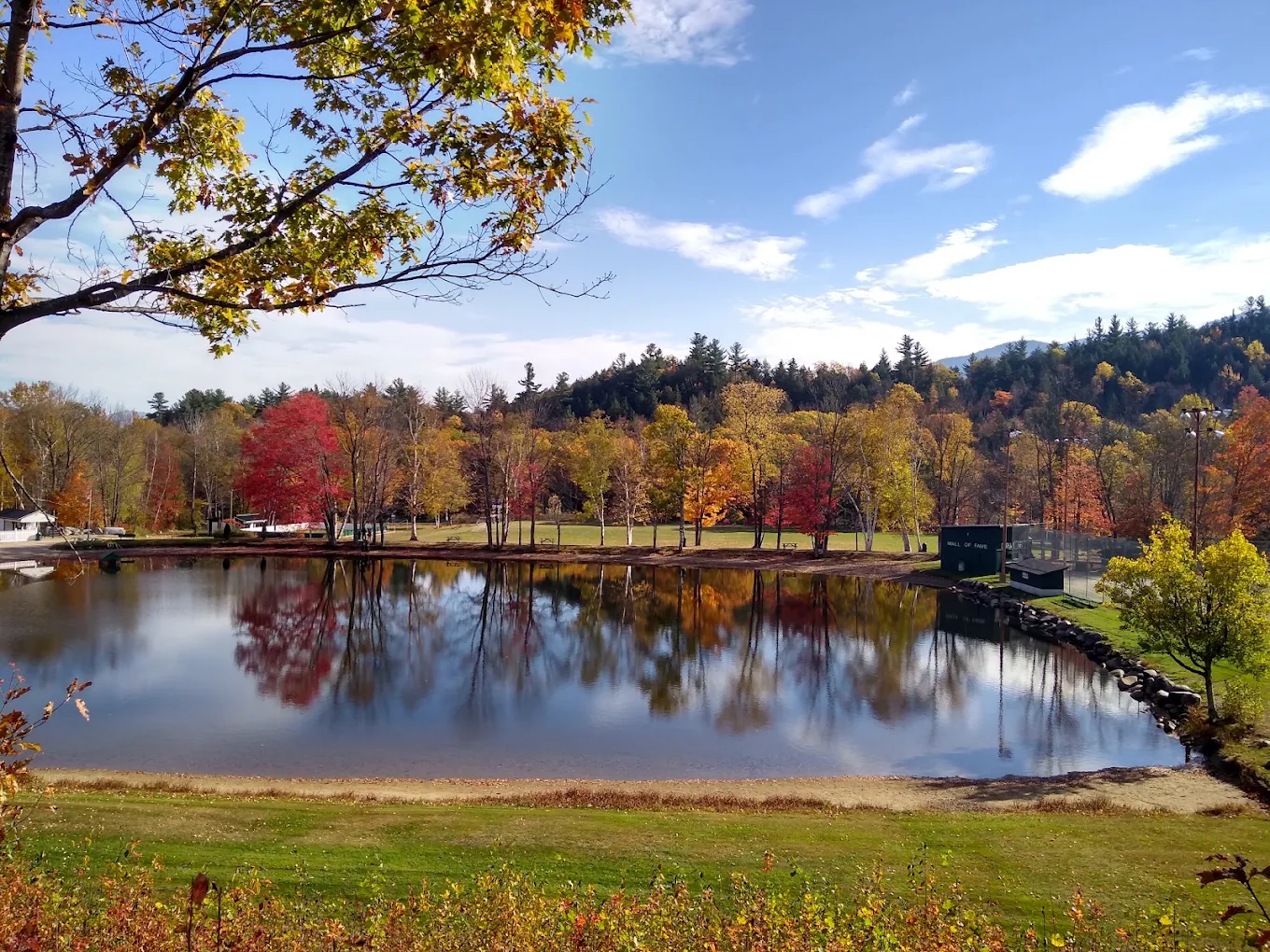
For retirees who really want to be surrounded by mountains, Gorham puts the White Mountains practically outside the front door. Average home values are roughly $244,000, and an impressive 33% of residents are 65 or older. Hiking, scenic drives, and a tiny-town atmosphere are all part of the appeal. But New Hampshire winters aren’t for everyone, and the combination of long cold seasons and more limited rural healthcare makes this one worth testing out before committing full-time.
Eureka Springs, Arkansas
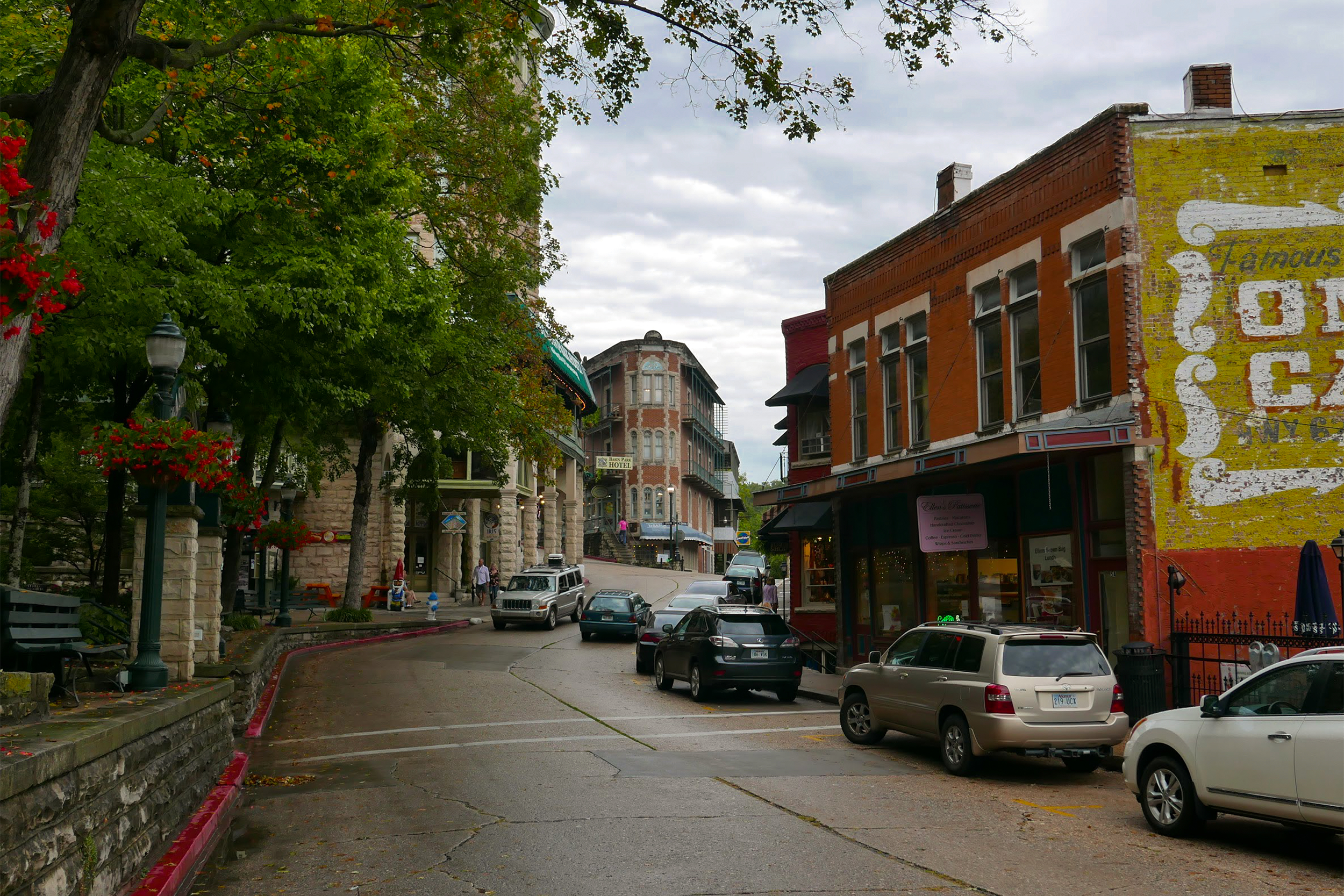
Eureka Springs brings a little more personality to the affordable mountain-town equation. Average home values are around $309,000, while roughly 31% of residents are 65 or older. Located in the Ozarks, the town is known for its Victorian architecture, galleries, restaurants, and distinctive downtown, giving retirees more cultural attractions than they might expect from a community of its size. One practical concern is the terrain itself: Those picturesque steep streets and hills can become a mobility challenge later in retirement.
Rapid City, South Dakota
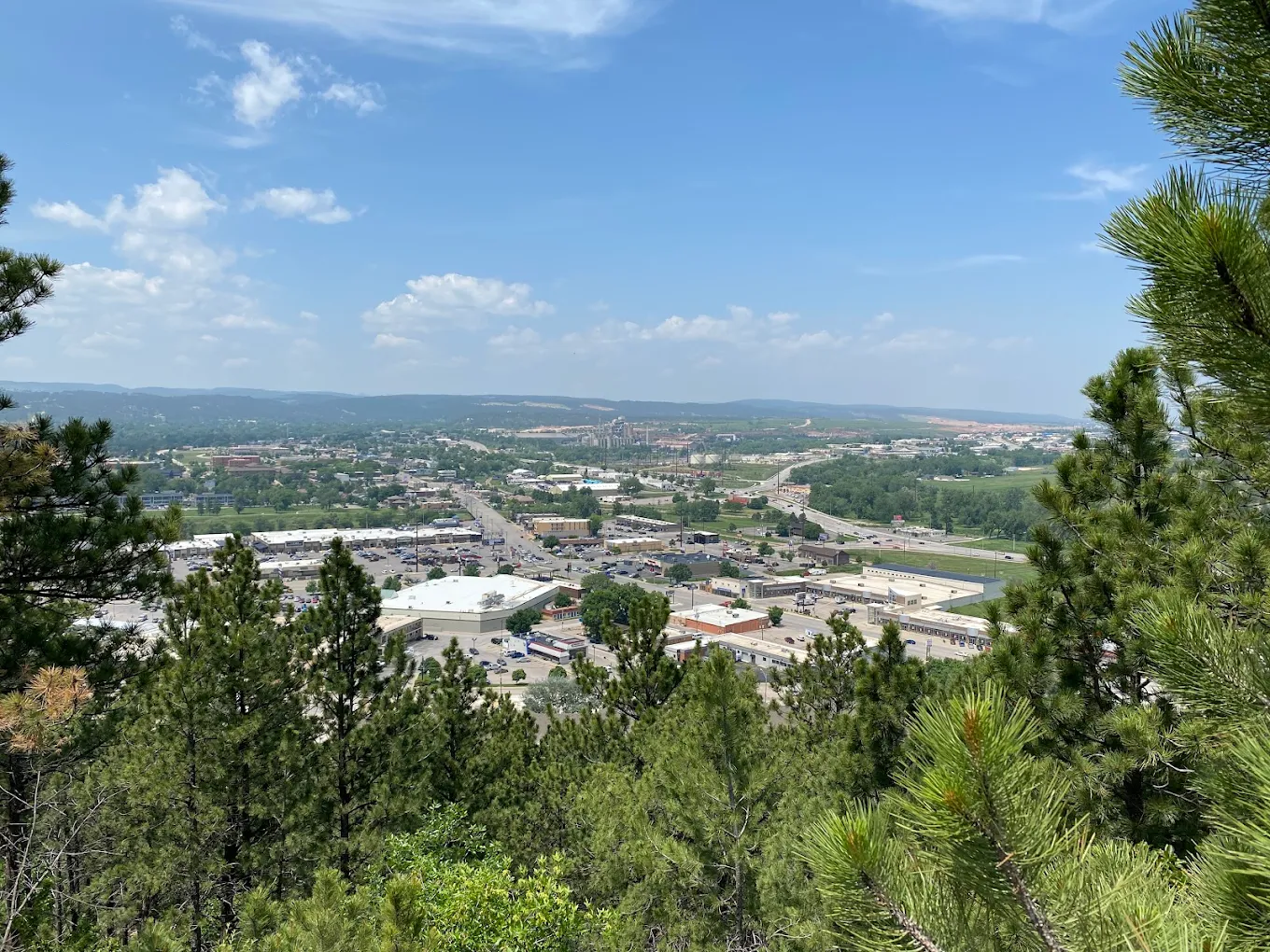
Rapid City is bigger — and somewhat more expensive — than many of the other places on this list, but that size comes with advantages. Average home values are around $367,000 and average rent is near $1,400. In exchange, retirees get access to regional medical facilities, shopping, restaurants, and other everyday amenities alongside the Black Hills, Custer State Park, and Mount Rushmore. South Dakota also has no state individual income tax. Winters and snow still need to be part of the equation, but retirees who don’t want to sacrifice services for scenery may find the compromise appealing.
Affordable Mountain Living Is Still Out There

The affordable mountain towns that make the most sense for retirement aren’t necessarily the famous ones. Working towns and smaller regional hubs can offer much of the scenery and outdoor access people want without resort-town housing prices.
But a low home price shouldn’t make the decision for you. Healthcare access, taxes, insurance, winter weather, transportation, and the amount of driving you’ll need to do can matter just as much once you’re retired. Before buying, consider renting for a month or two — ideally during both winter and summer — to see what everyday life in your potential mountain home is actually like.