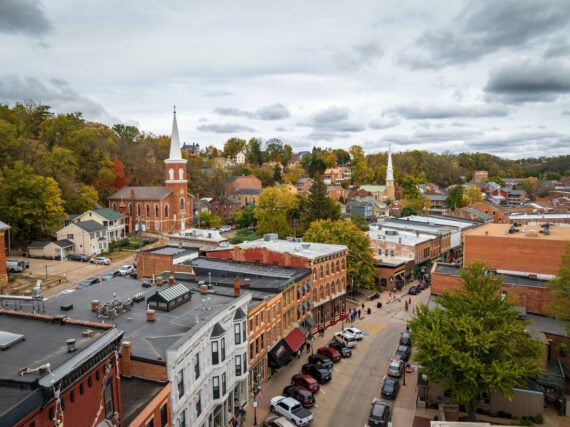
There was a time when downtown meant a handful of local shops, a movie theater, a diner, and neighbors stopping to talk on Main Street. While much of America has changed dramatically since the 1970s, some small towns have held onto pieces of that slower, more familiar way of life. From historic commercial districts recognized by the National Park Service to places where independent businesses still outnumber chains, these towns offer a glimpse of an America that can feel surprisingly unchanged.
Lanesboro, Minnesota
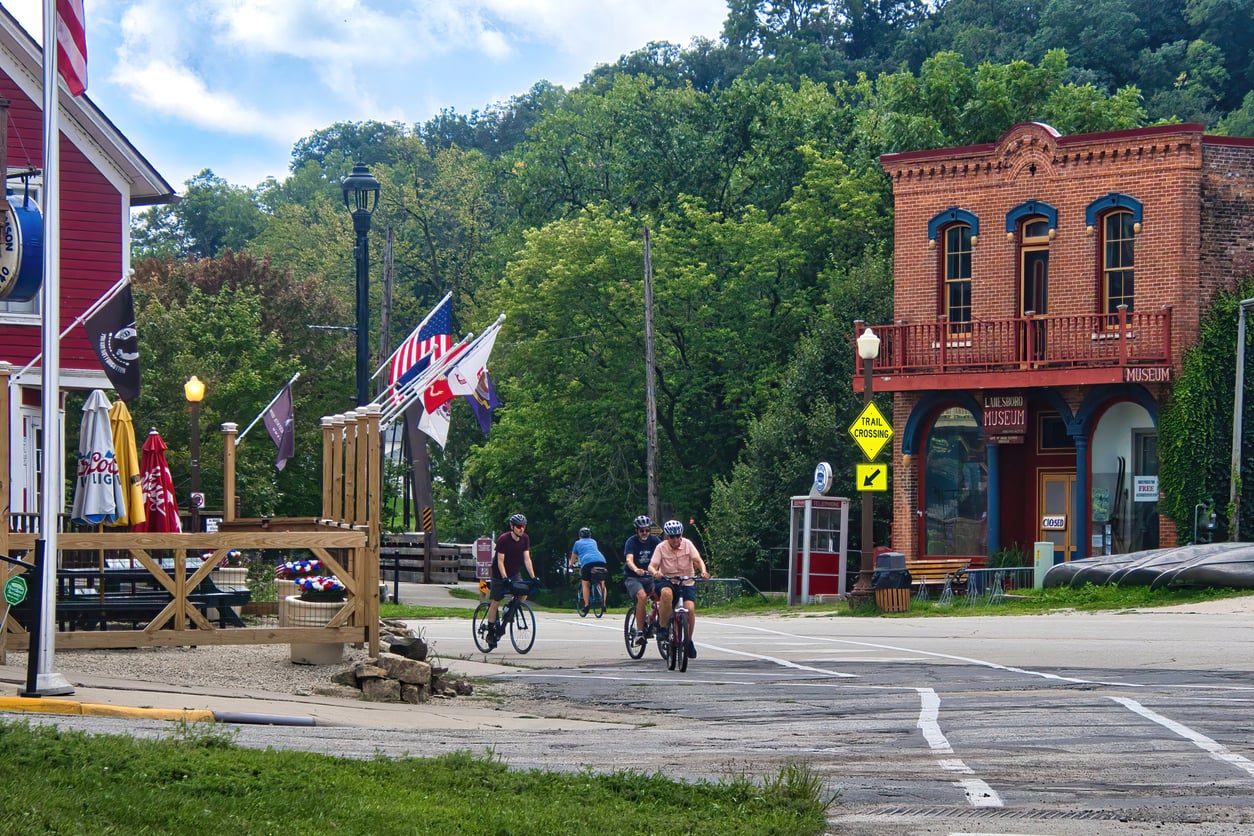
Lanesboro is the kind of town where you can park once and forget about the car. Its compact downtown remains filled with independently owned restaurants, cafes, galleries, and shops, and the local chamber currently says there are no national-chain restaurants or cookie-cutter storefronts. The abandoned railroad became the Root River State Trail in the 1980s, helping breathe new life into town. The catch? Summer weekends can get surprisingly busy, with visitors reporting parking headaches during peak periods.
Wallace, Idaho
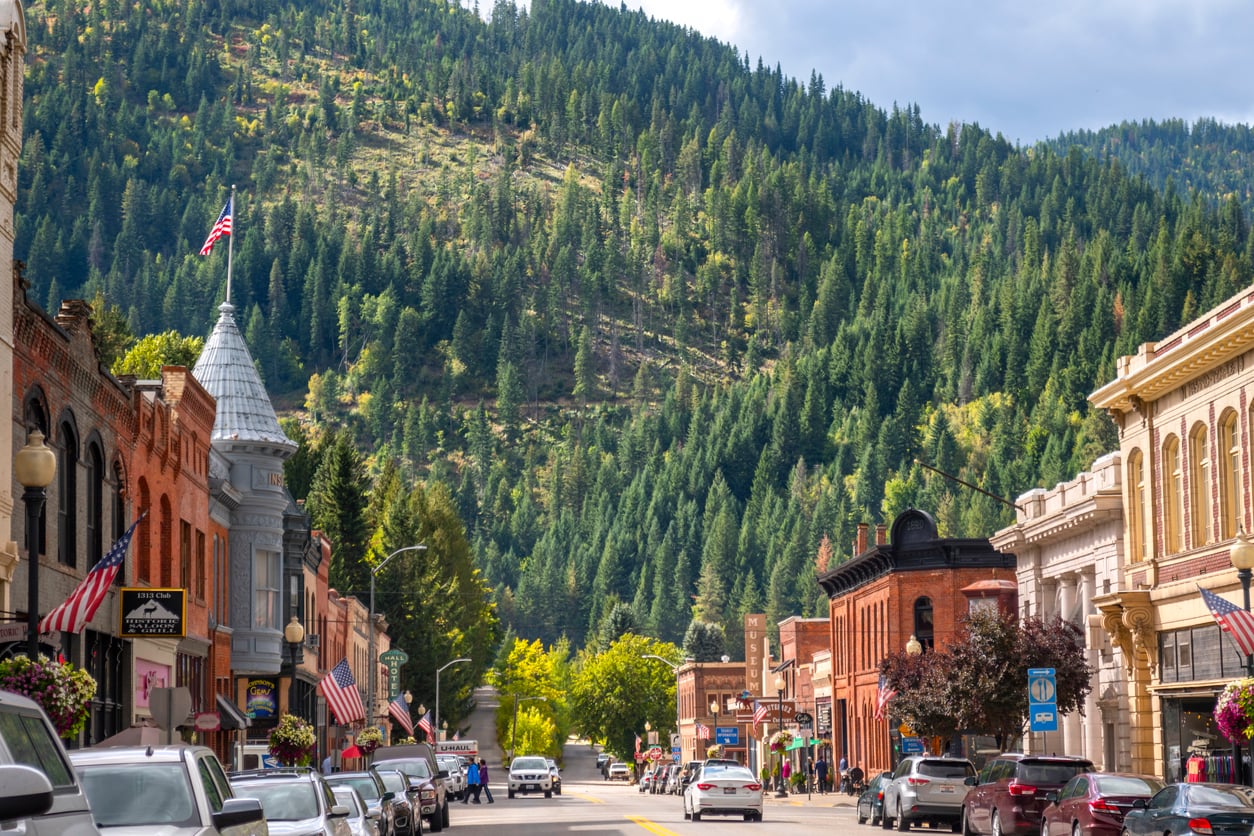
Wallace owes its old-fashioned appearance partly to a fight with modern America itself. When Interstate 90 threatened the historic mining town, preservation efforts expanded its National Register district to cover nearly the entire city. The freeway that finally opened in 1991 was routed on an elevated bypass instead of through downtown. Today, brick hotels, bars, museums, storefronts, and old mining buildings still sit within a few walkable blocks. It is genuinely small, though, so visitors expecting a packed itinerary may run out of town attractions quickly.
Bisbee, Arizona
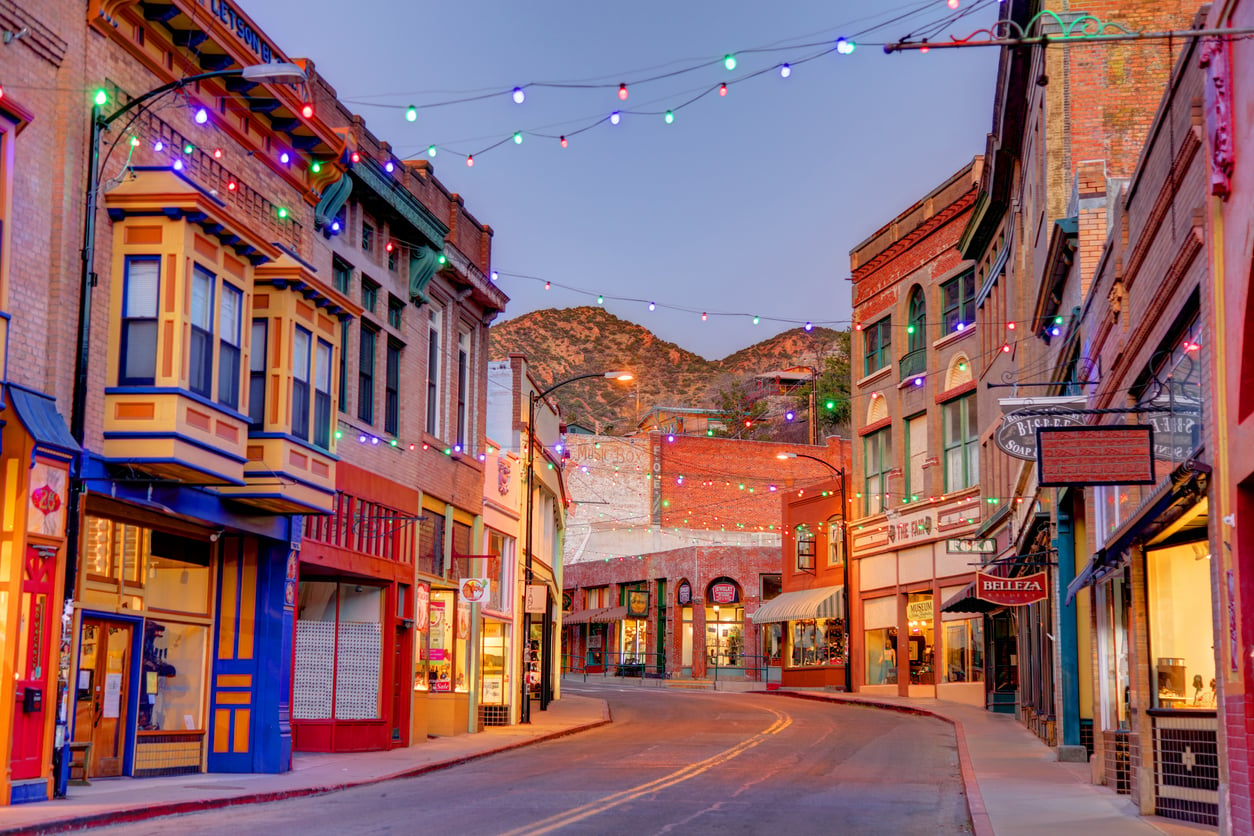
Bisbee has an unusually literal connection to the “50 years ago” premise: underground mining ended in 1975 after copper had shaped the town for generations. Old Bisbee now mixes crooked streets and hillside houses with galleries, coffee shops, bars, and antique stores. Nearby Lowell goes even further – Erie Street preserves vintage cars, an old gas station, and midcentury storefronts that look like a 1950s roadside scene. Be prepared for steep walking, and remember that Bisbee is now partly an arts-and-tourism town rather than a preserved mining community.
McCloud, California
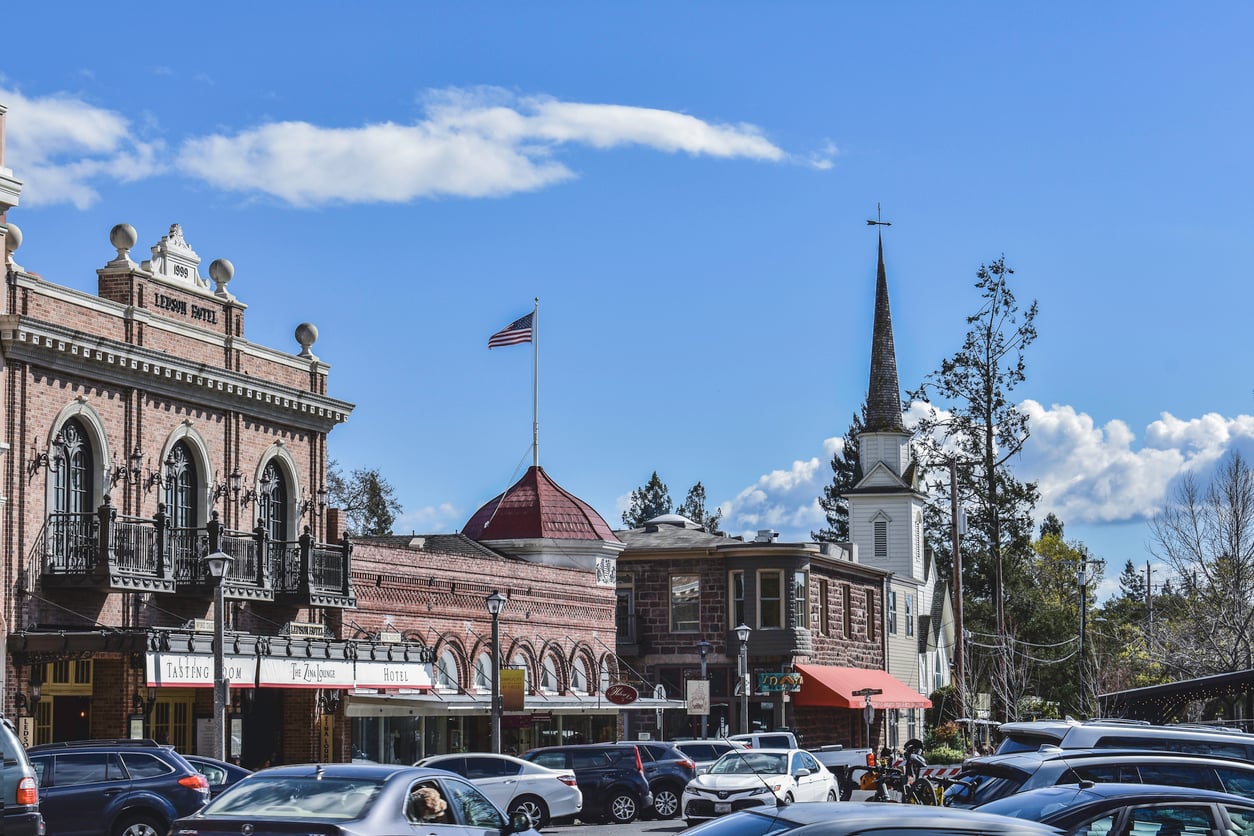
Few towns on this list have a 1970s turning point as clear as McCloud. The Northern California community spent decades as a lumber-company town before its mill finally shut in 1979. Its downtown is now a National Register historic district, and Main Street still includes the old McCloud Mercantile alongside a market, cafes, lodging, and locally run shops. It is quieter than many tourist towns, which is part of the appeal, but the current dining directory is fairly short, so visitors should not expect big-city choice.
Galena, Illinois
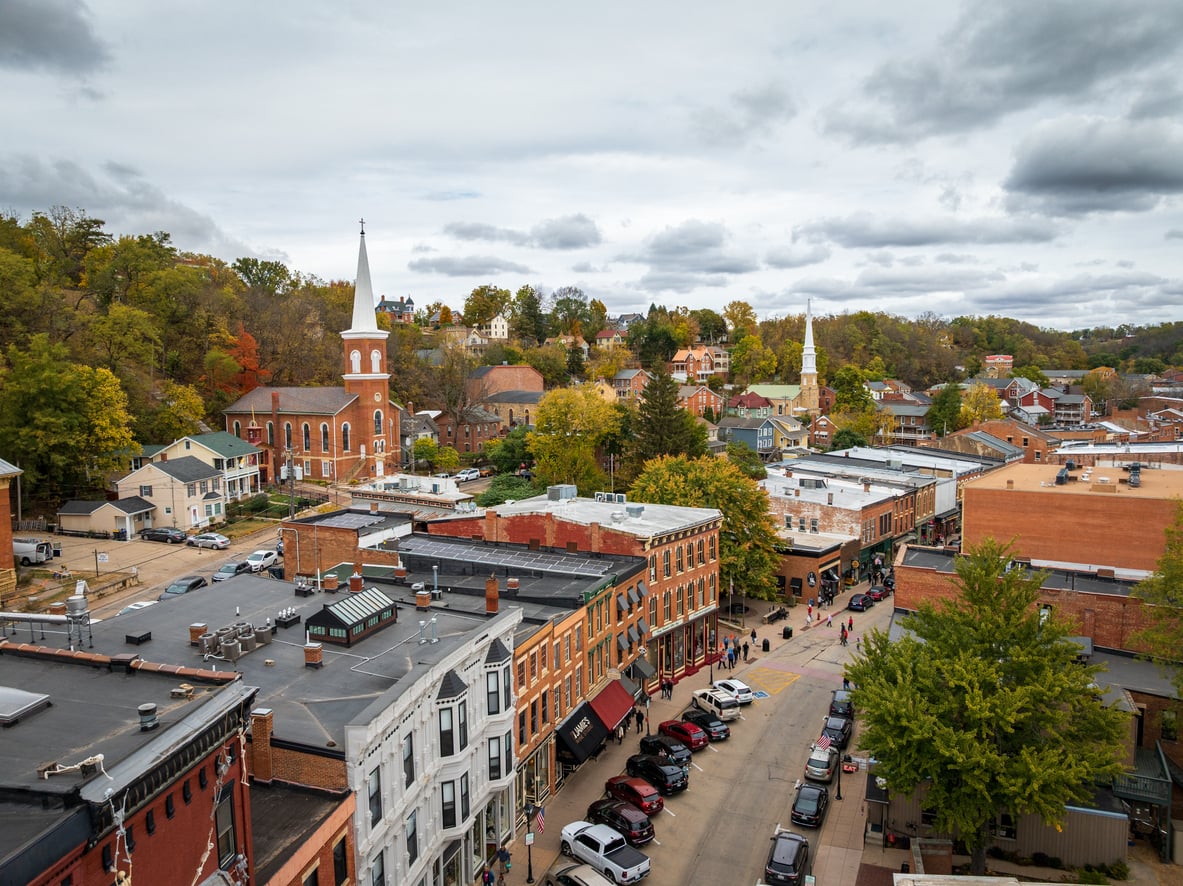
Galena may have one of America’s most convincing old Main Streets, with more than 125 shops and restaurants packed into original 19th-century buildings and relatively few familiar chain signs. More than 85% of the community’s buildings are listed on the National Register, according to Galena Country. The trade-off is popularity. Recent visitors warn that downtown can become crowded on weekends, and a 2024 resident survey found 85% of locals believe tourism contributes to traffic and parking problems. Go midweek if nostalgia matters more than bustle.
Trending on Cheapism

Jonesborough, Tennessee
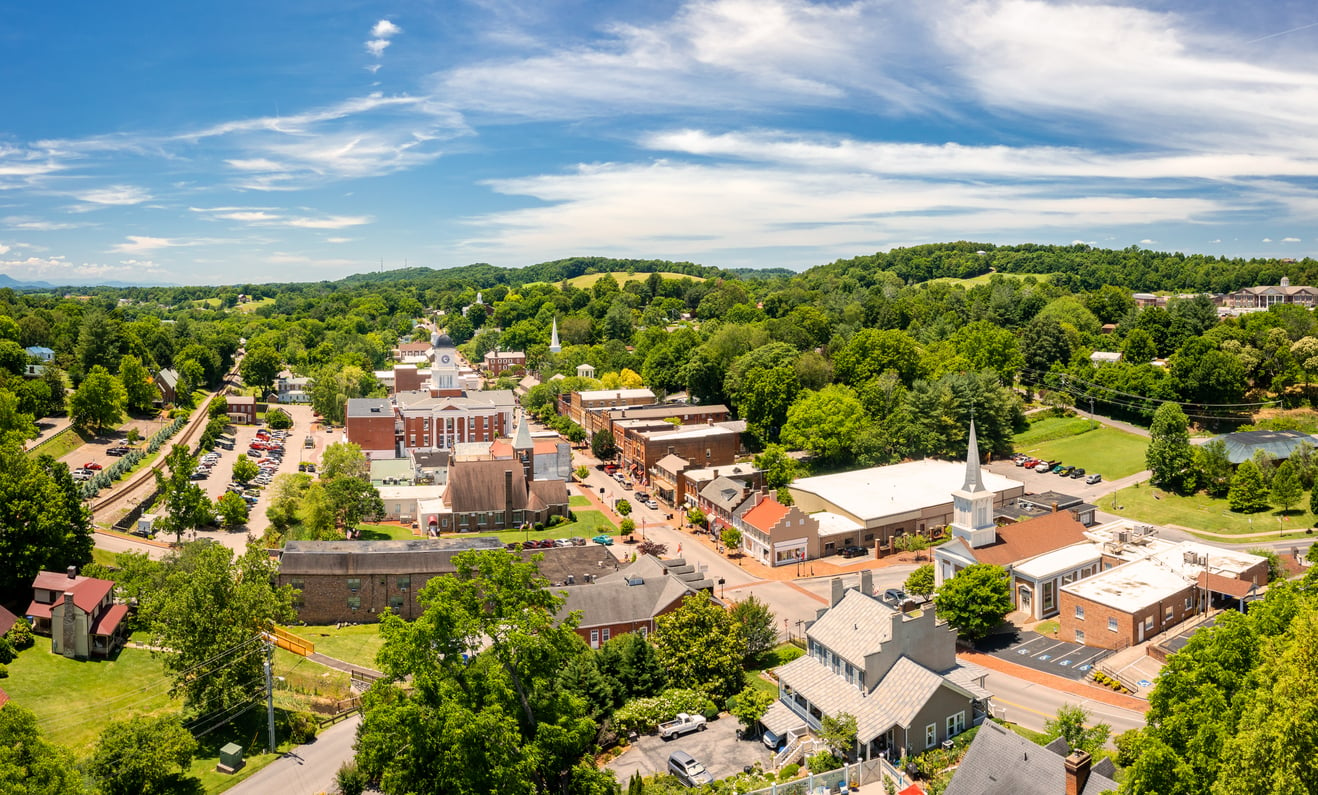
Jonesborough still has a little of the courthouse-square America that once anchored towns across the South. Local shops, antiques, a cafe, candy store, dairy bar, theater, and markets remain clustered around a walkable historic center. Its most distinctive tradition is storytelling: the National Storytelling Festival began here in 1973 and continues more than half a century later. This is more of a slow afternoon town than a nightlife destination; even travelers discussing overnight trips often point to nearby Johnson City for more evening options.
Abingdon, Virginia
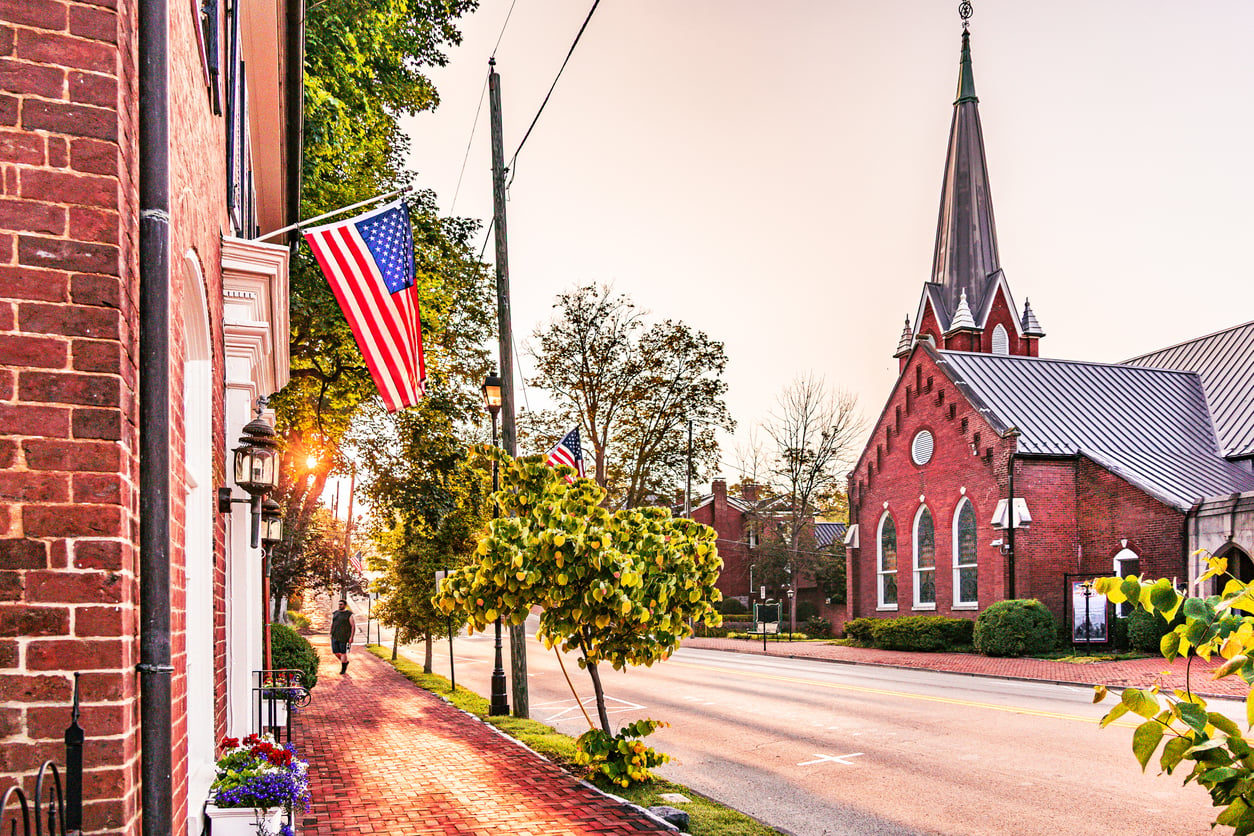
Abingdon’s 20-block historic district still works as a real downtown rather than simply a collection of old houses. Brick sidewalks connect independent restaurants, shops, galleries, a farmers market, and the Barter Theatre, which has operated since 1933. The town’s tourism office even notes that its Market District still looks much as it did in the 1950s. Abingdon is polished enough that it will not feel untouched by tourism, but window-shopping, architecture spotting, and simply walking Main Street can fill several hours without much spending.
Bardstown, Kentucky
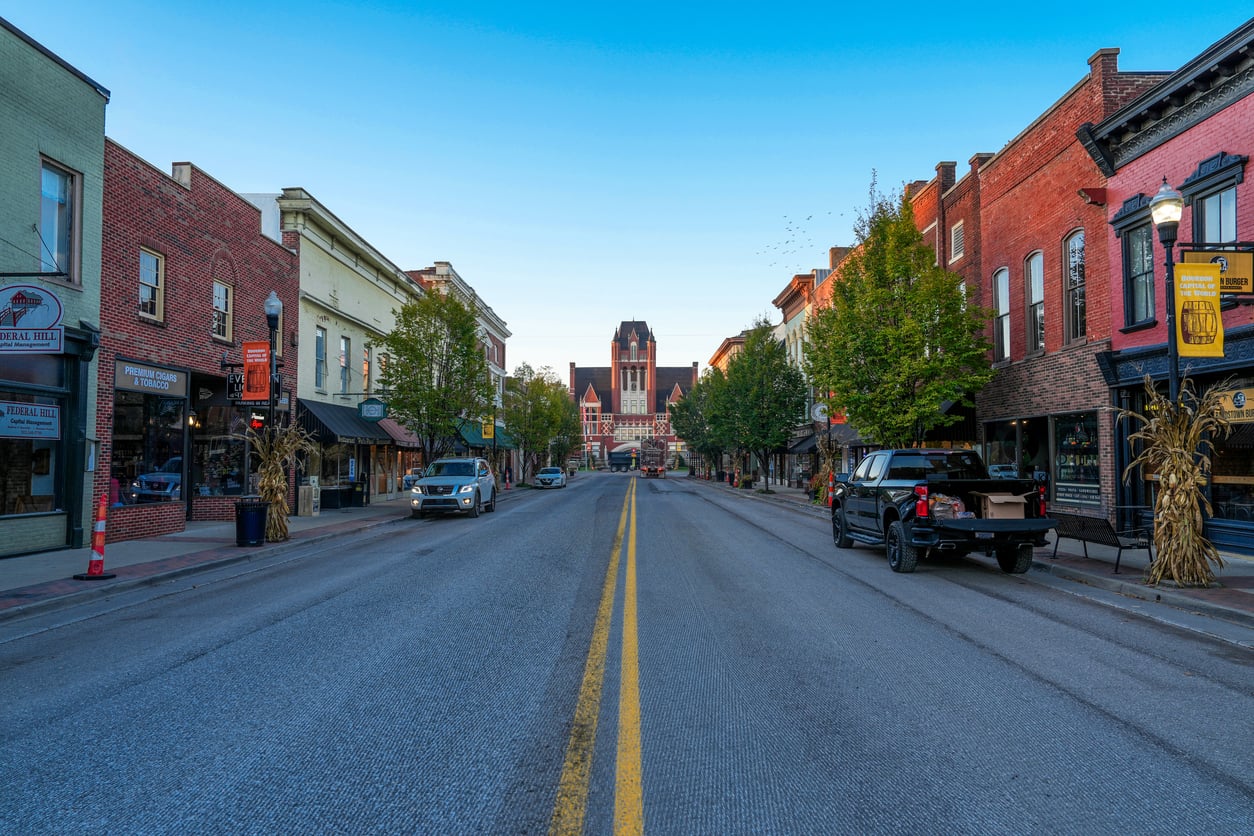
Look past the bourbon marketing and Bardstown still resembles the county-seat towns many Americans remember. Court Square anchors a walkable downtown with old commercial buildings, boutiques, restaurants, antiques, bakeries, and civic landmarks. The tourism bureau says nearly 200 historic buildings remain downtown. Recent Kentucky travelers also recommend simply wandering the center even when they are not touring distilleries. Bourbon tourism does make the town busier and potentially pricier than its nostalgic streetscape suggests, and popular distillery tours often need to be reserved in advance.
Sign up for our newsletter
St. Francisville, Louisiana
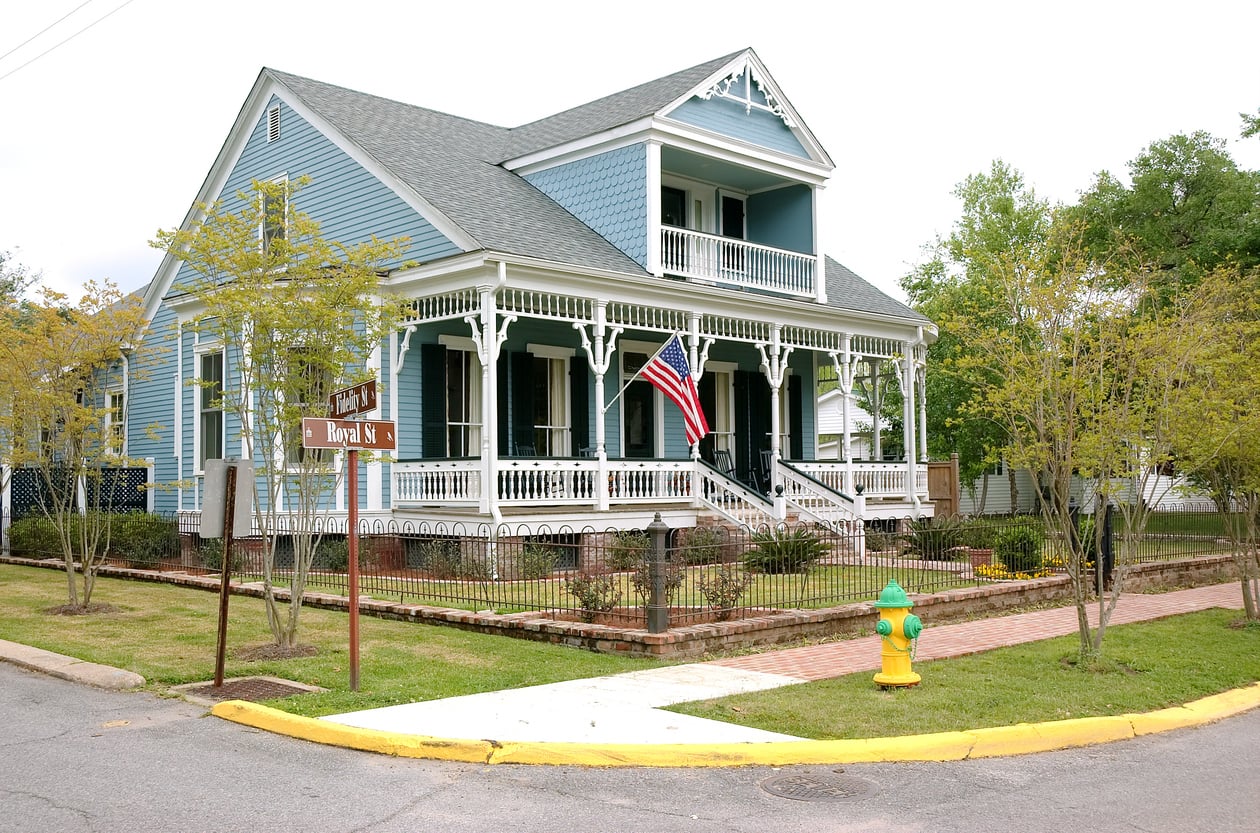
St. Francisville feels less like a recreated attraction than a town that never completely abandoned its old center. Royal Street has preserved homes and churches, while nearby streets still support locally owned boutiques, antiques, a bookstore, galleries, and small businesses. The weekly farmers market remains a genuine community event, currently running Thursdays with local produce, bread, eggs, crafts, and homemade foods. Many of the area’s historic attractions lie outside the central streets, however, so a car is useful once you finish exploring downtown.
Silver City, New Mexico
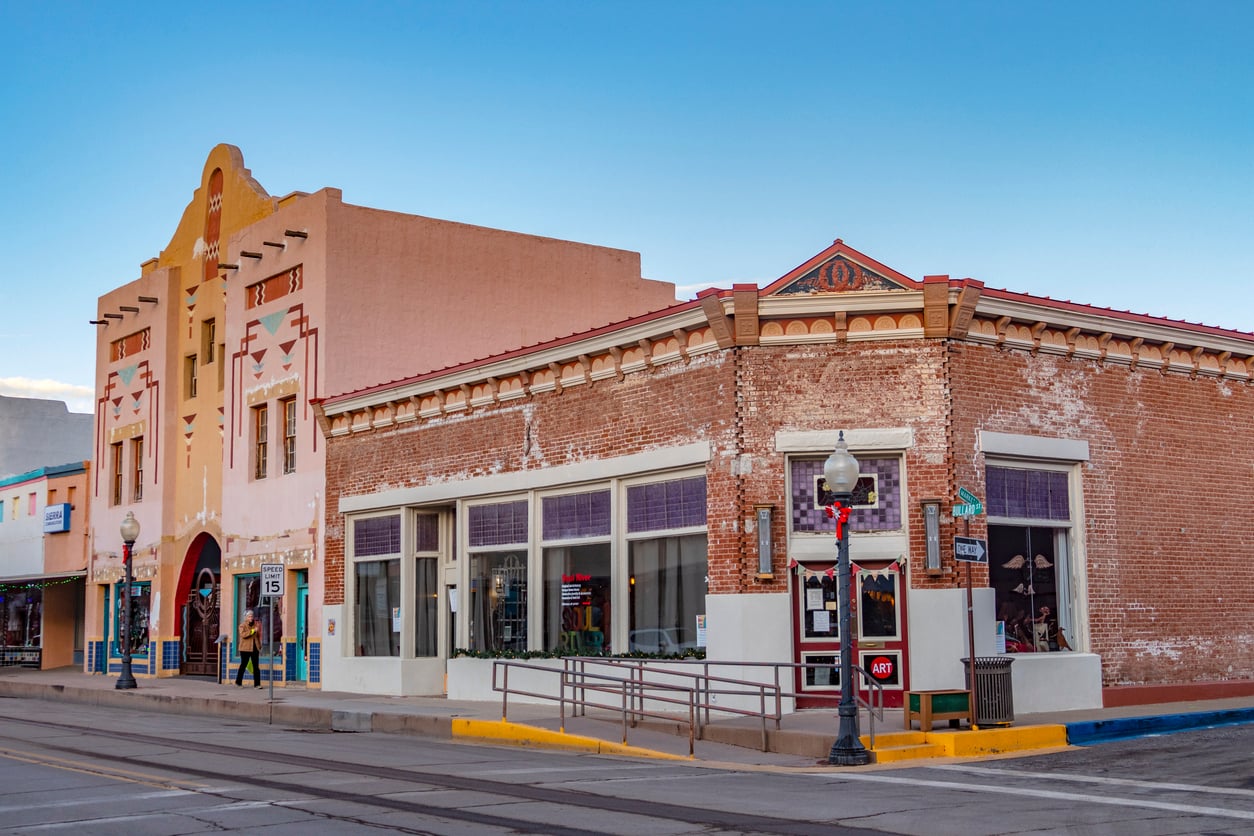
Silver City’s downtown has a quirk no newly designed shopping district could replicate: its original Main Street was washed away by floods and eventually became the Big Ditch, a green corridor running through town. Around it, old commercial buildings now hold galleries, studios, restaurants, shops, and the restored Silco Theater. Recent New Mexico travelers continue to single out Silver City for its small businesses and eccentric arts scene. The main limitation is distance – residents and travelers alike describe it as remote, so it works better as a destination than a quick highway stop.
Thomas, West Virginia
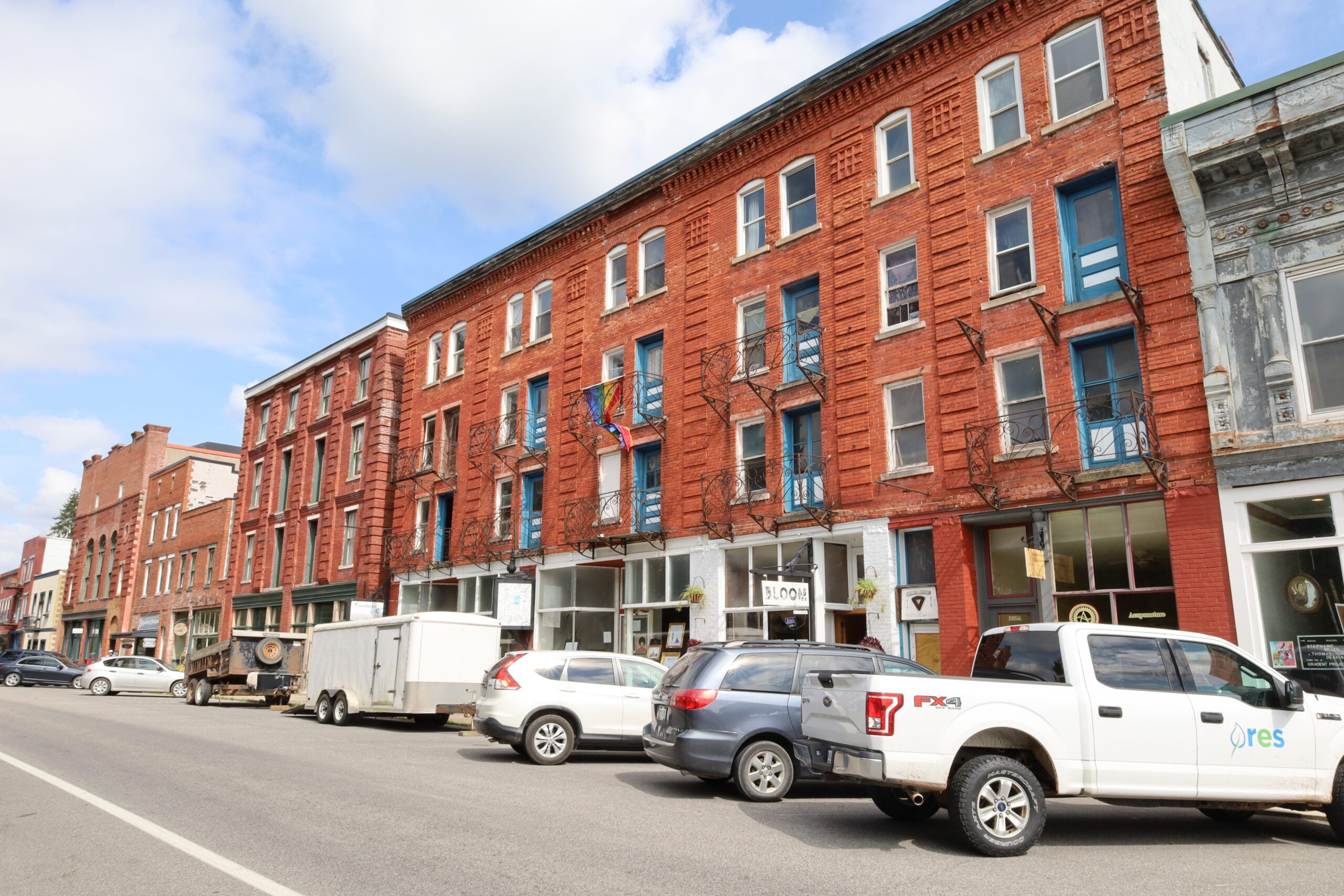
Thomas was built around coal and railroads, lost its last coal mine in 1956, and then spent decades figuring out what came next. Historic Front Street has since been reused rather than replaced, with galleries, shops, cafes, restaurants, music, and arts businesses occupying old commercial buildings. That adaptive reuse is what makes it feel authentic rather than staged. Thomas is tiny – the 2020 census counted just 623 residents – and recent local discussion notes that tourism and gentrification exist alongside real economic hardship, an important reminder that nostalgia rarely tells the whole story.
Red Lodge, Montana
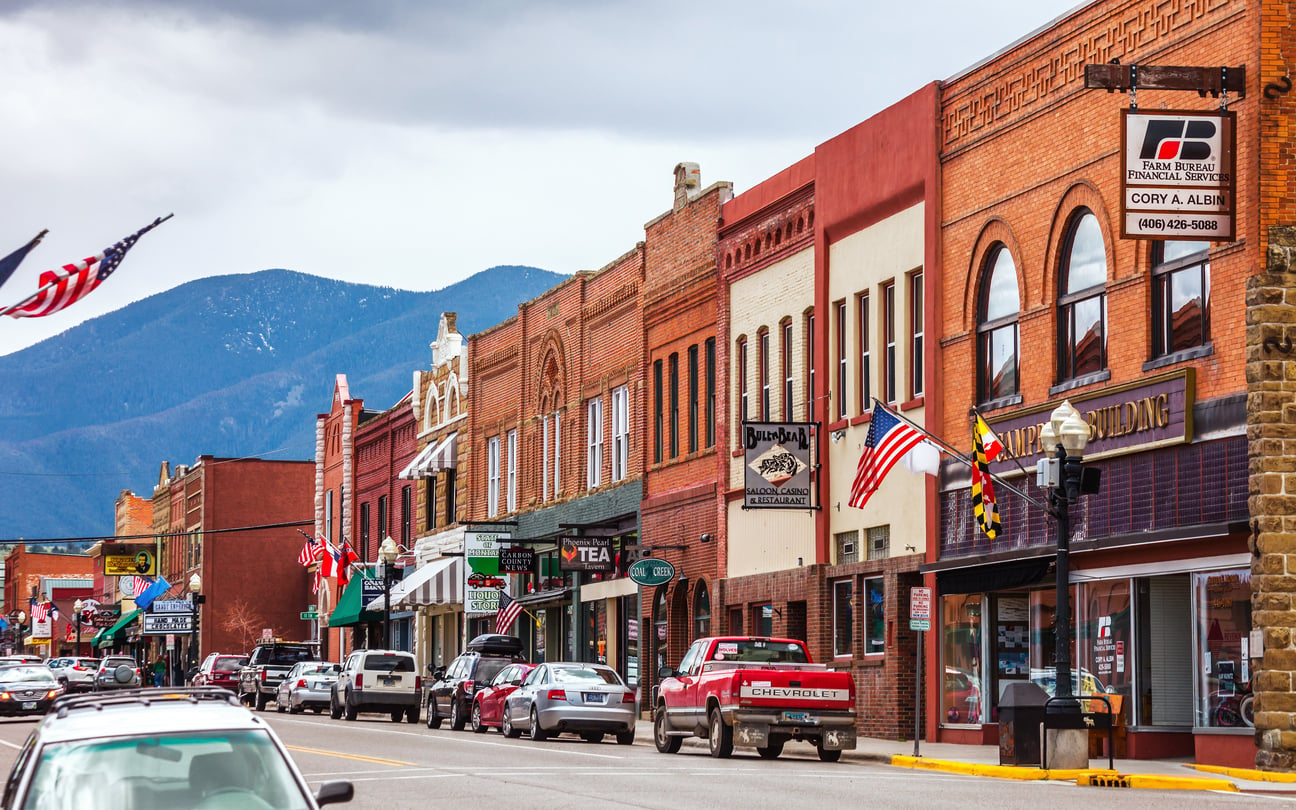
Red Lodge offers one of the clearest versions of everyday old-school Main Street life on this list. More than 23 historic buildings line the town, locally owned businesses still fill Broadway, and the Roman Theater continues showing movies in what the tourism office calls Montana’s oldest continuously operating theater. The current town calendar includes movies, bingo, live music, rodeos, and other refreshingly ordinary community events. It is also a gateway to Yellowstone and the Beartooth Highway, so summer travelers should not assume those nostalgic storefronts mean an undiscovered or empty town.