
Retirement can change your monthly budget in ways that aren’t immediately obvious. Sure, you’re no longer commuting to work or grabbing lunch near the office, but some of the bills retirees can lower are expenses you’ve been paying for years without giving them a second thought.
That’s because retirement can mean driving fewer miles, earning less taxable income, or becoming eligible for discounts and assistance programs that weren’t available while you were working. The catch? Many of those savings don’t happen automatically. You may have to call your insurance company, apply through a local government agency, or simply ask whether there’s a cheaper plan available.
Eligibility varies widely depending on where you live and your financial situation, but these 12 everyday bills are worth reviewing once you retire.
Property Taxes
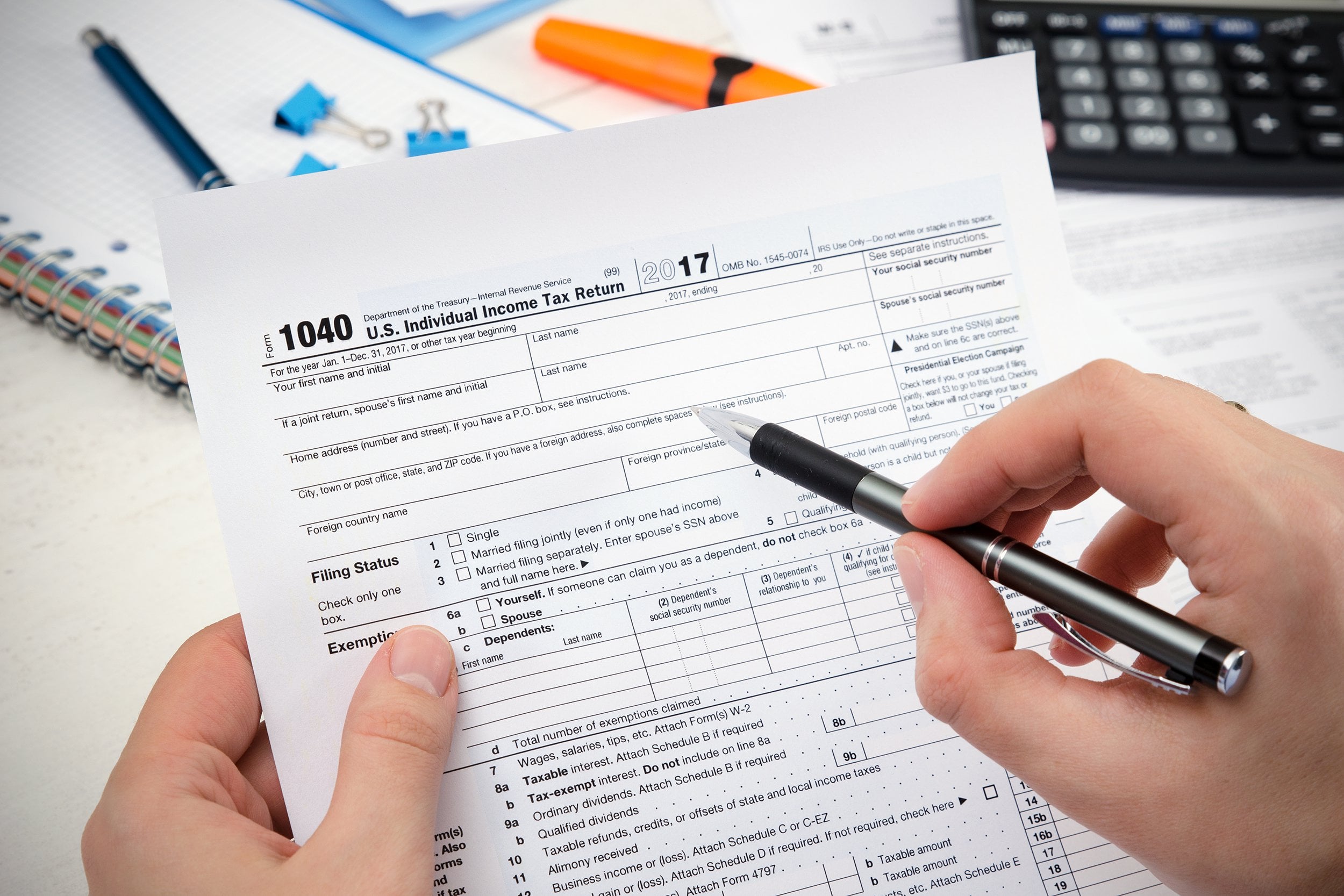
For homeowners, property taxes are one of the first big expenses worth investigating. Some states and local governments offer older residents exemptions, credits, freezes, or deferrals that can substantially reduce the bill. Texas, for example, requires school districts to provide homeowners 65 and older an additional $60,000 residence-homestead exemption, while qualifying seniors in New York City can receive property-tax reductions ranging from 5% to 50%. Check with your county assessor or local tax authority, since these programs are highly location-specific and often require an application.
Medicare Part B and Part D Premiums

Recently retired and still paying a hefty Medicare surcharge? It could be based on income you no longer earn. Medicare uses older tax returns when determining income-related surcharges known as IRMAA, but Social Security considers stopping or reducing work a qualifying life-changing event. That means some retirees whose income has dropped can request a new determination, generally by filing Form SSA-44 with supporting documentation. Lower-income retirees should also check whether they qualify for a Medicare Savings Program, which can help cover certain Medicare costs.
Prescription Drug Costs

Sticking with the same Medicare drug plan year after year can be an expensive habit. Part D plans can change their premiums, formularies, pharmacy networks, deductibles, and copays, so retirees should compare their options during Medicare Open Enrollment, which runs from October 15 through December 7 each year. Enter your current medications into Medicare’s plan comparison tool and look at the estimated total annual cost, rather than choosing based solely on the monthly premium. Qualifying retirees may also be eligible for Extra Help with prescription drug costs.
Auto Insurance

If retirement means saying goodbye to the daily commute, make sure your insurer knows about it. Annual mileage can affect auto insurance premiums, and some companies offer discounts to people who drive relatively little. Depending on your state, you might also qualify for savings after completing an approved mature-driver or defensive-driving course. Ask about available discounts and update your estimated annual mileage — but don’t stop there. Shopping around can still uncover a lower overall premium elsewhere.
Cellphone Service

That unlimited cellphone plan might have made sense when you were commuting, traveling for work, and constantly away from Wi-Fi. In retirement, you could be paying for far more data than you actually use. Some major carriers also offer plans specifically for customers 55 and older, including T-Mobile and AT&T, though eligibility and availability vary. Compare your current usage with cheaper plans and ask your carrier about age-qualified offers, but don’t assume a “senior” plan is automatically the least expensive option.
Trending on Cheapism


Home Internet

Internet bills have a habit of creeping upward, particularly when promotional rates expire or equipment rentals and add-ons pile up. The FCC now requires broadband providers to display consumer labels with important pricing information, making it easier to compare plans. Retirees should check whether they actually need their current internet speed and look for unnecessary equipment or services hiding on the bill. Lower-income households may also qualify for Lifeline, which currently provides up to $9.25 per month toward qualifying internet or bundled service.
Electric and Heating Bills

A lower retirement income could make you eligible for utility assistance you didn’t qualify for while working. The Low Income Home Energy Assistance Program, better known as LIHEAP, helps eligible households with energy costs, while the Department of Energy’s Weatherization Assistance Program funds efficiency improvements that can lower long-term bills. The DOE says participating households save an average of $372 or more annually. Your utility company may have additional senior, income-qualified, or energy-efficiency programs of its own.
Water and Sewer Bills

There’s no nationwide senior discount for your water bill, but your local utility might offer one. The EPA directs fixed-income consumers toward local water-affordability programs, which can include discounted rates, credits, or other assistance. Philadelphia, for example, offers qualifying customers 65 and older a 25% water-bill discount. Search your utility’s website for terms like “customer assistance,” “senior discount,” and “affordability program.” Some programs are based on income rather than age, so don’t rule yourself out just because you don’t see a senior-specific rate.
Sign up for our newsletter
Homeowners Insurance

Retirement itself won’t magically lower your homeowners insurance premium, but it’s a good excuse to stop letting the policy auto-renew without scrutiny. Get quotes from multiple insurers and compare coverage as well as price. You can also ask your current insurer about discounts for bundling policies, alarm systems, newer roofs, or disaster-mitigation improvements. Raising your deductible can lower premiums, too, but only consider doing so if you have enough savings to comfortably cover the larger out-of-pocket expense after a claim.
Cable and Streaming Subscriptions

How many streaming services are quietly charging your credit card every month? Retirement is a good opportunity for a full subscription audit, especially since promotional prices can turn into significantly higher recurring charges. Look through several months of bank and credit-card statements and cancel services you rarely use. If you’re paying for cable and several streaming platforms simultaneously, compare that cost with a smaller internet package and just the services you actually watch. Rotating streaming subscriptions can also keep you from paying for everything year-round.
Your Mortgage PMI

Still paying private mortgage insurance? Depending on your loan, you may eventually be able to get rid of it. With many conventional mortgages, homeowners can request PMI cancellation once their principal balance reaches 80% of the home’s original value and certain other requirements are satisfied. PMI generally terminates automatically when the loan is scheduled to reach 78% if the borrower is current, although the rules vary depending on the mortgage. Check your statement and ask your loan servicer about your specific PMI cancellation requirements.
Gym and Fitness Memberships

Before paying another year of gym dues, check your health plan. Original Medicare doesn’t cover ordinary gym memberships, but some Medicare Advantage plans, other Medicare health plans, and certain Medigap policies include fitness benefits. If yours does, you could be paying separately for something that’s already included in your coverage. Call your plan and ask about fitness-center networks or exercise programs, then confirm that a convenient local gym participates before canceling your existing membership. A free gym benefit is nice, but it shouldn’t outweigh more important considerations when choosing health coverage.