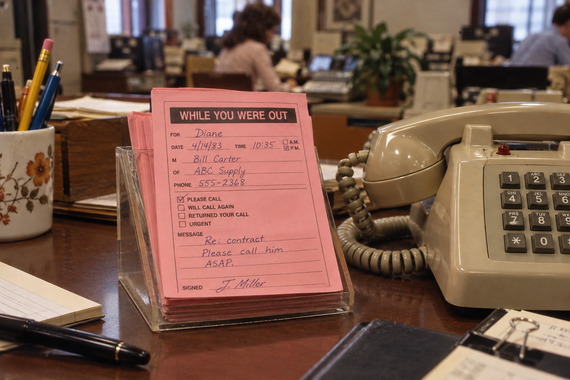

Retirement changes more than your daily schedule. It can also change which purchases are actually worth your money. The second car that was essential when both spouses commuted might spend most of its time in the driveway. That enormous house may suddenly feel like a lot of rooms to heat, cool, clean, and maintain. And buying in bulk isn’t much of a bargain if half the food ends up in the trash.
Of course, retiring doesn’t mean you have to stop spending or give up the things you enjoy. If you’ve dreamed about owning an RV or joining a golf club for decades, retirement might be exactly the time to do it. But before making another big purchase, it may be worth reconsidering some retirement purchases and asking whether you’re spending for the life you have now — or the one you had while you were working.
A Bigger House Than You Actually Need

That sprawling house may have made sense when kids were at home and every bedroom was occupied. In retirement, all that extra square footage can become expensive space you rarely use. Larger homes typically come with more property taxes, utilities, insurance, cleaning, landscaping, and maintenance. Downsizing isn’t automatically the right financial move — especially once moving costs are factored in — but retirees shopping for a new home should consider the ongoing cost of all those extra rooms, not just the purchase price.
A Second Home You’ll Rarely Use

A beach house or warm-weather getaway sounds like a retirement dream, but owning another property means taking on another round of property taxes, insurance, utilities, repairs, furnishings, and maintenance. And retirees often have something working in their favor that younger travelers don’t: flexibility. Traveling during shoulder seasons can make vacation rentals considerably more appealing than owning a home that sits empty much of the year. Before buying, try renting in the destination for a few weeks or months to see how often you’d actually want to return.
A Timeshare or Pricey Vacation Club

Having more time to travel doesn’t necessarily make a timeshare more appealing. In fact, retirement’s newfound flexibility can make being tied to one property or vacation system feel even more restrictive. Timeshares can come with annual maintenance fees, taxes, exchange charges, and other costs that continue whether you use the property or not. Getting out of one later can also be difficult. Before signing anything, compare the total cost with simply booking hotels or vacation rentals when and where you actually want to travel.
A Brand-New Luxury Car With a Long Loan
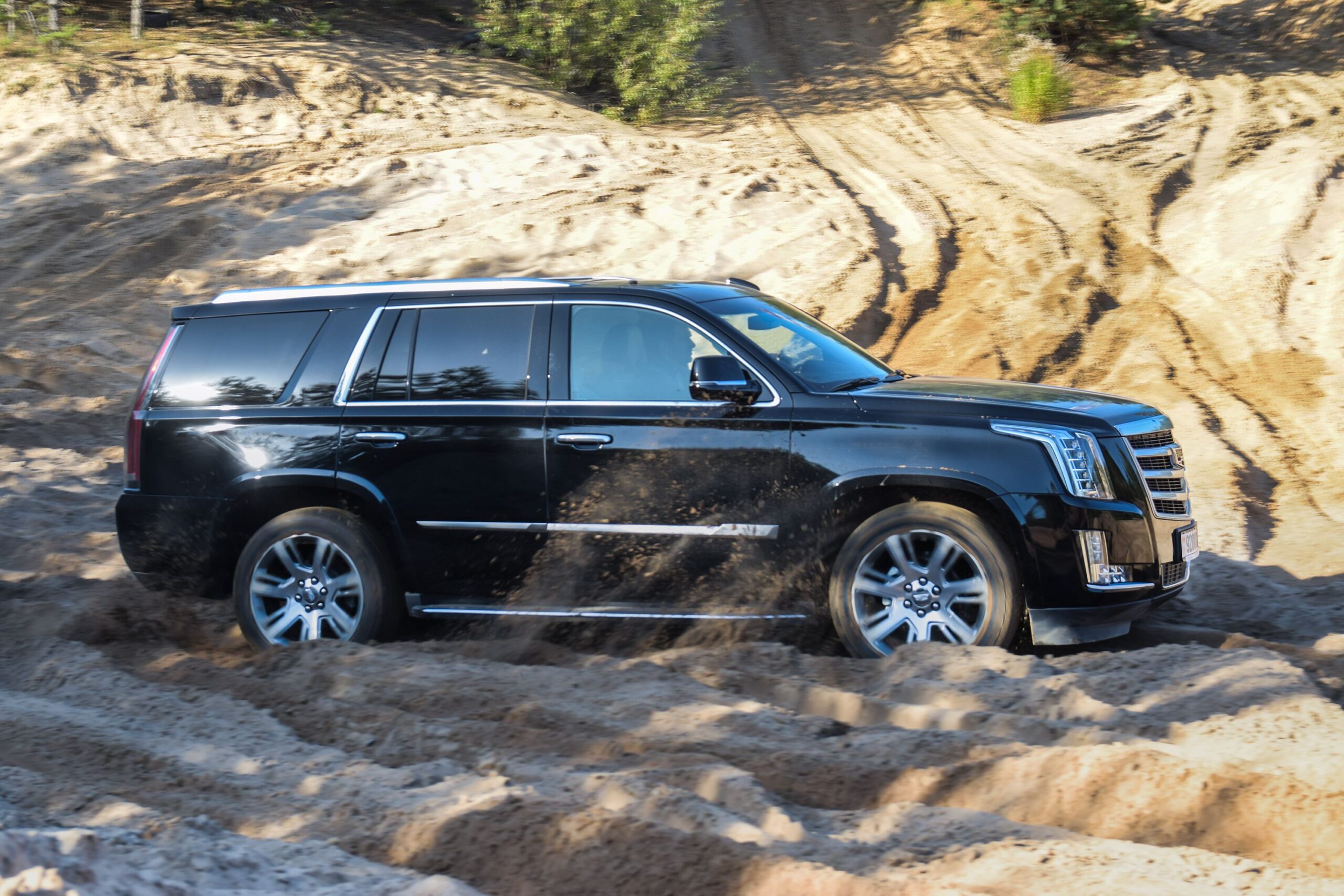
Once the daily commute disappears, you may be surprised by how little you actually drive. That can make taking on years of payments for a brand-new luxury vehicle harder to justify. The Consumer Financial Protection Bureau recommends looking beyond the monthly payment and considering the total cost of a car, including interest, insurance, fees, add-ons, and maintenance. A longer loan can make an expensive vehicle look affordable each month while increasing how much you ultimately pay. A reliable used or less expensive new vehicle might accomplish everything you need without tying up as much retirement income.
A Second Car That Mostly Sits Around

Two cars can be practically unavoidable when two adults commute in different directions every morning. Take commuting out of the equation, however, and some retired couples discover they rarely need both vehicles simultaneously. Even a car without a loan isn’t free: There’s still insurance, registration, depreciation, maintenance, tires, and repairs to consider. Try tracking how often you genuinely use both vehicles at once for a few months. Depending on where you live, occasional rideshares or rentals could cost considerably less than maintaining a second car year-round.
Trending on Cheapism


A Huge RV Before You Know You Like RV Travel

Buying an RV and hitting the open road is practically a retirement cliché, but renting one for a vacation and owning one are very different experiences. Beyond the purchase price, there can be expenses for insurance, fuel, storage, campground reservations, repairs, tires, winterization, and routine maintenance. And you may discover that driving and setting up a massive motorhome isn’t nearly as relaxing as you imagined. Renting a few different RV sizes first can help you figure out whether you love the lifestyle — and what kind of RV you’d actually want to own.
An Entire New Professional Wardrobe

One unexpected retirement realization? A surprising percentage of your closet may have essentially been office equipment. Suits, dress shoes, ties, handbags, and dry-clean-only clothing can suddenly get very little use once meetings and work events disappear. Instead of refreshing your professional wardrobe out of habit, give yourself several months to see what your new routine actually requires. Keeping a handful of quality outfits for weddings, dinners, volunteering, religious services, or occasional professional events may be plenty.
Giant Packages of Perishable Food

That enormous package of chicken breasts might have disappeared quickly when you were feeding teenagers. With only one or two people at home, however, buying in bulk isn’t automatically cheaper. A low unit price doesn’t save you anything if part of the food spoils before you can eat it. Shelf-stable staples and products that freeze well can still be excellent bulk buys, but retirees with smaller households may want to think twice before loading their carts with oversized packages of produce, dairy, bakery items, and prepared foods.
Sign up for our newsletter
An Expensive Gym Membership Before Checking Your Benefits

Staying active can be particularly valuable in retirement, but you might not have to pay full price for a gym membership. Original Medicare doesn’t generally cover ordinary gym memberships, but some Medicare Advantage plans, other Medicare health plans, and certain Medigap policies may offer fitness benefits. Before signing a pricey annual contract, check what your health plan already provides and which local facilities participate. Community recreation centers, senior centers, walking groups, and other lower-cost options may also offer what you need without another large recurring bill.
A Storage Unit With No Exit Plan
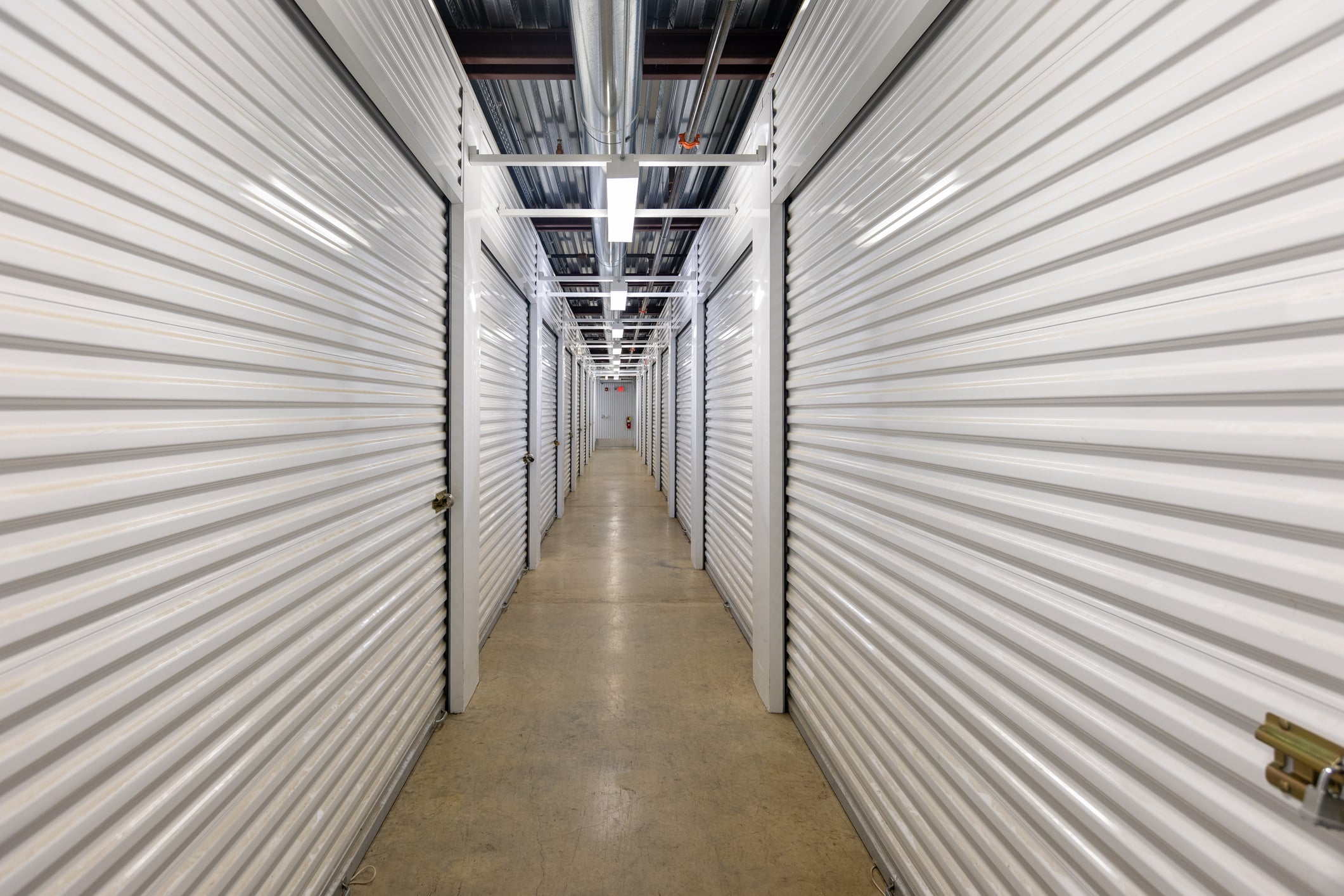
Storage units are useful during moves, renovations, and other temporary situations. The problem starts when “temporary” quietly turns into five or 10 years of monthly payments for belongings nobody actually uses. Retirement is often when people begin thinking about downsizing anyway, making it a good time to reconsider whether old furniture, work equipment, or boxes belonging to grown children are worth paying to store indefinitely. Calculate what the unit will cost over the next year — and the next five — and compare that figure with the actual value of what’s inside.
An Expensive Remodel Designed to Impress Buyers

Retirement can be a great time to improve your home, particularly if you’re planning to age in place. But a massive chef’s kitchen or elaborate cosmetic overhaul may not improve your daily life nearly as much as more practical changes. Better lighting, safer bathrooms, easier entrances, low-maintenance materials, and first-floor living can potentially make a home more comfortable for years to come. Before sinking retirement savings into a flashy renovation because you think future buyers will love it, consider whether the project makes the house noticeably better for the person living there now: you.
Extended Warranties on Everything

The promise of avoiding a surprise repair bill can sound especially reassuring when you’re living on retirement income, but buying an extended warranty or service contract for every appliance and electronic device can add up quickly. The Federal Trade Commission recommends considering whether the product is likely to need costly repairs and how much additional protection the contract actually provides beyond the manufacturer’s warranty. Deductibles, exclusions, reimbursement limits, and repair restrictions can make coverage less valuable than it initially appears. In some cases, putting that money into a household repair fund could make more sense.
More Life Insurance Without Reconsidering Why You Need It

Life insurance can absolutely remain important after retirement, particularly if you have a spouse, dependents, debts, or estate-planning needs. But one of its traditional purposes is replacing employment income for the people who depend on your paycheck — and retirement can change that equation. Before purchasing additional coverage, consider exactly what financial need the new policy would address and review the coverage you already have. That doesn’t mean you should rush to cancel an existing policy, either, since replacing it later could be considerably more expensive or even impossible depending on your health.
Annual Memberships for Your Fantasy Retirement Life

It’s easy to picture retirement as an endless string of rounds of golf, museum visits, theater nights, and vacations. It’s harder to know which of those activities will actually become part of your routine. Paying hundreds or thousands of dollars for annual memberships before finding out can leave you with expensive benefits you barely use. During your first few months, consider paying by the visit and tracking how frequently you go. Once you’ve established that you’re really at the golf course, museum, club, or fitness center enough to justify the annual price, the membership will still be there.
Constant Upgrades to Things That Already Work

Working life can create a constant upgrade cycle: new phone, new laptop, new TV, new car, new kitchen gadget. Retirement can be a good time to become more intentional about which upgrades actually improve your life. That doesn’t mean holding onto obsolete technology forever, especially when security, reliability, safety, or accessibility is involved. But if your current device works perfectly well, ask yourself what the new version would let you do that you can’t already do. If the answer is basically “it looks nicer,” keeping your money may be the better upgrade.