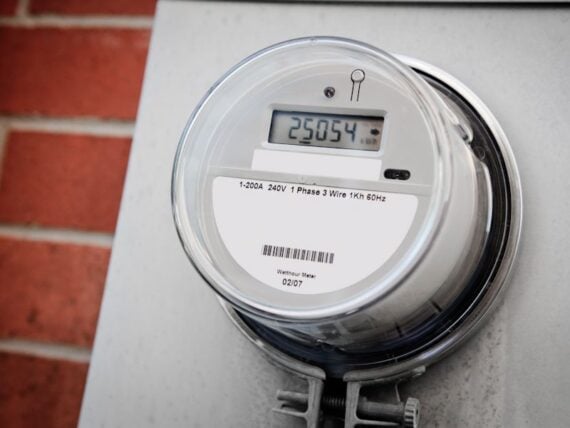

That feeling you get when you buy an appliance or a piece of real estate that you want and finally finish paying for it is rewarding. However, not everything you buy stops costing you money once you own it, according to Zillow, AAA, and many other sources. We’ll reveal these items that can have surprisingly high ownership costs even after you’ve paid for them and own them!
A House
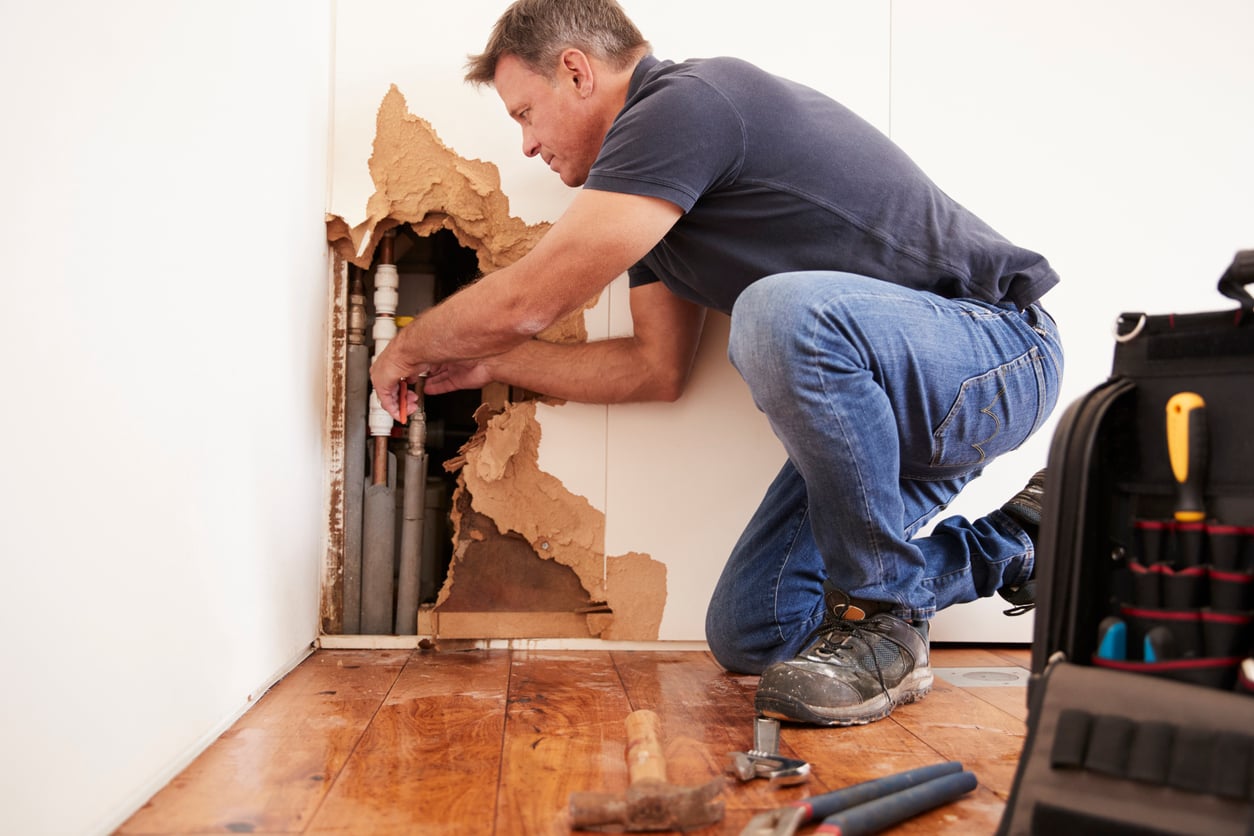
Even if you don’t have to pay a mortgage on a house, the monthly costs associated with it are very high. From property taxes and homeowners insurance to utilities and never-ending major repairs, you can end up paying thousands of dollars in expenses according to Zillow. And many people have to add to that the mortgage, adding substantially to their ownership costs.
A Car
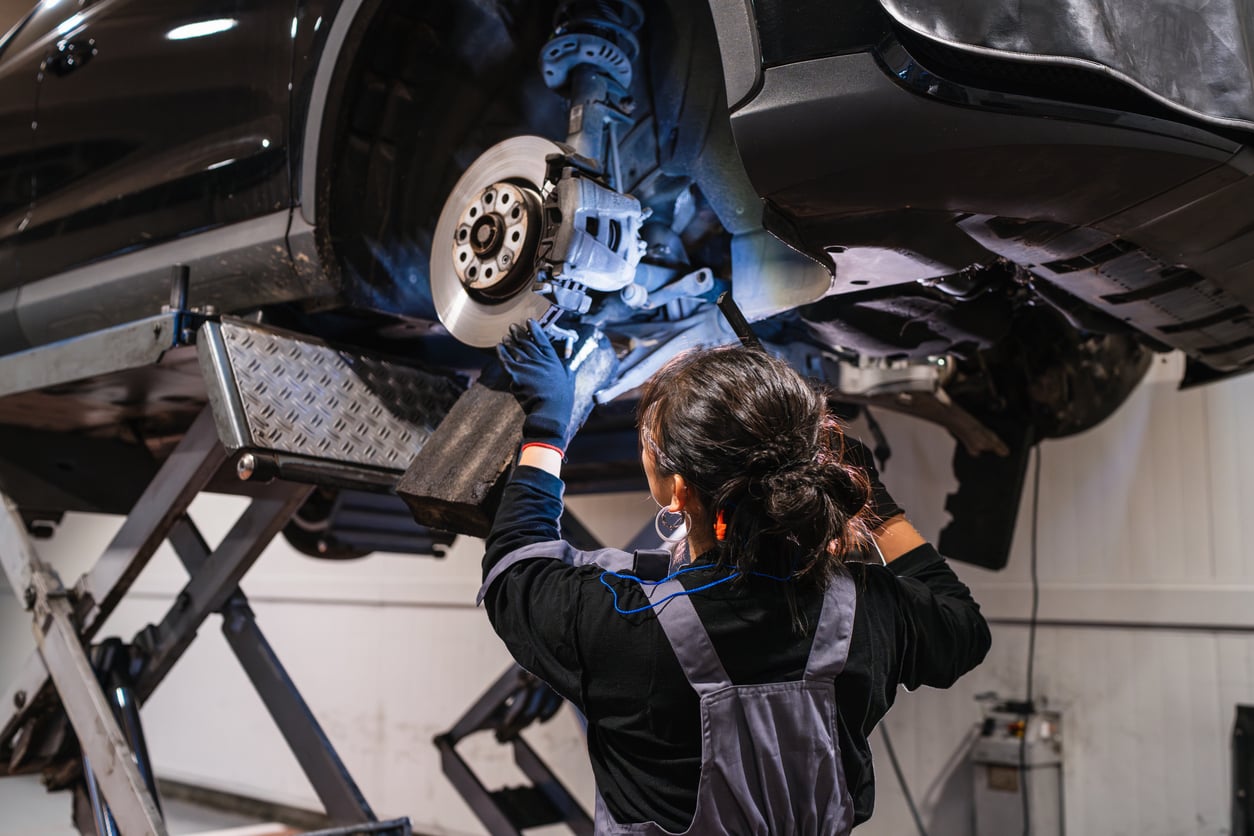
The AAA estimates that owning a new car and using it regularly could cost $11,577 a year in insurance, fuel, maintenance, repairs, registration, taxes, and other expenses. At the same time, the car’s market value begins to decline the moment you drive it off the dealer’s lot. A cheaper option would be to buy a used car, but that doesn’t rule out the possibility that it might need significant repairs given how long it’s been in use, which can add to its ownership costs.
A Backyard Swimming Pool

When you pay for the installation of a swimming pool in your backyard, that’s just the beginning of the expenses it will incur. The water you use to fill it must be filtered and treated, using pumps that require electricity and equipment that can break down and need repairs. It’s estimated that the routine cost of maintaining a pool ranges from $3,000 to $6,000 a year, taking into account electricity, water, minor repairs, chemicals, and the seasonal maintenance it requires. These recurring ownership costs can vary considerably by location and pool type.
A Hot Tub
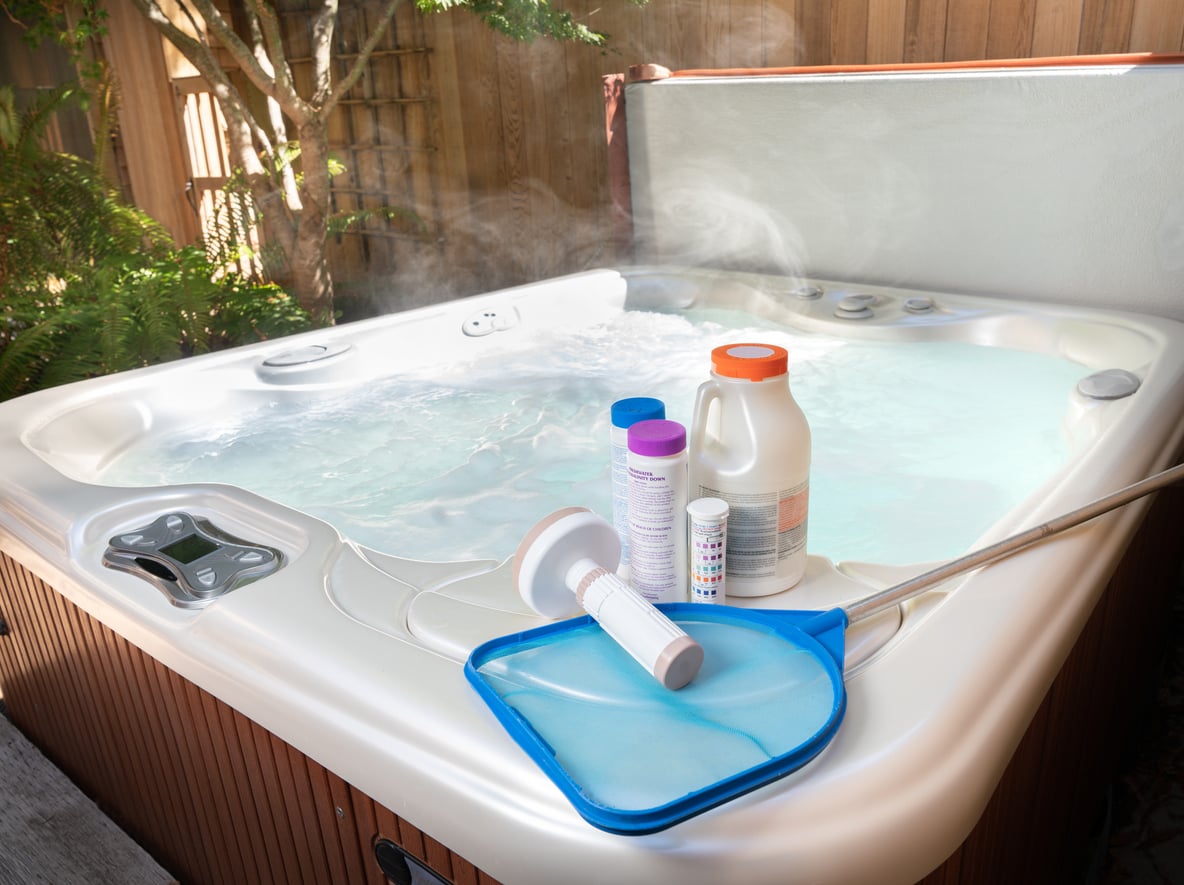
A hot tub is also expensive because it uses a lot of electricity and hot water to operate, and it’s used year-round. Angi estimates that it costs anywhere from about $250 to $1,500 a year, depending on its size, the climate of the city where it’s located, and how often it’s used. A hot tub requires maintenance, filters, chemicals, and a lot of water, all of which contribute to its ownership costs.
A Boat
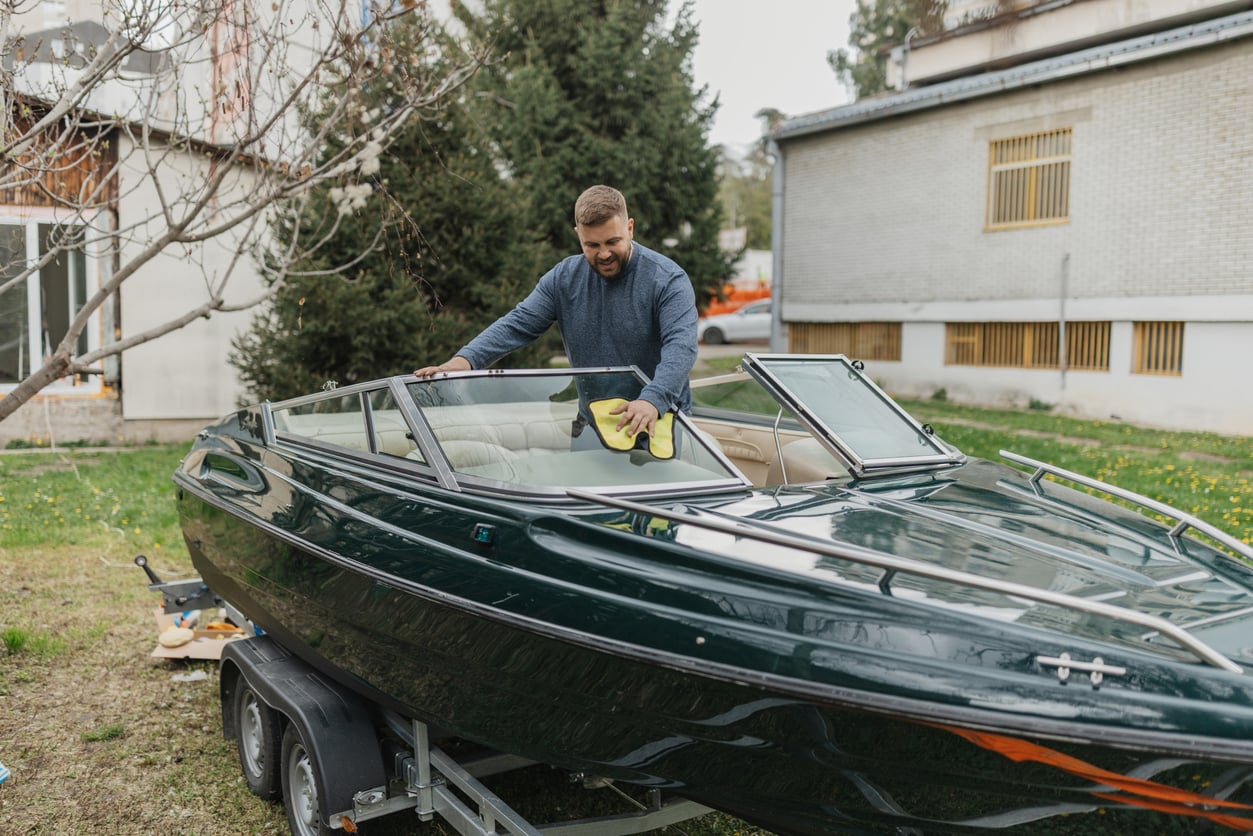
Owning a boat is similar to owning a car: You need to pay for insurance, dry storage or marina fees, fuel, cleaning, registrations, repairs, engine service, trailer maintenance, and many other unexpected expenses. Those who are inexperienced in the area of boat purchasing should take maintenance, repairs, and storage costs into account well before considering the purchase of a boat. Boat insurance premiums can add significantly to overall ownership costs, from $250 to $900.
Trending on Cheapism


An RV

When you buy an RV, you might think you won’t have to pay hotel bills anymore, but you will have to pay for fuel, maintenance, insurance, off-season storage, and accessories beyond the RV itself. A motorhome can cost between $600 and $1,100 monthly in expenses for campsite fees, propane, roof maintenance, tires, and other repairs. These recurring ownership costs should be considered before buying one.
A Horse

Some studies indicate that buying the horse is often one of the smaller expenses of horse ownership, according to Utah State University Extension. Between feed, healthcare, equipment, farrier services, veterinary care, and miscellaneous expenses, you could be paying between $1,000 and $2,000 per year. If you use it for competition and need training, transportation, and boarding, those ownership costs could skyrocket.
A Dog
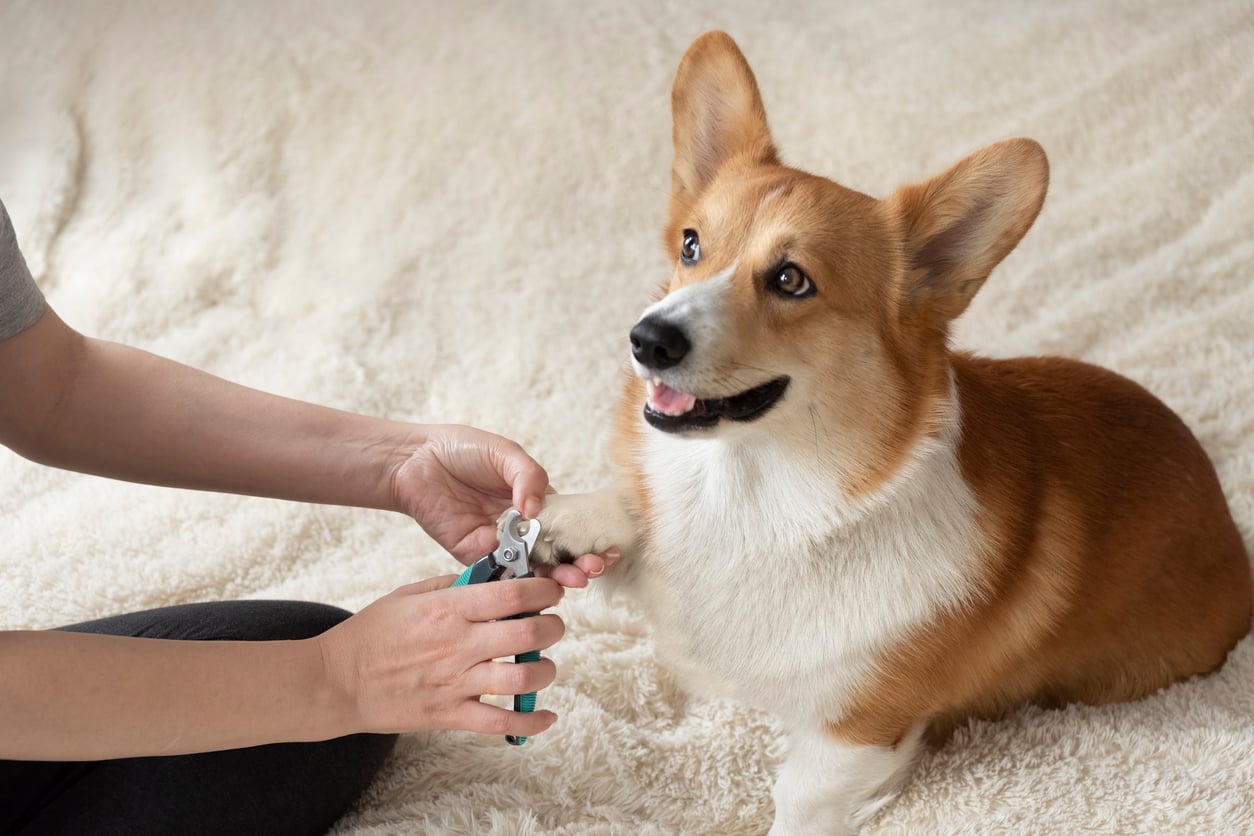
If you adopt a dog from a shelter, it might cost you a few hundred dollars, but on a day-to-day basis, food, vet visits, vaccinations, medications, grooming, dental care, and any emergencies that may arise could significantly increase the final cost. A 2026 analysis by Rover in the U.S. indicates that the lifetime cost of a medium-sized dog is just over $39,000. These long-term ownership costs can vary depending on the dog’s size, health and needs.
Sign up for our newsletter
A Cat

Just like dogs, a Rover analysis indicated that in 2026, the cost of caring for a cat could start at $32,500. Litter, food, routine veterinary care, medications, and emergency treatments that a cat needs over an average of 15 years account for that expense. In addition, a cat might scratch furniture inside the house or require automatic feeders, adding to its overall ownership costs.
A Condo
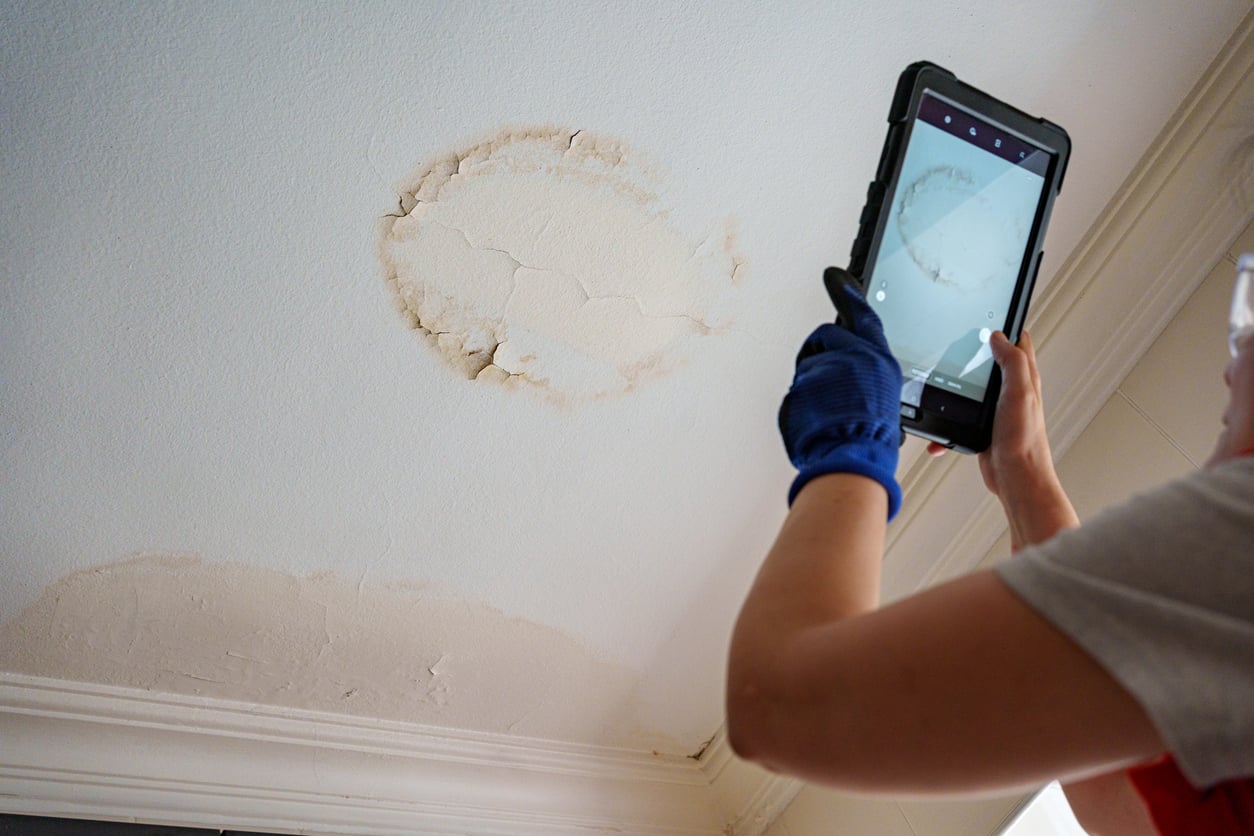
When a person buys a condo, they think they’ll avoid paying for roof maintenance and lawn mowing, and won’t have to spend time and money on the building’s exterior, but they will have to deal with other expenses. Insurance premiums, utility bills, labor cost for repairs, and the purchase of replacement parts are some of those expenses. Even if you pay dues to a condominium association, as is often the case with condos, there may be special assessments. All of these expenses contribute to the property’s ownership costs.
A Vacation Home
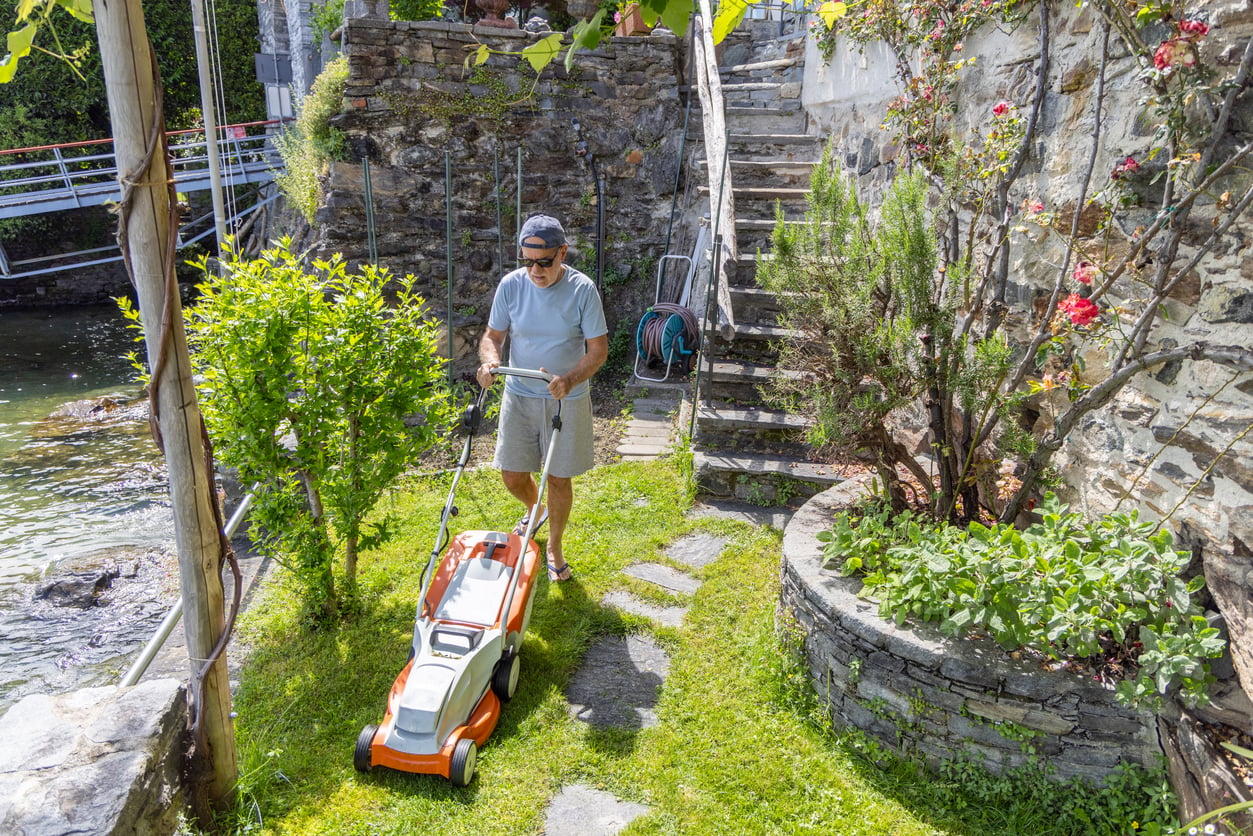
A vacation home can substantially increase your housing expenses you have for your primary residence because it also involves taxes, utilities, insurance, repairs, pest control, security, and furniture costs, even when no one is living there. And an additional cost that many people who live far from their vacation home incur is hiring someone to handle the maintenance of that other property. These recurring ownership costs can make a second home much more expensive.
A Motorcycle

A motorcycle may seem cheaper than a car, but riders also need insurance, registration, chains or belts, fluid changes, batteries, tires, and regular maintenance to keep everything running properly. In addition, high-quality safety gear can be expensive. The climate where you ride it could also lead to additional expenses, such as the need for seasonal storage, increasing your overall ownership costs.
A Home Printer
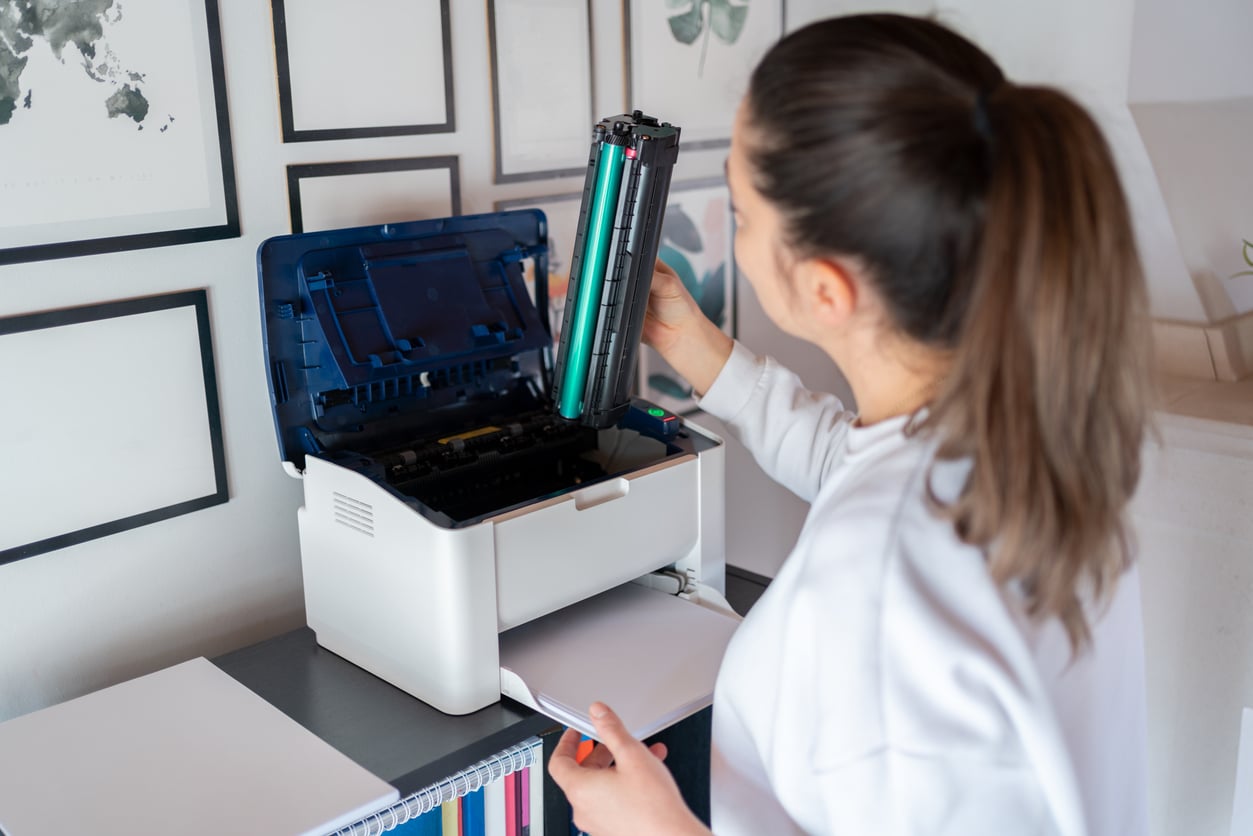
Many people have already noticed that no matter how cheap a home printer you buy, what really drives up the cost of this product are the cartridges it needs to operate. In many cases, a home printer’s cartridge should be from the same brand as the printer itself, because otherwise it won’t work. At the same time, some cartridges stop working when one of their colors runs out, even if the other colors are still available. These recurring supply expenses can make printer ownership costs much higher.
A Gaming Console

A gaming console can cost hundreds of dollars, but to get the most out of it, you’ll have to spend much more than that. Some new games cost around $70, but then you have to pay for extra controllers, online multiplayer subscriptions, headsets, storage expansion, downloadable content, season passes, and in-game purchases, all of which can push ownership costs far beyond the initial price of the console.
A Smartphone

The latest-model smartphone might cost around $1.000, but it doesn’t come with everything you need to use it. Some of them don’t include wireless service, device protection, cloud storage, cases, screen protectors, or replacement batteries. But more importantly, some smartphones don’t include a wall charger, while accessories such as cases and screen protectors are usually sold separately.
A Second Car You Barely Drive
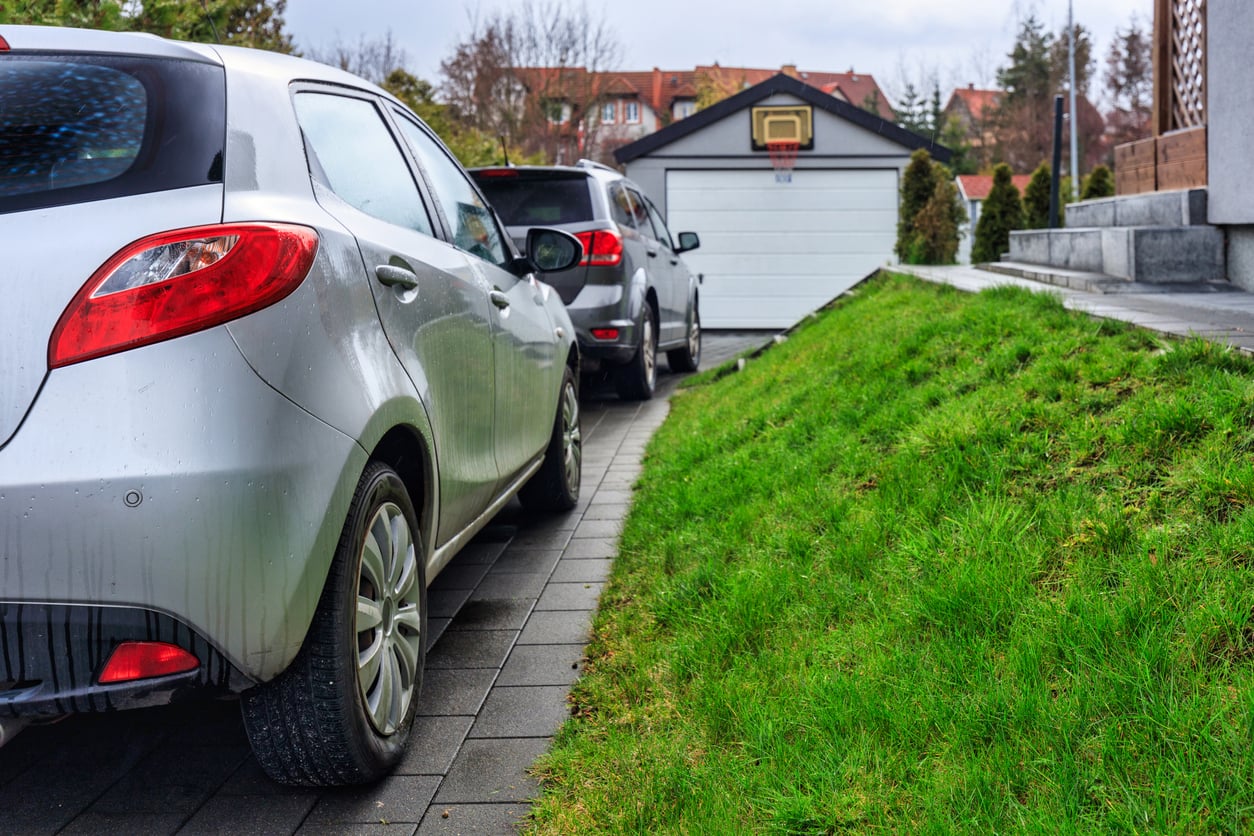
Another expense that adds up significantly, even after you’ve already purchased it, is owning a second car that you hardly ever use. Many families or couples choose to own a second car, but doing so substantially increases their expenses for insurance, registration, maintenance, tires, and various repairs. The AAA has explained that car ownership entails substantial fixed costs, regardless of how often the car is used or how much fuel it consumes. Those fixed ownership costs are important to consider before buying a second vehicle.
Conclusion
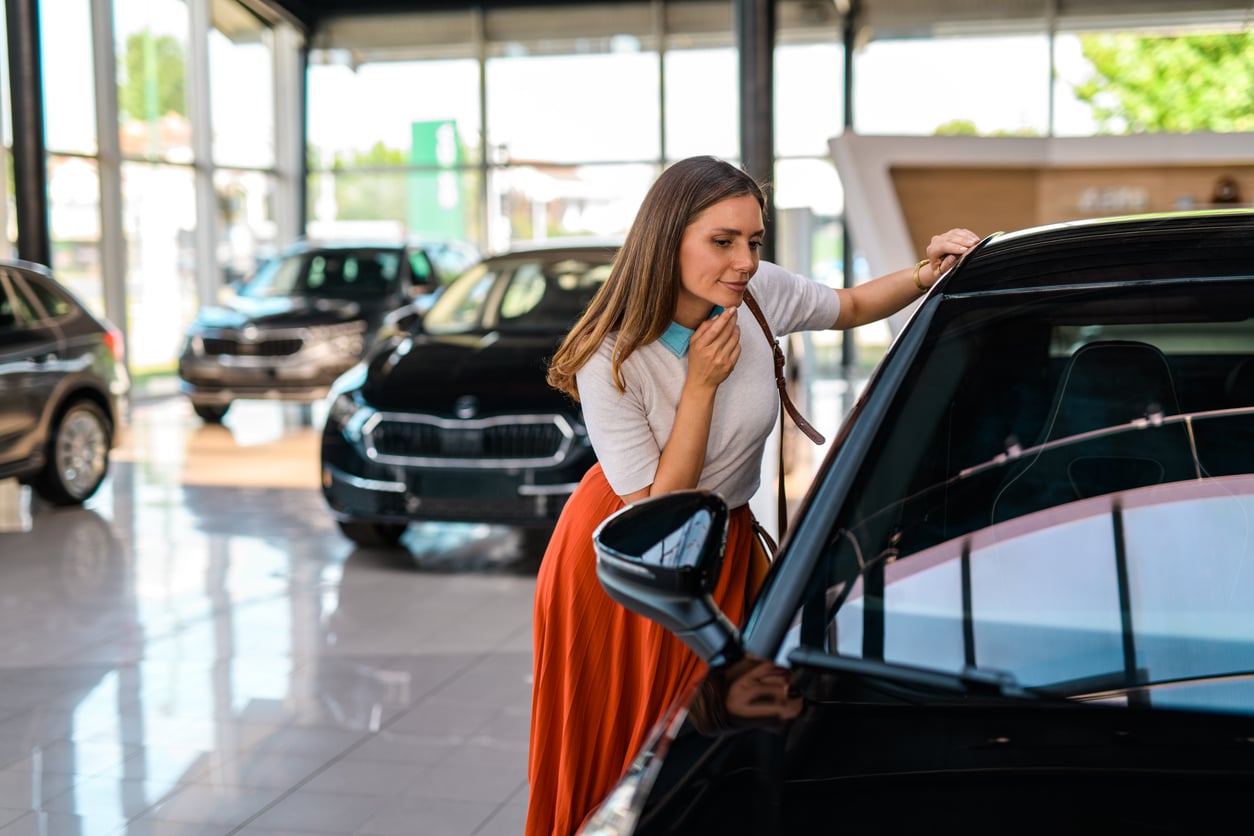
All of these examples clearly illustrate the significant difference between the purchase price you pay and the cost of owning that same item or asset. From a house to a motorcycle, ownership costs can vary depending on where you are in the United States and the specific products you choose from a wide range of options. It’s important to keep in mind those expenses that aren’t included in the purchase price and that you’ll end up paying.