
Some saving habits that Baby Boomers have maintained for years make perfect sense, even if younger generations sometimes don’t quite grasp them. We’ll reveal practices that help resolve financial issues, foster social connections, and make daily life more manageable using information from the Federal Trade Commission, the USDA, and other sources. Here are the “old-school” habits that Boomers say are worth keeping!
Repairing Before Replacing

Older generations are accustomed to repairing items rather than simply replacing them. This is because products from years past were made with solid, durable materials, rather than the quasi-disposable, easily broken materials used today. Consequently, when a shoe, piece of furniture, or appliance broke, they would choose to repair it whenever possible. This saving habits are still relevant today, as the Federal Trade Commission has taken action against some manufacturer practices that restrict consumers’ right to repair.
Keeping a Household Emergency Fund

One of the saving habits adults often recommend to young people today is to save money whenever possible for potential emergencies. The CFPB recommends setting aside funds for unexpected expenses, such as car repairs, medical bills, or lost income, so that an emergency causes less financial harm by not turning into debt. One way to build these savings is to make a small deposit each month when you receive your paycheck.
Cooking Enough for Leftovers
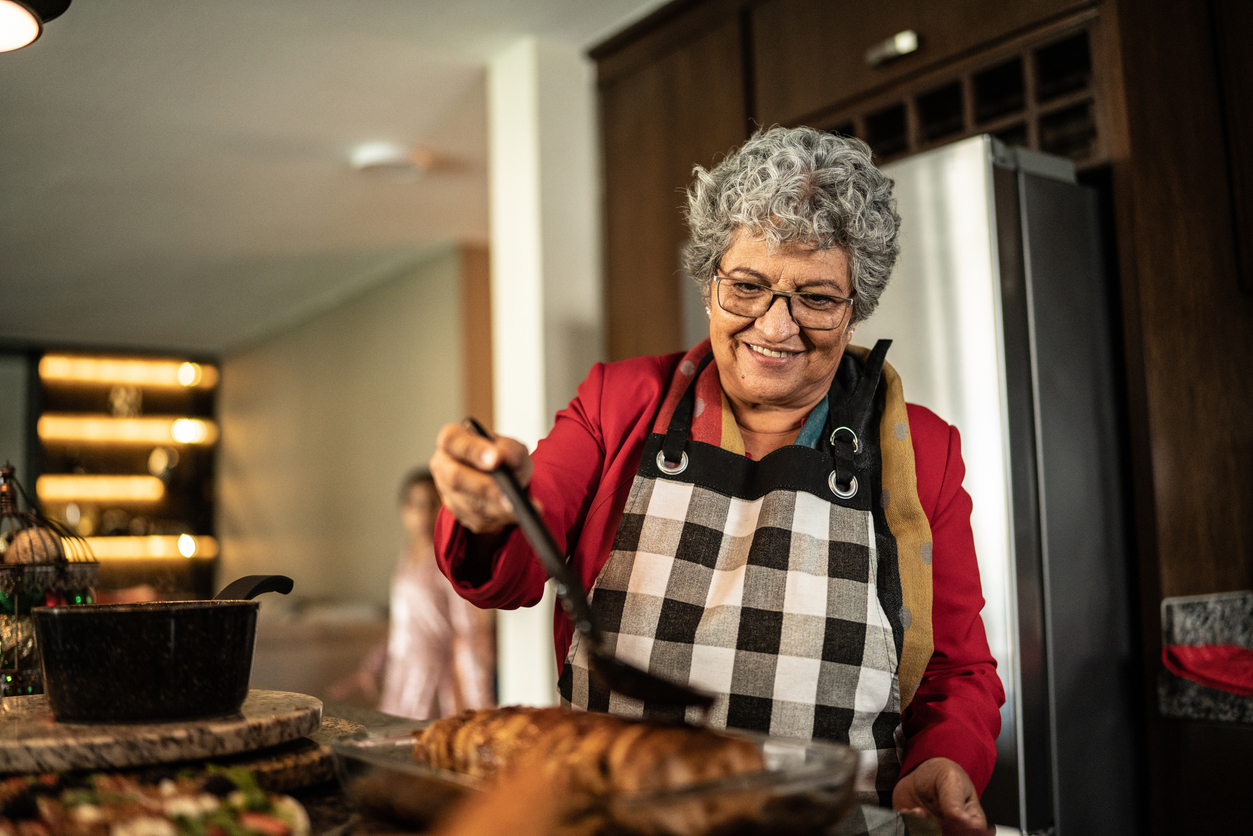
One of the efficient saving habits that Baby Boomers maintain today is preparing a meal large enough to yield leftovers, making it easier to put together the next meal. This way, you not only save money but also reduce food waste. A single session in the kitchen can cover multiple meals, simply double the portions of soup, pasta sauces, or roasted meats. According to the USDA, to ensure that leftovers are safe to eat, make sure the food is cooked to a safe temperature and refrigerate the leftovers promptly.
Writing Things Down

New generations are unlikely to choose taking notes with pen and paper when their phones are so close at hand. However, Baby Boomers point out that writing notes in a book, on a shopping list, or in a notebook makes it easier to remember what was written by creating a visual memory that goes beyond the paper itself. One of these saving habits can reduce the likelihood of forgetting something, while leaving digital methods for other types of notes.
Maintaining Things on a Schedule

Keeping up with the maintenance on your car, furnace, gutters, appliances, and tools require will save you from major expenses down the line. To minimize the risk of a household item suddenly breaking down, sticking to a maintenance schedule is essential. One of these saving habits of performing small, frequent upkeep tasks is cheaper in the long run than paying for a major repair.
Trending on Cheapism

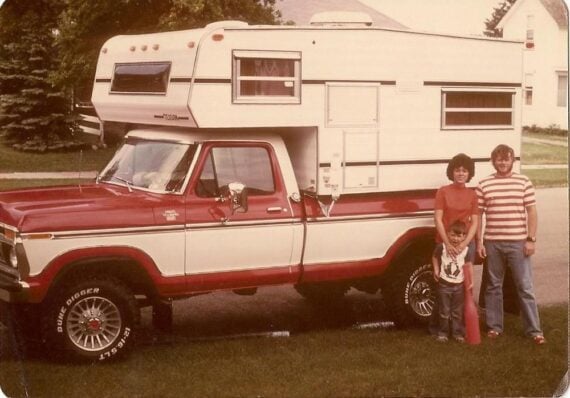
Using What You Already Have
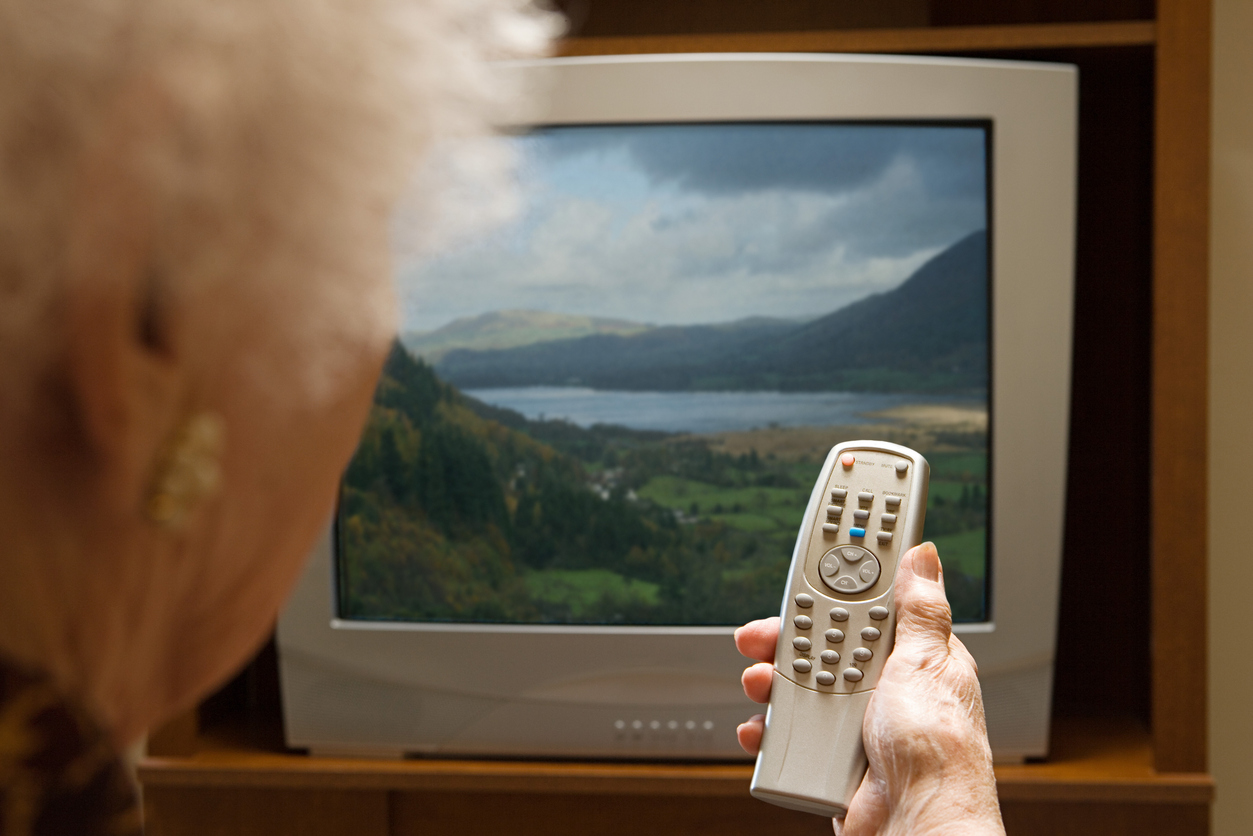
Younger generations are accustomed to replacing an item simply because a new version has hit the market. Baby Boomers, however, think differently. They believe in using what you have until it breaks, rather than replacing it just because an upgrade is released. One of these saving habits can help reduce unnecessary spending: If your phone, television, or appliance is still functional, you can save a lot of money by keeping it.
Eating Together at the Table

Studies from the Harvard T.H. Chan School of Public Health link regular family meals to nutritional and social benefits. For Baby Boomers, sharing meals with family was often a regular part of life, creating opportunities to talk and spend time together without the digital distractions common today. Although busy schedules can make this more difficult, planning one or two family dinners each week can be a simple way to maintain this tradition.
Paying Attention to Unit Prices

Promotions at many supermarkets and stores can be misleading, so Boomers have learned to calculate the price per unit, ounce, or serving rather than relying on package size. Shrinkflation has come into play, making familiar packages appear large when, in reality, only the price has increased. Checking the unit price is one of the useful saving habits because it helps determine whether a product is actually a better deal.
Sign up for our newsletter
Keeping Basic Supplies on Hand

Another one of the saving habits Boomers practiced in the past, and believe is worth maintaining, is keeping a stock of pantry staples, batteries, medicines, and household basics at home. By doing so, they can avoid emergency purchases and unnecessary trips to the store. Furthermore, they are prepared to handle situations where they run out of an item at an inconvenient time, such as during the holidays or when stores are closed.
Sending Thank-You Notes

Boomers often place greater value on personal and thoughtful forms of communication, such as handwritten notes and messages that accompany a gift. It is not unusual for a grandfather or father to write a note of thanks or choose a personal gesture instead of sending a brief text message. One of these saving habits of making time for personal gestures can strengthen relationships without requiring much money.
Buying Quality Once When It Makes Sense

Many Boomers grew accustomed to choosing products that expected to last, and that’s why they invested a lot of money on those goods. This strategy, combined with periodic maintenance and a willingness to repair items, extended their lifespan. However, many products have changed, and not all of them are made to endure, often due to cheap materials. Consequently, no matter how well you care for them, their useful life is shorter.
Visiting People Instead of Only Messaging Them

Before the advent of social media and smartphones, staying connected required more effort, whether through in-person visits, letters, or landline calls. Maintaining a relationship required more effort, as it involved coordinating landline calls, and sharing a meal required planning. Digital communication has made staying in touch easier, though some might feel relationships have become more passive. Making time for meaningful contact remains one of the valuable saving habits because it does not have to involve spending money.
Conclusion

The saving habits that Baby Boomers still maintain today, and which have served them well throughout their lives, include using items for longer periods, planning ahead, minimizing waste, and investing more effort in relationships. This does not mean they reject the modern technology that makes some of these activities more convenient. Rather, they are more skeptical about embracing it without reservation, unlike many young adults.