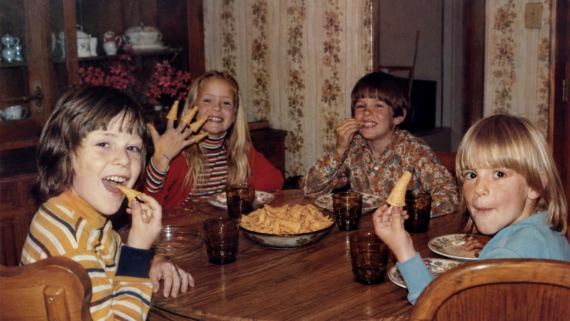
Nostalgic snacks for boomers can send you back to childhood surprisingly quickly. Maybe it’s the crinkle of a Pop-Tarts wrapper, the orange dust left behind by cheese crackers, or the impossible challenge of getting through a Tootsie Pop without biting into it.
For baby boomers, many of those memories were formed just as packaged snacks were becoming a much bigger part of American childhood. Some of the foods that filled lunchboxes and kitchen cabinets in the 1950s, ’60s, and early ’70s were brand new at the time. Others had already been around for decades.
Remarkably, plenty are still on shelves today. From Bugles worn as makeshift fingernails to Cracker Jack boxes with a prize waiting inside, here are 15 snacks that may bring boomers straight back to childhood.
Pop-Tarts
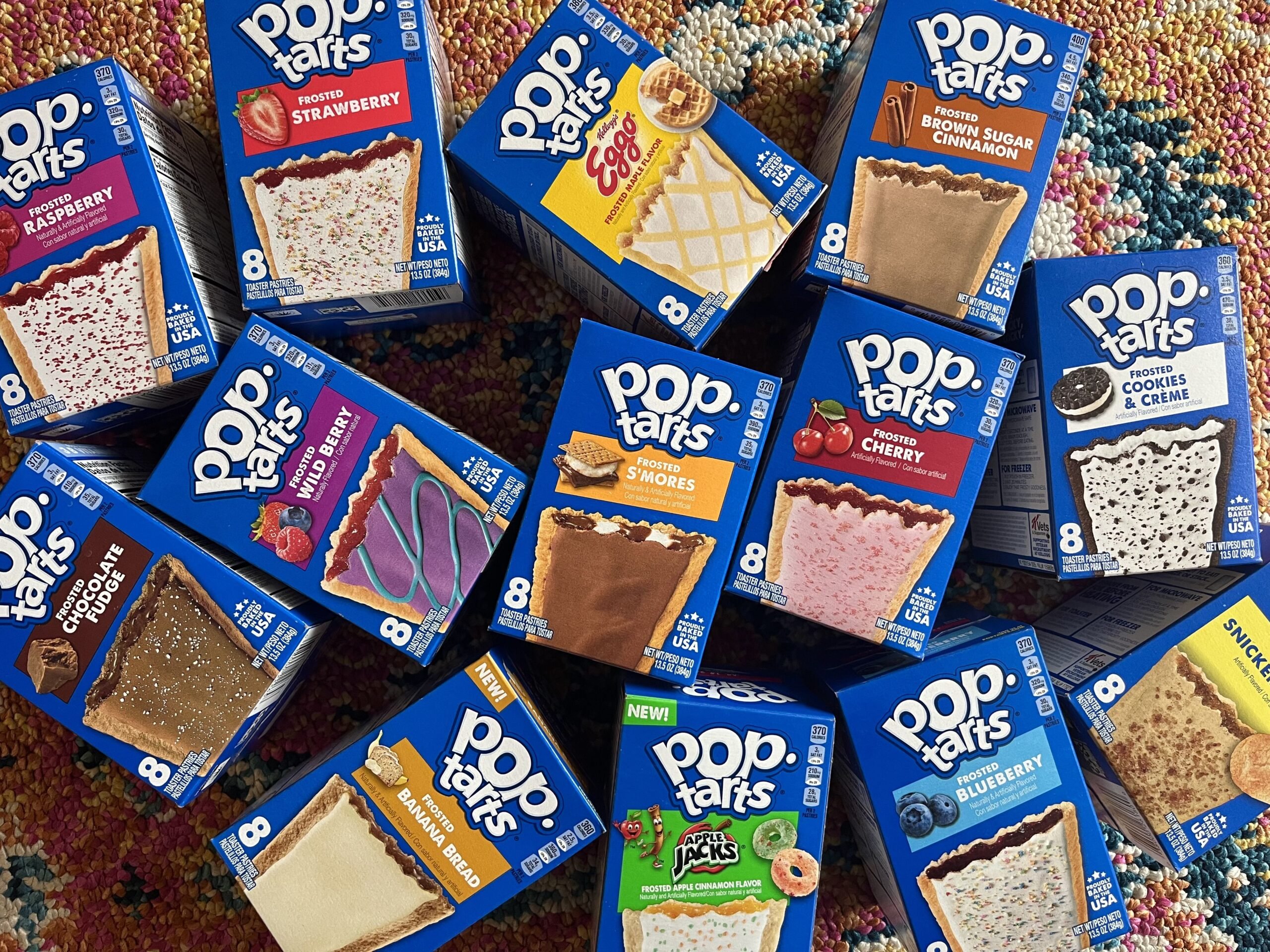
Pop-Tarts landed on shelves in 1964 with four original flavors: Strawberry, Blueberry, Brown Sugar Cinnamon, and Apple-Currant. But older boomers might remember them looking a little different — frosting wasn’t added until 1967. Whether toasted until the filling became dangerously hot or eaten cold straight from the foil wrapper, Pop-Tarts quickly became the kind of breakfast that kids could make without much help from an adult.
Little Debbie Oatmeal Creme Pies
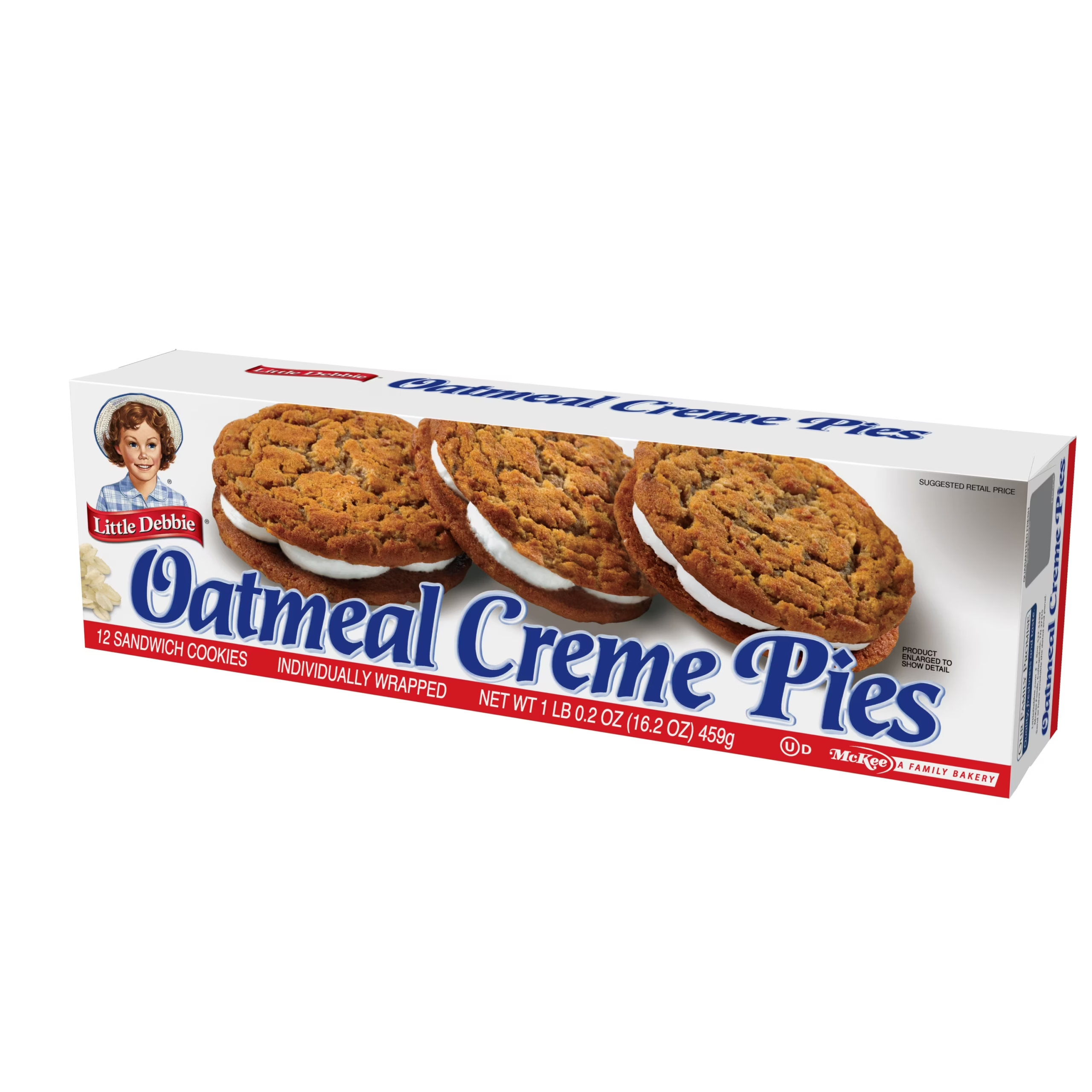
Little Debbie’s Oatmeal Creme Pies have been around since 1960 and were actually the first snack cakes sold under the Little Debbie name. Back then, they reportedly cost just a nickel apiece. For generations of kids, the soft oatmeal cookies and sweet creme filling became a lunchbox staple — complete with the inevitable bit of cookie that stuck to the plastic wrapper.
Hostess Twinkies
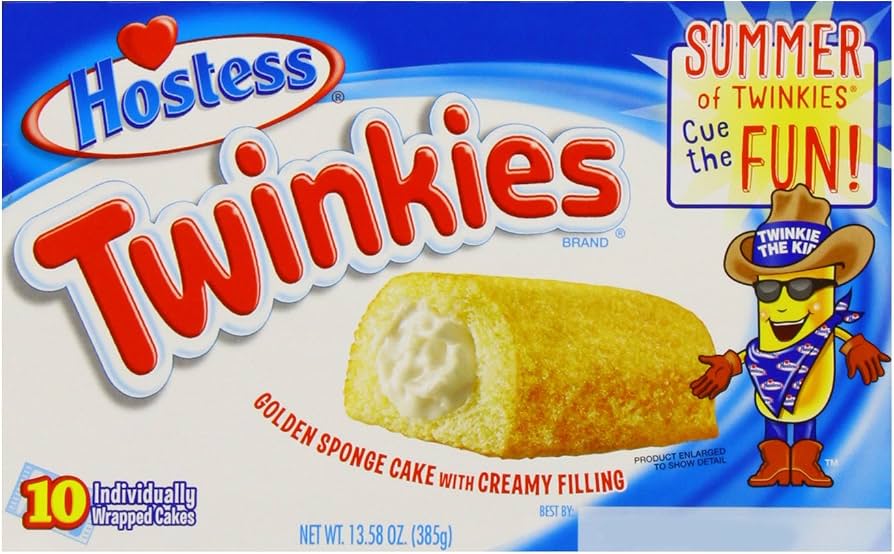
Twinkies weren’t new when boomers were growing up. They had already been around since 1930, giving them plenty of time to become a fixture of grocery stores and lunchboxes. The individually wrapped golden cakes with creme filling were exactly the kind of treat that could make an otherwise ordinary school lunch more exciting. Fun fact: The original Twinkie filling was banana-flavored before vanilla became the standard.
Hostess Ding Dongs
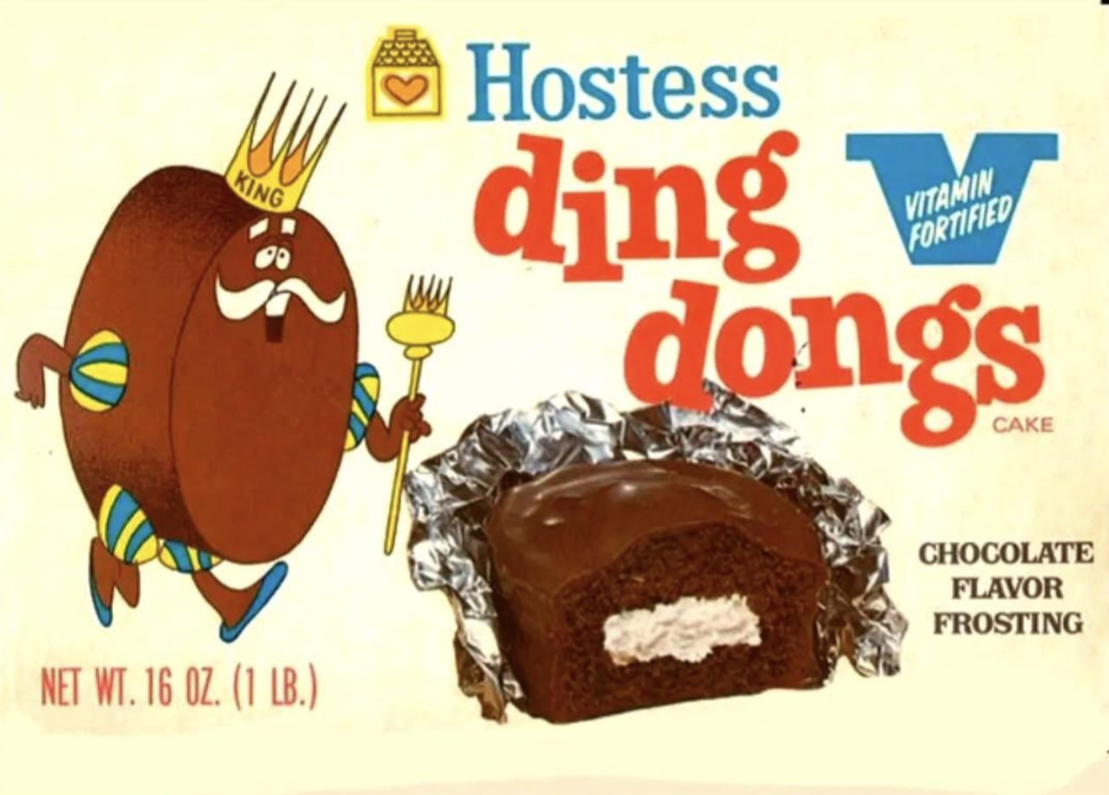
Introduced in 1967, Ding Dongs arrived just in time to become a childhood treat for younger boomers. The little round cakes packed chocolate cake and creme filling beneath a chocolate coating, but the wrapper was almost as memorable as what was inside. Hostess says the unusual name came from a television advertising campaign featuring the sound of a ringing bell.
Hostess SnoBalls
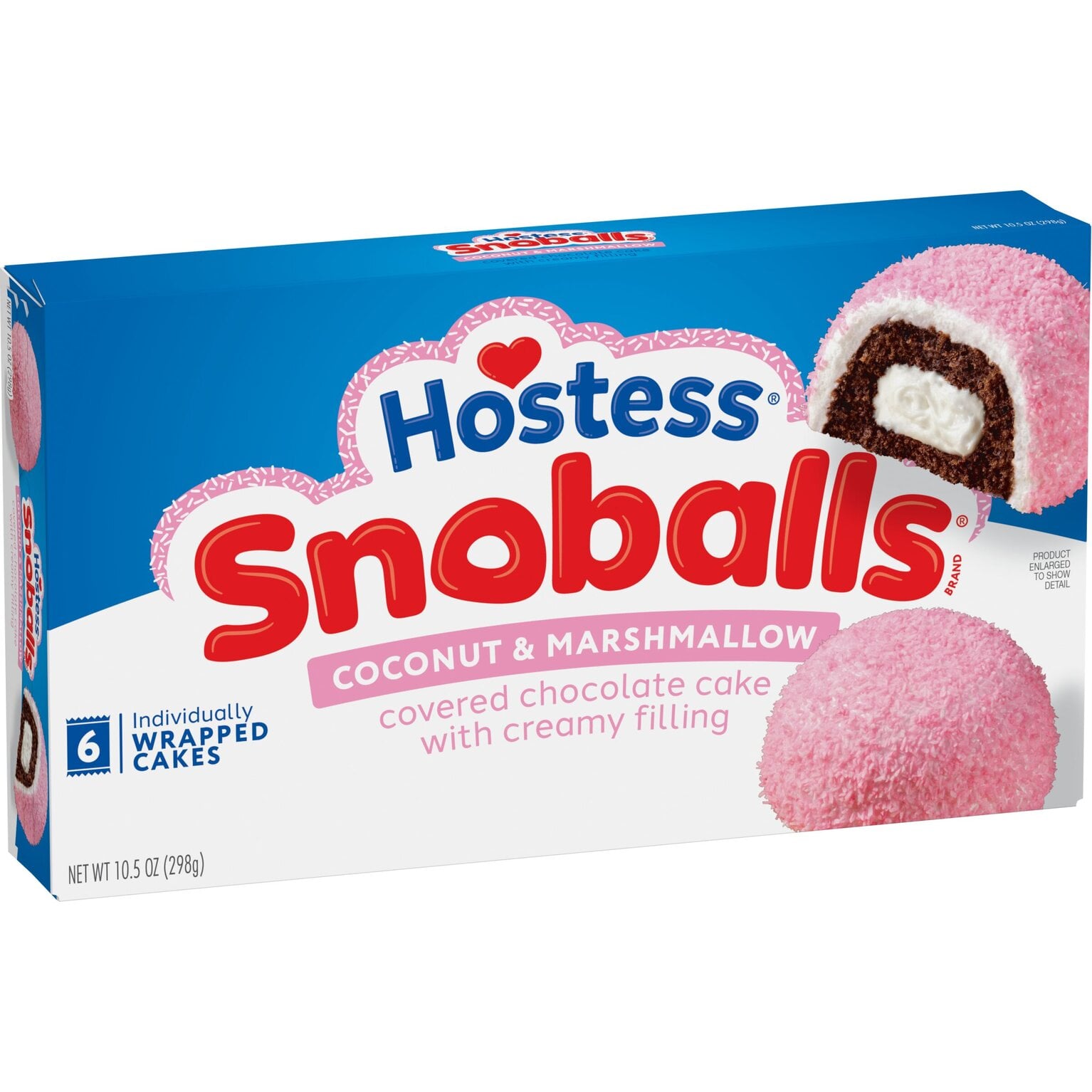
There wasn’t much else in the snack aisle that looked like a SnoBall. Introduced in 1950, the Hostess cakes combined chocolate cake and creme filling with a marshmallow coating covered in bright pink coconut. They were messy, sticky, extremely sweet, and almost impossible for a kid to ignore. Even people who weren’t convinced by the coconut probably remember seeing those unmistakable pink cakes sitting beside the Twinkies.
Trending on Cheapism

Goldfish Crackers
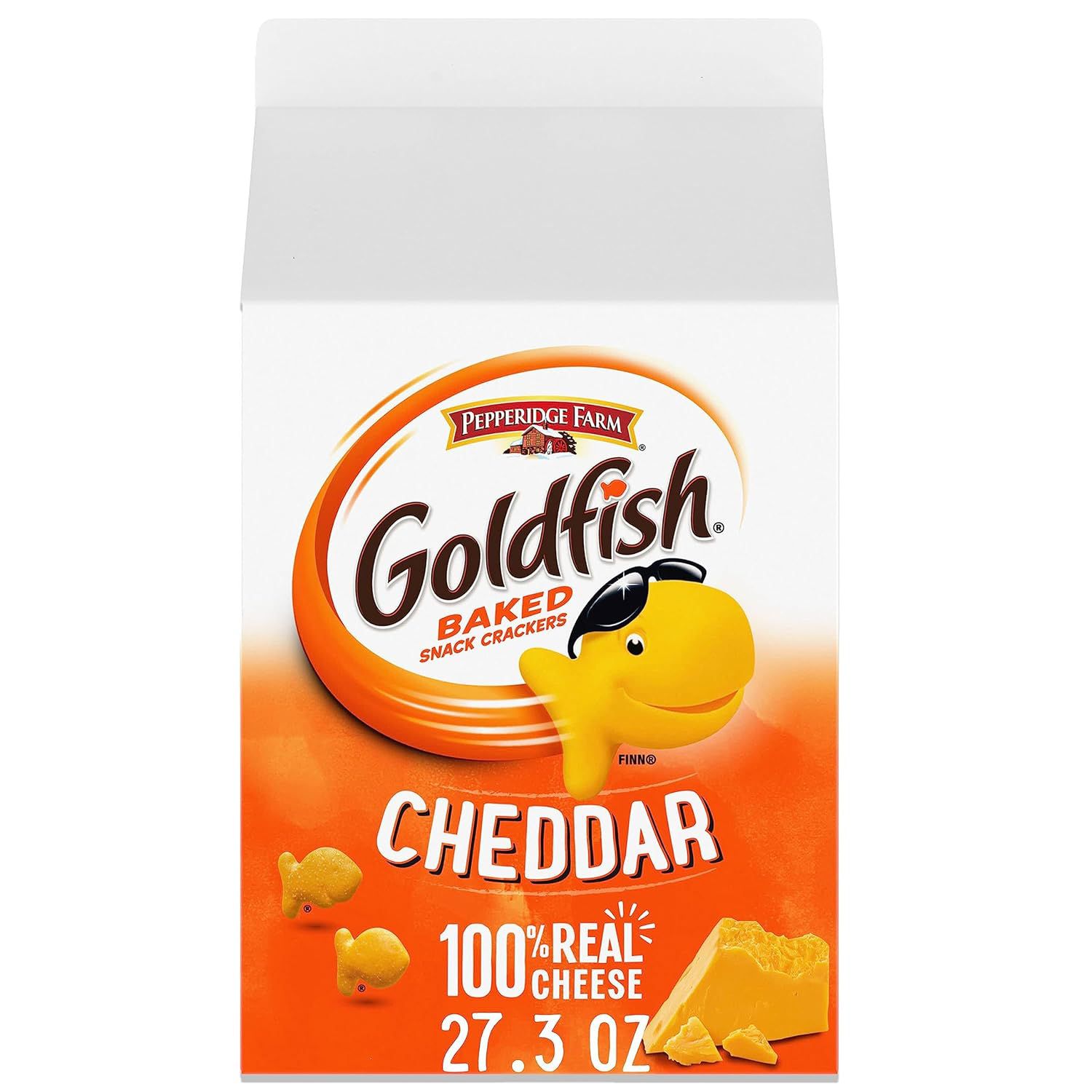
Pepperidge Farm brought Goldfish crackers to the United States in 1962 after founder Margaret Rudkin discovered the fish-shaped snack in Switzerland. But the Goldfish boomers ate didn’t look exactly like today’s version. Those familiar little smiles weren’t added until 1997. Long before then, kids were already pouring the tiny crackers into lunch bags, eating them one fish at a time, and passing bags around the back seat during family road trips.
Bugles
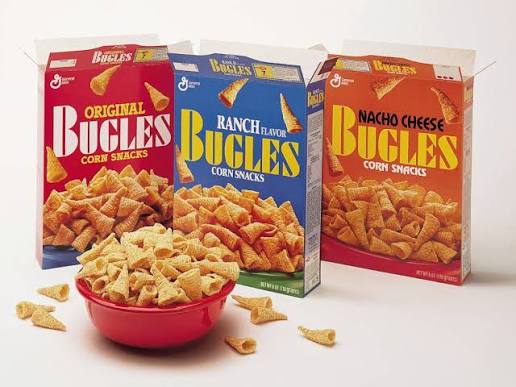
Sure, you could simply eat a Bugle. But where’s the fun in that? After the horn-shaped corn snacks appeared in the mid-1960s, generations of kids discovered their far more important purpose: sticking one on every fingertip and pretending to have claws. It’s the kind of goofy childhood ritual that can make a snack nostalgic decades later — even before you factor in the salty corn flavor and inevitable pile of broken Bugles at the bottom of the bag.
Cheez-It Crackers
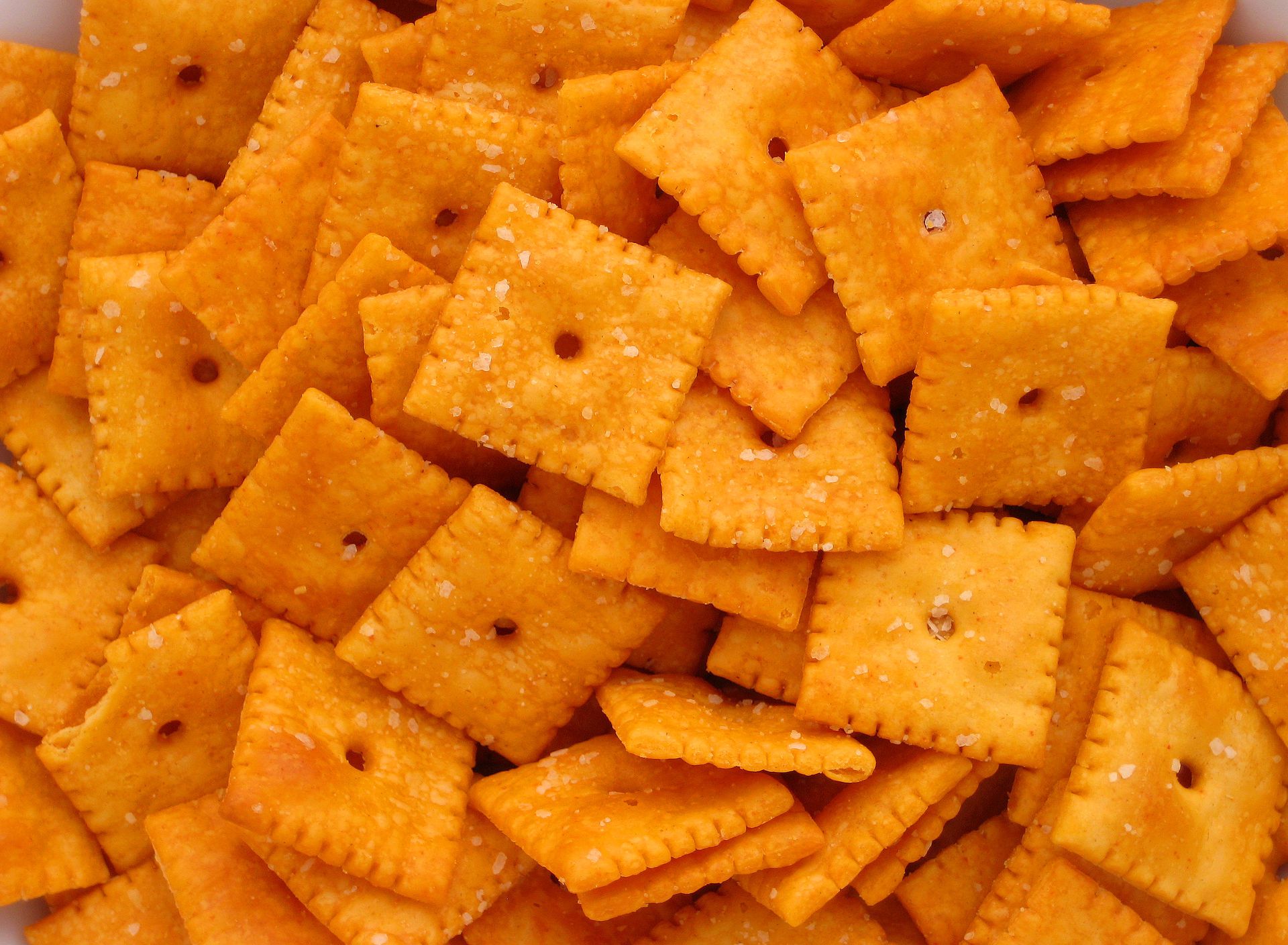
Cheez-Its were already old-school when boomers were kids. The square cheese crackers debuted all the way back in 1921, meaning they’d had decades to earn a permanent spot in American pantries. Their basic formula has remained remarkably recognizable: tiny squares with toasted edges, a hole in the middle, and enough cheese dust to leave evidence on your fingertips. For plenty of kids, eating them by the handful in front of the television was part of the experience.
Sign up for our newsletter
Fritos
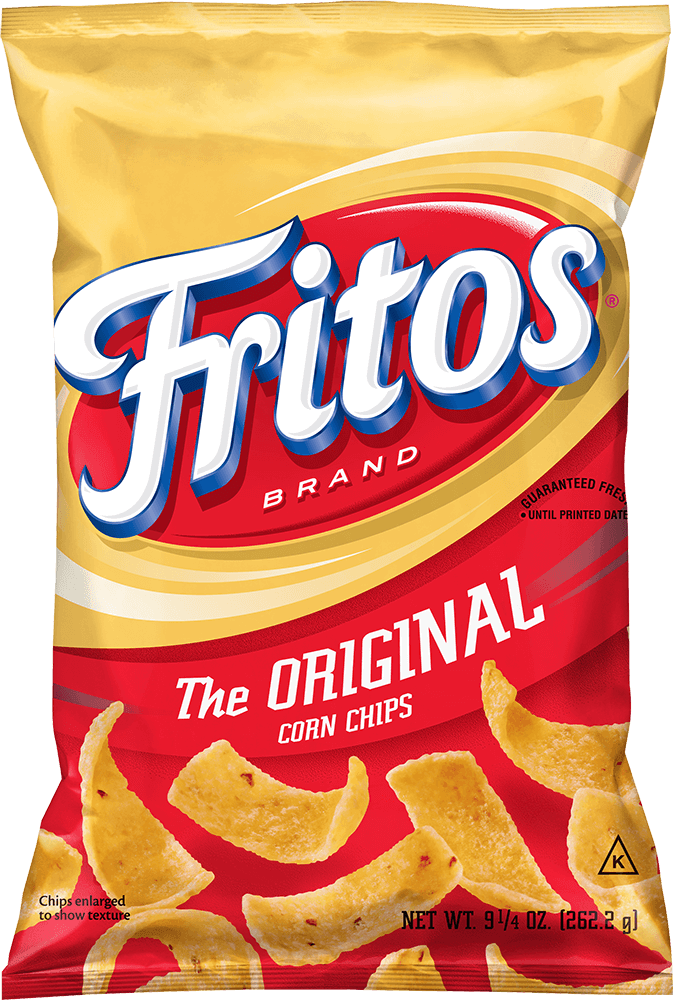
Fritos date back to 1932, when C.E. Doolin bought a corn-chip recipe and began making the chips in his mother’s kitchen. By the baby-boom years, those unmistakably salty corn chips had become a familiar sight in lunch bags, picnic baskets, and the back seats of family cars. And unlike plenty of other chips, Fritos weren’t limited to snacking — they could also become the foundation for a gloriously messy Frito pie.
Tootsie Pops
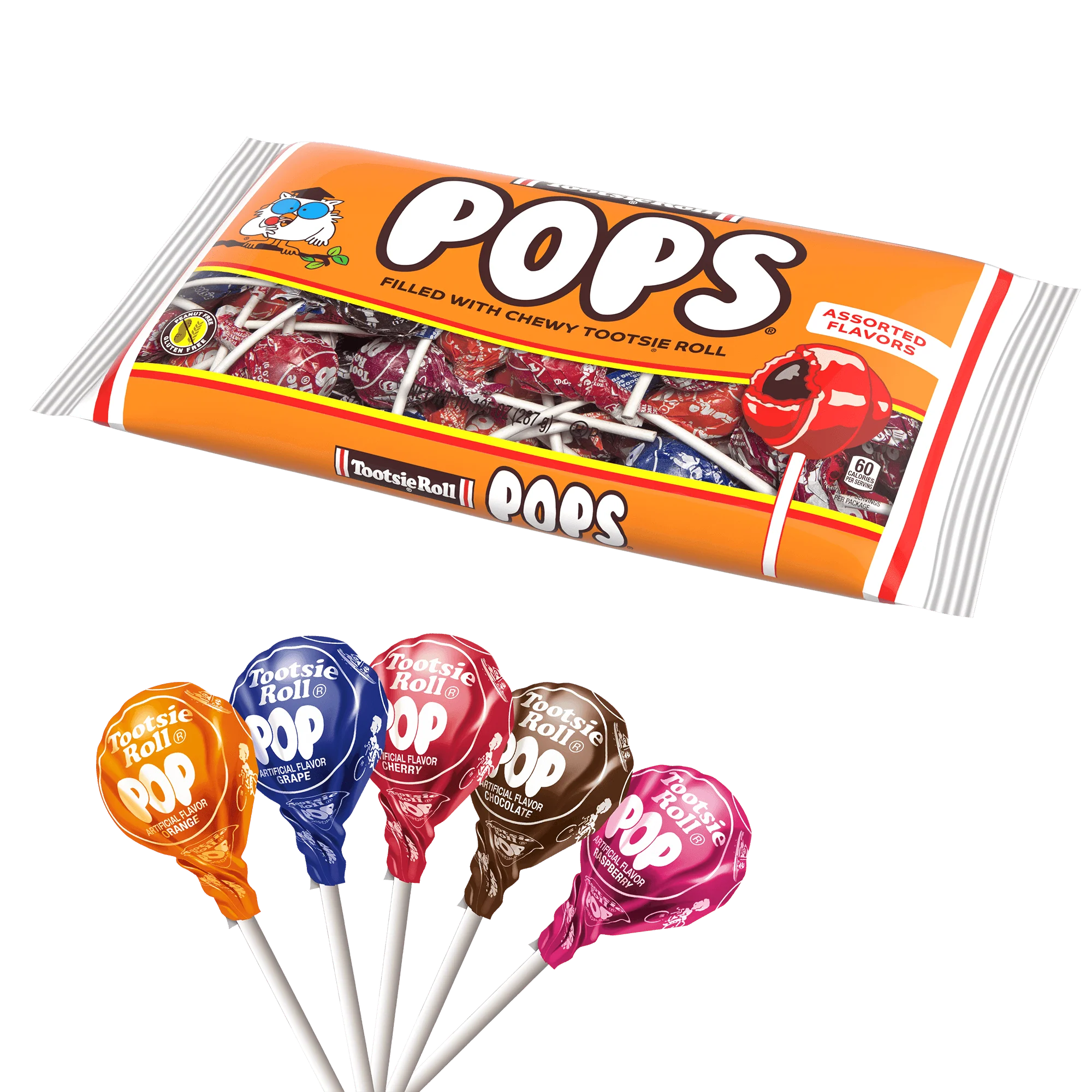
“How many licks does it take?” wasn’t just an advertising slogan — it was practically a childhood experiment. Tootsie Pops debuted in 1931, combining a hard candy shell with the chewy Tootsie Roll center. Theoretically, you were supposed to patiently lick your way there. In practice, plenty of kids eventually gave up and bit through the candy. Cherry, grape, orange, or chocolate, the real challenge was seeing how long you could resist.
Lik-M-Aid and Fun Dip
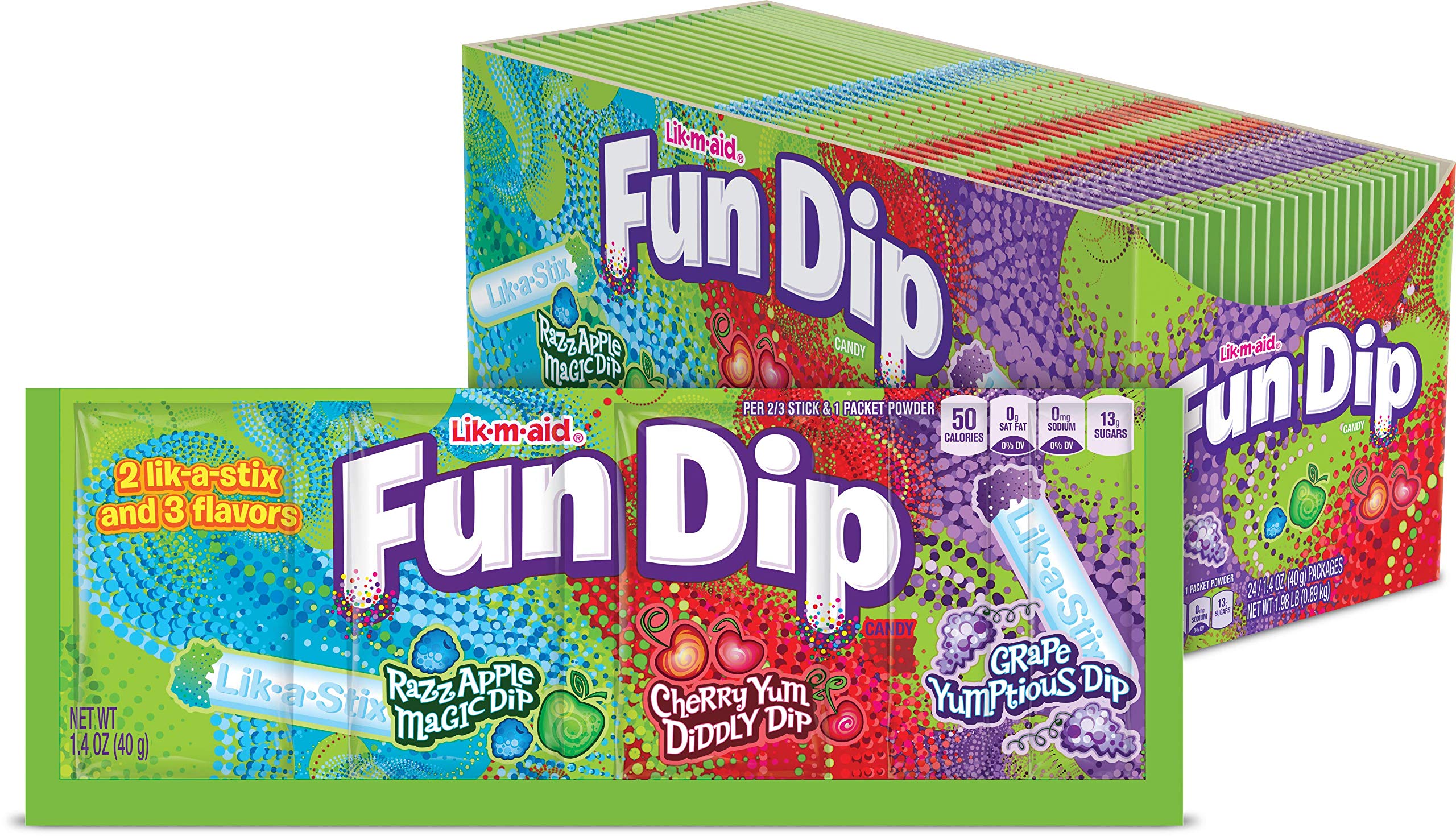
Before there was Fun Dip, there was Lik-M-Aid, a powdered candy whose trademark dates to 1952. By the early 1970s, the familiar Fun Dip format paired brightly colored flavored powder with edible Lik.A.Stix. The process was half the fun: lick the stick, dip it into the powder, eat, and repeat until your fingers, tongue, and possibly clothing were stained a color not found in nature. Then, of course, you ate the stick.
Nilla Wafers
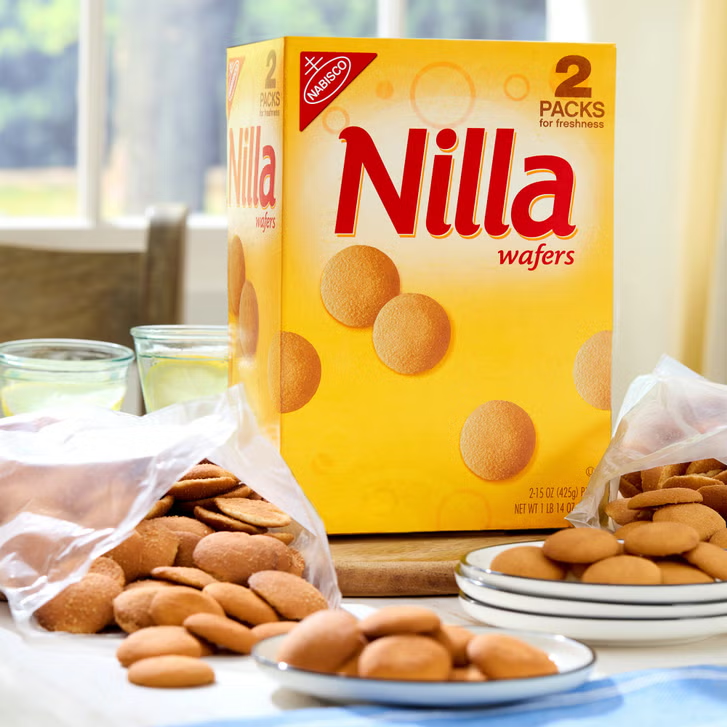
For some boomers, Nilla Wafers probably bring back memories of the snack itself. For others, they conjure something even better: banana pudding. Nabisco had been selling vanilla wafers for decades before shortening the name to “Nilla” in 1967. The mild little cookies became a household staple, particularly when layered with bananas and pudding and left to soften in the refrigerator before a family gathering.
Cracker Jack
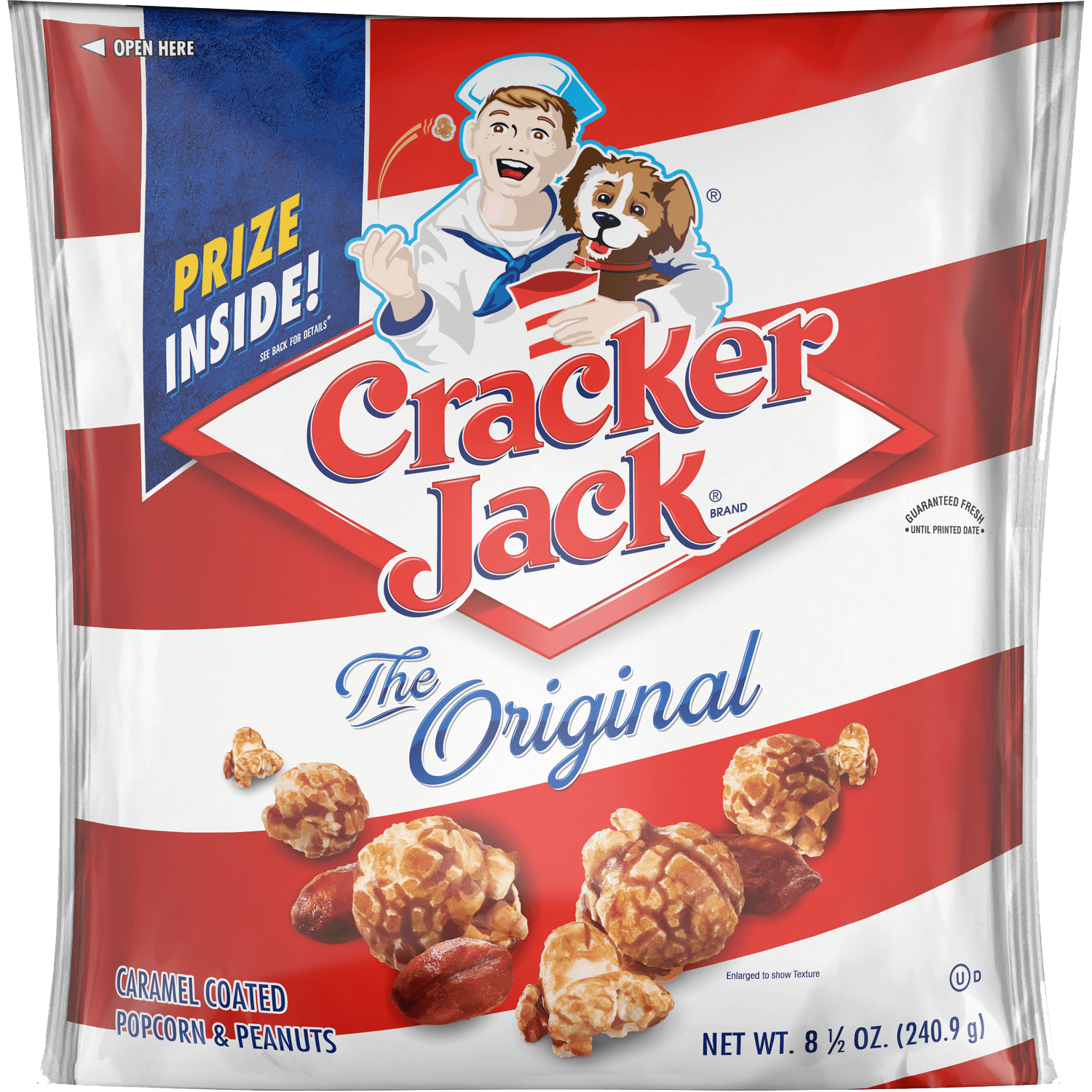
The caramel-coated popcorn and peanuts were only half the point. Cracker Jack had been around since the 1890s, but generations of children kept tearing into the boxes for another reason: the prize hidden inside. Finding it could be more exciting than actually eating the snack — unless someone else got a better prize. Its famous connection to “Take Me Out to the Ball Game” also made Cracker Jack practically synonymous with baseball and summer afternoons.
Slim Jim
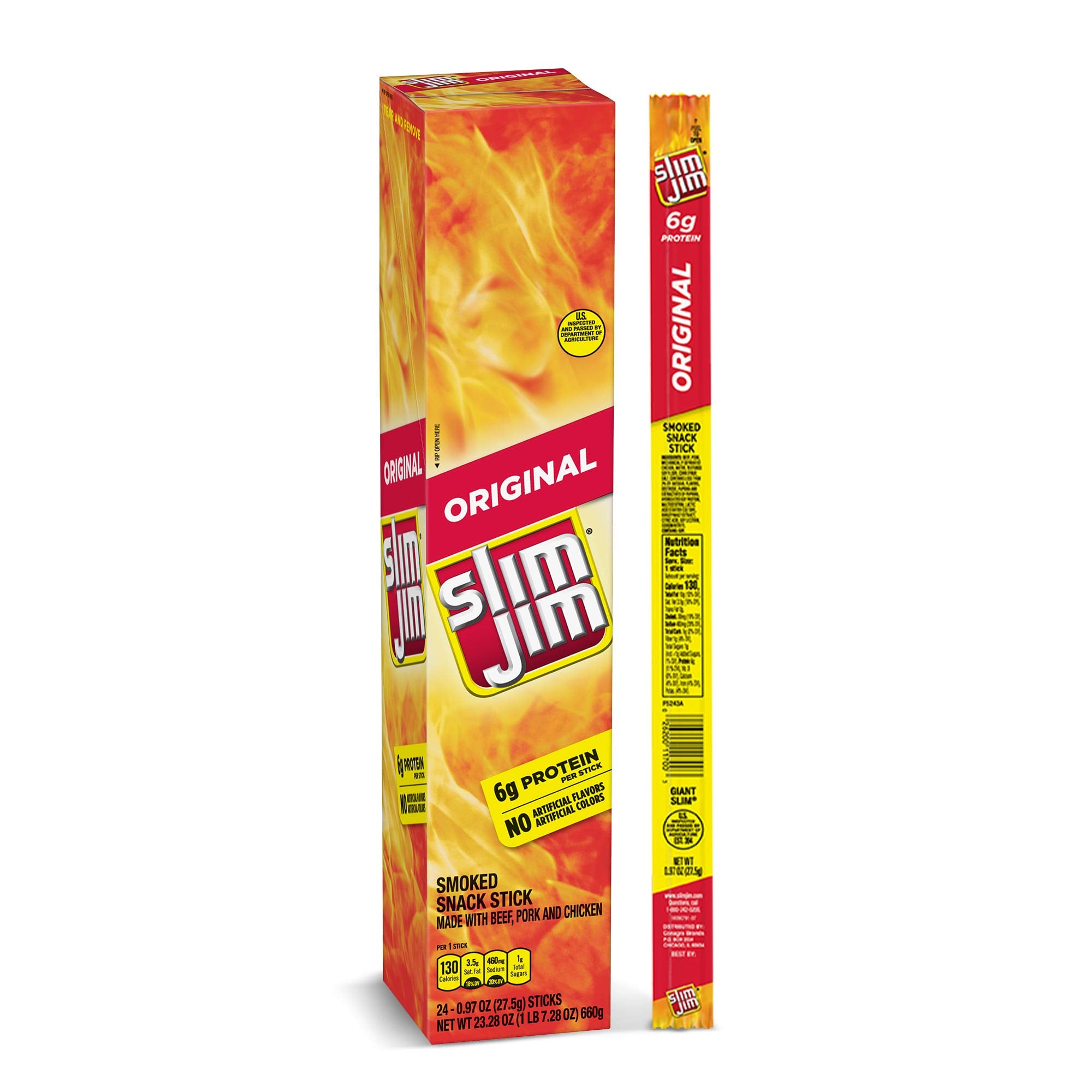
Before “Snap Into a Slim Jim” became a ’90s catchphrase, the meat snack already had decades of history behind it. Slim Jim traces its roots to 1929, and by the later baby-boom years, shelf-stable meat sticks were well suited to convenience stores, road trips, and after-school snack runs. Peeling open that skinny wrapper revealed something completely different from the cookies and chips surrounding it: smoky, salty, chewy, and just greasy enough to require a napkin.
MoonPies
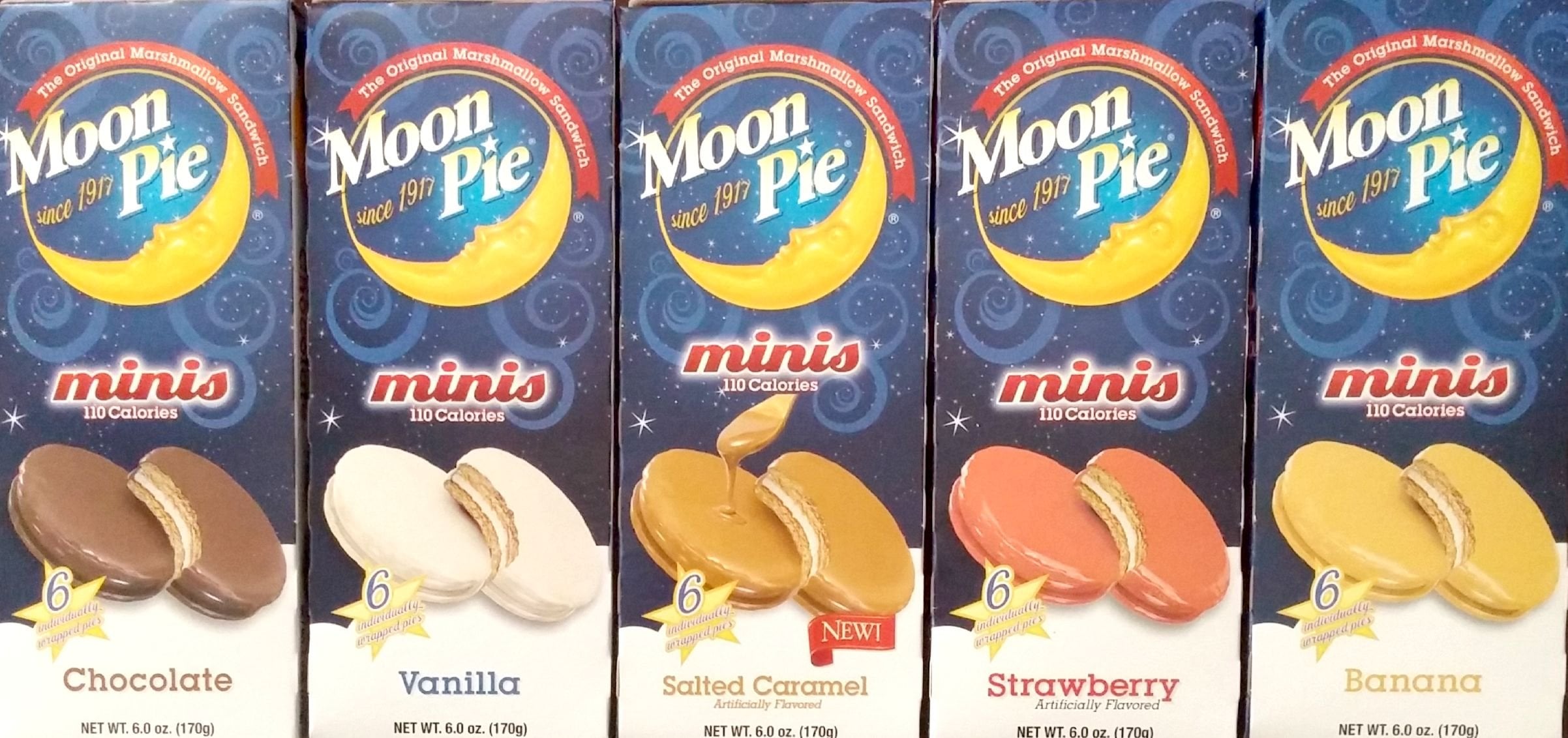
MoonPies had been around since 1917, but the company says the snack enjoyed particularly strong growth during the postwar baby-boom years as families looked for inexpensive, filling treats for kids. The combination of graham crackers, marshmallow, and chocolate coating was simple but memorable, especially paired with a cold soda. By the 1960s and ’70s, MoonPie had expanded with options including Double-Decker, Vanilla, and Banana — giving younger boomers even more versions to remember.
Sometimes It’s the Ritual You Remember Most
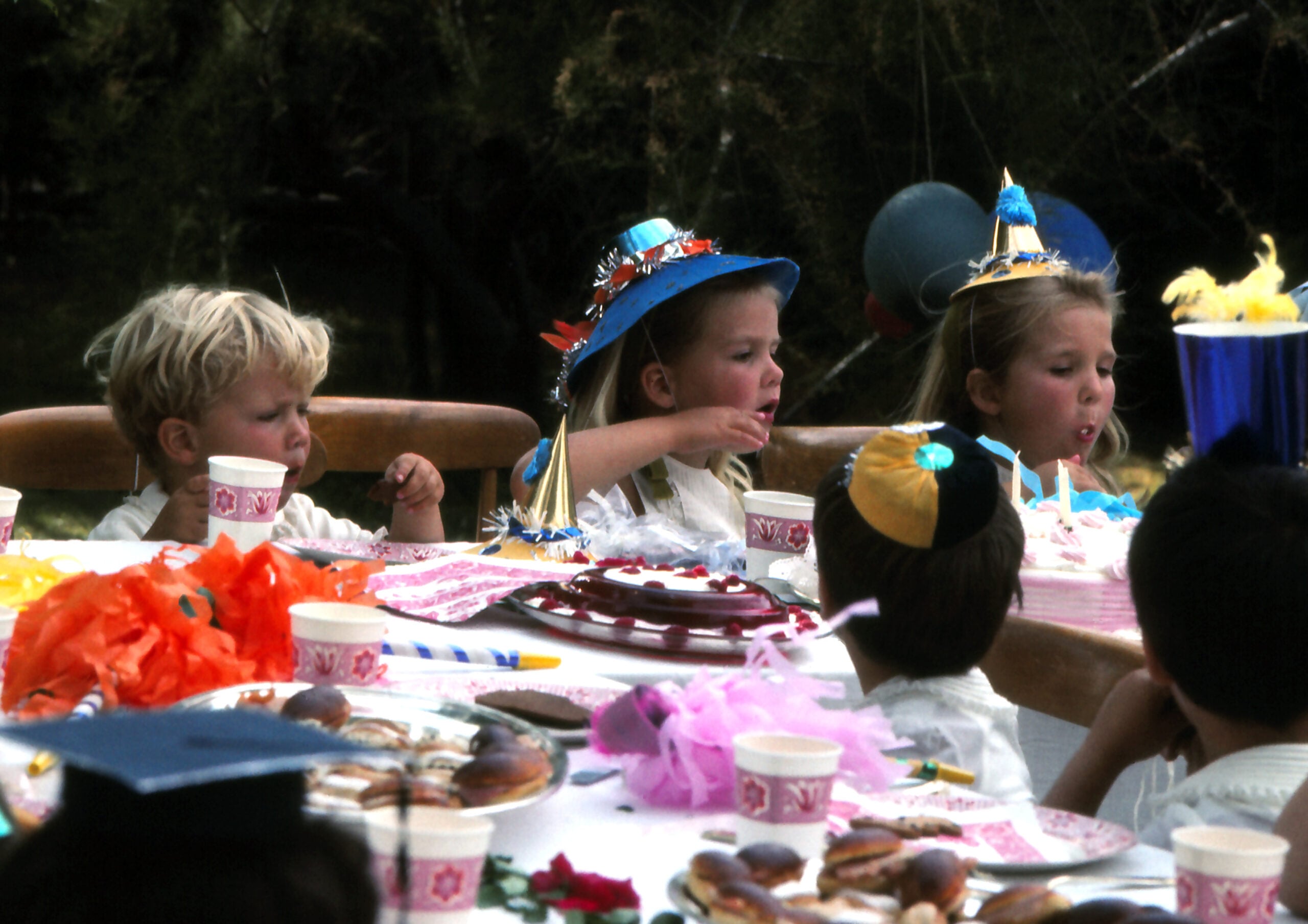
Looking back, the nostalgia isn’t necessarily about which snack tasted best. It’s putting Bugles on your fingers, searching a Cracker Jack box for the prize, counting Tootsie Pop licks, or waiting impatiently beside the toaster for a Pop-Tart.
Some of these foods have survived for more than a century, while others arrived right in the middle of the baby-boom generation’s childhood years. Either way, their staying power means a snack you haven’t thought about in decades might still be sitting on a grocery store shelf — ready to make you feel like a kid again.