Entertaining yourself for an afternoon in the 1980s didn’t necessarily involve admission tickets, reservations, or an adult figuring out the itinerary. For plenty of kids, the places ’80s kids hung out were close to home: grab a bike, walk somewhere nearby, find your friends, and figure out the rest once you got there.
Of course, childhood looked different depending on where you lived and how much freedom your parents gave you. But malls, parks, libraries, arcades, convenience stores, and somebody’s basement all became unofficial gathering places where hours could disappear without much money changing hands.
Sometimes you needed a couple of quarters. Sometimes you didn’t need a cent. Half the entertainment was simply having somewhere to go and enough unscheduled time to make something happen. Here are 12 places where many ’80s kids could spend practically an entire afternoon for almost nothing.
The Shopping Mall

You didn’t actually have to buy anything to spend hours at the mall. Kids and teenagers could browse record stores, look at clothes they couldn’t afford, check out whatever was new at the electronics store, people-watch, and eventually pool enough money for something at the food court. Enclosed malls had become major American social spaces by the 1980s, and for young people in particular, they offered something extremely valuable: somewhere to meet friends and wander around without needing much of a plan. “Meet by the fountain” could be an entire afternoon’s itinerary.
The Public Library
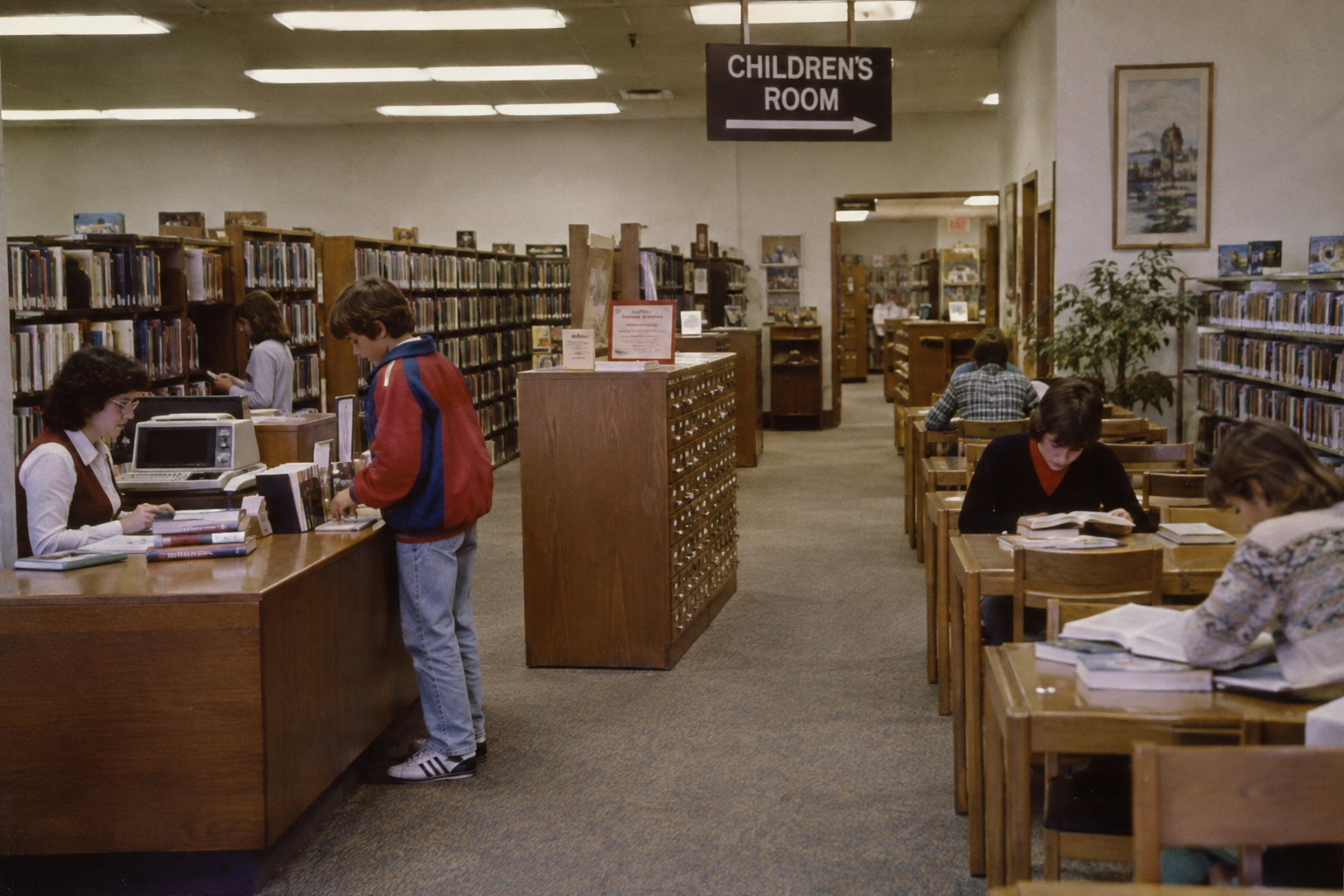
Before the internet could answer practically any question from your bedroom, the library was where you went when you needed information — or simply somewhere to disappear for a while. Kids could do homework, browse magazines, dig through the stacks, look things up in encyclopedias, and leave with an armful of books without spending anything. Even the process felt different: card catalogs, stamped due-date cards, reference desks, and librarians who somehow seemed able to hear a whisper from three aisles away. A library card was basically a free ticket to as many afternoons as you wanted.
The Arcade

An arcade could devour your allowance quickly if you weren’t careful, but experienced kids knew how to stretch a handful of quarters. One game could last a while if you were good enough, and watching somebody else dominate “Pac-Man,” “Donkey Kong,” “Galaga,” or “Ms. Pac-Man” was completely free. During the golden age of coin-operated arcade games in the early ’80s, arcades were also social destinations, where you could hang around even after your pockets were empty. And putting a quarter on the edge of a cabinet meant one thing: you had next.
The Neighborhood Convenience Store
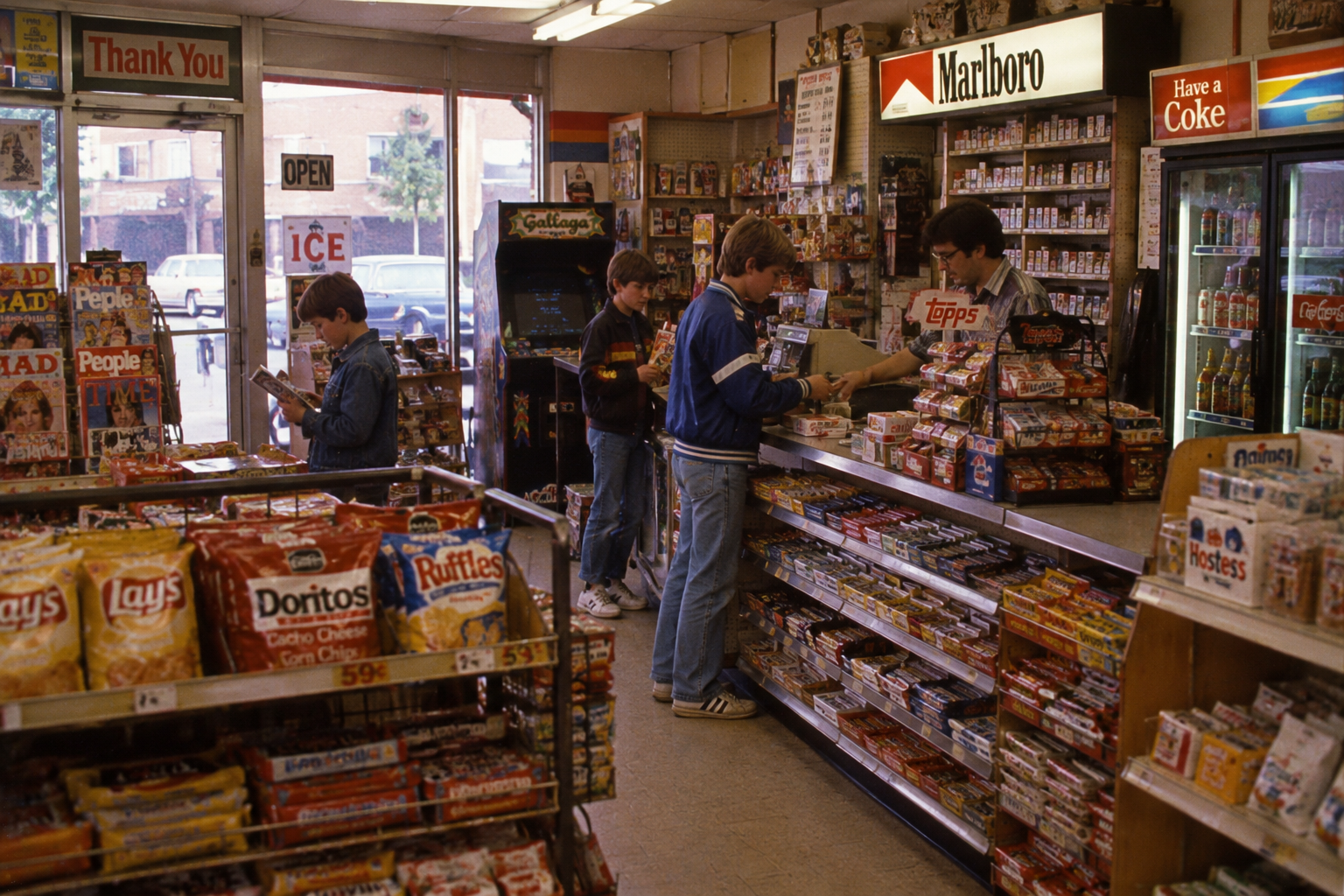
A neighborhood convenience store could function as an unofficial clubhouse, especially when it had the right combination of candy, soda, comic books, trading cards, and maybe an arcade cabinet tucked near the entrance. Kids could bike over with a pocketful of loose change, spend an unreasonable amount of time calculating exactly how much candy it would buy, and then hang around outside afterward. The purchase might have cost less than a dollar. Having an actual destination you could reach without convincing a parent to drive you somewhere was the bigger attraction.
The Local Park or Playground
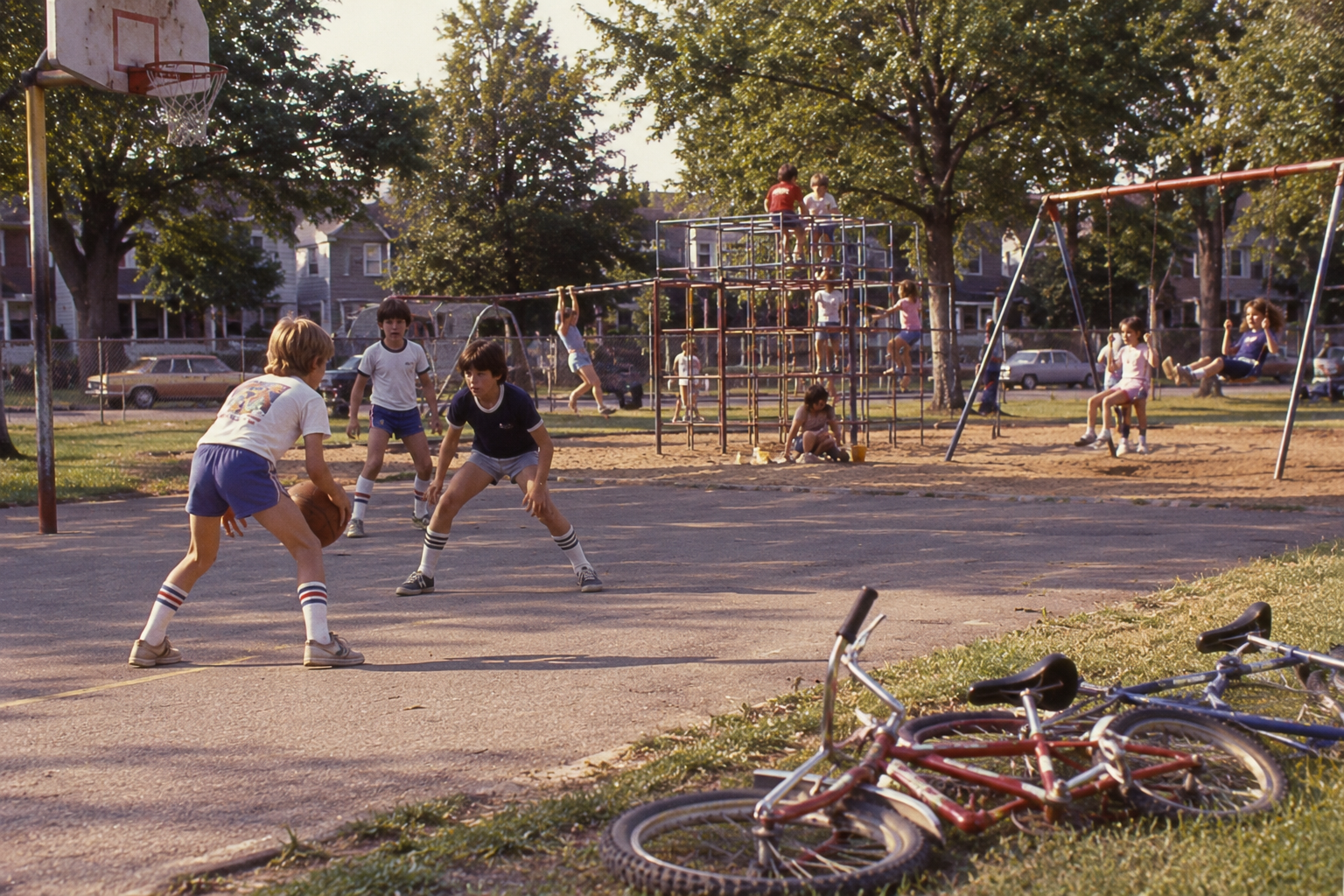
A park didn’t need organized programming to keep kids occupied. A basketball court, baseball diamond, playground, empty field, or even a decent patch of grass could turn into whatever the afternoon required. Jackets became bases, curbs marked boundaries, and teams changed every time somebody else showed up on a bike. There wasn’t necessarily a scheduled start or end time, either. You played until people went home, somebody’s parent called, or it got dark enough that everyone realized dinner was probably waiting.
Trending on Cheapism

The Record Store
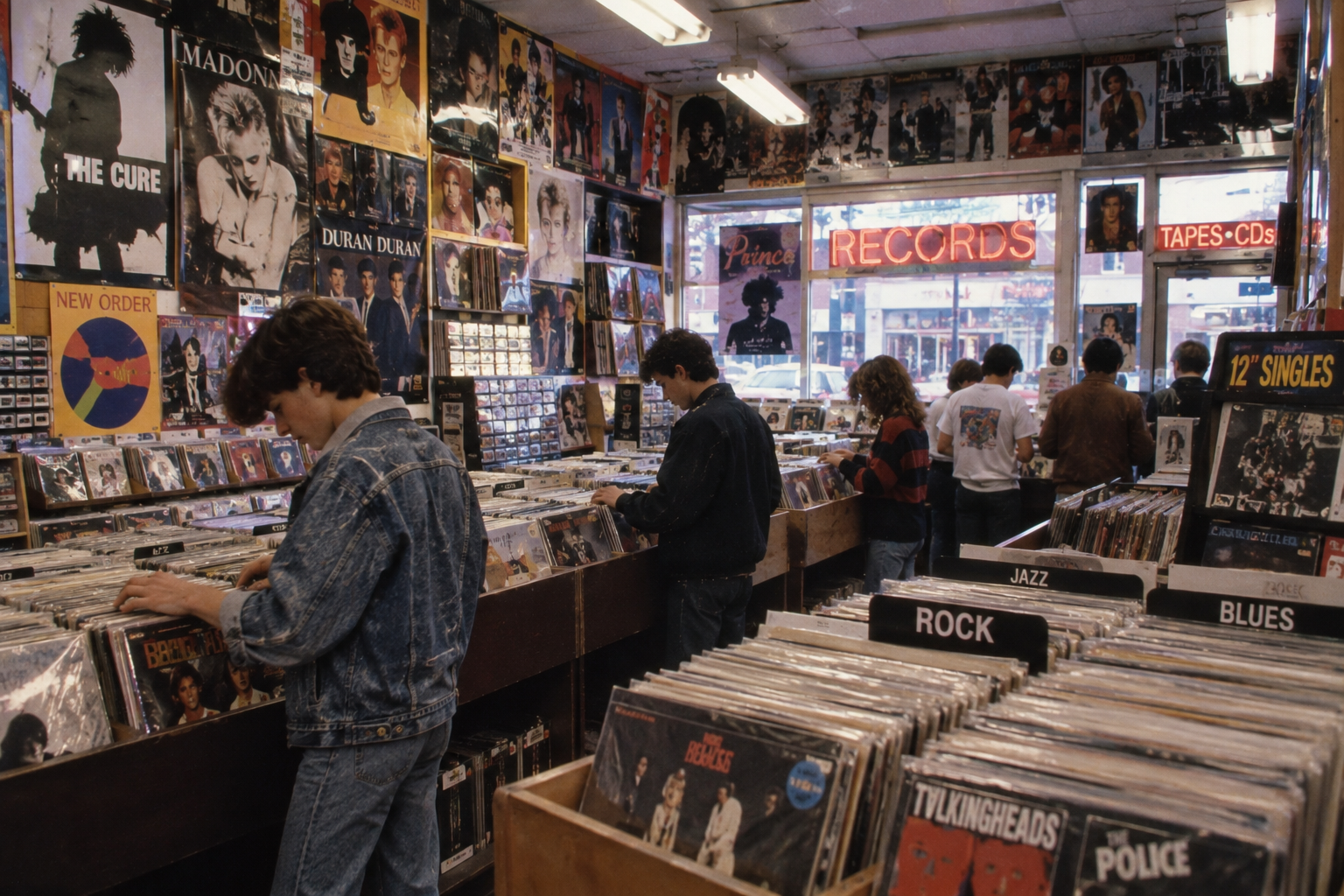
You didn’t need enough money for an album to enjoy a record store. Kids could flip through LPs and cassettes, inspect album covers, read track listings, look at new releases, and debate which bands were actually worth listening to. During a decade when cassettes and portable listening became increasingly important, music stores gave young fans a place to discover what was new without an algorithm doing the recommending. Sometimes an album cover alone was enough to make you curious. If your allowance was already gone, browsing still cost exactly nothing.
The Roller Rink
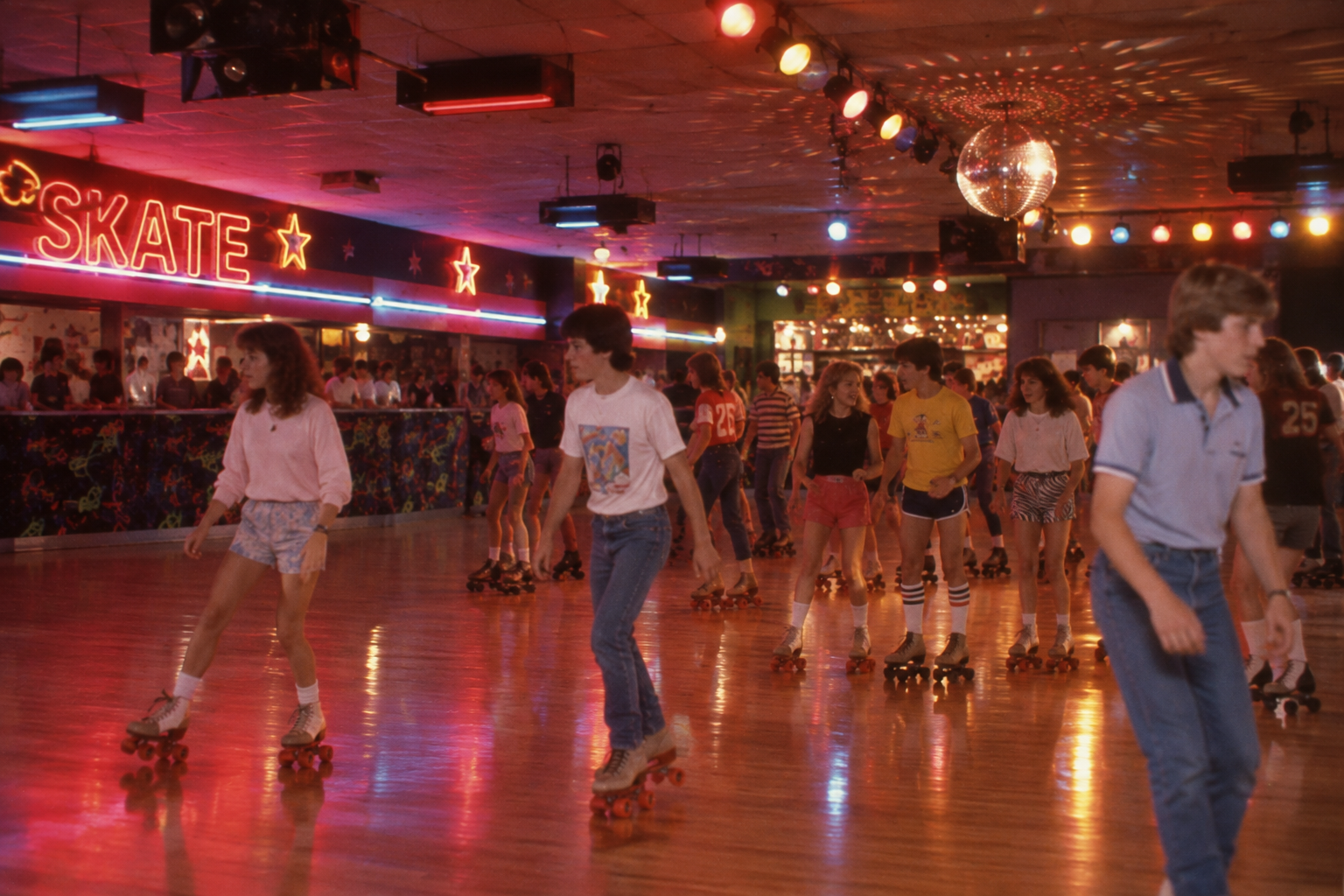
The roller rink required a little more money than the park or library, but a modest admission fee and skate rental could buy several hours of entertainment. Once inside, there was plenty to keep you occupied: skating, music, arcade machines, snacks, limbo contests, and the terrifying possibility of a couples skate. Roller skating enjoyed a huge pop-culture moment around the late ’70s and early ’80s, and rinks became important social spaces for kids and teenagers. The carpeted walls, flashing lights, and constant soundtrack made an ordinary afternoon feel like an event.
The Community Swimming Pool
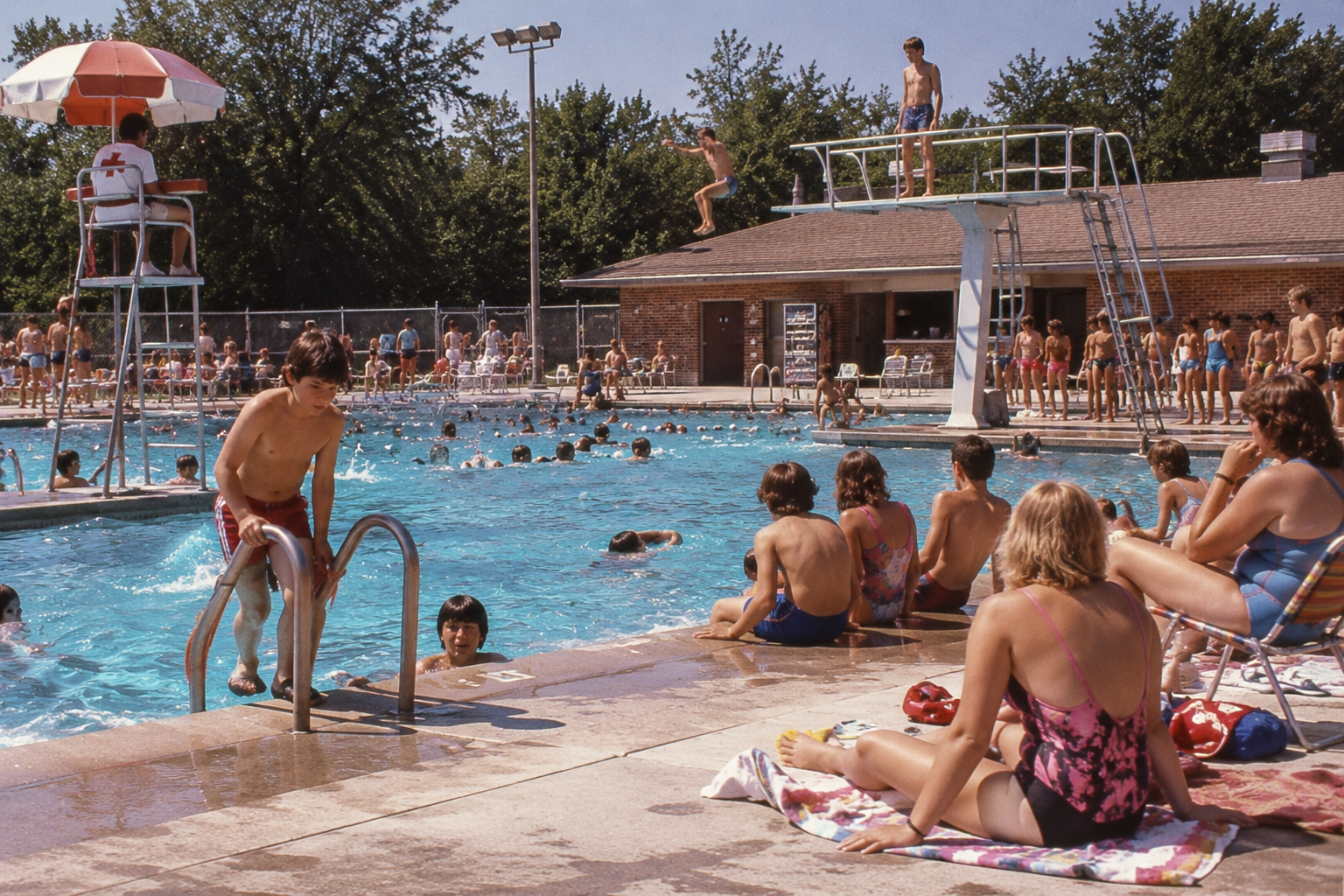
On a hot summer day, a municipal pool could occupy nearly every hour between lunch and dinner. For a relatively small admission charge, kids could swim, race each other, invent games, jump off the diving board, dry out on a towel, buy fries or a frozen treat from the concession stand, and then immediately get back in the water. The smell of chlorine, hot concrete, metal lockers, lifeguard whistles, and soggy dollar bills at the snack bar were all part of the experience. There wasn’t much need for a schedule when swimming itself could fill the day.
Sign up for our newsletter
The Woods or Creek Behind the Neighborhood
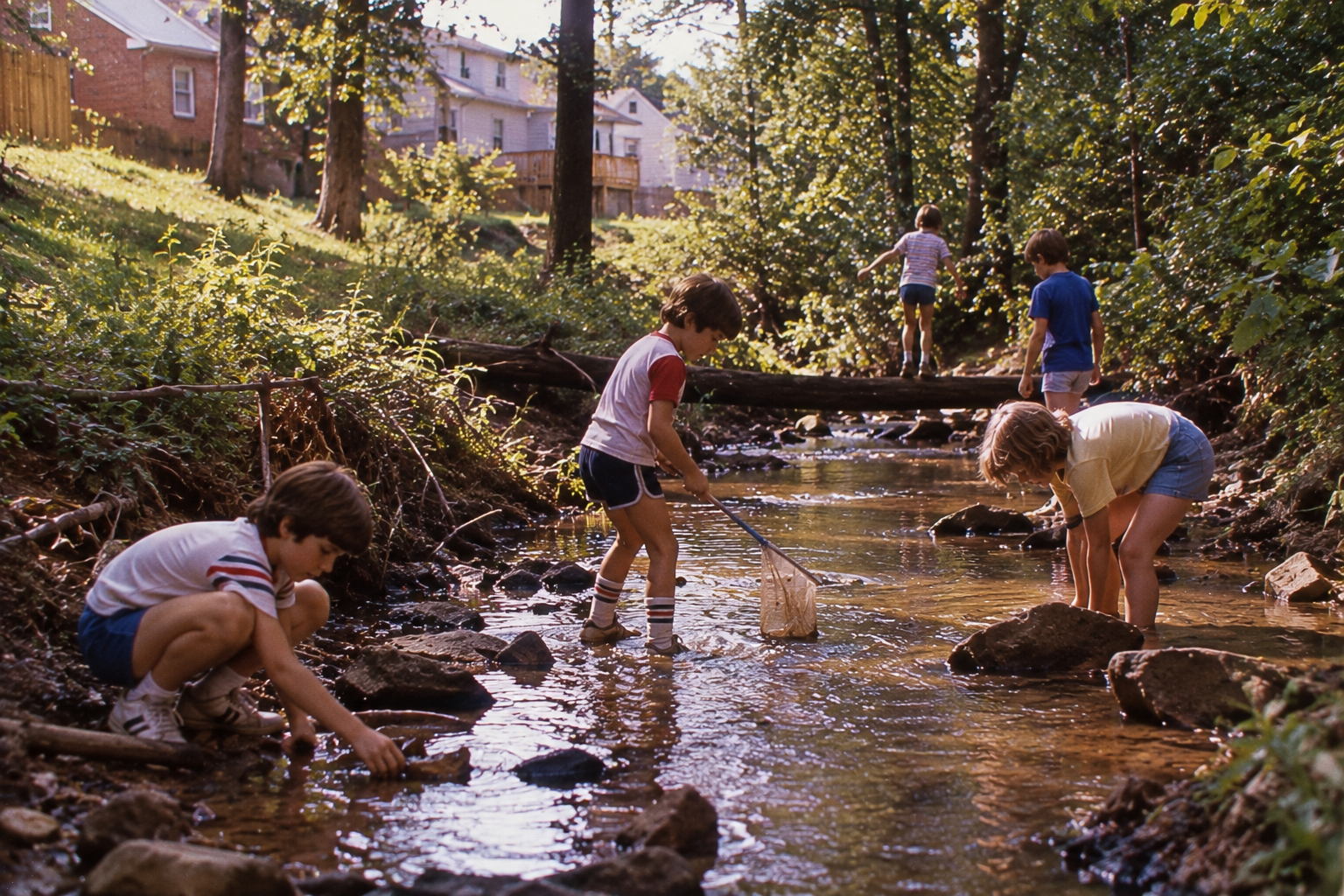
For kids who lived near undeveloped land, the best playground might not have been a playground at all. A wooded lot, creek, drainage ditch, patch of trees, or empty field could become a fort, obstacle course, expedition route, or completely invented world depending on the day. Kids climbed trees, caught frogs, crossed streams, built things out of whatever they found, and created trails that existed mostly in their own heads. The entertainment budget was zero. The downside was eventually returning home muddy and trying to explain exactly where you’d been for the past four hours.
The Five-and-Dime or Drugstore
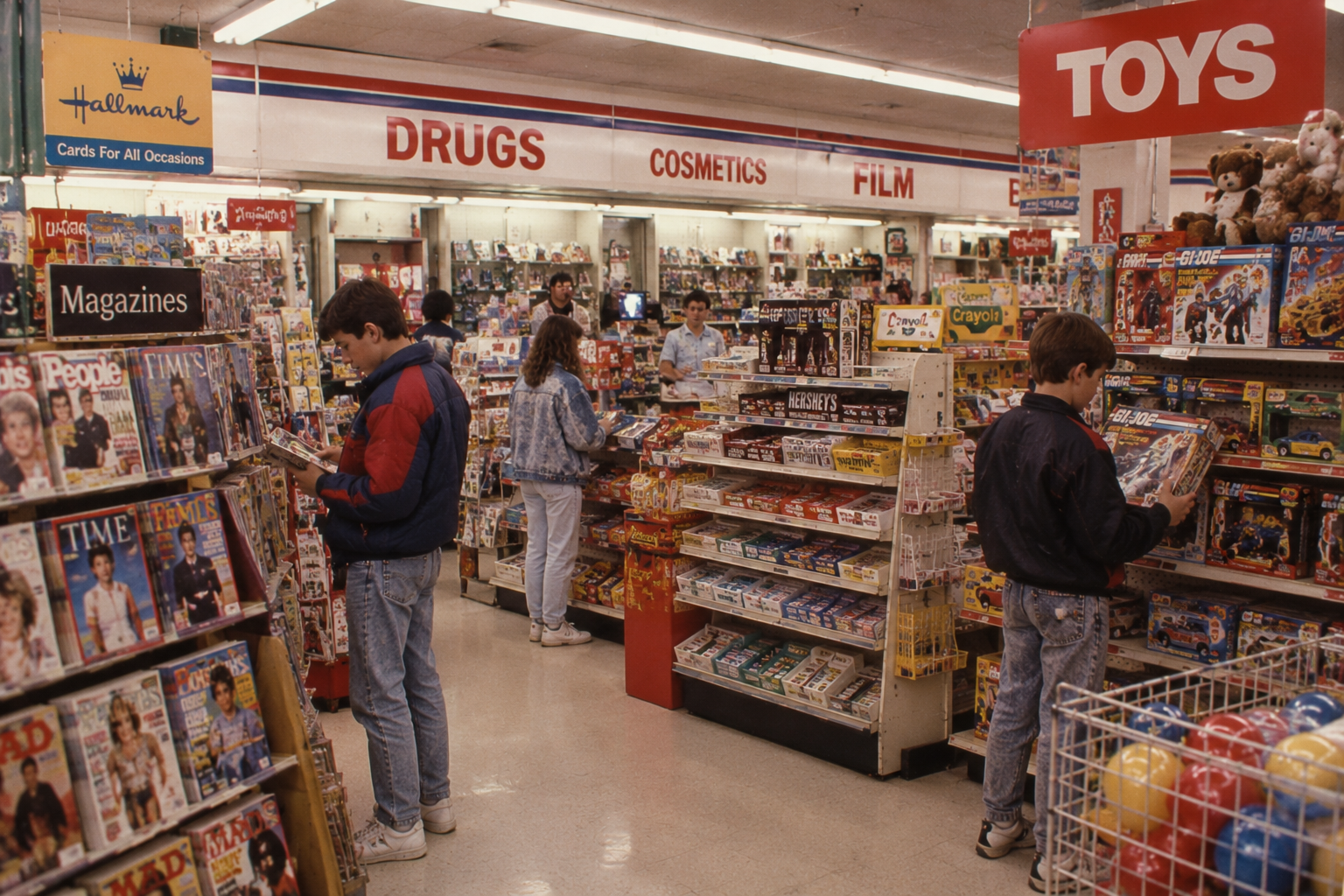
Having one dollar didn’t mean you walked directly into a store and spent it. First, you had to examine practically everything. Five-and-dimes, variety stores, and neighborhood drugstores offered candy, magazines, comic books, inexpensive toys, trading cards, model kits, and novelty items that made browsing almost as entertaining as buying. Traditional variety-store chains were already being reshaped by broader changes in American retail during the 1980s, but for kids who still had one nearby, walking every aisle before committing your money was practically part of the ritual.
The Video Store
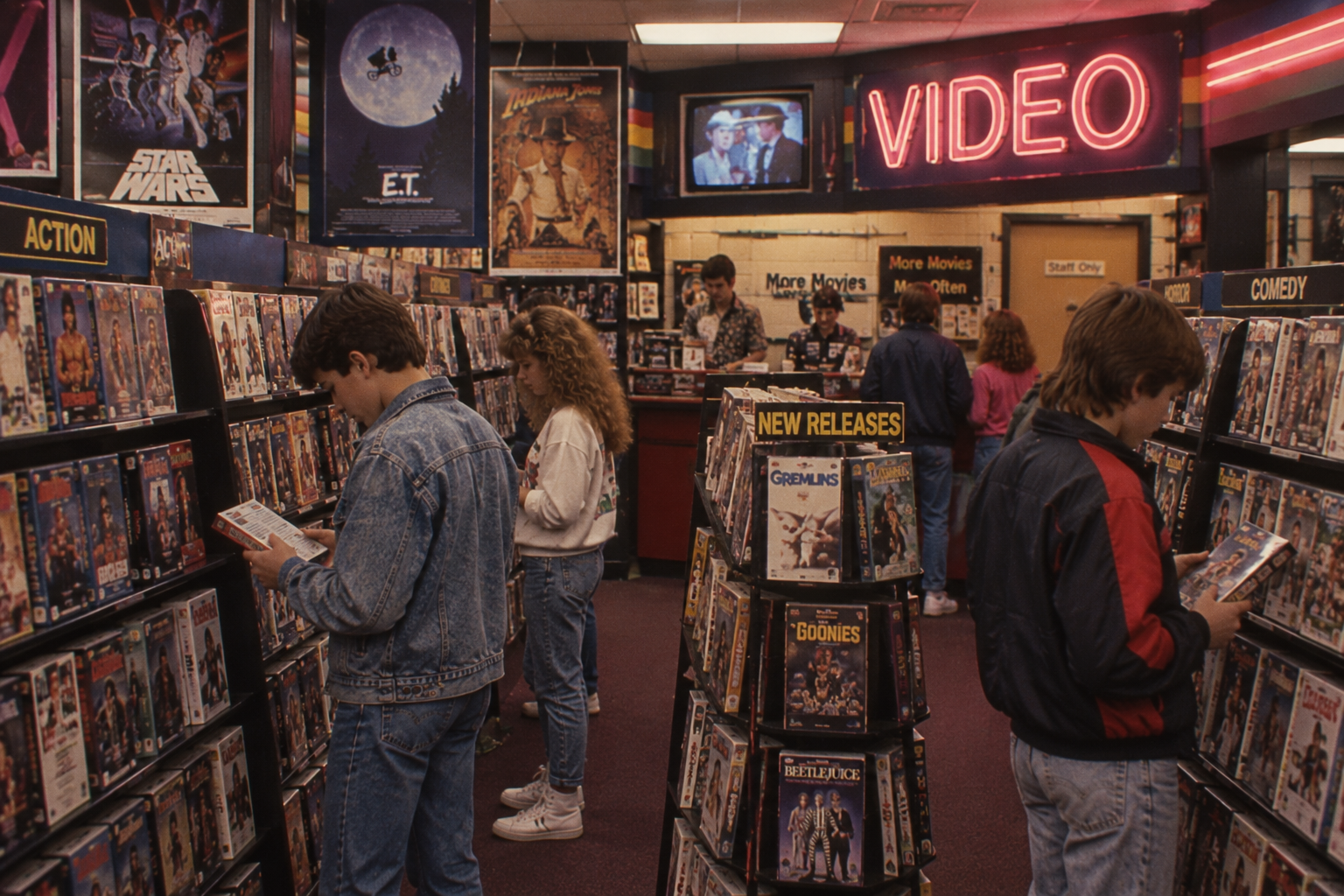
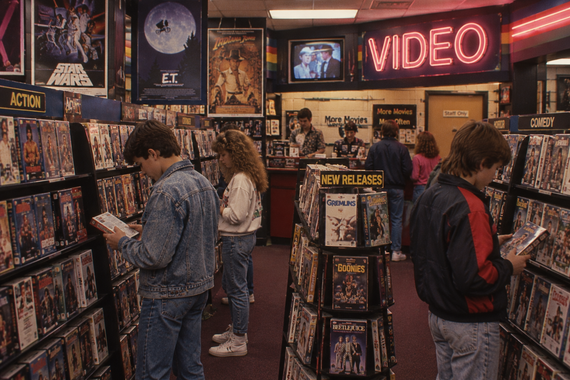
By the later 1980s, deciding what movie to rent could become its own form of entertainment. Kids wandered through aisles of VHS boxes, studied the cover art, read descriptions, argued over what everyone should watch, and inevitably inspected a few movies they knew their parents would never approve. Browsing didn’t cost anything, and one rental could later entertain an entire group of friends. The hardest part was committing. You could pick up the same VHS box three times, put it back three times, and somehow still leave wondering whether you chose the wrong movie.
A Friend’s Basement or Garage
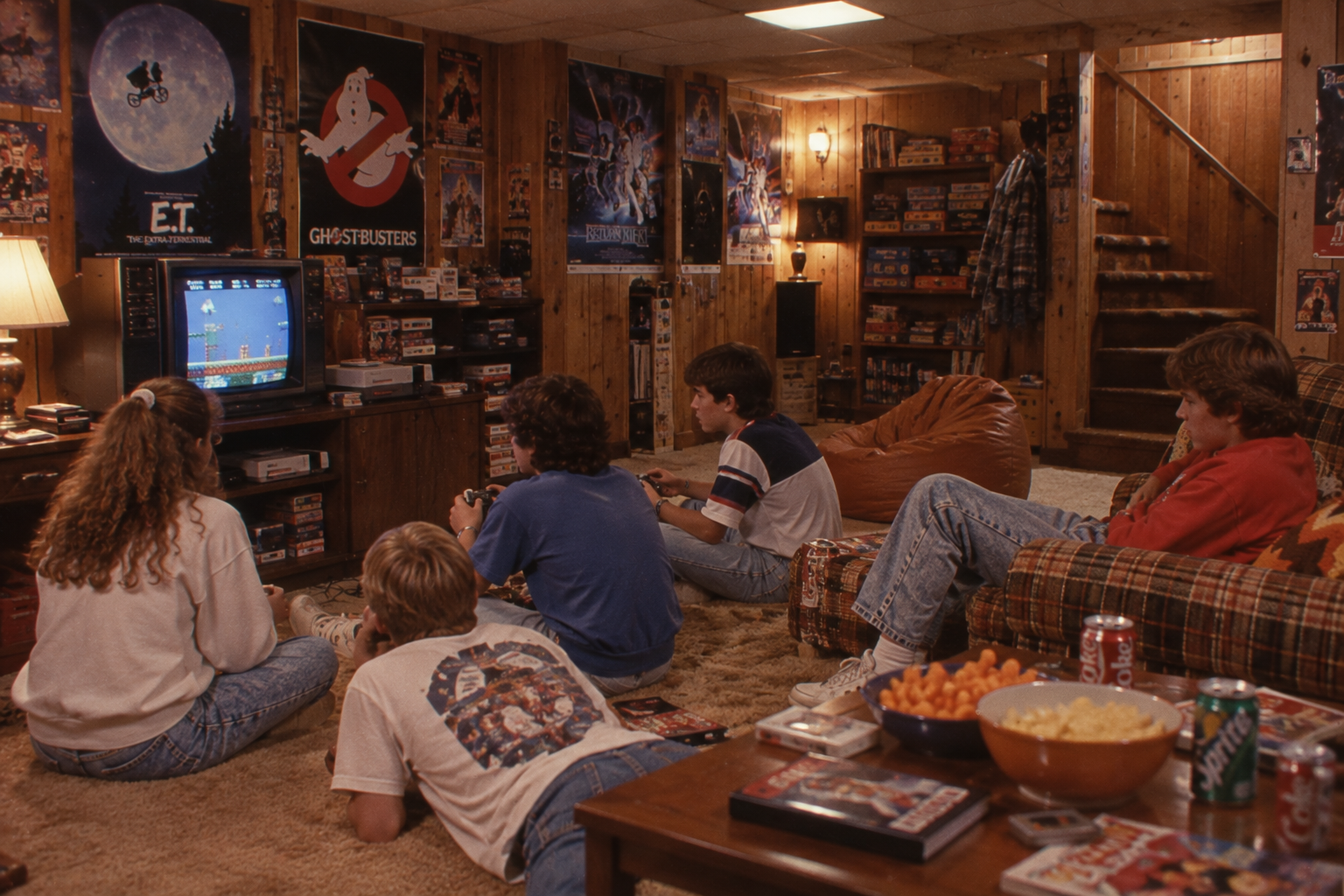
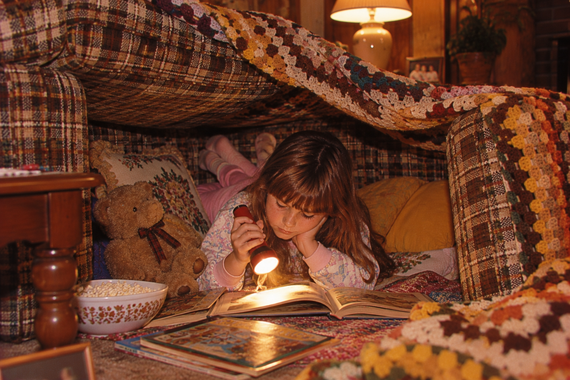
Sometimes the ultimate neighborhood destination wasn’t a business or public space at all. It was whichever friend’s house had the best basement or garage. An old couch, television, stereo, board games, ping-pong table, Atari, stack of records, or refrigerator stocked with somebody else’s snacks could be enough to turn it into headquarters for the afternoon. The attraction wasn’t really the room or what was inside it. It was having a semi-private place where kids could entertain themselves without an adult planning every minute. Several bikes dumped across the front lawn usually told everyone else exactly where the group had ended up.
When Hanging Around Was the Entertainment
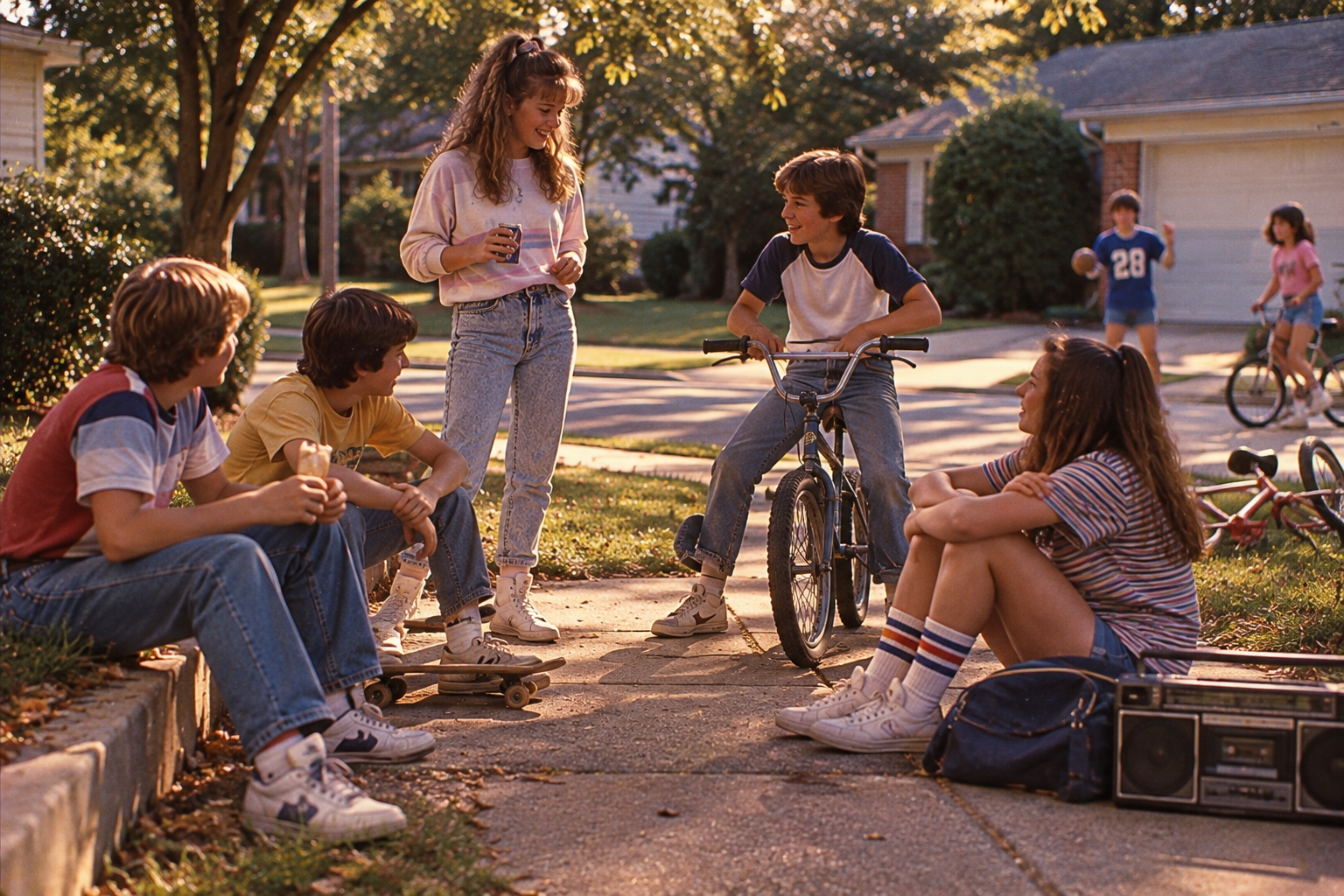
What made these places memorable wasn’t that they offered spectacular entertainment. In many cases, they offered remarkably little. A few quarters, a bicycle, somewhere to wander, and several unscheduled hours could be enough to make an afternoon feel completely full.
For plenty of ’80s kids, figuring out what happened next was part of the fun. You might start at the convenience store, end up at the park, follow somebody home, and spend the rest of the day in a basement without any of it being planned in advance. The destination mattered, but the freedom to simply hang around might have mattered even more.