
Retirement might mean saying goodbye to a daily commute and a regular paycheck, but it certainly doesn’t mean your bills stop changing. Insurance premiums creep up, subscription services quietly raise their prices, and health care costs can look completely different from one year to the next. And when you’re living on Social Security, a pension, or retirement savings, those increases can be particularly frustrating.
The problem is that many retirees continue paying for services, coverage, and memberships that made perfect sense when they were working but no longer fit their lives. Maybe you’re still paying auto insurance rates based on a lengthy commute you haven’t made in years, or your cable package includes dozens of channels you never watch. Sometimes, the savings are as simple as making a phone call or comparing a few options.
An annual financial checkup doesn’t have to mean cutting everything you enjoy. It’s about making sure your money is still going where it should. Here are 12 expenses retirees should review at least once a year to avoid paying more than necessary.
Medicare Advantage or Other Health Plan Costs

Sticking with the same health insurance plan year after year might seem easier than comparing alternatives, but it could also mean paying more than necessary. Medicare Advantage plans can change their premiums, deductibles, copayments, provider networks, and covered services annually. That means a doctor who was in-network last year might not be covered the same way next year, or a procedure could suddenly cost more. Before automatically renewing, review your plan’s Annual Notice of Change and compare your options through Medicare.gov. Medicare’s regular Open Enrollment Period runs from October 15 through December 7, giving beneficiaries an opportunity to make changes for the following year. Just remember that switching from Medicare Advantage to Original Medicare can complicate access to supplemental Medigap coverage, depending on your circumstances.
Prescription Drug Expenses

Even if you take exactly the same medications every year, the amount you pay for them can change considerably. Medicare Part D plans regularly update their lists of covered drugs, preferred pharmacies, and copayment structures, meaning the pharmacy that offered the best deal last year might not be the cheapest option anymore. An annual review is a good opportunity to compare prescription costs, ask your doctor about generic alternatives, and investigate whether mail-order pharmacies offer better pricing. Medicare’s Plan Finder lets you compare plans based on your specific medications, while the Extra Help program assists qualifying beneficiaries with prescription expenses. For 2026, Medicare Part D also has a $2,100 annual out-of-pocket cap for covered drugs, making it particularly important to understand how your plan’s costs work.
Medicare Supplement Insurance Premiums

If you have Original Medicare and a Medicare Supplement Insurance policy, also known as Medigap, it’s worth taking a closer look at what you’re paying. These policies help cover certain out-of-pocket expenses, including deductibles and coinsurance, but their premiums can increase over time. You might discover that another insurer offers comparable coverage at a lower monthly price, or that your current company has discounts you haven’t been receiving. However, switching Medigap policies isn’t always straightforward. Unlike Medicare Advantage and Part D plans, Medigap generally doesn’t have the same annual enrollment protections, and insurers may be allowed to consider your medical history when you apply. Before making any changes, review your options carefully and make sure you qualify for replacement coverage. Medicare.gov explains how these policies work and what to consider before switching.
Homeowners or Renters Insurance

Home insurance is one of those bills that’s easy to put on autopilot, especially if you’ve been with the same company for years. But premiums, deductibles, and coverage terms can change, and your home’s insurance needs might look different than they did five or 10 years ago. Maybe you’ve made renovations, purchased expensive belongings, or moved to an area where certain weather risks have become more significant. The National Association of Insurance Commissioners recommends reviewing insurance coverage regularly to make sure it still meets your needs. Comparing quotes from different companies, asking about discounts for security systems, or adjusting your deductible could help lower premiums. Just be careful about reducing coverage simply to save money, since an expensive repair or major loss could easily wipe out those savings.
Auto Insurance

If retirement means you no longer spend an hour driving to work every morning, your auto insurance company should probably know about it. Many insurers consider annual mileage and how a vehicle is used when calculating premiums, so driving substantially less could potentially qualify you for a better rate. It’s also worth checking whether your policy includes coverage you no longer need, whether your deductible still makes sense, and whether you’re eligible for mature-driver or defensive-driving discounts. Shopping around can also reveal price differences between insurers, even when you’re comparing similar coverage. The National Association of Insurance Commissioners offers resources to help consumers understand their options. Just don’t assume an older car automatically means you should carry the bare minimum coverage, particularly when it comes to liability protection.
Trending on Cheapism


Property Taxes and Available Senior Exemptions

Paying off your mortgage doesn’t mean you’re finished paying for your home. Property taxes can remain a significant annual expense, and rising assessments can make them increasingly difficult to manage on a fixed income. Fortunately, some states and local governments offer property tax relief specifically for older homeowners, including homestead exemptions, assessment freezes, deferrals, and income-based assistance. The catch is that eligibility requirements vary widely, and some programs require applications or periodic renewals. It’s worth contacting your county assessor or local tax office at least once a year to see whether you qualify for anything new. You should also review your property’s assessed value, especially if it has increased significantly, since an appeal may be possible when an assessment appears inaccurate. AARP’s property tax resources offer a useful starting point.
Electricity, Heating, and Cooling Bills
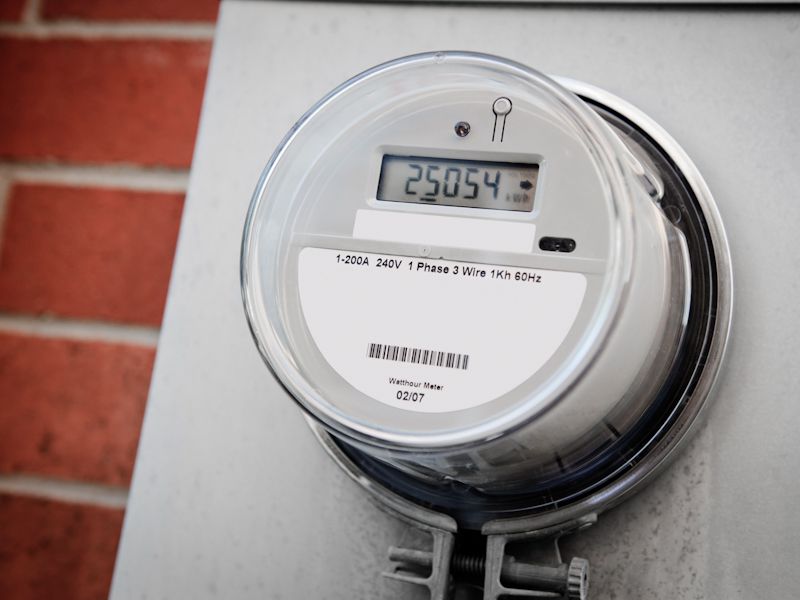
Spending more time at home during retirement can mean using more electricity, heating, and air conditioning than you did when you were working. Add rising utility rates and aging equipment to the equation, and your monthly bills can gradually become much more expensive without any obvious change in your habits. Once a year, compare your energy usage with the previous year’s bills, check whether your utility company offers more affordable billing options, and investigate rebates for energy-efficient improvements. Regular maintenance can also make a difference. ENERGY STAR recommends annual heating and cooling equipment tune-ups to help systems operate efficiently. Some retirees may also qualify for income-based utility assistance programs, making it worth checking what’s available locally before another expensive heating or cooling season arrives.
Internet, Cable, and Cellphone Plans

There’s a good chance your internet or cellphone provider has changed its pricing since you originally signed up, and not necessarily in your favor. Promotional rates expire, equipment rental fees add up, and expensive cable packages can stick around long after you’ve stopped watching most of the channels. Retirees may also be paying for unlimited mobile data they rarely use or internet speeds that exceed their actual needs. An annual review is a good time to compare providers, ask about cheaper plans, and consider whether bundling services still saves money. Qualifying low-income households may also be eligible for the federal Lifeline program, which provides discounts on phone or internet service. It’s not an automatic senior discount, but it could be helpful for retirees who meet the income or program eligibility requirements.
Sign up for our newsletter
Streaming Services and Automatic Subscriptions

A $10 subscription here and a $15 membership there might not seem like much, but those charges can quietly turn into hundreds of dollars a year. Streaming platforms, online newspapers, cloud storage services, fitness apps, and other subscriptions often renew automatically, making them particularly easy to forget. And when companies increase their prices, you might not notice until you’ve already paid the higher rate for several months. Once a year, go through at least three months of bank and credit card statements and look for recurring charges, including annual subscriptions that don’t appear every month. Cancel anything you’re no longer using, consider rotating between streaming services, and check whether a cheaper membership tier would work just as well. The Consumer Financial Protection Bureau also provides guidance on managing automatic payments.
Bank Account and Credit Card Fees

Banks and credit card companies have plenty of ways to charge customers, and some of those fees are easy to overlook. Monthly account maintenance charges, ATM fees, overdraft fees, and credit card annual fees can all chip away at a retirement budget. You might also be keeping an older checking account that requires a minimum balance you no longer maintain or paying for a premium credit card whose travel benefits you rarely use. Review your account statements and fee schedules once a year, then compare what you’re paying with the benefits you’re actually receiving. Switching to a no-monthly-fee checking account or a less expensive credit card could make sense, provided you’re not giving up valuable protections or rewards. The CFPB’s banking resources can help you understand what to compare.
Investment Management and Retirement Account Fees

Investment fees might not arrive as an obvious monthly bill, but that doesn’t mean they aren’t costing you money. Financial advisory fees, mutual fund expense ratios, and retirement account administration charges can reduce your investment returns over time. Even a seemingly modest percentage can translate into a substantial annual expense when applied to a large retirement portfolio. For example, a 1% annual advisory fee on $500,000 amounts to $5,000 a year, before considering any additional fund expenses. Ask your financial adviser or account provider for a complete breakdown of what you’re paying and which services those fees cover. Investor.gov explains how investment fees work and why they matter. Of course, cheaper isn’t automatically better, especially if changing investments creates tax consequences or affects your retirement income strategy.
Life Insurance Premiums

Life insurance often makes perfect sense when you’re working, raising children, and paying off a mortgage. But once you’re retired, your financial responsibilities may look considerably different. If your children are financially independent and your major debts are paid off, you might no longer need the same amount of coverage you purchased decades ago. That doesn’t mean you should automatically cancel your policy, though. Life insurance can still serve important purposes, including supporting a surviving spouse, covering final expenses, or providing for dependents. Some permanent policies also have cash value, surrender charges, or tax implications that make cancellation more complicated than it appears. Review your premiums, beneficiaries, death benefits, and current financial obligations before deciding whether your coverage still makes sense. The National Association of Insurance Commissioners offers guidance on evaluating different types of policies.
A Little Annual Maintenance Can Save a Lot of Money

Retirement expenses have a way of changing even when your lifestyle stays exactly the same. Insurance premiums rise, subscriptions renew, and financial products that once made sense can become unnecessarily expensive. The good news is that you don’t have to overhaul your entire budget to find opportunities to save.
Setting aside a few hours once a year to review your biggest recurring expenses can help you catch unnecessary charges, uncover discounts, and make sure you’re getting appropriate value for your money. Start with insurance, prescription drugs, utilities, and anything that renews automatically. The goal isn’t to spend as little as possible. It’s to make sure the money you’ve worked hard to save is still being spent wisely.