
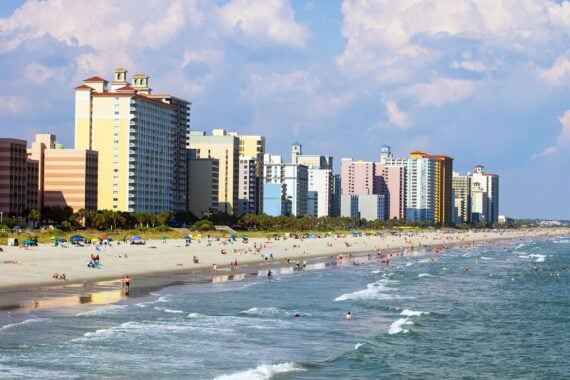
Affordable beach towns for retirees sound great in theory, but finding one that actually fits your budget can be a challenge. In many of the country’s best-known coastal destinations, high home prices, property taxes, homeowners insurance, and everyday expenses can quickly put oceanfront living out of reach.
But you don’t necessarily need a luxury-sized nest egg to spend retirement near the water. Smaller Gulf Coast communities, overlooked Atlantic towns, and a few surprisingly affordable Pacific destinations still offer beach access without the price tags of places like Miami or Southern California.
Affordability involves more than finding a cheap house, of course. Healthcare, insurance, monthly living expenses, and access to everyday necessities all matter, too. Based on recent 2026 retirement cost estimates, these 15 beach towns are worth a closer look.
Corpus Christi, Texas
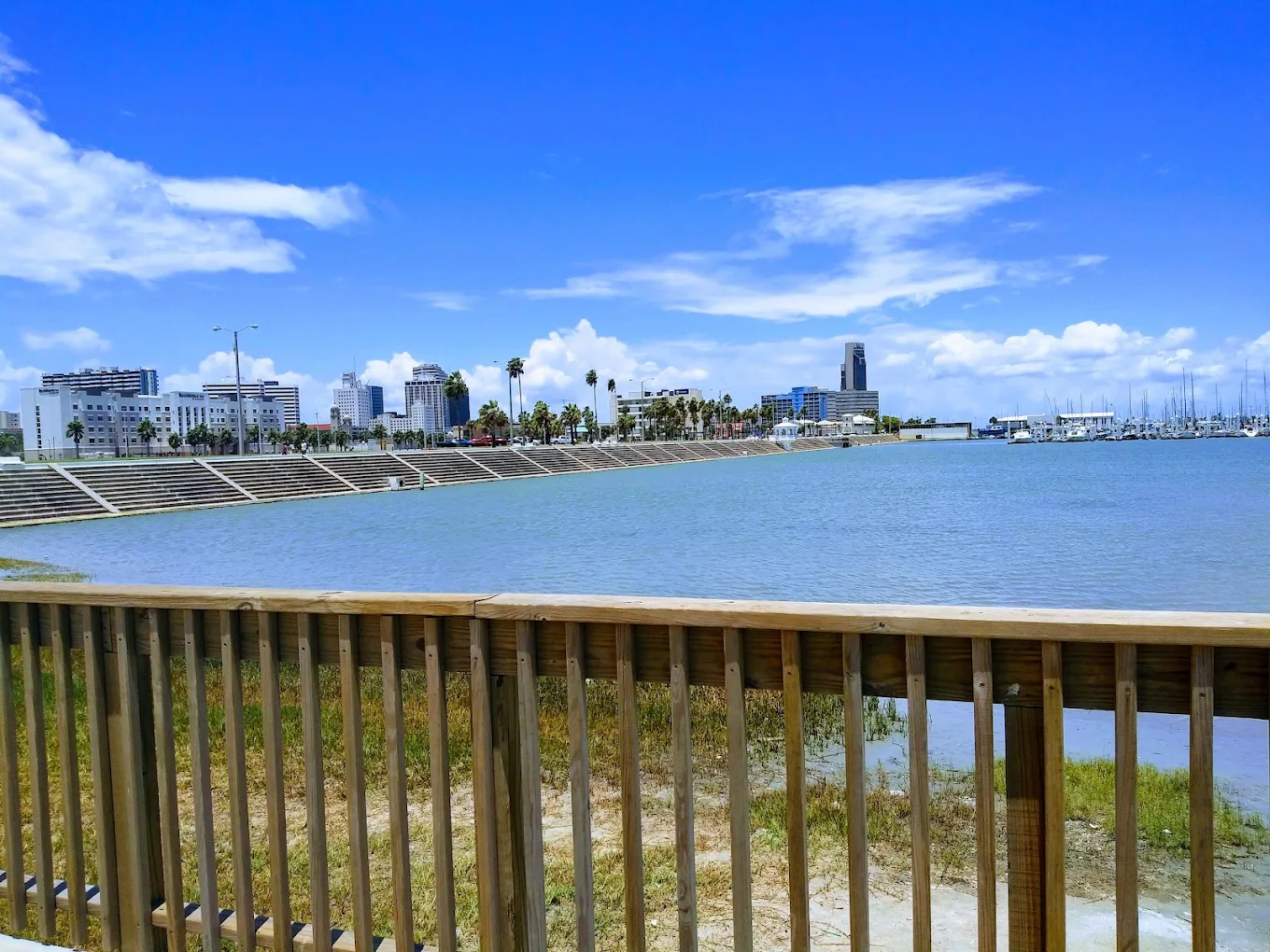
Corpus Christi combines Gulf Coast living with the conveniences of a real city, and the price is hard to beat. Estimated retirement expenses come to about $3,015 per month, making it the cheapest beach retirement destination in a recent GOBankingRates analysis. Retirees have miles of shoreline, fishing, boating, shopping, and plenty of everyday services nearby. Just don’t let the relatively low cost of living distract you from insurance: Windstorm and flood coverage should be priced carefully before buying a home here.
Pensacola, Florida
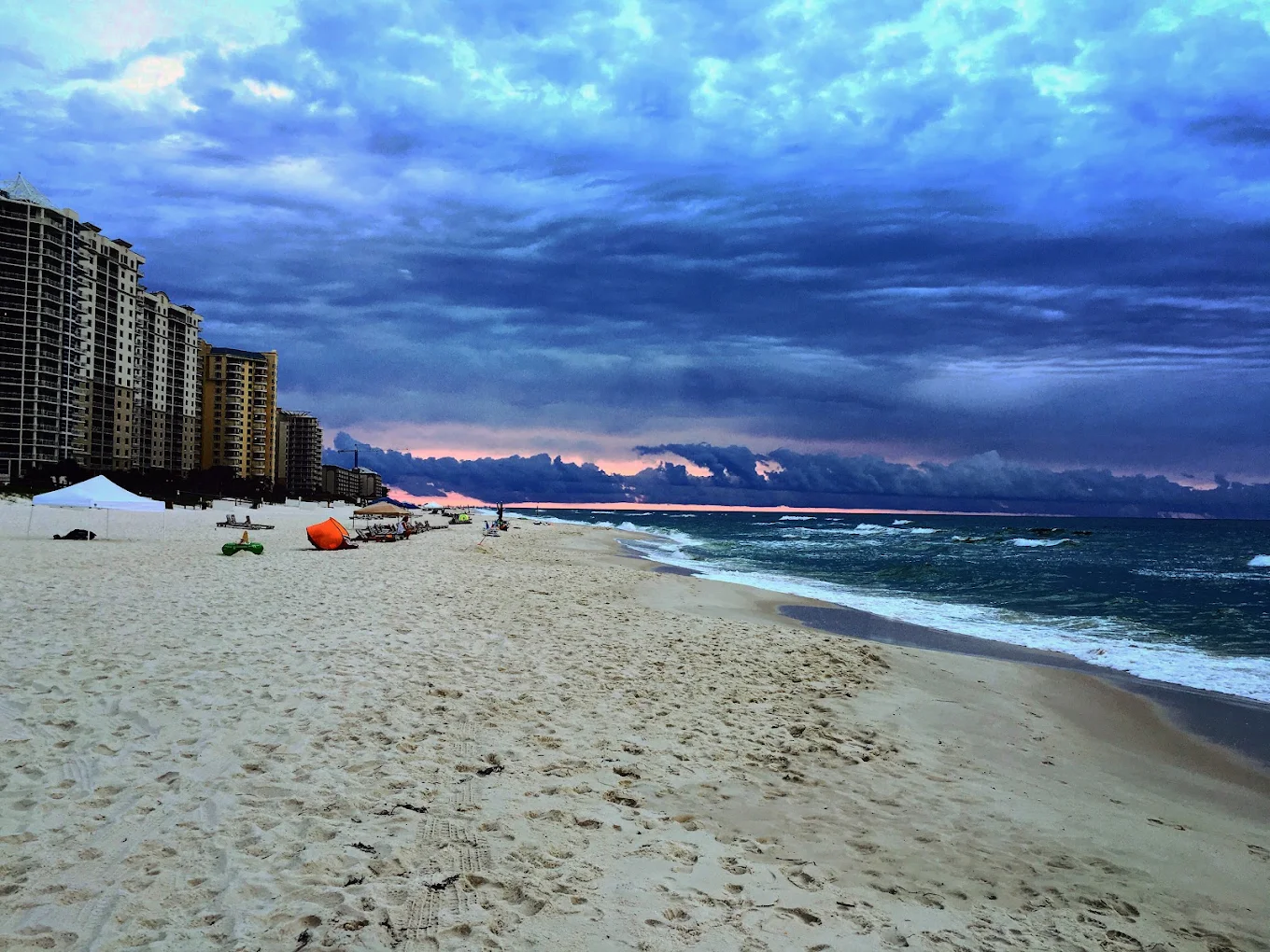
Florida retirement doesn’t have to mean Miami or Naples prices. Pensacola’s estimated monthly retirement costs come to about $3,226, while roughly 21% of its population is retired. The city pairs the white-sand beaches of the Gulf Coast with a lively downtown, regional healthcare, restaurants, and other amenities that can be harder to find in tiny beach towns. Homeowners insurance can significantly affect the real cost of living here, however, so retirees should factor it into their budget before making a move.
Ocean Springs, Mississippi
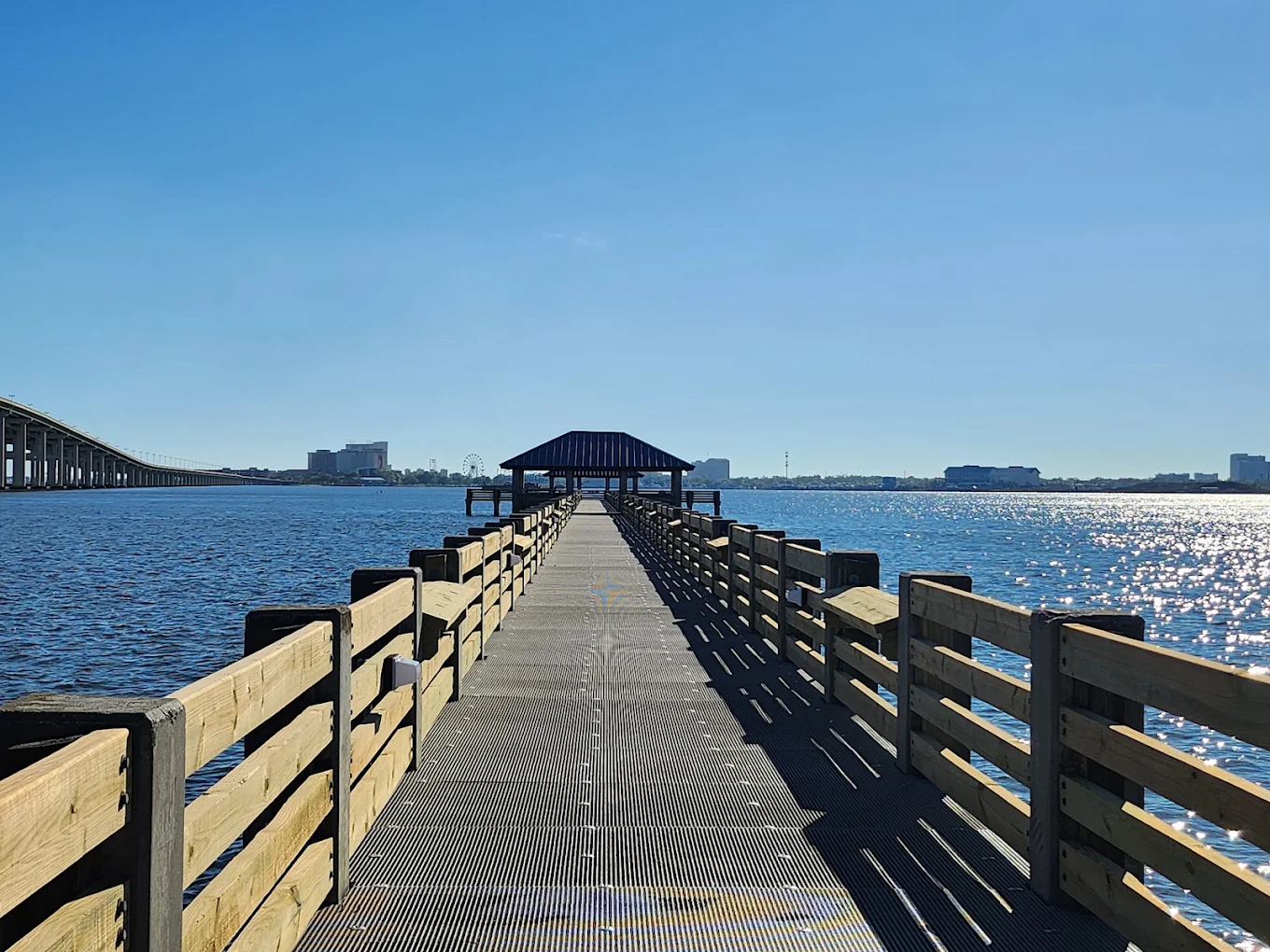
Ocean Springs offers something retirees don’t always get from an affordable coastal town: plenty of personality. The Mississippi community has a walkable historic downtown filled with restaurants and galleries, plus easy access to the Gulf. Estimated retirement expenses are around $3,267 a month, and more than one-fifth of residents are retired. It can be a particularly appealing alternative to busier Biloxi nearby, though flood and storm exposure can vary considerably from one property to another.
Crystal River, Florida
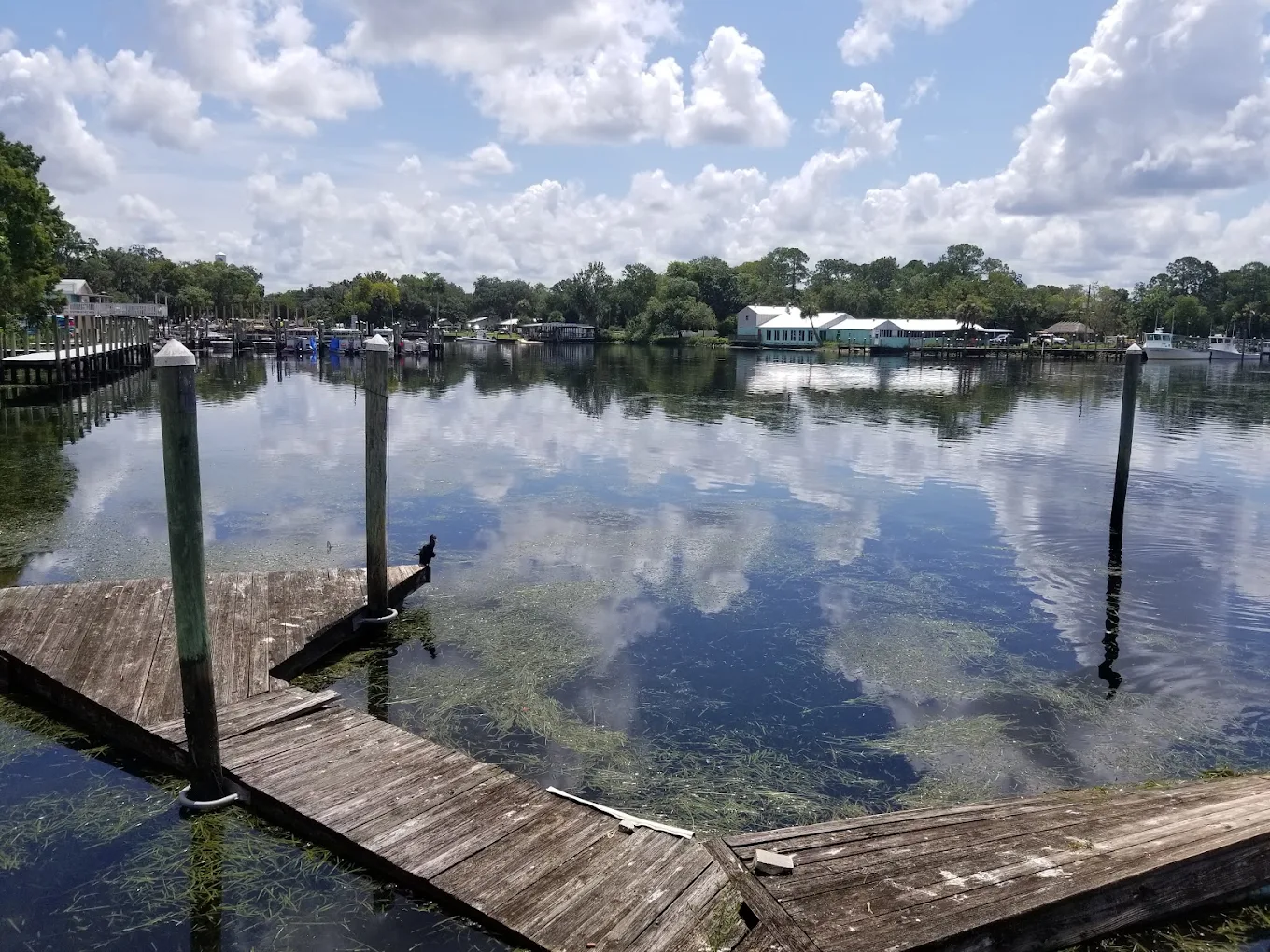
Nearly 47% of Crystal River residents are retired, which tells you something about the community’s appeal to older adults. Estimated monthly retirement expenses are around $3,310, and the area is known for its springs, manatees, fishing, kayaking, and Gulf access. Don’t expect a classic Florida beach town lined with high-rise condos, though. Crystal River is better suited to retirees who care more about nature and being on the water than nightlife and a wide sandy beach outside their front door.
Daytona Beach, Florida
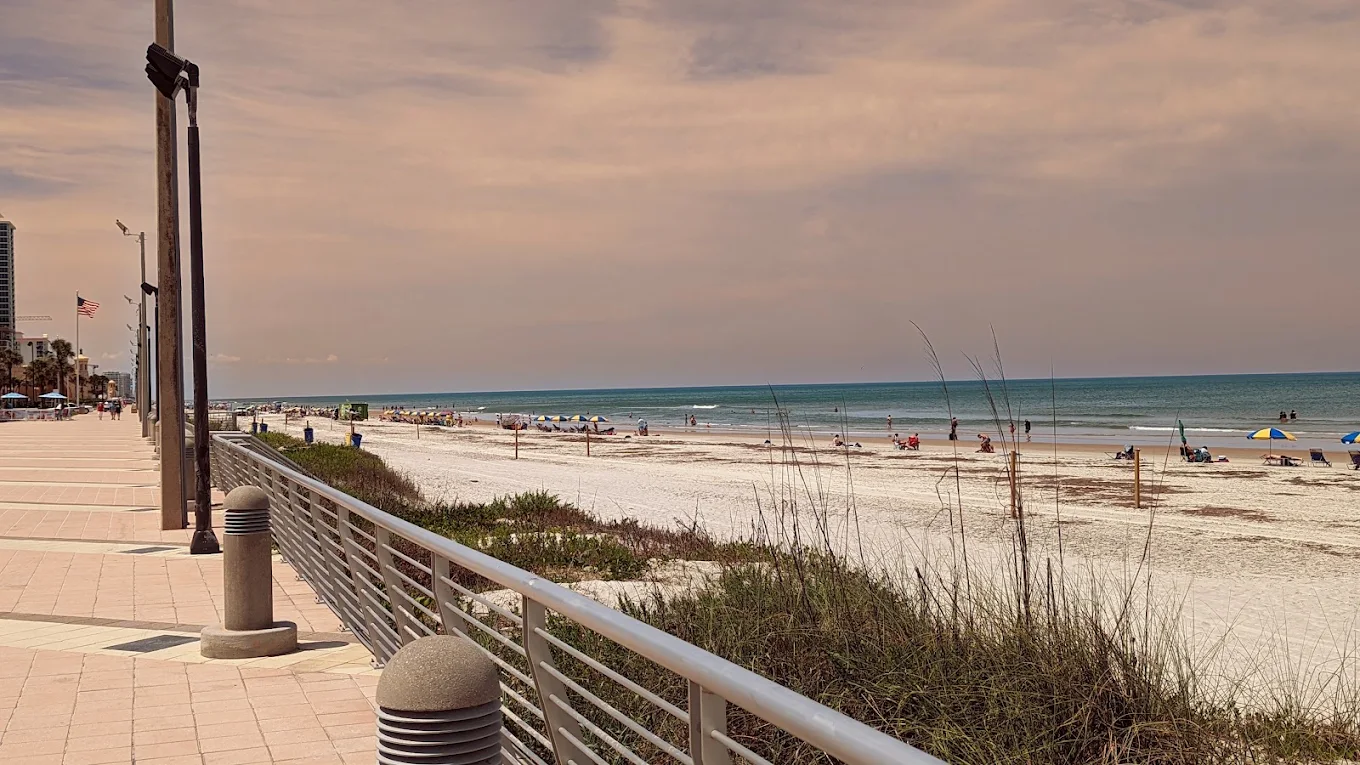
Daytona Beach isn’t exactly an undiscovered coastal hideaway, but it remains surprisingly practical for retirees on a budget. Estimated monthly retirement costs are around $3,371, substantially less than in many famous Florida beach destinations. Beyond its long Atlantic shoreline, Daytona offers a large healthcare network, plenty of restaurants and entertainment, and a relatively abundant housing supply. Where you live matters, however: An inland home and an oceanfront condo can come with dramatically different price tags and monthly expenses.
Trending on Cheapism


Hudson, Florida
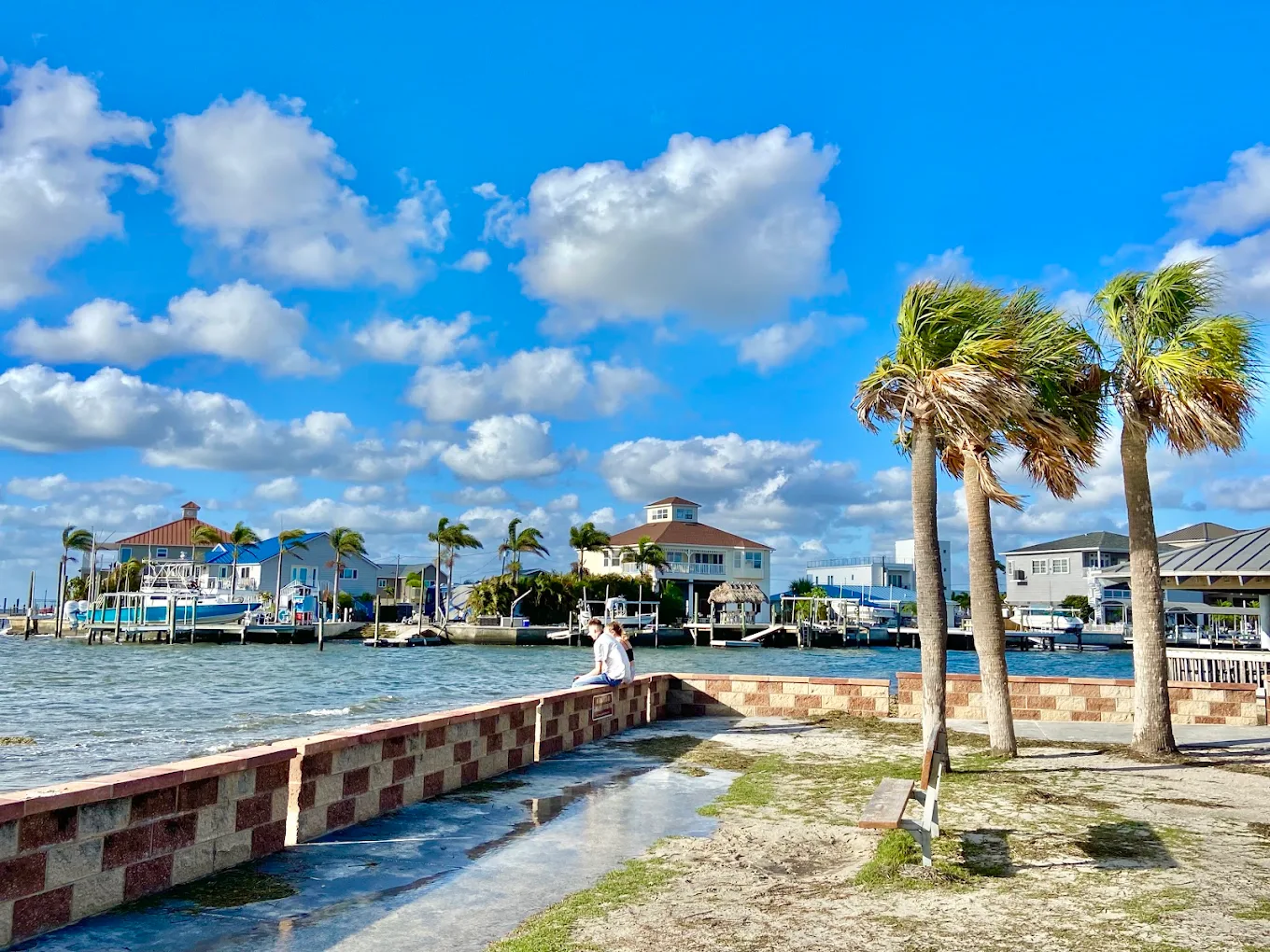
Retirees who want Gulf Coast access without the crowds of Clearwater or Tampa might want to look north to Hudson. About 46% of the community’s population is retired, and estimated retirement expenses run around $3,567 per month. Hudson is more about boating, fishing, and laid-back waterfront living than major tourist attractions, which can be part of the appeal. Flooding is an important consideration, though, making a property’s elevation and insurance costs especially important before buying.
Long Beach, Washington
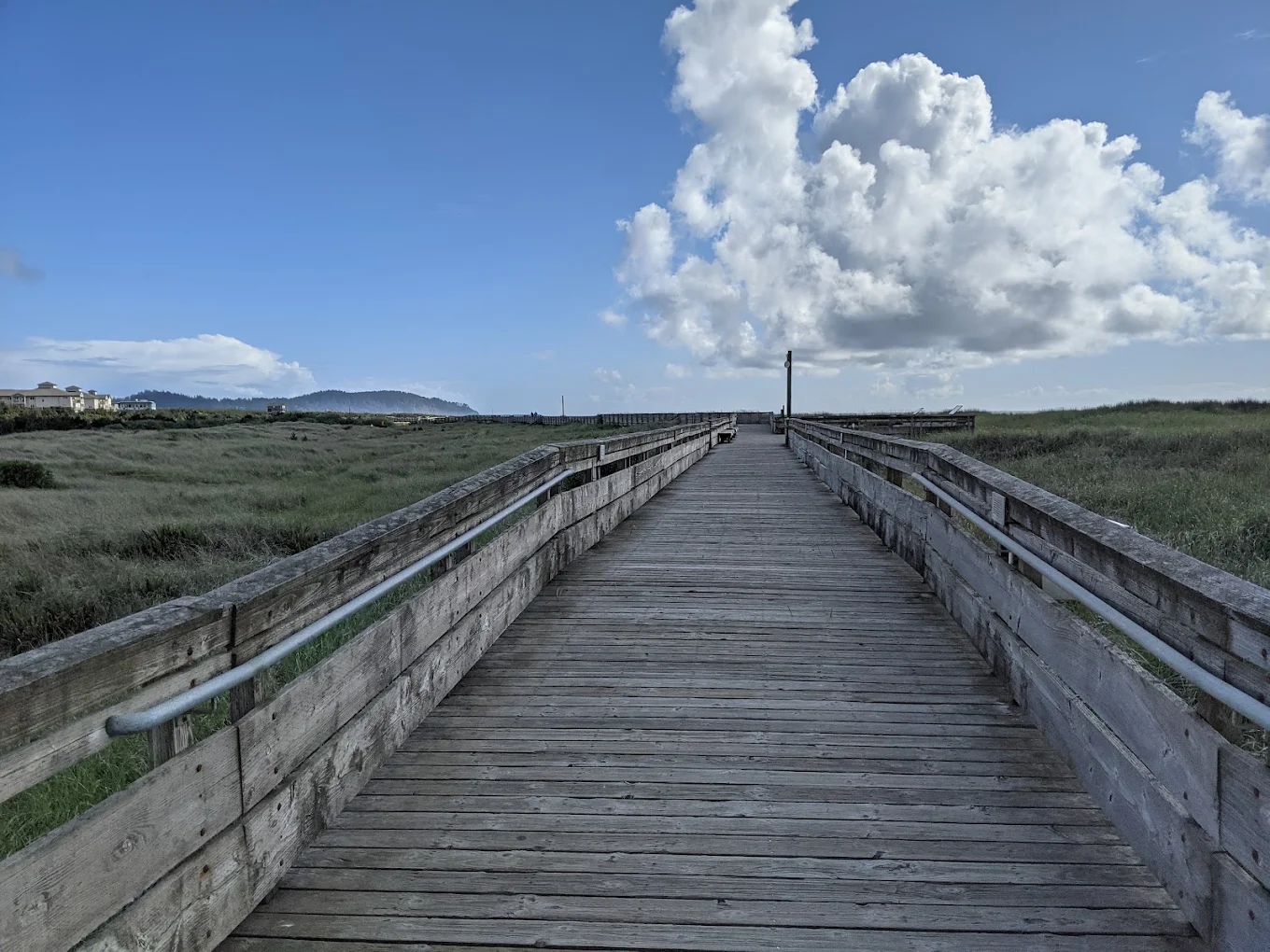
Not everyone dreams of spending retirement somewhere hot and humid. Long Beach, Washington, offers Pacific Ocean scenery and a huge sandy shoreline for estimated monthly retirement expenses of around $3,620. About 30% of residents are retired, and the Long Beach Peninsula provides a much slower pace than the major population centers around Seattle. The trade-off is the weather: Retirees should be prepared for cool, rainy winters rather than the year-round swimming conditions of the Gulf Coast.
Ocean Shores, Washington
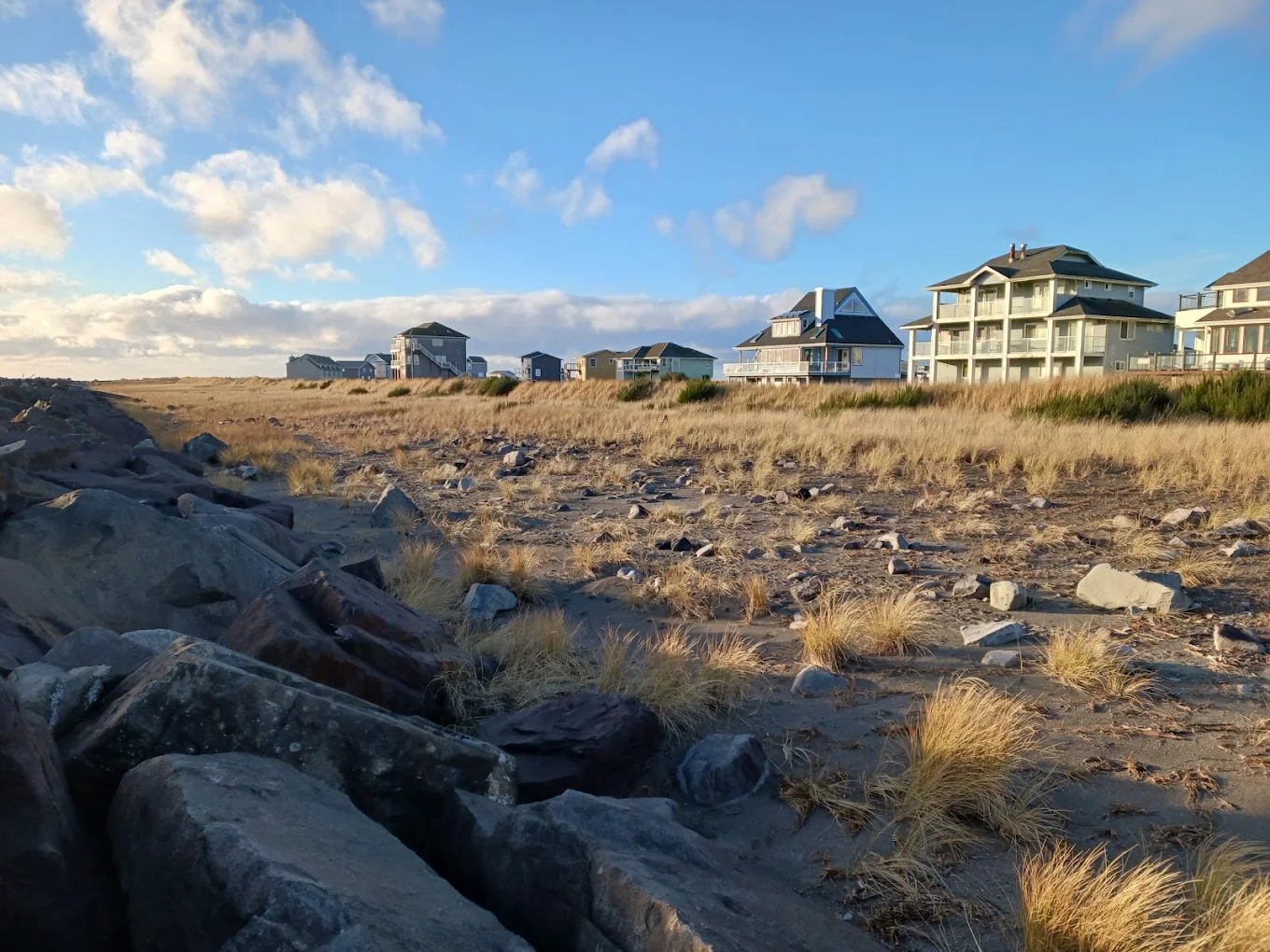
Ocean Shores is another option for retirees who want to live near the Pacific without paying the prices associated with many West Coast beach communities. Nearly 47% of residents are retired, while estimated monthly retirement expenses are around $3,677. Miles of beach, canals, birding, and other outdoor activities make the small community especially attractive to nature lovers. One potential drawback is healthcare access, as retirees who need frequent specialist care may find the options more limited than they would in a larger city.
Sign up for our newsletter
Englewood, Florida
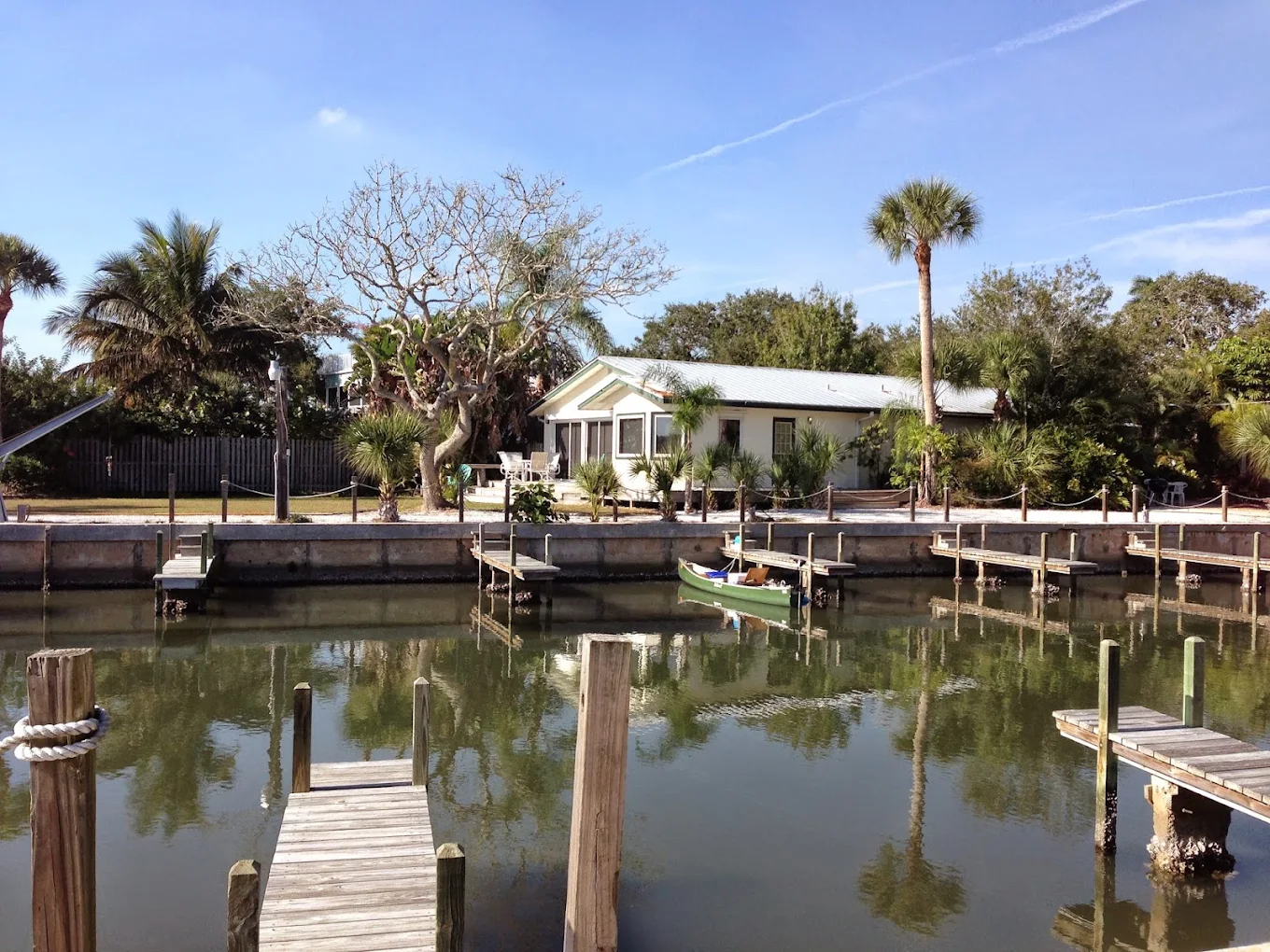
You won’t have trouble finding other retirees in Englewood. More than 60% of residents are retired, the highest share among the towns on this list, and estimated monthly retirement costs come to about $3,703. The community offers easy access to Gulf beaches including Manasota Key, plus boating, fishing, and warm Florida weather without quite as much flash as nearby Sarasota. As elsewhere along Florida’s coast, hurricane exposure and insurance premiums can eat into the savings retirees find on housing.
Chincoteague, Virginia
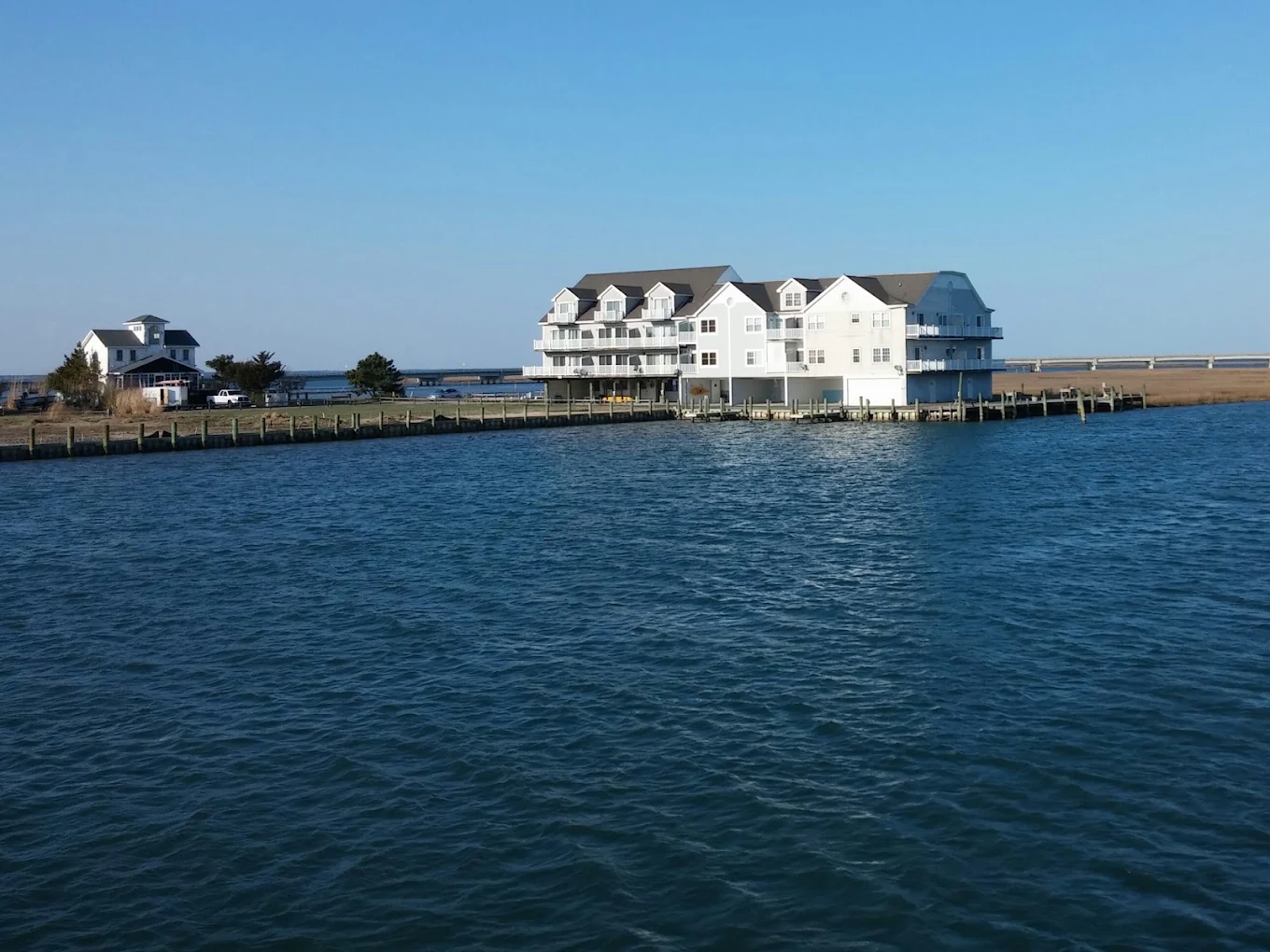
For retirees who picture their beach years involving wildlife and quiet streets rather than high-rise condos and crowded boardwalks, Chincoteague has plenty of appeal. About 38% of the population is retired, and estimated monthly retirement expenses are around $3,754. The small Virginia town sits beside Assateague Island, giving residents access to beaches, wildlife, and excellent birding. The relative isolation is a trade-off, however, as specialist healthcare and major shopping may require more travel than they would in a larger coastal city.
Myrtle Beach, South Carolina
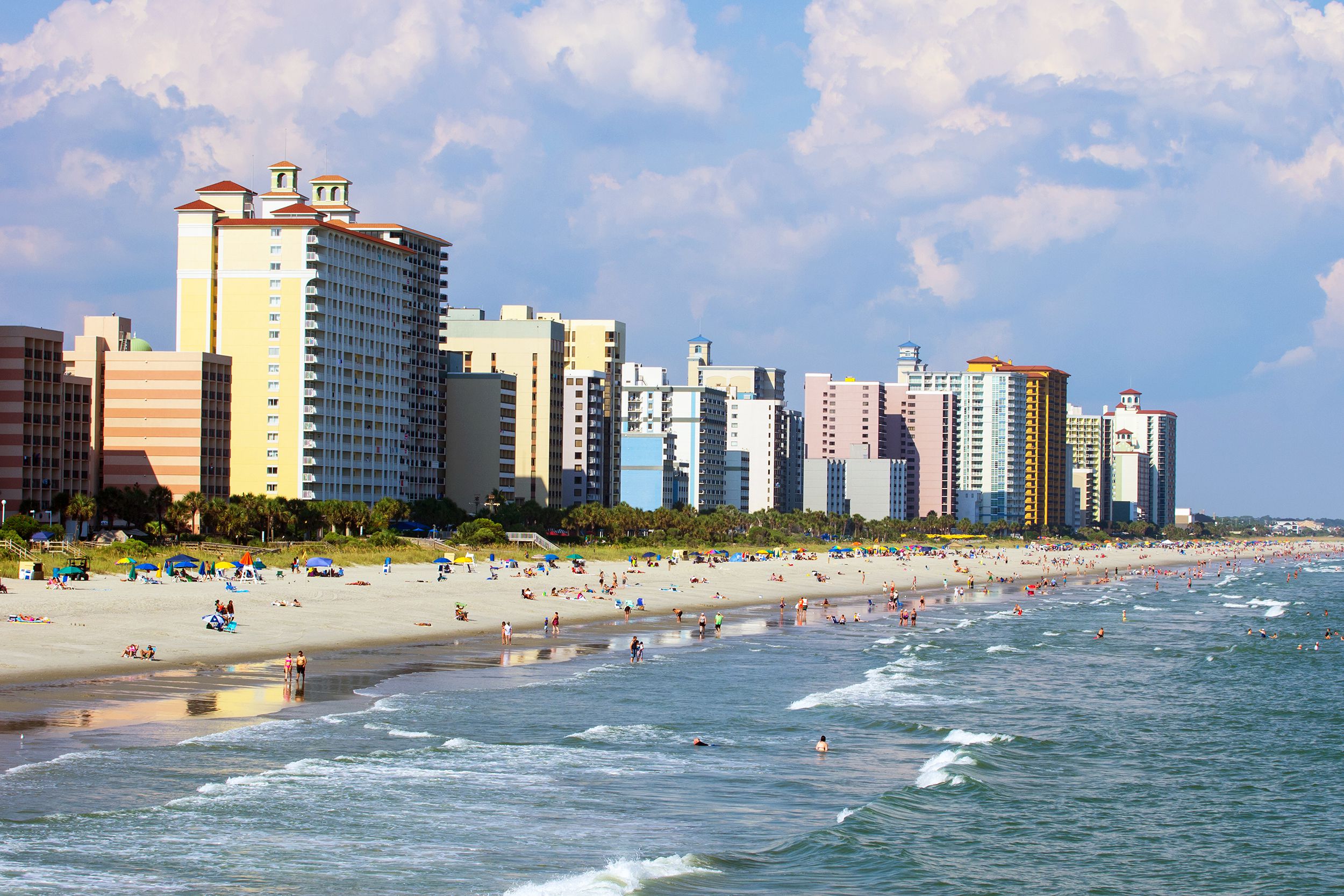
Myrtle Beach may be packed with vacationers during peak season, but it’s also home to a sizable retiree population. Nearly one-quarter of residents are retired, and estimated monthly retirement expenses come to around $3,772. The area’s enormous supply of condos and other housing can give budget-conscious retirees more choices than they might find in a smaller, more exclusive beach town. There are also golf courses, restaurants, entertainment, and medical services everywhere. Condo shoppers should pay close attention to HOA dues and assessments, which can quickly change the math on an otherwise inexpensive property.
Melbourne, Florida
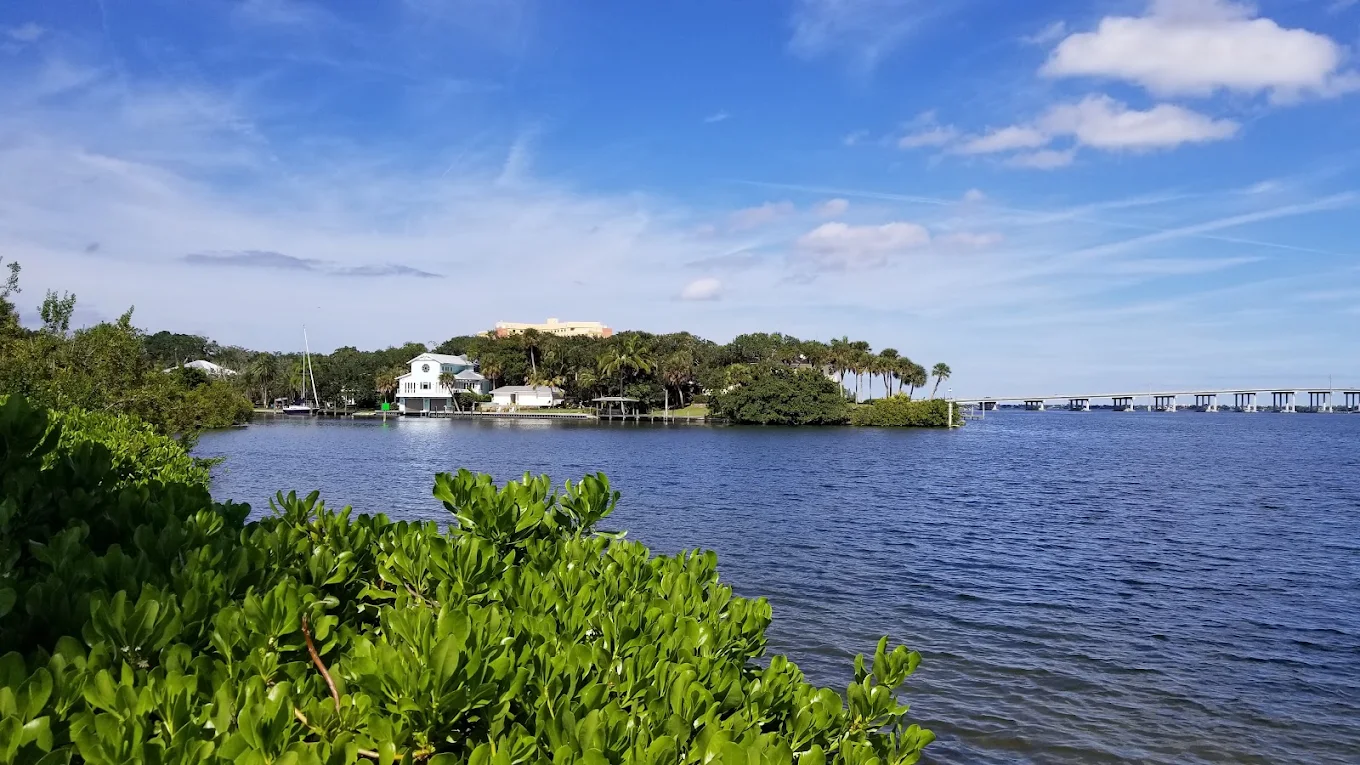
Melbourne offers retirees a middle ground between tiny beach-town living and a major Florida metro area. Estimated retirement expenses are about $3,823 per month, and roughly 22.5% of residents are retired. Living on the Space Coast means Atlantic beaches are nearby, but residents also have access to hospitals, shopping, restaurants, and the everyday infrastructure of a larger community. Retirees hoping to save should look beyond the waterfront: Housing in inland Melbourne can be substantially less expensive than properties directly on the barrier island.
Vero Beach, Florida
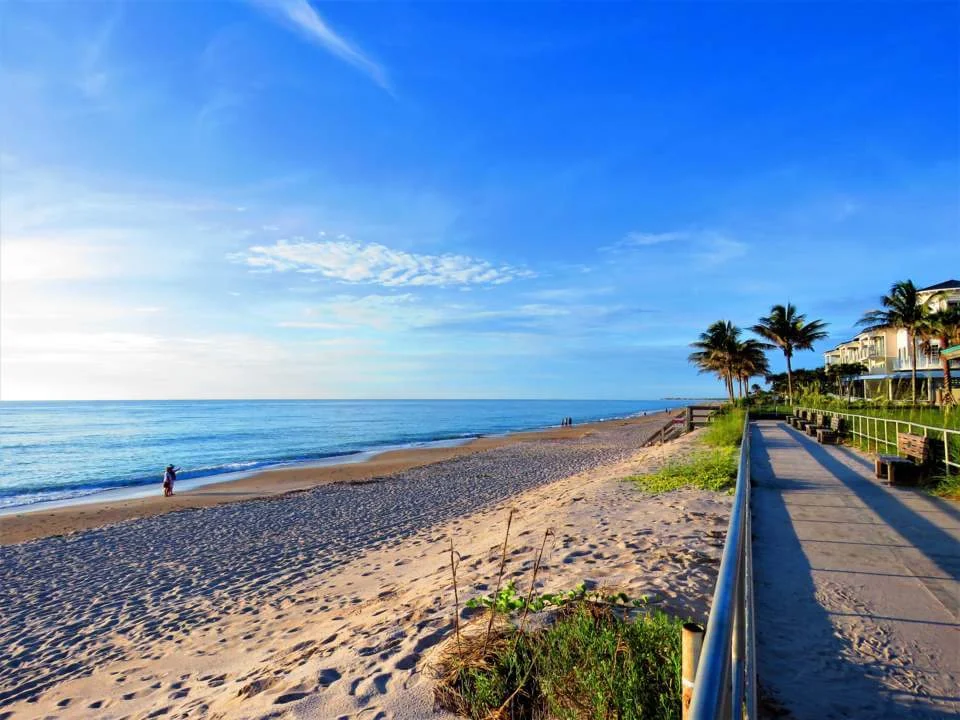
Vero Beach has beaches and warm weather without quite the same high-rise, nightlife-heavy atmosphere found in some South Florida destinations. Nearly 29% of residents are retired, and estimated monthly retirement expenses are around $3,874. The area also offers healthcare and cultural amenities, making it more practical for year-round living than a purely seasonal resort town. Beachfront homes can still command hefty prices, though, so retirees looking for value may find much better deals a few miles inland.
Calabash, North Carolina
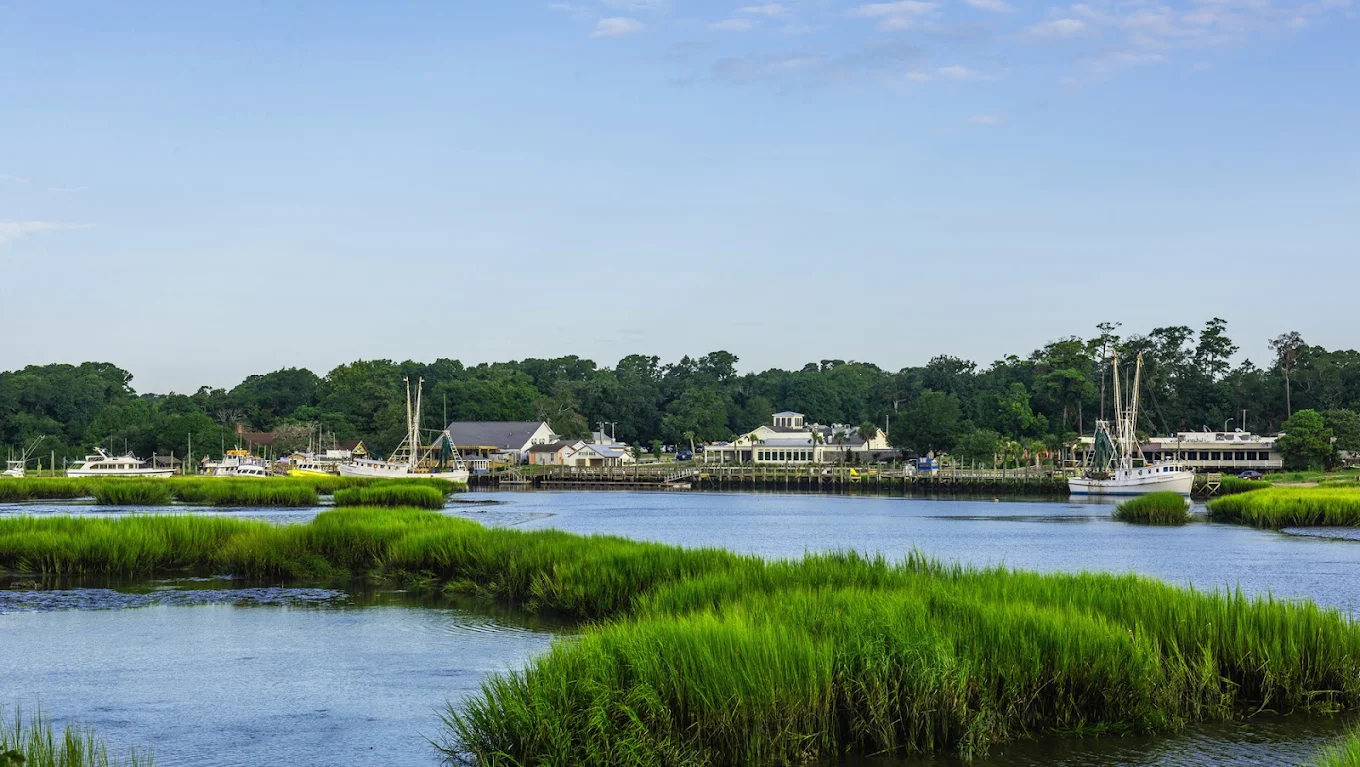
Sitting near the North Carolina-South Carolina border, Calabash gives retirees easy access to Sunset Beach and the broader Grand Strand without requiring them to live in the middle of Myrtle Beach. About 32% of residents are retired, and estimated monthly retirement expenses come to around $3,975. The area is particularly appealing to retirees who want a combination of beaches, golf, and a smaller community. Previous research from Realtor.com has also highlighted Calabash for its relatively affordable housing and access to medical facilities and airports.
Surfside Beach, South Carolina
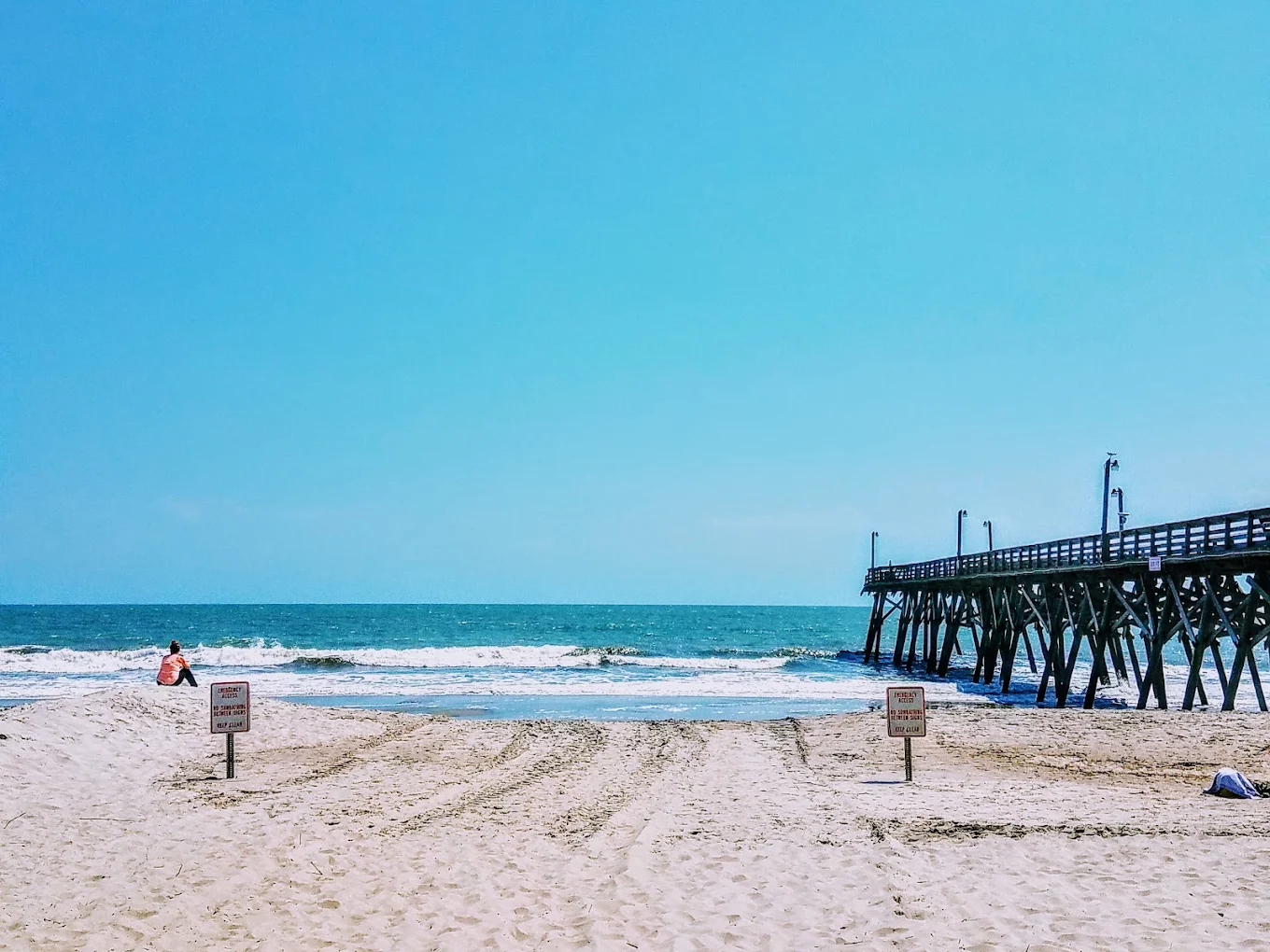
Just south of Myrtle Beach, Surfside Beach offers many of the same conveniences in a smaller and more residential setting. Nearly 29% of residents are retired, while estimated monthly retirement expenses come to about $4,054. Residents remain close to the Grand Strand’s hospitals, restaurants, stores, entertainment, and, of course, miles of beach. Retirees trying to stretch their housing budget should consider looking a few blocks away from the ocean, where prices — and potentially some coastal risks — can drop.
The Beach May Be Closer Than You Think

Affordable coastal retirement hasn’t disappeared, but retirees may have to look beyond the country’s most famous resort towns to find it. Current estimates are particularly favorable along the Gulf Coast, where Corpus Christi, Pensacola, Ocean Springs, Crystal River, and Daytona Beach all come in below roughly $3,400 per month.
The sticker price of a home isn’t the whole story, though. Flood and windstorm insurance, HOA dues, condo assessments, and other coastal expenses can turn an apparent bargain into a much more expensive proposition. One of the simplest ways to stretch a retirement budget may be to look a few miles inland. You can often keep the beach within easy reach without paying the premium — or taking on all the risks — of living directly on the water.