
Life in 2026 ought to be simpler than in decades past, given the many technological advances that have taken place. Yet, for some Americans, managing household costs, buying food, paying for healthcare, and holding down a job remain a challenge. The following circumstances supported by The Bureau of Labor Statistics, Pew Research Center and the Economic Research Service highlight just how difficult life in 2026 is!
Housing and Transportation Consume Half of the Average Household Budget

The total annual household expenditures in the United States averaged $78,535 in 2024, which is equivalent to an average of $6,545 per month. Housing and transportation were the two largest expenditures, representing over 50% of this total. In addition, housing spending accounted for 33.4% of total spending, while transportation accounted for 17%. The Bureau of Labor Statistics also remarked that housing was the only statistically significant increase from 2023 to 2024, a 3.3% increase.
Nearly Half of Renters Spend a Third of Their Income on Housing

In the United States, there are approximately 46.8 million renter-occupied households, representing about 35% of all housing units nationwide. Among them, nearly half of all renter households, roughly 22.7 million renters, spend more than 30% of their gross income on rent and utilities. According to the U.S. Census Bureau, the median cost of housing for renters rose from $1,354 to $1,406 after adjusting for inflation.
Most Americans Believe Buying a Home Is Harder Now

There is no doubt that the economic situation in the United States has placed additional pressure on residents. One of the growing challenges is buying a home. Young adults also mentioned that they don’t see buying a home as a good investment. According to Pew Research Center, nine out of ten young adults under the age of 40 believe it is more difficult for them to buy a home than it was for their parents’ generation.
A $400 Emergency Would Put a Strain On Americans Economy

According to Investopedia, more than a third of Americans said they couldn’t cover a sudden $400 expense with cash or cash equivalents. And if that situation arises, 37% of Americans would turn to a credit card, sell something or borrow money from a friend or relative to get through it. Another common metric of financial health is having an emergency fund capable of covering several months of expenses without income.
13% of U.S. Households Experienced Food Insecurity

The Economic Research Service went through some studies and stated that 13.7% of U.S. households were food insecure at least some time during the year, meaning they had difficulty providing enough food for all their members because of a lack of resources. Of those 18.3 million households, there are 7.2 million that experienced very low food security where some household members reduced normal eating patterns, another reality of life in 2026.
Trending on Cheapism


Childcare Is Comparable to Housing or a College Tuition

The average childcare cost can range from $800 to $1,500 a month for one child according to childcare.gov. While housing represents an expense on average of $1,370 and a college tuition ranges from $300 to $3,750 a month, these costs all reflect life in 2026. All these represent a household expense falling within the same general range, although it is true that the cost of childcare decreases as the child grows older.
Healthcare Spending Continues to Grow Faster Than Many Household Budgets

Healthcare spending includes hospital care, prescription drugs, insurance administration, nursing care, home health, physician services and more. The problem is that spending is growing faster than many household budgets. They spent on average $4,000 to $5,600 a year which is on average 7.5% of the total household income, while U.S wages growth averages 0.2%, making life in 2026 increasingly expensive.
63 Million Americans Provide Family Care
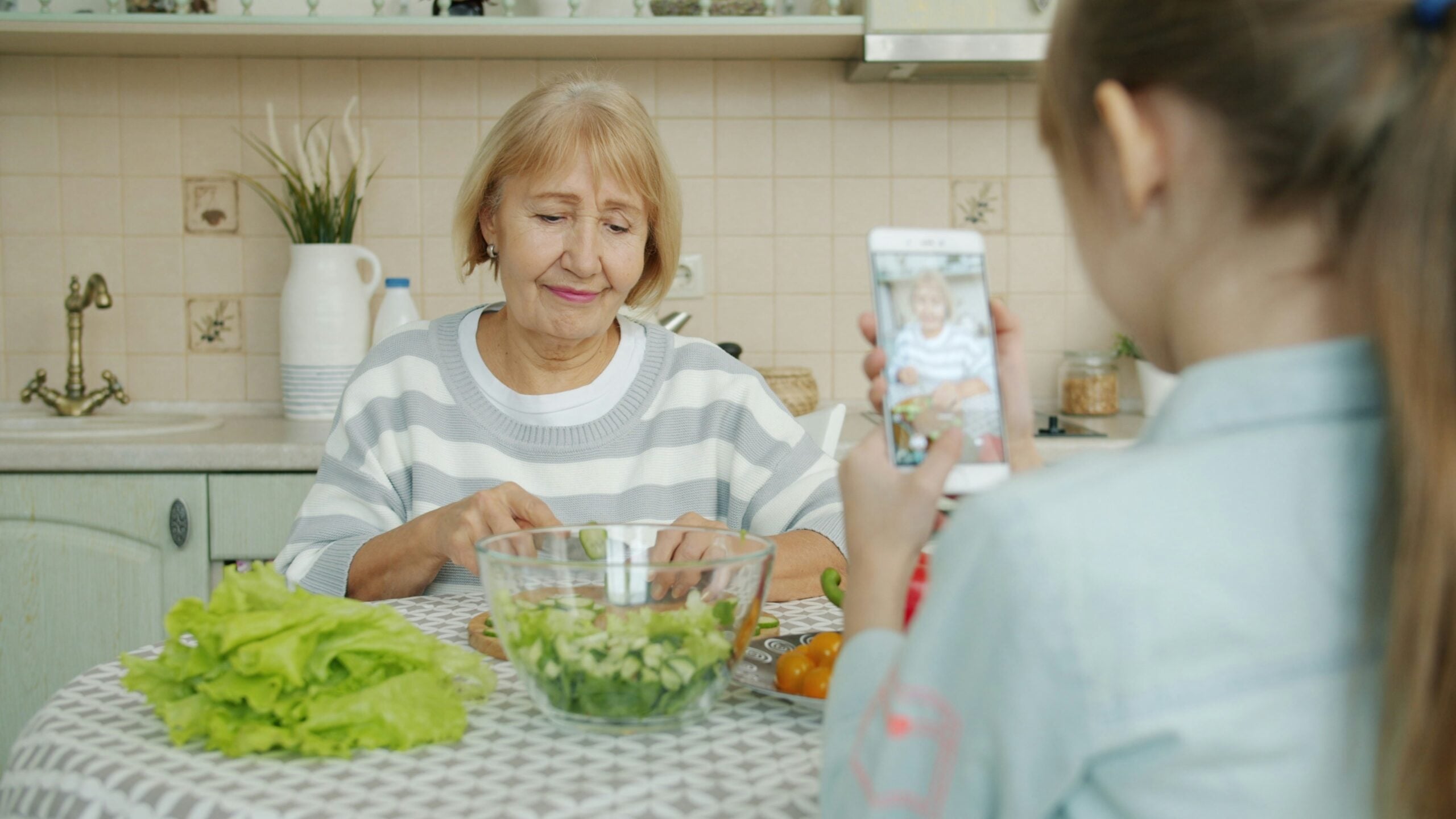
According to Pew Research Center, lower-income adults with an aging parent, spouse, or partner are more likely to be caregivers than those in higher income tiers. That study also mentioned that the need for caregivers among older adults is on the rise as the U.S. population ages, with about 63 million Americans providing family care, another challenge of life in 2026. The AARP remarked that in 2020, there were 53 million of adults in the U.S. that provided unpaid family care, so that statistic has risen.
Sign up for our newsletter
Unpaid Family Care Has an Enormous Economic Value

The National Institutes of Health revealed that nearly 59 million adults serve as unpaid family caregivers in the U.S., that’s about 1 in 4 Americans. Those people provide care to adults with disabilities and complex health needs without nurses, transportation services or care coordinators. The NIH also mentioned that they provide an estimated $600 billion in uncompensated labor each year, demonstrating the demands of life in 2026.
Long-Term Care Is Almost Unaffordable

The Roosevelt Institute mentioned that long-term care is draining the Middle Class because nursing home care can cost between $115,000 and $129,000 annually, while a median household income for those aged 65 or more is $57,000. That’s the reason why they depend on their family members to cope with the costs and consume a large share of the median household income that was $83,730 in 2024. Life in 2026 and beyond will not be any simpler.
More Than 8 Million Americans Hold Multiple Jobs

Reports from the U.S. Bureau of Labor Statistics revealed that more than 8 million Americans hold multiple jobs by June of 2026, while there were 9.3 million in late 2025. That figure fluctuates monthly but in relative terms 5.7% of employed Americans worked more than one job. The elevated inflation and housing costs are two of the several reasons behind this trend that are shaping life in 2026.
Remote Work Is Normal for Some Workers

According to the Bureau of Labor Statistics, in 2026, roughly 23% of workers do their job remotely and telework rates have stabilized post-pandemic, but it’s a great choice because of the flexibility, autonomy and work-life balance it offers that continue to influence life in 2026. Telework rate also varies across the major demographic groups, being 24.9% of women employed, higher than 20.5% of men. Or also 31.1% of Asian workers teleworked, 23.2% are white workers and 16.1% are black workers.
Artificial Intelligence Is Expected to Create Jobs and Eliminate Others

The Bureau of Labor Statistics revealed that the increasing use of Artificial Intelligence will boost demand for workers in some occupations like data scientists, information security analysts, actuaries and operations research analysts over the 2024-34 decade, with at least 19% employment growth. On the other hand, jobs like procurement clerks, credit authorizers, and administrative assistant will lose ground because work support would be integrated into workflow through AI. Those workforce shifts are expected to shape life in 2026.
Young Adults Rate Their Mental Health Far Worse Than Older Adults

In a study conducted by Pew Research Center, roughly a third of young adults have negative views of their mental health, rating it more negatively than older adults. That 36% mentioned their mental health is fair or poor, while 16% of adults ages 50 to 64 and 9% of adults of 65 or older say the same. This situation exposes younger generations having more vocabulary and openness around mental health, but greater willingness to report distress, making an issue to address of life in 2026.
Social Connection is Now Treated as a Public-Health Issue

According to the Centers for Disease Control and Prevention, social connections are a vital public health issue because if those ties are strong, people can improve mental health, lower chronic disease risk and increase lifespan. On the other hand, isolation and loneliness pose severe threats to physical and emotional well-being. Staying connected to others creates feelings of belonging and being loved, cared for, and valued, creating a better life in 2026.
Fraud Losses Reached a Record Reported Total

The FBI reported $20.9 billion in losses to fraud in 2025, in a continued growing scams activity. That is a sharp 60% rise from 2024 and being adults of 60 years old or older who suffered the greatest losses, $7.7 billion of stolen money according to AARP. This trend has become another financial concern affecting life in 2026. Among the scams that caused most financial damage appears investments, cryptocurrency and tech support.
Extreme Weather Disasters Are Occurring Much More Frequently
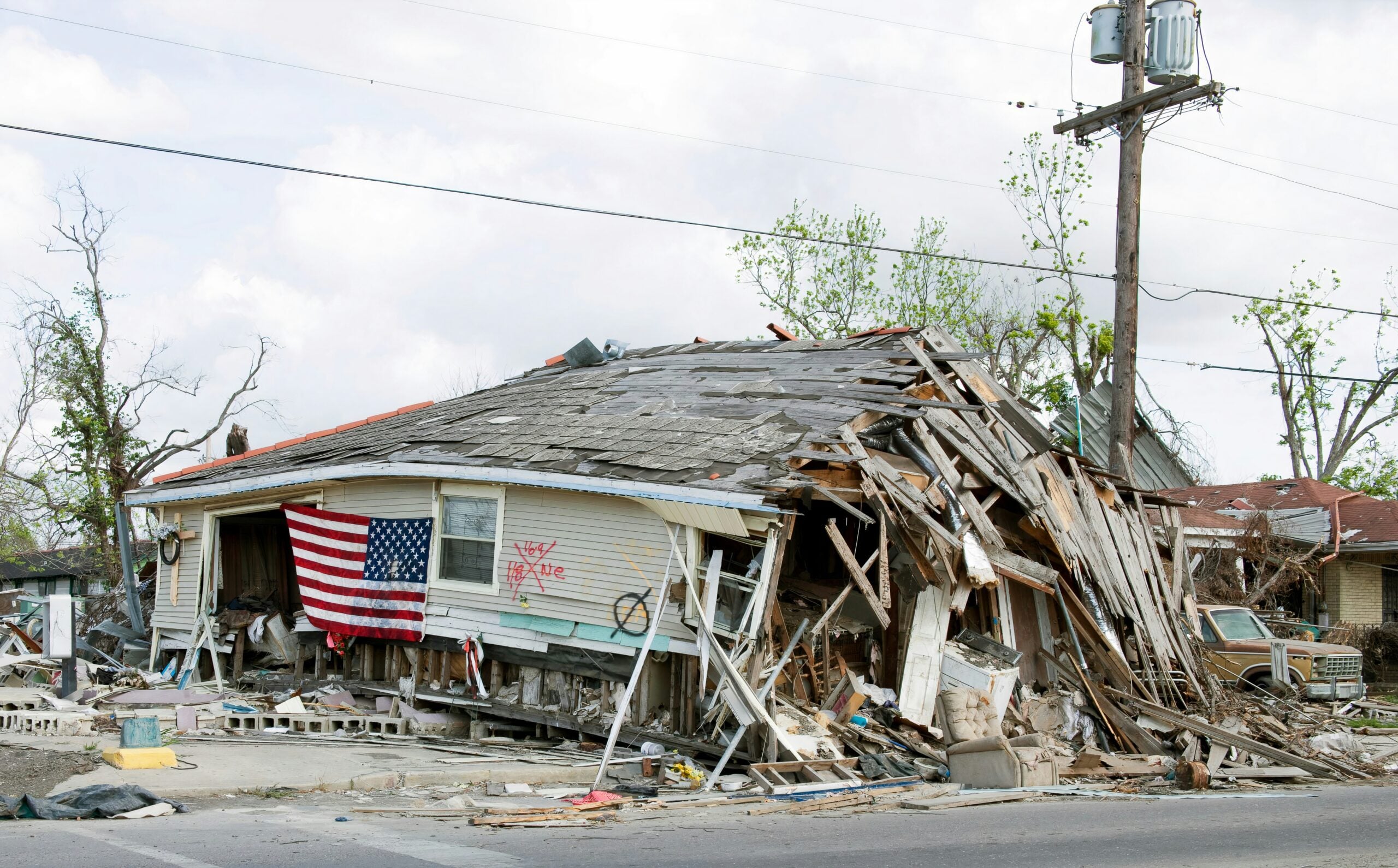
The number of weather, climate, and water extremes has increased fivefold over the past 50 years, driven by rising global temperatures and more moisture in the atmosphere as the World Meteorological Organization mentioned. Also, the National Centers for Environmental Information revealed that the U.S. averages 23 billion dollar weather and climate disasters per year over the last five years. They recorded 9 events per year since 1980 until 2024, but 23 events per year from 2020 to 2024. These environmental changes continue to influence life in 2026.
Life Expectancy Is Rising Again, but Longer Lives Create New Pressures

Global life expectancy has increased by more than six years between 2000 and 2019 according to the World Health Organization, but the COVID-19 pandemic has erased nearly a decade’s progress made in improving health longevity. Also, in comparison to year 2000, healthy life expectancy has increased 9%. The downside of people living life in 2026 longer is that households require more retirement income, medical care, and family support, which can become an economic burden for many families.
Most Older Adults Want to Remain at Home, But Many Are Not Sure They Can

The Pew Research Center revealed that 93% of U.S. adults 65 and older say they currently live in their own home or apartment, and 60% of them said they preferred to stay in their home and have someone care for them instead of moving into an assisted living facility or move in with family members. The downside about life in 2026 is that among those who say they’d want to stay in their home, 18% mentioned that it’s not likely to happen because of cost-related problems or that they would need in-home care but couldn’t afford it through care insurance.
Most Americans Agree That Basic Milestones Have Become Harder to Reach
Young adults mentioned that the majority of them have it harder today to financially succeed than their parents did, according to a study conducted by the Pew Research Center. The study revealed that 64% of young adults say it’s harder for them to find a job today, while the same survey in 2021 indicated 39%. While comparing to their parents, 80% of young adults said that life in 2026 presents a harder situation for them to cover basic expenses than it was for their parents.
Conclusion

The key takeaway from all this information is that, while people today have more tools at their disposal than in previous decades, life in 2026 is not necessarily simpler. New challenges have also emerged, such as living longer in retirement without the necessary income to cover basic expenses. Therefore, while every situation is unique, individuals must prepare to address problems they may not have anticipated, or that have never been faced before.