
Some retirement expenses can disappear or shrink once you stop working. You may no longer have to commute five days a week, maintain a work wardrobe, or spend money grabbing lunch near the office. But that doesn’t mean your entire household budget will suddenly shrink along with your work schedule.
In fact, some expenses can stay stubbornly high or even increase after retirement. You might spend more time at home, finally have time to travel, pick up new hobbies, or find yourself dealing with healthcare and home maintenance costs that weren’t as significant a decade ago.
That’s why it can be risky to build a retirement budget around what you hope will get cheaper. From housing and healthcare to groceries and vacations, here are 12 expenses you shouldn’t automatically expect to cost less in retirement.
Healthcare

Leaving the workforce doesn’t necessarily mean leaving big healthcare bills behind. Even with Medicare, retirees can still have premiums, deductibles, prescription drug costs, and expenses for dental, vision, hearing, and other care that isn’t fully covered. Depending on what you paid for employer-sponsored coverage while working, the transition can be a budget shock. Instead of assuming insurance will take care of most expenses, give healthcare its own substantial line in your retirement budget.
Housing
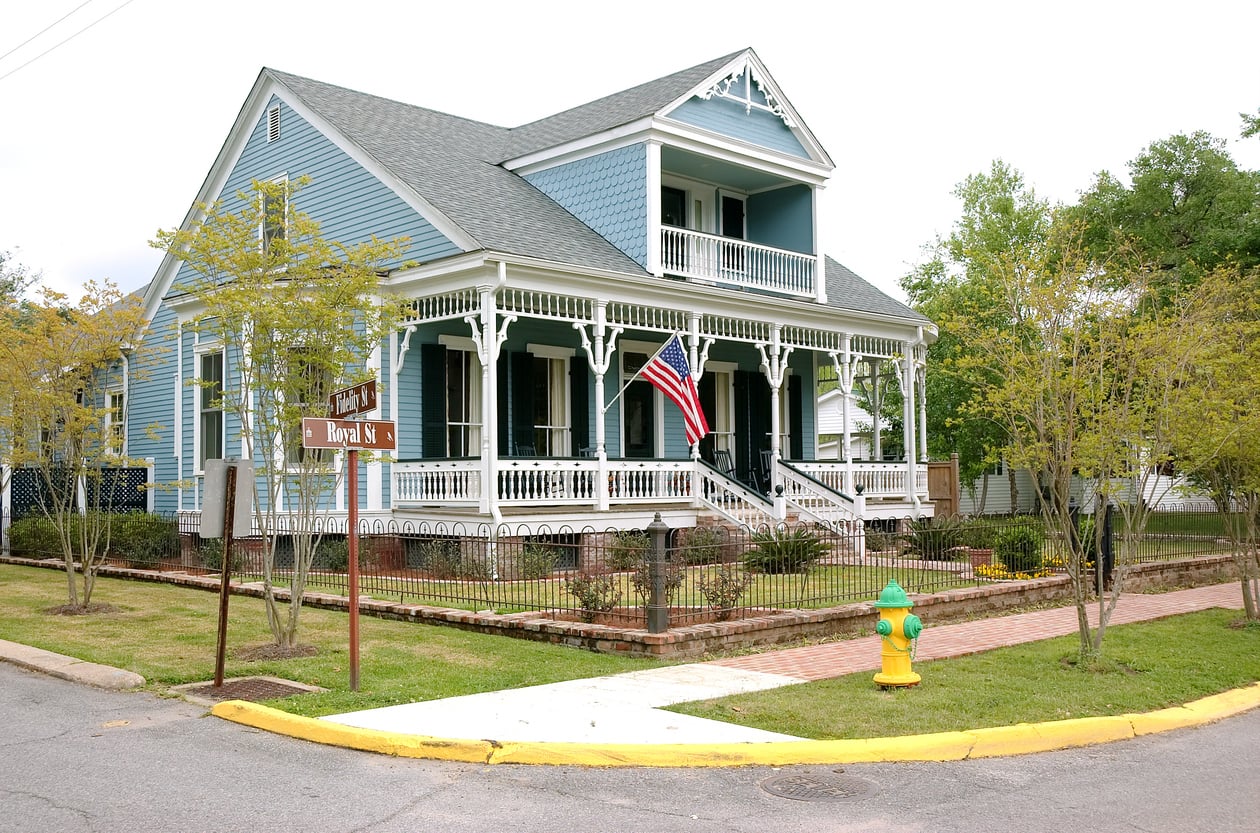
A paid-off mortgage can make retirement considerably more affordable, but it doesn’t make your house free. Property taxes, homeowners insurance, utilities, HOA fees, repairs, and routine maintenance can continue for as long as you own the property. Those bills may feel especially noticeable once you’re living on retirement income rather than a regular salary. When planning ahead, look at the total annual cost of keeping your home, not just whether you’ll still have a mortgage payment.
Home Repairs
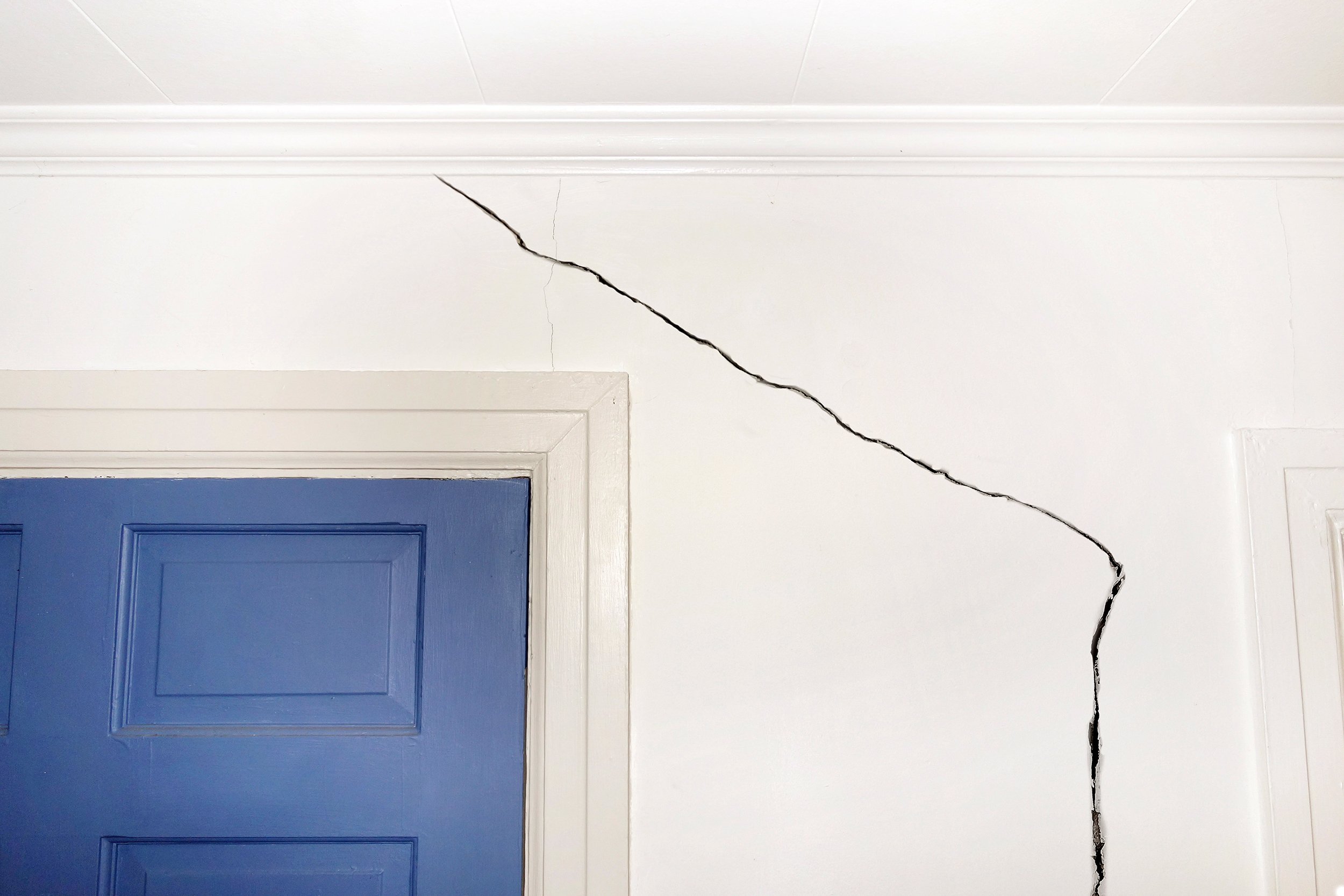
Your roof isn’t going to give you a senior discount just because you retired. Furnaces break, appliances die, pipes leak, and driveways eventually need work regardless of your employment status. You may also reach a point when you’re more comfortable paying someone to handle repairs, yard work, or maintenance you previously did yourself. Keeping a dedicated home repair reserve can prevent a new water heater or major plumbing problem from wrecking the month’s budget.
Property Taxes

Even when your income becomes relatively fixed, your property tax bill may continue moving in the opposite direction. Some states and local governments offer exemptions, credits, freezes, or other property-tax relief for older homeowners, but eligibility rules and potential savings vary considerably. Check what’s available where you live, but don’t build your retirement plan around a discount until you know you actually qualify for it.
Homeowners Insurance

Homeowners insurance isn’t guaranteed to get cheaper as you age, either. Premiums can climb because of higher rebuilding costs, claims trends, severe weather, and changing risks in your area. Homeowners in places vulnerable to hurricanes, wildfires, floods, or other natural disasters may face particularly unpredictable costs. Shopping around periodically and reviewing your coverage can be more effective than simply renewing the same policy year after year.
Trending on Cheapism


Car Ownership

You might put fewer miles on your car once there’s no morning commute, which can certainly save money on gas. Unfortunately, plenty of other car expenses don’t disappear. You’ll still have insurance, registration, maintenance, repairs, and depreciation, and you might even drive more for vacations, hobbies, or visits with family. Retirement is a good time to reconsider whether your household still needs the same number — or type — of vehicles it did while everyone was working.
Groceries

Once the kids are out of the house, you might expect the grocery bill to become dramatically smaller. That can happen, but food prices and shopping habits have other ideas. Spending more time at home can also mean preparing more breakfasts, lunches, snacks, and dinners in your own kitchen. One easy place to save is quantity: Make sure you’re actually shopping for your current household instead of filling the cart as though the entire family still lives under one roof.
Dining Out

Goodbye, expensive work lunches. Hello, Tuesday lunch with friends. Having more free time can create plenty of new opportunities to eat out, whether it’s meeting friends, going on date nights, grabbing food during a day trip, or stopping at restaurants while traveling. The money that once went toward workday meals can easily turn into leisure spending instead. Giving restaurants their own monthly budget can help keep all those casual outings from quietly adding up.
Sign up for our newsletter
Travel

One of retirement’s biggest perks is finally having more control over your calendar. That flexibility can make it easier to travel during less expensive times of year, but it can also mean taking more trips — or staying away longer. Flights, hotels, cruises, rental cars, meals, and travel insurance can turn that newfound freedom into a major spending category. If seeing the world is part of your retirement dream, treat travel as a planned lifestyle expense rather than assuming flexibility alone will make it cheap.
Utilities
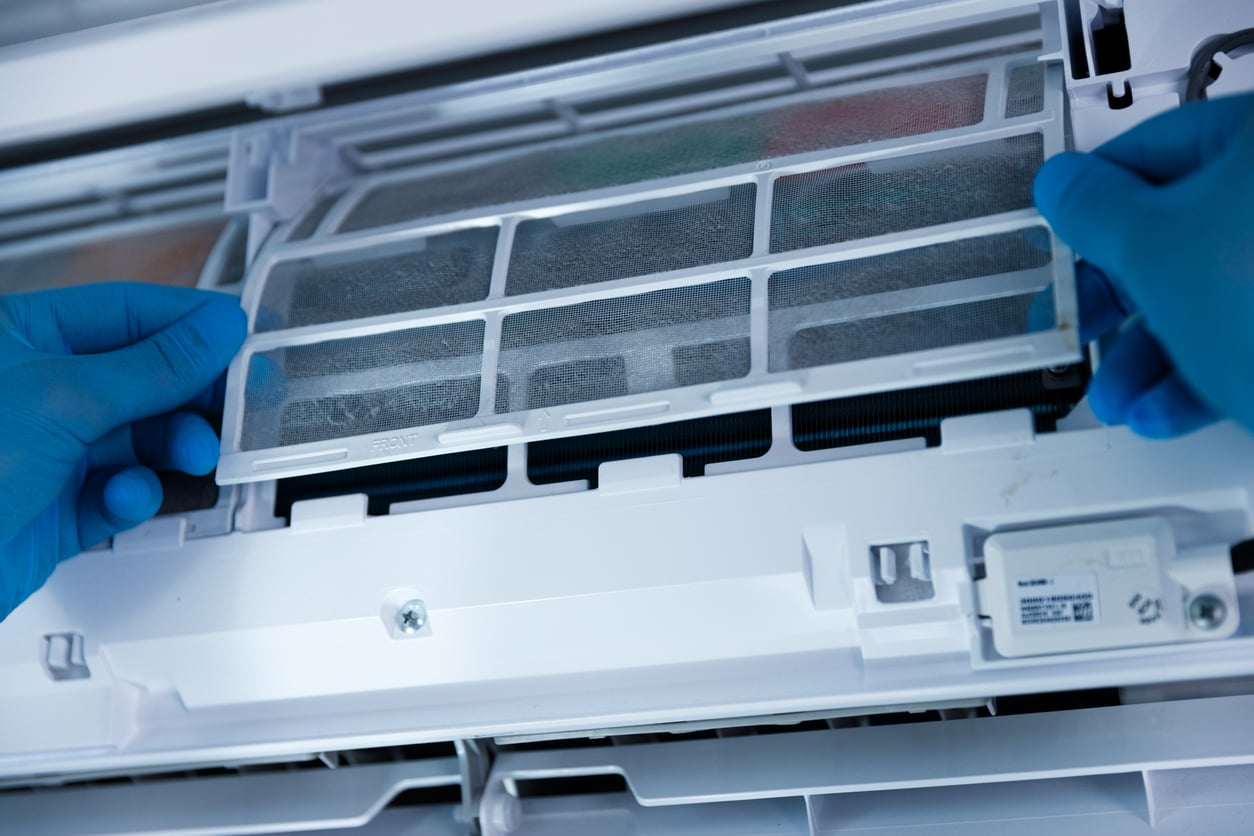
No commute means more time at home, and more time at home can mean higher utility bills. Heating and air conditioning may run for more hours each day, while electricity, water, television, and internet use can increase as well. You may also prefer to keep the house warmer in winter or cooler in summer when you’re actually there all day. Once you retire, use your new real-world utility bills to update your budget instead of relying entirely on what you spent while working.
Helping Adult Children and Grandkids

Kids don’t necessarily stop costing money when they turn 18 — and grandchildren can introduce an entirely new set of expenses. Retired parents may find themselves helping with rent, tuition, childcare, weddings, emergencies, vacations, or everyday bills. Then there are birthday presents, family outings, holiday gifts, and trips to visit the grandkids. Generosity can be part of a retirement plan, but it’s worth deciding in advance how much support you can comfortably provide without putting your own finances at risk.
Entertainment and Hobbies

Retirement gives you something you probably spent decades wishing you had more of: free time. Filling it isn’t always free. Golf, gardening, fishing, concerts, theater tickets, fitness classes, crafts, clubs, and other hobbies can turn occasional expenses into regular ones when you finally have time to enjoy them. Rather than treating fun money as an afterthought, build hobbies and entertainment into your retirement budget. After all, enjoying that extra time is part of the point.
Your Retirement Budget May Not Shrink as Much as You Think

Retirement can absolutely eliminate certain expenses, particularly commuting and other costs directly tied to having a job. But the savings aren’t necessarily spread evenly across your budget. Housing, healthcare, insurance, travel, family support, and other expenses can remain high or become even more important once you have more time to spend at home and enjoy yourself.
A safer approach is to start with what you actually spend now, determine which expenses are genuinely likely to disappear, and make conservative adjustments from there. Retirement may ultimately cost less than your working years, but it’s better to be pleasantly surprised by extra savings than to discover you planned for savings that never arrived.