
Five years before retirement, it may be time to start shopping for the life you’re about to have rather than the one you’ve had for the past few decades. That doesn’t mean putting yourself on a spending freeze. But purchases that add debt, recurring bills, maintenance, or piles of stuff deserve a lot more scrutiny when regular paychecks have an expiration date.
There’s another reason to reconsider where your money is going during those final working years. In 2026, workers 50 and older can generally contribute an extra $8,000 to qualifying workplace retirement plans on top of the regular $24,500 limit, while eligible workers ages 60 through 63 have a higher $11,250 catch-up limit.
Of course, everyone’s retirement plans and finances are different. But if you’re approaching the finish line, these 12 purchases may be worth thinking twice about before pulling out your wallet.
A New Car With a Long Loan

That shiny new car might fit comfortably into your working budget, but will the payment feel the same once you’re retired? A six- or seven-year loan taken out five years before retirement could follow you well beyond your last paycheck — along with insurance, registration, fuel, maintenance, and depreciation. The Consumer Financial Protection Bureau warns that while longer auto loans can lower monthly payments, they also increase the amount of interest you’ll pay and can leave you owing more than the car is worth for longer. If your current vehicle is reliable, keeping it a few more years could be the cheaper option.
A Bigger House

Retirement might finally give you more time to enjoy your home, but that doesn’t necessarily mean you need more of it. Upsizing shortly before retirement can bring higher property taxes, homeowners insurance, utility bills, maintenance expenses, and plenty of new rooms to furnish. That oversized yard and extra guest bedroom might also seem less appealing once the kids are gone or you’re spending more time traveling. Before buying bigger, consider how much house you’ll realistically want — and want to pay for — five or 10 years from now.
A Second Home

A little beach cottage or mountain cabin can sound like the perfect retirement reward. Unfortunately, it comes with a second set of bills, too. Property taxes, insurance, utilities, furnishings, maintenance, repairs, and travel expenses don’t disappear when you’re not there. And if you decide to rent the property, you could add management and upkeep responsibilities to the equation. Before sinking a chunk of your retirement savings into one destination, consider renting there for a few extended stays first. You may discover you love it — or that you’d rather spend retirement exploring somewhere new every year.
A Timeshare or Vacation Club Membership

A discounted getaway in exchange for sitting through a presentation can get expensive fast if you walk out with a timeshare contract. The Federal Trade Commission recommends adding up the initial payment, annual fees, taxes, travel expenses, and other charges before committing. Maintenance fees generally remain due even when you don’t use the property, and getting out later can be difficult. Timeshare owners also need to watch out for resale and exit scams promising an easy way out for an upfront fee. Before buying, compare several years of total ownership costs with simply booking vacations yourself.
An RV Before You’ve Tried RV Life
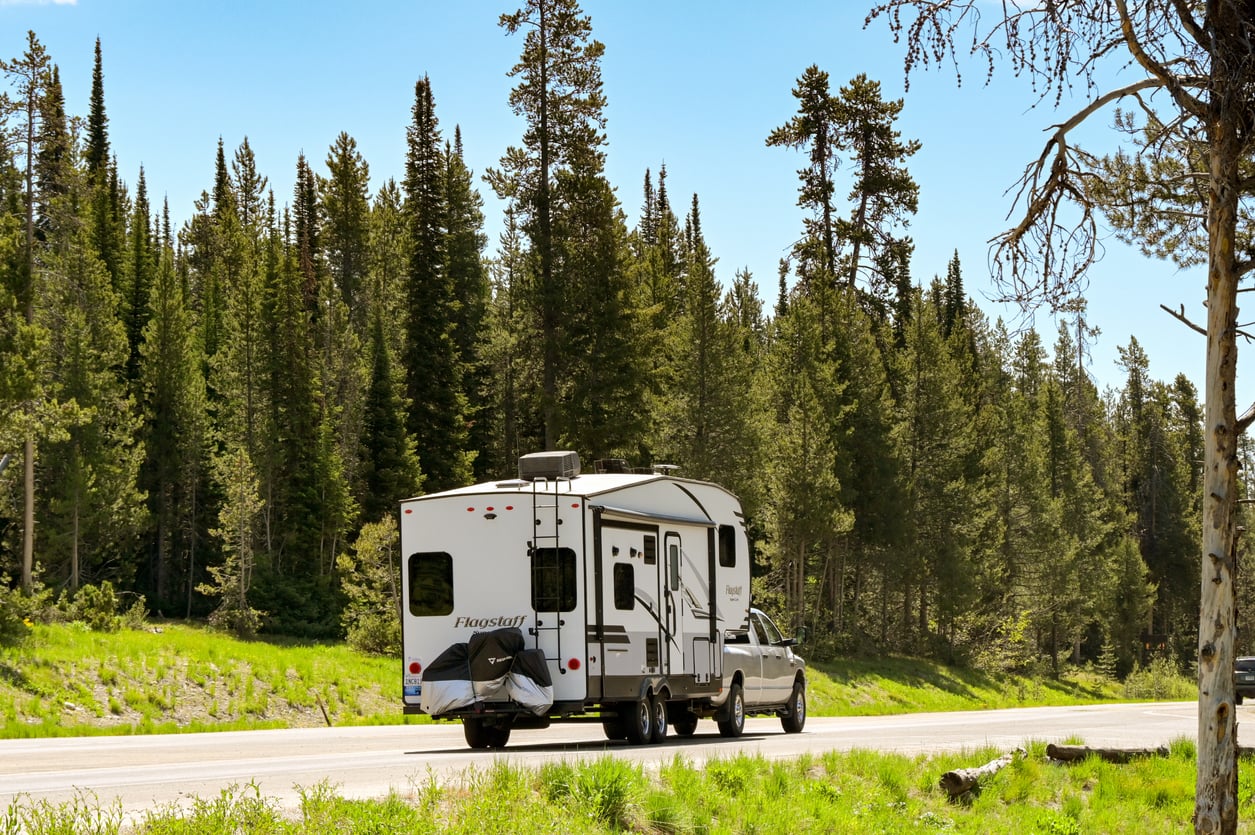
Buying an RV because you’re going to travel the country in retirement is a little like buying an entire home gym because you’re going to start exercising someday. You might love it, but that’s an expensive assumption to test. Beyond the purchase price, RV ownership can mean storage, insurance, fuel, campground fees, maintenance, and repairs. Rent one for a substantial road trip before buying. You might discover that RV life is exactly what you’ve been waiting for — or that you’d much rather let a hotel deal with the plumbing.
Trending on Cheapism

A Boat for Your Future Retirement Lifestyle

Boats fall into a similar category: expensive purchases for a retirement lifestyle you may not have actually tried yet. Storage or marina fees, insurance, fuel, maintenance, registration, equipment, and repairs can keep costing you money whether you’re on the water every weekend or the boat barely leaves the dock. If boating is part of your retirement dream, try renting, joining a boat club, or spending more time on the water before committing to ownership. How frequently you’ll really use it matters a lot more than how good it looks in your retirement fantasy.
Expensive Gear for a Hobby You Haven’t Started Yet

Maybe retirement is when you’re finally going to become a golfer. Or a photographer. Or a woodworker, cyclist, camper, gardener, painter, or serious fly-fisher. Great — but you probably don’t need five years’ worth of premium equipment before you’ve established the hobby. High-end golf clubs, cameras, woodworking tools, bicycles, and camping equipment can easily turn into expensive clutter if the interest doesn’t stick. Start the hobby now with basic, rented, borrowed, or secondhand gear. Let the habit justify the upgrade instead of hoping the upgrade creates the habit.
More Professional Clothing Than You Actually Need

If you’re five years from leaving the office for good, your work wardrobe probably doesn’t need to keep expanding at the same pace. Another expensive suit, leather briefcase, or collection of dress shoes could spend most of retirement hanging untouched in a closet — especially if you already work remotely or on a hybrid schedule. There’s nothing wrong with replacing worn essentials, but think twice before building a wardrobe around a daily routine that’s about to disappear. You’ll also be saying goodbye to some of those dry-cleaning bills.
Sign up for our newsletter
Major Cosmetic Renovations Just Because “It’s Time”

There’s a big difference between replacing a failing roof and tearing out a perfectly functional kitchen because the cabinets suddenly look dated. Necessary repairs, safety improvements, and accessibility upgrades can make plenty of sense before retirement, particularly if you’re planning to age in place. A pricey cosmetic renovation deserves more consideration. If downsizing is even a possibility, spending heavily on trendy countertops, cabinets, or bathroom finishes could mean pouring money into a house you won’t keep long enough to enjoy.
Furniture for Rooms You May Not Keep

That enormous sectional might look perfect in your current family room. Getting it into a smaller retirement condo could be another story. If downsizing is a realistic possibility, the final years before retirement probably aren’t the ideal time to fill your house with oversized dining sets, bedroom suites, entertainment centers, or decorative collections. AARP’s decluttering guidance notes that people over 50 who are considering downsizing can benefit from changing the habits that allow clutter to keep accumulating in the first place. Replace what you genuinely need, but don’t buy yourself more stuff you’ll eventually have to move, sell, donate, or toss.
Bulk Quantities Just Because They’re Cheaper Per Unit

Buying the enormous package isn’t a bargain if half of it ends up in the trash. Shopping habits that made perfect sense with several kids at home may stop adding up when the household shrinks to one or two people. Giant packages of perishable foods are the obvious example, but toiletries, cleaning supplies, paper goods, and other stockpiles can also tie up money and valuable storage space. That doesn’t mean you automatically need to cancel your warehouse club membership — especially if you’re still saving on things you actually use. Just start buying for the household you’re becoming rather than the one you had 15 years ago.
Anything You Can Only Afford by Stretching the Payments Into Retirement

Furniture, electronics, vacations, appliances, and recreational toys can all look surprisingly affordable when the salesperson focuses on one number: the monthly payment. Five years before retirement, there’s another number that matters just as much — how many of those payments will remain after your paycheck stops. The CFPB makes this point specifically with auto loans: stretching payments over a longer period can make the monthly bill smaller while increasing the total amount you pay. Before financing a discretionary purchase, ask yourself a simple question: Would you still happily make this payment if it were competing with healthcare, groceries, travel, and everything else in your retirement budget?
Five years before retirement isn’t the time to stop enjoying your money. It’s the time to become more selective about which purchases deserve it. New debt, upkeep, storage needs, and recurring fees can linger long after your working income disappears.
Money you don’t spend on those obligations may also have other uses during your final earning years. For 2026, the IRS says the standard employee contribution limit for most 401(k), 403(b), governmental 457 plans, and the federal Thrift Savings Plan is $24,500. The general catch-up limit for eligible workers 50 and older is another $8,000, while workers ages 60 through 63 can qualify for an $11,250 catch-up instead.
A useful rule for those final five years? Buy for the retirement you’re actually building, not just the retirement lifestyle you imagine.