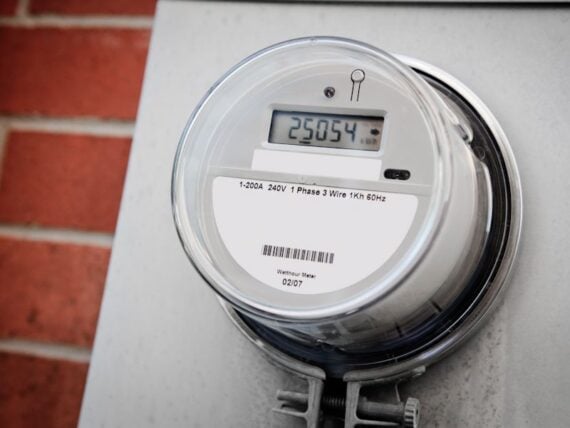
When managing the costs of maintaining a home, any area where you can save a little money will benefit you down the line. Experienced homeowners know exactly when they don’t need to spend heavily, because a new version simply isn’t worth the cost. Based on guidance from the U.S. Department of Energy, and the EPA, we’ll reveal some saving money opportunities below!
Five-Gallon Buckets
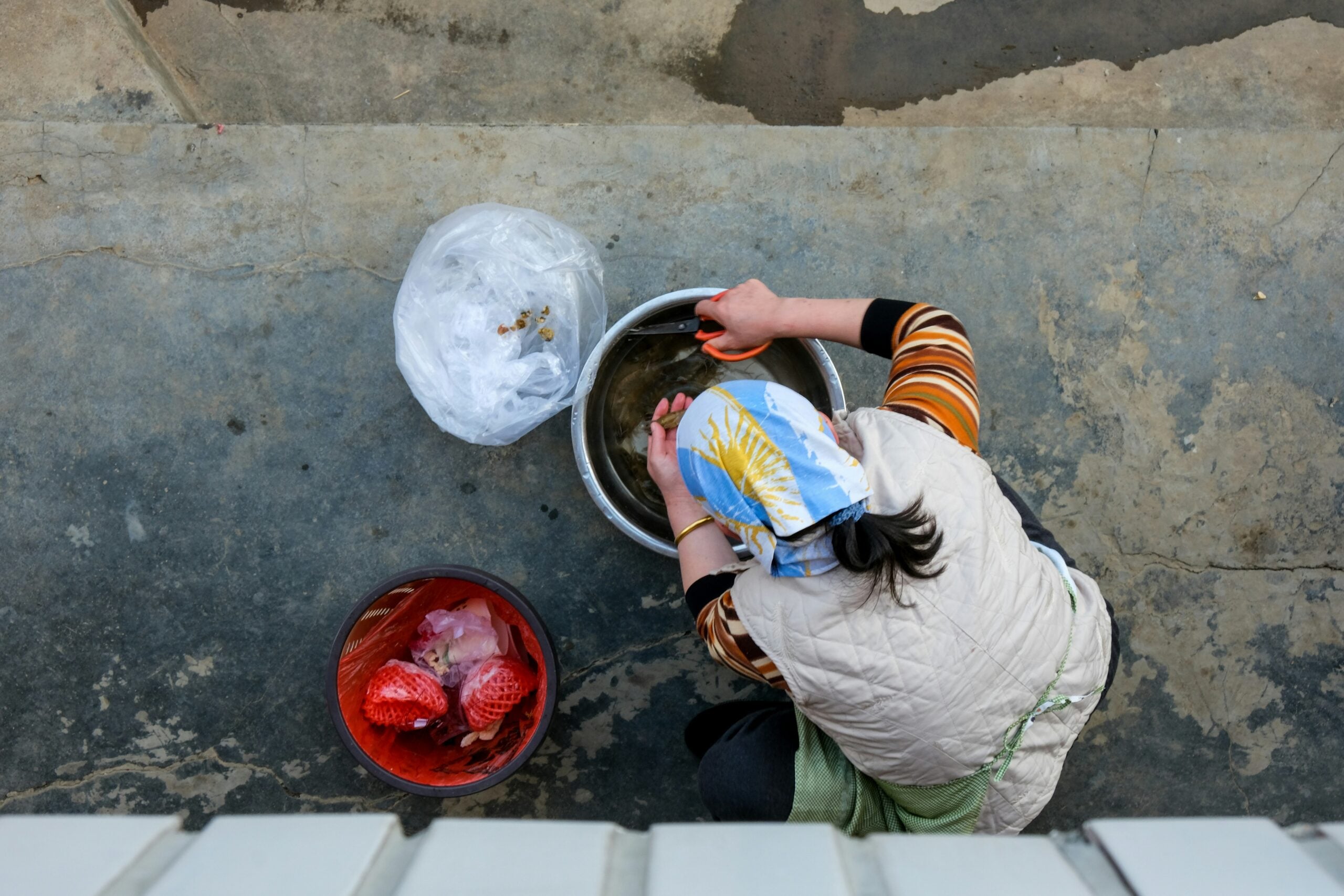
A bucket is essential for the home. It serves as a tool for cleaning, gardening, painting, washing the car, and handling dozens of other unexpected tasks. The truth is, you don’t need to spend money on a fancy five-gallon bucket. You can easily find an inexpensive one that gets the job done as well, making it an easy saving money choice. Plus, you can even use it to organize your tools.
Toilet Plungers
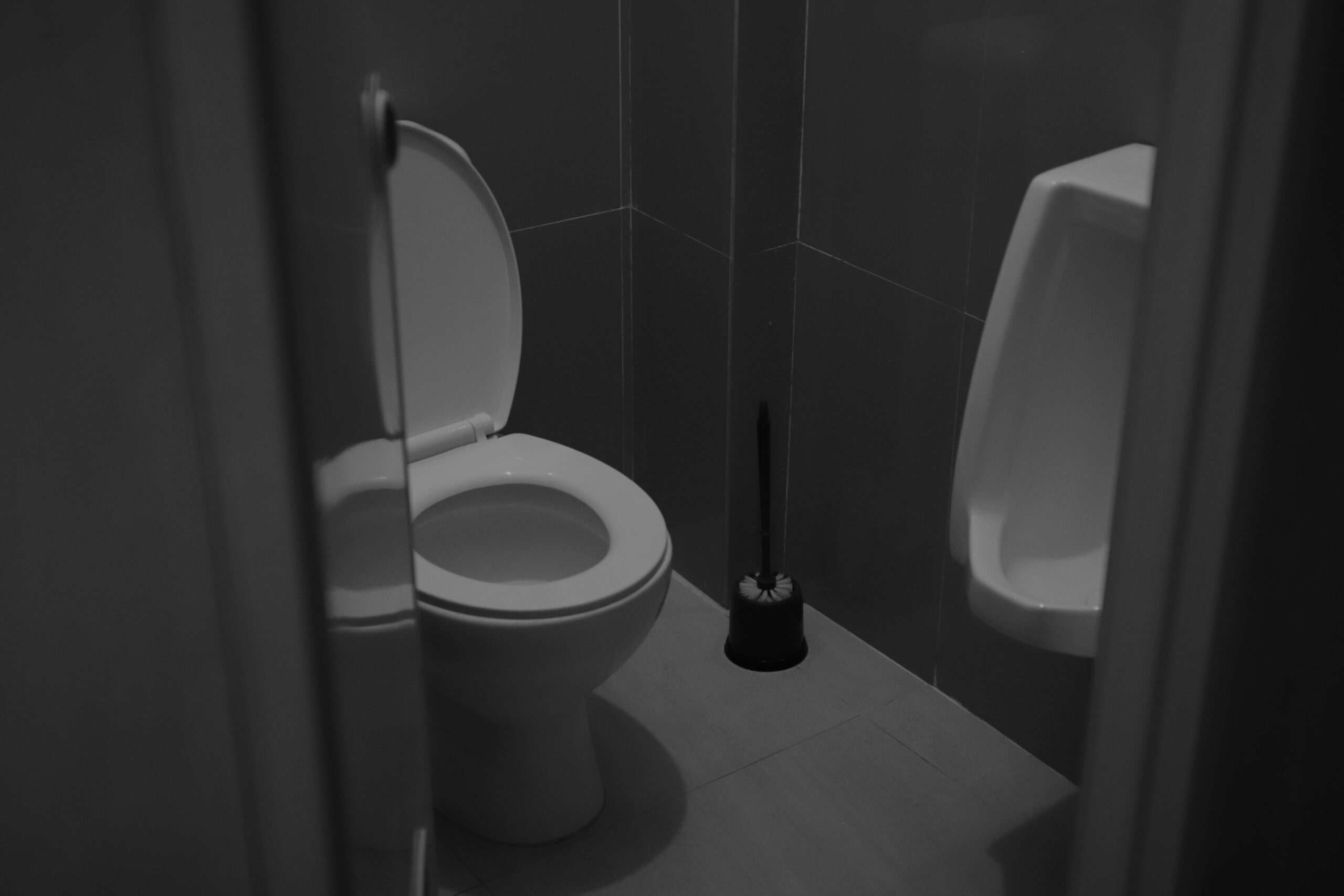
You may not need it often throughout the year, but homeowners should keep a toilet plunger on hand for emergencies. However, make sure to choose the right size rather than basing your decision simply on a luxury brand. This should be one of the least expensive tools in your home, making it another simple saving money opportunity. A flange-style plunger is a suitable choice. Also, avoid decorative models that cost more while performing the same function as standard ones.
Toilet Brushes
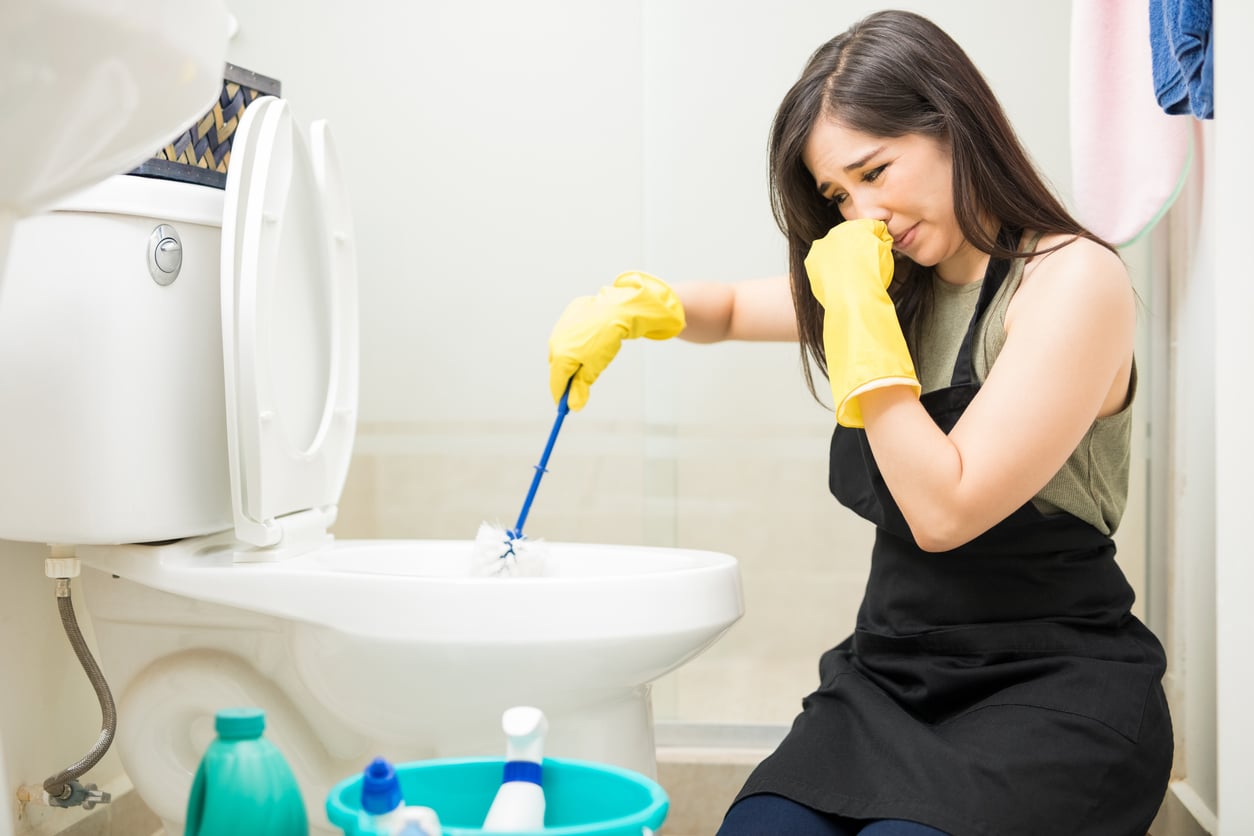
Toilet brushes exist precisely to get dirty, that is their purpose, and sooner or later they will get soiled and wear out, so there is no need to spend a lot of money on one. You should choose a simple brush with a holder that is easy to clean; opting for a removable or washable holder is a better choice for saving money that going for a “premium” style.
Paint Trays
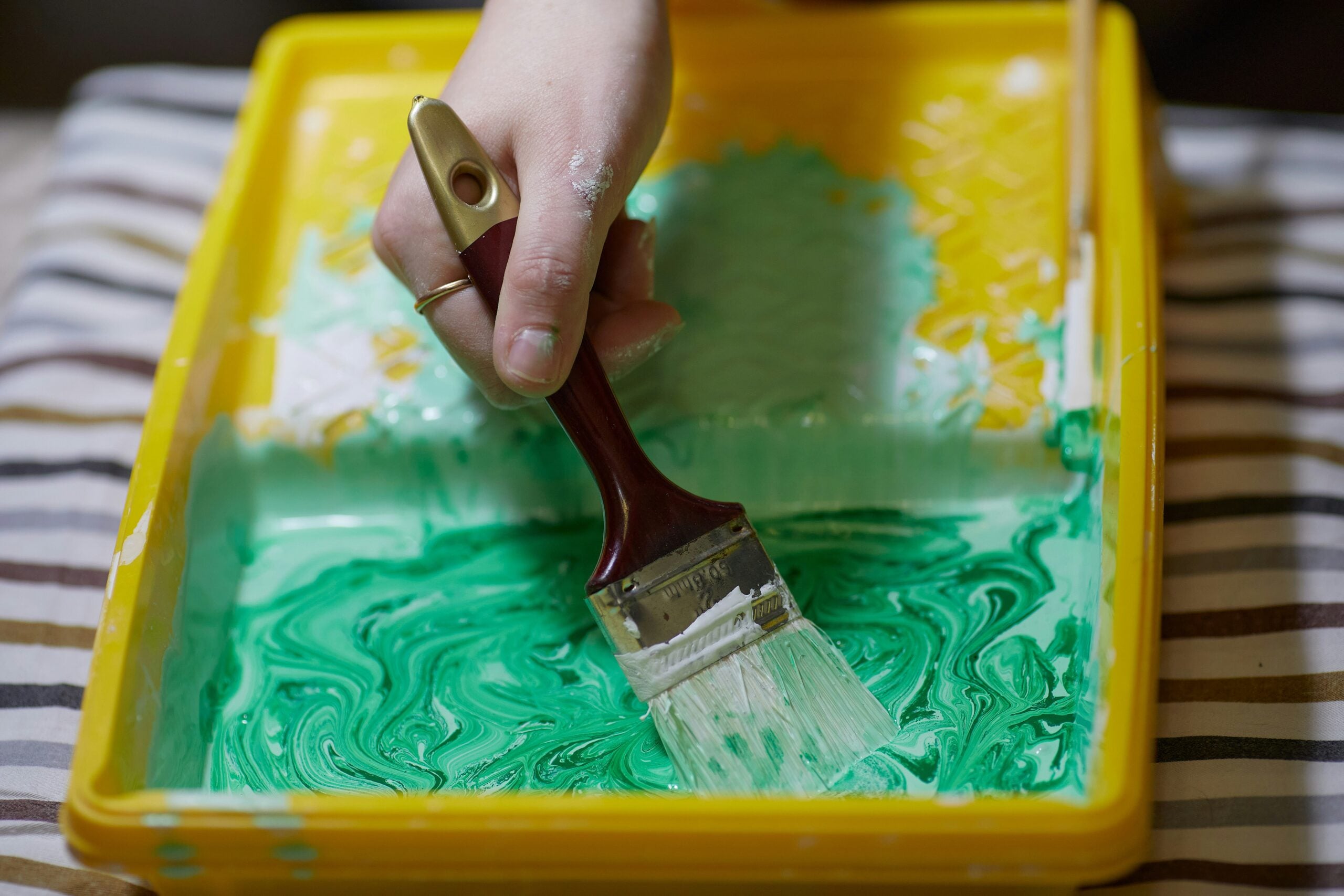
Another item not worth spending a lot of money on is the paint tray. These trays don’t affect the way you paint; they simply serve as a vessel for loading your roller or paintbrush with paint. Choose a basic, inexpensive, reusable tray for saving money, and focus your attention instead on the quality of the roller or the paint itself.
Paint Stir Sticks and Small Project Supplies

When tackling a home painting project, you might need items like stir sticks, disposable gloves, paint-can openers, and plastic mixing containers, but keep in mind that these play a supporting role. Buying a premium brand won’t affect the final paint finish, so opt for the most basic versions as a saving money strategy. If you can use old plastic containers, even better, as they will be cheaper.
Trending on Cheapism

Cleaning Rags
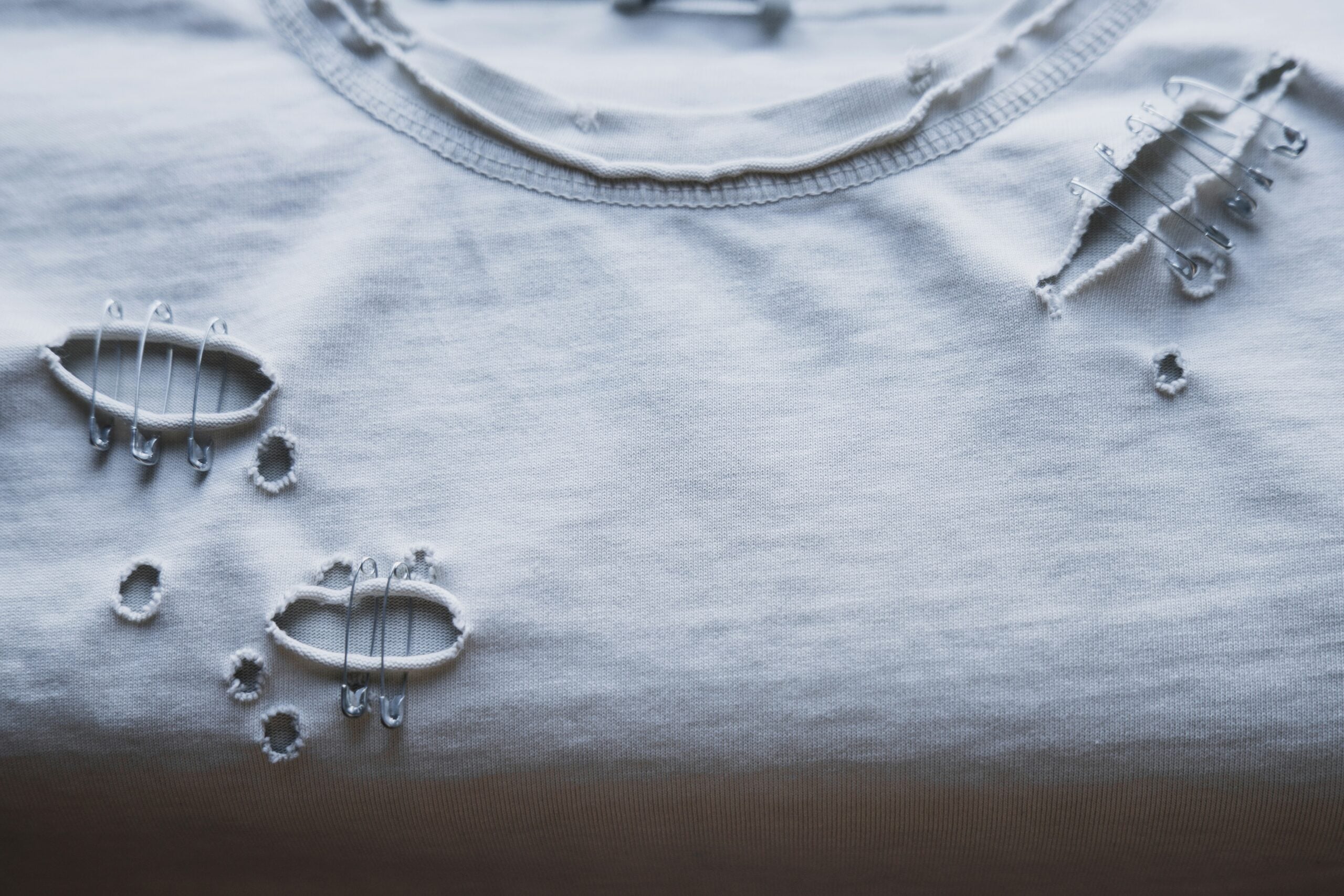
A pack of cleaning rags can cost around $20 on average and they surely necessary, but you can get something similar for free and accomplish tasks like wiping baseboards, dusting garage shelves, or cleaning up plumbing messes. Experienced homeowners know that an old, stained, or ill-fitting T-shirt can serve the same purpose. You can cut up cotton shirts and turn them into cleaning cloths instead of throwing them in the trash, providing another simple way of saving money.
Basic Spray Bottles
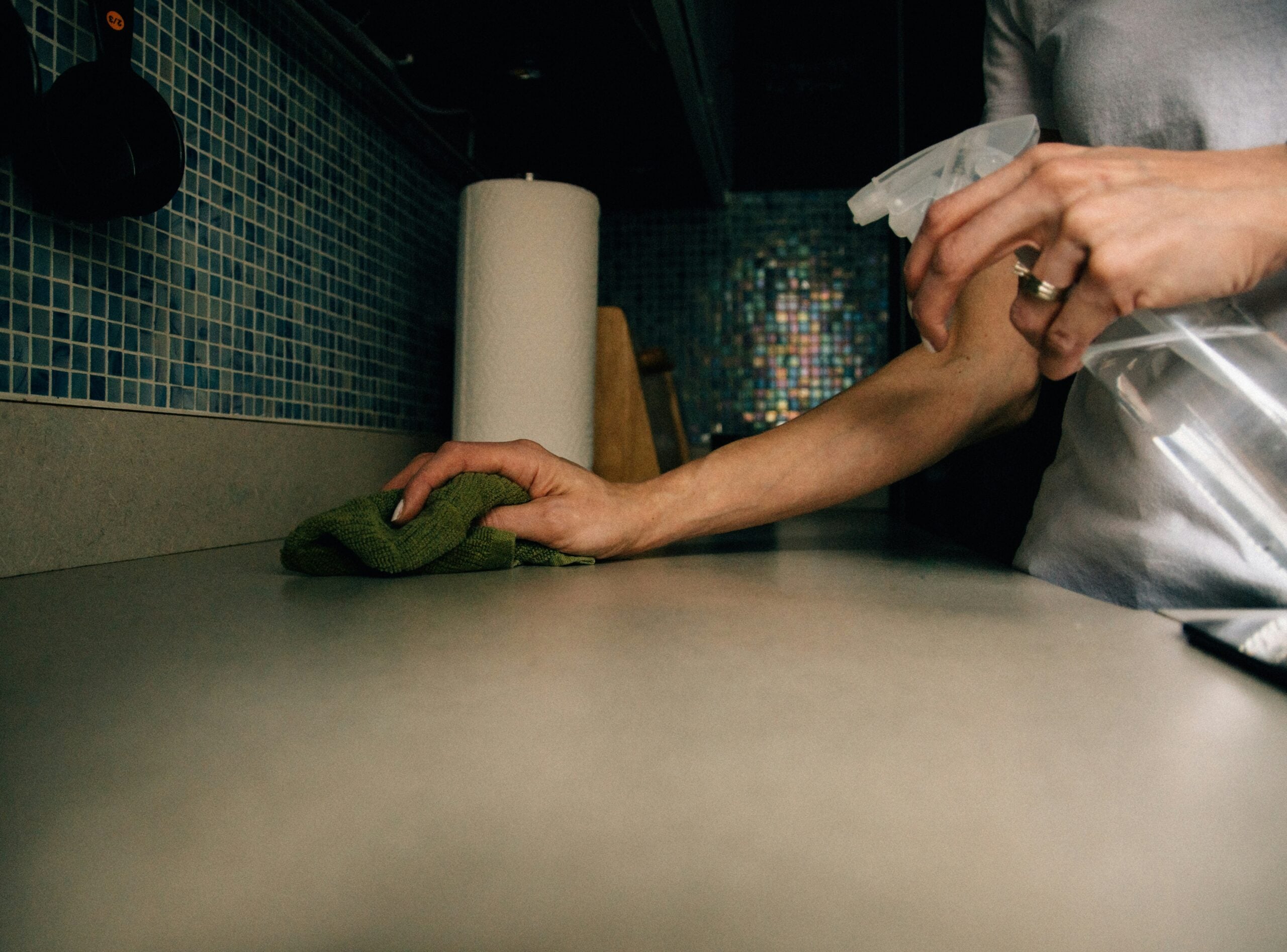
A spray bottle is particularly useful for household cleaning with chemical products, though they are also used with water for plants. The truth is, you shouldn’t spend money on basic spray bottles. For saving money, you can reuse a clean, compatible spray bottle. Just be careful not to mix chemicals that could become toxic if combined accidentally, so make sure to label the bottles.
Doorstops and Door Wedges
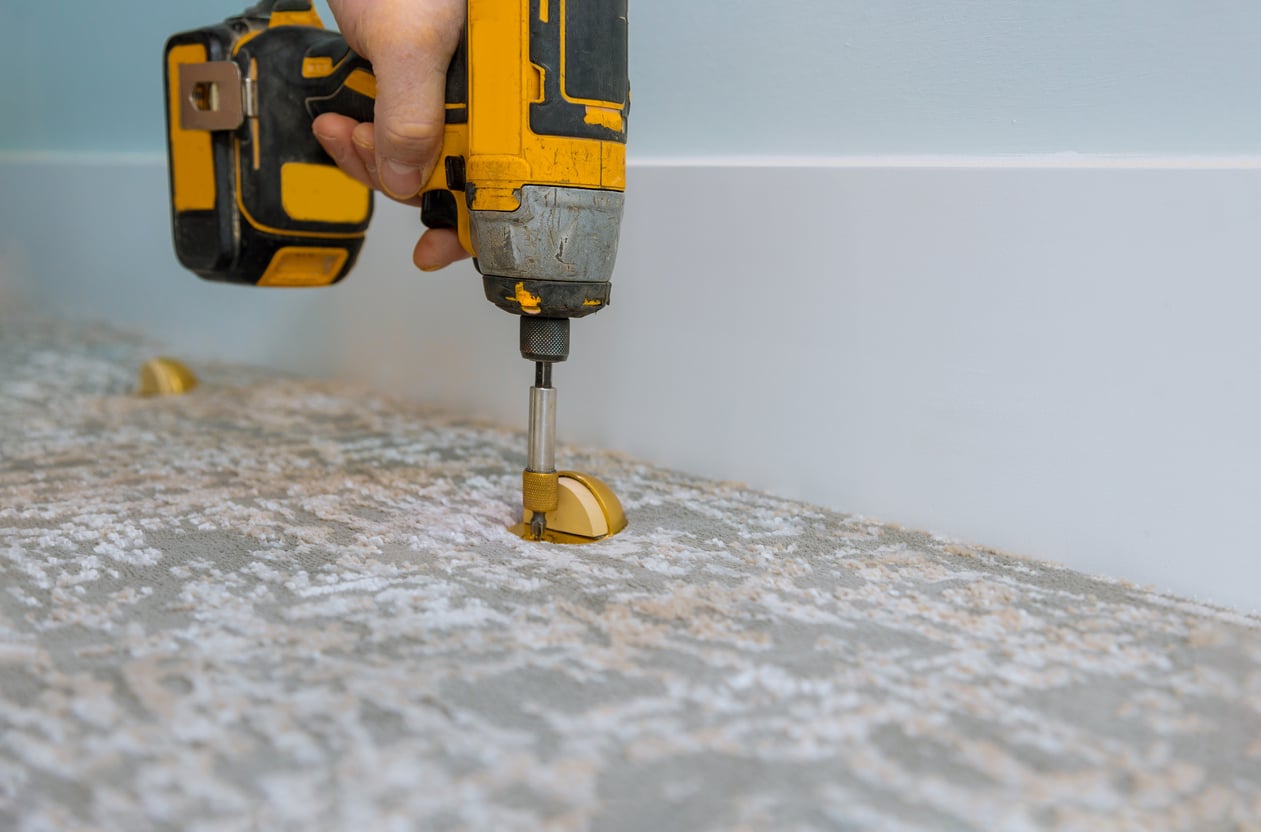
We have seen doorstops and door wedges shaped like small animals or designed as home decor, but their higher price tag does not improve upon the functionality of cheaper alternatives. You can use inexpensive rubber wedges, costing just a few dollars, that are just as effective as their decorative counterparts, making them a simple saving money choice. While one might argue that a decorative stop is suitable for visible areas like the living room, they are completely unnecessary in garages, laundry rooms, and workshops.
Sign up for our newsletter
Basic Storage Bins
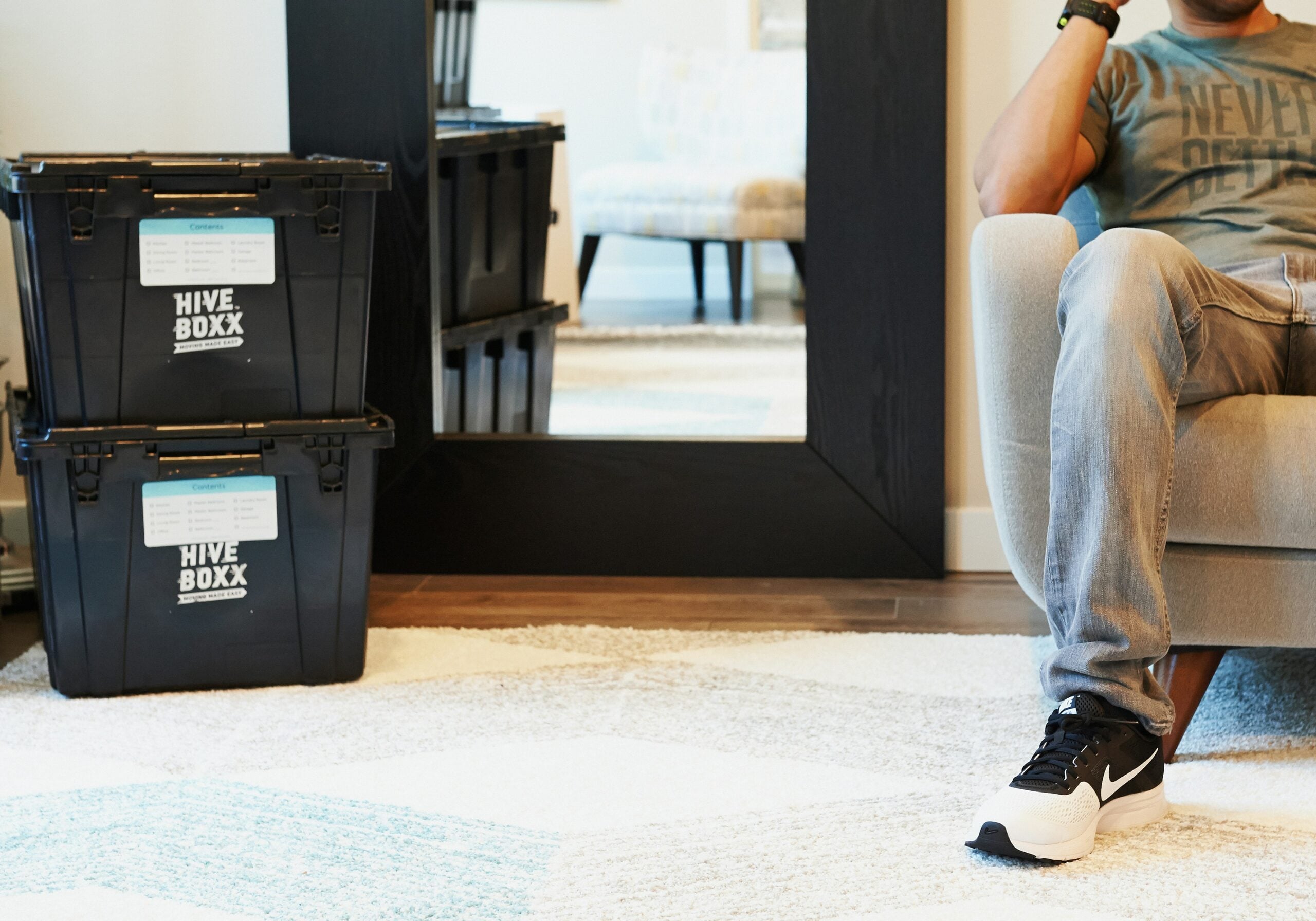
There are many items in your home that are used only a few days a year and then need to be stored away, such as holiday decorations, extension cords, spare lanterns, and garage supplies. Don’t waste money on aesthetic storage bins. Instead, buy basic ones and focus more on the size and durability relative to what you are storing inside for saving money without sacrificing practicality.
Shelf and Drawer Liner
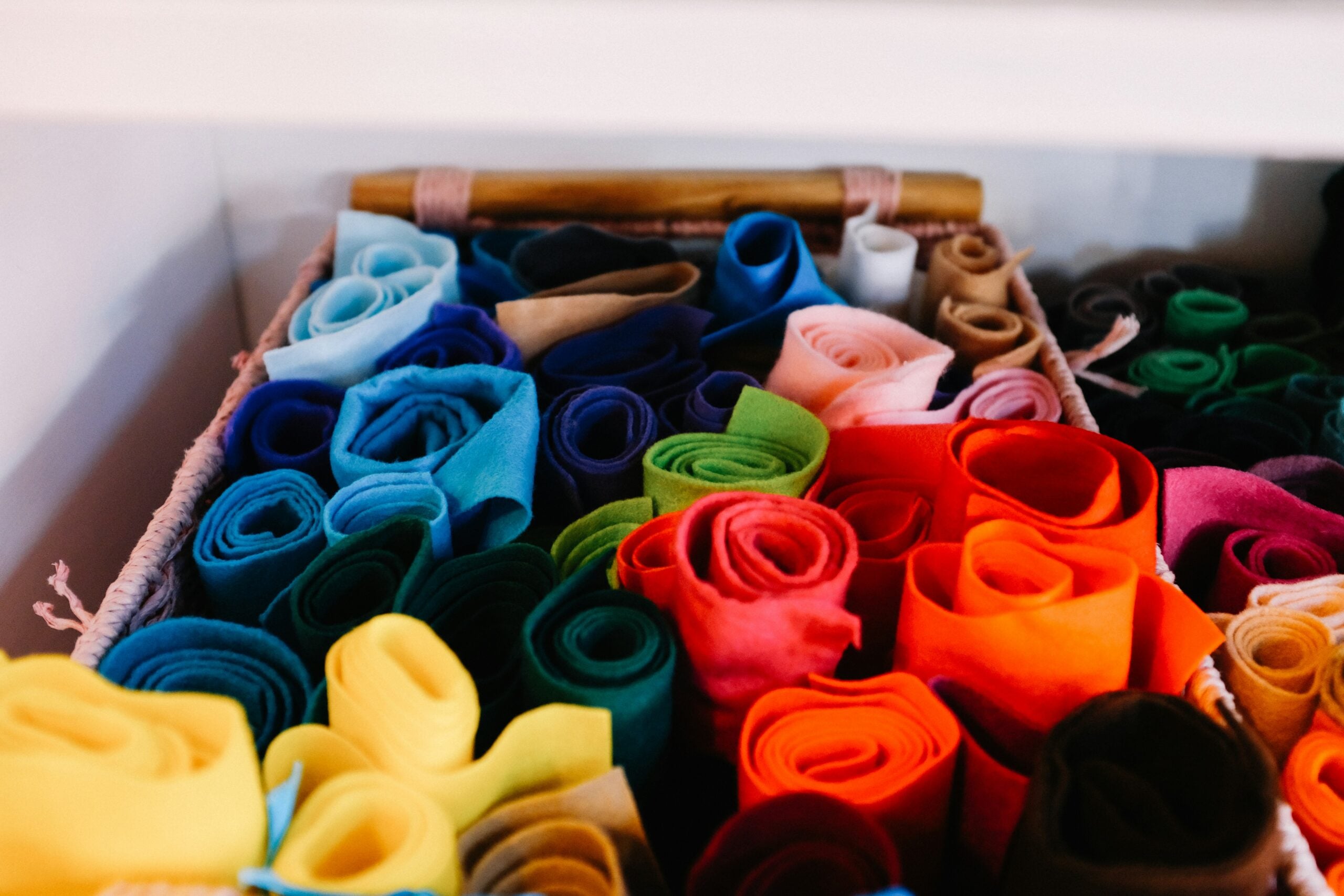
Shelf and drawer liners serve to protect surfaces, reduce sliding, and make cleaning easier. If you compare basic liners with premium ones featuring patterns or designer branding, you are simply paying extra for aesthetics rather than added functionality. Buy the cheaper rolls as a saving money measure, and measure your cabinets beforehand so you don’t end up buying more material than you need.
Laundry Hampers
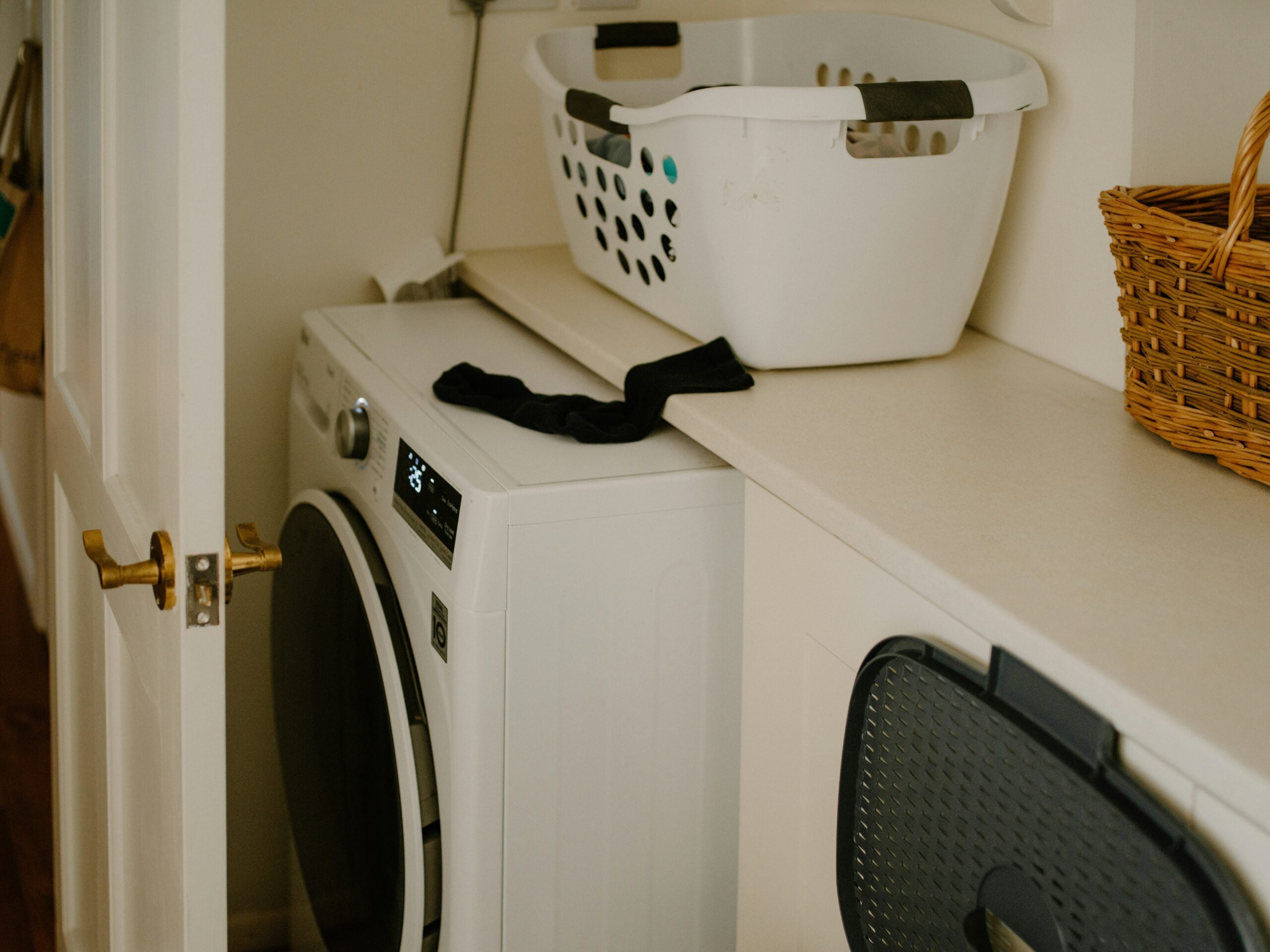
Laundry hampers are used to hold dirty clothes until laundry day. However, some hampers are surprisingly expensive simply because they feature a specific inscription or artistic design. The only features you really need are that the hamper is lightweight, well-ventilated, and easy to carry, making a basic model a practical saving money option.
Basic Outdoor Doormats
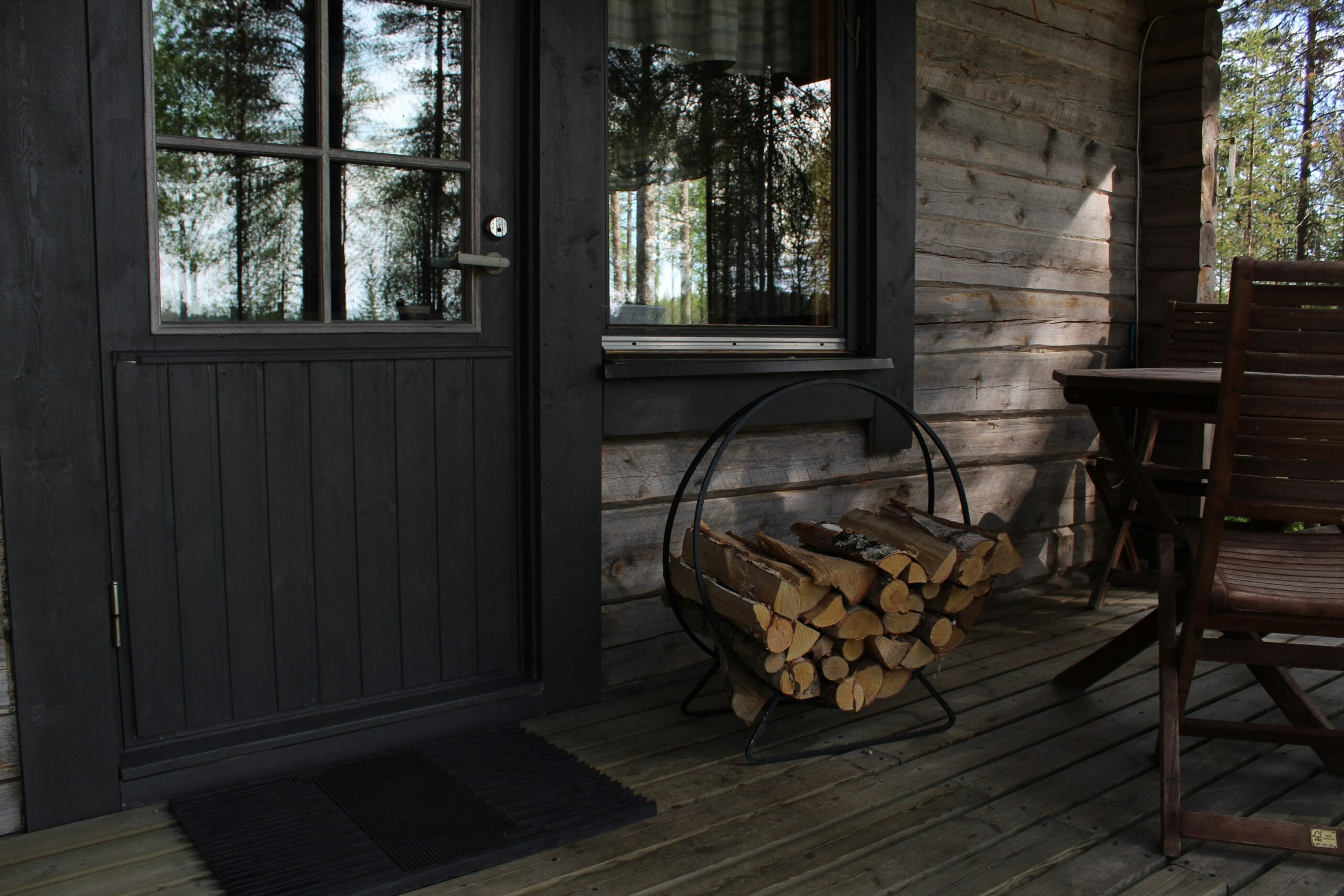
Outdoor doormats are another household item whose primary function is simply to get dirty. Between mud, rain, snow, pets, and constant foot traffic, they are bound to get soiled, so don’t waste time and money picking out one that is merely beautiful or eye-catching. Focus instead on finding a durable mat that can withstand harsh weather conditions and skip the decorative or pricier options for money saving.
Everyday LED Light Bulbs
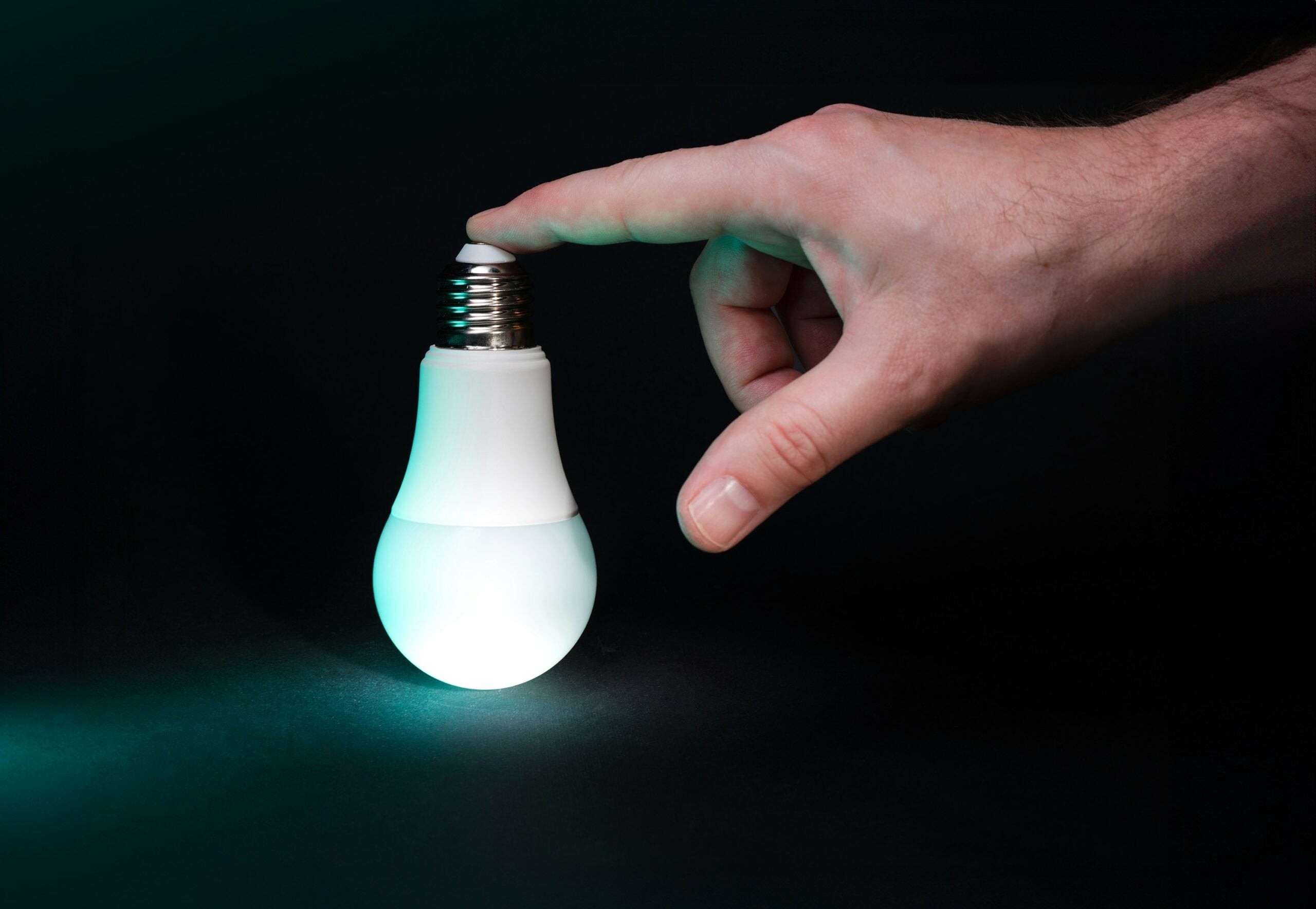
LEDs are generally much energy-efficient than incandescent bulbs, although not every light application necessarily requires an LED. If you want to save on your monthly energy bills, choose LED when possible. You might spend time considering the brightness you want for each room, the color temperature, and how the lighting complements your furniture, but focusing on anything else is a waste of time and money. The U.S. Department of Energy notes that modern LEDs are far more efficient and longer-lasting than older incandescent lighting technology.
HVAC Filters Beyond What Your System Needs
The EPA recommends using a MERV 13 filter, indicating the level of small particles they capture, or the highest-rated filter your HVAC system can accommodate. A higher MERV rating isn’t necessarily better if your furnace or air conditioner isn’t designed to handle it, so check your system’s specifications before purchasing a filter. Make sure to purchase the right filter, which can help with saving money while maintaining effective filtration.
Specialty Tools You’ll Probably Use Once
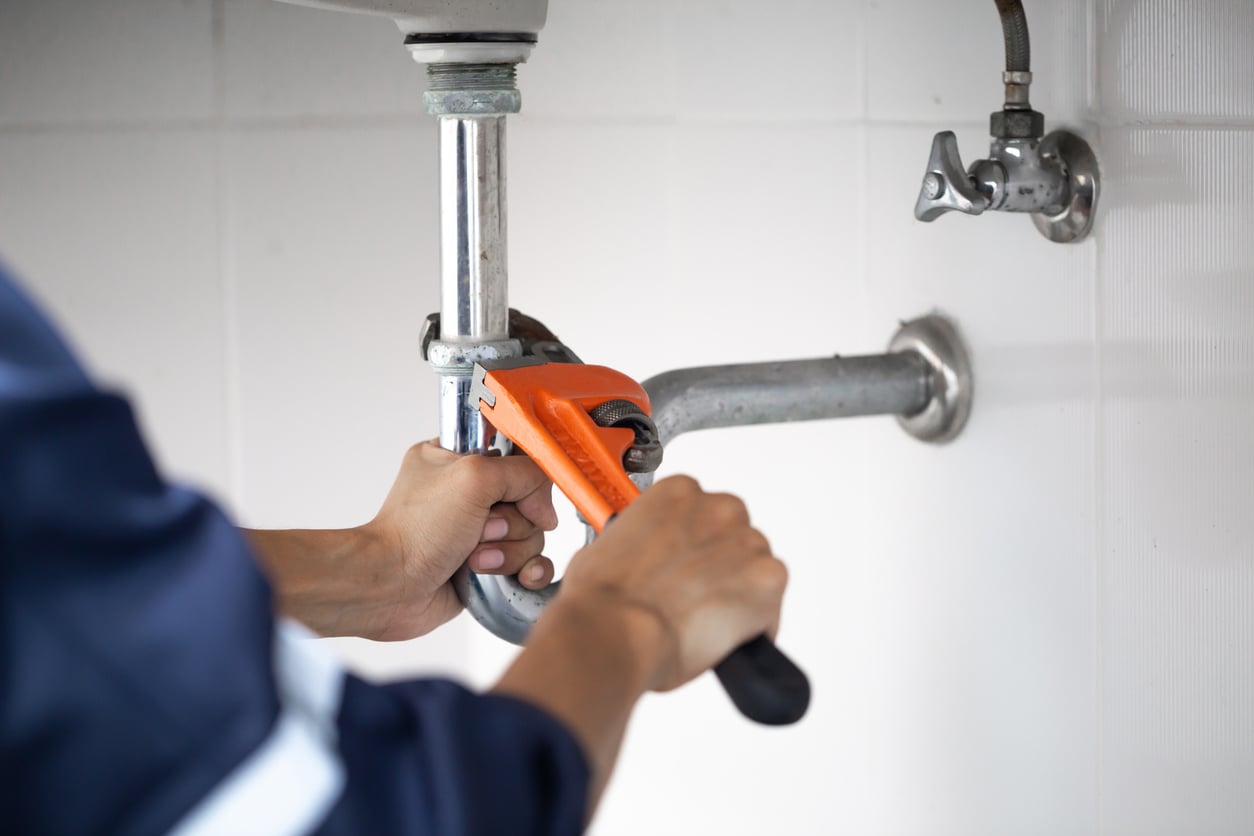
Long-time homeowners know that emergencies happen, and you might find yourself needing a tool for a one-off task, such as tile nippers, a basin wrench, a specialty puller, or something similar. When such an emergency arises, buy the cheapest version; only if you expect to use it frequently in the future should you opt for an upgraded model. Better yet, if you can borrow the tool from a neighbor or rent it, you’ll save money on the investment.
Decorative Garage and Utility-Room Accessories
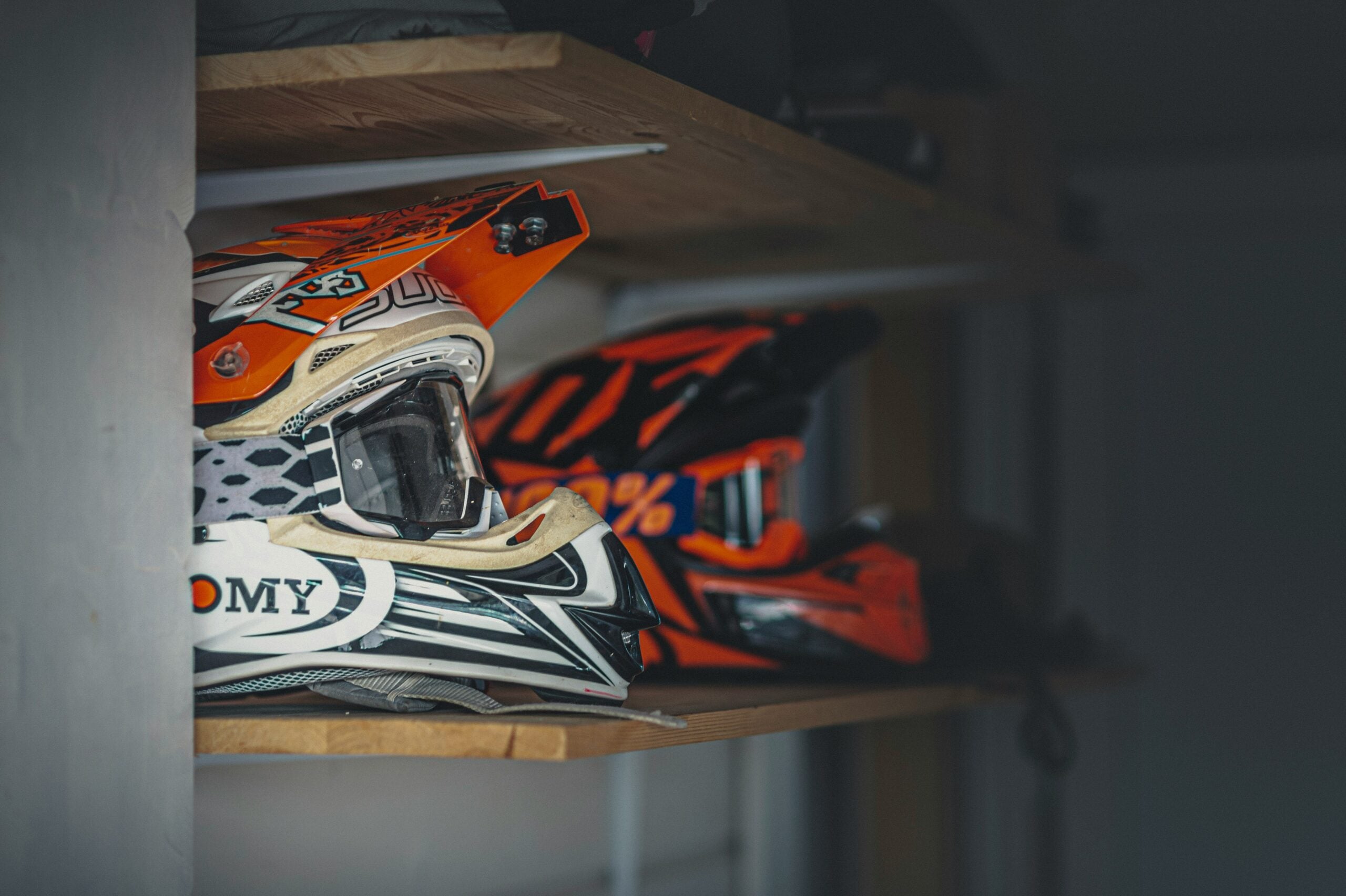
Another opportunity to save money arises with decorative garage accessories, such as trash cans, hooks, small shelves, bins, and organizers. There are areas of your home, like the utility room, where you won’t be entertaining visiting friends or family. Consequently, these items don’t need to look as stylish as the furniture in your living room. It’s better to focus on strong and useful organization than appearances when saving money.
Conclusion

All these situations are about making smart purchases, not simply seeking out the cheapest version by default. Learn which purchases justify spending a little more, based on durability and function rather than appearance or aesthetics. From disposable supplies that offer better value to tools you will use only once in your lifetime, know how to distinguish between them when the situation calls for it. You should keep saving money where it makes sense.