

Travel Restrictions And Advisories have shifted repeatedly in 2026 as conflict, security concerns, and new entry rules reshape international travel. The U.S. State Department regularly updates its guidance as conditions change. From Level 4 warnings in the Middle East to tighter U.S. visa rules and improving advisories elsewhere, these changes are worth checking before booking or heading to the airport.
A Worldwide Caution Now Applies to Americans Abroad
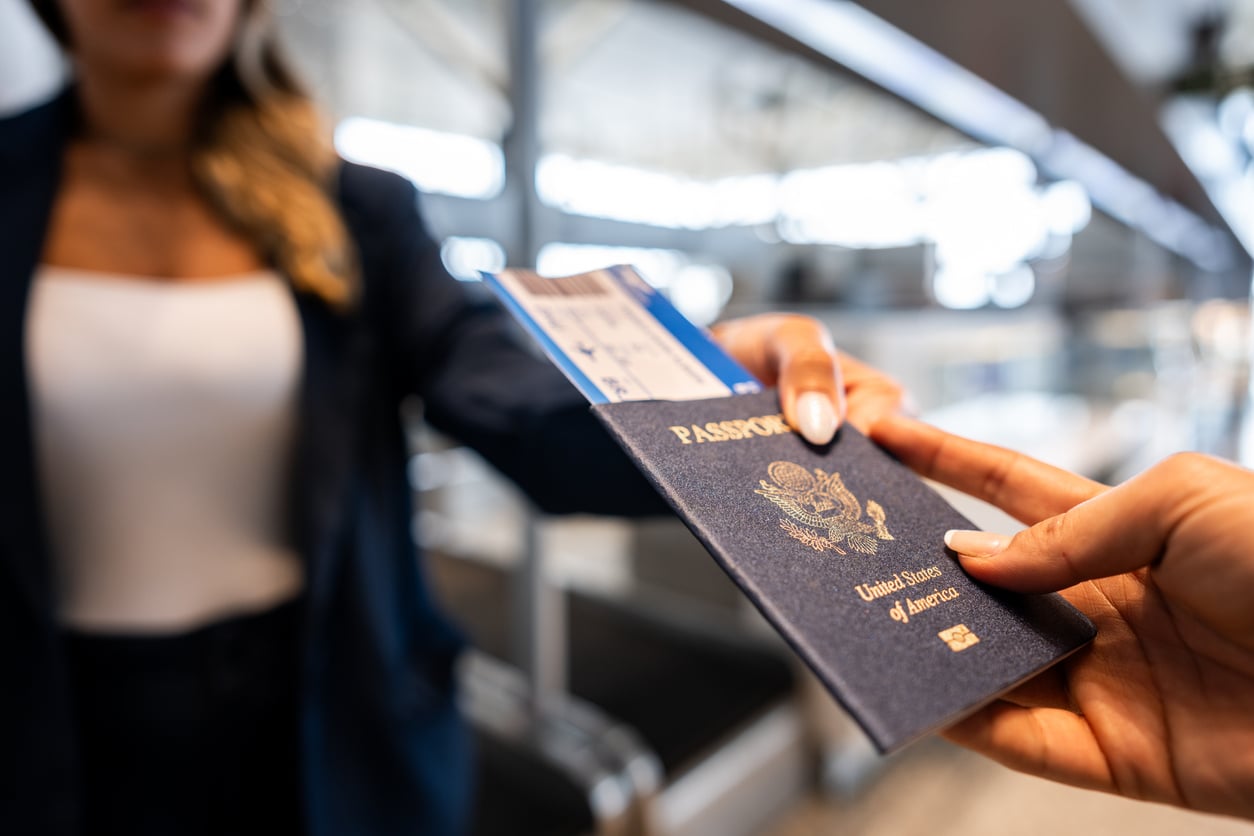
On July 22, the State Department issued a Worldwide Caution advising Americans traveling or living overseas to exercise increased caution because of heightened tensions in the Middle East and the possibility of unexpected escalation. That does not amount to a recommendation to cancel all international travel. Instead, travelers should treat it as a reason to check the specific advisory for their destination and pay closer attention to embassy alerts before leaving home and while abroad.
The U.S. Restricted Visas and Entry for Nationals of 39 Countries
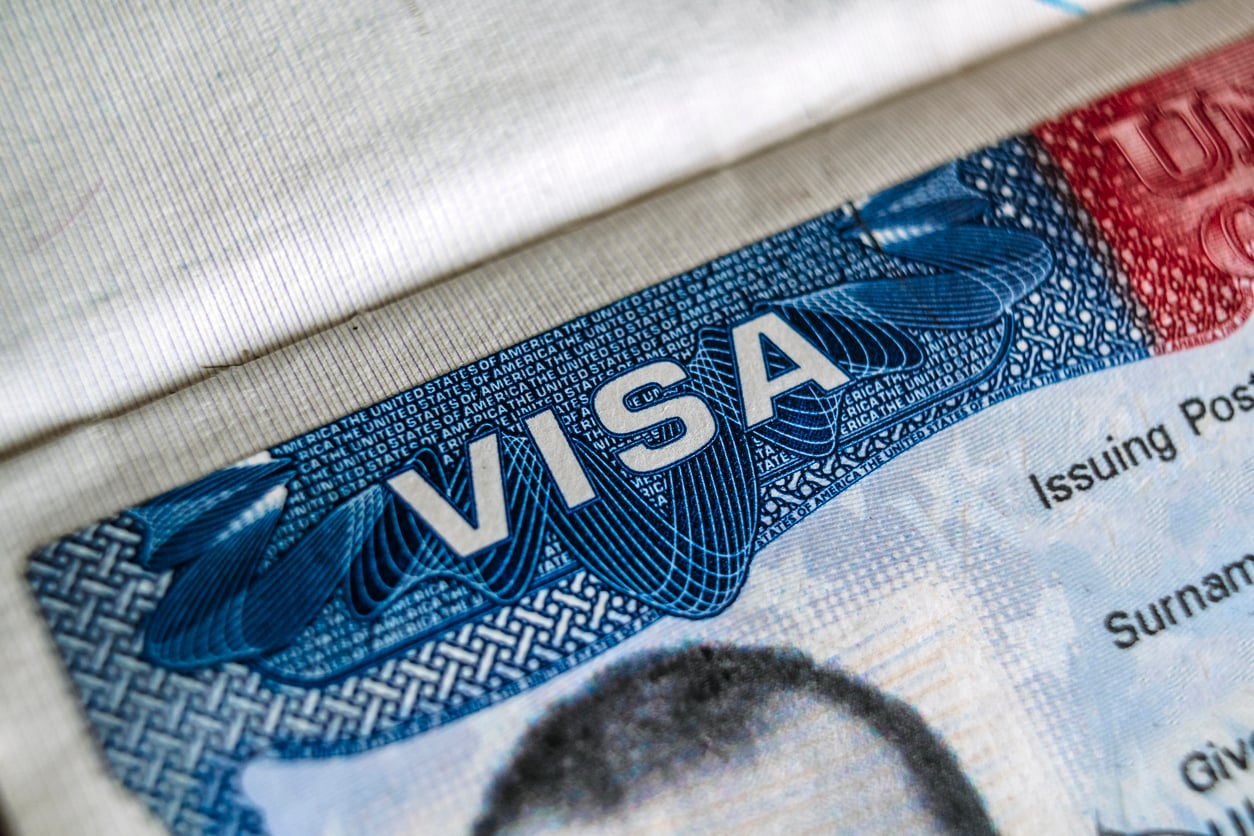
One of 2026’s biggest actual travel restrictions took effect January 1. The United States fully or partially suspended entry and visa issuance for nationals of 39 countries, along with certain people using Palestinian Authority-issued or endorsed travel documents. Nineteen countries face broad visa suspensions, while 19 others have restrictions affecting categories such as visitor, student, exchange, and immigrant visas. Turkmenistan faces a separate partial immigrant-visa suspension. Numerous exceptions apply, so passport and visa status matter considerably.
Lebanon Is Under a Level 4 Do Not Travel Advisory

Lebanon remains one of the clearest warnings on the list. The State Department’s May 6 advisory places the country at Level 4, its highest warning level, because of armed conflict, terrorism, unrest, kidnapping, crime, and landmine risks. A Level 4 advisory does not legally prevent a private American citizen from going, but it signals that the U.S. government considers the risks severe. Travelers should also remember that consular assistance can become harder to provide during major security emergencies.
The UAE Is Now Level 3: Reconsider Travel

Travelers accustomed to thinking of Dubai or Abu Dhabi primarily as vacation and transit hubs should take note of the UAE’s current Level 3 status. The State Department issued the advisory on March 3, citing the threat of armed conflict and terrorism. The day before, non-emergency U.S. government personnel and government family members were ordered to leave. The advisory does not mean tourists are automatically barred from entering, but it is a significant step above ordinary travel precautions.
Qatar Was Raised to Level 3 Amid Conflict Concerns

Qatar moved to Level 3 on March 2 because of the risk of armed conflict, and non-emergency U.S. government personnel and their family members were ordered to leave the same day. The State Department also said routine consular services at the U.S. Embassy in Doha were suspended and encouraged Americans already in Qatar to depart. For travelers connecting through Doha, the advisory does not automatically mean flights are canceled, but checking airline and airport information close to departure is especially important.
Trending on Cheapism


Bahrain Is Also at Level 3

Bahrain’s March 2 advisory tells Americans to reconsider travel because of terrorism and armed-conflict risks. Non-emergency U.S. government employees and eligible family members were also ordered to leave during the regional security escalation. This is a good example of the difference between a warning and a border closure: Bahrain can continue accepting eligible travelers even while the U.S. government advises its citizens to reconsider going. Anyone with plans should check both the advisory and Bahrain’s separate entry requirements.
Saudi Arabia’s Level 3 Guidance Became More Detailed

Saudi Arabia’s March 13 advisory remained at Level 3 rather than being newly raised there, an important distinction from some summaries of the change. The updated guidance highlights armed conflict, terrorism, exit bans, possible Iranian drone and missile targeting of American interests, and Saudi laws concerning social-media activity. Areas near the Yemen border remain Level 4. Travelers should pay particular attention to local-law warnings because conduct that seems ordinary elsewhere, including online activity, can carry legal consequences.
Iraq Remains Level 4, With Americans Told to Leave
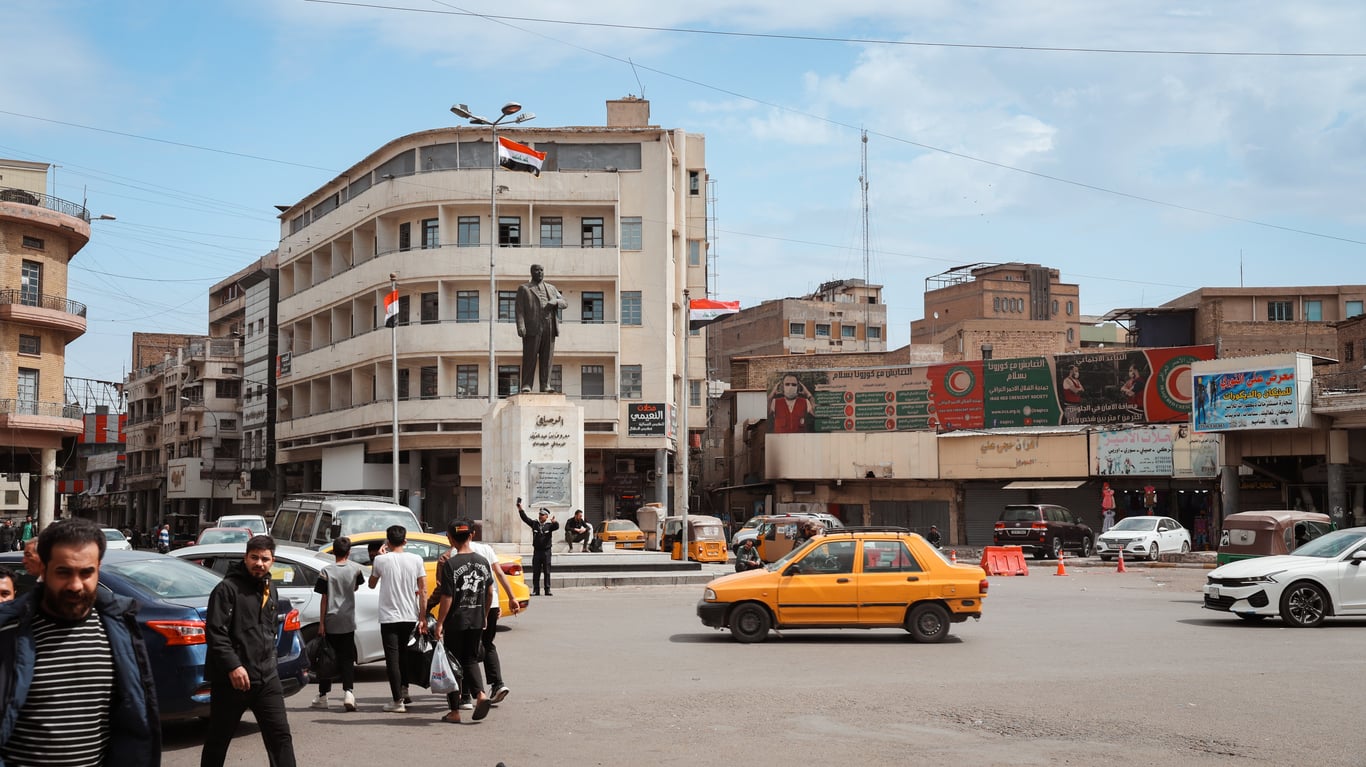
The State Department’s March 2 Iraq update did not change the country’s Level 4 status, but it revised the advisory to reflect changes in embassy operations. Americans are told not to travel to Iraq for any reason and to leave if they are already there. The government cites terrorism, kidnapping, armed conflict, civil unrest, and limited capacity to provide emergency assistance. Commercial flights or functioning hotels should never be interpreted as evidence that an official safety warning has been relaxed.
Sign up for our newsletter
Kuwait Remains at Level 3 After a June Update

Kuwait’s June 28 advisory kept the country at Level 3 while updating information about U.S. Embassy operations. The State Department tells Americans to reconsider travel because of armed conflict, landmines, and crime. Non-emergency U.S. government employees and their family members had already been ordered to leave on March 2. The unchanged number is worth noting: an advisory can become materially more relevant to travelers even without moving from one level to another, so checking the date and full wording matters.
Ethiopia Added Exit Bans and Communication Problems to Its Warning

Ethiopia remained at Level 3 in an April 1 update, but the State Department expanded its warnings to include exit bans and communications disruptions. Other cited concerns include unrest, crime, kidnapping, terrorism, and landmines. Several parts of the country carry even stronger Do Not Travel warnings. That regional variation makes a major difference for anyone planning road trips or travel outside major cities: seeing “Level 3” beside the country’s name does not tell the whole story.
Israel, the West Bank, and Gaza Require Area-by-Area Planning

The February 27 advisory authorized non-emergency U.S. government personnel and eligible family members to leave Mission Israel because of safety risks. Unlike destinations with one straightforward nationwide number, the State Department provides separate guidance here: Americans are told to reconsider travel to Israel and the West Bank, while Gaza carries a Do Not Travel warning. The Embassy may also restrict government personnel’s movements with little notice. Travelers should therefore read the geographic breakdown rather than relying on a simplified headline.
Thailand Dropped to Level 1, but Its Border Warning Matters

Not every change this year has made travel more difficult. Thailand was lowered to Level 1, Exercise Normal Precautions, on July 7. However, travelers are still advised to exercise increased caution near the Cambodian border because of armed-conflict risks, and Yala, Pattani, and Narathiwat provinces carry elevated warnings because of unrest. For most mainstream vacations, the lower national level is reassuring, but anyone heading off the usual tourist route should check exactly where the regional warnings begin.
Cyprus Returned to Level 1 After Regional Flight Disruptions

Cyprus also moved in a more encouraging direction, dropping to Level 1 on June 1. The State Department notes that fighting elsewhere in the region had caused significant commercial-flight disruptions earlier in the year, even though Cyprus itself is now under normal-precautions guidance. One important restriction remains: travelers should enter the United Nations buffer zone only through designated crossing points. Police and UN peacekeepers enforce the rule, making this more than a casual sightseeing recommendation.
Jordan Was Raised to Level 3

Jordan is the major addition to the original list. On May 4, the State Department moved the country to Level 3, advising Americans to reconsider travel because of terrorism and armed conflict. Non-emergency U.S. government personnel and family members had already been ordered to leave on March 2. Several locations, including areas near the Syrian and Iraqi borders, carry Level 4 warnings. That does not mean every part of Jordan has the same risk, but travelers should study their planned route before committing money.