Order a familiar dish while traveling across America, and you might be surprised by what arrives at your table. Some foods that are completely different from state to state share little more than a name, thanks to generations of local traditions, immigrant influences, and regional ingredients. As Southern Foodways Alliance documents, the South alone has a rich history of distinctive food traditions. From chili served over spaghetti to sandwiches that look nothing alike, these regional variations prove that ordering the same thing in two states doesn’t always mean getting the same meal.
Clam Chowder – Massachusetts vs. Rhode Island
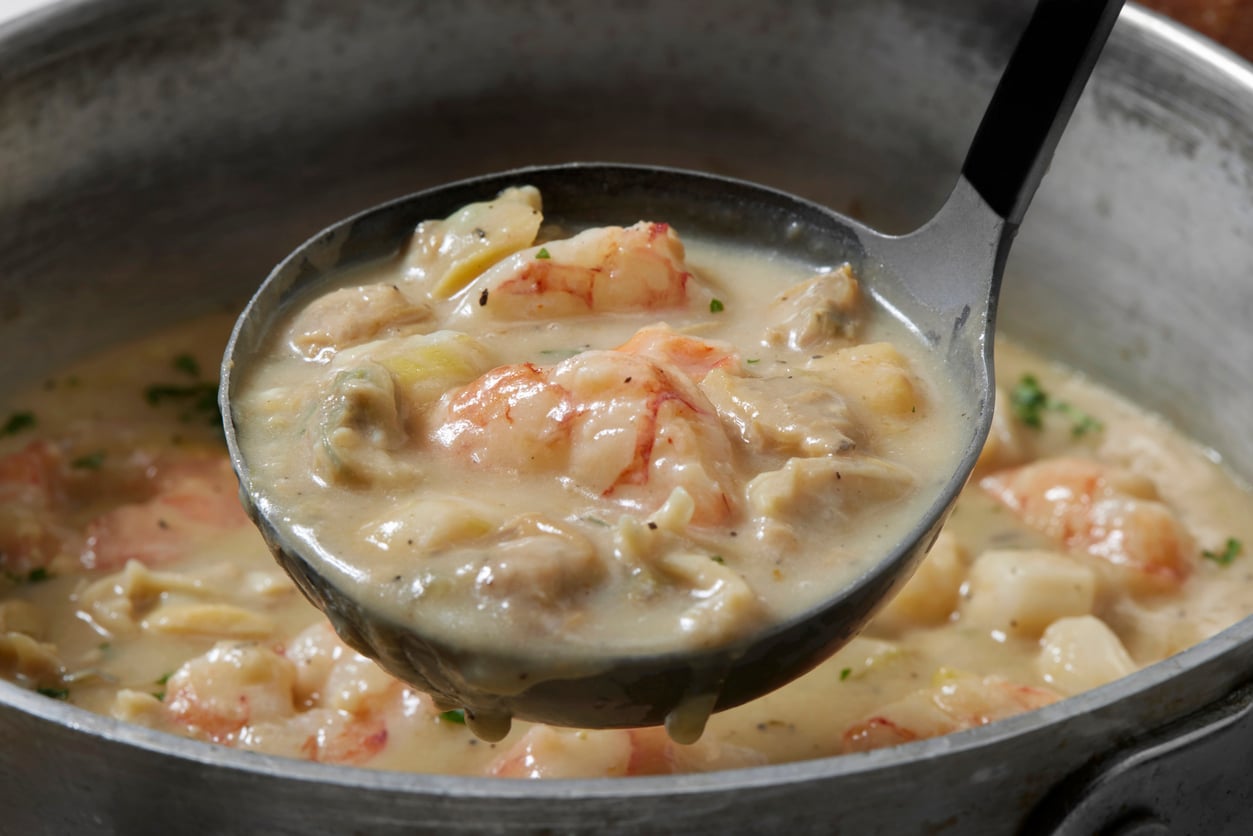
Order clam chowder in Massachusetts, and you’ll probably get a thick, creamy soup loaded with clams, potatoes, and onions. Cross into Rhode Island, however, and the chowder might arrive in a clear broth without a drop of cream. The Rhode Island version lets the briny flavor of the clams take center stage, while the Massachusetts favorite is richer and more filling. And then there’s Manhattan clam chowder, with its tomato-based broth, proving that even a seemingly simple bowl of soup can inspire strong regional loyalties.
Chili – Texas vs. Ohio
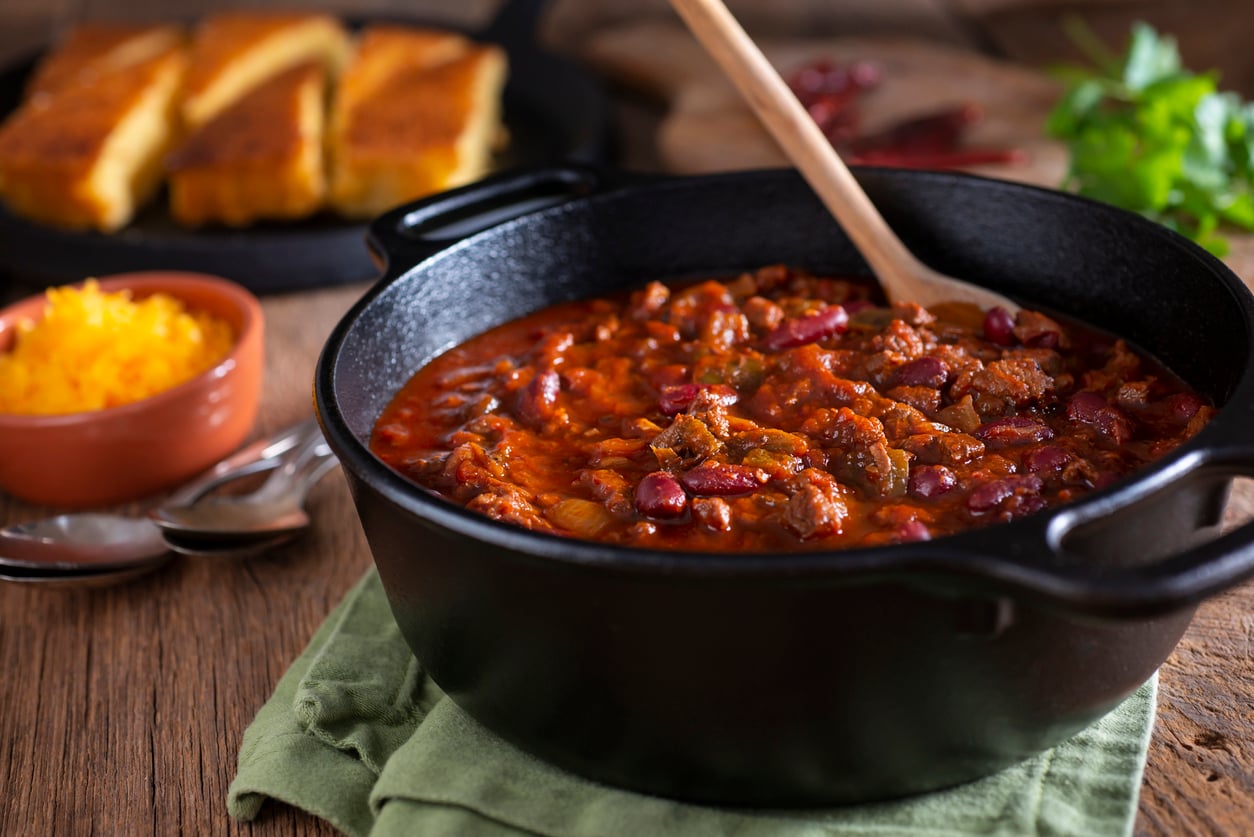
In Texas, a traditional bowl of chili con carne is all about tender beef, dried chiles, and a thick, deeply seasoned sauce, usually without beans. Order chili in Cincinnati, Ohio, and you’re getting something else entirely. Cincinnati chili is a thinner, warmly spiced meat sauce commonly served over spaghetti and buried beneath shredded cheddar cheese. A three-way includes spaghetti, chili, and cheese, while four-way and five-way orders add onions or beans. It’s a combination that might surprise anyone expecting a steaming bowl of Texas-style chili.
Pizza – New York vs. Michigan
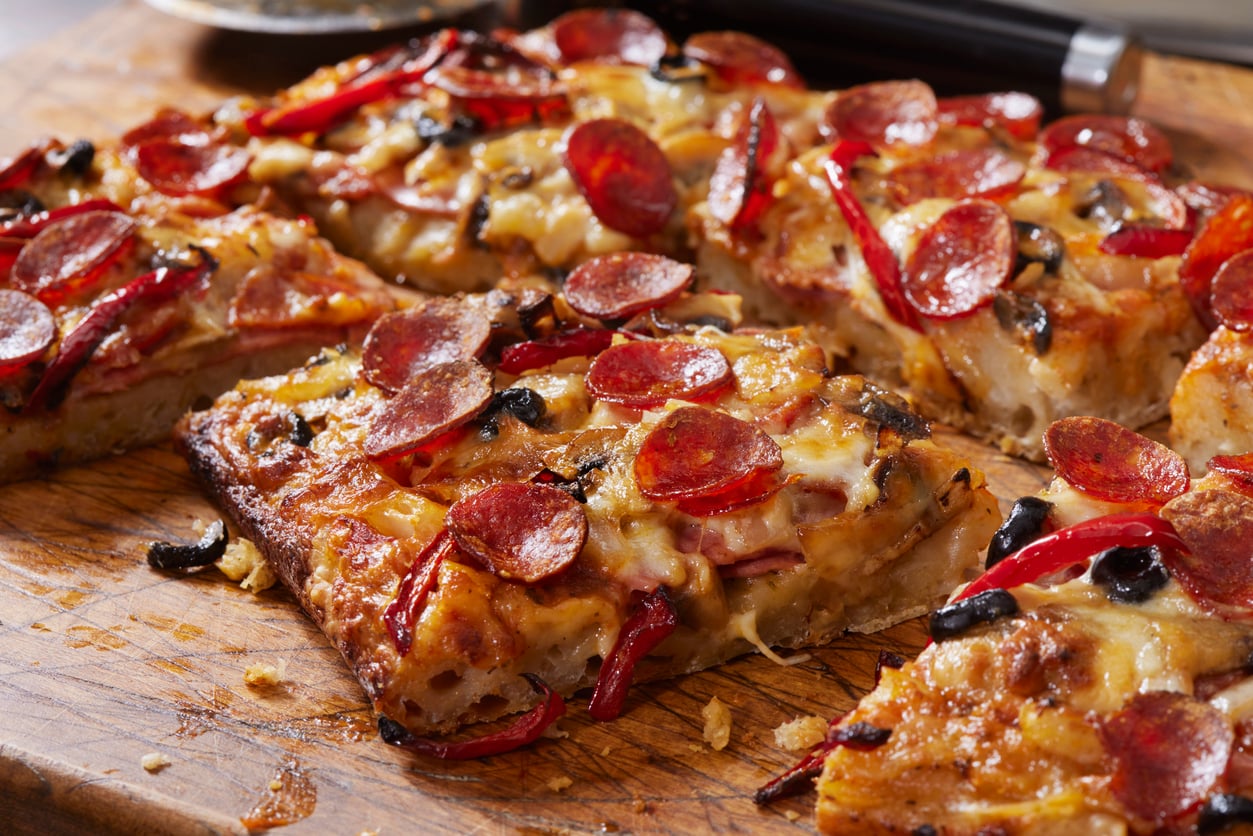
New Yorkers tend to favor large, thin pizza slices with a flexible crust that can be folded in half and eaten on the go. In Detroit, Michigan, pizza takes a completely different shape. The city’s signature pies are rectangular, with a thick, airy crust, crispy cheese edges, and sauce often spooned over the top. Detroit-style pizza developed in the 1940s and has since spread well beyond Michigan. Both versions have devoted fans, but someone expecting a floppy New York slice might be surprised by Detroit’s hearty, pan-baked alternative.
Barbecue – North Carolina vs. Texas
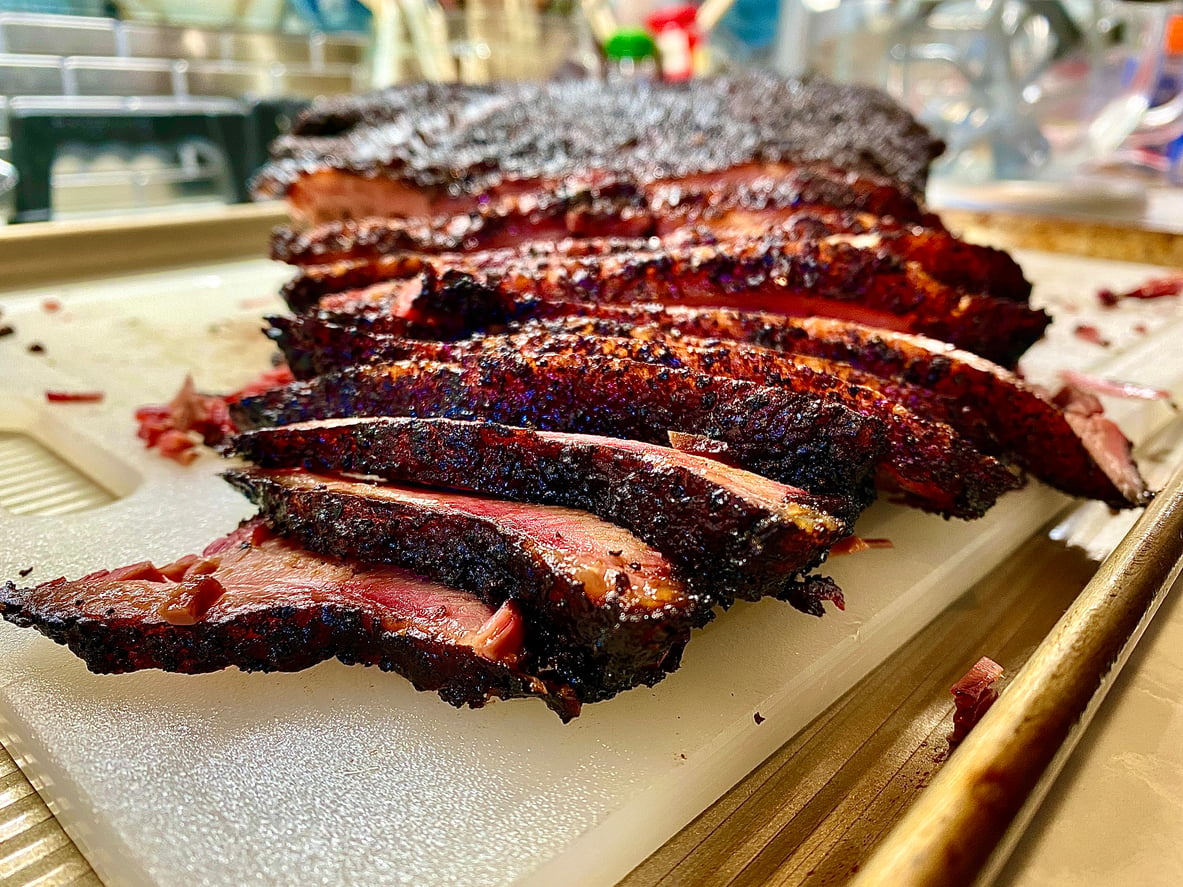
Ask for barbecue in eastern North Carolina, and you’re likely to get slow-cooked pork, traditionally from the whole hog, chopped and dressed with a tangy vinegar-and-pepper sauce. Head to central Texas, and barbecue usually means beef brisket smoked low and slow, often seasoned with little more than salt and black pepper. The differences don’t stop at state borders, either. Western North Carolina has its own tomato-tinged vinegar sauce and pork shoulder tradition. For travelers, knowing the local specialty can make ordering much easier.
Hot Dogs – Illinois vs. Arizona
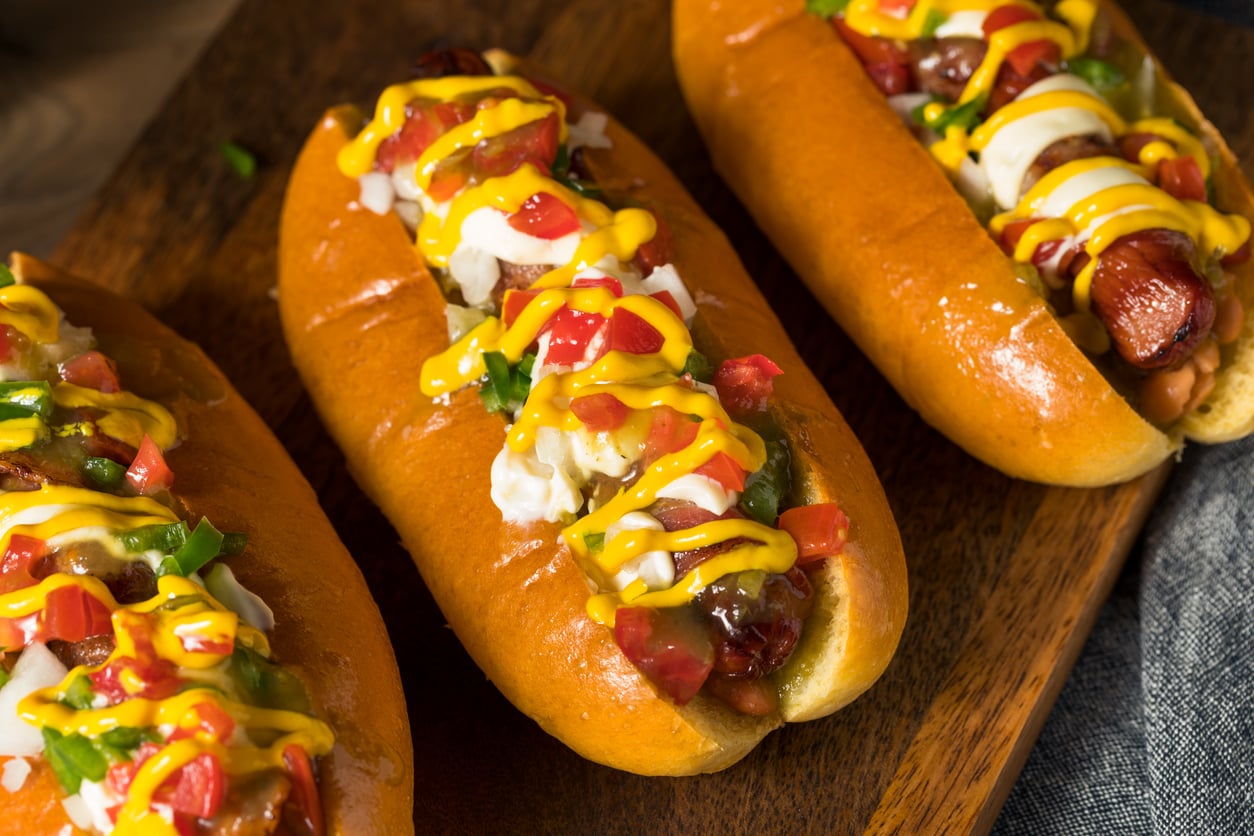
A Chicago-style hot dog is practically a meal in itself, with an all-beef frank tucked into a poppy-seed bun and topped with mustard, relish, onions, tomatoes, a pickle spear, sport peppers, and celery salt. Ketchup is famously absent from the traditional combination. In Tucson, Arizona, the Sonoran hot dog takes a different approach. The frank is wrapped in bacon, placed inside a soft bolillo-style bun, and piled with beans, tomatoes, onions, and sauces. Both are hot dogs, but the similarities largely end there.
Trending on Cheapism


Fried Chicken – Tennessee vs. Maryland
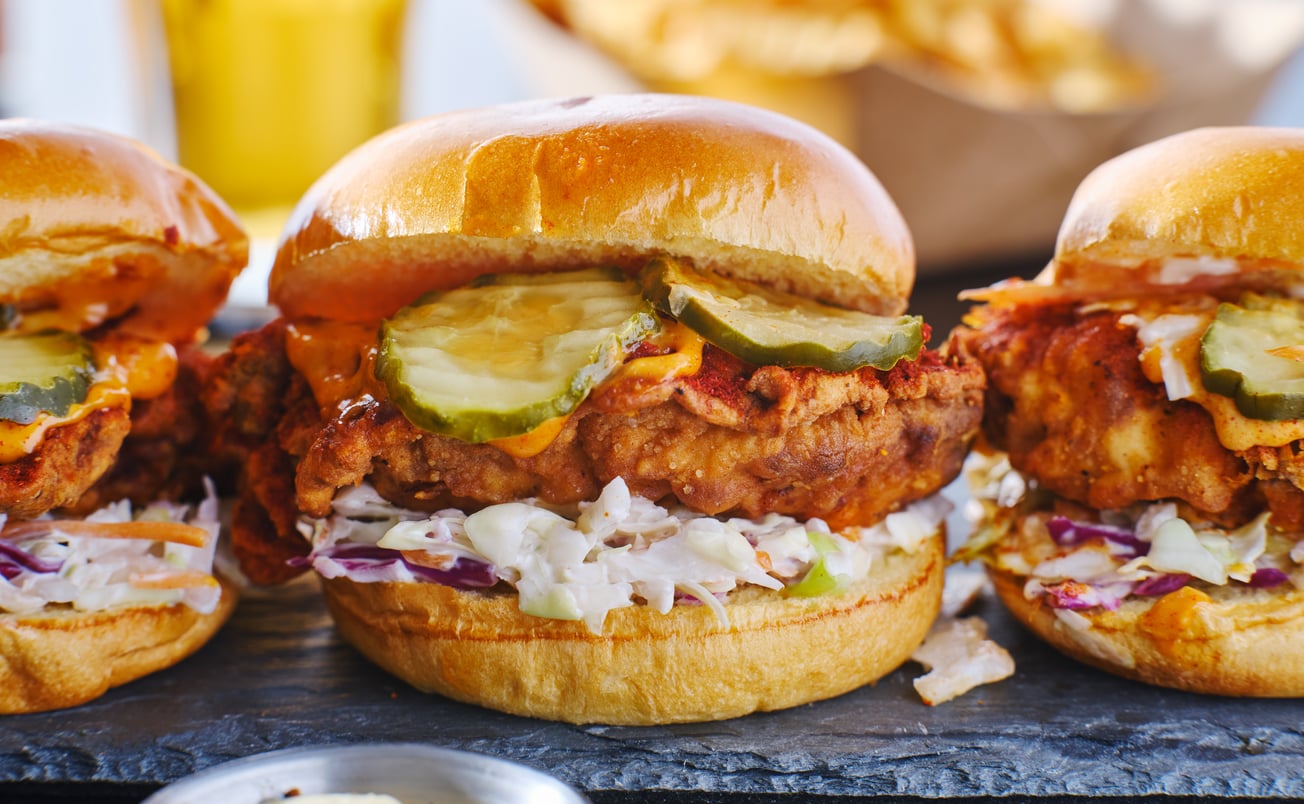
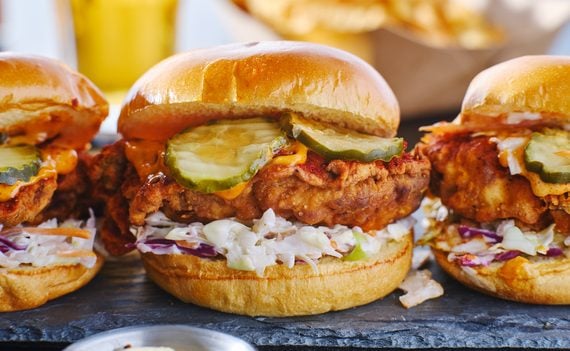
Nashville hot chicken doesn’t hold back on the heat. The Tennessee specialty features crispy fried chicken coated in a spicy, cayenne-heavy seasoning, often served over white bread with pickles. Maryland-style fried chicken takes a gentler approach, traditionally featuring chicken fried in a skillet and served with a creamy gravy. While Nashville’s version has become popular across the country, Maryland’s is more closely associated with old-fashioned home cooking and regional restaurants. Anyone ordering fried chicken in these two states could end up with very different dinners.
Lobster Rolls – Maine vs. Connecticut
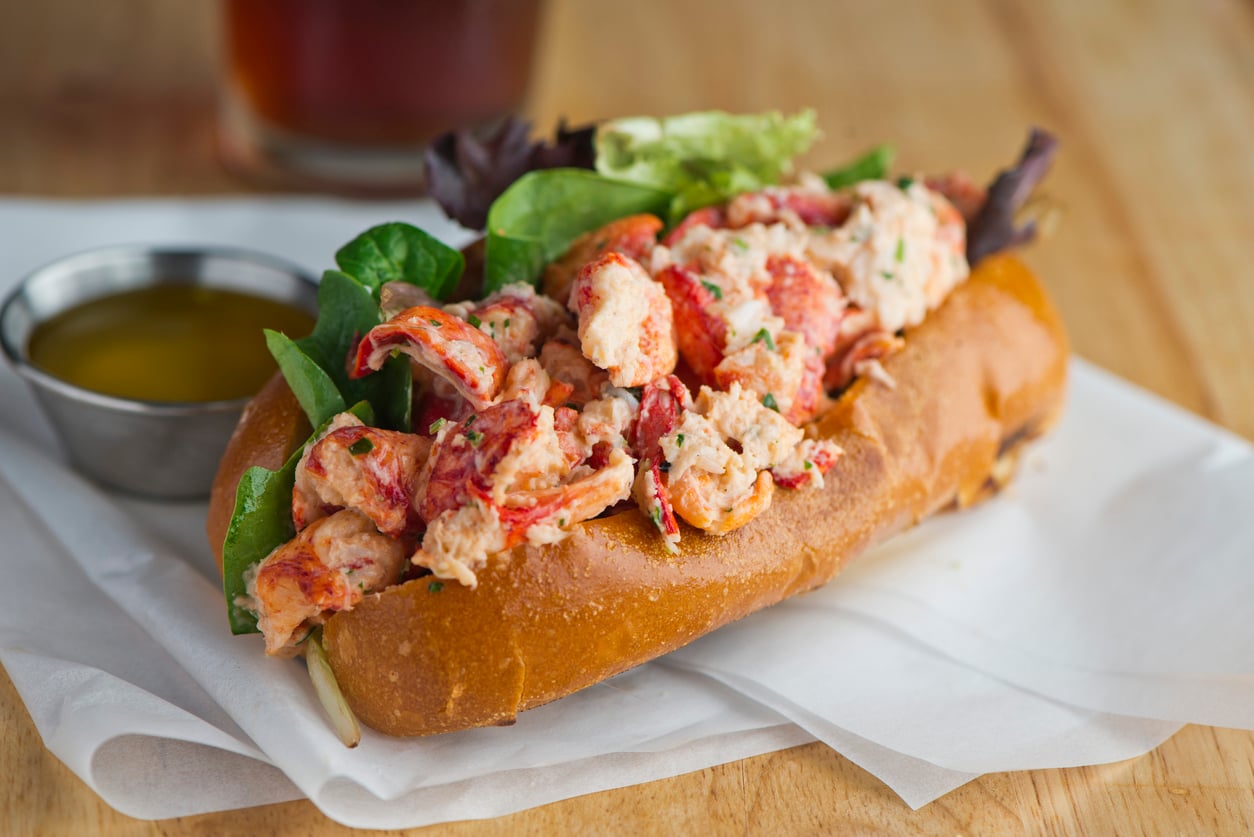
A lobster roll might sound like a straightforward sandwich, but Maine and Connecticut have different ideas about how it should be served. Maine-style rolls typically feature chilled lobster meat lightly mixed with mayonnaise, sometimes with celery or a squeeze of lemon, tucked into a toasted split-top bun. Connecticut-style rolls skip the mayonnaise in favor of warm lobster tossed with melted butter. The bread may look similar, but the temperature and dressing change the whole experience. Neither preparation is necessarily inexpensive, especially when lobster prices climb.
Tamales – Mississippi vs. Texas
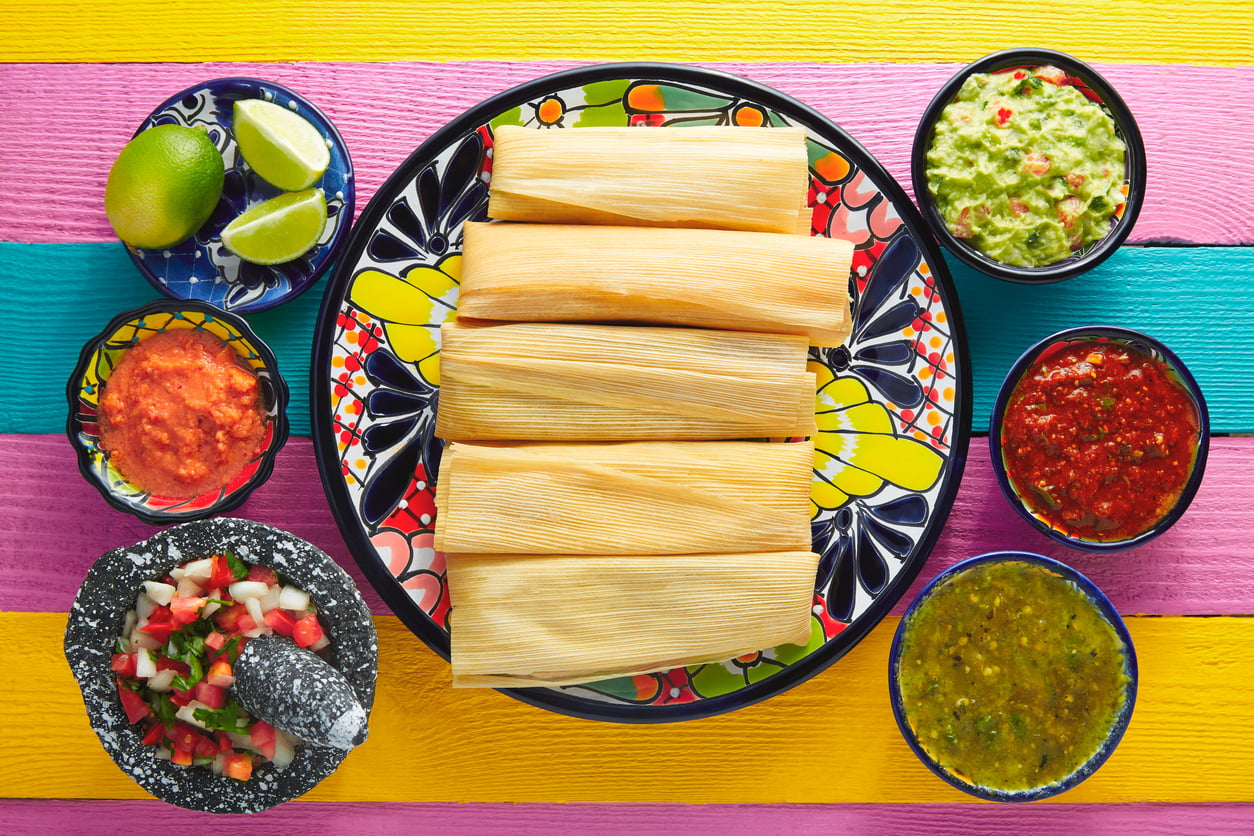
In Texas, tamales commonly follow Mexican and Tex-Mex traditions, with seasoned masa wrapped around fillings such as pork or chicken and steamed inside corn husks. Travel to the Mississippi Delta, and you’ll find a different tradition. Delta hot tamales are often smaller, heavily seasoned, and simmered in a flavorful liquid rather than simply steamed. Some recipes use cornmeal instead of masa, giving them a different texture. They’re frequently sold by the dozen and have been part of the region’s food culture for generations.
Sign up for our newsletter
Cornbread – Alabama vs. Massachusetts
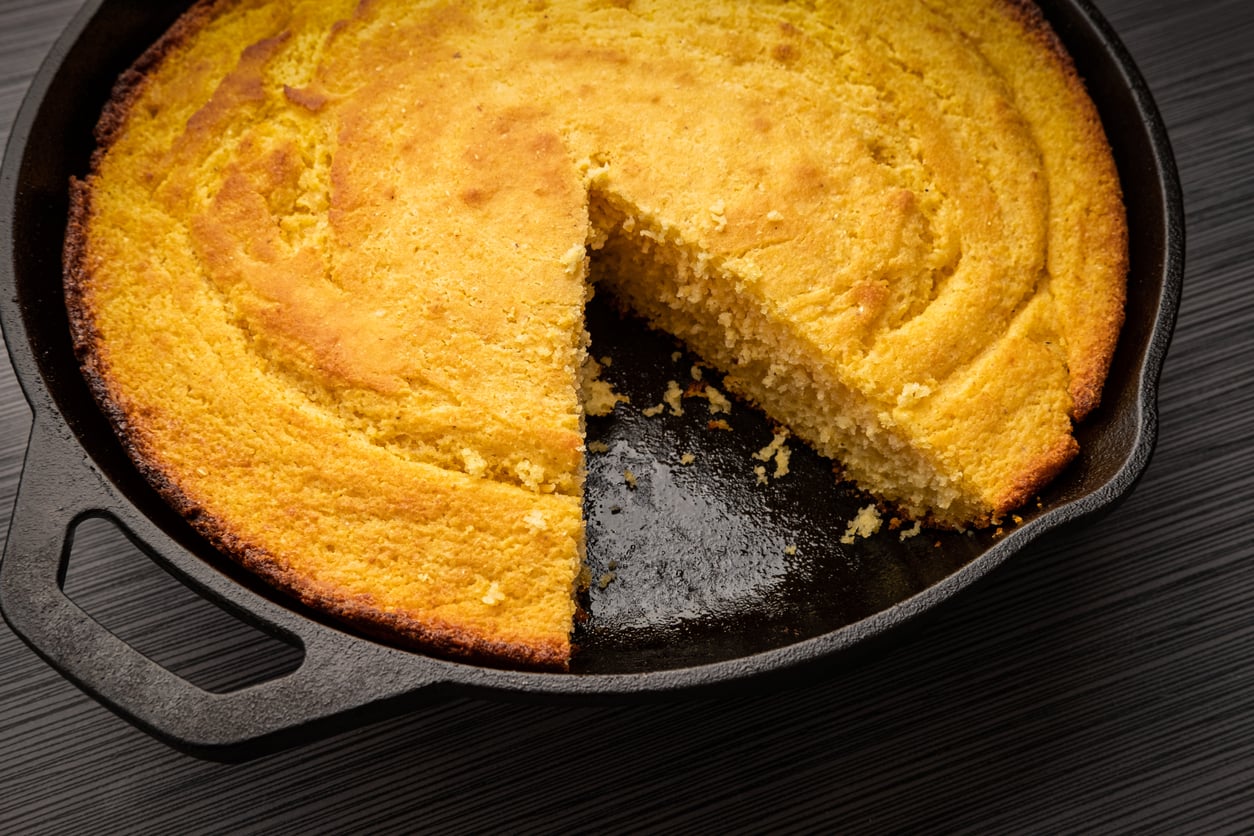
Cornbread can be a surprisingly divisive subject, especially when sugar enters the conversation. In Alabama and much of the South, traditional skillet cornbread is often savory, made with little or no sugar and baked in a hot cast-iron pan until the edges turn crisp. In Massachusetts and other parts of New England, cornbread is frequently sweeter, softer, and more cake-like, sometimes with more wheat flour in the mixture. Neither style represents every household, but the difference can be noticeable alongside a bowl of chili or barbecue.
Burgers – Minnesota vs. Oklahoma
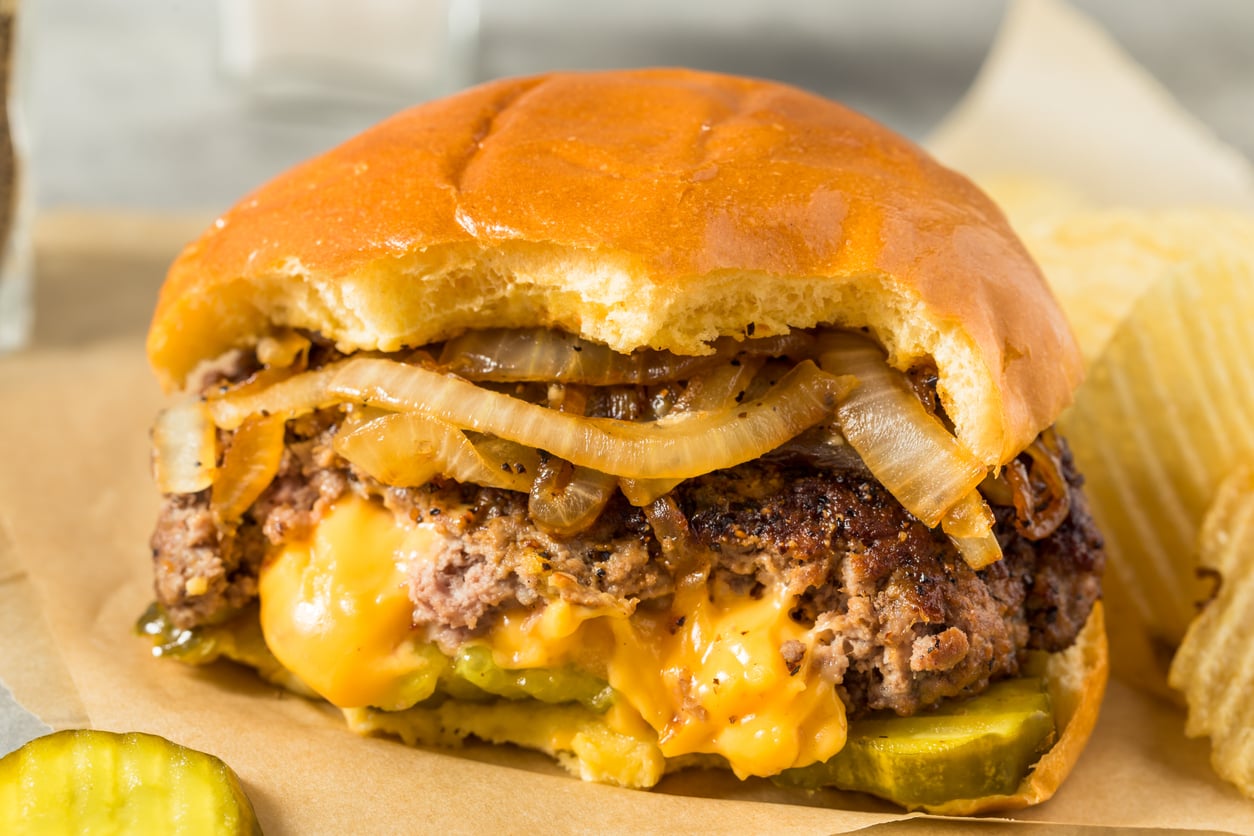
Order a Juicy Lucy in Minnesota, and the cheese isn’t sitting on top of the burger. It’s sealed inside the beef patty, creating a molten center that can surprise anyone who bites in too quickly. In Oklahoma, the signature onion burger takes the opposite approach to customization. Thinly sliced onions are pressed directly into the beef while it cooks on a hot griddle, allowing them to soften, brown, and mingle with the meat. Both started as regional specialties, but they deliver entirely different burger experiences.
Sloppy Joes – Iowa vs. New Jersey
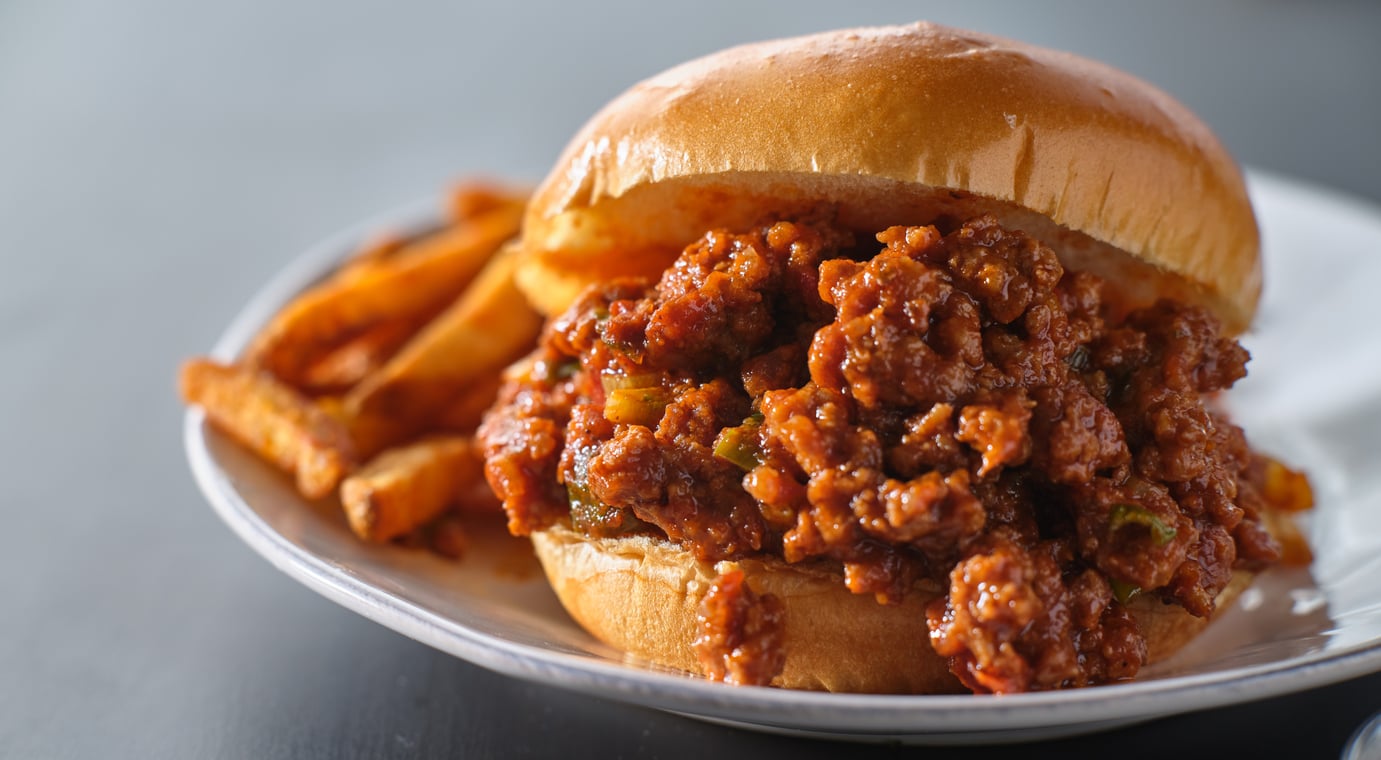
Ask for a sloppy joe in Iowa, and you’ll usually get the familiar sandwich of loose ground beef simmered in a sweet and tangy tomato-based sauce, piled onto a hamburger bun. Order one at a traditional deli in northern New Jersey, however, and you might receive a cold sandwich layered with sliced meats, Swiss cheese, coleslaw, and Russian dressing between thin slices of rye bread. The New Jersey version is often stacked high and cut into sections. Same name, almost nothing else in common.
Chocolate Gravy – Arkansas vs. Tennessee
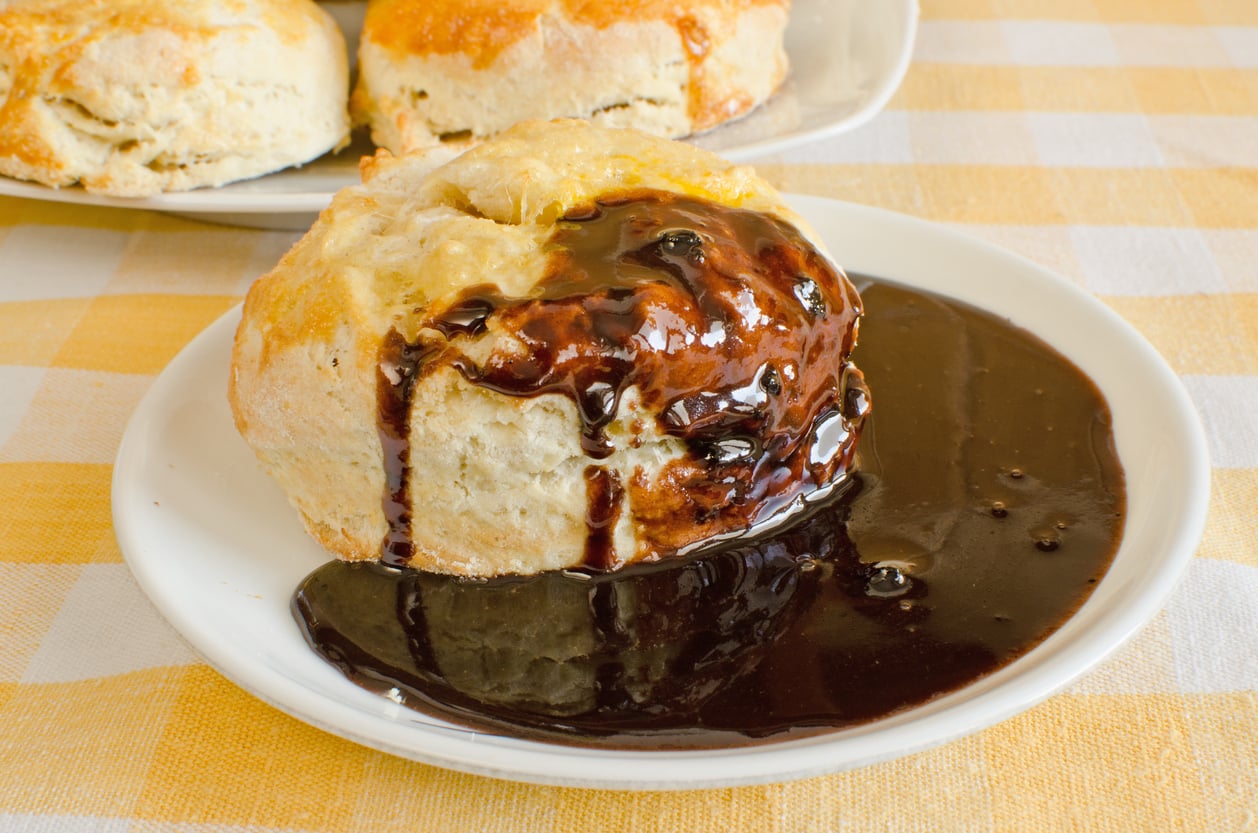
Gravy usually brings to mind a savory sauce, but breakfast traditions in Arkansas and Tennessee show how different the word can become. In parts of Arkansas, chocolate gravy is a sweet, cocoa-based sauce thickened with flour and served warm over biscuits. Across Tennessee, particularly at traditional Southern breakfast tables, sausage gravy is the more familiar option, made with sausage drippings, flour, milk, and black pepper. One turns biscuits into something close to dessert, while the other makes them a hearty, savory breakfast.