Some dishes aren’t worth making at home because they require a lot of effort and are expensive to prepare. These restaurant dishes are often better ordered when you have the chance. According to information from Serious Eats, these dishes often require specialized equipment, hours of preparation, or hard-to-find ingredients, so it’s best to just order them at a restaurant instead!
Neapolitan-Style Pizza
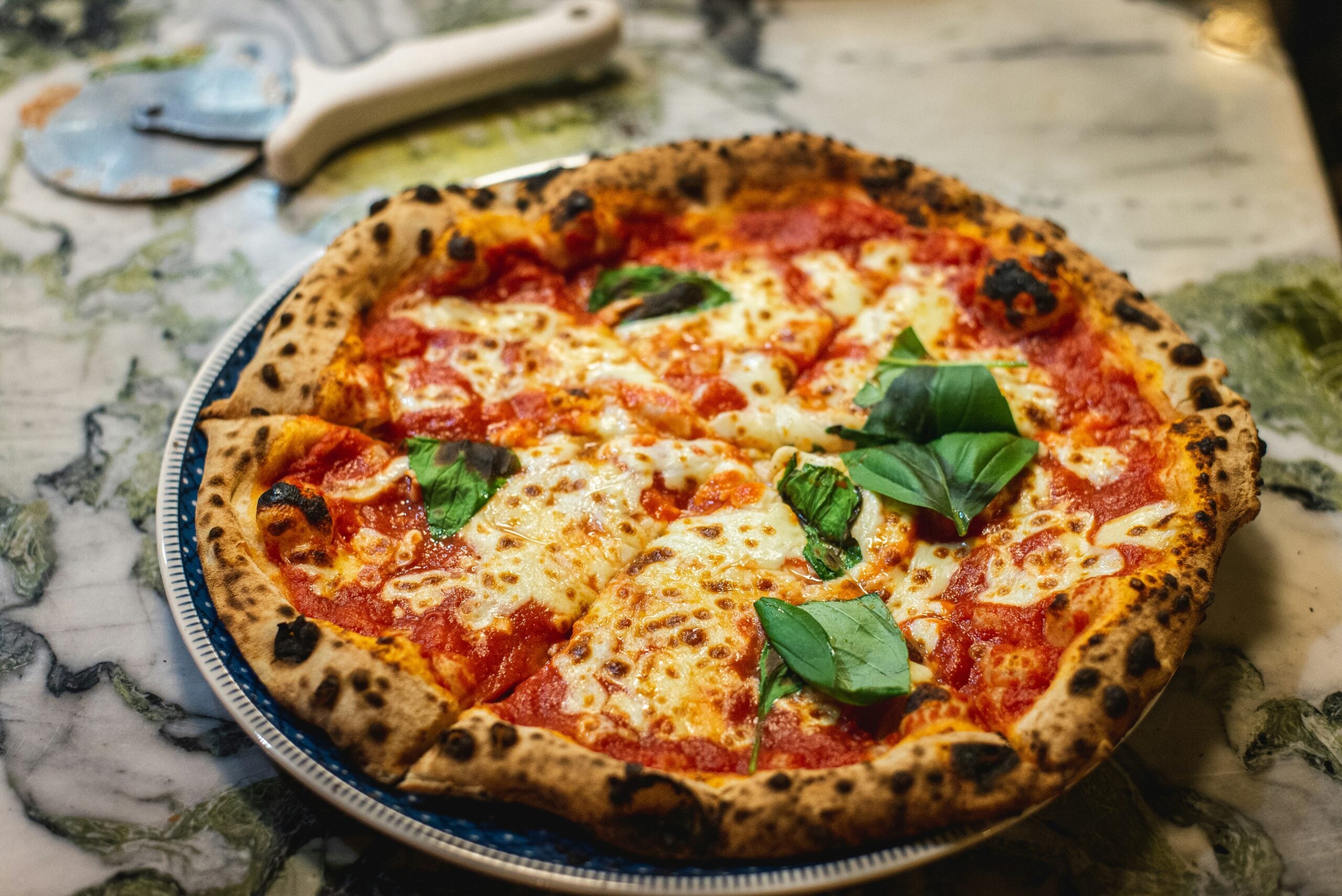
Neapolitan pizza is one of those restaurant dishes that can be better enjoyed at a pizzeria because it traditionally requires high cooking temperatures that some home ovens cannot reach. This high heat creates a blistered, airy crust and a lightly charred exterior in a matter of minutes for this style of pizza. Instead, order a classic Margherita pizza from a pizzeria that uses a high-temperature oven.
Soup Dumplings
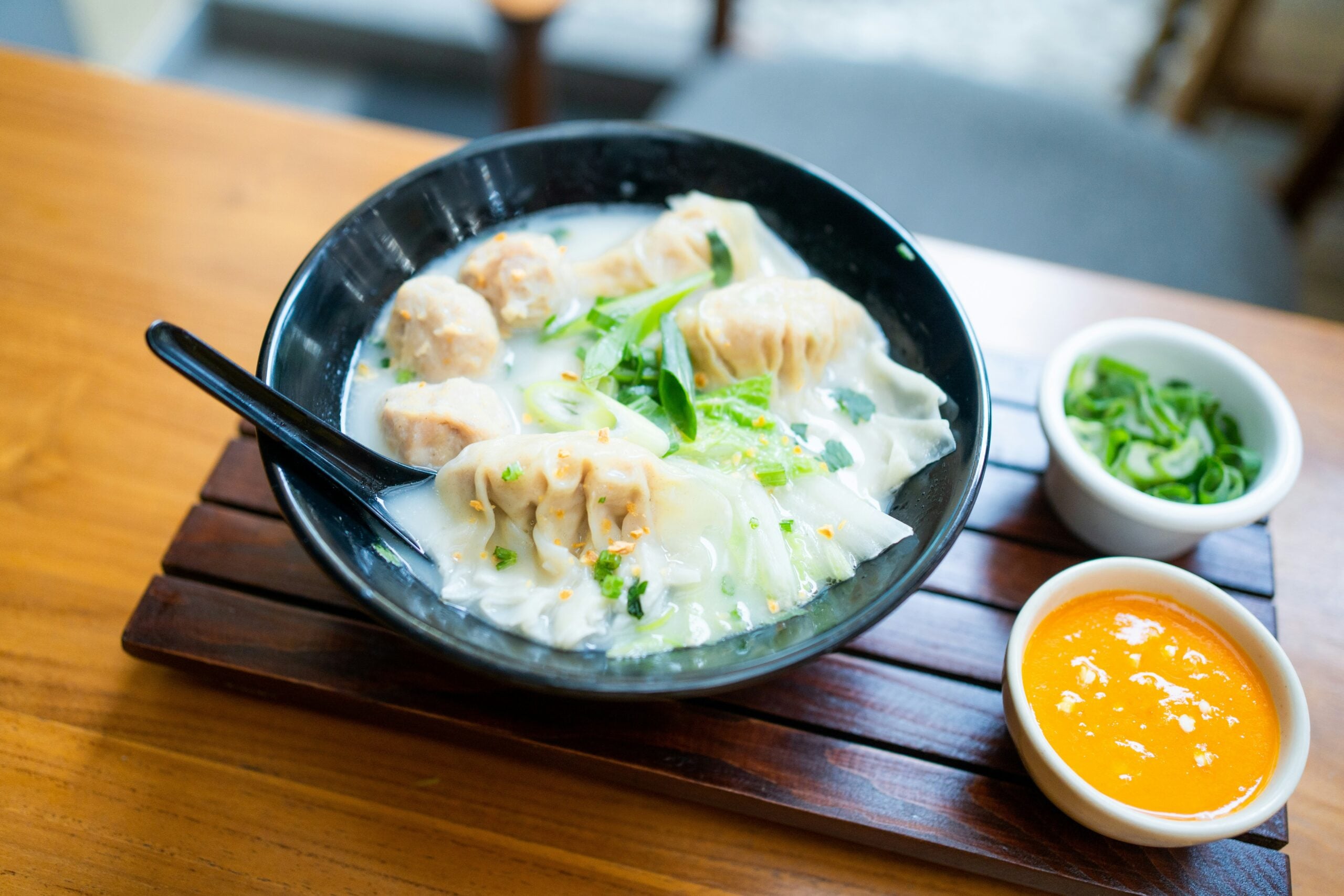
Soup dumplings are restaurant dishes worth ordering rather than attempting at home because these delicate Chinese dumplings require thin wrappers, a carefully prepared filling, and a rich broth that turns into liquid while steaming. Furthermore, sealing everything inside without any leaks takes practice. That gelatin-rich stock melts when the dumpling is steamed.
Texas-Style Smoked Brisket
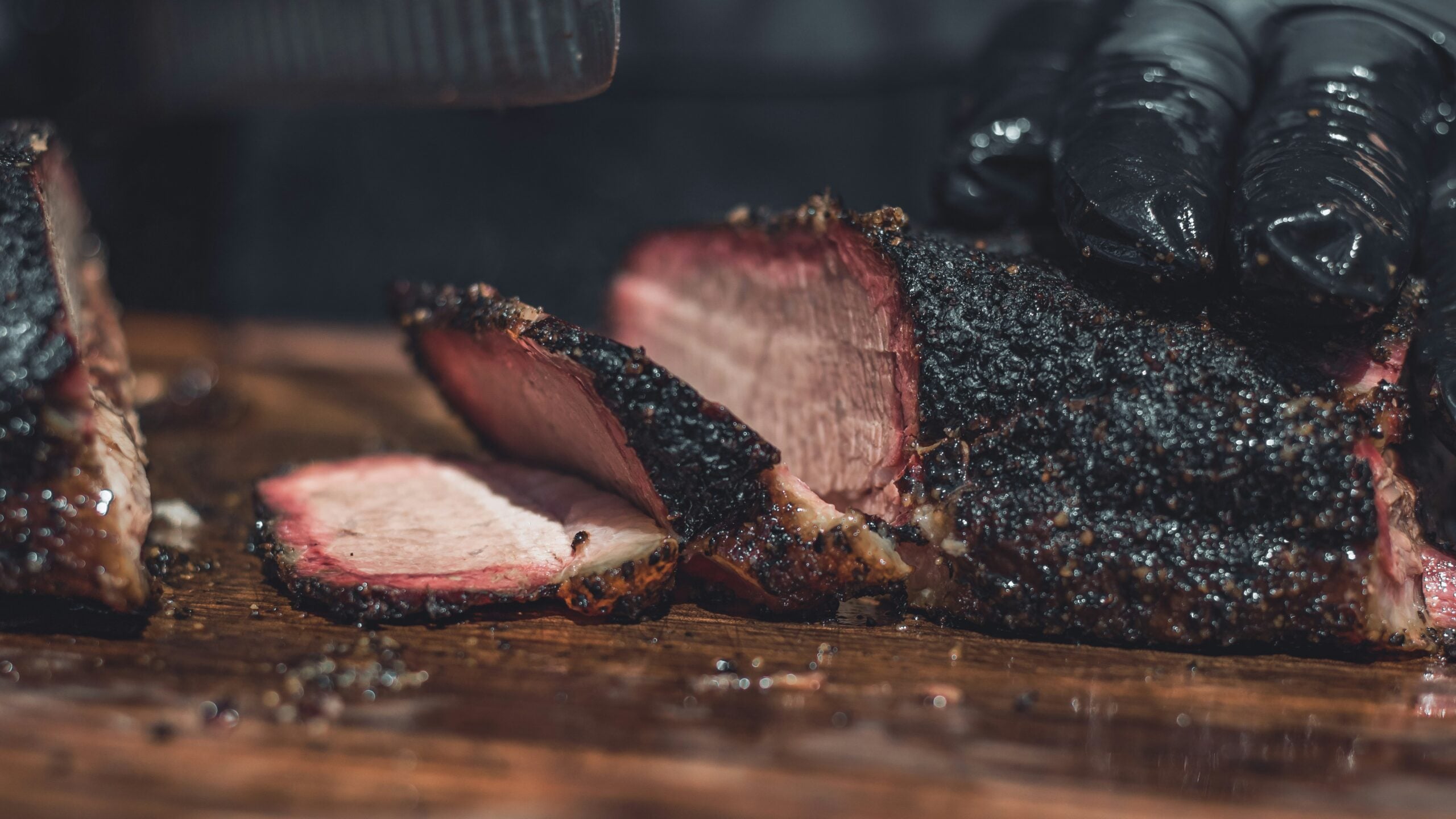
Smoked brisket is one of those restaurant dishes that can be difficult to perfect at home. You need a smoker that stays hot for a long time while maintaining the right balance of smoke, temperature, tenderness, and moisture. While you could do it yourself, an experienced pitmaster can adjust the cooking method to the cut of beef and use specialized equipment to make the job easier.
Tonkotsu Ramen
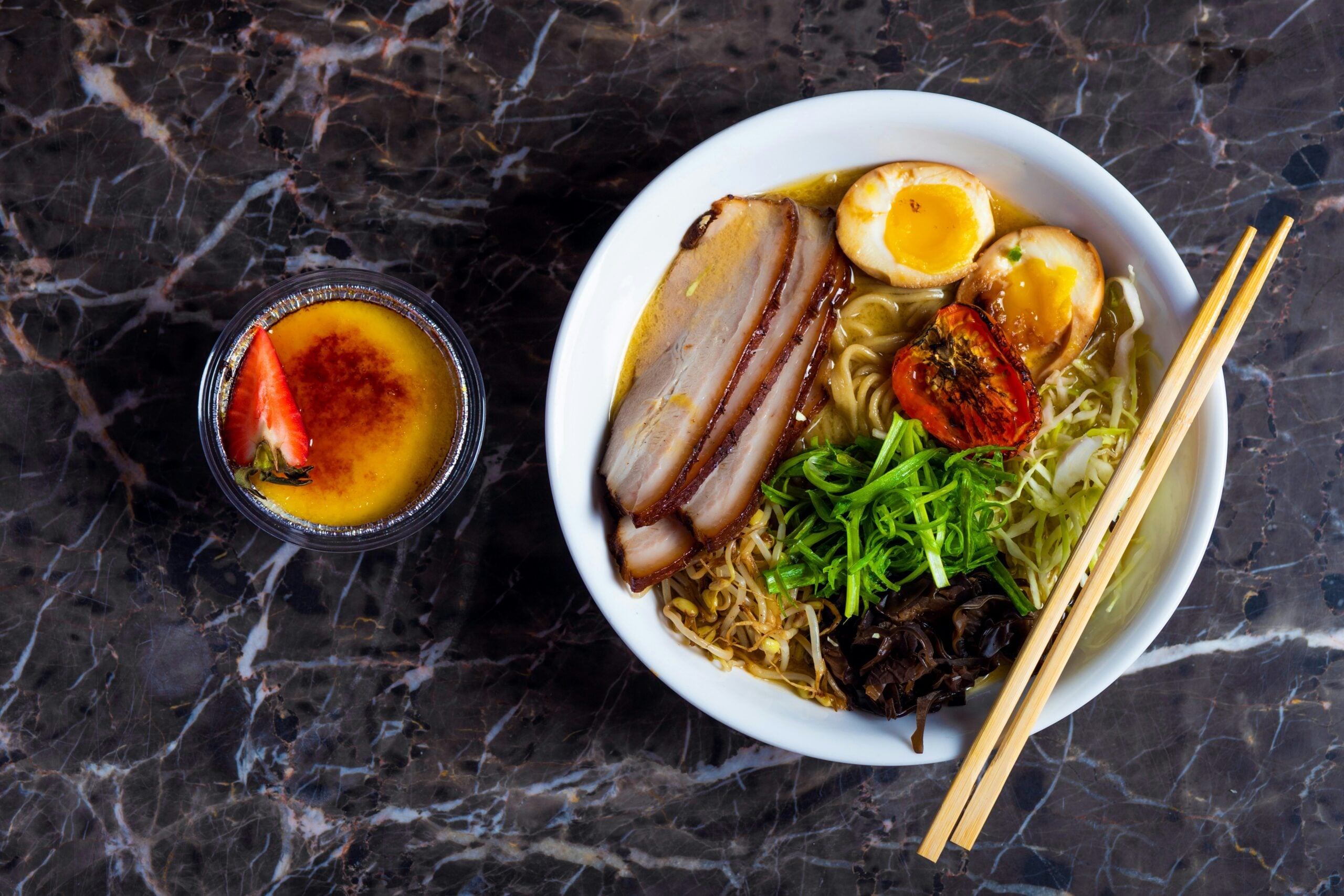
Tonkotsu ramen is one of the restaurant dishes that can be challenging to recreate at home. When well prepared, it features a creamy, rich broth achieved by boiling pork bones for an extended period. Restaurants prepare the toppings, such as noodles, seasoned eggs, and aromatic oils, separately from the main dish. Each component of the bowl can take time to prepare, and traditionally tonkotsu broth can require many hours of simmering. Consequently, it is difficult to replicate that flavor at home.
Japanese Tempura
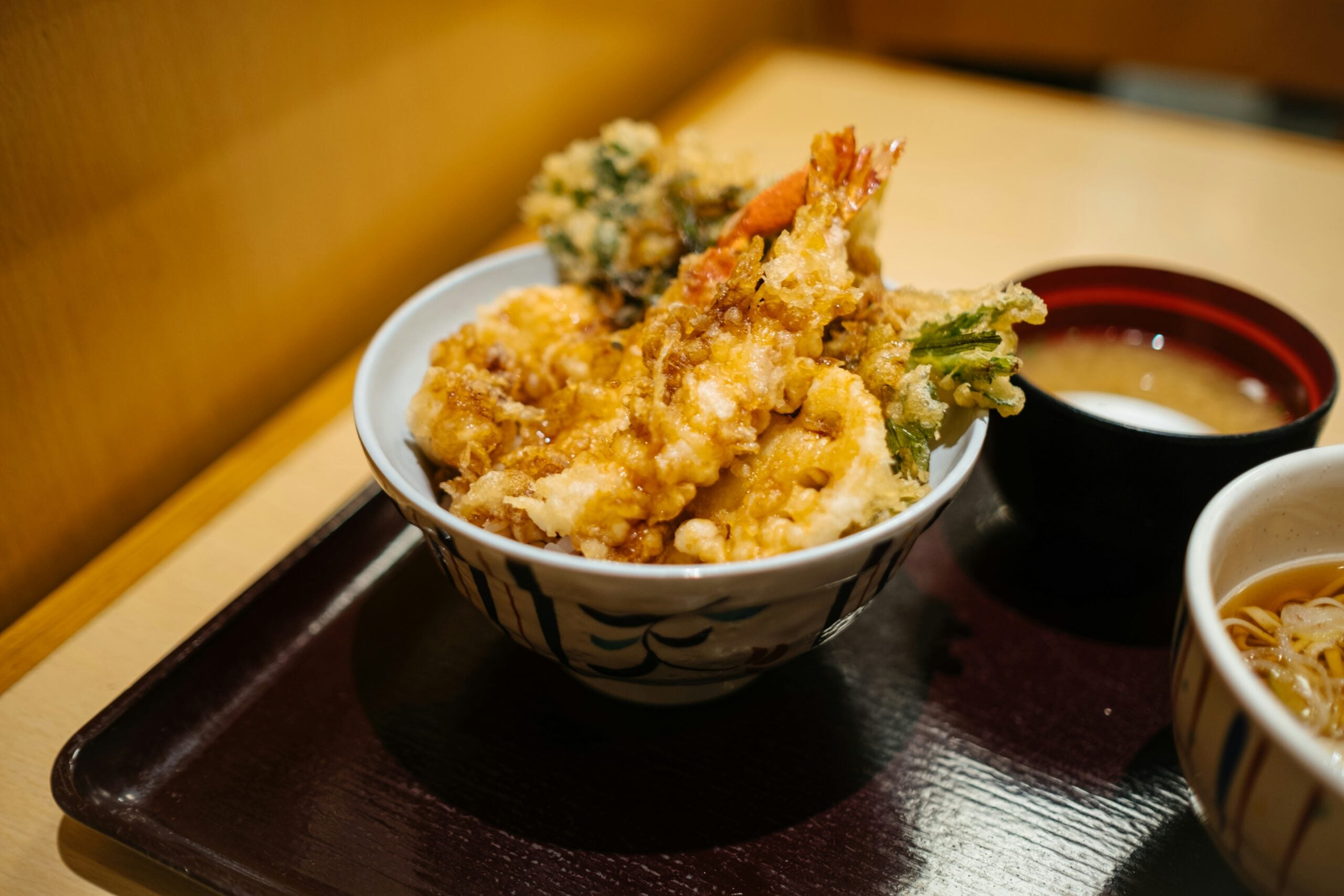
Japanese tempura is among the restaurant dishes that benefit from careful preparation, including precise control of batter consistency, ingredient moisture, and frying temperatures. For this reason, specialized restaurants choose to cook it in small batches to achieve a crisp, delicate coating without any greasiness. Given the oil needed for deep-frying, the temperature monitoring, and the cleanup, it is more cost-effective to order it from a restaurant than to prepare it at home.
Trending on Cheapism


Tandoori Chicken
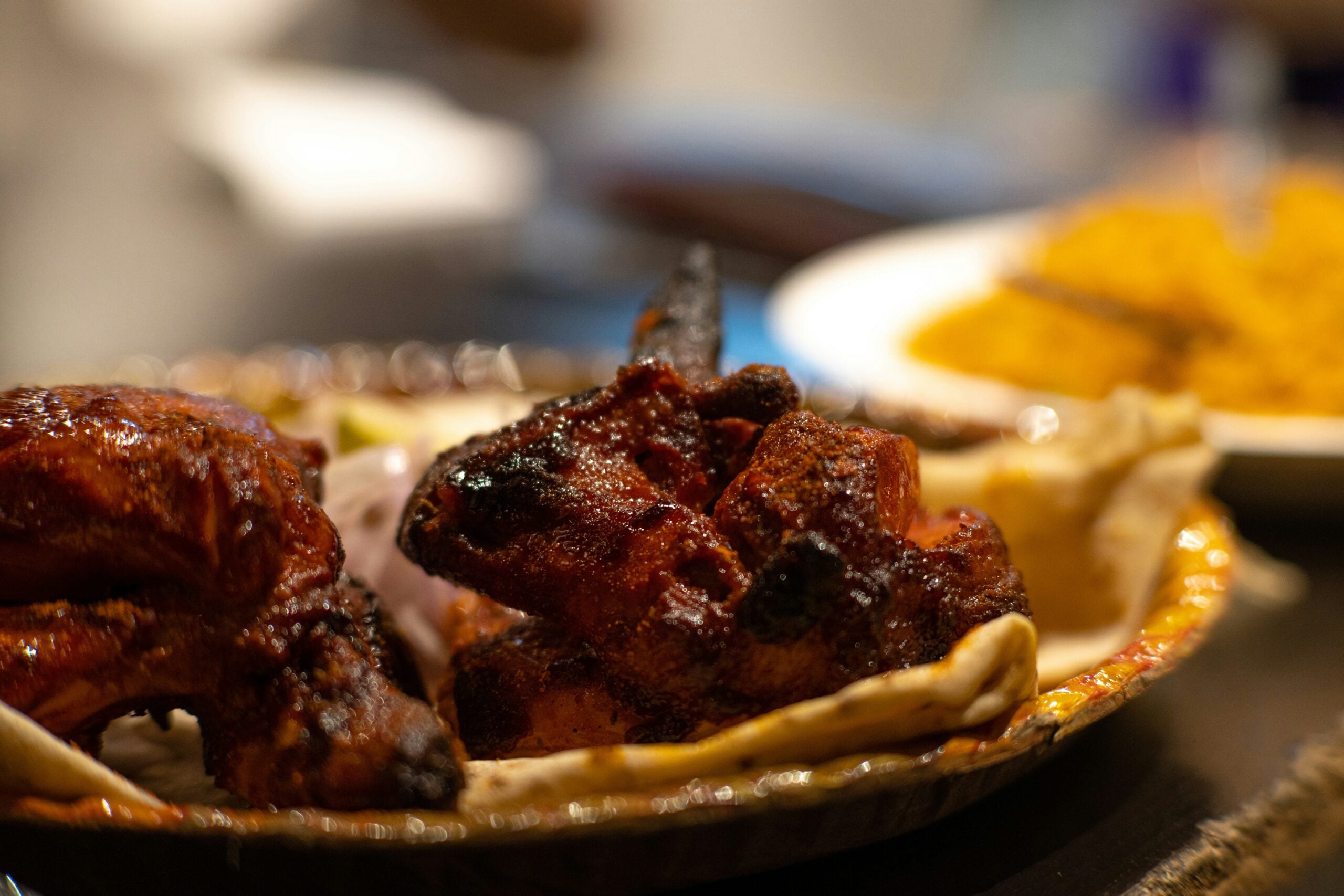
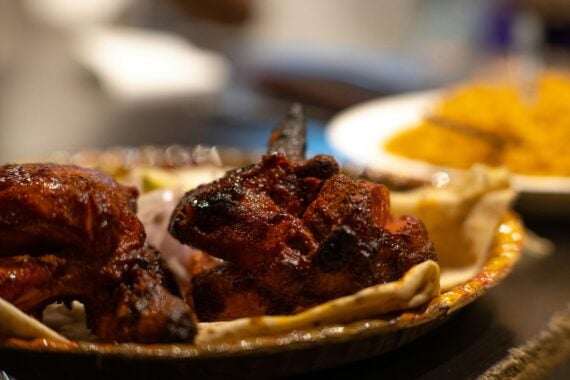
Tandoori chicken is one of the restaurants dishes known for its distinctive preparation in a tandoor, a high-temperature clay oven that generates intense heat, creating a distinctive char while cooking the meat quickly. While home ovens and grills can produce delicious versions of the dish, that specific combination of charred edges, smoky flavors, and juicy meat is difficult to achieve with conventional equipment.
Freshly Baked Croissants
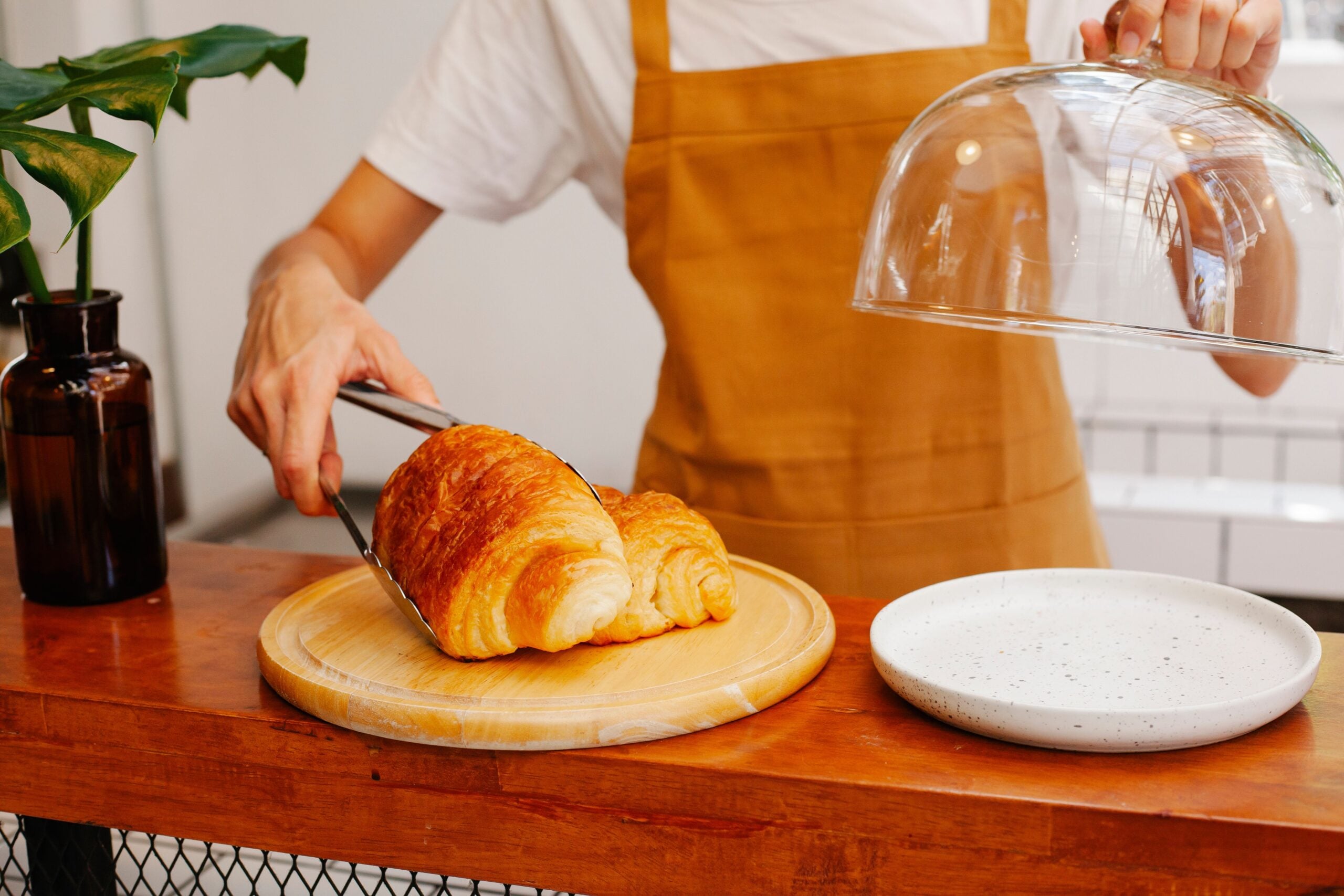
Croissants can be made at home, but the process involves laminating the dough by repeatedly folding butter between layers, followed by careful chilling, proofing, and baking. This process is difficult to execute in a conventional home kitchen without the expertise of a professional baker. Preparing a full batch of croissants from scratch can take several hours, while ordering them from a bakery is often more cost-effective and ensures a high-quality, delicious result.
Traditional Peking Duck
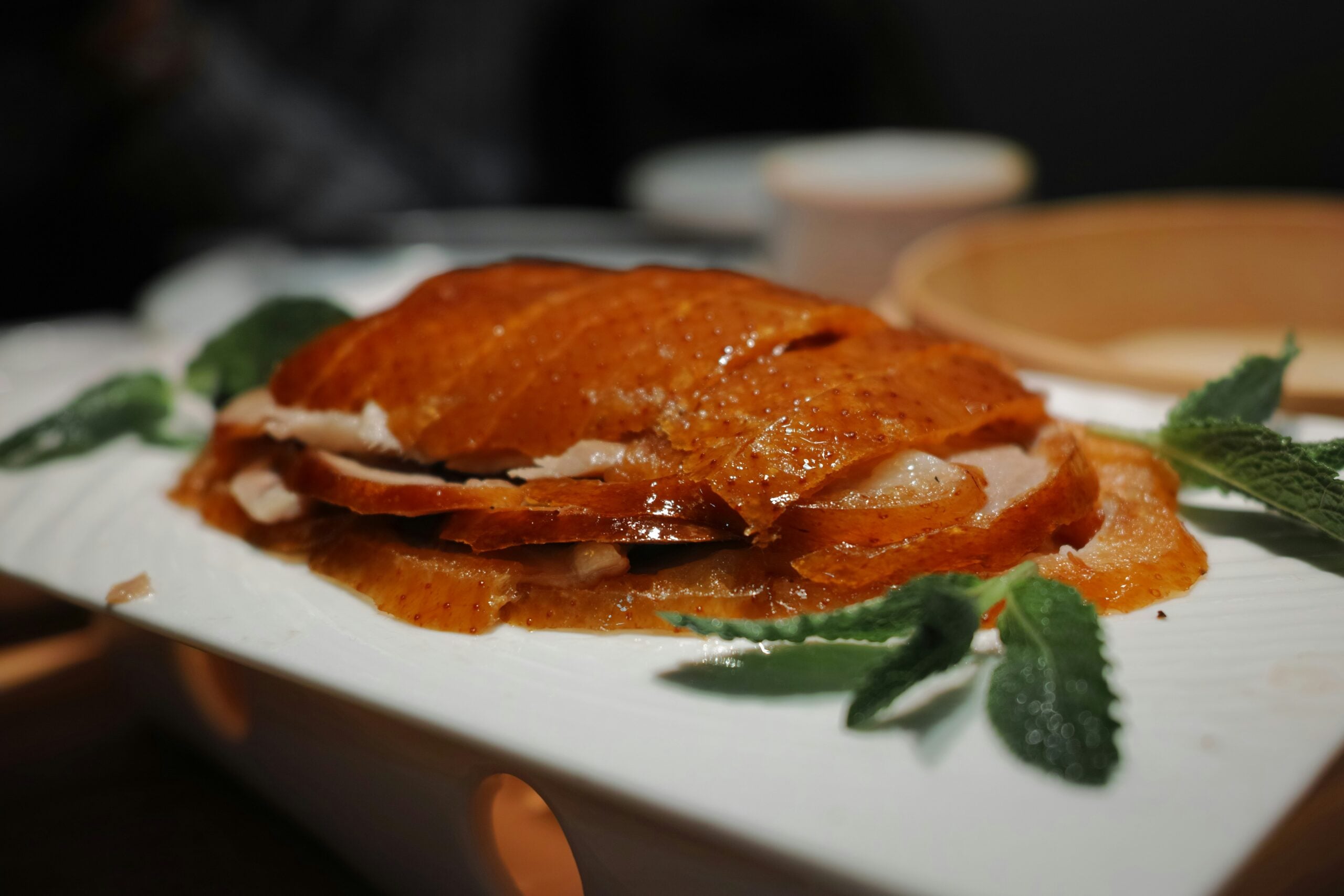
Peking duck is one of the restaurant dishes prized for its crispy skin, which requires meticulous preparation. The duck’s skin must be dried before the bird is roasted to achieve the right texture. Specialized restaurants have the necessary equipment and expertise to do this, whereas achieving that same texture at home is no easy task.
Sign up for our newsletter
Spanish Paella
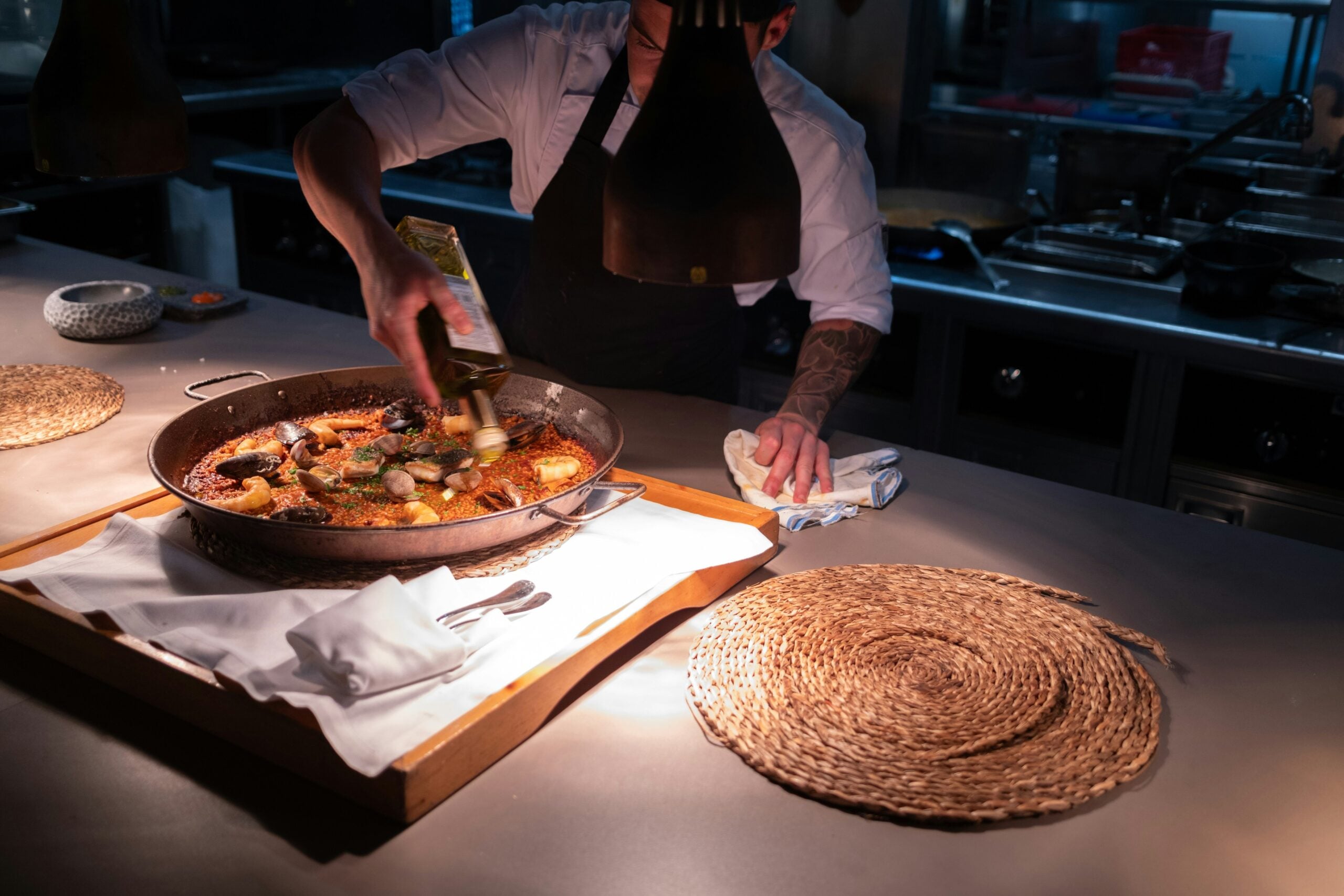
Spanish paella is among the restaurant dishes that require careful attention to detail. The cook must achieve the perfect rice texture in a shallow pan, while simultaneously forming the socarrat, the crispy layer of rice at the bottom. This dish demands an understanding of how to manage liquid levels and heat distribution. Using the right pan, a suitable burner, and a proven technique makes the process easier. In restaurants, this procedure is particularly well-honed.
Handmade Stuffed Pasta
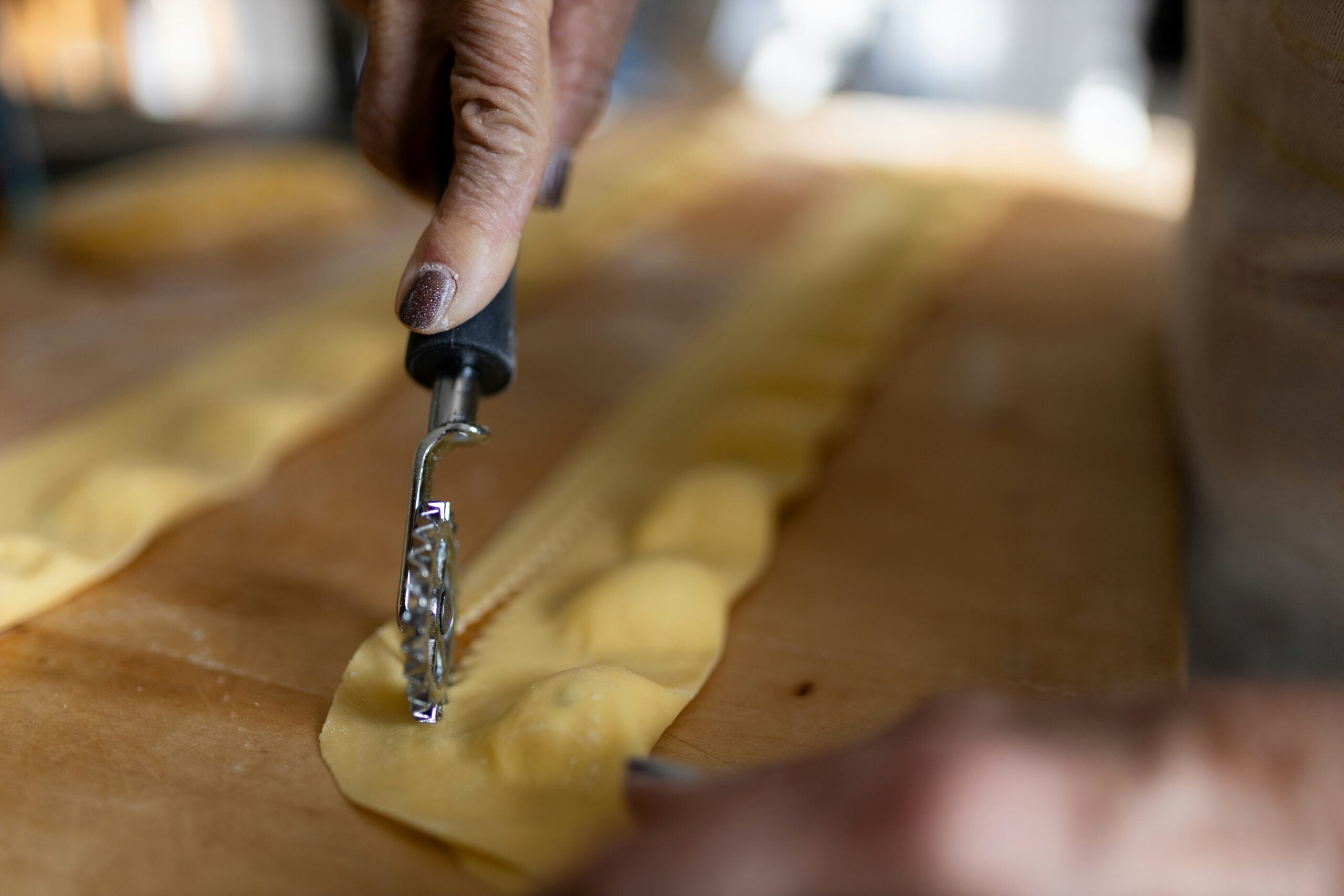
Handmade mushroom ravioli, ricotta-filled tortellini, or seasonal stuffed pasta specials are dishes that restaurants can execute better than you could at home. These dishes require preparing the dough, rolling it out thinly, creating fillings, and shaping individual pieces, all while ensuring there are no leaks or excess moisture, according to Serious Eats. A restaurant that specializes in pasta will provide you with a carefully prepared serving that holds together during cooking.
Southern-Style Fried Chicken
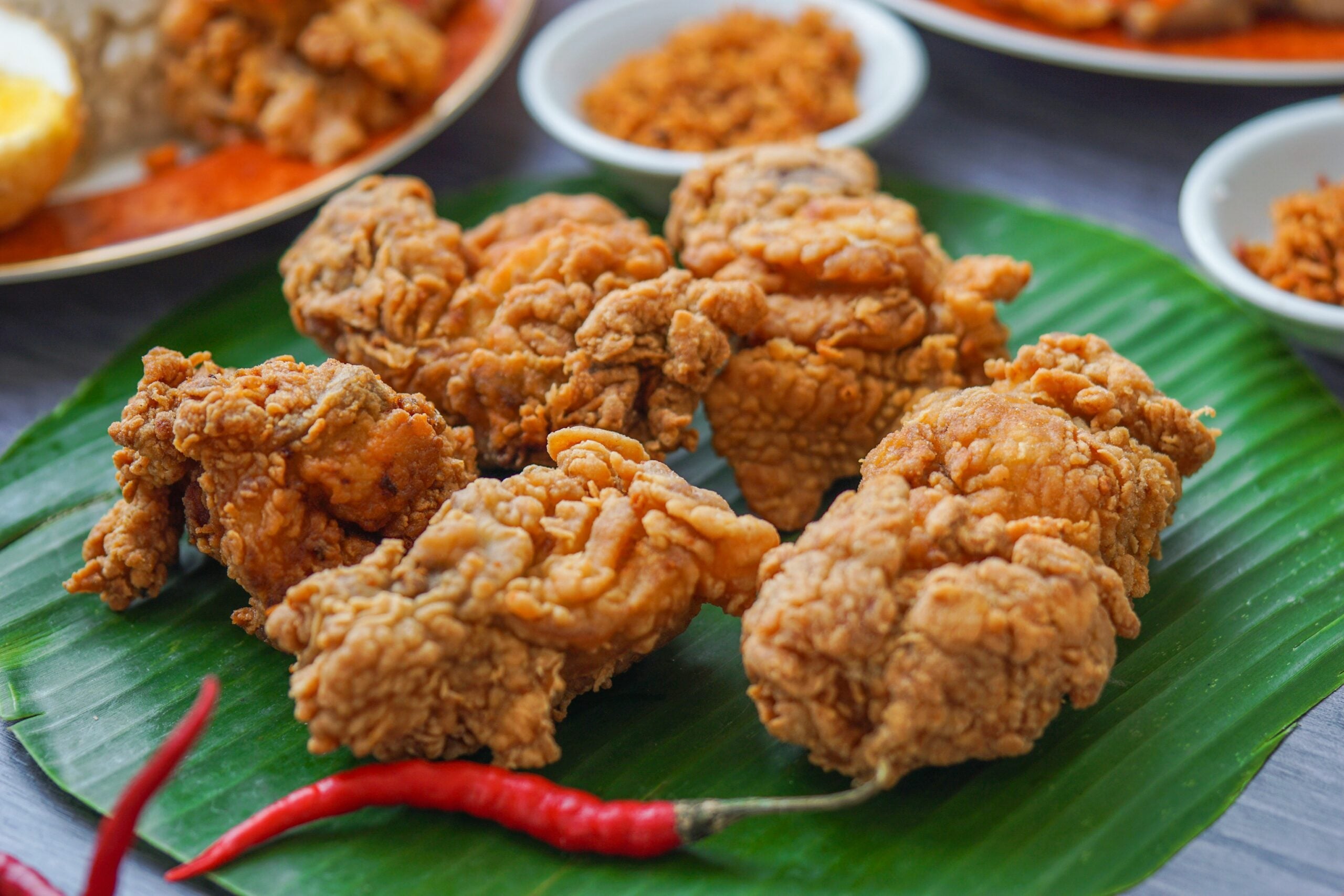
Fried chicken is one of the restaurant dishes that requires a consistent oil temperature, proper breading, careful timing, and enough space to prevent everything from becoming a jumbled mess in the kitchen, according to Serious Eats. Given the need to handle hot grease and oil, not to mention the cleanup involved, it’s better to leave this to restaurants rather than attempting it at home.
Chinese Restaurant-Style Stir-Fries
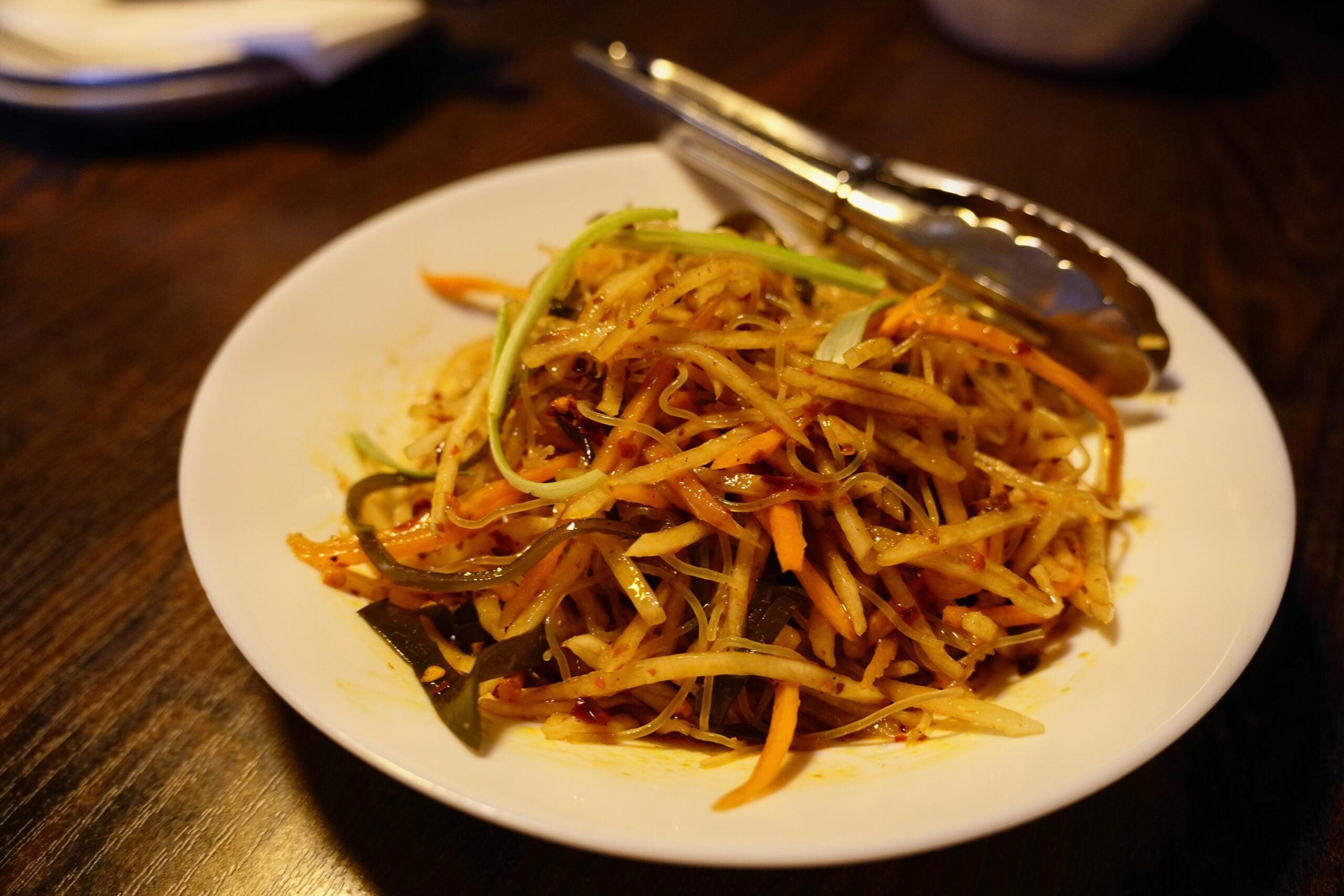
Chinese restaurant stir-fries are restaurant dishes that benefit from professional-grade equipment and technique. You need a wok capable of withstanding powerful burners, allowing for rapid browning, tender proteins, and crisp vegetables. Furthermore, some Chinese kitchens employ specific techniques, such as briefly passing ingredients through hot oil, to control the texture of the food before the actual stir-frying takes place, according to Serious Eats. This specialized knowledge and the equipment required to craft such dishes are typically found in restaurant kitchens.
Conclusion
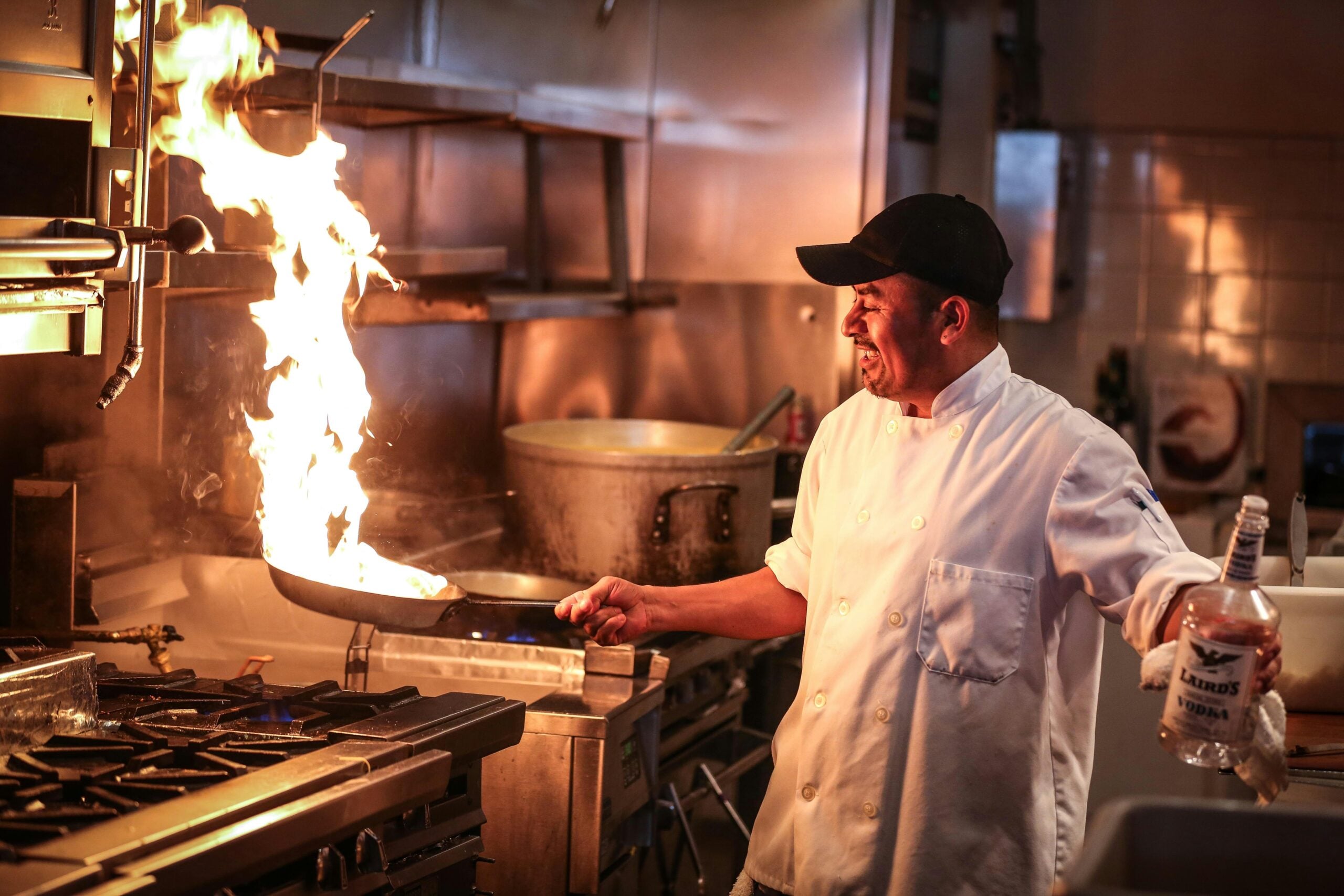
The experience restaurant chefs posses, along with the countless hours they spend preparing the same dishes and the specialized techniques they use, is something a home cook may not have, no matter how skilled they may be. Whether it’s dumplings, traditional barbecue, or homemade pasta, these restaurant dishes can certainly be prepared at home, but replicating their distinctive, signature flavors can be difficult.