A hotel can look wonderful in photos, but the real experience often becomes clear before you’ve even unpacked. From unexpected parking fees to how the front desk handles a simple request, small details can reveal a lot about a property. Among the things experienced travelers notice are extra charges, cleanliness, and how smoothly check-in goes. As the Federal Trade Commission explains, hotels must disclose mandatory fees upfront, but it’s still worth checking what you’re paying for. Here are 12 things to look for before you even reach your room.
Whether Parking Costs More Than Expected
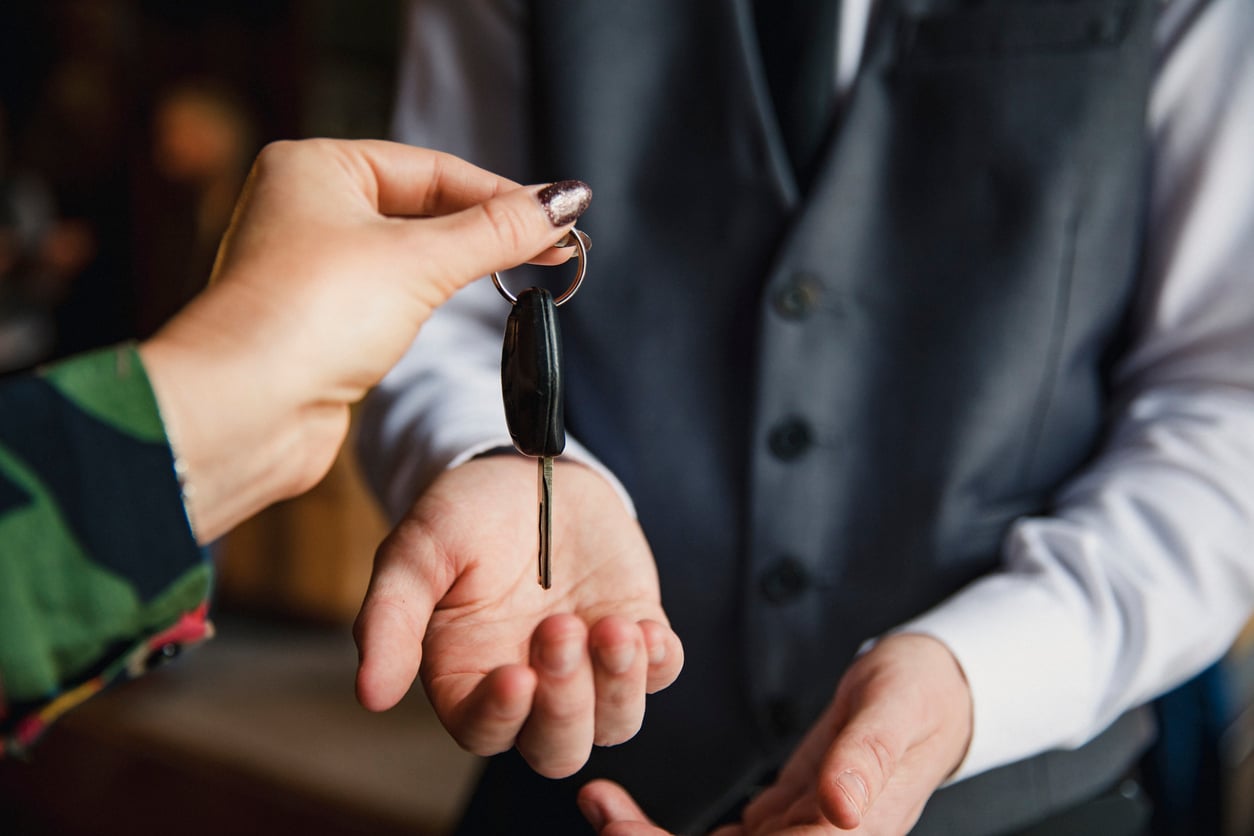
That affordable room rate might not look quite so appealing once you pull into the parking garage. Some hotels charge separately for self-parking, while others offer only valet service, which can add considerably to the cost of a multiday stay. Experienced travelers check the nightly parking rate, whether they can leave and return without additional charges, and how far the parking area is from reception. It’s also worth asking about vehicle height restrictions and accessible parking. A convenient parking arrangement can make a big difference, especially when traveling with luggage.
Whether the Entrance Looks Properly Maintained

You don’t need marble floors or an impressive fountain to recognize a well-maintained hotel. Working exterior lights, clear walkways, functioning entrance doors, and tidy grounds can tell you more than expensive decorations. A few fallen leaves or an older building aren’t reasons to worry, but broken fixtures, overflowing trash, or damaged steps deserve attention. Experienced travelers notice whether the property appears cared for before they even enter the lobby. These details don’t guarantee the rooms will be perfect, but they offer an early impression of how routine maintenance is handled.
Whether Someone Is Available at the Front Desk

Arriving after a long drive only to discover that reception closed an hour earlier isn’t anyone’s idea of a relaxing vacation. Some smaller hotels operate with limited front-desk hours or self-service check-in, which can work perfectly well when guests receive clear instructions. The important question is what happens if something goes wrong. Experienced travelers look for posted reception hours, an after-hours contact number, and a reliable way to reach someone for urgent assistance. A hotel doesn’t need round-the-clock staffing, but guests should know how to get help.
Whether the Final Charges Match the Reservation

A quick look at the check-in paperwork can prevent an unpleasant surprise at checkout. Experienced travelers compare the room rate, number of nights, taxes, and additional charges with their booking confirmation. Since May 2025, federal rules have required covered U.S. hotels to display the total price, including mandatory resort fees, upfront, although government taxes and optional services may be listed separately. That doesn’t mean every charge is included in the advertised room rate. If something looks unfamiliar, ask for an explanation before accepting the bill.
How the Staff Responds When Something Goes Wrong
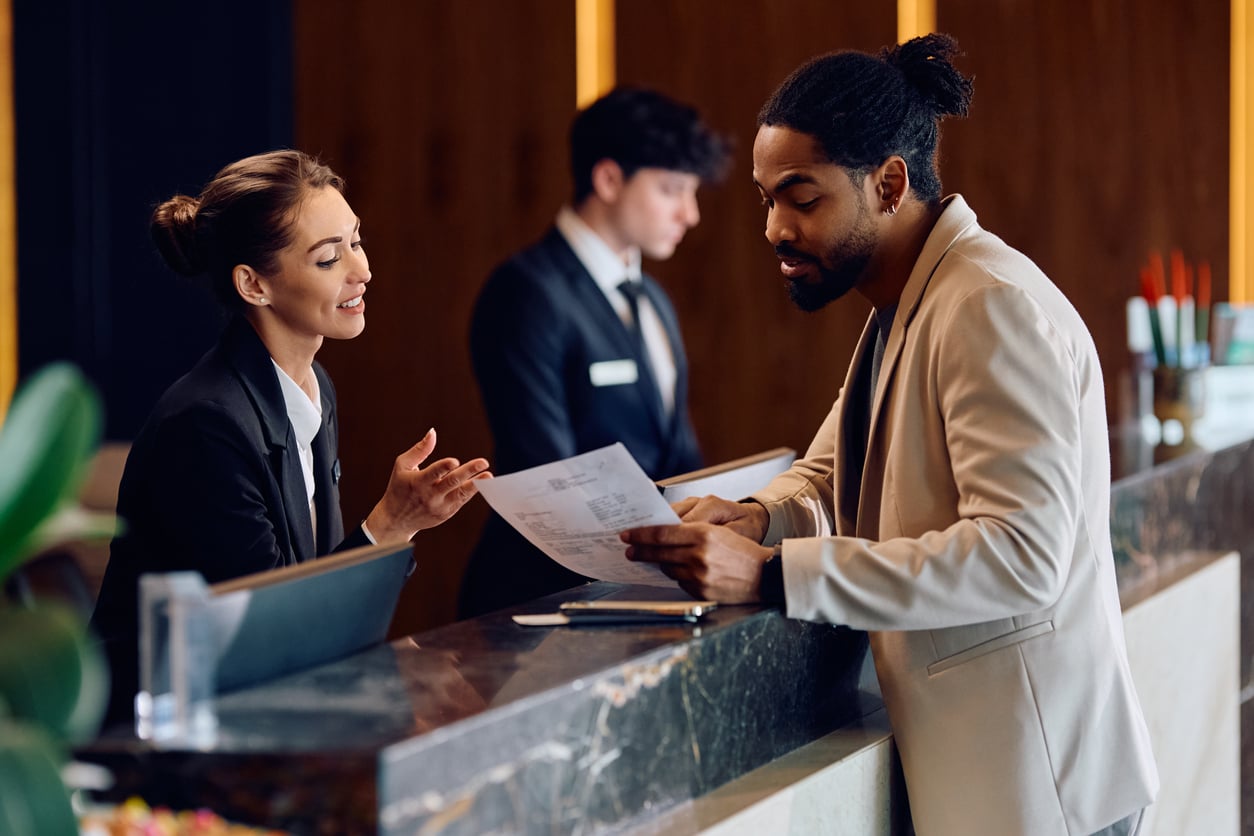
Even a well-run hotel occasionally loses track of a request or has a room that isn’t ready on time. What matters is how employees handle the situation. Do they explain the delay, offer a reasonable solution, or leave guests wondering what’s happening? Experienced travelers pay attention to whether staff communicate clearly and follow through on promises. A long check-in line during a busy afternoon isn’t necessarily a warning sign, but dismissive answers or repeated confusion can make travelers wonder how larger problems would be handled.
Trending on Cheapism


Whether the Lobby and Public Restrooms Are Clean

The lobby might have beautiful furniture and fresh flowers, but experienced travelers also notice the less glamorous details. Are the public restrooms reasonably clean? Are trash cans overflowing? Do spills or dirty tables appear to have been ignored? A busy hotel can get messy during a conference or a rush of arrivals, so one untidy corner doesn’t tell the whole story. Still, repeated signs of neglect in shared spaces may raise questions about housekeeping standards elsewhere. Cleanliness matters more than fancy decorations, especially when you’re paying for a comfortable stay.
Whether There’s a Large Hold on Their Credit Card
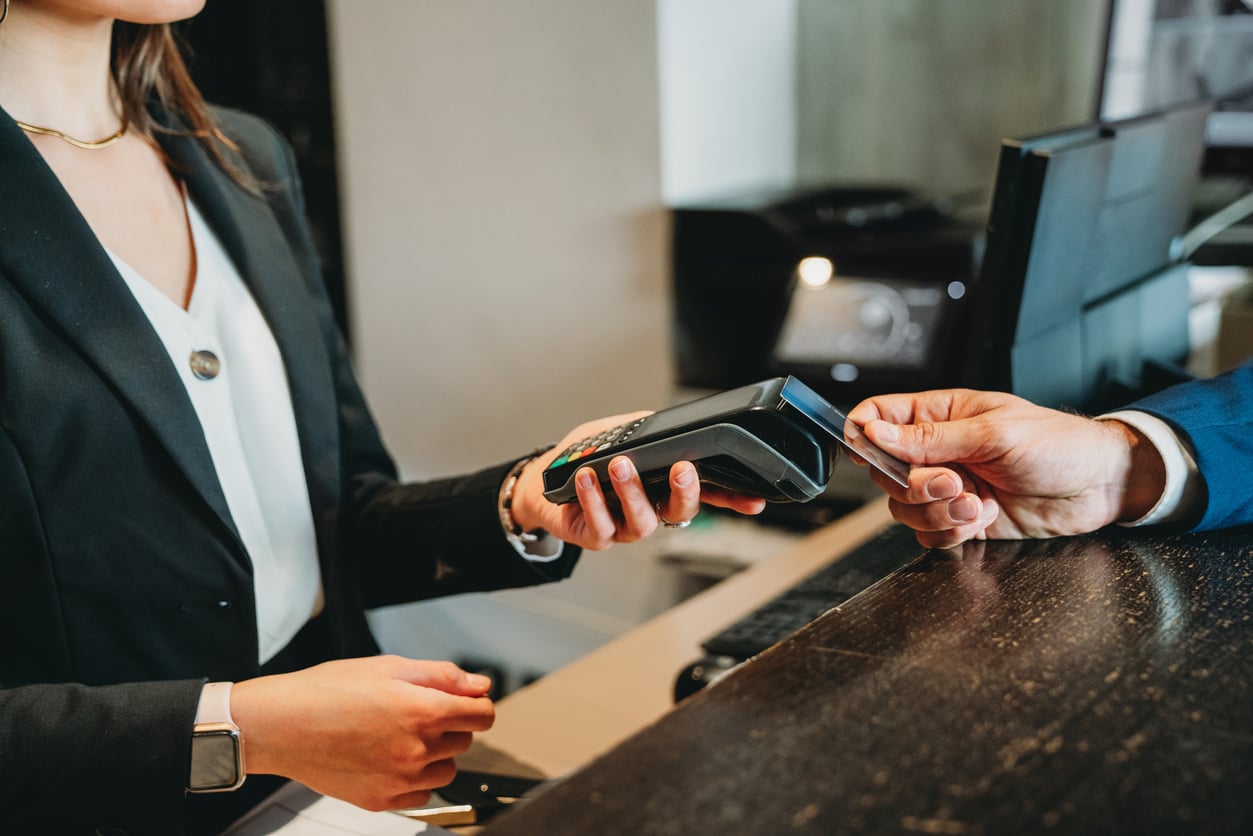
Even when you’ve prepaid for your room, the front desk may ask for a credit card to cover incidentals. Hotels often place temporary authorization holds for potential expenses such as meals, parking, or room charges. The amount varies by property, and the hold may remain pending after checkout while the bank processes its release. This can be particularly inconvenient when using a debit card because it reduces available funds. Experienced travelers ask about the amount before check-in and consider using a credit card when possible.
Whether the Advertised Amenities Are Actually Open

That indoor pool might have been the reason you booked the hotel, but what if it’s closed for renovations? Restaurants, fitness centers, airport shuttles, and other advertised amenities aren’t always available exactly as expected. Experienced travelers confirm the status of anything important to their stay before heading upstairs. They also ask about operating hours, reservation requirements, and additional charges. A temporarily closed gym might not matter to everyone, but discovering that the only restaurant is shut can be frustrating when you’ve arrived hungry after a long journey.
Sign up for our newsletter
Whether the Lobby and Entrances Feel Secure

A hotel lobby should feel welcoming, but guests also want to know that strangers can’t wander freely into private areas. Experienced travelers notice whether staff are easy to identify, whether guest elevators require key cards, and how entrances are managed after dark. Not every property needs the same security arrangements, and a small inn may operate differently from a large city hotel. Still, poorly lit entrances or doors that don’t close properly are worth mentioning. The goal isn’t to find a fortress, just a place where reasonable precautions are taken.
Whether the Elevators and Accessible Routes Actually Work
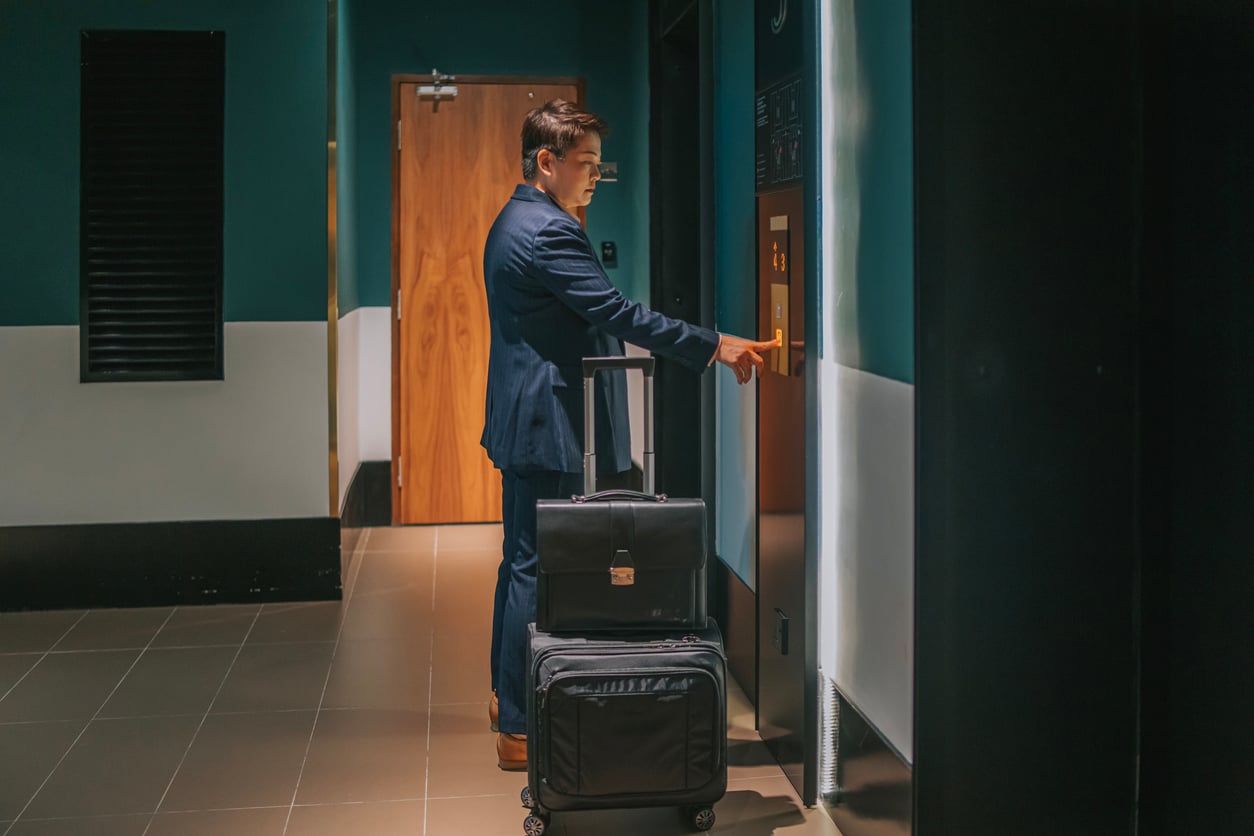
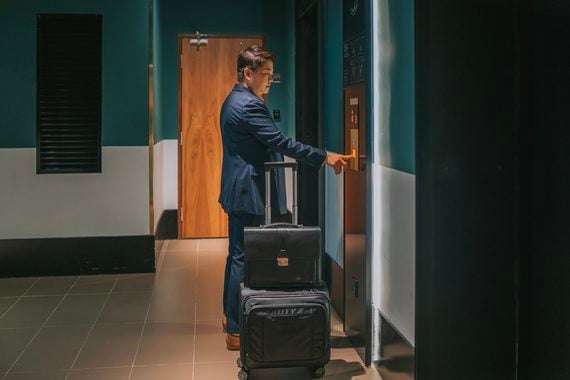
A beautiful lobby won’t mean much if reaching your room involves climbing several flights of stairs with heavy luggage. Experienced travelers check whether elevators are operating and whether the route from parking to reception and guest rooms is manageable. This is particularly important for anyone using a wheelchair, walker, or other mobility aid. If an accessible room was reserved, it’s worth confirming that its required features are available. Even travelers without mobility limitations may appreciate knowing about long hallways, multiple buildings, or unexpected staircases before heading upstairs.
Whether Emergency Exits Are Easy to Find
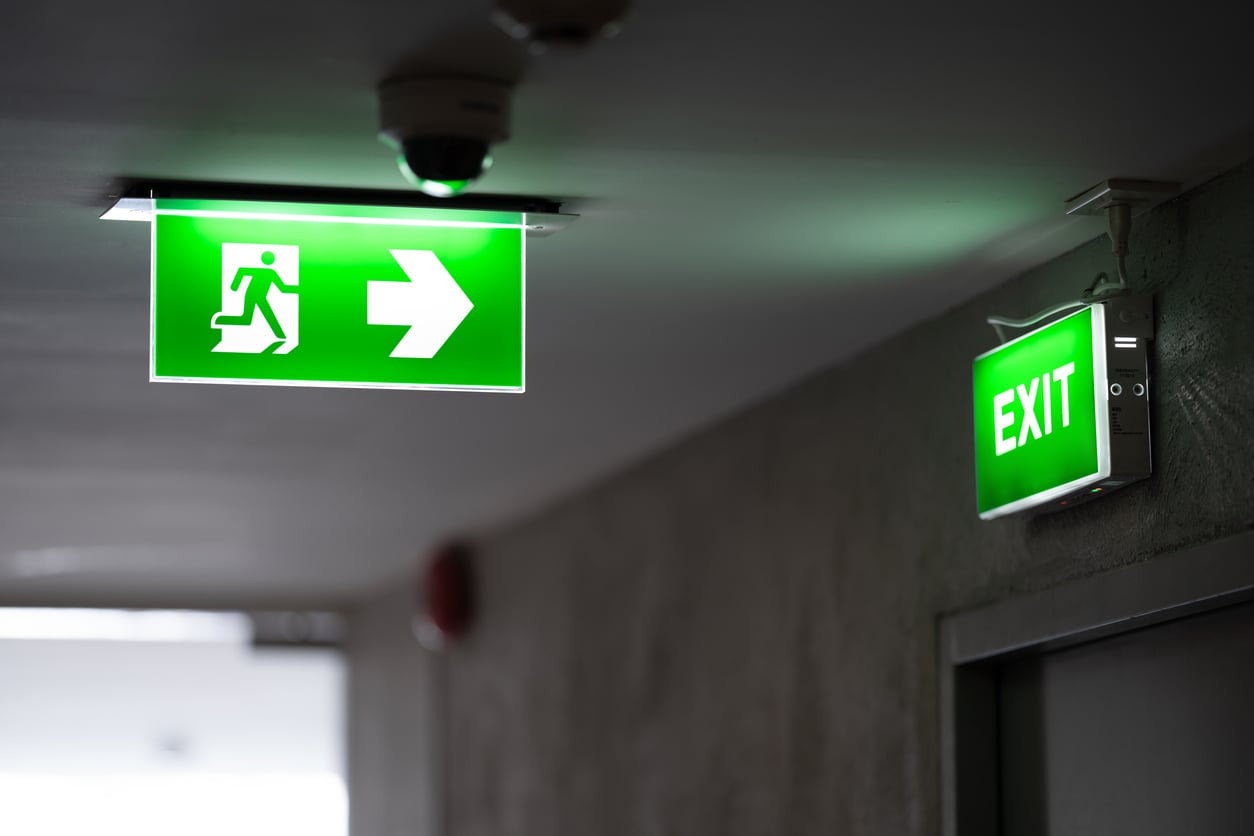
Most people don’t think about emergency exits until something goes wrong, but experienced travelers often take a quick look at the building’s layout. Are stairwells clearly marked? Are exit signs visible? Do hallways appear free of obstructions? The U.S. Fire Administration recommends identifying the two nearest exits from your room and reviewing the evacuation plan. You can start noticing stairwell locations while walking through the hotel, then confirm the nearest routes once you reach your floor. It’s a small precaution that takes very little time.
Whether Their Room Is Near a Noisy Area

Nobody wants to discover at midnight that their room is beside an ice machine, elevator, or busy event space. Before accepting the room assignment, experienced travelers may ask about nearby construction, scheduled weddings, or other possible noise sources. Rooms facing busy streets or overlooking entertainment areas can also be less peaceful than expected. Of course, a quiet room isn’t always available, especially when the hotel is full. Still, asking before heading upstairs gives the front desk a chance to suggest a better location when possible.