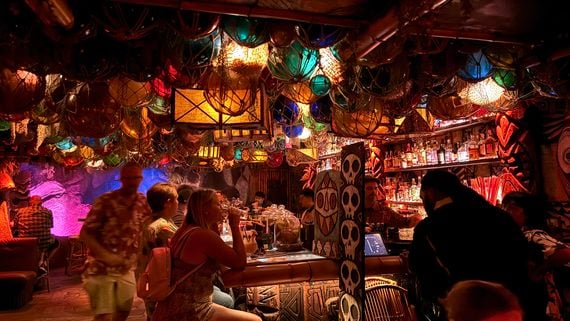
Remember when cruising meant dressing up for dinner, enjoying elaborate midnight buffets, and sitting at the same table every evening? Over the past 50 years, cruise ship experiences have changed dramatically, with today’s vessels offering everything from water parks to specialty restaurants and smartphone-controlled conveniences. As Cruise Critic highlights, longtime passengers have witnessed plenty of changes, and not all of them are universally loved. From smaller ships with traditional service to massive floating resorts, here’s how cruising has evolved over the decades.
Cruise Ships Have Become Enormous Floating Resorts
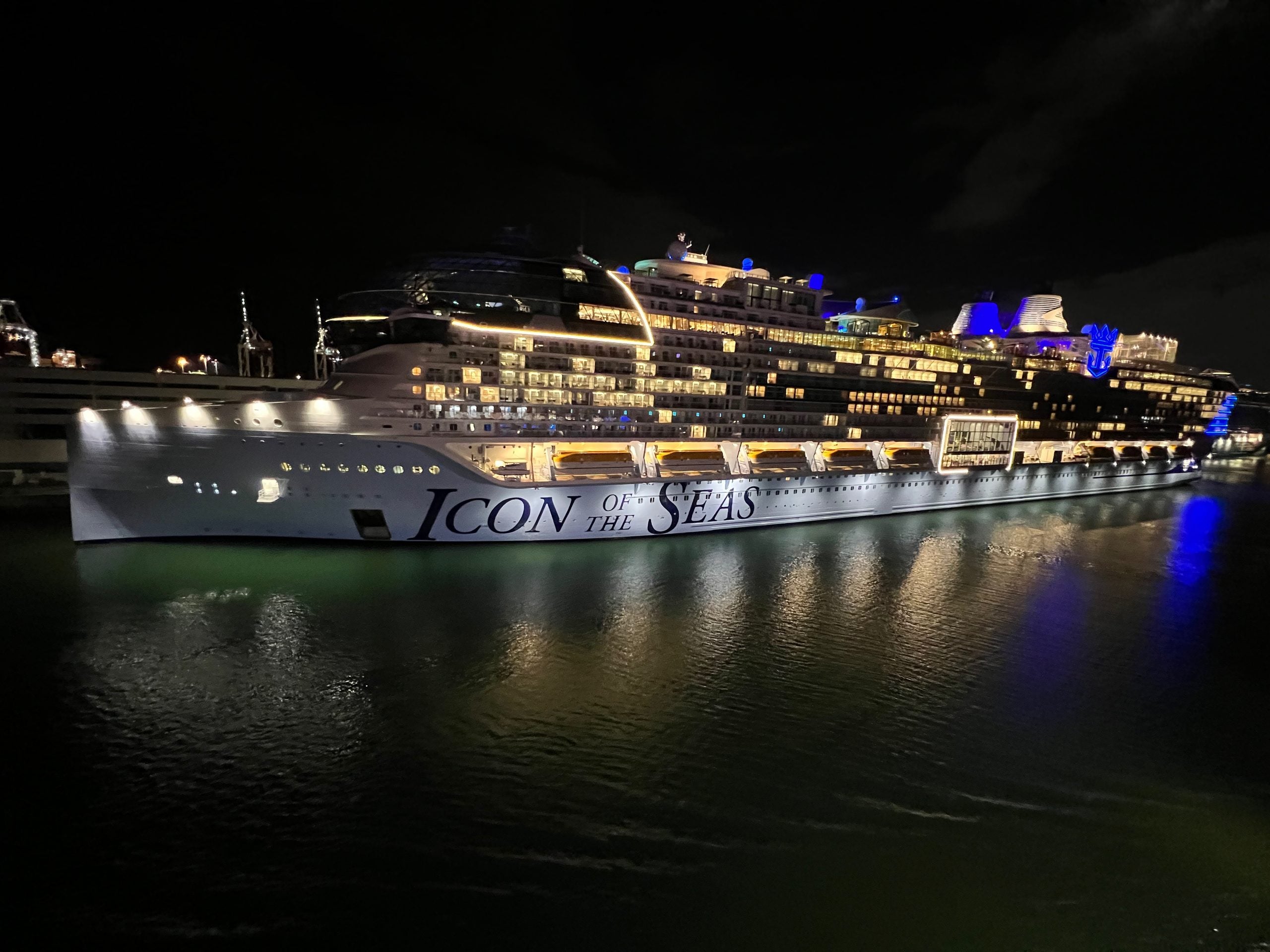
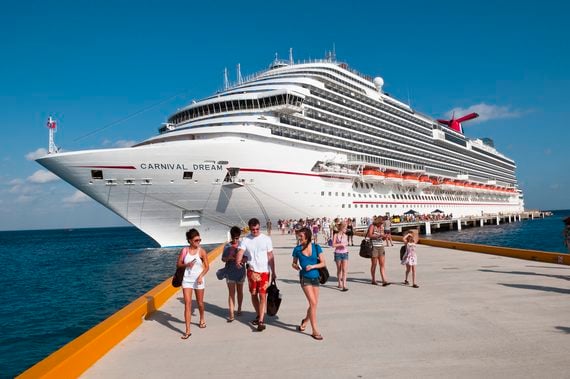
Cruise ships in the 1970s were generally much smaller than today’s floating resorts, with fewer passengers and simpler onboard facilities. Now, Royal Caribbean’s Icon of the Seas can accommodate up to 7,600 guests and features everything from water slides to multiple entertainment venues. It’s a completely different vacation from the days when a swimming pool and a lounge were major attractions. Bigger ships offer more activities, but they also mean more people competing for pool chairs, restaurant reservations, and space at popular attractions.
Dinner No Longer Means Sitting at the Same Table Every Night
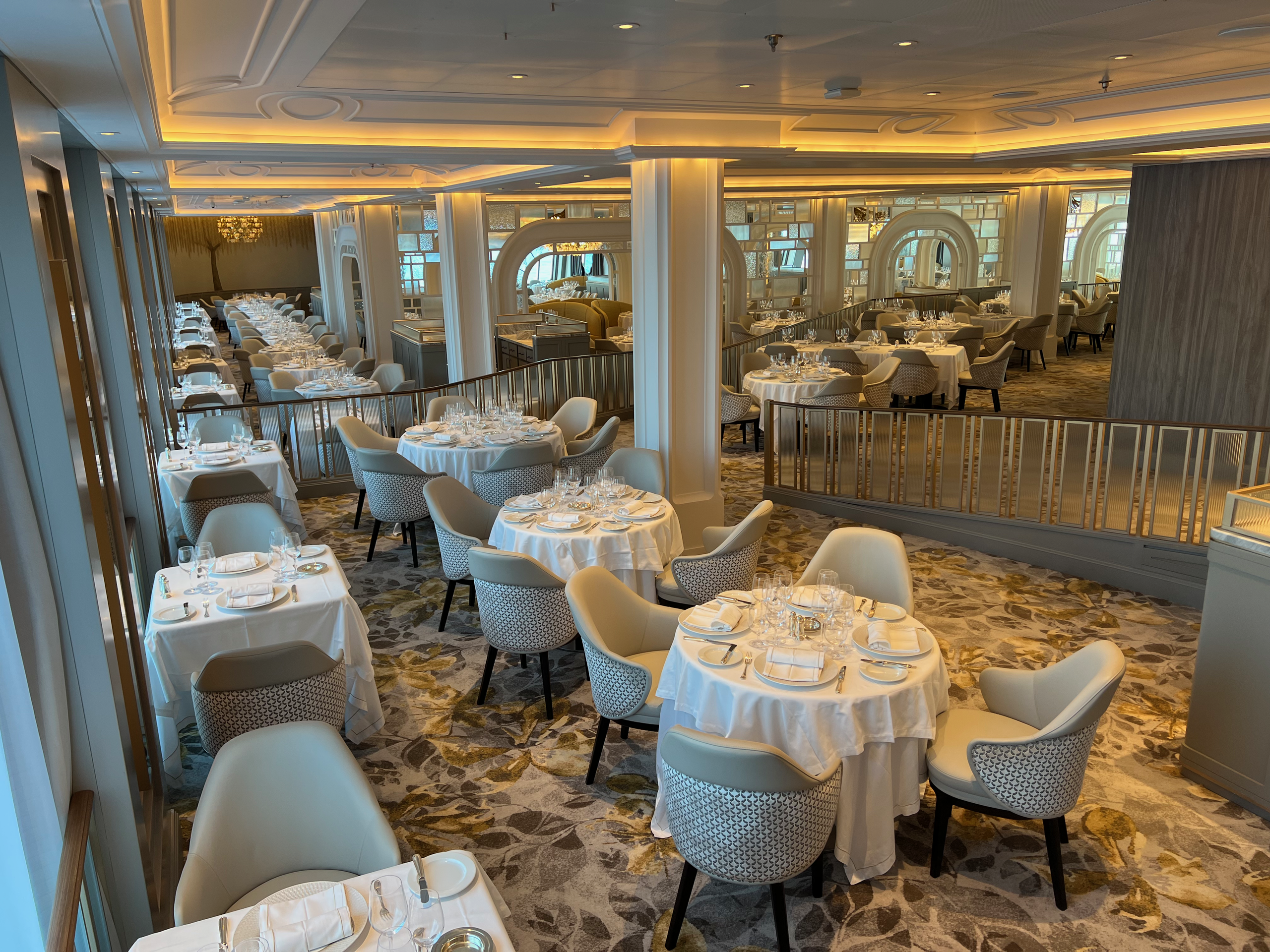
For decades, cruise passengers were assigned a dining time, table, and often the same waitstaff throughout their voyage. It was a tradition that helped strangers become friends over dinner. Today, many cruise lines offer flexible dining, allowing passengers to choose when and where they eat. Royal Caribbean’s My Time Dining, for example, lets guests select their preferred dinner schedule. The freedom is convenient, but reservations may still be necessary, and longtime cruisers sometimes miss the familiar faces and personal service that came with traditional seating.
Formal Nights Have Become Much More Relaxed

Packing for a cruise once meant making room for tuxedos, evening gowns, and dress shoes. Formal nights were a major occasion, with passengers dressing up for dinner and photographs. These days, mainstream cruise lines generally take a more relaxed approach, with smart-casual clothing accepted in many dining venues. Royal Caribbean still offers formal evenings, but dressing up is largely a personal choice. Travelers who enjoy the old-fashioned elegance can still find it, while those who prefer lighter luggage have fewer reasons to pack an entire evening wardrobe.
Cruise Cabins Now Come With Modern Technology
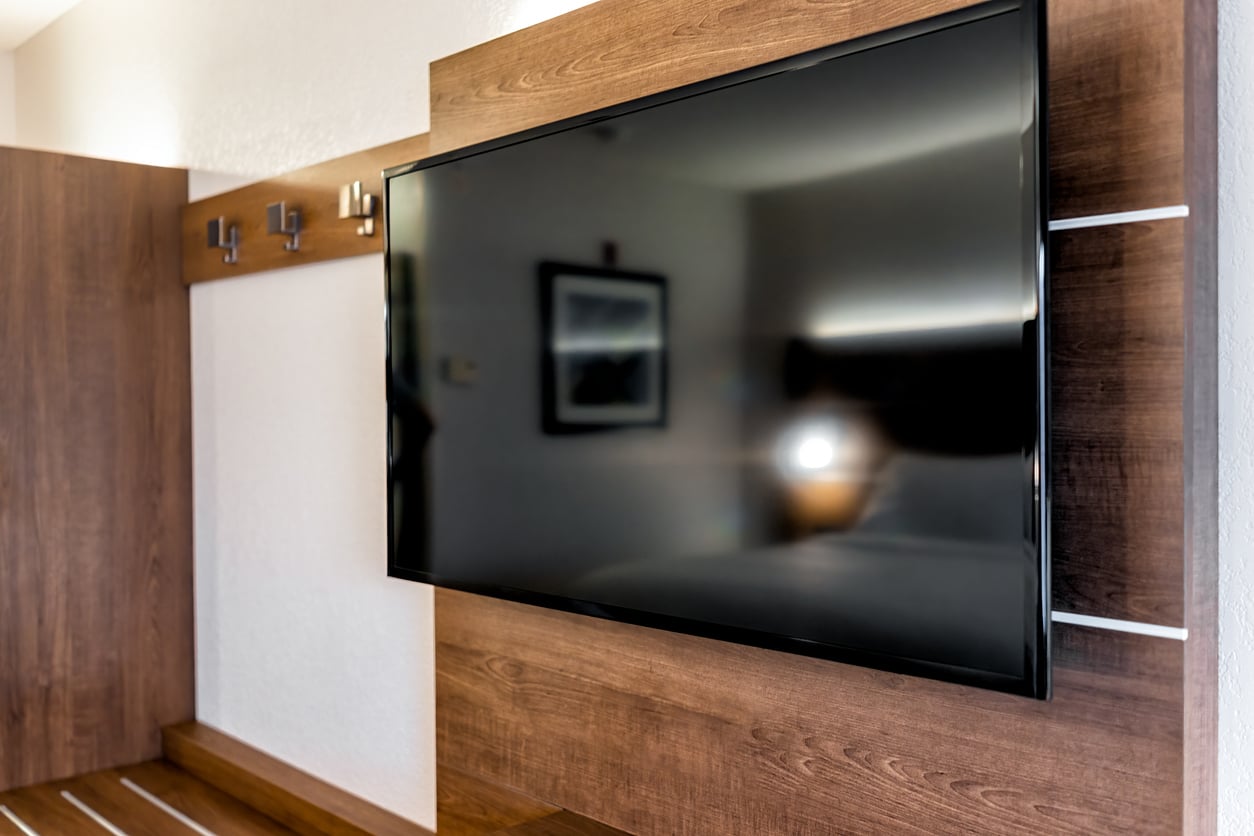
A cruise cabin in the 1970s was mostly a place to sleep, shower, and store your suitcase. Today’s staterooms may feature flat-screen televisions, USB charging ports, digital controls, and interactive services that make everyday tasks easier. On some ships, passengers can even manage parts of their stay through a smartphone. These conveniences are useful, especially for keeping track of schedules and reservations. However, technology varies considerably between ships, and older vessels may have fewer charging outlets or updated features than travelers expect.
Private Balconies Are No Longer Reserved for a Lucky Few
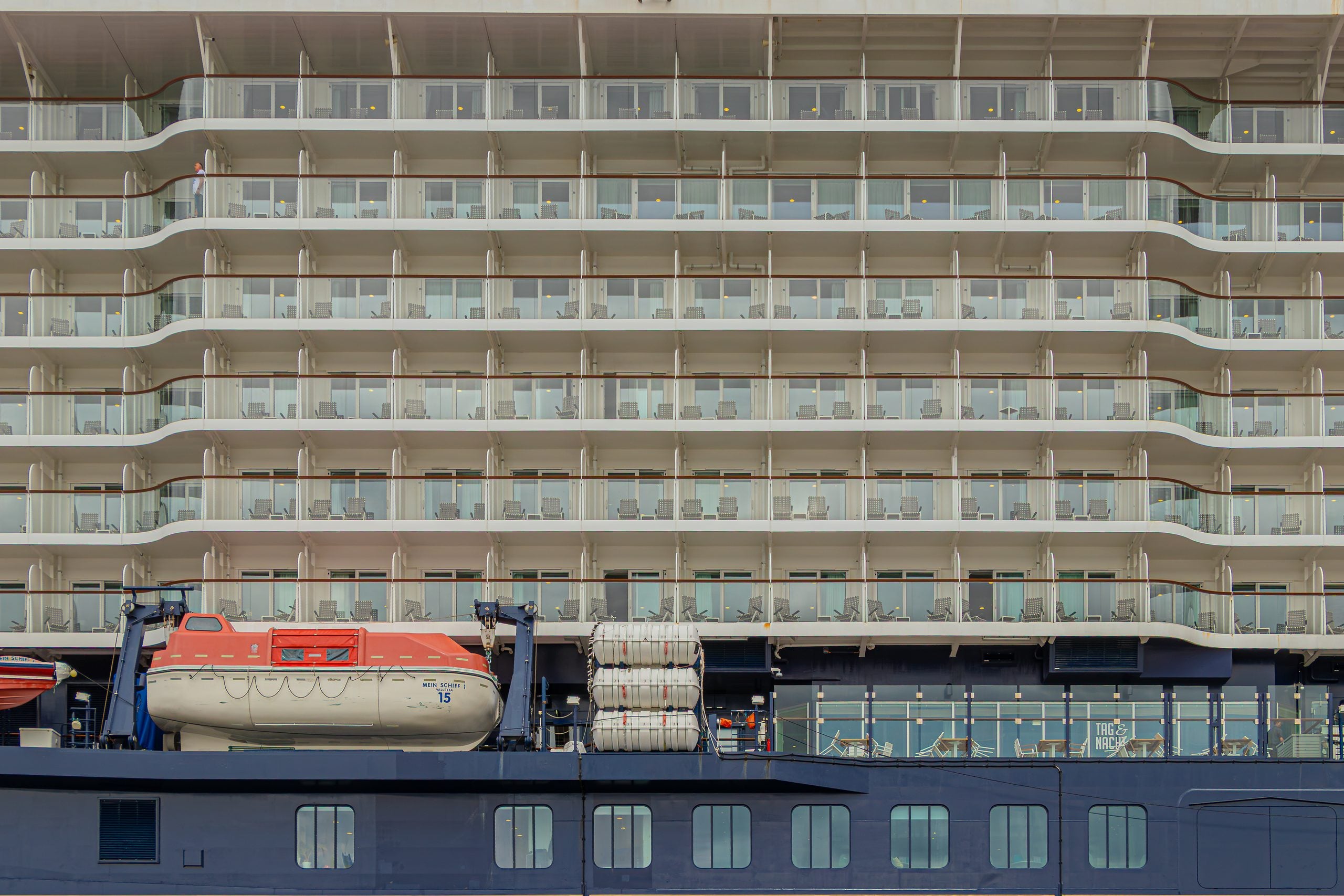
Fifty years ago, most cruise passengers had to visit a public deck to enjoy fresh sea air and an uninterrupted ocean view. Private balconies were uncommon, particularly outside expensive suites. Today, many modern ships have entire rows of balcony cabins, giving more travelers the option of enjoying breakfast or watching the coastline from their own outdoor space. The extra privacy can be wonderful, but balcony rooms still cost more than interior cabins. On cold-weather itineraries or busy sightseeing trips, that upgrade may not be worth the difference.
Trending on Cheapism
Entertainment Has Gone Far Beyond Lounge Singers

Cruise entertainment used to revolve around live bands, cabaret acts, dancing, and variety shows. Those traditions haven’t disappeared, but modern ships offer spectacles that would have seemed extraordinary decades ago. Royal Caribbean features professional ice-skating performances, elaborate diving shows, and large theatrical productions on select vessels. Some ships even have surf simulators and climbing walls. There’s certainly more to do, although not every attraction is included in the fare. Popular performances may also require advance reservations, particularly on the biggest ships.
Specialty Restaurants Have Changed What Your Fare Covers
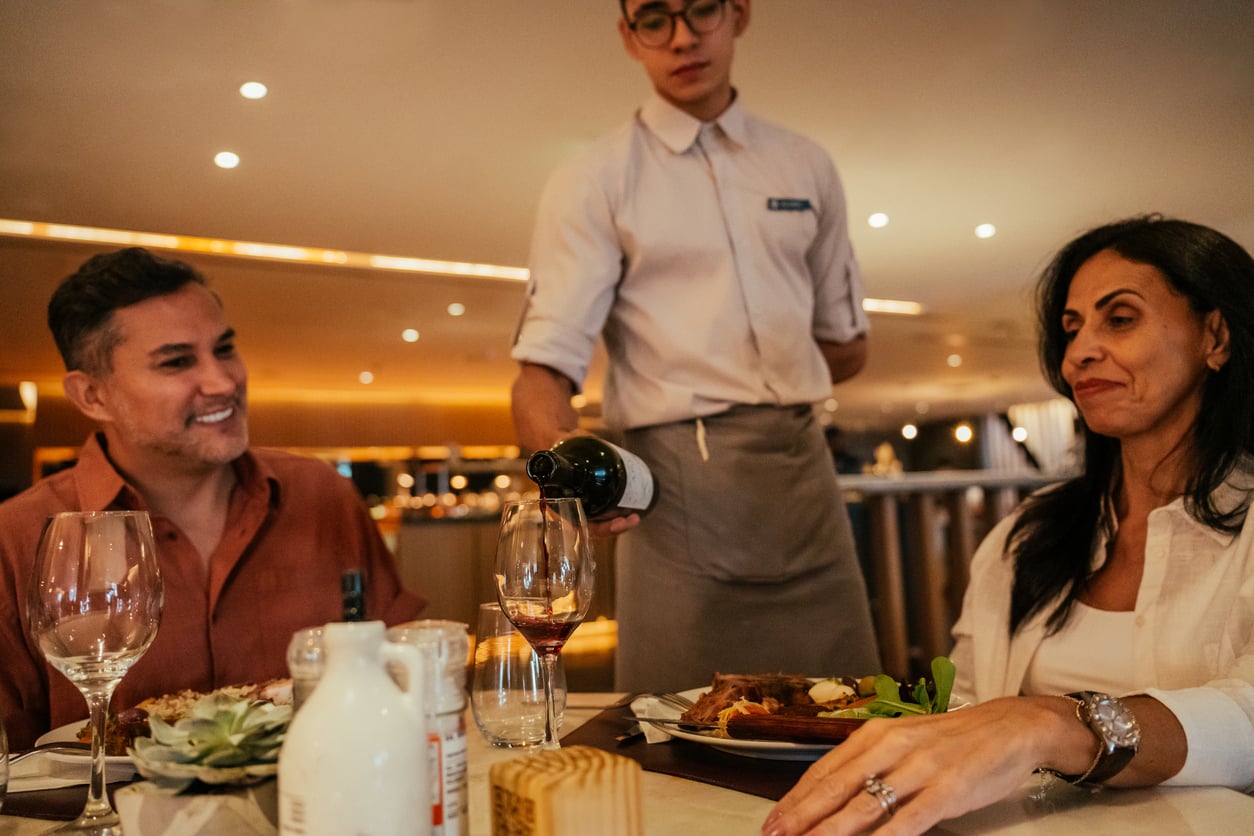
In the early days of modern cruising, most passengers ate in the main dining room, where meals were part of the vacation package. Today, ships may offer steakhouses, sushi restaurants, seafood venues, and elaborate tasting menus, often for an additional charge. The extra choice is appealing, especially for travelers celebrating something special. But those restaurant bills can quickly increase the cost of a supposedly affordable cruise. Complimentary dining still exists on mainstream ships, so checking what’s included before buying a specialty dining package can prevent unnecessary spending.
Elaborate Midnight Buffets Have Mostly Disappeared
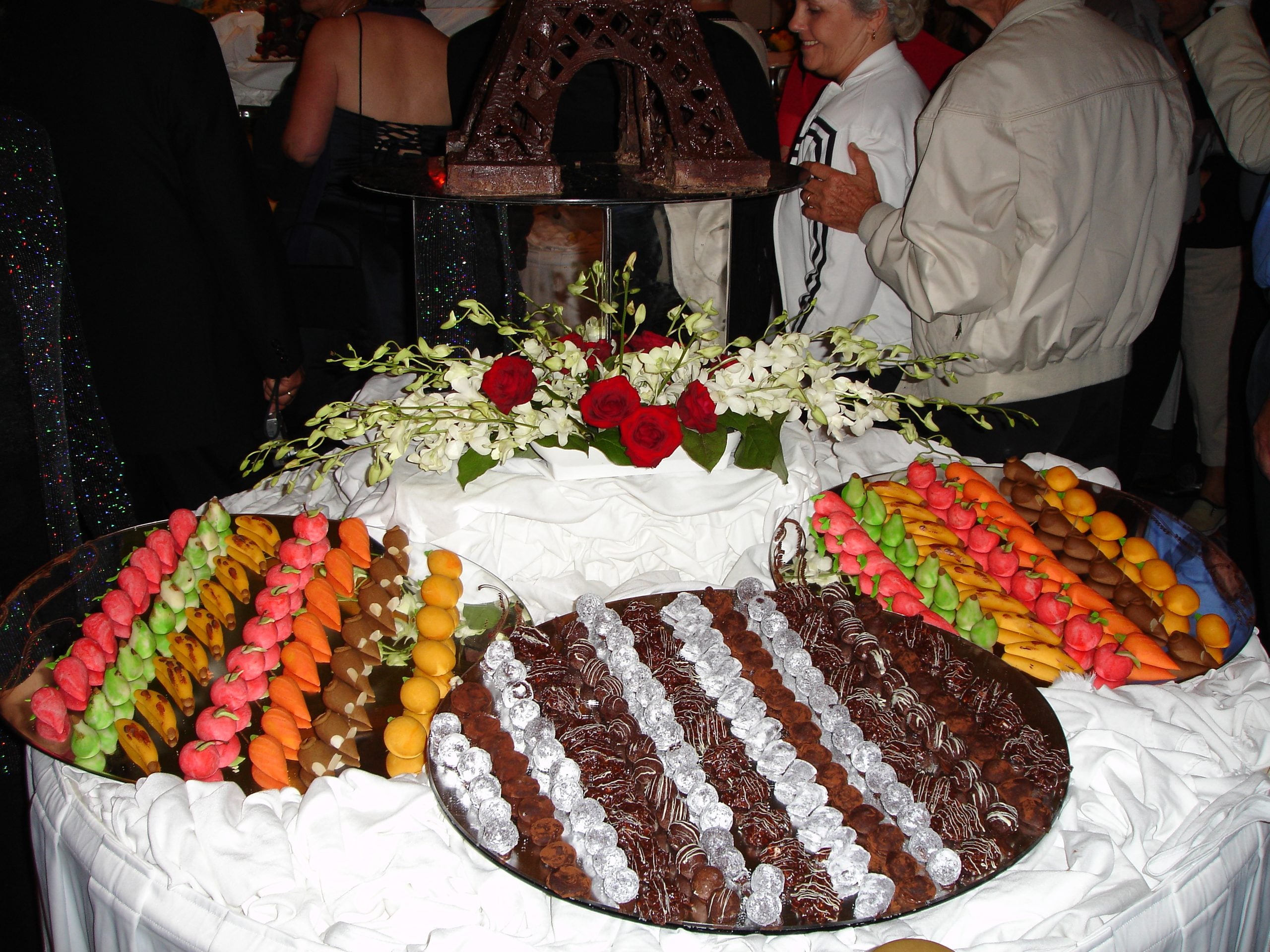
Longtime cruisers may remember the excitement of midnight buffets, when dining rooms filled with towering desserts, ice sculptures, carved fruit, and elaborate seafood displays. Some passengers even toured the buffet with cameras before anyone was allowed to eat. Those extravagant spreads have largely faded from mainstream cruising, replaced by more flexible dining hours and late-night snacks. The change offers greater convenience, but something of the old spectacle has been lost. Travelers who remember those grand displays may find today’s grab-and-go pizza counters a little less memorable.
Sign up for our newsletter
Printed Schedules Have Given Way to Cruise Apps
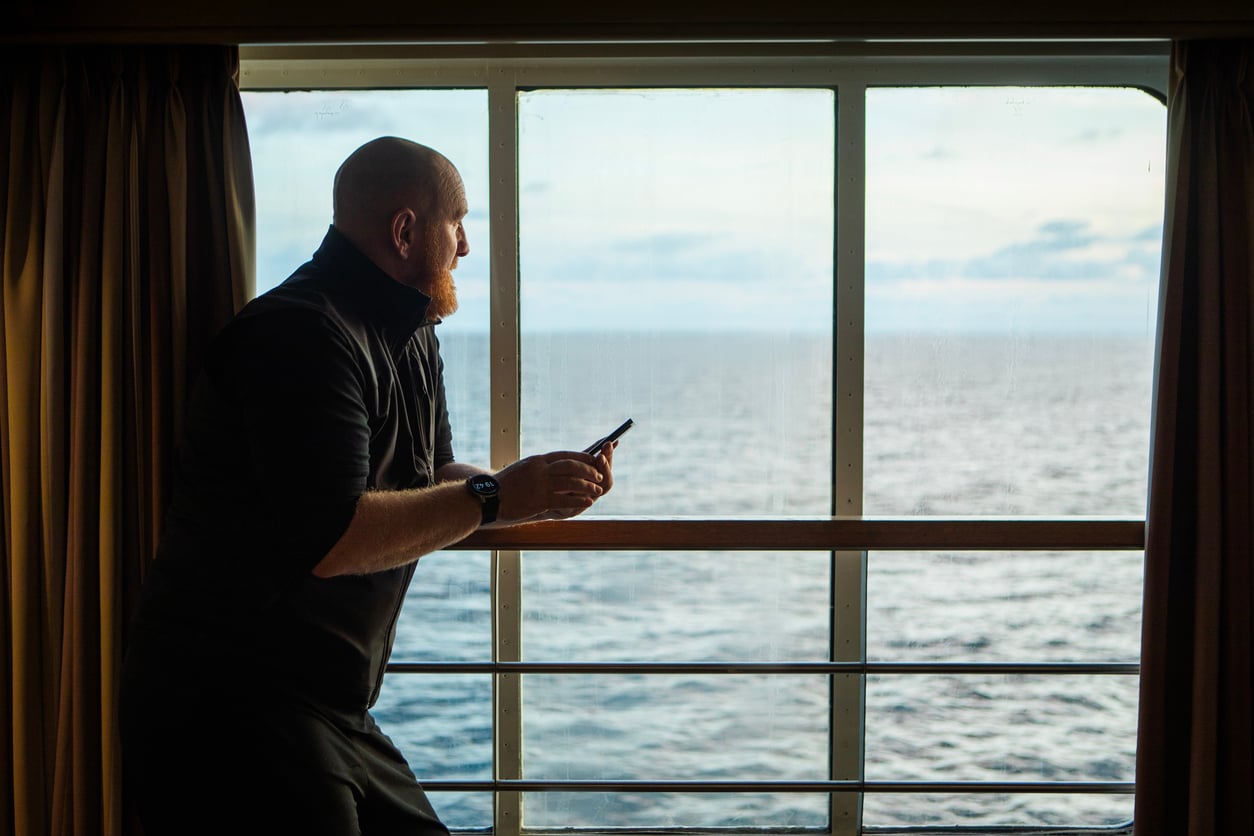
Remember checking a printed daily newsletter to find out when the evening show started or what time the ship reached port? Many passengers still appreciate those schedules, but today’s cruise apps put much of that information on a phone. Royal Caribbean’s app, for example, allows guests to browse activities, make dining reservations, check menus, and communicate onboard. It’s convenient, especially on large ships with packed schedules. The downside is that passengers who prefer disconnecting may feel pushed toward their phones, and printed alternatives vary by cruise line.
Cruise Destinations Have Expanded Far Beyond Familiar Routes
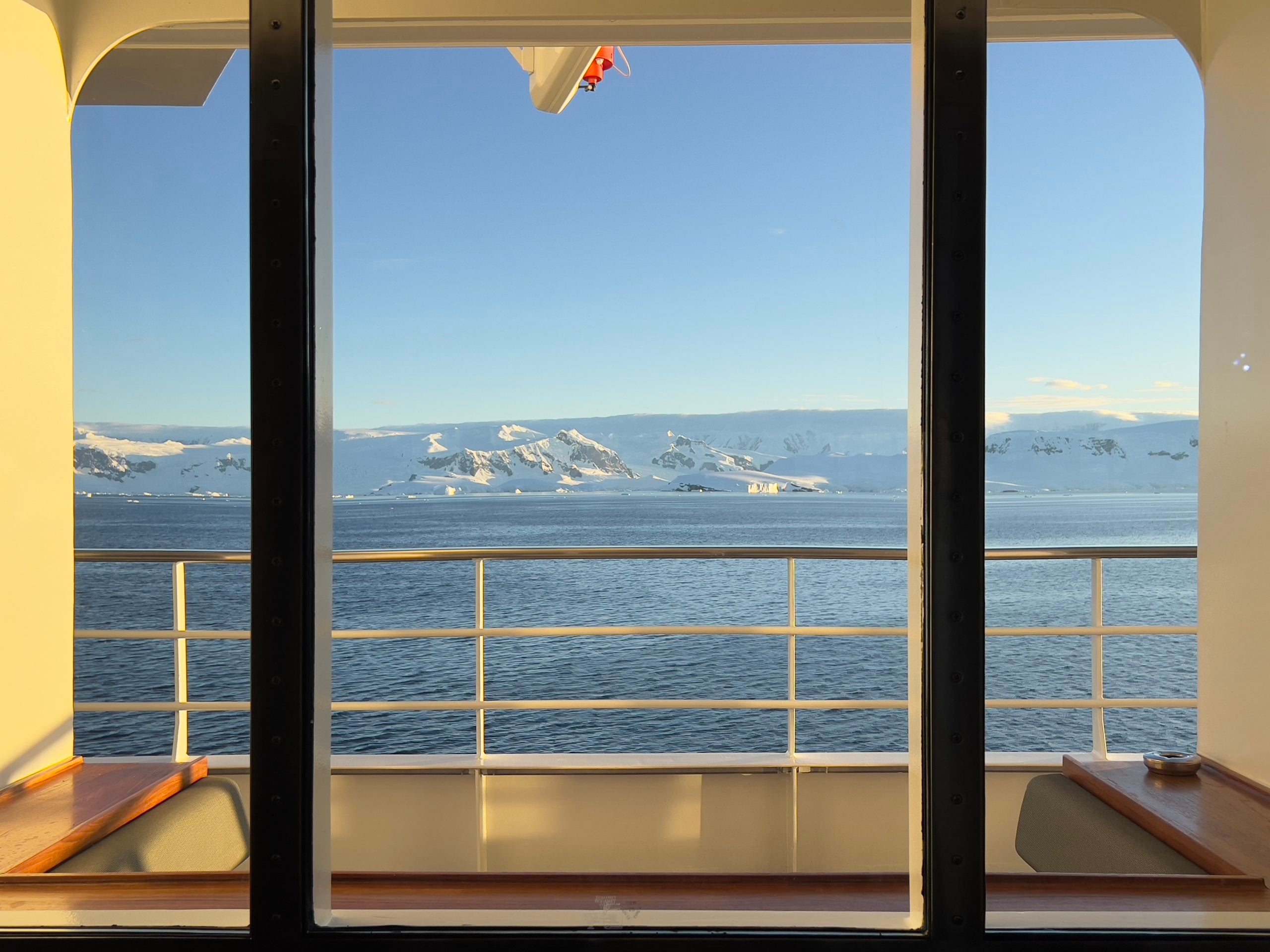
Caribbean islands and Mediterranean ports were popular cruise destinations decades ago, and they remain favorites today. But the range of voyages has expanded considerably. Travelers can now book expedition cruises to Antarctica, wildlife-focused journeys around the Galapagos Islands, and itineraries through remote parts of Asia. These trips offer experiences far removed from the traditional sunny-deck vacation. They’re not necessarily suitable for everyone, however. Expedition voyages can be expensive, and some involve small boats, uneven terrain, or other physical demands worth reviewing before booking.
Environmental Technology Has Become More Advanced
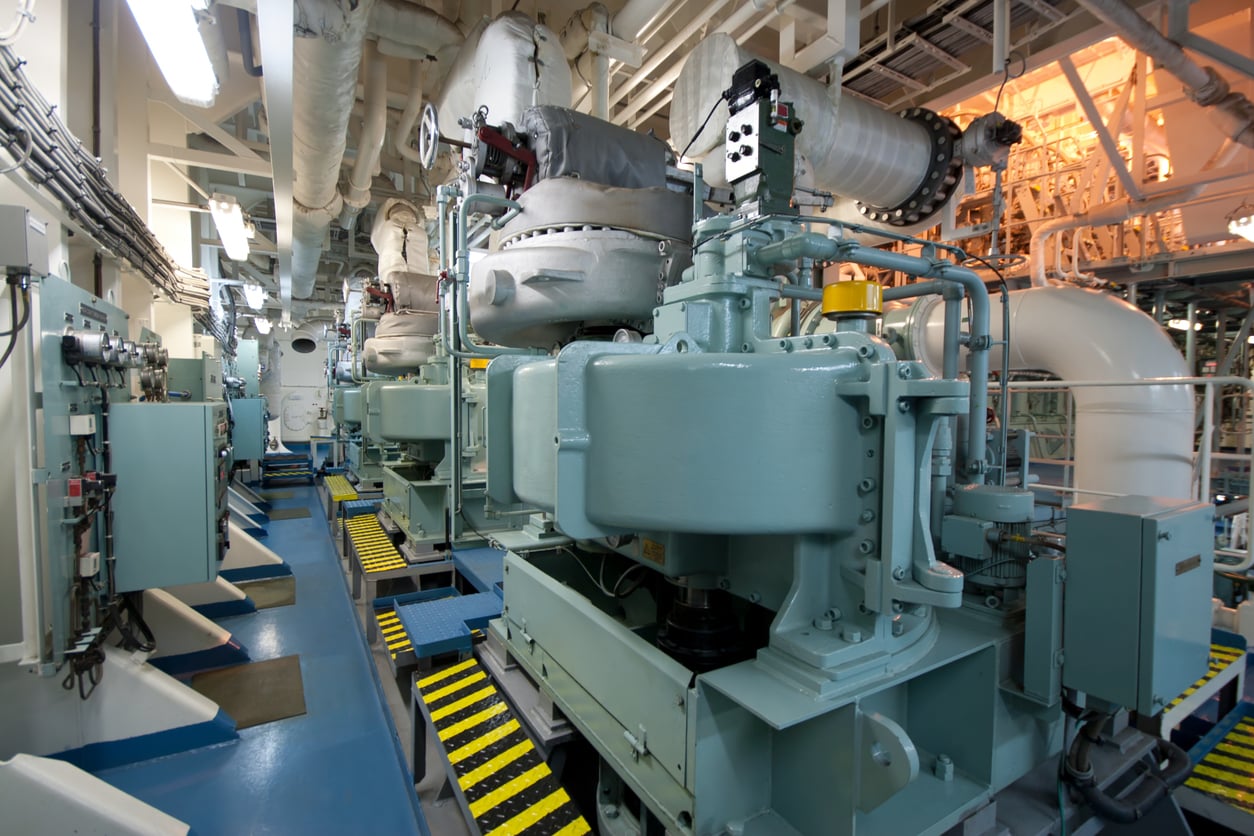
Cruise ships have changed behind the scenes as well. Modern vessels can use advanced wastewater treatment systems, equipment to reduce certain air pollutants, and technology that produces fresh water onboard. According to Cruise Lines International Association’s 2026 environmental reporting, 249 reporting ships had advanced wastewater treatment systems, a substantial increase from 2018. These improvements represent real technological progress, but they don’t eliminate cruising’s environmental impact. Large ships still consume considerable energy, and their emissions and effects on destinations remain important concerns.
Shore Excursions Have Become a Major Part of Cruise Planning
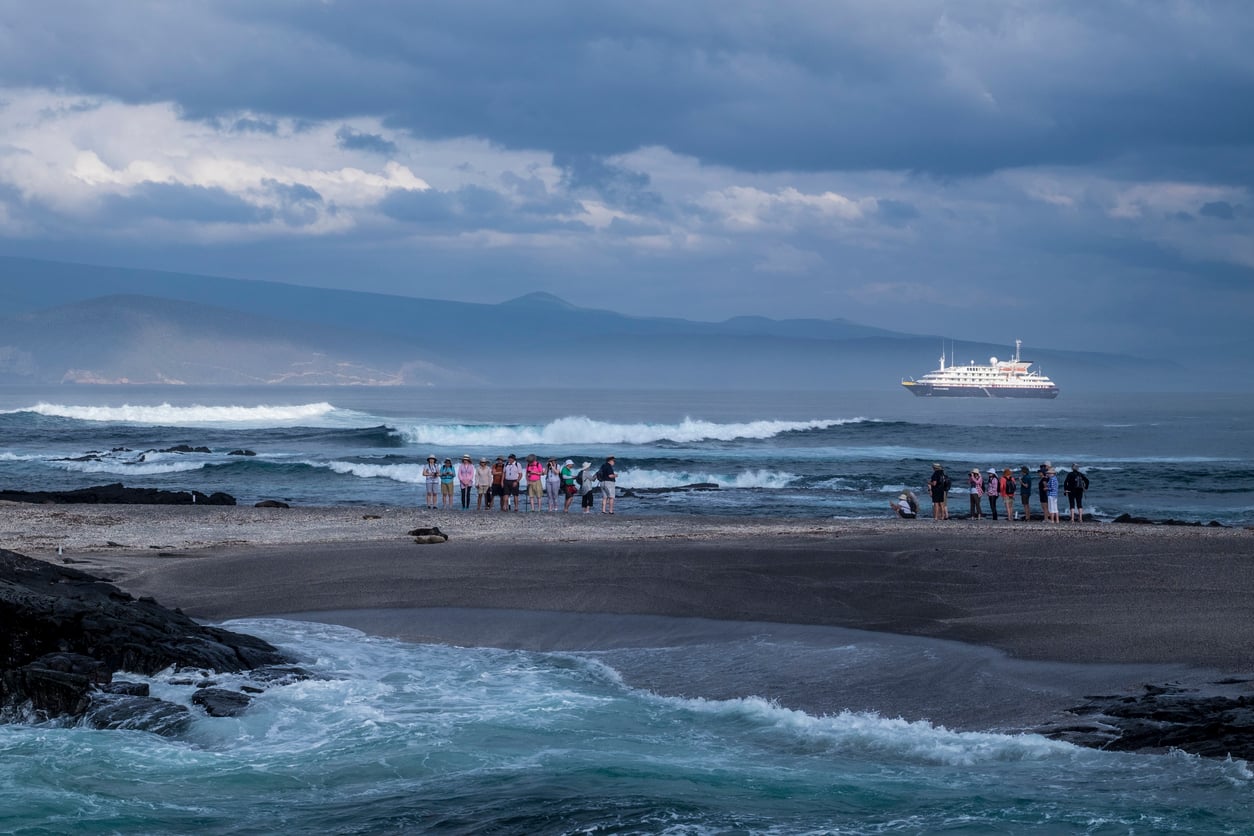
Port visits once centered on sightseeing tours, beach outings, and exploring independently. Those options remain, but modern cruise lines offer everything from cooking classes and wildlife excursions to helicopter rides and private beach experiences. Booking activities in advance can make planning easier, although the additional costs can surprise travelers. Independent tour operators may offer smaller groups or better value, but there’s an important catch: If an independently booked excursion runs late, the ship generally isn’t required to wait. Comparing prices, schedules, and cancellation terms is essential.