
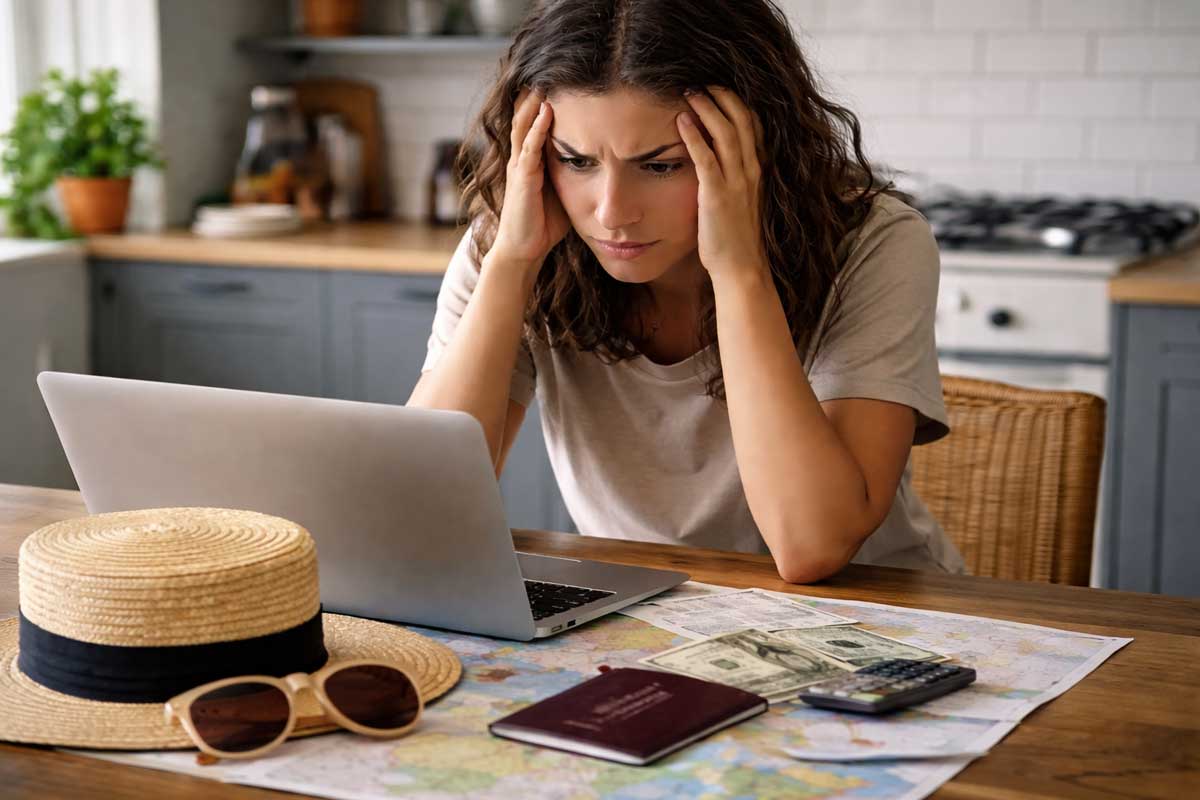
Traveling prices have made it harder for a lot of middle-class Americans to say yes to a trip in 2026. Flights cost more, hotels add extra fees, meals are pricier, and small charges seem to pop up at every step of the trip. For many travelers, it is not just the final bill that feels frustrating. It is the constant feeling of being charged for things that used to be included. As a result, simple travel pleasures that once felt normal now feel more like splurges.
Cheap Last-Minute Flights
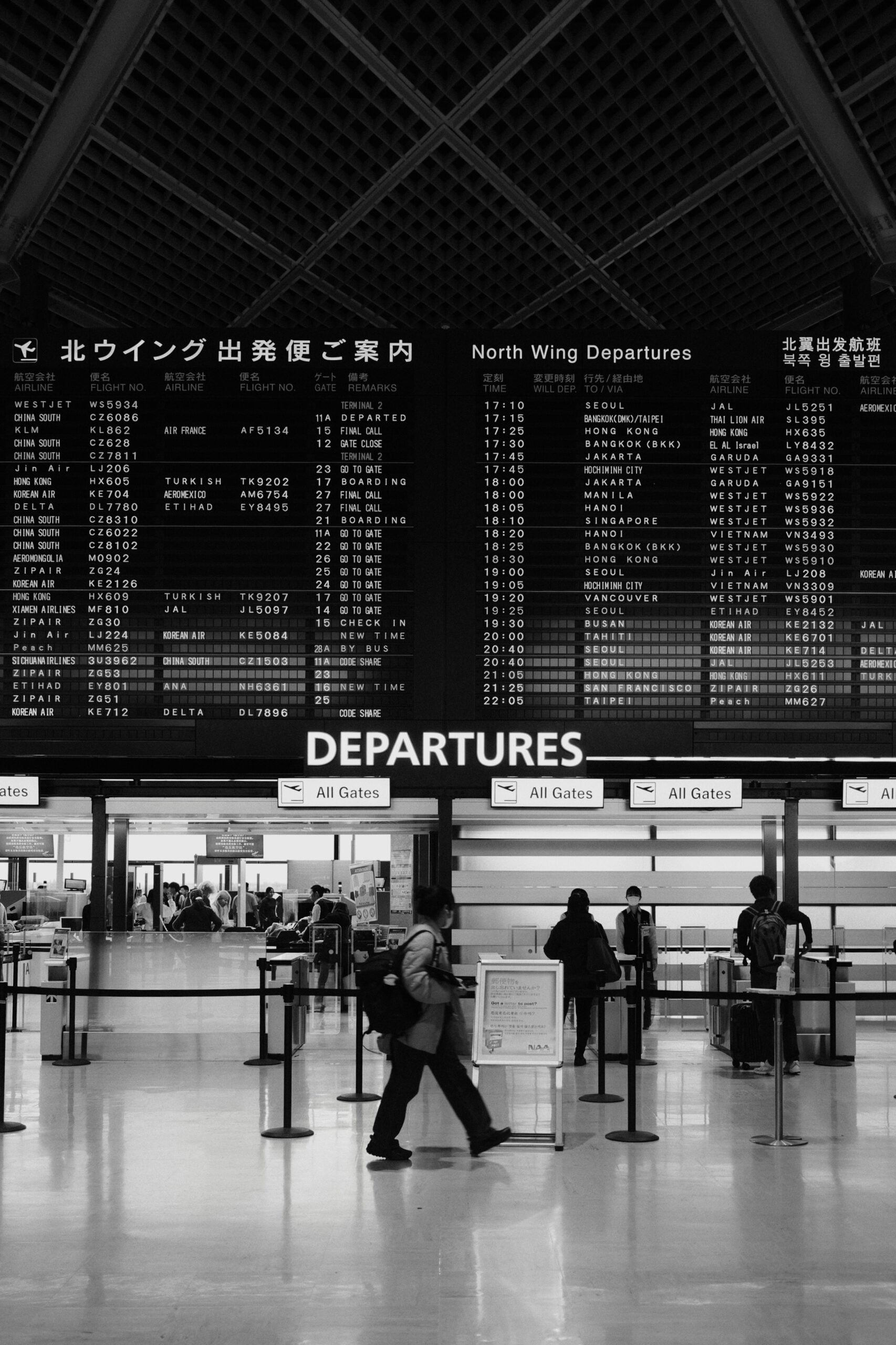
Last-minute flights used to feel like a fun travel trick, especially for people who were flexible and willing to grab whatever deal popped up. These days, that magic is a lot harder to find. Airlines adjust prices constantly based on demand, available seats, and timing, so waiting until the last second often means paying more, not less. A domestic round trip can easily land in the $350 to $600 range during busy seasons, and even budget airlines can lose their “cheap” appeal once carry-ons, checked bags, seat selection, and boarding extras are added. Spontaneous trips are still possible, but they do not feel nearly as carefree as they used to.
Family Beach Vacations
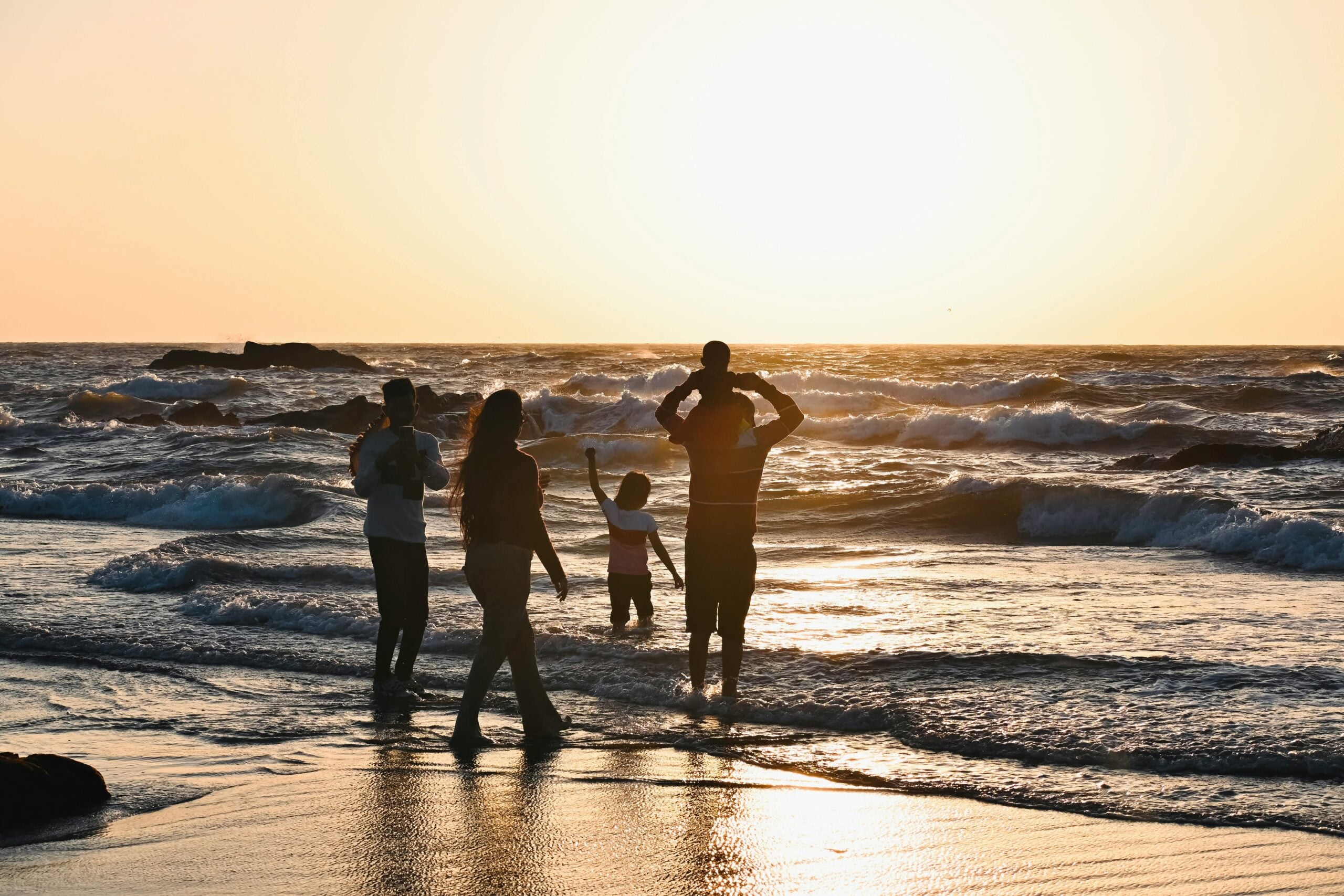
The classic family beach vacation used to feel like one of the simplest ways to make summer special. Pack the car, book a room, and spend a few easy days near the water. Now, even a basic beach trip can get expensive before anyone buys sunscreen. In popular coastal towns, summer hotel rates can climb into the $250 to $500-a-night range, and the extras add up quickly: parking, resort fees, beach chairs, umbrellas, restaurant meals, and snacks for the kids. Families still want the sand, water, and slow days outside, but more of them are looking for smaller regional beaches or driving instead of flying so the trip does not turn into a major financial hit.
Road Trips Without Stressing About Gas
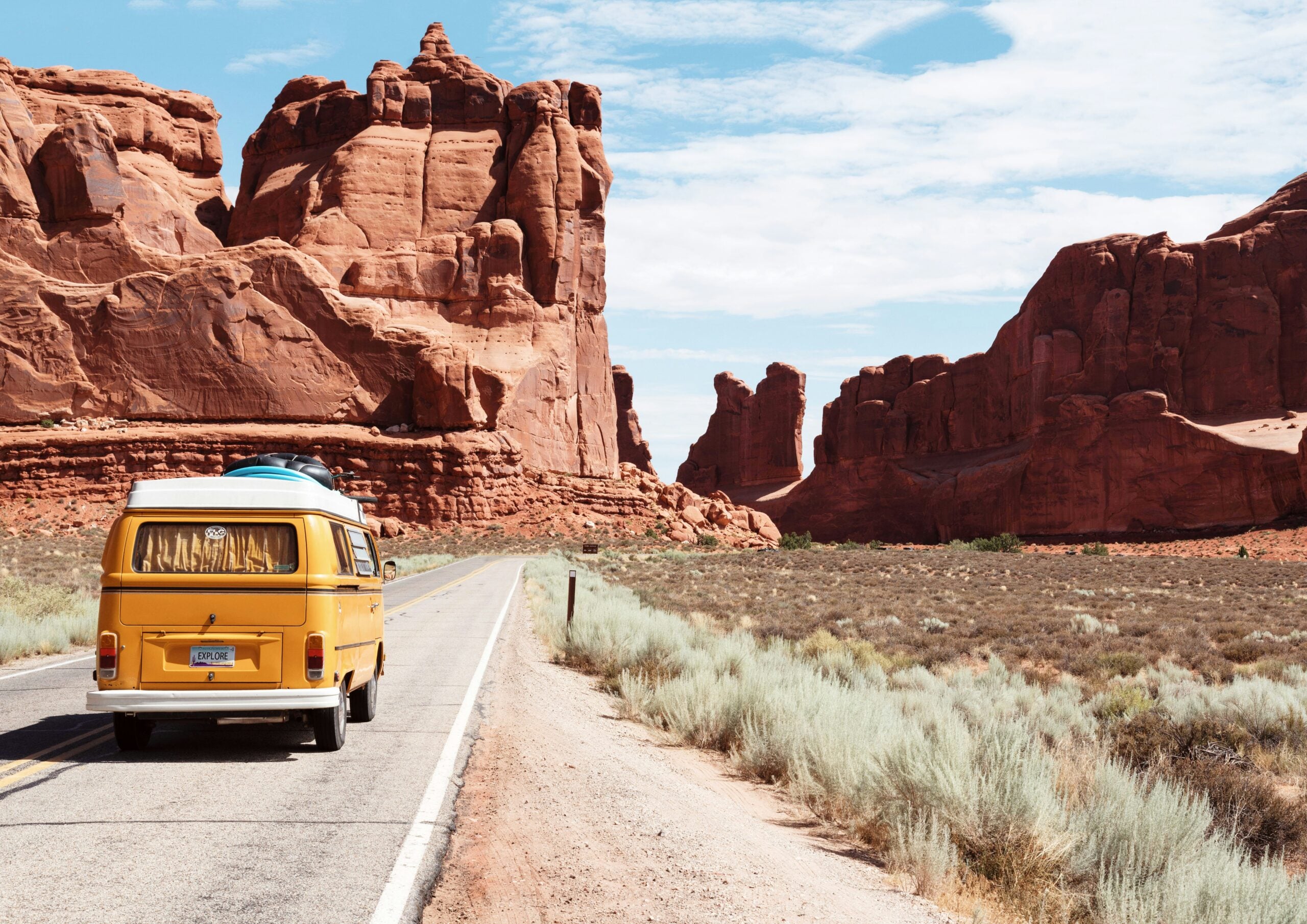
Road trips used to feel like the easy, flexible alternative to flying. Pack the car, pick a playlist, and head out. But now, even a simple drive can turn into a real budget decision. Gas is expensive, hotels cost more, and stopping for meals along the way adds up fast. In some parts of the country, filling a large SUV or truck can cost more than $100, and every overnight stop brings another bill. The open road still has its charm, but a lot of travelers are shortening their routes, packing more snacks, or choosing places closer to home. The freedom is still there, it just costs more than it used to.
Airport Food
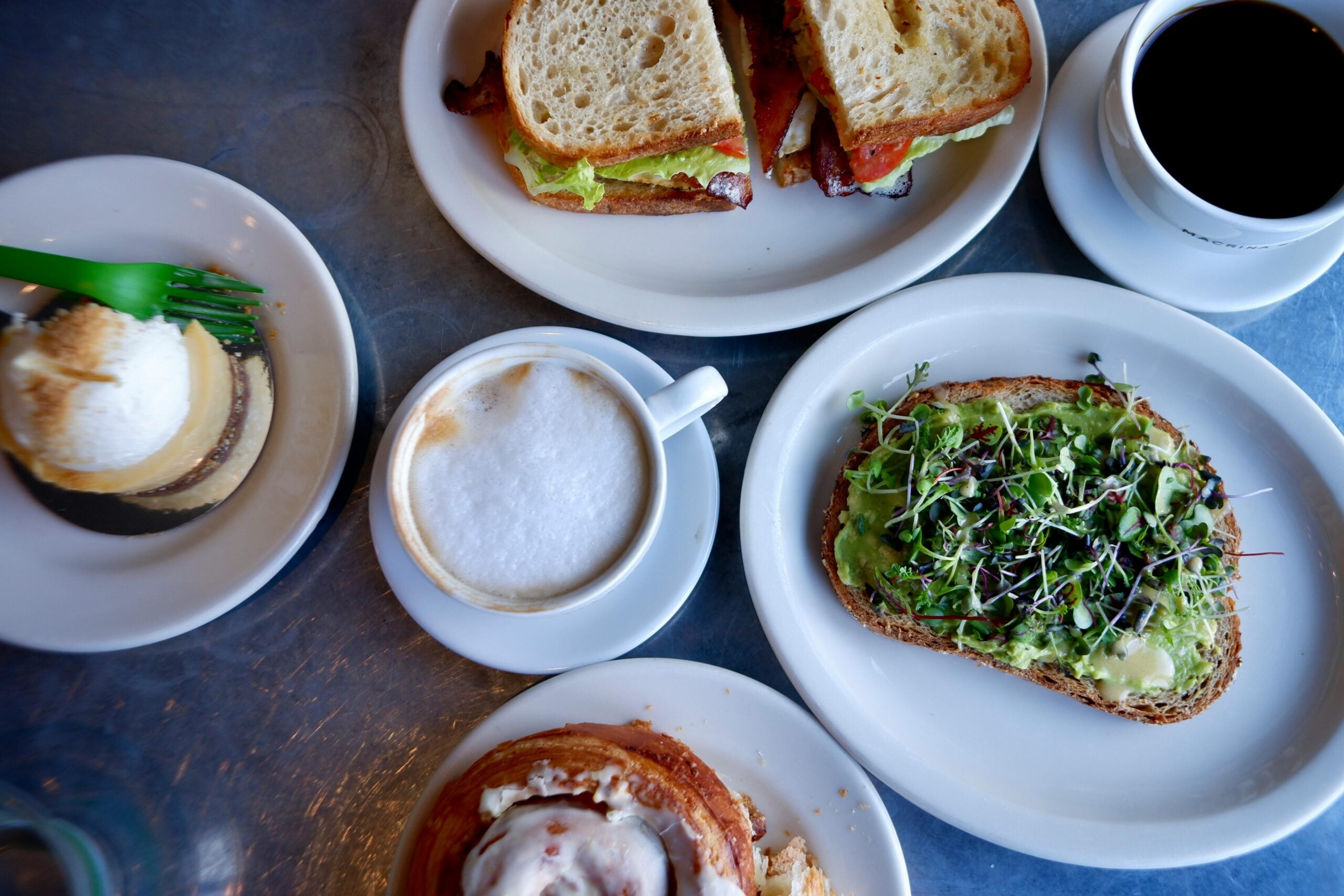
Airport food has never been cheap, but lately the prices feel harder to brush off. A sandwich, coffee, fast-food combo, or quick sit-down meal can easily cost $15 to $30 per person, which adds up fast for families stuck between flights. Travelers have always expected to pay a little more at the airport, but many now feel like the prices are completely disconnected from the outside world. That is why more people show up with snacks, refillable water bottles, and a plan. Nobody wants to kick off a vacation by spending dinner-level money on a rushed meal at the gate.
Budget Hotel Stays

Budget hotels used to be the safe middle ground. They were not fancy, but they were clean enough, convenient enough, and cheap enough to make a trip work. That is getting harder to find. In busy tourist areas, especially on weekends or during big events, a room that used to feel like an under $100 deal can now land closer to $150 or $250. Then the extras start showing up: parking, resort or destination fees, and other charges that make the final total look very different from the rate you clicked on. Travelers can still find deals, but a basic hotel stay does not feel quite as basic anymore.
Trending on Cheapism

Disney Vacations

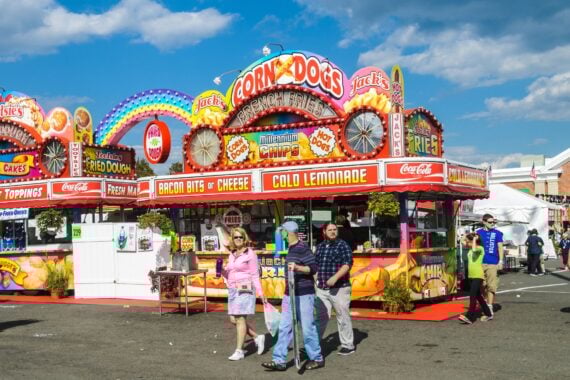
Disney vacations are still the kind of trip many families dream about, but the price is getting harder to ignore. By the time you add park tickets, hotels, meals, parking, souvenirs, and paid line-skipping options, a few days at Disney can quickly turn into a several-thousand-dollar vacation. For parents who grew up thinking of Disney as a special once-in-a-childhood trip, that number can feel intimidating. Many families still save up for it, but they are also making changes: staying fewer nights, visiting fewer parks, going in slower seasons, or putting the trip off for another year. The magic is still there, but now the bill is part of the memory too.
Checked Bags Being Included
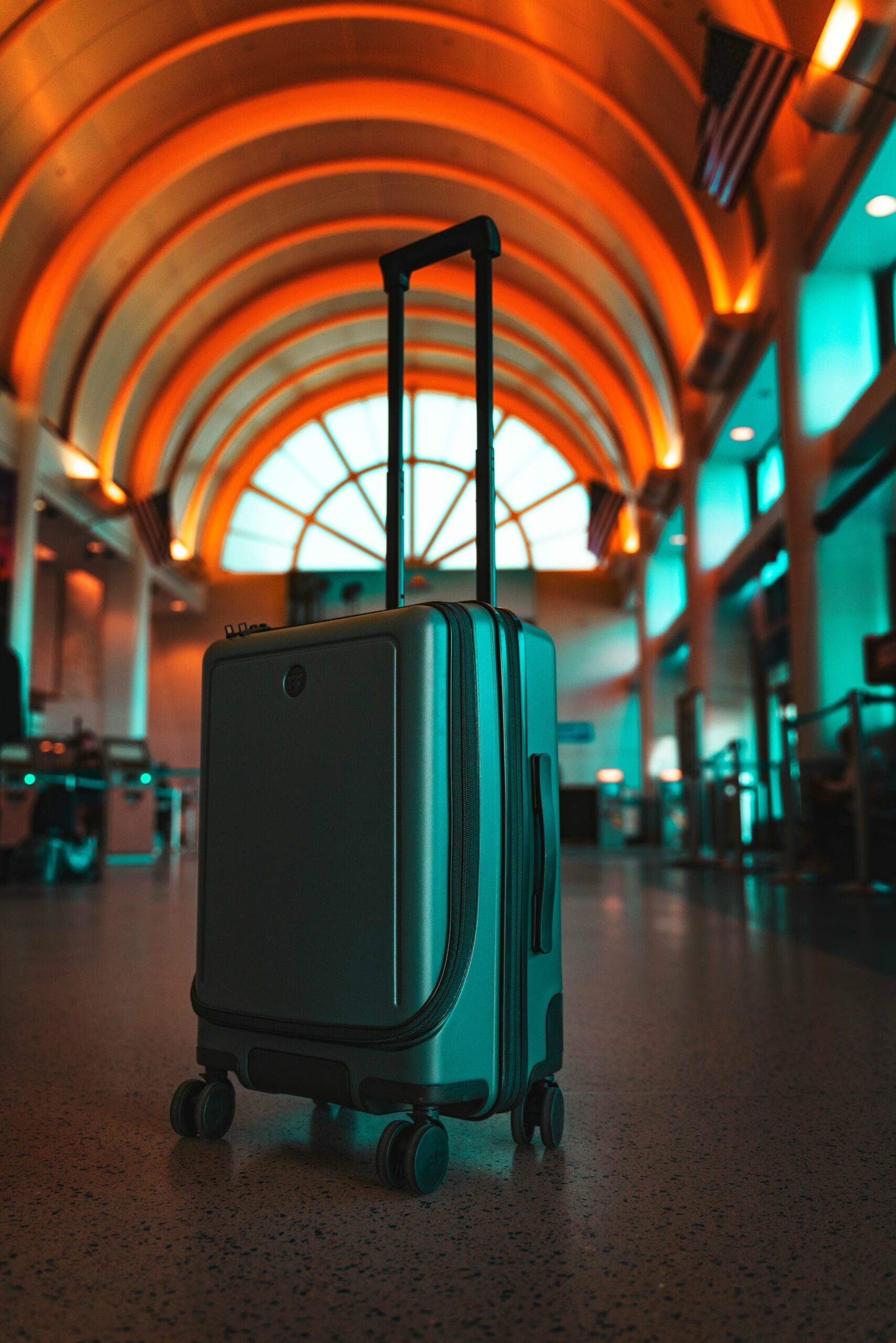
There was a time when checking a bag just felt like part of flying. Now, it can feel like one more thing travelers have to budget for. Many airlines charge around $35 to $50 for a checked bag on domestic flights, and some budget carriers add fees for carry-ons, seat selection, and early boarding too. That changes the way people pack and the way they compare ticket prices. A flight that looks cheap at first can lose its appeal once the extras are added. More travelers are packing light now, not because they love it, but because they are trying to avoid paying extra just to bring their stuff.
Cheap Rental Cars
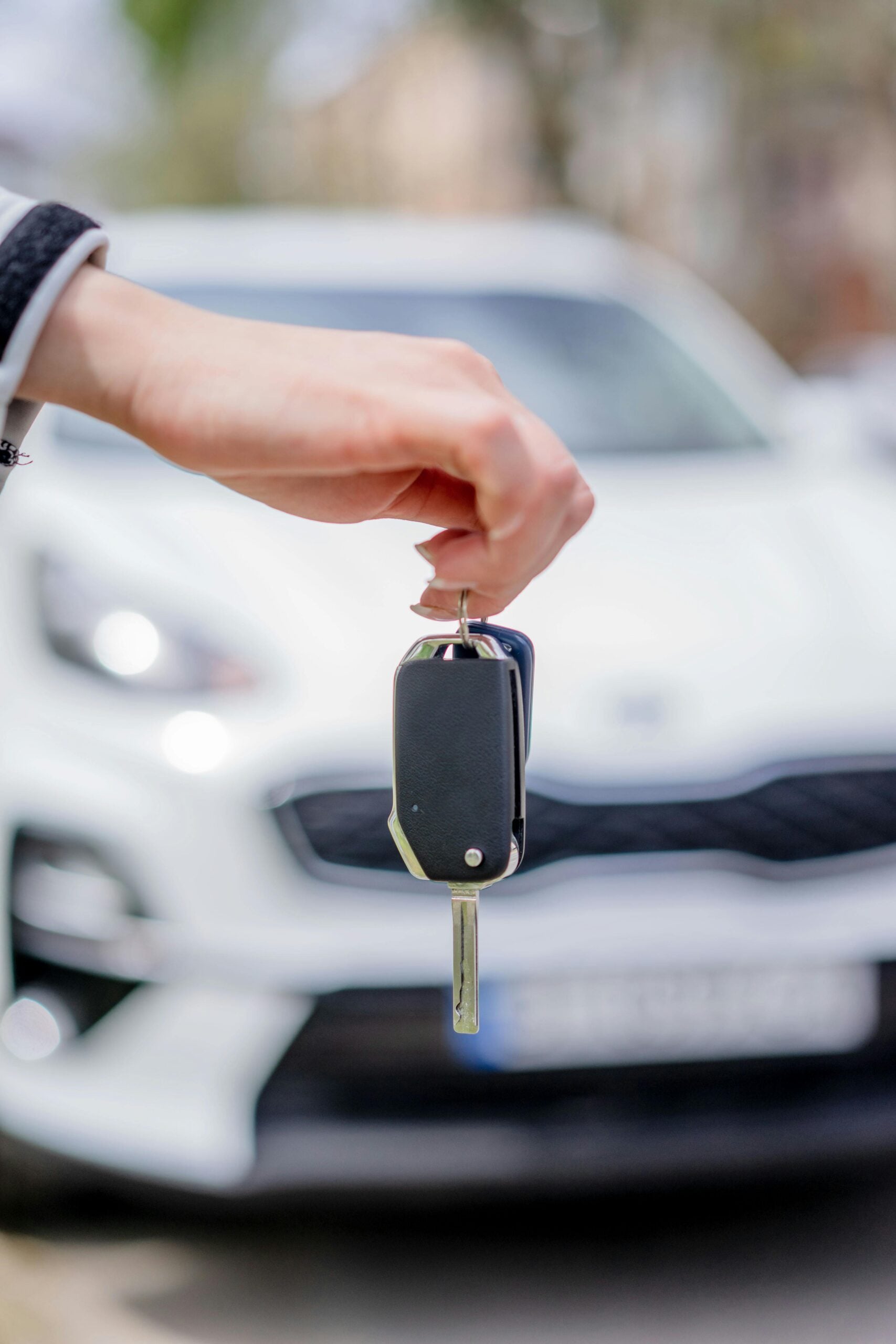
Rental cars became one of the most frustrating travel costs after the pandemic, and in many places, they still do not feel fully back to normal. Even when the daily rate looks reasonable at first, the final price can climb quickly once airport fees, taxes, insurance add-ons, extra-driver charges, and toll packages are added. In busy vacation areas, even a compact car can feel surprisingly expensive, especially during peak travel dates. That is why more travelers no longer rent a car automatically. They compare rideshares, hotel shuttles, public transit, or walkable hotels before deciding. The car may still be useful, but it is no longer the easy add-on it once was.
Sign up for our newsletter
Eating Out on Vacation Without Worrying About the Bill
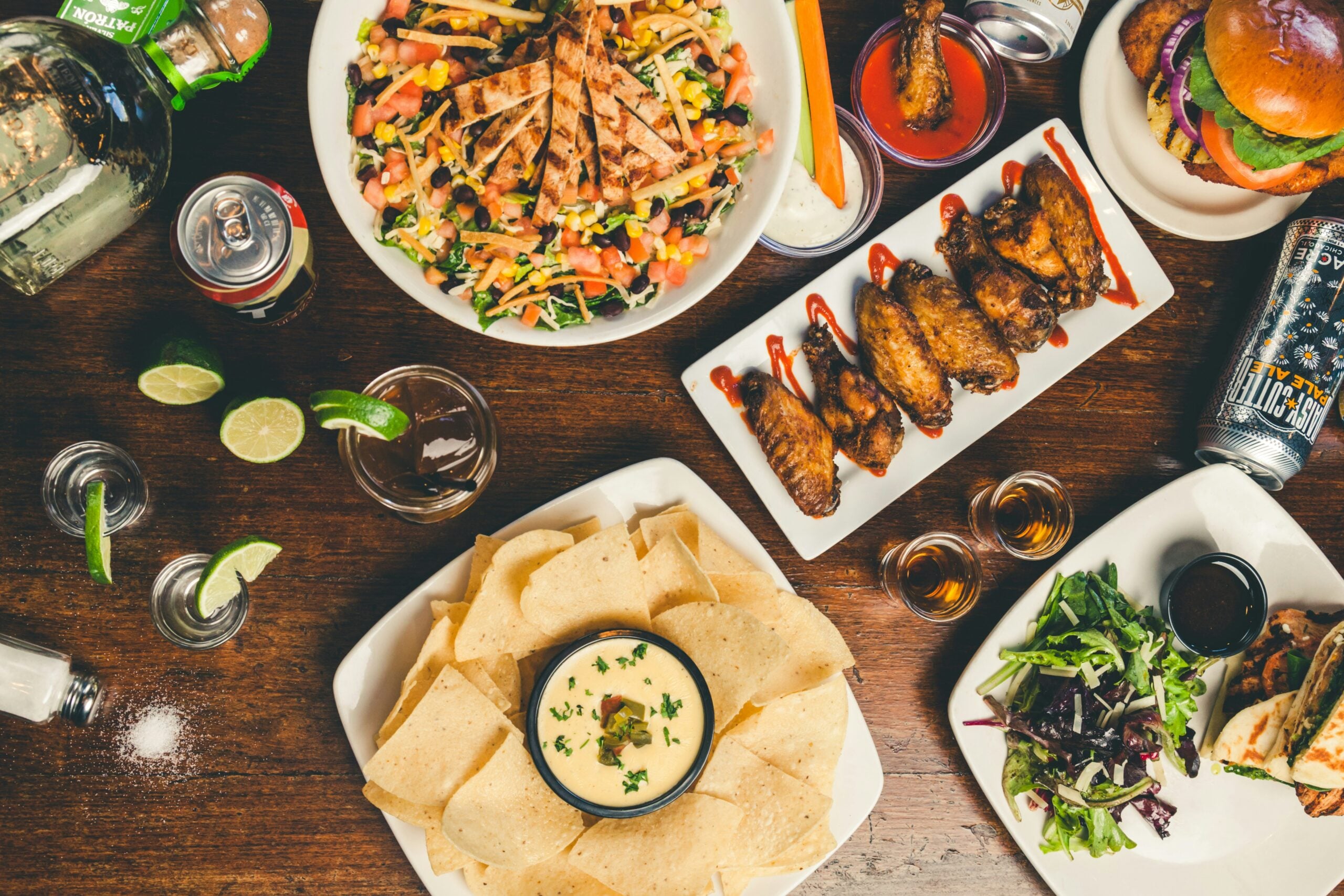
Part of the fun of vacation used to be saying yes to dinner out without thinking too hard about the bill. That is harder now. In busy tourist areas, a casual family dinner can easily reach $80 to $150 before tip, especially once you add drinks, kids’ meals, service charges, or a shared appetizer. Travelers still want to enjoy local restaurants, but many are being more selective about when they eat out. A hotel room with a kitchen, a quick grocery run, picnic lunches, or splitting entrees can help keep food costs from swallowing the whole vacation budget.
Ski Trips
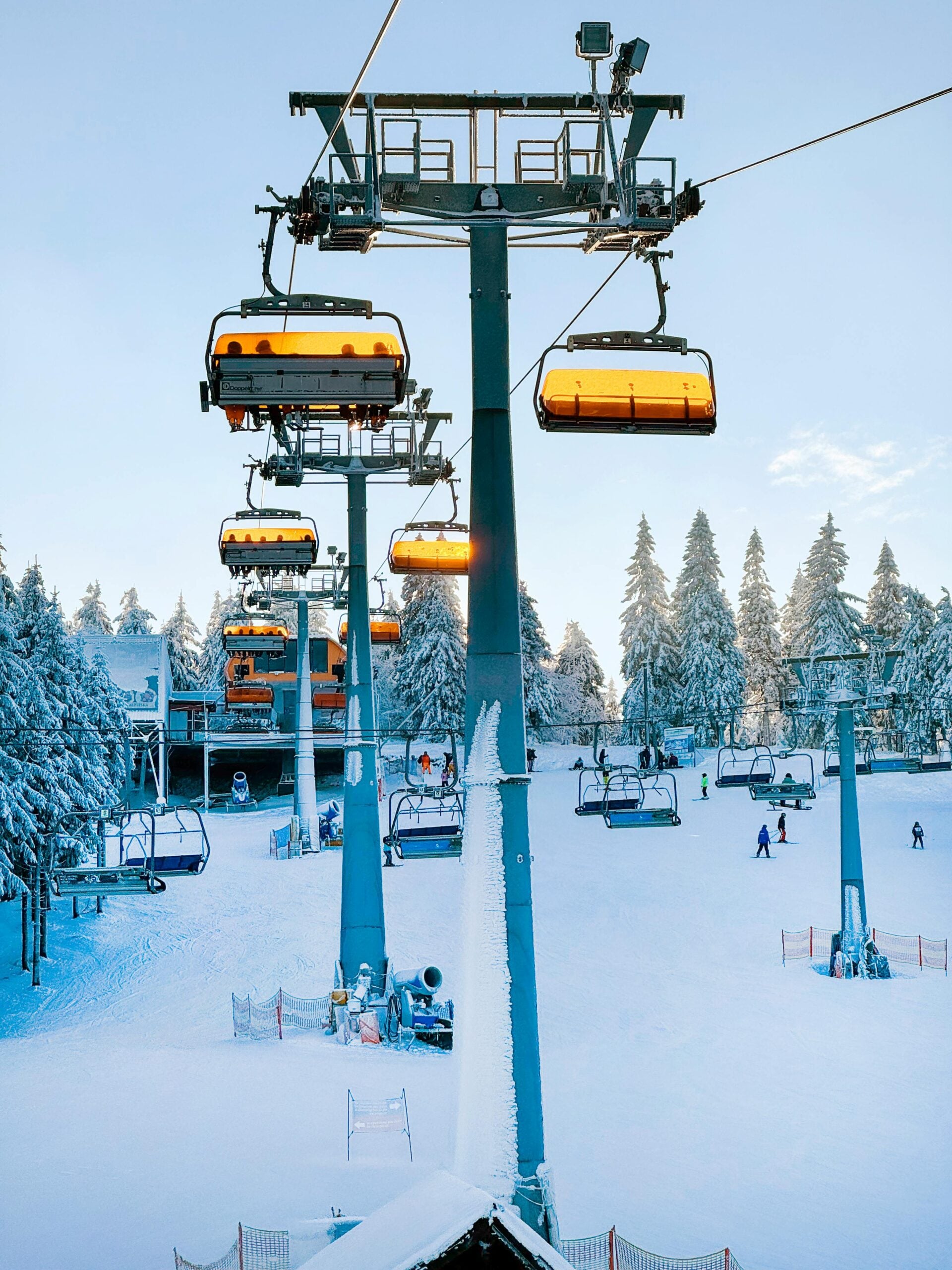
Ski trips were never exactly cheap, but they used to feel possible for families who planned ahead. At major resorts, that is getting harder to say. A single-day lift ticket can now cost more than $200 at well-known mountains, and that is before lodging, rentals, lessons, parking, and food are added. Even the parts of the trip that have nothing to do with skiing, a hotel room, dinner in town, or a quick lunch near the slopes, can feel expensive. That is why more travelers are looking at smaller regional ski hills, buying passes early, or skipping the biggest-name resorts altogether. The snow may still be beautiful, but the price tag has changed.
Cruises Feeling Affordable
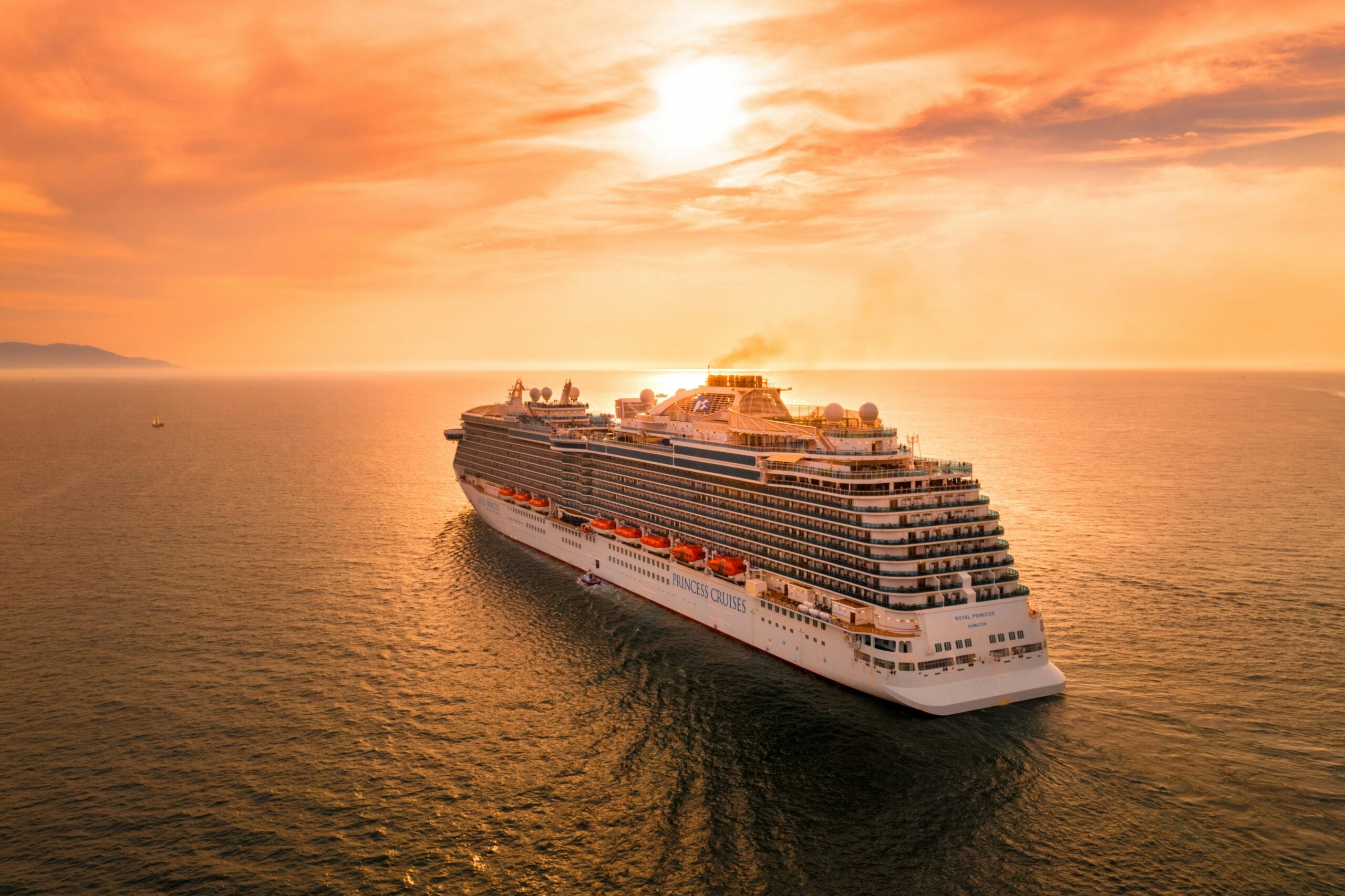
Cruises can still look like one of the better travel deals, especially when the advertised fare is low. But the first price is rarely the whole price. Once port fees, gratuities, drink packages, specialty restaurants, Wi-Fi, excursions, and onboard extras are added, the final total can look very different from the deal that caught your eye. Budget travelers who used to see cruises as an easy all-in-one vacation now have to read the fine print more carefully. A cruise can still be worth it, but it is no longer safe to judge the trip by the headline fare alone.
Souvenirs That Didn’t Feel Ridiculously Overpriced
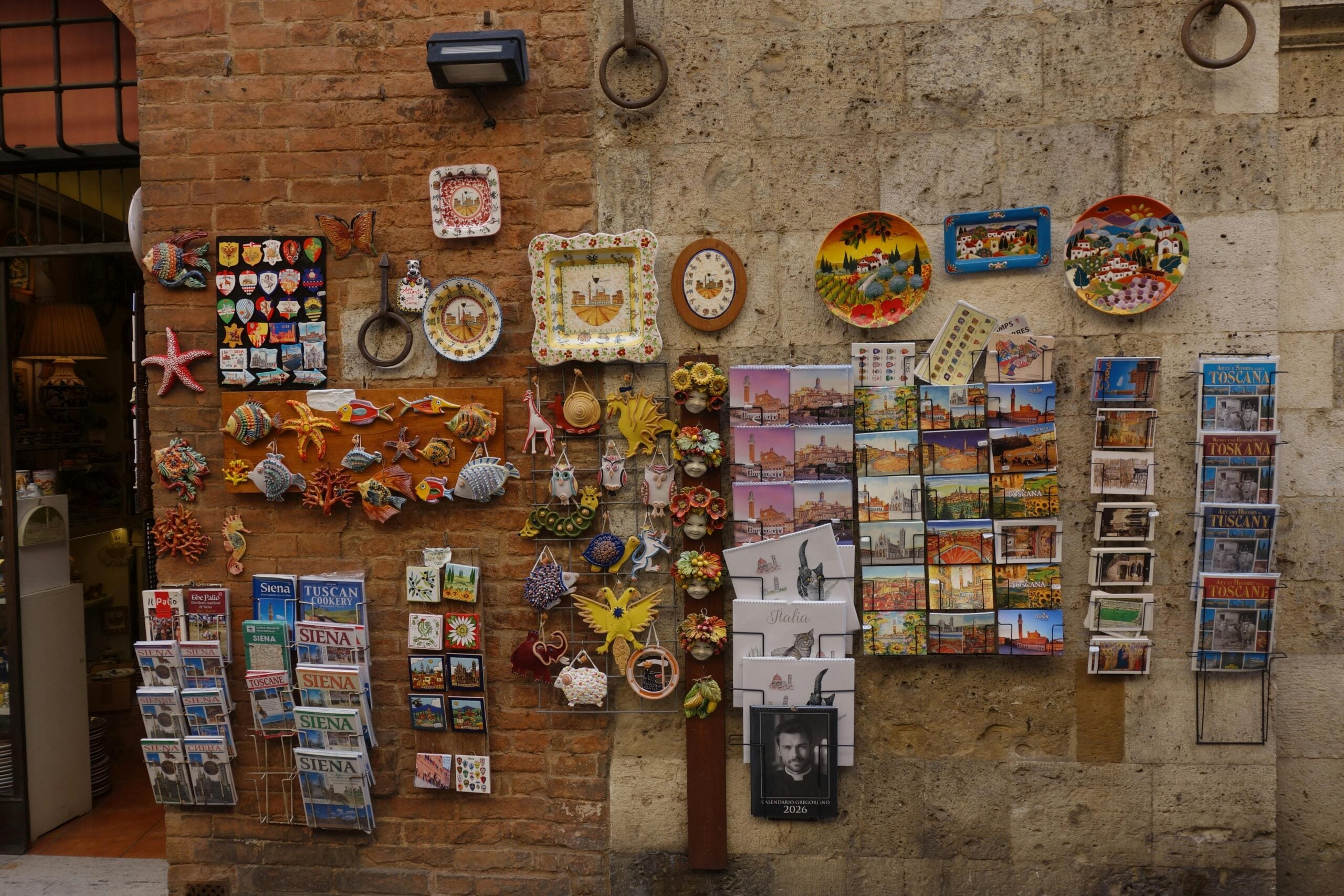
Buying a souvenir used to be one of the easiest little joys of traveling: a T-shirt, magnet, mug, keychain, or snack to bring home. Now, even basic gift-shop items can feel overpriced, especially in busy tourist areas. After paying for hotels, food, tickets, and transportation, a family may not want to spend even more on something that feels mass-produced. That is why more travelers are skipping souvenirs, taking extra photos, or looking for locally made items that feel worth the money. The memory is still worth keeping, but the gift shop receipt is getting easier to avoid.
Many Americans still love to travel, but rising costs are changing the way they plan. More people are taking shorter trips, choosing places closer to home, traveling in the off-season, watching for deals, buying groceries, or looking for cheaper places to stay. In 2026, the biggest travel luxury is not always a dream destination or a fancy hotel. Sometimes, it is just being able to enjoy the trip without worrying about the bill waiting at home.
More from Cheapism:
- Guess We’re Staying Home: Why Traveling to Our Favorite Vacation Spot Is Way Too Expensive Now – A look at why favorite vacation spots now feel unaffordable, from pricier hotels and flights to hidden fees and everyday inflation.
- 12 Ways to Save Money on Flights by Traveling During ‘Shoulder Season’ – A practical guide to using off-peak travel windows to save on flights, hotels, crowds, and destination costs.
- 6 Ways To Eat Cheap While Traveling – A budget-travel food guide with simple ways to avoid overpriced tourist meals, from grocery stops to local markets and smarter restaurant choices.